
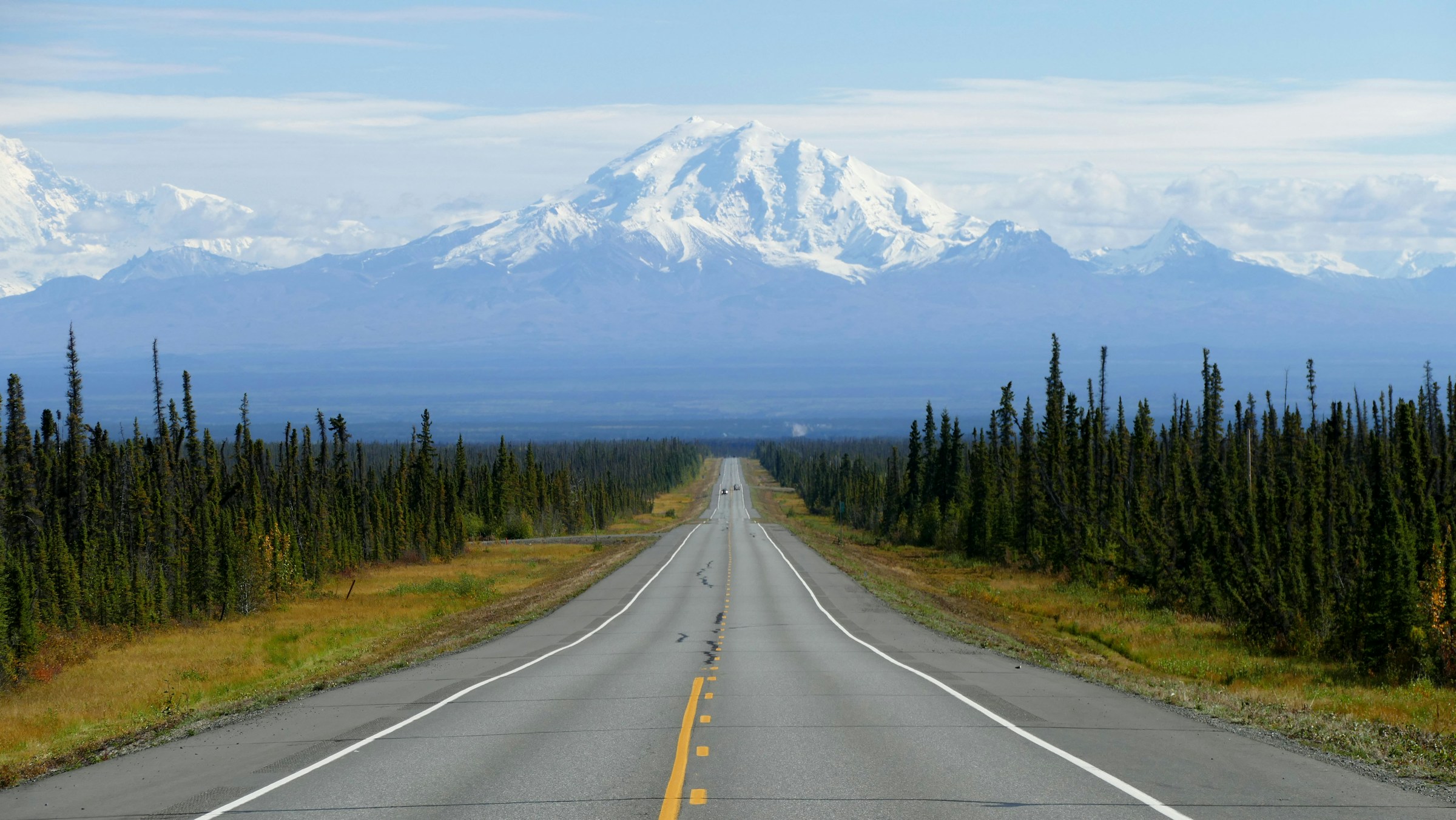

Alaska has a way of humbling even the most seasoned traveler. The glaciers are bigger than you imagined, the wildlife appears without warning, and the weather shifts from crisp sunshine to steady drizzle within the same afternoon. Getting this trip right starts long before you board the ship.
Packing for an Alaska cruise is genuinely different from packing for any other sailing. The wardrobe philosophy is completely different, the gear priorities change, and forgetting even one key item can cost you an unforgettable moment. Here is what actually belongs in your bag.
A Quality Waterproof Rain Jacket
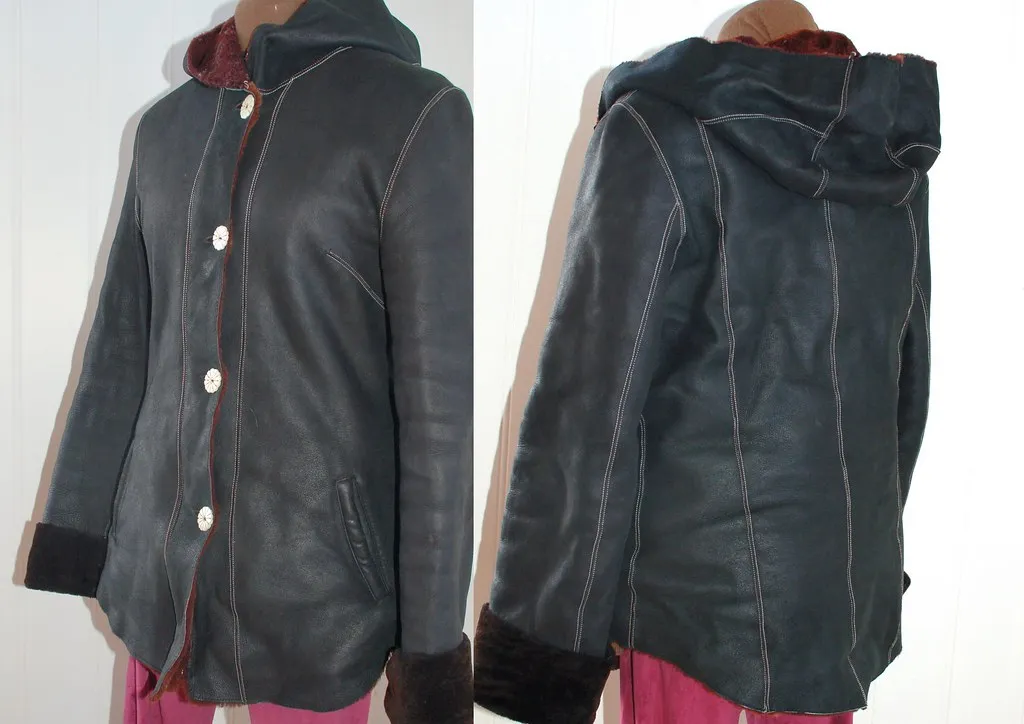
Southeast Alaska is a temperate rainforest, and its famously fickle weather is a central part of the experience. A single day can bring brilliant sunshine, dense fog, light drizzle, and a stiff breeze, sometimes all before lunch. That reality makes a proper waterproof jacket your single most important piece of clothing.
A heavy coat is not necessary. A lightweight insulated jacket paired with a waterproof outer layer is far more versatile and easier to manage. Look for something hooded, wind-resistant, and genuinely waterproof, not just water-resistant. Summer temperatures along the Inside Passage range from 55°F to 65°F between May and September. You won’t need a parka, but you will need a rain jacket.
Layering Pieces: Fleece, Base Layers, and Everything Between

Temperatures can vary anywhere between 30 to 80 degrees throughout the summer travel months, inviting guests to layer on the sweaters and windbreakers as weather can be unpredictable. The layering system is the real strategy here, not any single heavy garment.
Prioritize moisture-wicking base shirts, insulating fleece jackets, and completely waterproof outer shells over bulky jackets. This three-layer approach lets you adapt quickly as you move from a warm ship interior to a cold, breezy glacier viewing deck. It can be 70°F in town and 50°F by a glacier on the same day. Versatility matters far more than warmth alone.
Waterproof Footwear That Can Handle Real Terrain
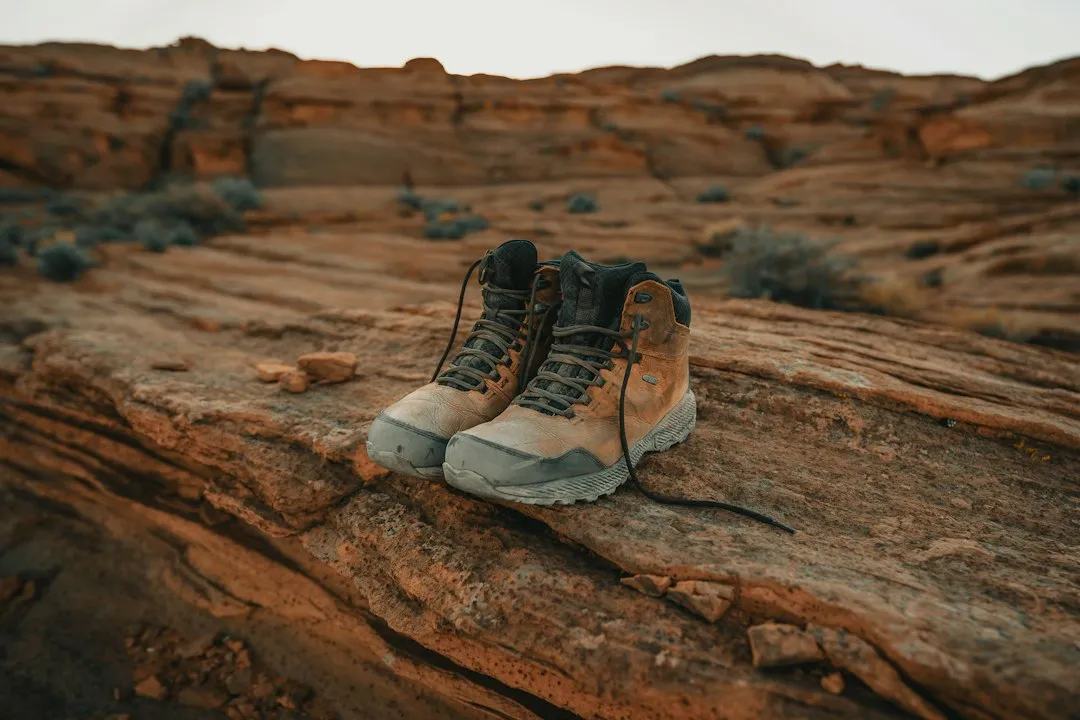
A pair or two of good walking shoes that you don’t mind getting wet or muddy are essential. Sneakers are acceptable, though if you are a big hiker, you might want to bring waterproof hiking boots. The key word in all of that is waterproof. Mesh running shoes will leave your feet soaked within minutes of a port excursion.
You’re likely going to be moving around quite a bit, so you need shoes that move with your natural movements. Heels are not a good idea, due to the wetness and iciness throughout the better part of the year. Duck boots, trail shoes, or broken-in waterproof hikers all earn their place. Comfort and grip matter as much as dryness.
Binoculars for Wildlife and Glacier Viewing

Binoculars are essential for wildlife viewing in Alaska as they allow you to spot animals from a safe distance and against harsh backdrops like tundras, forests, and glaciers. A good pair of binoculars with at least 10x magnification power can bring distant bears, eagles, and whales right before your eyes, without actually disturbing the animals.
The best binoculars for an Alaska cruise combine waterproof construction, fog-proof performance, and 8x to 10x magnification that balances detail with image stability. You need optics that can handle ocean spray, temperature changes from cabin to deck, and extended viewing sessions while scanning for wildlife. Do not rely on borrowing a pair. Bring your own.
Seasickness Medication

Packing preventive seasickness remedies is essential for a cruise, as Alaska’s variable weather can translate to some pretty choppy and rough water. Rough seas can trigger motion sickness, even in those who may not suffer from it often. This is not a precaution only for people who typically get sick at sea.
Things like Dramamine or acupressure wristbands come in handy on choppier stretches such as the Gulf of Alaska crossing and the open-water approach to Sitka. Cruises departing from Vancouver tend to have calmer waters since they immediately enter the Inside Passage. In contrast, ships leaving from Seattle must navigate the open waters of the Pacific Ocean first, which can be choppier. If you’re concerned about seasickness, this is worth considering.
A Waterproof Daypack or Dry Bag
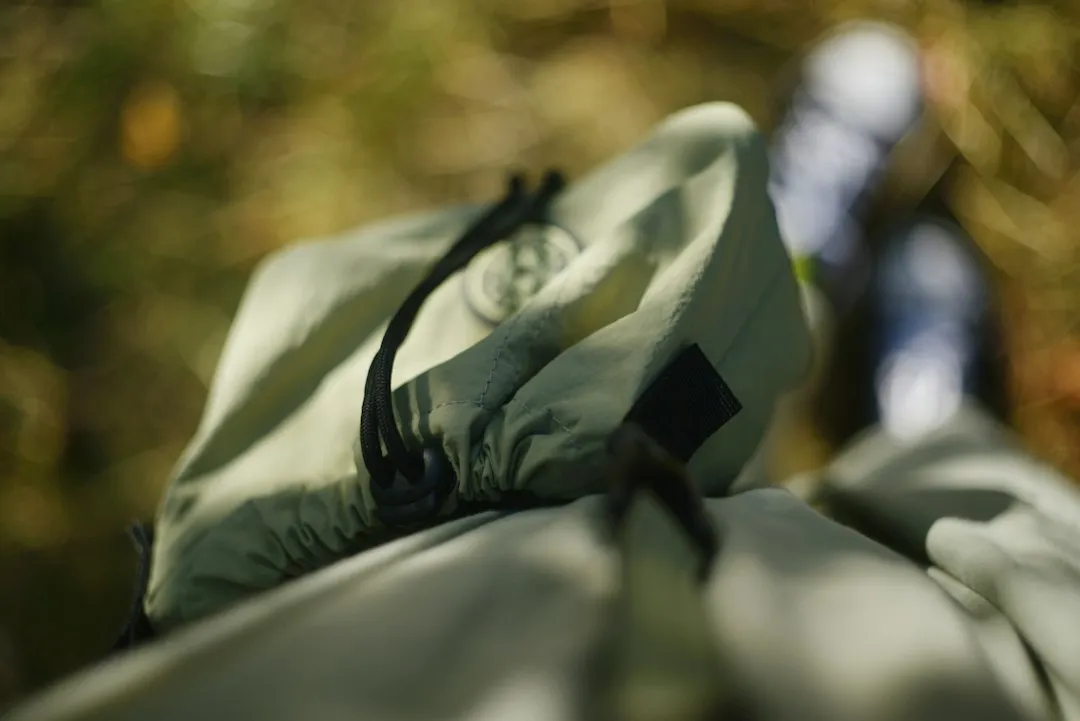
Your most important items will be the waterproof bags to hold your gear so you can stay focused on scanning the shore for signs of wildlife. A good daypack also gives you a place to stash extra layers, snacks, and your camera when you’re heading ashore for excursions.
If your smartphone’s camera will be your main method for photography on your Alaskan cruise, invest in a waterproof phone pouch. Rain and ocean spray are unavoidable on deck and on shore, so protecting your electronics from the start is simply smart planning. While smartphone cameras are powerful, a dedicated camera with a zoom lens will capture far better wildlife photos. Protect your gear with a waterproof case or a simple dry bag for rainy days on deck.
A Sleep Mask for the Midnight Sun

An eye mask is wise because Alaska’s summer sun can rise before 4 a.m., and cabin blackout curtains don’t always do the job. This is one of those items that sounds minor until your first night aboard, when the sky outside your porthole is still glowing at 11 p.m.
In May, you get about 16.5 hours of daylight. By June, daylight reaches around 17 to 18 hours. Your body will want to sleep on a normal schedule, but the light has other plans. A quality sleep mask is an inexpensive fix that makes a real difference in how rested you feel by the third or fourth day at sea.
Sunscreen, Lip Balm, and Cold-Weather Skin Care

Even in cooler climates, sun protection is important. The combination of reflected light off snow and glacial ice, strong coastal winds, and extended daylight hours creates conditions that are surprisingly hard on exposed skin. Many travelers underestimate this entirely.
Protect your lips from drying out in the cold and wind with a good lip balm. A moisturizer with SPF coverage handles double duty on days spent out on deck or during glacier excursions. Protect yourself with polarized sunglasses, sun-protective lip balm, a warm neck gaiter, and a sleep mask. These small items add up to genuine daily comfort when the conditions get raw.
A Final Word Before You Zip Up That Bag

Packing is an art when it comes to Alaska. The temptation to over-prepare with heavy winter gear or under-prepare with a typical summer wardrobe can both lead to regret. The sweet spot is a thoughtful, layered approach built around waterproofing, versatility, and a few smart accessories.
Alaska rewards travelers who show up ready to move between environments quickly, from a ship’s warm dining room to a glacial shoreline where the wind has real bite. Pack light enough to be nimble, and specific enough to stay comfortable. The scenery will take care of everything else.
AI Disclaimer: This article was created with the assistance of AI tools and reviewed by a human editor.