
There is a particular kind of magic that arrives in New England each autumn. The forests go from green to gold almost overnight, the air sharpens, and the region draws visitors from across the country and the world in search of something that feels increasingly rare: a landscape that genuinely stops you in your tracks.
After a not-so-great 2025 season, 2026 is shaping up to be a particularly strong year for foliage, with areas in the north already seeing significant color changes in parts of Vermont, New Hampshire, and Maine. If you’re planning a fall weekend getaway, what you pack matters more than you might expect. The weather shifts fast, the terrain varies, and the right gear is what separates a joyful trip from a shivering, soggy one.
1. A Proper Layering System

October in New England swings from around 2°C at dawn to 18°C by mid-afternoon. Pack a waterproof shell jacket, since October rain is frequent and can last days, along with a mid-layer fleece or down vest, and at least one genuinely warm layer for evenings when temperatures drop fast after sunset in the mountains.
Start with a moisture-wicking base layer, which keeps you dry and comfortable, then add an insulating mid-layer for warmth. When heading to higher elevations, prepare for cooler temperatures by choosing a lightweight but waterproof outer layer.
Vermont’s Green Mountains and New Hampshire’s White Mountains can feel considerably colder than you expect, even when the days feel mild, particularly in shade from thick tree cover or when a brisk wind picks up. Layering is not just practical here; it’s the whole game.
2. Waterproof Hiking Boots

The foliage is best experienced from the trails. A forest floor hike puts you inside the color rather than viewing it from a distance. Waterproof hiking boots handle New England’s October trails reliably, particularly given the wet leaves that coat trail surfaces throughout the month.
Autumn leaves can make a trail look inviting while hiding mud, roots, and slick pavement. Waterproof walking shoes or broken-in boots provide far more value than several fashionable pairs. Test them before the trip, especially if the itinerary includes the White Mountains, Vermont state parks, or long walks through historic districts.
A second lightweight pair is still useful for restaurants and for giving wet footwear time to dry. Carrying two pairs sounds like extra weight, but your feet will thank you on day two.
3. A Reliable Rain Jacket

New England is one of the wettest regions in the US, with Portland, ME and Burlington, VT averaging over 40 inches of rain annually. The fall foliage season from September through November brings frequent rain, making a packable waterproof jacket essentially non-negotiable. Umbrellas are often useless in coastal wind.
New England in October includes nor’easter potential and the standard variable weather of a maritime climate. A jacket that compresses into its own pocket is ideal; it takes up almost no space in a daypack and can be on your back within seconds when a shower rolls through unexpectedly.
4. Merino Wool Base Layers

Think chunky knit sweaters, jeans or long dresses, waterproof boots, and lightweight merino wool base layers that keep you warm without adding bulk. Merino wool is genuinely worth the investment for this kind of trip. It regulates temperature well, resists odor, and handles the wide swings between morning cold and afternoon warmth without leaving you clammy.
Morning hike temperatures in the Vermont mountains can run from 3 to 8 degrees Celsius. Afternoon walking through a foliage-lit village can reach 15 degrees. Dinner at a country inn sits at around 20 degrees indoors. The same merino base layer handles all three scenarios without a change.
Merino wool socks keep feet warm even when damp. Pack roughly one pair per two days. That ratio holds up well in practice, especially on a shorter fall weekend trip.
5. A Camera and Extra Memory Cards
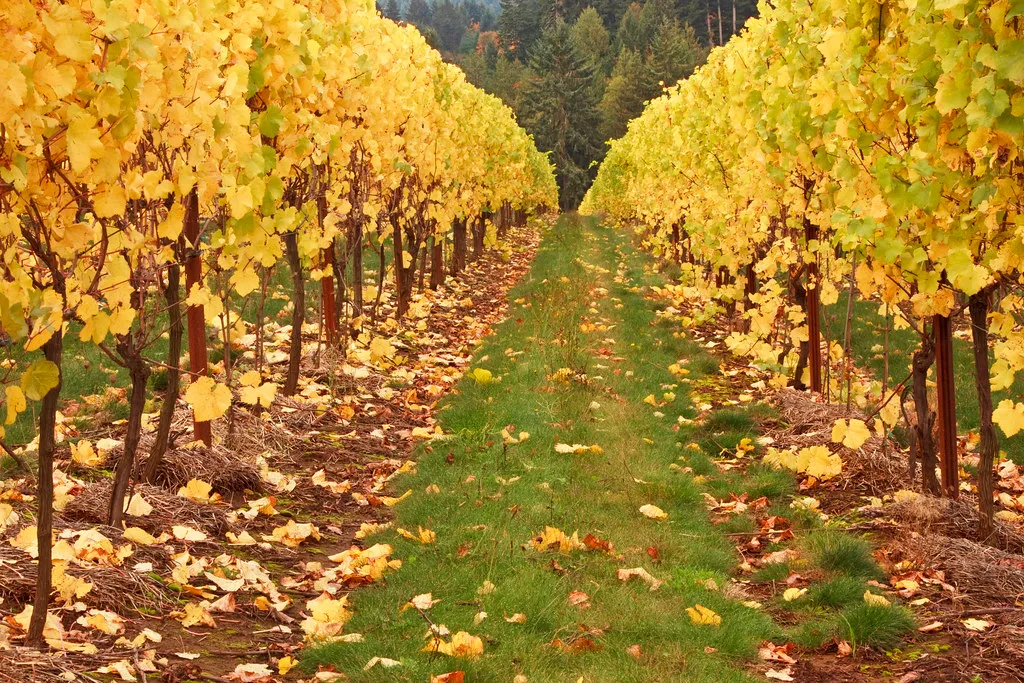
For high-quality images of the fall foliage in New England, bring a trusted camera. Cellphone cameras are great for quick shots, but may not display the best quality when printed or displayed at larger sizes. The light during foliage season, particularly in the early morning when mist lifts from valleys and low October sun hits the canopy, is genuinely spectacular.
A compact camera or smartphone with extra memory cards helps you capture fall’s stunning scenery without running out of storage mid-trip. It’s easy to underestimate how many shots you’ll take when every bend in the road looks like a painting. Extra batteries or a power bank are equally important, since cold air drains battery life faster than warm conditions.
6. Binoculars

New England’s wildlife is active in the fall. From migrating hawks to deer and moose on the move, binoculars let you get a closer look. Even if you don’t encounter wildlife, binoculars still enhance the leaf-peeping experience considerably.
From a ridgeline overlook, a good pair of binoculars transforms a sea of distant color into something you can actually read: individual trees at different stages of change, a covered bridge tucked into a valley, a church steeple rising through orange maples. They’re particularly great for spotting wildlife like moose along routes such as the Kancamagus Highway in New Hampshire. A compact folding pair fits easily in a jacket pocket.
7. A Warm Hat and Gloves

During late September and early October, daytime highs in most of New England hover in the low to mid-60s°F, with cooler mornings in the 40s°F. By late October, the temperatures shift significantly, with daytime highs dropping to the low 50s°F and mornings dipping into the mid-30s°F.
A quality scarf adds both warmth and atmosphere for October travel. Gloves are genuinely necessary for the coldest mornings. This is especially true if you’re planning any early morning starts to catch the golden hour light on the hills, which is exactly when foliage photography is at its most rewarding.
Warm hat and gloves are particularly important in places like Acadia National Park in Maine, where ocean winds make the air feel considerably colder than the actual temperature. Pack both, even if the forecast looks mild.
8. A Foliage Map or Navigation App
Massachusetts, for example, launched a new interactive fall foliage map through the Department of Conservation and Recreation in 2024. The map shades parts of the state based on the level of foliage, ranging from “no change” and “just changing” to “peak” foliage and “past peak,” organized by time period.
Peak viewing periods are typically brief, lasting only seven to ten days in any given location, according to the Old Farmer’s Almanac. That narrow window means a little advance planning pays off enormously. While tourism marketing often encourages visiting New England in mid-September, actual peak colors rarely appear before early October, though some northern regions may see significant changes by late September.
Color typically moves south and downhill through the season: northern Vermont and New Hampshire peak in late September into early October, while coastal Connecticut and Rhode Island peak in late October. Having a reliable map, whether digital or paper, helps you follow the color rather than chasing it blindly.
A Few Bonus Items Worth Mentioning
Beyond the core eight, a few smaller things tend to earn their place in the bag. Sunscreen is genuinely needed on clear fall days, especially at higher elevations where UV exposure is stronger than most people expect. Take a camera, but remember to put it down and just look around. Take visors and sunscreen too.
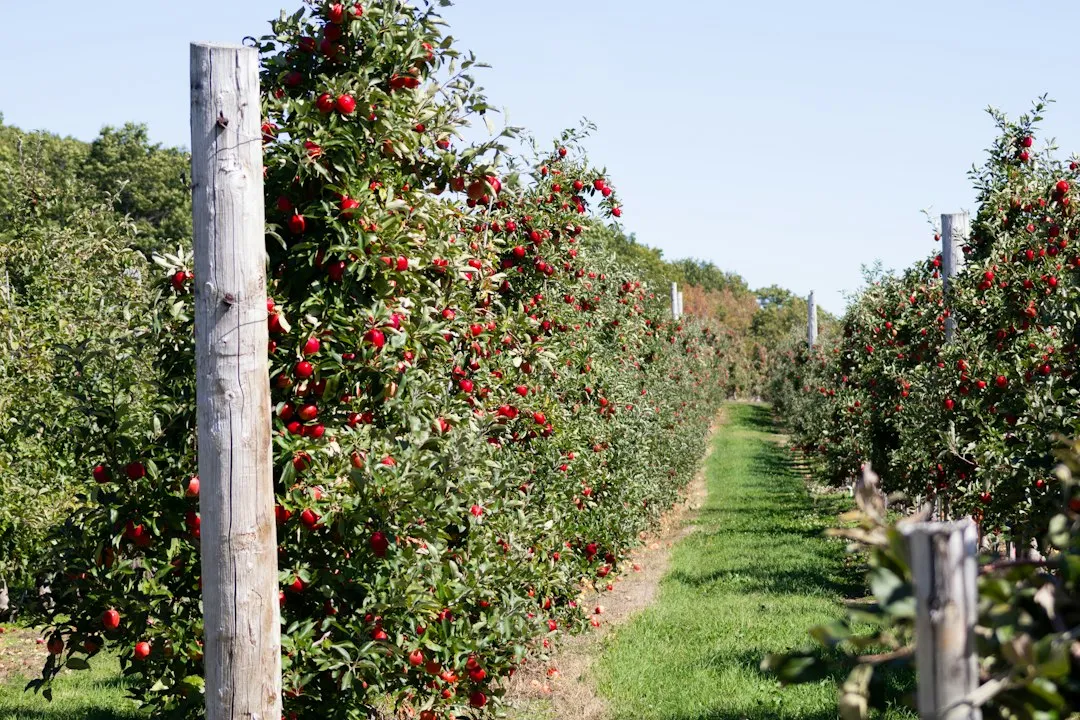
Pick-your-own apple orchards peak in September and early October, with most offering fresh-pressed cider, cider donuts, and corn mazes. Roadside stands sell late-season tomatoes, squash, and locally pressed cider. In Vermont, sugar houses sometimes sell maple products and maple soft-serve through October. A small insulated bag for picking up local goods along the way is a quiet but well-earned addition to any fall road trip kit.
Packing With Intention
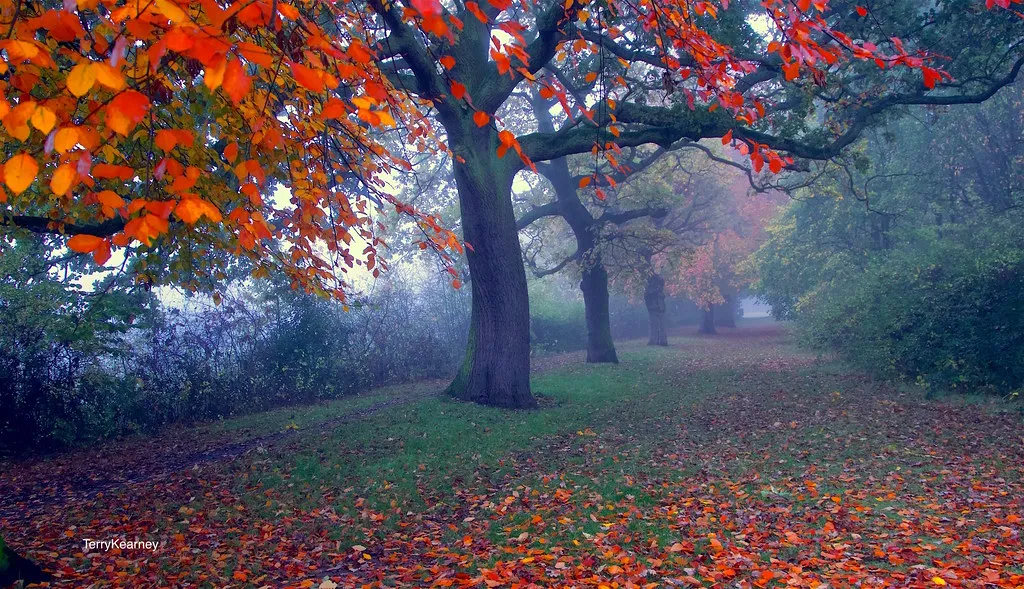
A fall foliage weekend in New England doesn’t ask much of you in terms of gear. The region is accessible, the towns are welcoming, and the scenery does most of the work. What good packing really buys you is presence: when you’re not distracted by cold feet or a soaked jacket, you’re actually there for the experience.
From early to mid-October, northern regions showcase peak conditions with vibrant gold, orange, and red leaves along classic routes, while central New England destinations build toward peak between October 10 and 18. Southern New England offers its finest color roughly between October 15 and 25, combining foliage with coastal towns. The season is long enough to offer flexibility, and short enough that it rewards preparation. Pack thoughtfully, leave a little room for spontaneity, and the rest tends to take care of itself.
AI Disclaimer: This article was created with the assistance of AI tools and reviewed by a human editor.