
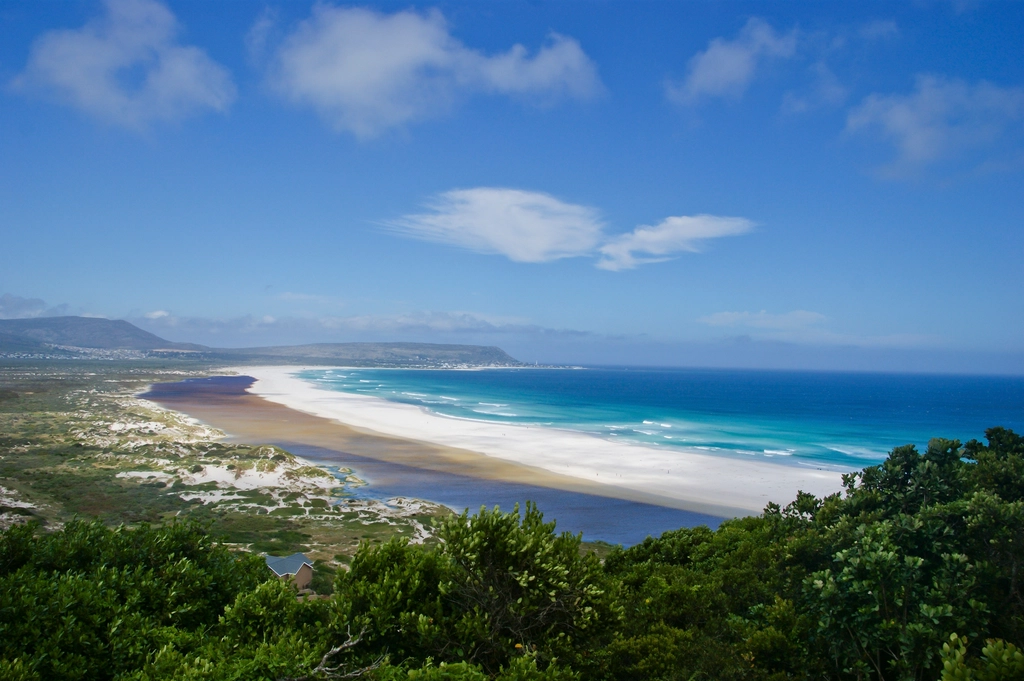

South Africa is one of those places that resists a single description. It’s a country of sweeping savannas and world-class wine valleys, ancient fossil sites and coastlines where whales breach offshore. The sheer variety packed into one nation is almost difficult to comprehend until you’re standing in the middle of it.
Interest in South Africa’s travel scene has been growing steadily, with visitor numbers trending upward year on year. Whether you’re a first-time traveler or someone already familiar with the continent, there’s a compelling case for why this country deserves a spot on your itinerary. Here are nine reasons that make the journey genuinely worthwhile.
1. Wildlife Unlike Anywhere Else on Earth
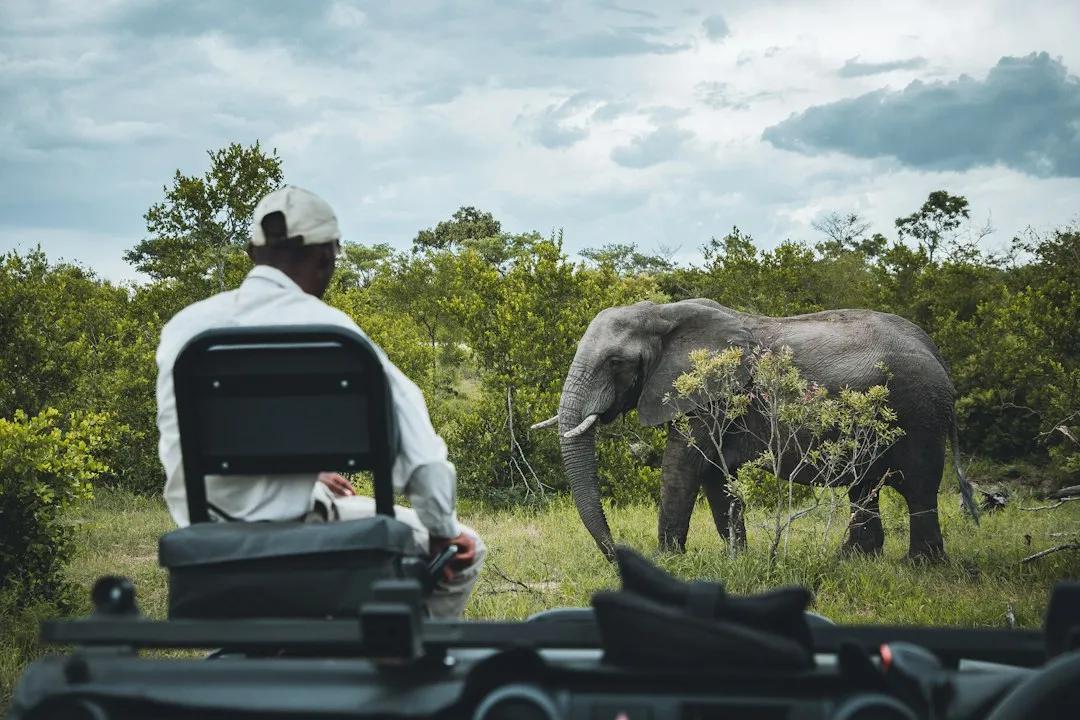
South Africa is home to seven percent of the world’s mammal, bird, and reptile species, ten percent of plant species, and fifteen percent of marine species. That concentration in one destination is extraordinary. Specifically, 297 species of mammal have been recorded here, along with 849 species of bird and over 20,000 species of vascular plants.
South Africa is ranked sixth out of the world’s 17 megadiverse countries, a fact that puts it in rare company globally. The Greater Kruger landscape supports one of Africa’s most important continuous populations of elephants, lions, leopards, and other large savanna mammals, underpinning South Africa’s flagship safari reputation.
The African savanna elephant population in Kruger National Park alone numbers over 31,000 individuals, though the species faces broader threats on the continent. Responsible wildlife viewing here connects visitors to something genuinely irreplaceable.
2. Tourism Is Booming, and for Good Reason
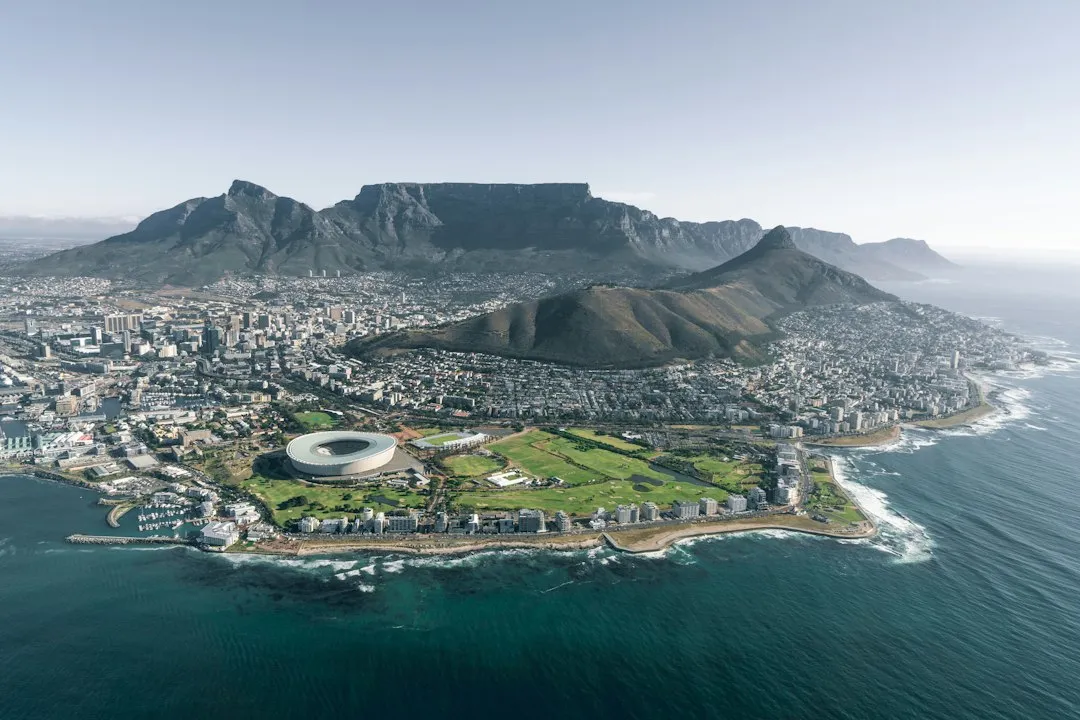
South Africa’s international tourism sector recorded a strong recovery in 2025, surpassing pre-pandemic levels for the first time since global travel disruptions, with the country welcoming 10.5 million tourists, representing a 17.7% increase from 2024. That momentum reflects real, sustained interest from travelers worldwide.
In 2025, South Africa was rated as the fourth best country in the world for tourism, as well as the best in the Africa and Indian Ocean region, by The Telegraph. Recognition like that doesn’t come from marketing alone. South Africa’s reputation as a prime holiday destination remained strong, with nearly all visitors arriving for leisure.
3. An Extraordinary Network of UNESCO World Heritage Sites
UNESCO added three new South African sites to its prestigious World Heritage List in 2024, bringing the total number of sites in South Africa to 12. This recognition came at the 46th World Heritage Committee meeting held in New Delhi, India, marking a significant achievement for the nation’s cultural and historical preservation efforts.
The country’s sites span both cultural and natural categories, including the Fossil Hominid Sites, the Mapungubwe Cultural Landscape, Robben Island, the Cape Floral Region Protected Areas, and the iSimangaliso Wetland Park. Twelve UNESCO World Heritage Sites in a single country is a remarkable concentration of human and natural significance. Each one tells a distinct story about the land and the people who shaped it.
4. The Cape Winelands: Where History Pours Into Every Glass
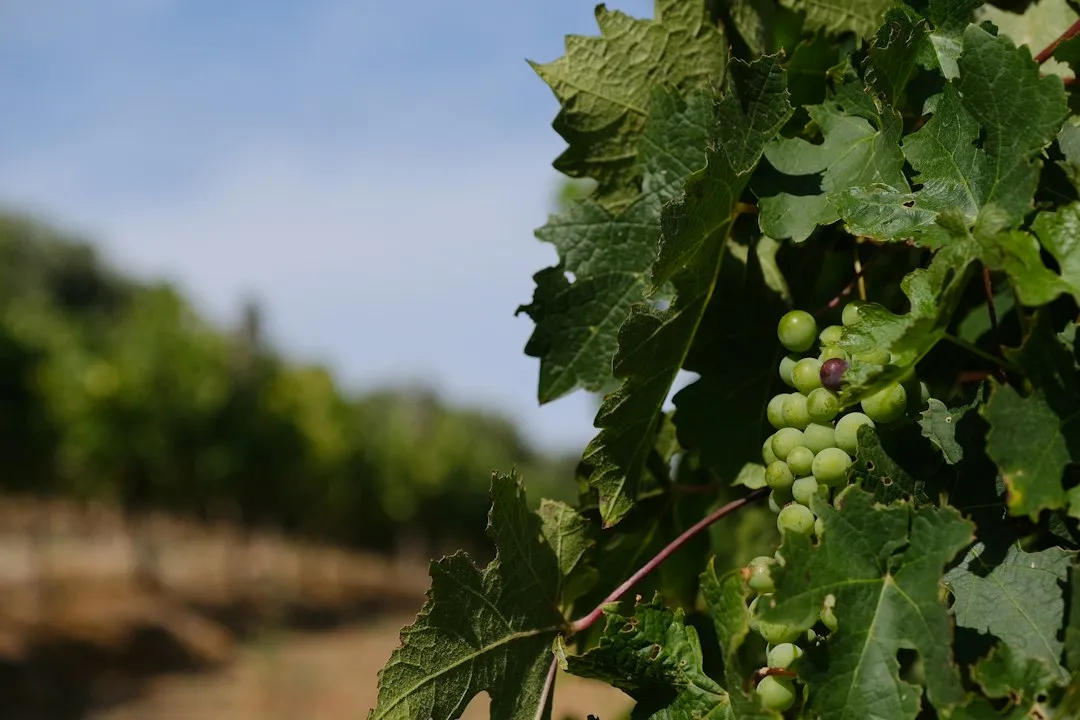
Wine-making tradition and history in the Cape Winelands date back more than 350 years, and the region accounts for approximately 68 percent of total wine production in South Africa. Towns like Stellenbosch and Franschhoek have built reputations that extend well beyond the country’s borders.
The Cape Winelands are South Africa’s premier wine-producing region, located within the Western Cape approximately 40 to 60 kilometres from Cape Town, known for dramatic mountain scenery, historic wine estates, world-class restaurants, and centuries of winemaking heritage. The Cape Winelands Biosphere Reserve was registered with UNESCO as South Africa’s fifth biosphere reserve, covering over 322,000 hectares in the Western Cape.
5. A Coastline That Keeps Surprising You
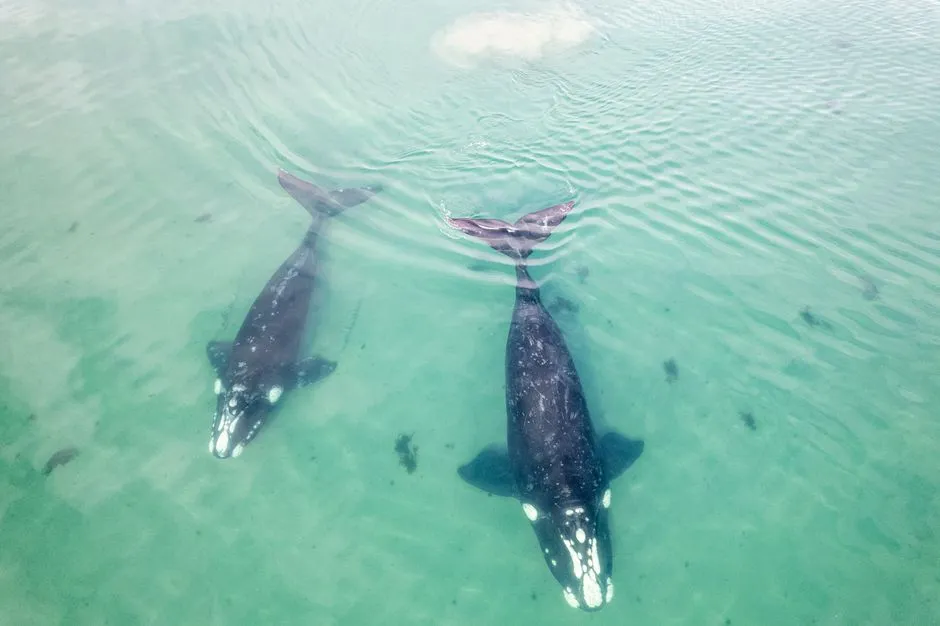
Hermanus, Walker Bay, and De Hoop are internationally significant sites for land-based viewing of southern right whales during the calving season. Very few places in the world allow you to watch whales from a clifftop without a boat or binoculars.
Boulders Beach and other Cape colonies are among the most accessible places on Earth to see African penguins at close range, highlighting both tourism value and urgent conservation need. The South African coastline stretches across two oceans, the Atlantic and the Indian, each with distinct character, water temperatures, and marine life. That kind of oceanic variety along a single country’s shores is genuinely rare.
6. A Living Lesson in Human Origins
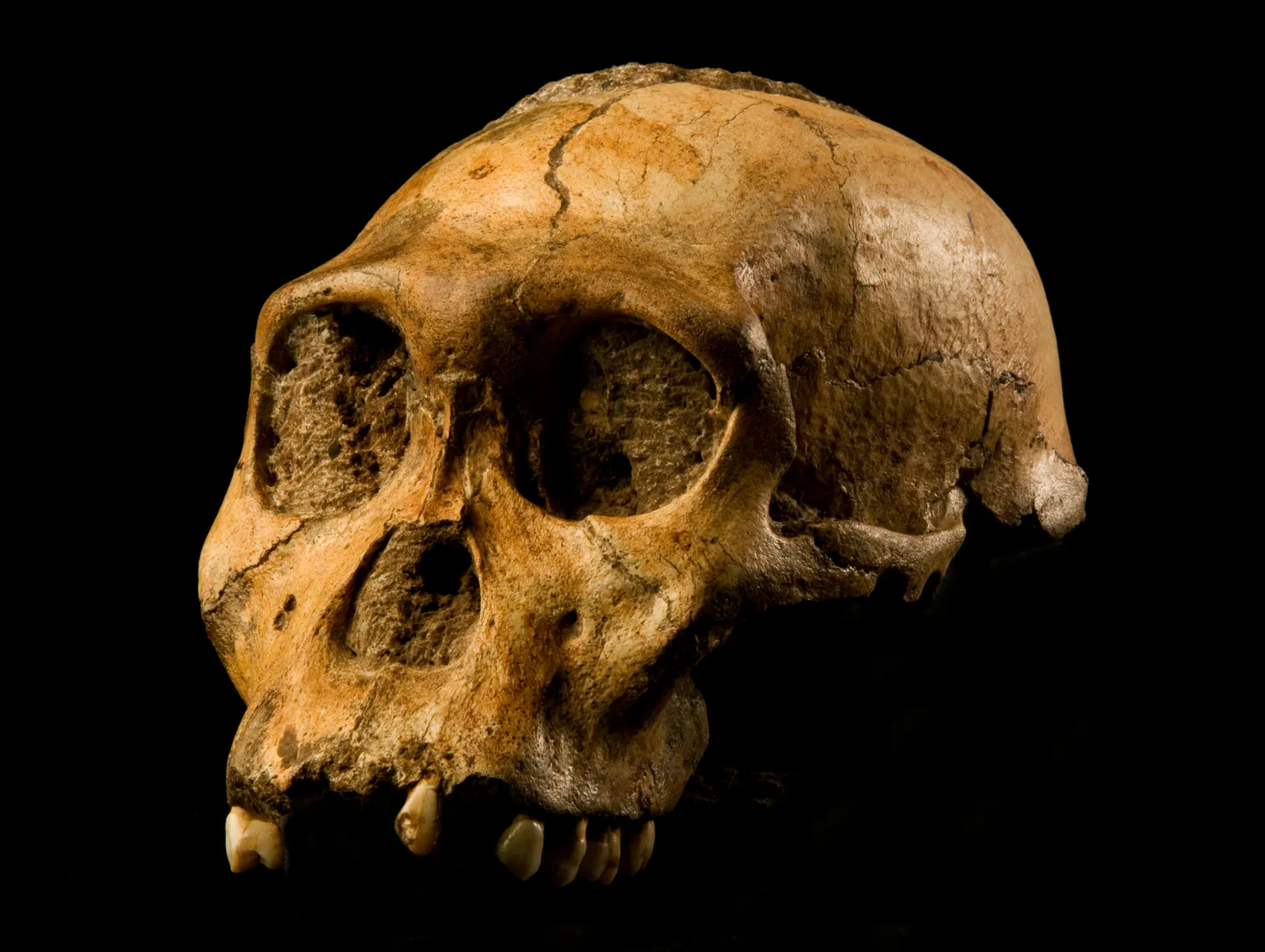
South Africa holds some of the most significant fossil hominid sites on the planet. The Cradle of Humankind, a UNESCO World Heritage Site in Gauteng, has produced fossils dating back several million years, offering windows into our shared evolutionary story. South Africa is rich in cultural and natural heritage, and three new UNESCO sites were declared in July 2024, further cementing its standing as a place of global historical importance.
For travelers drawn to deep history rather than just scenery, this dimension of South Africa is genuinely moving. Standing at a site where some of humanity’s earliest ancestors walked is a perspective shift that very few destinations can offer.
7. Conservation That Is Actively Working
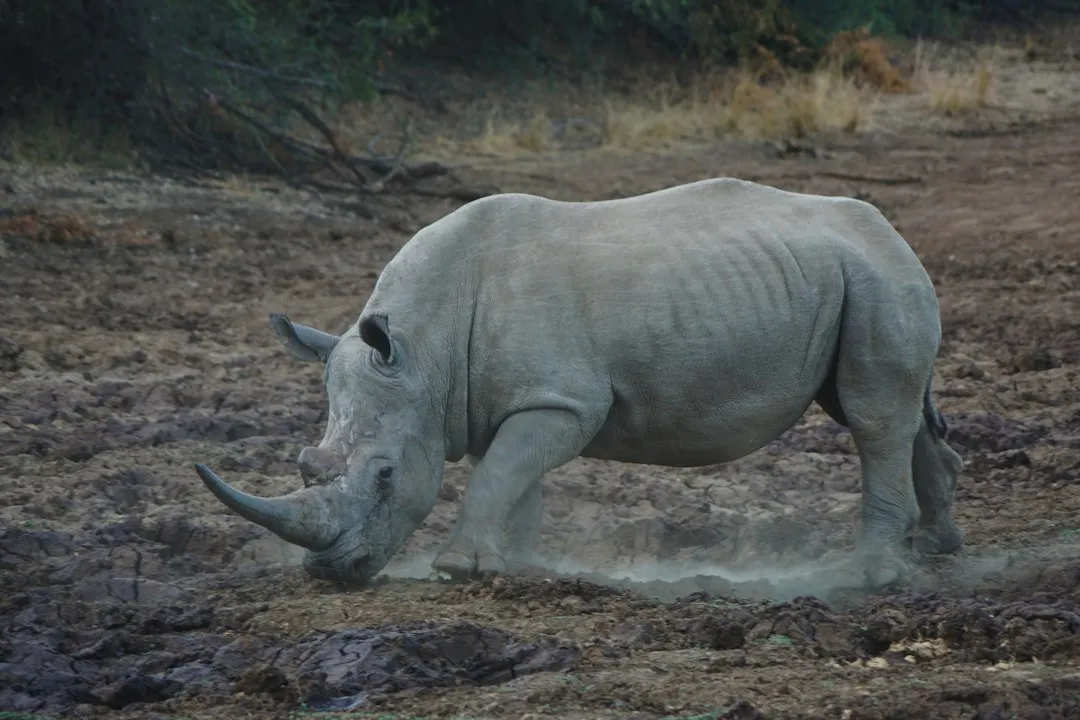
The white rhinoceros population has shown encouraging recovery, with South Africa’s population estimated at 14,074 individuals by the end of 2023, an increase of 4.1% since 2021. That growth reflects years of coordinated effort between government bodies, private reserves, and community programs.
Wildlife-based enterprises now occur across 14 to 17 percent of the country’s land, and wild herbivore numbers have increased tenfold since the 1960s. The conservation model South Africa has developed, rooted in ecotourism and community benefit, is increasingly recognized globally as a practical blueprint. South Africa currently has 16 percent of its terrestrial land under formal protection.
8. Remarkable Cultural Depth and Diversity
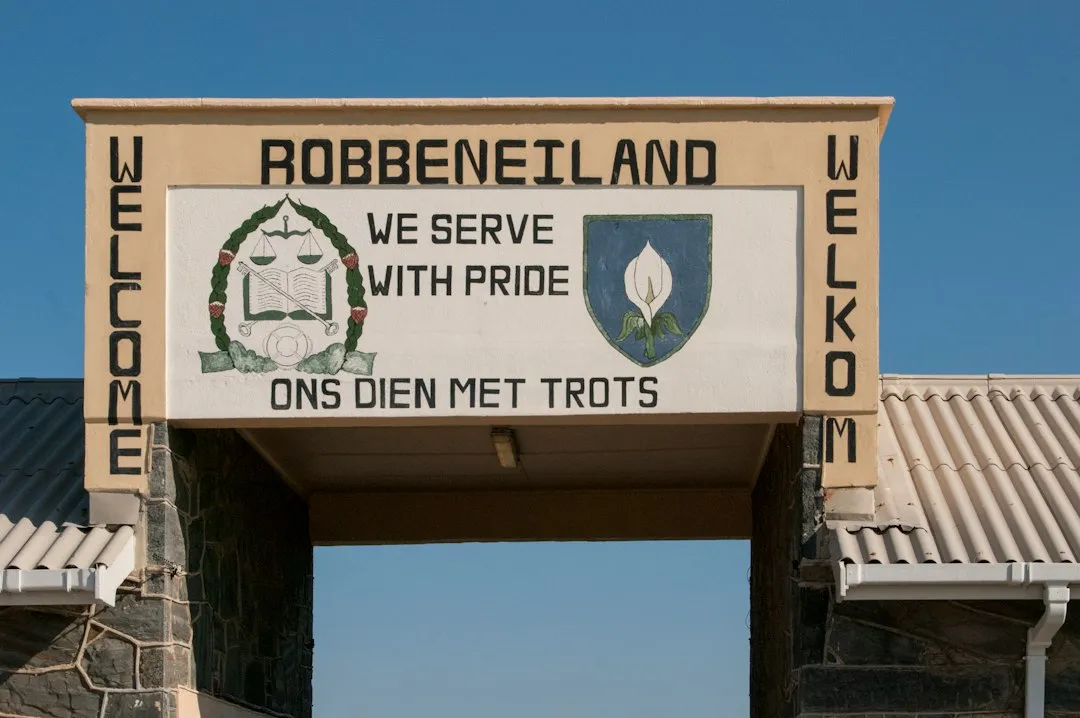
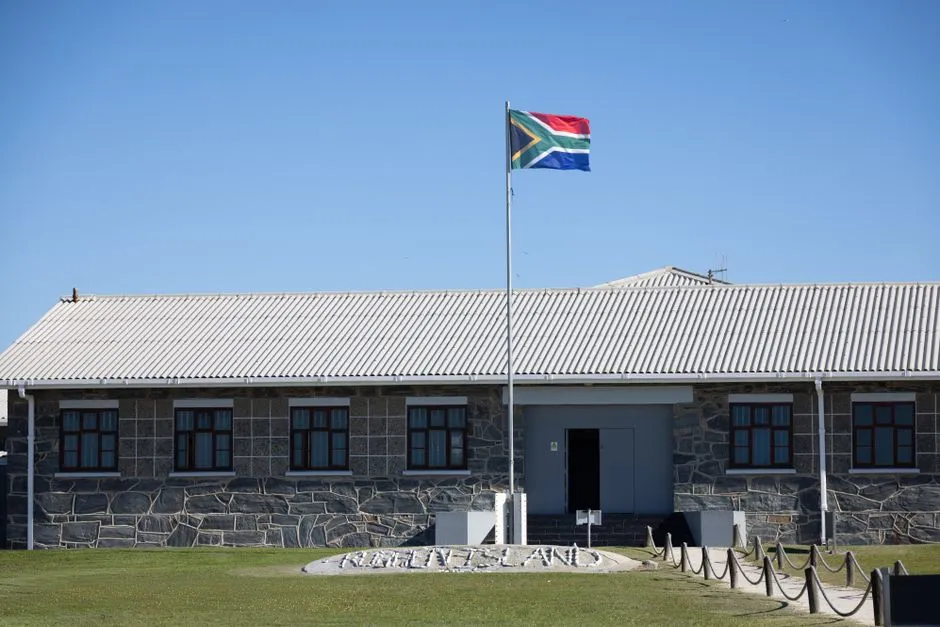
South Africa is home to 11 official languages and a culture shaped by indigenous African traditions, colonial-era European influences, and a powerful post-apartheid identity. Robben Island, where Nelson Mandela was imprisoned for 18 years, is now a UNESCO World Heritage Site visited by travelers from every continent. It stands as one of the most emotionally resonant heritage sites on the African continent.
The country’s food, music, art, and architecture all reflect this layered history in ways that feel genuinely alive rather than curated for display. From the townships of Johannesburg to the Cape Malay quarter in Cape Town’s Bo-Kaap neighborhood, cultural immersion happens naturally when you simply walk through everyday spaces.
9. A Tourism Economy That Supports Real Livelihoods
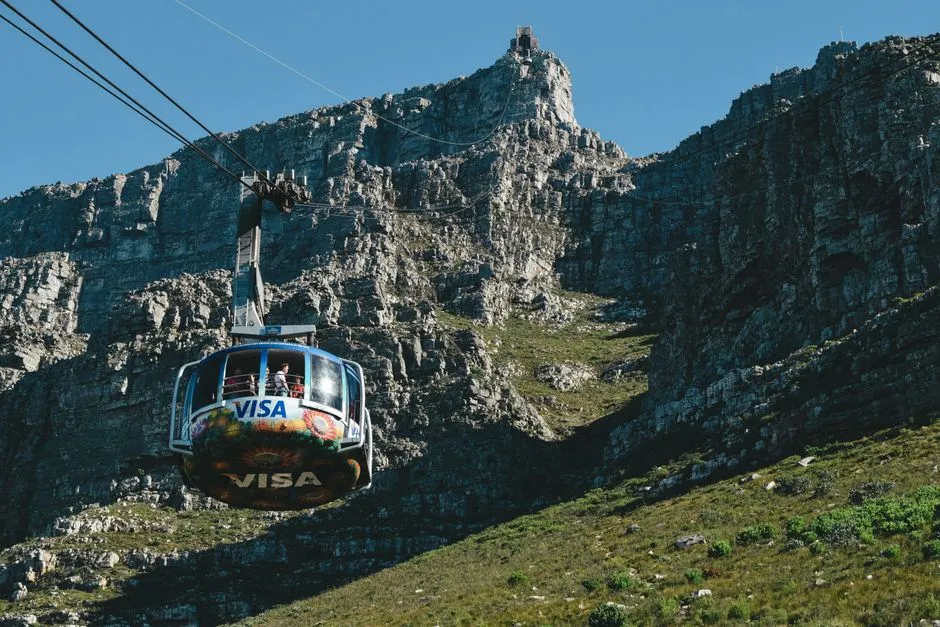
1.8 million people were employed in South Africa’s tourism sector in early 2025, and this number is expected to grow significantly over the coming years. The industry contributes 8.8 percent to GDP and supports 1.68 million jobs, according to the World Travel and Tourism Council. When you travel to South Africa, your trip connects directly to local guides, small lodge owners, community craft markets, and conservation rangers.
In 2024, African tourists accounted for 76 percent of total arrivals, with growth from the Americas seeing a strong 10.9 percent rise from 2023. Interest from diverse global regions signals that South Africa’s appeal is genuinely broad. Overseas tourists tended to stay longer, with a significant portion spending between 8 and 14 days in the country, suggesting that once travelers arrive, they rarely feel the need to rush.
A Country That Rewards the Effort
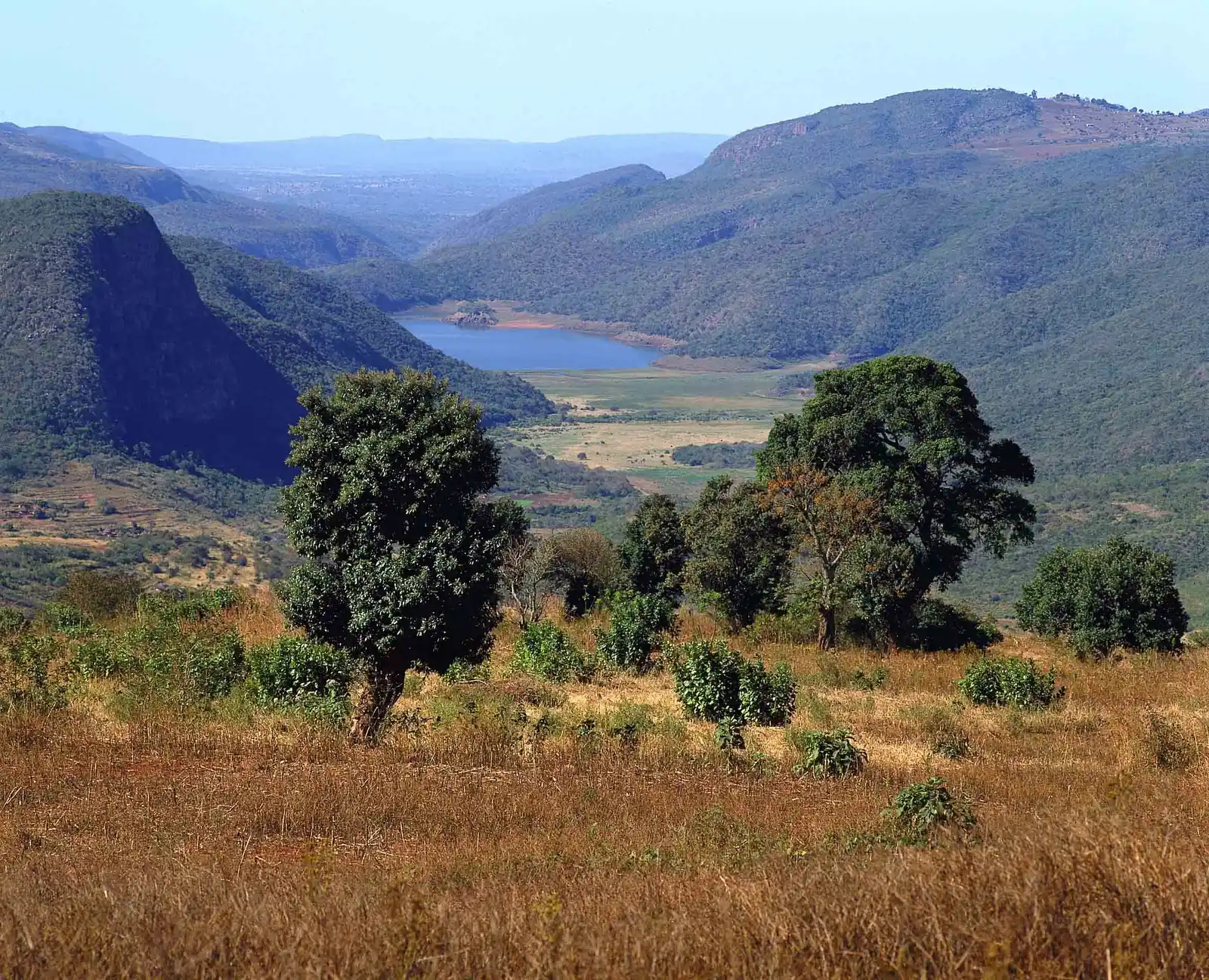
South Africa asks something of you as a traveler. It asks you to sit with complexity, to hold beauty and difficult history at the same time, to look both at sweeping landscapes and at the people who live within them. That balance is exactly what makes it memorable long after you return home.
The numbers confirm what many travelers already know instinctively: South Africa is surging back as one of the world’s most compelling destinations. The journey is long for many visitors, but the distance only adds to the sense that what waits on the other side is genuinely worth it.
AI Disclaimer: This article was created with the assistance of AI tools and reviewed by a human editor.