
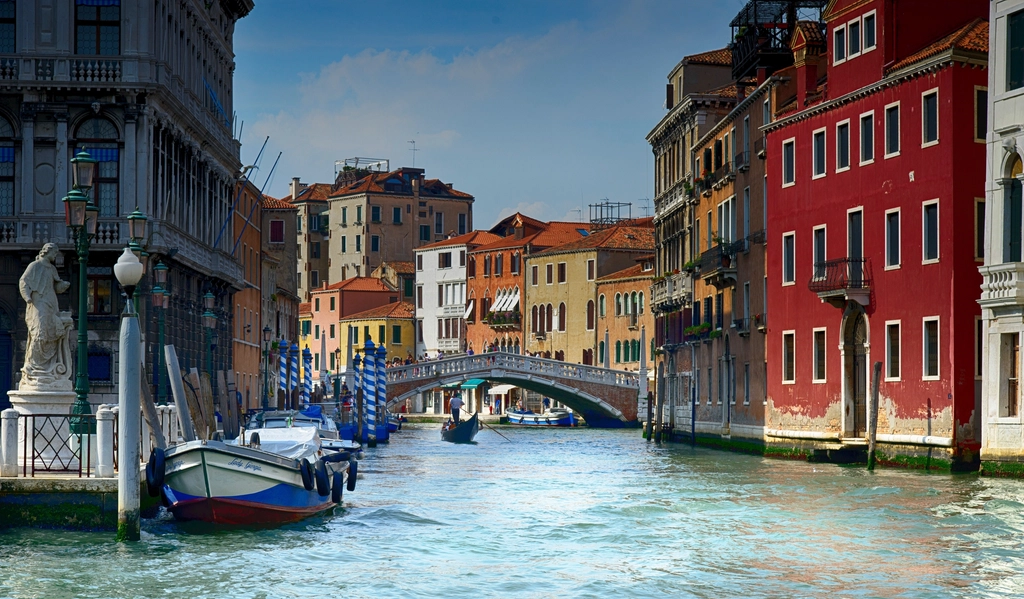

Some countries earn their reputation quietly, through decades of travelers returning home and struggling to explain exactly what happened to them there. Italy is one of those places. It’s not just the monuments or the food or the light on an old stone wall at dusk. It’s the way all of it arrives at once, completely unannounced, and refuses to let go.
Italy’s tourism industry reached a historic milestone in 2025, with more than 185 million arrivals recorded across the country as international demand for Italian culture, cities, beaches, and cuisine continued to grow strongly. That kind of sustained pull doesn’t happen by accident. There are real reasons people keep coming back, and real reasons you should go at least once.
1. More UNESCO World Heritage Sites Than Any Other Country on Earth
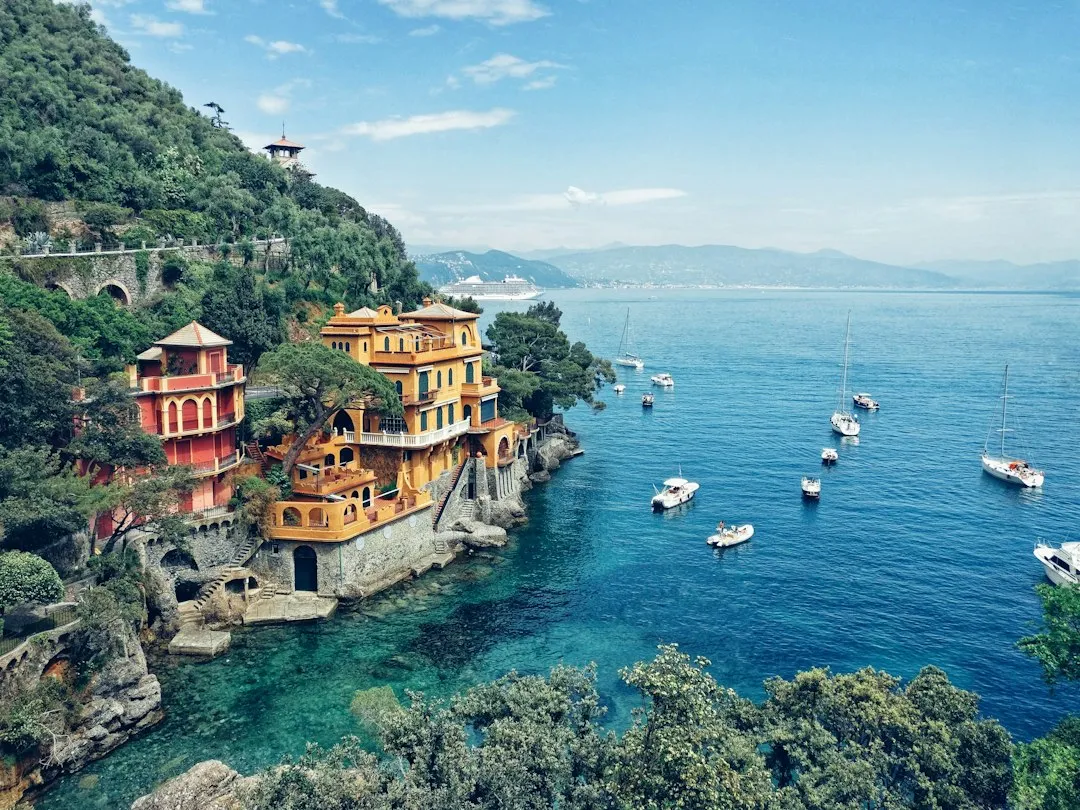
Italy remains home to the largest number of UNESCO World Heritage Sites, with 61 in total, including the recently added “domus de janas” or “fairy houses,” a group of rock-cut tombs in Sardinia created between the 5th and 3rd millennia BCE. That’s a staggering figure for a country roughly the size of Arizona.
As the birthplace of the Roman Empire and the Renaissance, Italy has an abundance of culture, with 54 of its sites classified as cultural and 6 as natural. From the ancient ruins of Pompeii to the sculptural landscapes of the Dolomites, the variety across those sites is remarkable.
Among the better-known sites, places like the Rock Drawings in Valcamonica, the Crespi d’Adda industrial village, and the Longobard Sites attract a fraction of the visitors that Rome, Florence, or Venice receive, despite comparable inscribed value. Many of Italy’s serial inscriptions include components almost unknown outside specialist circles. This means that even well-traveled visitors can still find something genuinely new.
2. A Food Culture That UNESCO Itself Has Recognized
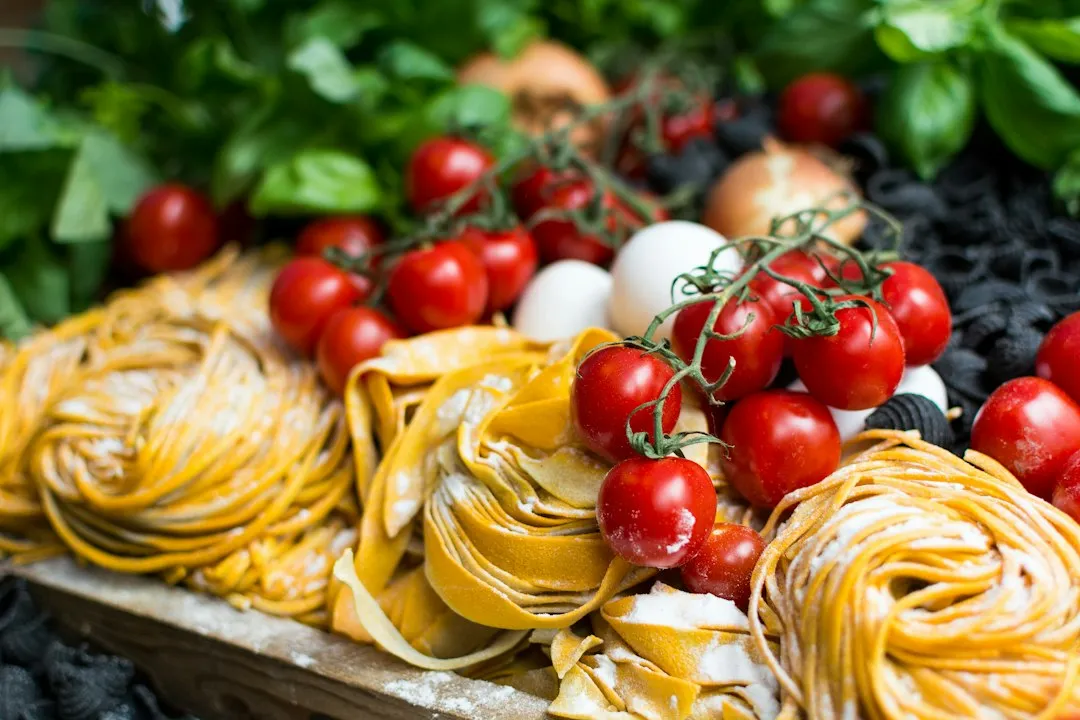
Italian cuisine was inscribed on the UNESCO Representative List of the Intangible Cultural Heritage of Humanity in 2025, a formal recognition of something most visitors already knew in their bones the first time they sat down to a proper Italian meal.
Wine, with nearly two-fifths of national preferences, is considered the most representative product of Italy in the agri-food sector, followed by extra virgin olive oil, pizza, pasta, and cheese. Each of those isn’t just a dish or a drink. Each one carries a distinct regional identity and a set of local traditions that vary dramatically from north to south.
These dishes highlight the cultural heritage, regional diversity, and artistry ingrained in Italian cooking. A meal in Sicily tastes nothing like a meal in Piedmont, and that diversity is the point. Traveling through Italian food is, in a real sense, traveling through Italian history.
3. Food and Wine Tourism That Keeps Growing

Italian food and wine tourism contributed more than 40 billion euros of economic and social impact to the Italian economy in 2023, with a benefit-to-cost ratio of 6.9, confirming its importance for the Italian economy with strong growth potential. These aren’t soft cultural metrics. They reflect a genuine, measurable draw.
Growth in this area continues in double digits, with a rise of roughly twelve percent compared to the prior year among those who traveled specifically for wine, food, oil, and other typical products as a primary motivation. That trend reflects a broader shift in how people want to travel: less sightseeing, more tasting, more contact with local life.
Environmental consciousness has also driven a shift toward eco-friendly travel practices, while travelers are increasingly seeking unique experiences such as cooking classes, wine tastings, food and wine tours, and off-the-beaten-path adventures. Italy, with its deep agricultural roots and passionate local producers, is unusually well-positioned for exactly this kind of travel.
4. A Living, Breathing Art History Lesson
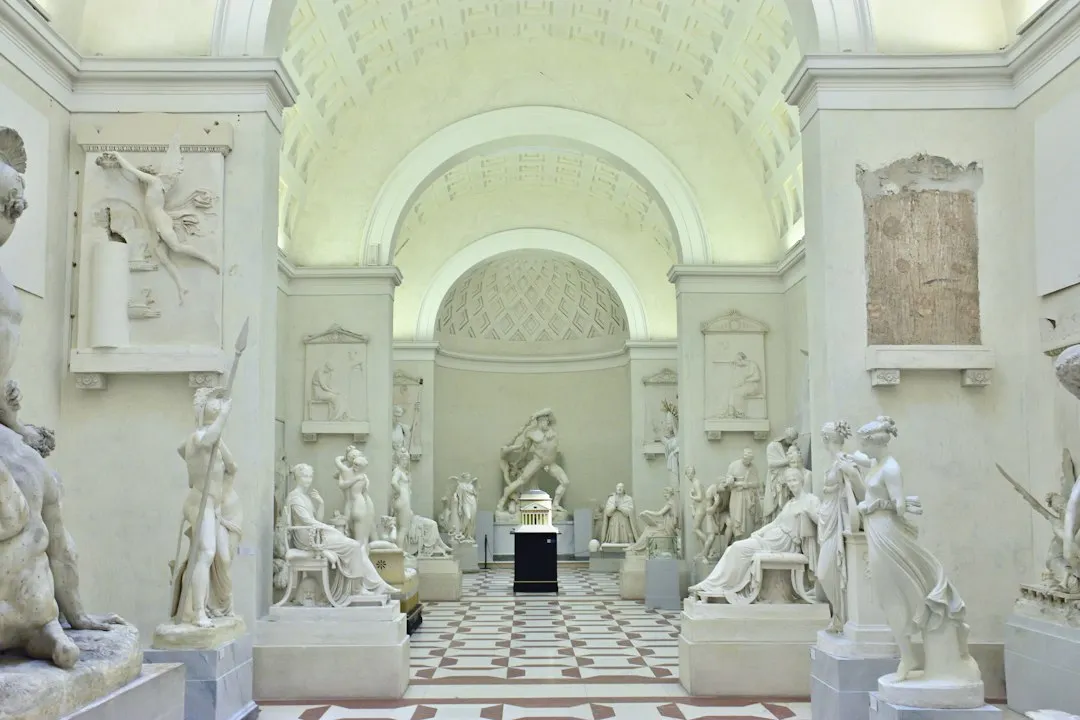
No country concentrates so much significant art across so small a geographic area. The Uffizi in Florence, the Vatican Museums in Rome, the Pinacoteca di Brera in Milan – these aren’t just impressive collections. They are primary sources for understanding how Western art developed over five centuries.
Italy’s appeal is built on a rare combination of history, culture, gastronomy, landscapes, and lifestyle. From the ancient ruins of Rome to the canals of Venice, the Renaissance treasures of Florence, the fashion districts of Milan, and the beaches of Sicily and Sardinia, the country attracts visitors from virtually every major tourism market in the world.
Walking through an Italian city is unlike walking through any museum. The art is embedded in the streets themselves: carved into doorways, painted across church ceilings, embedded into piazza fountains that have been running for hundreds of years. The scale of it takes time to absorb.
5. The Appian Way: A 2024 UNESCO Addition Worth Knowing About
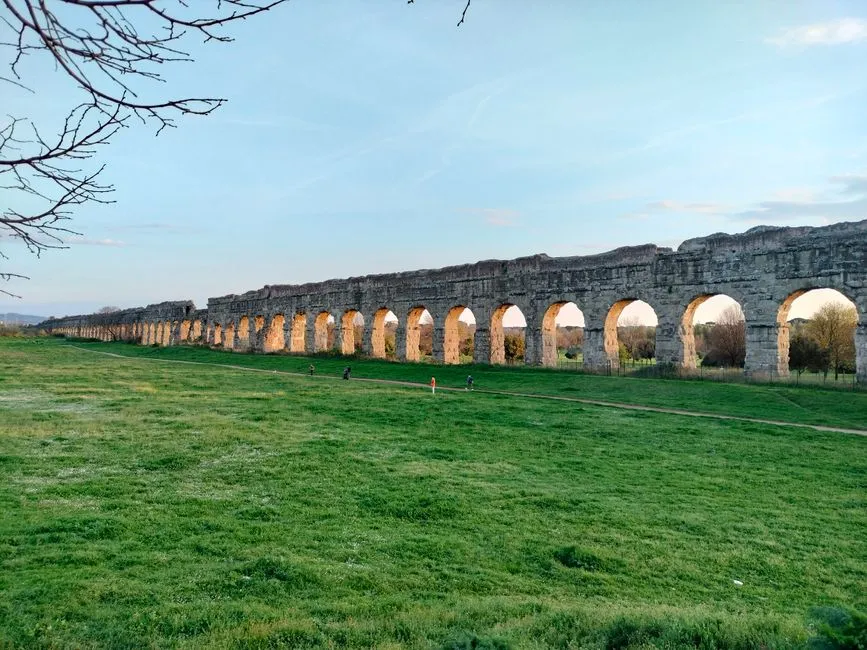
The Appian Way, described as “the oldest and most important of the great roads built by the Ancient Romans,” was added to the UNESCO World Heritage List in 2024, bringing fresh attention to one of the most historically significant routes in the ancient world.
The World Heritage Committee, meeting in New Delhi at its 46th session, decided to add the Via Appia Regina Viarum to the World Heritage List, making it the 60th Italian site to be recognized at that time. Stretching from Rome to Brindisi, it passes through landscapes, ruins, and rural towns that have barely changed in centuries.
Visiting the Appian Way offers something rare in Italian tourism: genuine solitude. Most stretches outside of Rome’s immediate outskirts are quiet, accessible, and almost completely off the overcrowded tourist trail. It’s one of those places where the weight of history feels immediately, almost physically, present.
6. Consistently Strong Tourism Infrastructure
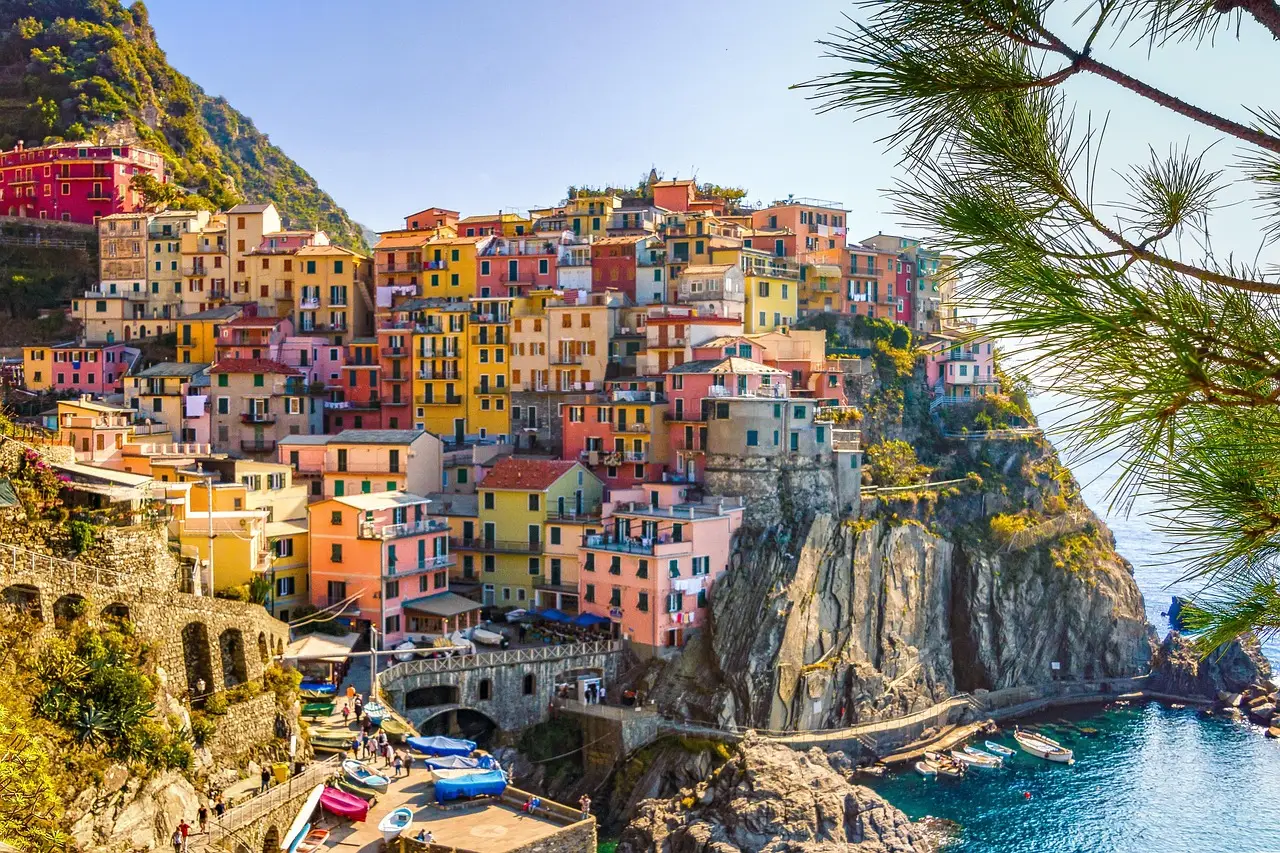
Travel and tourism contributed roughly 248 billion dollars to Italy’s economy in 2024, representing about ten and a half percent of national GDP, according to the World Travel and Tourism Council. That kind of economic significance means investment in visitor infrastructure remains consistent and serious.
Tourism supported 3.1 million jobs in Italy in 2024, accounting for nearly thirteen percent of total national employment. This level of integration means that hospitality in Italy isn’t a peripheral industry. It’s woven into communities, family businesses, and local economies in ways that visitors genuinely feel.
Tourists spent nearly 29.8 million nights in Italy in the early months of 2025, marking the highest growth among major European destinations. Based on ISTAT data, guests are spending more time in Italy than in 2024 or even pre-pandemic 2019, showing that Italy isn’t just attracting travelers – it’s keeping them.
7. Landscapes That Cover Every Kind of Natural Beauty
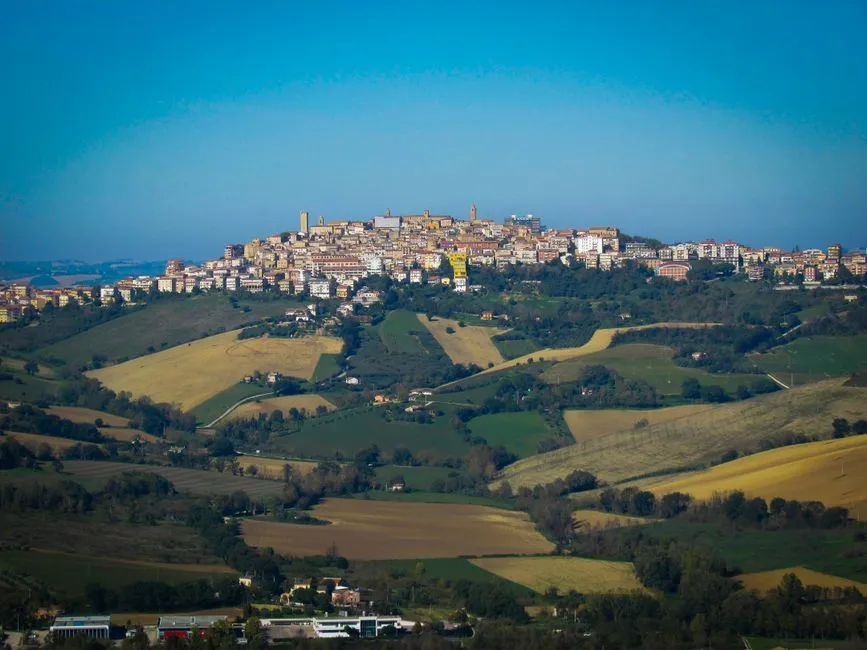
The country’s geography is quietly extraordinary. Within a few hours of driving, you can move from alpine meadows to volcanic coastlines, from the flat agricultural plains of the Po Valley to the olive-terraced hillsides of Calabria. There isn’t a single “type” of Italian landscape, which makes it almost impossible to exhaust.
The best time to visit Italy is in spring, from April to June, and in early autumn, from September to October, when the weather is warm but not scorching, crowds are lighter, and festivals and blossoms are in full swing. Still, each season offers something distinct and genuinely worth planning around.
Winter, from December to February, brings festive markets, holiday lights in cities like Rome and Florence, and skiing in the Alps and Dolomites. Few countries offer this kind of seasonal breadth without requiring long-haul travel between experiences.
8. A Country That Actively Rewards Slow Travel

Italy’s famous destinations tend to absorb attention so completely that smaller towns and regions get overlooked. This is gradually changing, with growing numbers of visitors deliberately seeking out the quieter, less-visited side of the country. That shift makes the experience considerably richer.
Italy’s surge in arrivals has been fueled by global events, shifting tourist profiles, and emerging trends like slow travel, a movement that suits the country perfectly. A village in Umbria, a coastal town in Puglia, a small Ligurian port that doesn’t appear on most itineraries – these places offer the texture of Italian life in a way that crowded hotspots sometimes can’t.
Late autumn, in November, offers off-season rates, tranquil cultural sightseeing, and truffle and wine harvest events in rural regions. For travelers with flexibility, this is often when Italy feels most like itself: unhurried, generous with its light, and genuinely welcoming.
9. Tourism Numbers That Reflect a Global Consensus
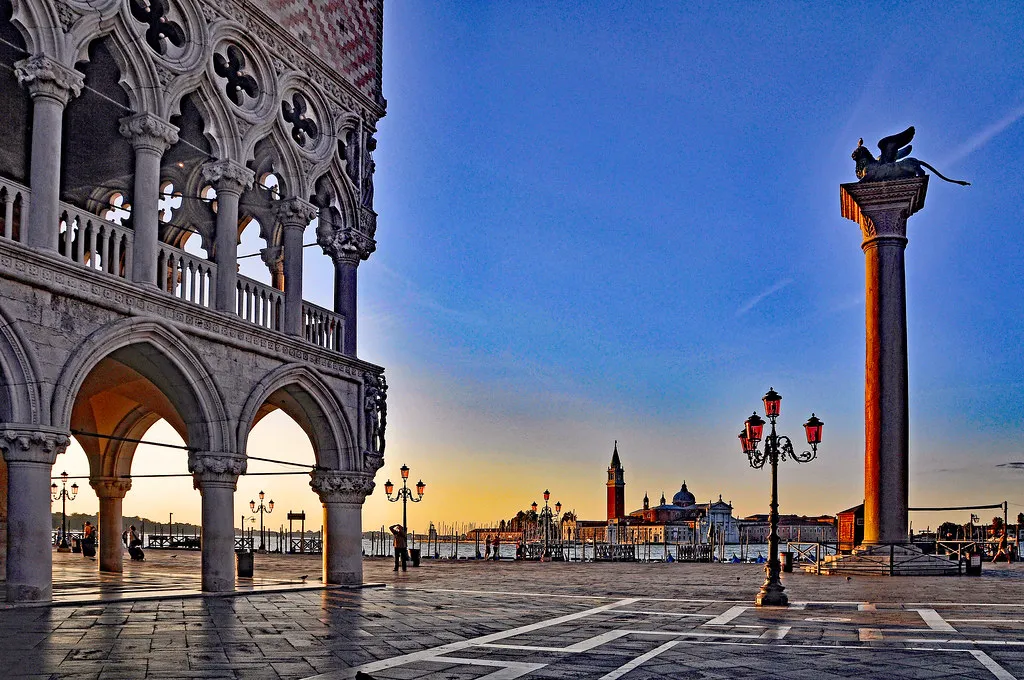
In 2024, Italy welcomed around 67 million international visitors, making it one of the top five most-visited countries globally. Sustained demand at that level, across decades and through significant global disruptions, is a strong signal that something real is being delivered to people who make the trip.
International tourists spent over 58.7 billion dollars during trips to Italy in 2024, marking a figure nearly nineteen percent higher than 2019 levels. Spending willingly and then returning: that’s the pattern Italy consistently produces among its visitors.
International tourism remained the main engine behind Italy’s expansion in 2025. More than 104 million foreign arrivals were registered during the year, up from 95.7 million in 2024. Those aren’t passive numbers. They represent people who chose Italy over every other option available to them, and went home planning to come back.
A Final Thought
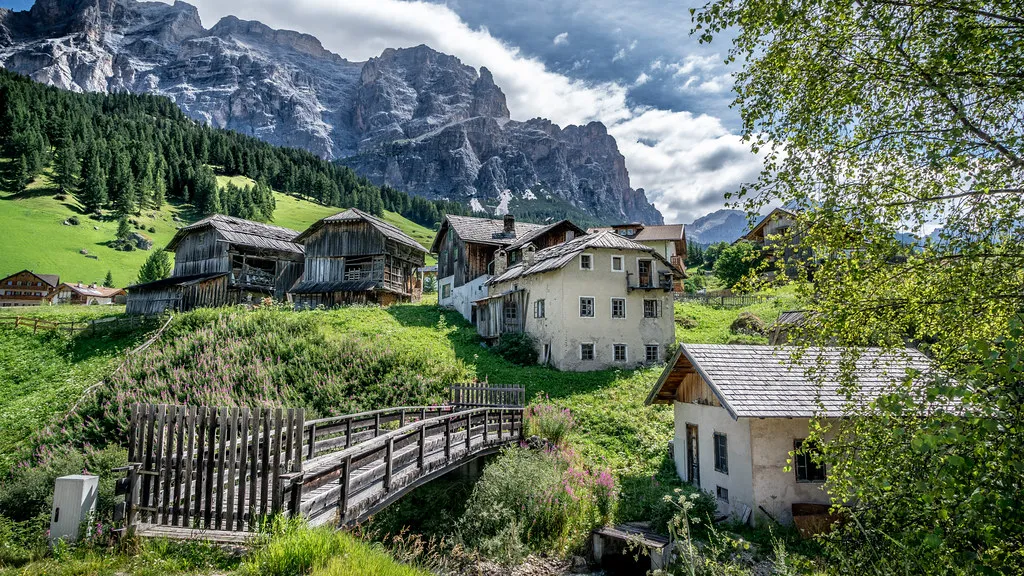
Italy doesn’t ask you to love it. It doesn’t need to. The place simply unfolds around you and waits, with characteristic patience, for you to notice what you’re standing in the middle of. The art, the food, the coastlines, the centuries of accumulated human effort pressed into every city block – it’s all just there, quietly extraordinary.
The numbers confirm what generations of travelers have known intuitively: this is one of the places on earth that genuinely rewards a visit. Not because it’s perfect, but because it’s irreplaceable. Go once. You’ll understand immediately why so few people manage to go only once.
AI Disclaimer: This article was created with the assistance of AI tools and reviewed by a human editor.