


It’s ok to choose the kind of leisure that doesn’t require a boarding pass—just permission to pause, and a willingness to stay put and enjoy your own backyard.
There’s a quiet truth I return to every year around this time: I don’t always travel in December, and I don’t apologise for it. In fact, this is the one stretch of the calendar where I can truly unplug—not from responsibility entirely (life rarely grants that), but from the constant hum of planning, packing, producing, moving.
A vacation doesn’t have to be far away to be real
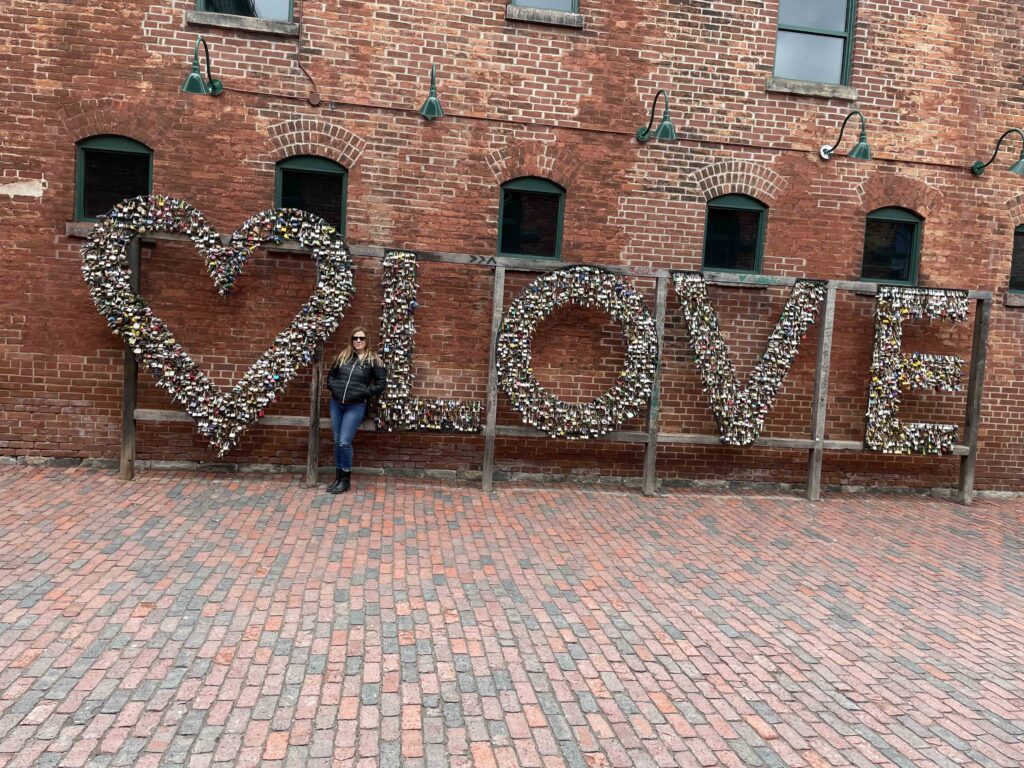
The world tells us a “real” vacation should look a certain way: sun on skin, a passport stamp, a hotel balcony, something coastal or European, something that photographs well. But a vacation, by definition, is an extended period of leisure and recreation. Sometimes the most restorative trip is the one that returns you to yourself—the kind that lowers your shoulders and reminds your nervous system what calm feels like.
Travel is Distance, But it’s Also Attention

This year, I’m giving Trip Jaunt a little TLC by writing from exactly where I am: at home, in my own city, choosing rest on purpose. I’m going to be a tourist in my own backyard—slowly, gently, with curiosity instead of urgency. Because travel, at its best, isn’t only about distance; it’s about attention. It’s about stepping out of autopilot. And you can do that five minutes from your front door.
The Luxury of Staying Close

A vacation-at-home is not “what you do when you can’t go anywhere.” It’s a deliberate kind of luxury—one that’s often more accessible, more sustainable, and more honest than the pressure-packed version of “escape” we’ve been sold. It’s also a powerful form of self-care: a way of telling yourself, I am allowed to rest without earning it through exhaustion. I am allowed to enjoy leisure without proving my productivity first.
Becoming a Tourist in Your Own City

When we reframe vacation as recreation and renewal, new possibilities open up. Your city becomes a living room of experiences: galleries, neighbourhood cafés, winter markets, bookshops, local trails, hidden parks, historic streets you’ve driven past a hundred times without stopping. Even familiar places change when you meet them with a traveller’s mindset. The museum you “always meant to visit” becomes your landmark. The little bakery you’ve never tried becomes your morning ritual.
Spaciousness is the Souvenir
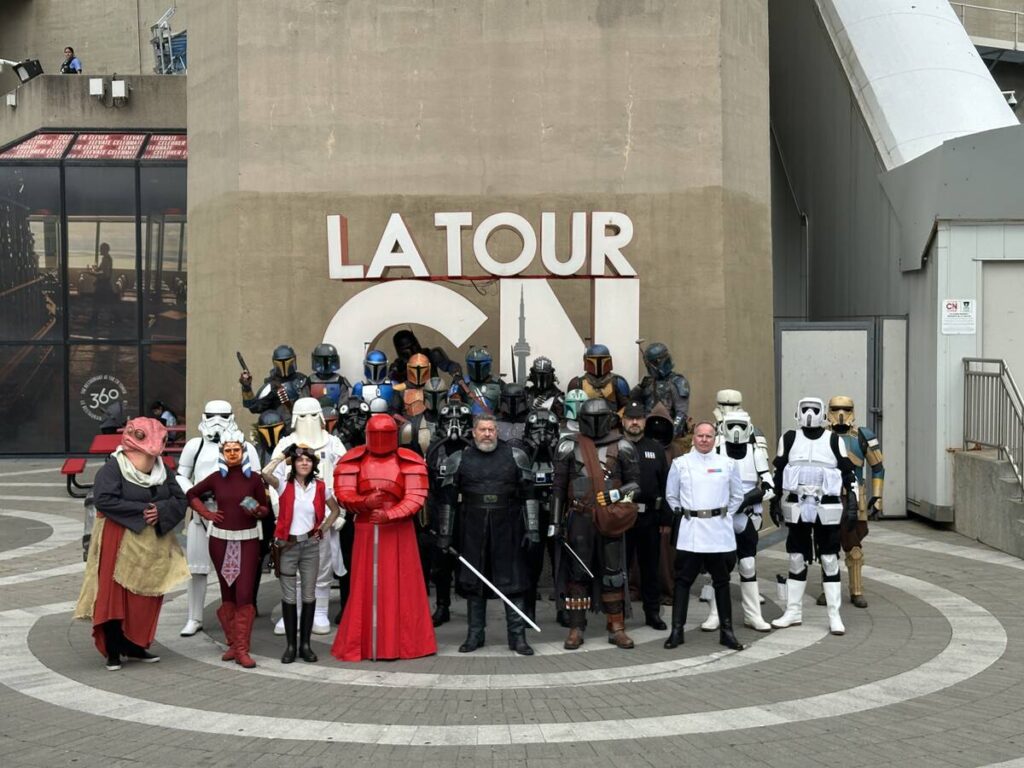
For anyone who carries a lot—work, family, caregiving, community commitments—staying close to home can be the kindest choice. Big trips can be wonderful, but they also come with logistics, costs, time zones, planning fatigue, and the pressure to make every moment count. A home-based vacation gives you something rare: spaciousness. You can rest when you’re tired instead of powering through because you “have to see everything.” You can choose ease.
Responsible Travel Starts Where You Live
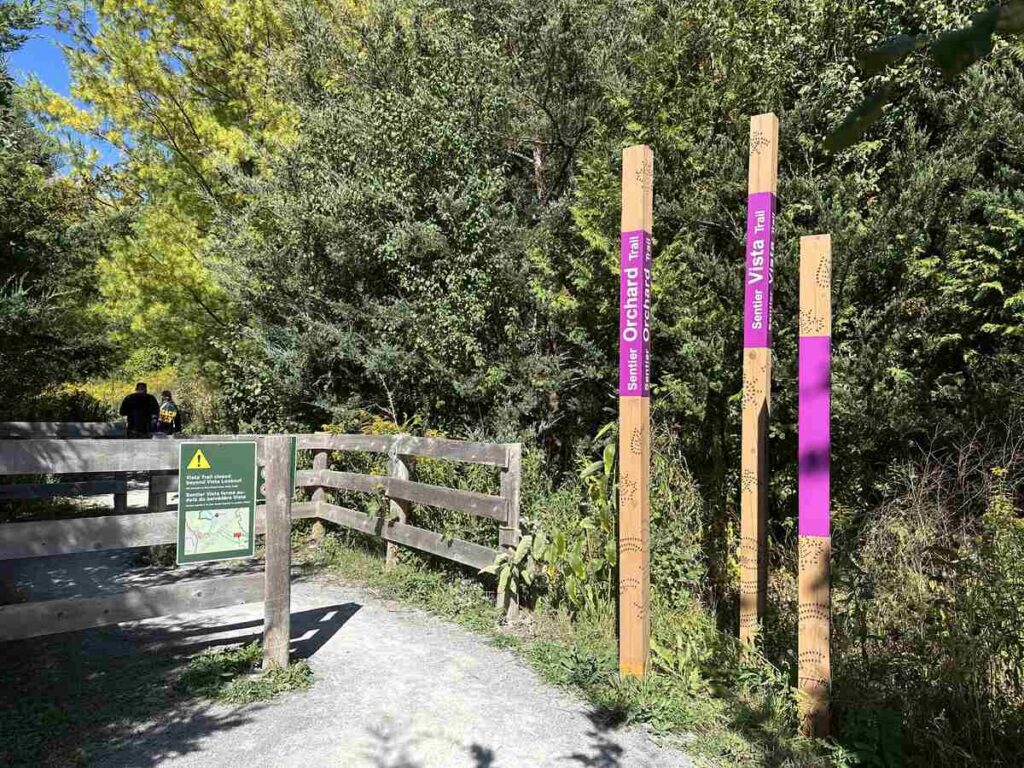
This is also where responsible travel values meet real life. When you explore locally, you reduce your travel footprint, support small businesses, and strengthen your relationship with the place you live. You notice public art. You discover community-led spaces and local voices. And when you do travel farther later, you bring that same respect and attentiveness with you—because you’ve practised it at home.
The Boundary That Makes it a Vacation

A staycation doesn’t have to be expensive or perfectly planned. It just needs one key ingredient: a boundary that says, for this stretch of time, I will protect my peace. That might mean taking a day off work, or it might mean keeping your weekend free of errands and obligations. It might mean a “no scheduling” rule after 6 p.m. for a week. It might mean putting your phone on do-not-disturb for two hours each morning.
Borrow the Rituals of Travel, Keep the Ease

If you want it to feel more like a true getaway, choose a gentle theme (winter wellness, arts and culture, cosy cafés, neighbourhood architecture, local nature, history and heritage). Pick two anchor activities for the week—just two—and let the rest be blank space. Pack a tote bag the night before like you’re heading out on a day trip. Bring a book. Take photos of small details you’d normally ignore. The point isn’t content; it’s presence.
Rest is Not Wasted Time
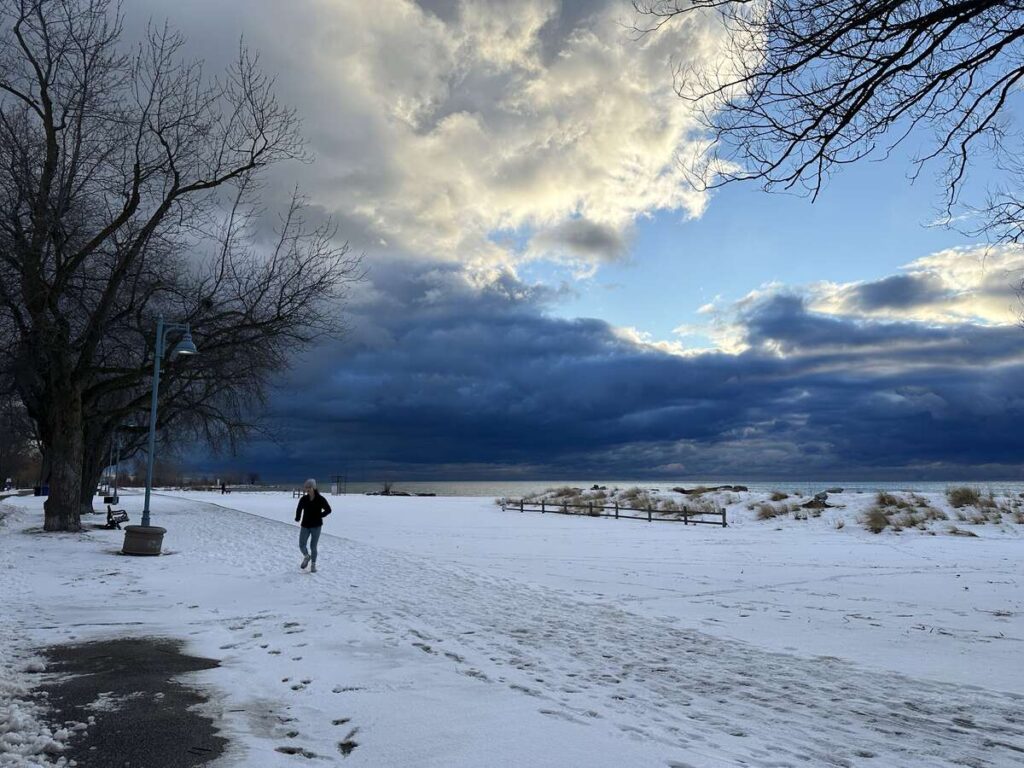
Some of the best vacations include naps, slow meals, long baths, early nights, and the radical act of not optimizing every hour. Rest is not wasted time. Rest is maintenance. Rest is medicine. If you’ve been operating on “just keep going” energy, your body may not even know how to downshift at first. Be patient with yourself. Start small. Let the stillness be a slow unfolder. Your nervous system will catch up.
Tips
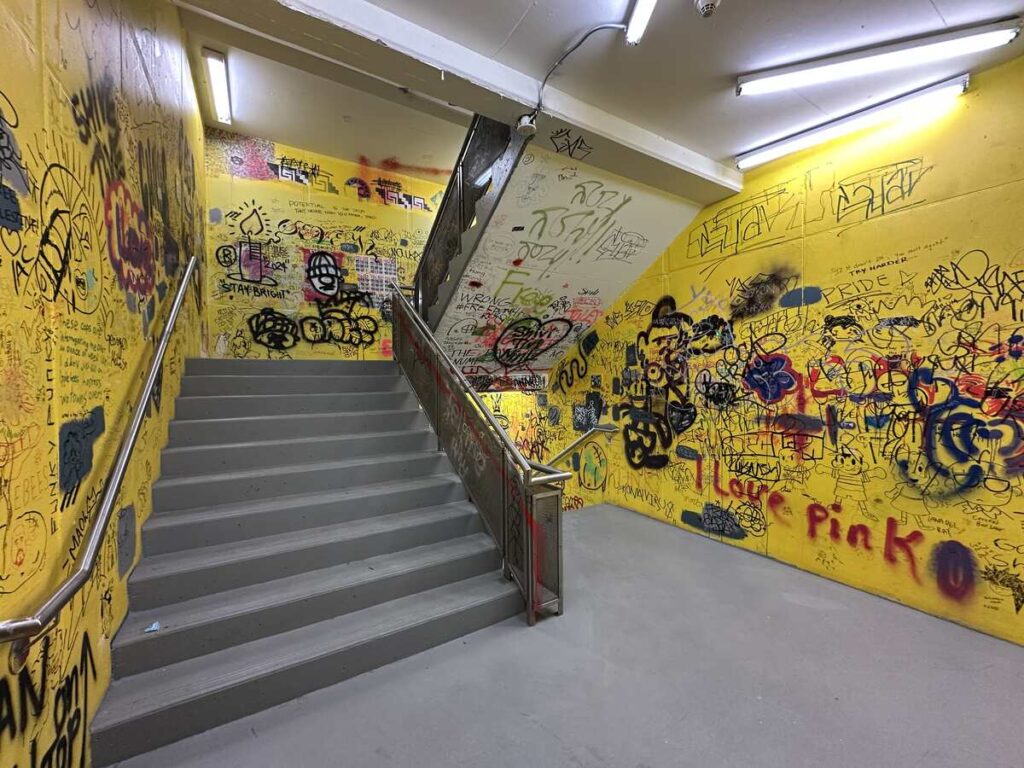
- Make it official: Choose start and end dates for your at-home vacation, even if it’s only a weekend, and protect it like you would a trip.
- Build a tiny itinerary, not a packed one: Plan one main activity every other day and leave white space for rest and spontaneity.
- Use “tourist rules” in your own city: No errands during vacation hours; try at least one new place; walk a new route; visit one cultural space.
- Create a hotel feeling at home: Fresh sheets, a tidy space, a candle or soothing scent, and a simple turn-down routine.
- Eat locally and mindfully: Support one independent café or restaurant and choose seasonal menus when you can.
- Choose nature like a gallery, not a playground: Observe quietly, stay on trails, give wildlife space, and let the point be appreciation.
- Do a phone audit: Pick two daily windows for scrolling and keep the rest for books, conversations, and walks.
- Let weather be part of the experience: Winter isn’t an off-season—it’s a different kind of beauty, and an invitation to slow down.
- Schedule one wellness reset day: Gentle movement, nourishing food, an early night, and zero guilt.
- Leave a little love behind: Donate warm clothing, support a community pantry, or volunteer locally—tending the place that holds you.
Photo Credits: Helen Hatzis
The Takeaway
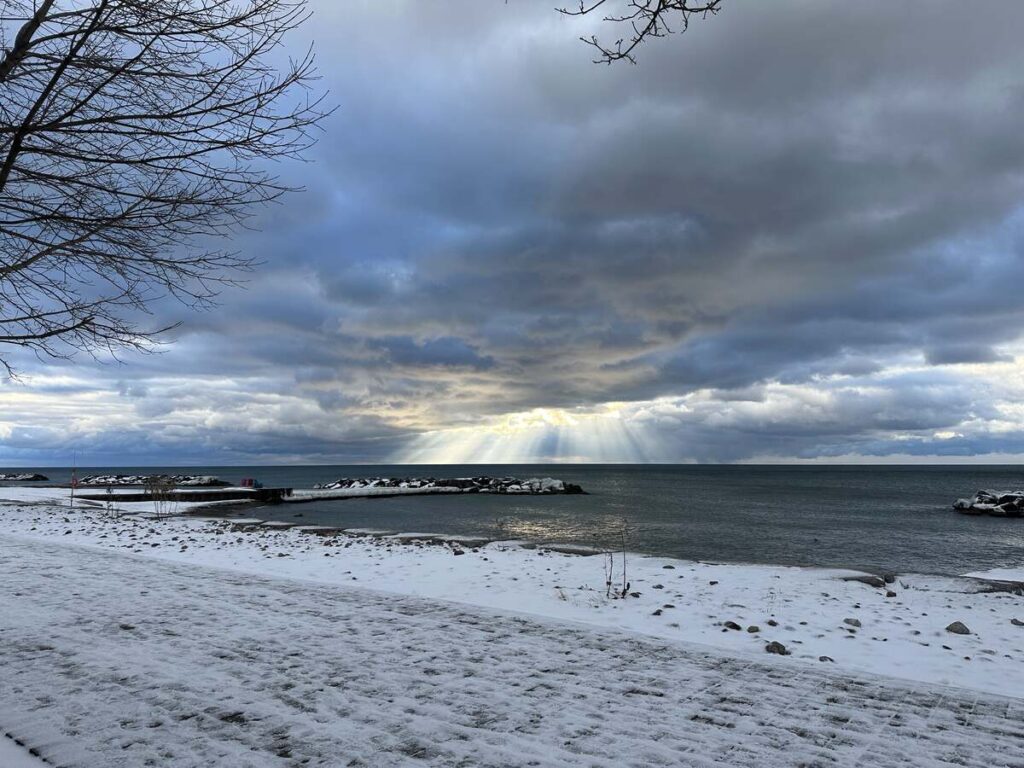
A vacation doesn’t have to be far-flung to be real. Sometimes the bravest, most restorative journey is the one where you stop running, look around, and realise your life is worth enjoying right where it’s happening. Travel can be a plane ticket—but it can also be an intentional pause, a local adventure, a slow morning, a museum afternoon, a neighbourhood you’ve never properly met. If this season is your time to stay close to home, let it be more than “not travelling.” Let it be a chosen kind of leisure. A homecoming to your own city. A care practice disguised as a trip.
Read More About Escapes in Toronto (my hometown!)
- The Beach: A Local’s Guide To Toronto’s Lakeside Neighbourhood
- Exploring Kensington Market: A Journey Through Toronto’s Eclectic Heart
- Top Tips to Exploring Toronto’s St. Lawrence Market
- A Journey Through Fandom: My First FAN EXPO Experience in Toronto
- The Toronto Zoo: A Purrfect Day Trip
- A Day at the Art Gallery of Ontario (AGO)