


Meaningful travel isn’t about perfection or privilege—it’s about intention: choosing experiences that respect nature, protect culture, and keep more benefits in local hands.
What “Meaningful Travel” Really Means

Meaningful travel is the idea that tourism should create direct benefits for host communities, protect cultural and environmental assets, and connect travellers to a place in a deeper, more responsible way. It’s not just where you go—it’s how you show up. It’s choosing experiences hosted or managed locally, where the economic benefits are more likely to stay in the community, especially for people who haven’t historically benefited from tourism.
You’ll hear different terms—sustainable, responsible, regenerative—but the direction is similar: reduce harm, increase benefit, and travel in a way that honours people and place. The goal is not to get the vocabulary perfect. The goal is to make choices that are kinder, smarter, and more future-friendly.
Why it Matters More Than Ever
Travel can be a powerful economic engine, but it can also unintentionally drain destinations when too much spending flows to international chains or external operators. That’s why “where your money goes” matters as much as where you go. Meaningful travel is one way to help tourism support local livelihoods, protect heritage, and strengthen community resilience rather than erode it.
It also matches what many travellers are craving: experiences that feel real, relationships that feel human, and the comfort of knowing their presence is contributing more than it consumes.
A Simple Way to Picture Responsible Travel
If you want a clear, non-judgy framework, aim to balance four areas: environmental impact, social impact, cultural impact, and economic impact. You don’t need to be an expert. You just need a few good questions:
- Is this well-managed and transparent?
- Does it benefit local people economically?
- Does it respect culture as living and sacred, not decorative?
- Does it protect nature and wildlife, not pressure them?
The Meaningful Travel Checklist

Here’s a traveller-friendly checklist you can use while planning—no guilt, no grandstanding, just better decisions.
1) Put local at the centre (not as décor)
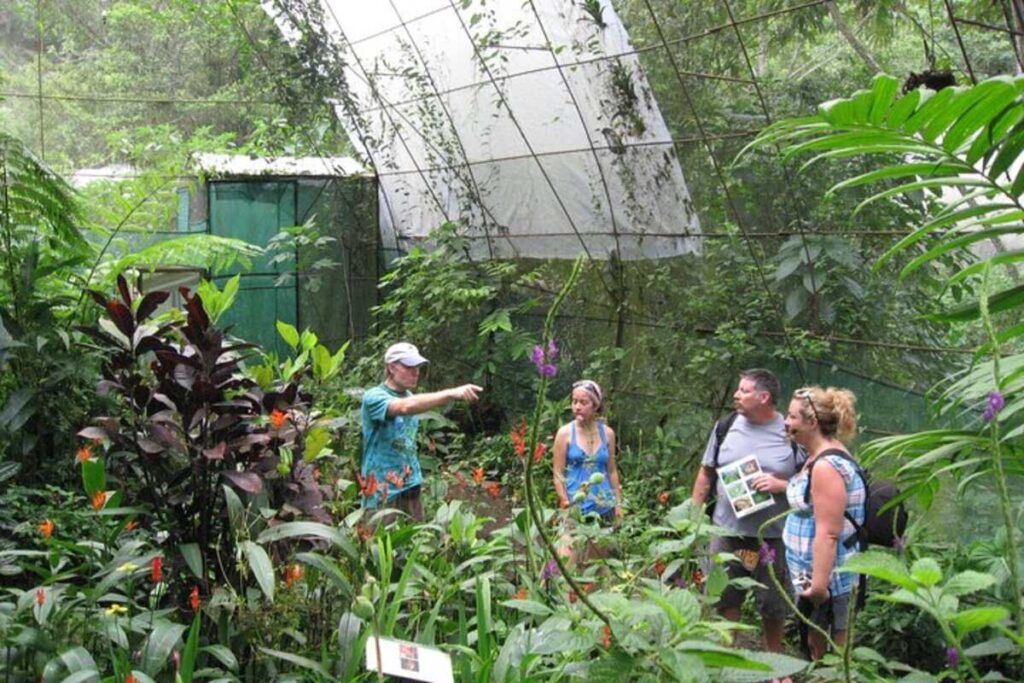
Prioritise locally owned stays, local guides, and locally run experiences. If a tour says it’s “community-based,” look for specifics—who owns it, who leads it, and how income is shared. Locally led experiences often carry more context, more care, and a more honest connection to place.
2) Follow the money (kindly, but clearly)
Ask simple questions before you book:
- Who owns this business?
- Who gets paid on the ground?
- Is this experience designed with local partners or simply performed for visitors?
When you choose locally rooted businesses, you help keep value in the destination instead of leaking outward.
3) Protect culture like you’re a guest in someone’s living room
Culture is not a backdrop. It’s living. The most respectful cultural experiences are invitation-based, fairly compensated, and led by people with lived connection to the culture—rather than packaged stereotypes. When in doubt, choose experiences that teach context, not just spectacle.
4) Keep wildlife wild
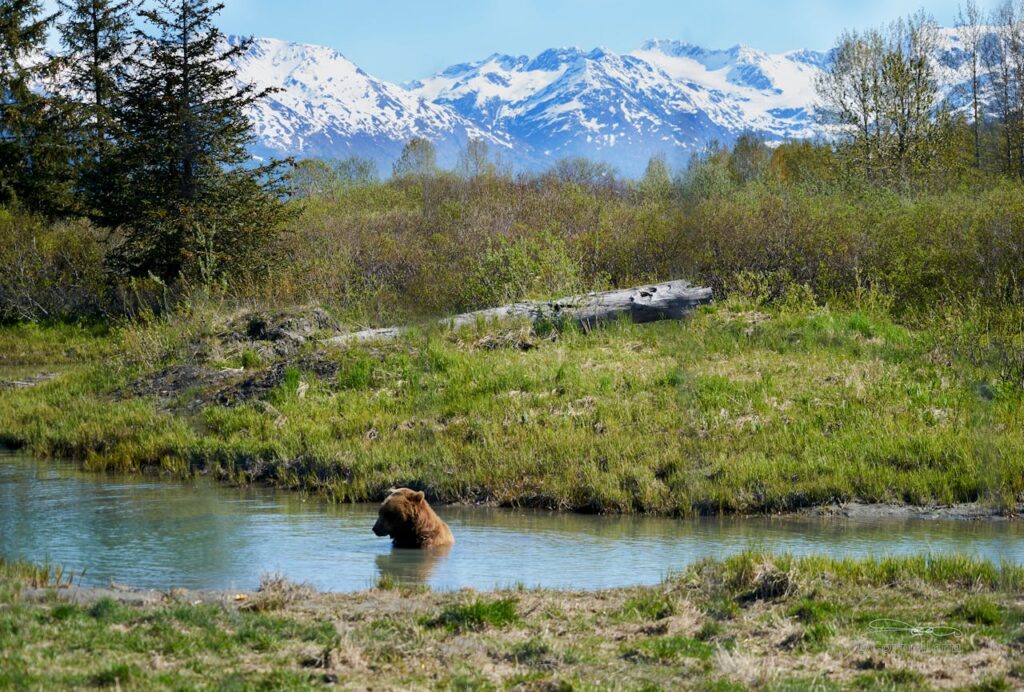
Responsible travel means refusing experiences that rely on captivity, coercion, or forced contact for entertainment. If you’re viewing wildlife, choose ethical, conservation-aligned operators, keep a respectful distance, and never feed animals. The best wildlife experiences protect the animal’s needs first and the traveller’s expectations second.
5) Practise “nature-positive” thinking
Nature-positive travel means reducing pressure on ecosystems and supporting experiences that conserve, restore, or help protect biodiversity. For travellers, that can be wonderfully simple: stay on trails, respect closures, avoid sensitive habitats, and choose operators who treat nature as a living community—not an amusement.
5 Ways to Design a More Meaningful Itinerary

Think of these as the categories where your choices matter most.
1) Food and drink that feeds the local economy
Seek locally owned restaurants, community kitchens, and places that source from nearby farms. If you take a cooking class, choose one that is locally led and fairly compensated, with clear respect for cultural food traditions.
2) Activities that create dignity, not dependency
Choose tours and activities with a clear community benefit—cultural preservation, vocational training, community storytelling, or conservation programmes. The best experiences feel collaborative and respectful, not extractive.
3) Transportation that reduces impact where possible
Walk, cycle, and use transit when you can. Design your itinerary with fewer hops and more time in one place. Slower travel often reduces impact and increases meaning.
4) Accommodation with credible practices
Look for locally owned stays with transparent environmental and community commitments. Bonus points for accommodations that demonstrate real action: waste reduction, energy efficiency, local hiring, and respectful partnerships with local suppliers.
5) Shopping that supports artisans, not exploitation
Spend on locally made goods, artisan collectives, and markets where craft and culture are fairly compensated. Choose quality over quantity, and ask questions when you can. A meaningful souvenir is one you understand.
The “How” That Makes Travel Feel More Human

Meaningful travel isn’t a checklist you complete—it’s a posture. It’s slowing down, learning the story behind what you’re seeing, and letting a destination be more than a backdrop. It can mean fewer highlights and deeper hours. It can mean returning to the same café, learning names, noticing details, and leaving thoughtful reviews that help locally owned businesses thrive.
Tips

If you’d like a curated starting point, Tourism Cares’ Meaningful Travel Map highlights community-led and impact-focused experiences around the world. Trip Jaunt is proud to be a Tourism Cares member, and this map is one of my favourite tools for planning travel that gives back.
- Book local first: Prioritise locally owned accommodations, guides, and restaurants so more benefits stay in the destination.
- Choose impact-led experiences: Look for community-led tours and social enterprises with clear purpose.
- Be culture-careful: Seek context, consent, and fair compensation—avoid stereotypes and “performative” cultural stops.
- Keep wildlife wild: Avoid feeding, handling, staged encounters, and attractions built on captivity for entertainment.
- Travel slower: Fewer stops, longer stays, more walking—often better for the planet and better for your nervous system.
- Buy less, buy better: Support artisans and local makers; skip mass-produced “souvenirs” that could be made anywhere.
The Takeaway

Meaningful travel is simply travel with consequences considered: who benefits, what’s protected, what’s respected, and what’s restored. It asks us to move through the world as guests, not consumers—choosing experiences that keep culture alive, keep ecosystems intact, and keep more value in local hands.