


This year, the “why” leads the “where.” From whycations to secondary destinations, travellers are seeking meaning and comfort while reducing harm and overtourism pressure.
Travel trends 2026 point to one clear shift: travellers want trips that feel personal, purposeful, and lighter on the planet. Booking.com highlights ultra-personalised travel, Hilton calls it the “whycation” (choosing a trip based on your reason for travelling), Expedia tracks how values shape destination and experience choices, and Skyscanner spotlights everything from mountain “altitude shifts” to book-inspired travel and AI-assisted planning. Together, the message is simple: people are no longer just searching for places, they are searching for alignment. These trends reflect real pressures, from overtourism and climate concerns to rising costs, and they invite a better way forward: slower itineraries, responsible operators, and nature treated like a gallery, appreciated without being disturbed. Here is Trip Jaunt’s travel trends 2026 forecast for travellers who want joy without exploitation and discovery without disrespect.
Trend 1: The Whycation (Purpose Over Places)

The single biggest shift in 2026 is motivation-led travel. Hilton’s framing is blunt: the “whycation” starts with intent, not destination. This shows up in how people plan: a trip to reconnect with a parent, to mark a life transition, to recover from burnout, to learn a skill, to seek quiet, or simply to feel like themselves again.
Trip Jaunt angle: purpose-led travel can be a beautiful antidote to checklist culture, but it also requires honesty. If your purpose is “rest,” choose fewer stops and simpler logistics. If your purpose is “connection,” build in time with locals through ethical guides, community-run experiences, and locally owned businesses. If your purpose is “impact,” look for transparency: what exactly does your visit support, who benefits, and how is that benefit measured?
Trend 2: AI as Co-Pilot (Not Autopilot)
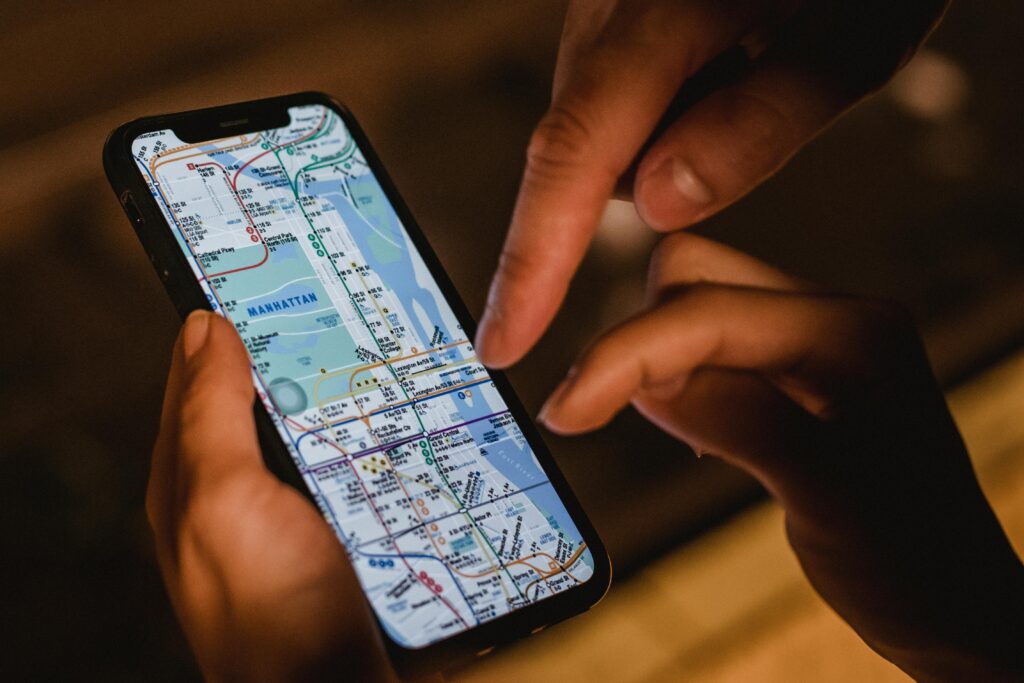
AI is now part of mainstream trip planning. Skyscanner’s Travel Trends reporting shows growing confidence in using AI to plan and book travel in 2026, including for destination research, itinerary creation, and comparison shopping. This is convenience, yes, but it also changes behaviour: travellers can build faster itineraries, compare more options, and feel less overwhelmed by choice.
Trip Jaunt guardrails: AI can help you plan, but it cannot be your ethics. Always verify the basics on official sources before you arrive (hours, closures, permits, accessibility details). Be extra careful with wildlife activities and “hidden gem” suggestions. If something is described as a secret spot, ask: is it secret because it’s fragile, sacred, or not equipped for crowds? Use AI to reduce friction, then apply a human filter that prioritises community wellbeing and environmental care.
Trend 3: Cooler Climates, Higher Ground, and the “Stay Cool” Effect
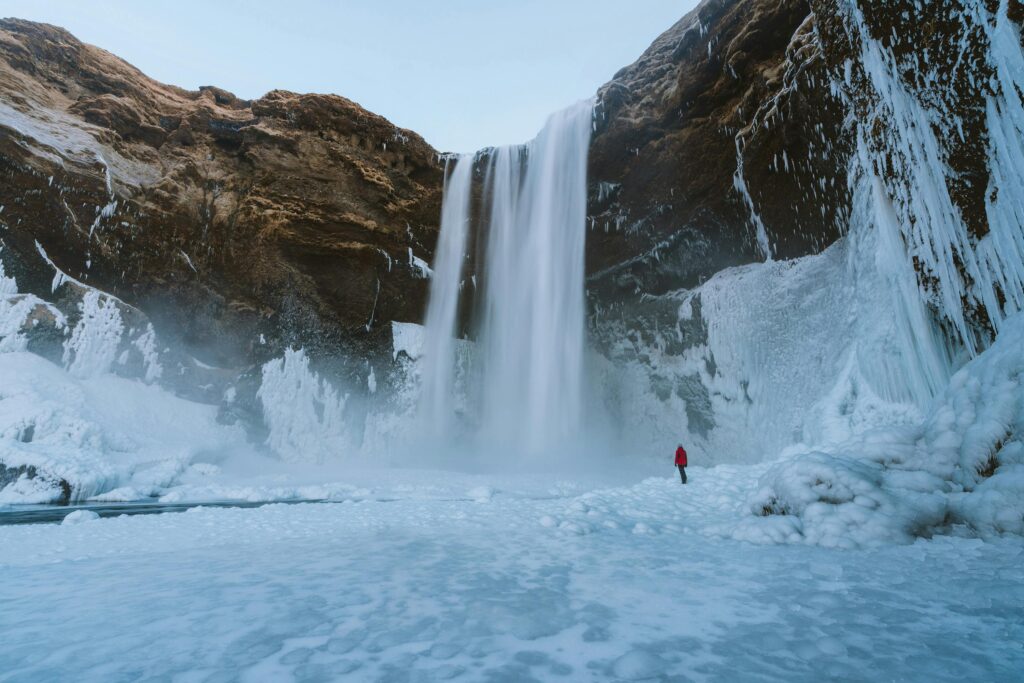
Cooler destinations and cold-weather experiences continue to rise, not only as a style preference but as a climate response. Virtuoso’s 2026 Luxe Report specifically highlights “staying cool” as a continuing draw, with places like Iceland, Antarctica, and Norway among destinations “on the rise.” Even for travellers who aren’t going polar, the idea shows up as shoulder-season shifts, northern itineraries, and a stronger interest in mountain regions.
Trip Jaunt responsibility note: cold places are not empty places. Polar and alpine environments are fragile, and the best travel in 2026 will treat them as living ecosystems, not backdrops. Choose operators with clear environmental protocols, respect wildlife distance rules, stay on trails, and resist geotagging sensitive nature locations. A photo is not worth a habitat.
Trend 4: Altitude Shift and Year-Round Mountain Escapes

Mountains are no longer only a winter story. Skyscanner explicitly positions an alpine trend for 2026 (“Altitude Shift”), describing demand for year-round mountain escapes. The appeal is obvious: cooler air, scenery that makes you feel small in the best way, and a built-in invitation to slow down.
Trip Jaunt travel tip: mountains are a form of “quiet luxury” that doesn’t require extravagance. You can do this responsibly by using regional transit where available, staying longer in one base community, and choosing hikes and viewpoints that are managed and maintained (rather than scrambling for unmarked “secret” trails that erode quickly). Pack for safety and changing conditions, and remember that rescue infrastructure is not a tourist amenity.
Trend 5: Hotels as the Experience (Loyalty, Direct Booking, and Stay Design)
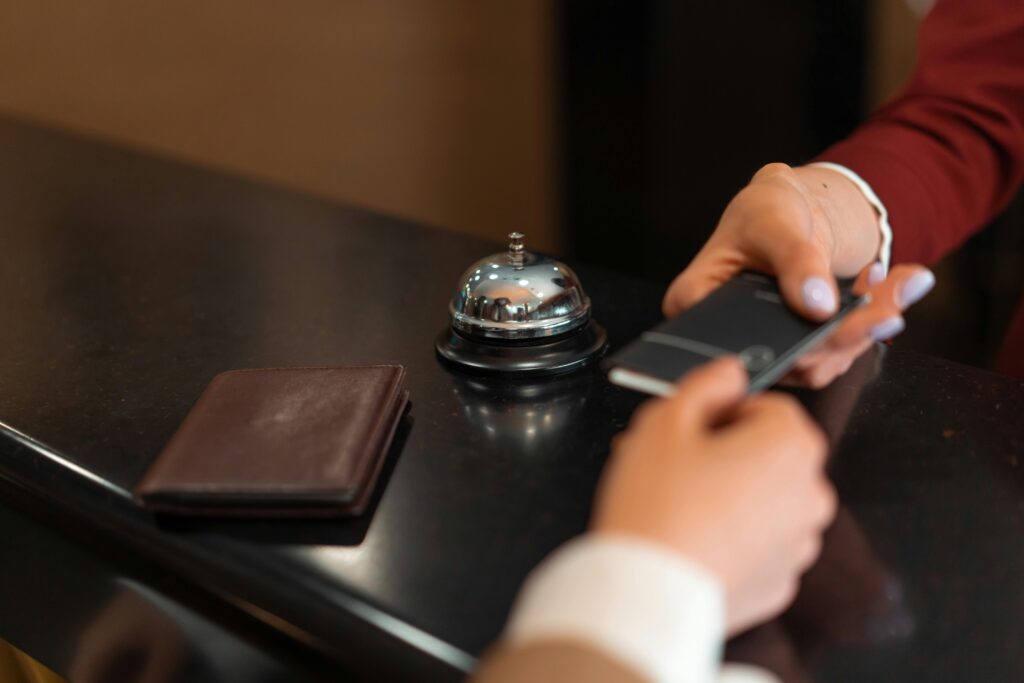
More travellers are letting the hotel shape the trip, and hotel brands are meeting them there. Industry coverage shows global hotel groups investing heavily in loyalty programs and direct-booking perks as they compete with online travel agencies and prepare for AI-driven travel shopping. The result: more experiential suites, more on-property programming, and more incentives to “stay in” without feeling like you’re missing out.
Trip Jaunt take: a hotel can be a community neighbour or a community drain. In 2026, responsible travellers will ask better questions. Does the property hire locally and pay fairly? Does it source food and supplies locally where possible? Does it measure water and energy use in meaningful ways (not just slogans)? Is it respectful of local housing pressures? Choose hotels that can explain what they do, not just claim what they are.
Trend 6: Readaways, Bookbound Travel, and Story-Led Itineraries

Expedia’s Unpack ’26 includes “Readaways,” and Skyscanner’s trend language includes “Bookbound,” signalling a broader movement: people want trips shaped by stories. Literary travel isn’t only about famous authors and grand libraries; it’s about moving through a place with narrative attention. It turns travel into reading with your whole body.
Trip Jaunt responsibility note: story-led travel can drive crowding quickly when a book (or screen adaptation) goes viral. Practise gentle tourism: travel off-peak, respect quiet spaces, follow local rules, and spend your money where it strengthens the local story economy (independent bookshops, museums, local guides, community-run tours).
Trend 7: The Wellness Pivot (Glowcations, Retreats, and Quiet as Luxury)

Wellness travel is evolving, and trend reporting for 2026 points to more personalised, lifestyle-led wellness experiences. Some of this is “glow” culture, some is genuine recovery culture, and much of it is a desire to feel healthier, calmer, and more present. Hilton’s trends material also points to travellers prioritising comfort, control, and restoration, including the appeal of quiet.
Trip Jaunt caution: wellness should never become extraction in soft clothing. Be mindful of experiences that borrow spiritual or cultural practices without consent, context, or community benefit. Choose wellness providers that are transparent, appropriately credentialed, and respectful of origins. The best wellness travel leaves local communities stronger, not repackaged.
Trend 8: Beyond-the-Crowds Travel (Secondary Destinations and Value-Driven Choices)

Expedia’s Unpack ’26 includes destination discovery, and Skyscanner’s reporting emphasizes value, shifting demand, and destinations on the rise. This “beyond the crowds” movement can be good news, but it also carries risk: when a smaller place trends, the pressure hits faster.
Trip Jaunt guidance: when visiting emerging destinations, travel like a respectful guest, not like a conqueror of “hidden gems.” Stay longer, tread lighter, and be mindful of short-term rental impacts on housing. Ask locals what visitors often get wrong, and then don’t do that.
Trend 9: Family Miles and Expanded Travel Parties
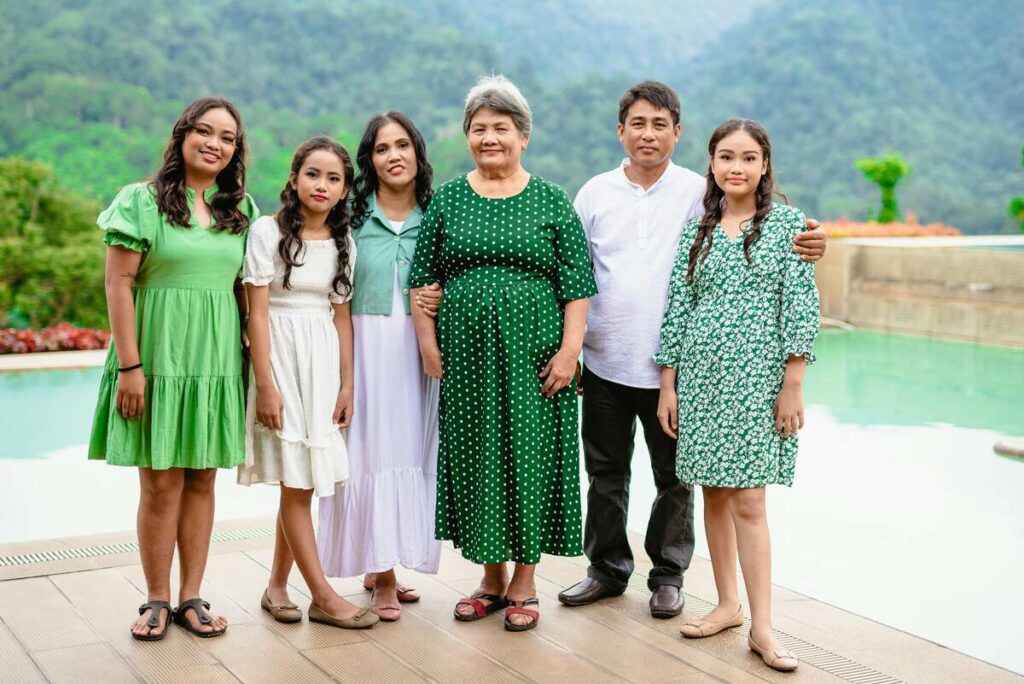
Skyscanner explicitly includes “Family Miles” as part of its trend set, and broader industry reporting shows travel parties evolving: multi-generational trips, friend-family mixes, and journeys built around togetherness with breathing room. This is a meaningful shift because it changes what people book: more space, more flexibility, and more days that aren’t scheduled to the minute.
Trip Jaunt tip: build itineraries that match real energy levels. When travellers are exhausted, places get treated poorly. Plan rest days, choose accessible routes, and prioritize shared moments over constant motion.
Trend 10: Fan Voyages and Event-Led Travel

Expedia’s Unpack ’26 includes “Fan Voyage,” reflecting how sports, concerts, and cultural events are shaping travel plans. Event travel can be joyful and community-building, but it can also strain cities through congestion, noise, and price spikes.
Trip Jaunt approach: if you travel for an event, widen the benefit. Eat locally, shop locally, and add one community-based experience that supports residents beyond the venue. Respect neighbourhoods, reduce waste, and use transit when possible.
Tips

- Start with a “values filter” before you book: wildlife ethics, community benefit, and footprint reduction.
- Use AI to draft your itinerary, then verify the details on official sites and with reputable local operators.
- For cooler climates and mountains, treat nature like a protected gallery: stay on trail, respect closures, and don’t geotag fragile locations.
- When a destination is trending, go shoulder season, stay longer, and spend intentionally in locally owned businesses.
- Choose hotels and tours that can explain their sustainability practices with specifics (not just labels).
- Make one trip in 2026 “deeper, not broader”: fewer stops, more presence, more relationship to place.
The Takeaway

Travel trends for 2026 aren’t telling us to go faster. They’re inviting us to go truer. The best travel this year will be values-led, climate-aware, and rooted in respect, with smarter planning tools supporting better choices rather than replacing them. If we travel with intention, we can still chase wonder while protecting the very places that make wonder possible.