
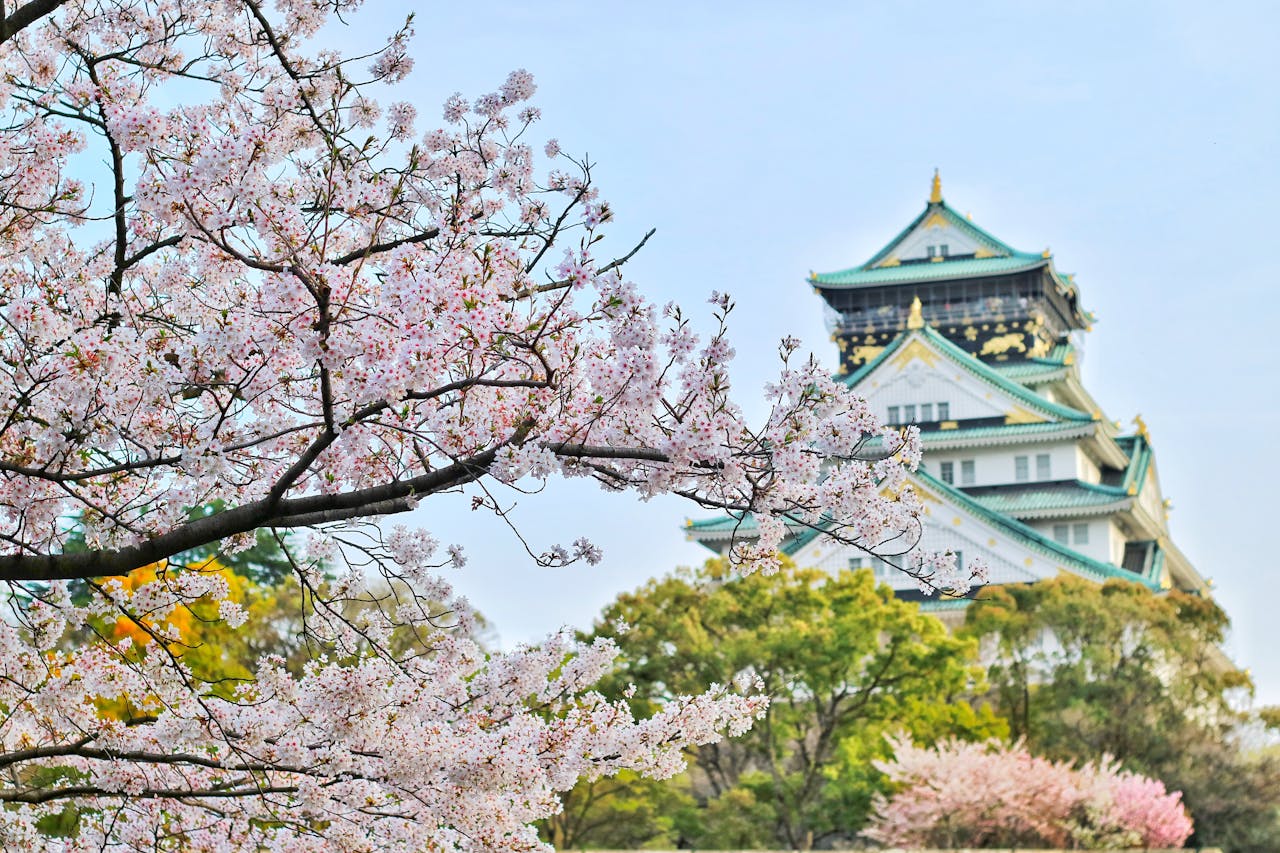

Japan is still welcoming hanami travellers in 2026, but Fujiyoshida has cancelled its signature festival near Mount Fuji to protect local life—and it’s changing how we should all travel during sakura season.
Japan has not cancelled cherry blossom season nationwide. What has changed is local: Fujiyoshida, near Mount Fuji, has officially cancelled its Arakurayama Sengen Park Cherry Blossom Festival for 2026, citing a serious crisis driven by overtourism and repeated disrespectful visitor behaviour. Officials cited public disorder and impacts on residents, including reports of tourists opening private doors to access washrooms, trespassing on residential property for photos, and human waste in private gardens. The city also pointed to infrastructure strain from massive daily crowds (reported as reaching up to 10,000 visitors), leading to chronic traffic congestion and litter. The mayor framed the decision as necessary to protect the dignity and living environment of local citizens.
Fujiyoshida: Why the Festival Was Cancelled
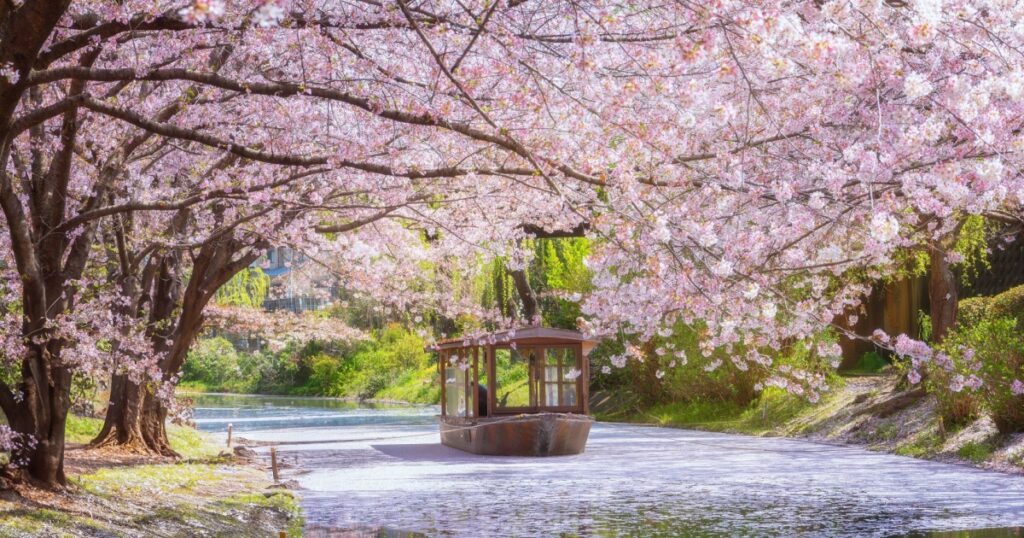
A decade-old event drew global attention, but the city said the pressures on daily life became untenable. Fujiyoshida’s decision centres on two realities that often collide during peak sakura season: the intense concentration of visitors in a small area, and behaviour that crosses basic boundaries of respect. When a festival becomes a magnet for crowds without enough space, facilities, and enforcement to protect residents, the consequences land on the people who live there year-round. The city’s language about safeguarding dignity is a reminder that tourism must remain a guest relationship, not a takeover.
Can You Still See the Blossoms at Arakurayama Sengen Park?
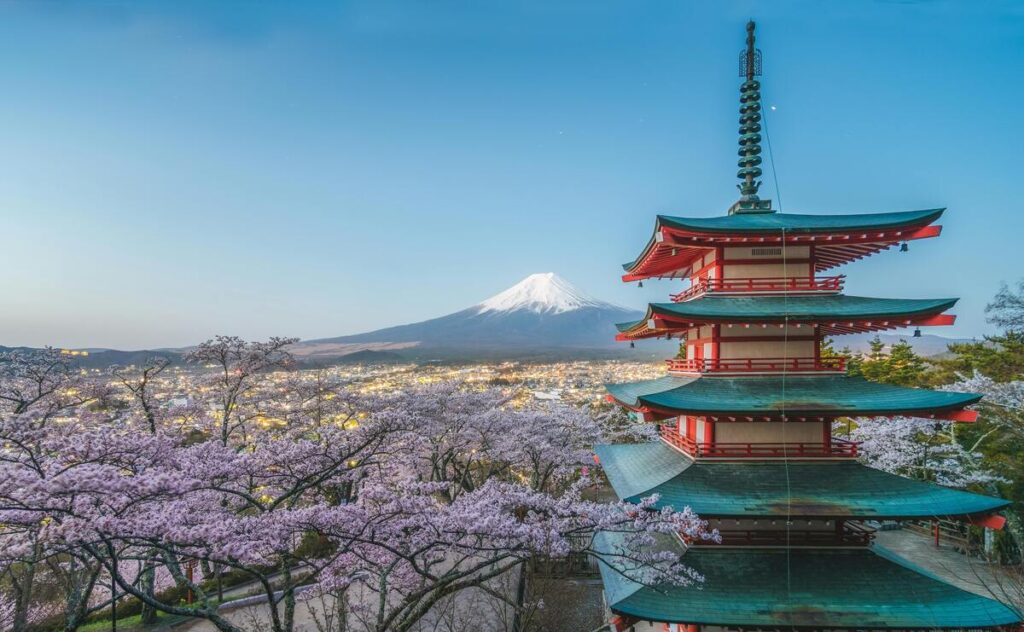
Yes. The park remains open, but the organised festival elements (such as scheduled programming and vendor-style atmosphere) are not happening in 2026. Fujiyoshida has said it plans added management measures for peak season, including increased security and portable toilets, anticipating heavy independent visitation even without an official festival.
2026 Cherry Blossom Forecast Snapshot
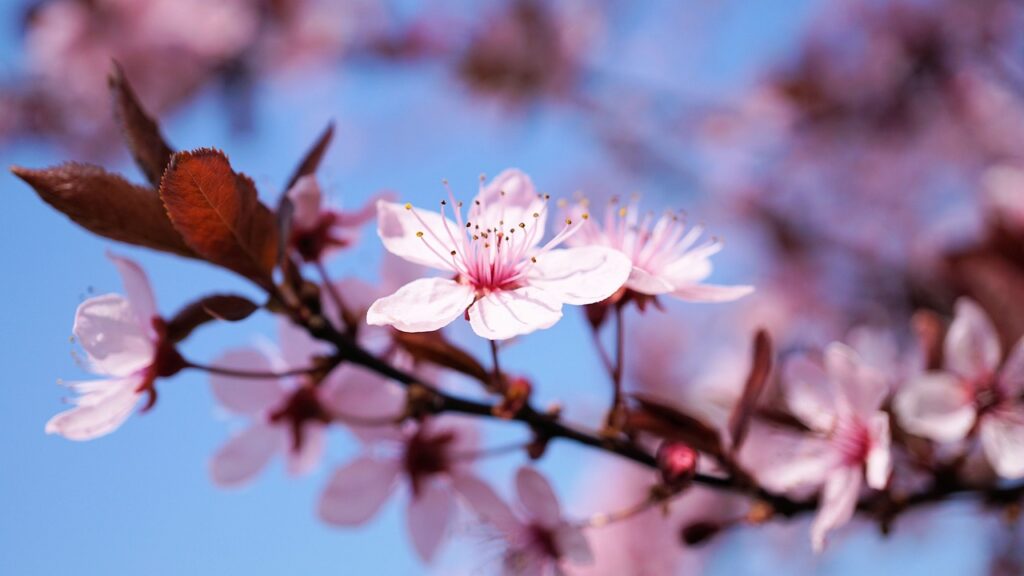
Early forecasts suggest bloom timing may land a few days earlier than average in several major cities, and updates continue as the season approaches. Japan Meteorological Corporation has released forecast updates (including a February 5, 2026 release), and media summaries of JMC data have highlighted expected windows such as Tokyo around late March, with Kyoto and Osaka following shortly after, and Sapporo in late April.
How to Do Sakura Season the Trip Jaunt Way
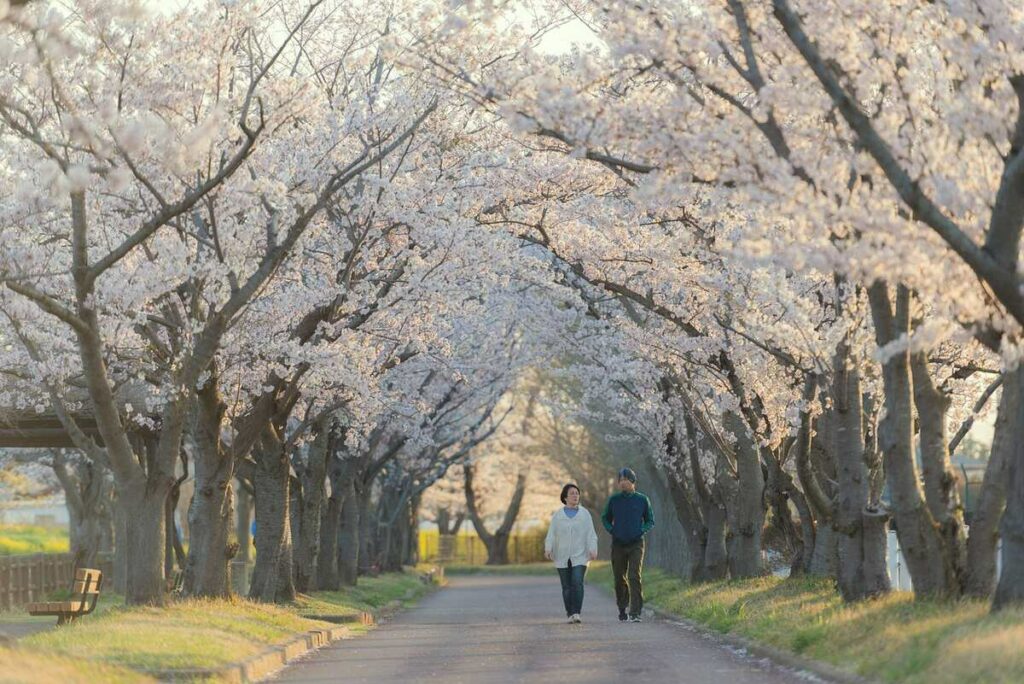
Fujiyoshida’s decision is bigger than one cancelled festival. It’s a signal that sakura tourism needs better manners, better planning, and more humility. If you’re travelling during cherry blossom season, build your itinerary around the idea that you’re stepping into real neighbourhoods, not photo sets. Choose public spaces designed for visitors, keep moving when areas are congested, and let “less famous” be part of your itinerary on purpose.
Practical Hanami Etiquette (So You Don’t Become the Reason a Place Closes)
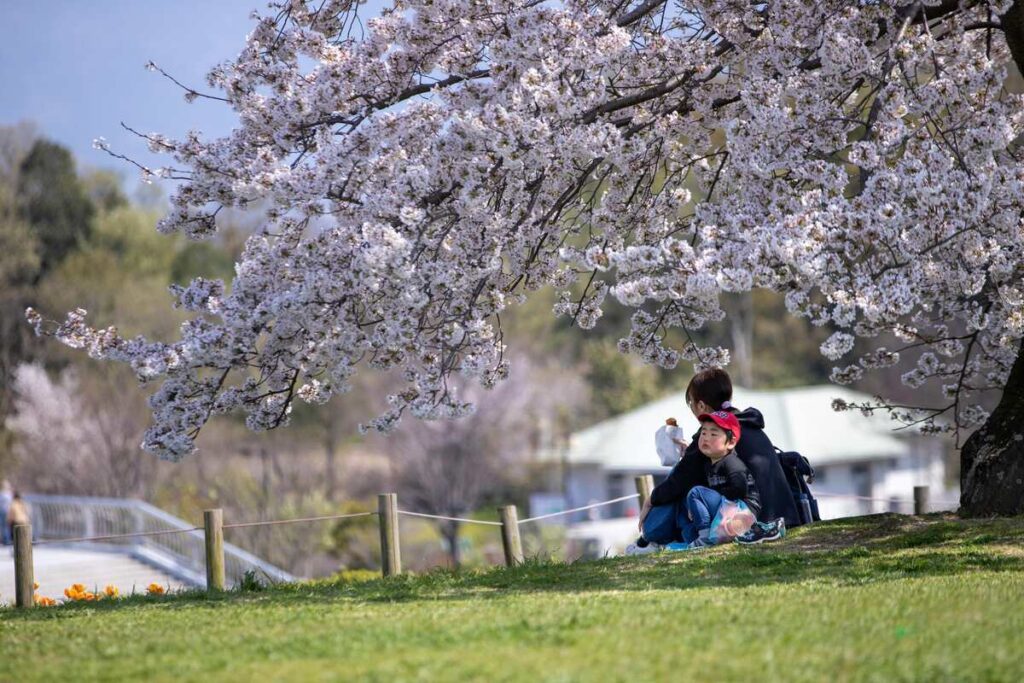
- Plan washrooms in advance and expect queues; never improvise in ways that damage private property or public spaces.
- Stay on marked paths and obey barriers; the best photo is never worth crossing a boundary.
- Keep voices low in residential zones and don’t block roads, school routes, entrances, or narrow sidewalks.
- Carry your own rubbish out if bins are full, and don’t treat convenience stores as your cleanup plan.
- If a spot feels overwhelmed, leave and go elsewhere; dispersing your impact is responsible travel in action.
Quieter Ways to See Blossoms Without Feeding Overtourism
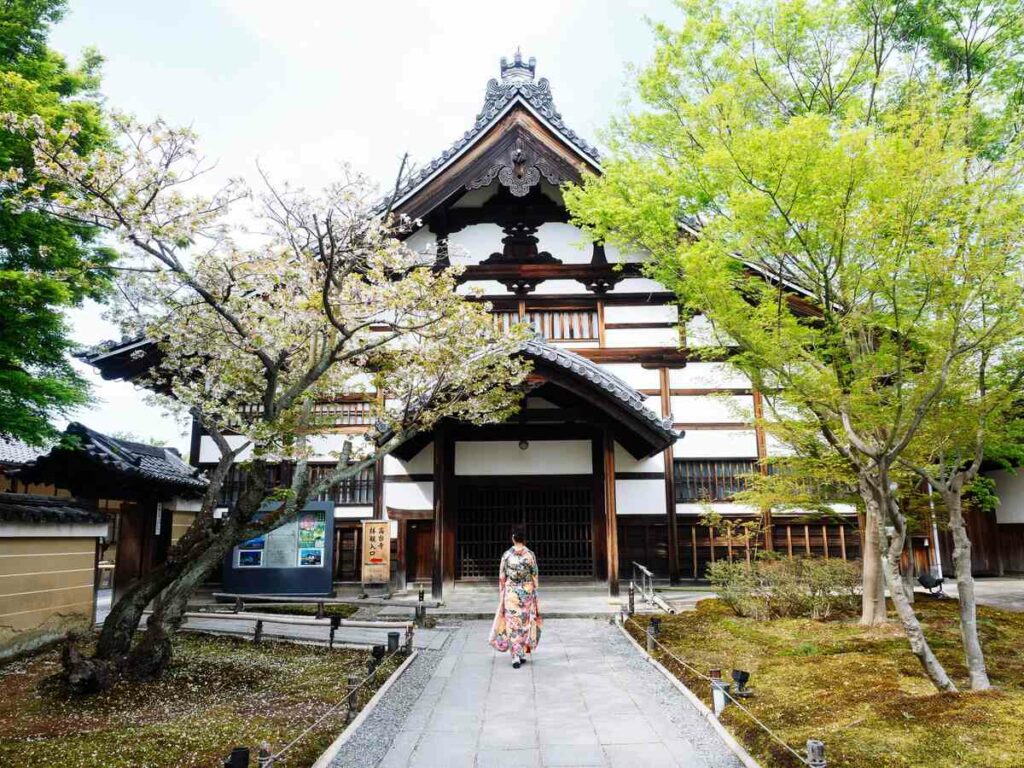
If your dream is sakura beauty with room to breathe, look beyond the most viral viewpoints and build “two-track” days: one well-known stop paired with a calmer park, a smaller city, or a lesser-known riverside walk. This doesn’t just ease pressure on hotspots, it often delivers the kind of experience travellers say they actually came for: slower, softer, more human.
The Takeaway
Fujiyoshida didn’t cancel spring. It cancelled a festival to protect the dignity of everyday life. If we want cherry blossom season to remain a welcome tradition, travellers have to meet Japan with the same respect Japan extends to visitors: stay within boundaries, plan thoughtfully, and choose alternatives when “must-see” starts doing harm.
Learn more:
- No Litter, No Fuss: Japan’s Secret to a Cleaner World
- Respect in Every Step: Shinto & Indigenous Wisdom for Travellers
- How to See the World and Leave It Better Than You Found It
Every journey leaves a mark, and small choices can make a big difference. Choosing eco-friendly stays, supporting local communities, and being mindful of plastic use help preserve the beauty of the places we visit. Respecting wildlife, conserving resources, and travelling sustainably ensure future generations can experience the same wonders. By treading lightly and embracing responsible travel, we create meaningful connections and lasting memories. Here’s to adventures that inspire and footprints that honour our planet.