
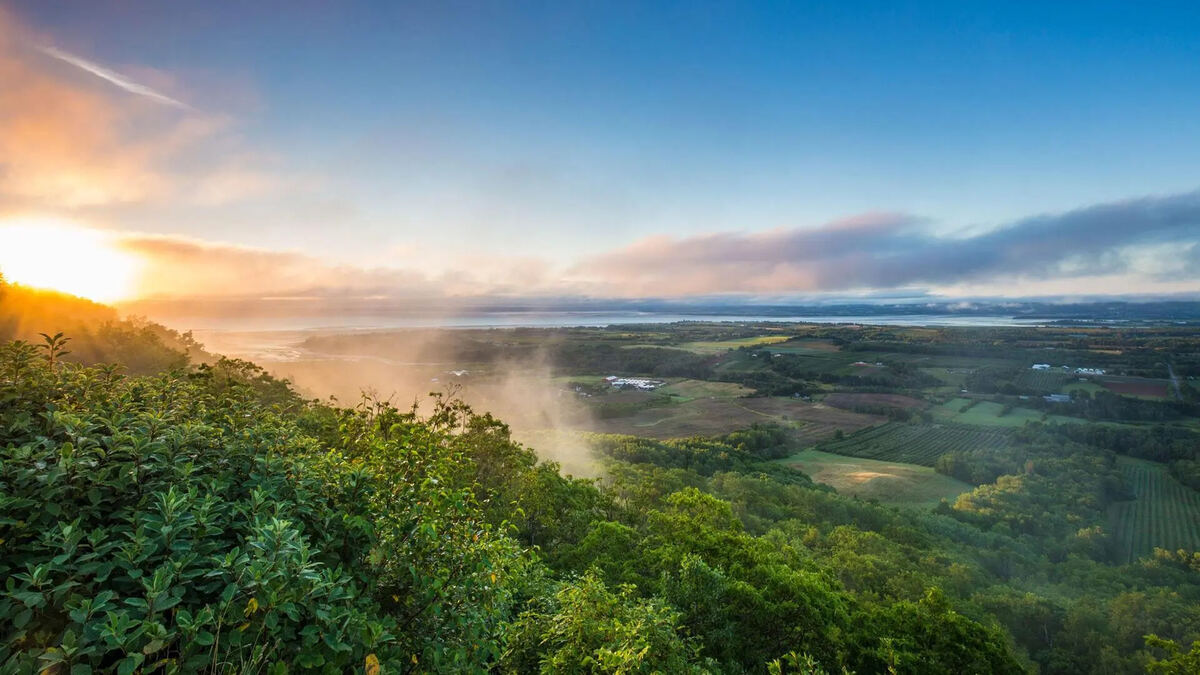

In Nova Scotia’s Annapolis Valley, vineyards, orchards, Acadian history, and small-town warmth sit remarkably close together, making Wolfville and Grand-Pré an easy and rewarding escape.
Some destinations work best when you stop trying to do one big thing and simply let the place reveal itself in layers. That is what happened to me in Wolfville and Grand-Pré. Yes, this is wine country, and a very good one at that. But it is also a region shaped by fertile land, deep history, and the kind of geography that makes everything feel connected. One road leads naturally to the next, and before long you realize you are not just moving between attractions. You are travelling through a landscape that still knows what it grows and why it matters.
Why This Part of Nova Scotia Works So Well
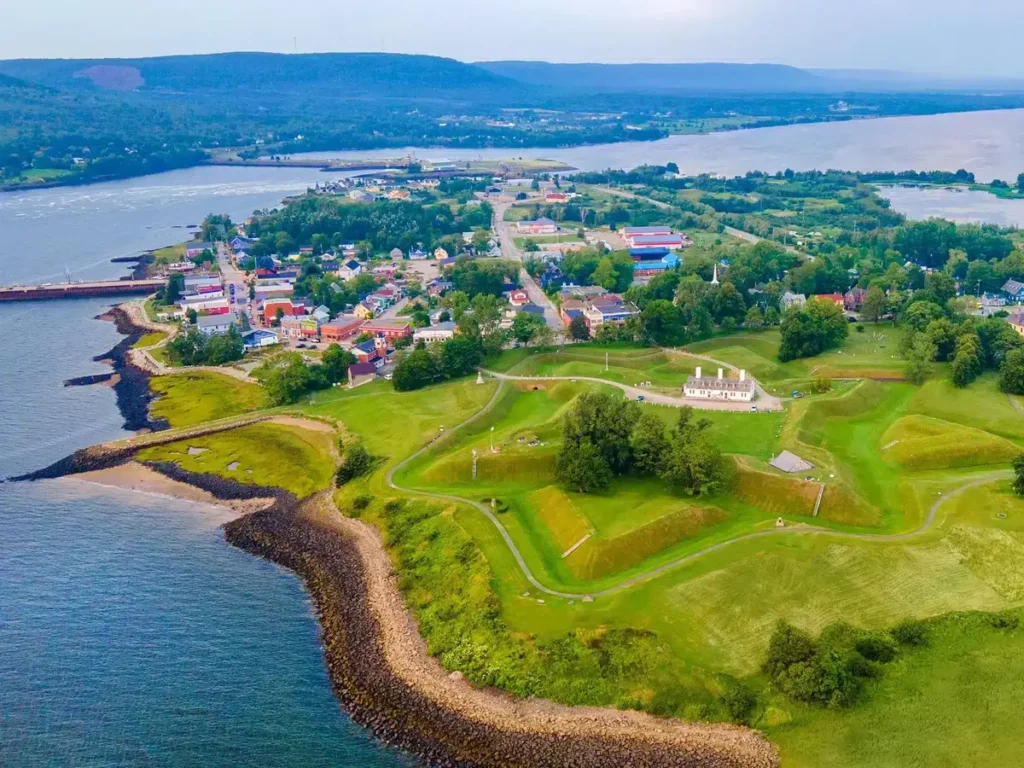
What makes Wolfville and Grand-Pré so appealing is not only what there is to do, but how close everything feels. The vineyards, orchards, cideries, markets, historic sites, and scenic roads all seem to belong to the same larger story.
That story begins with the land. Annapolis Valley is often described as the Atlantic Canada’s richest agricultural region, full of fields, dykes, orchards, and vineyards, while Wolfville itself is framed as the heart of Nova Scotia’s wine country. The region’s appeal makes more sense once you drive it. You are not simply going from one tasting to another. You are moving through a working agricultural landscape where wine, cider, produce, and history feel interconnected rather than staged for visitors.
Start in Wolfville
Wolfville works as a base not simply because it is charming, but because it sits at the centre of so many of the Valley’s defining threads. The town’s history is layered: Acadia’s own anniversary timeline notes that Upper Horton’s name was officially changed to Wolfville in 1829, and Acadia University was established in 1838. Today, the university remains integral to the town’s identity, and Acadia describes itself as an integral part of Wolfville, one of Canada’s oldest liberal arts universities, with the campus overlooking the Annapolis Valley and Bay of Fundy. That university presence helps explain why Wolfville feels lively, thoughtful, and a little more textured than a town that exists only for visitors.
What I appreciated most is that Wolfville does not force a single identity. It can be a wine-town stop, a food stop, a market-town stop, or simply a pleasant place to walk and take in at your own pace. Because it sits so close to everything else, it also works especially well as the centre of a Valley itinerary.
Visit Grand-Pré With Time and Attention
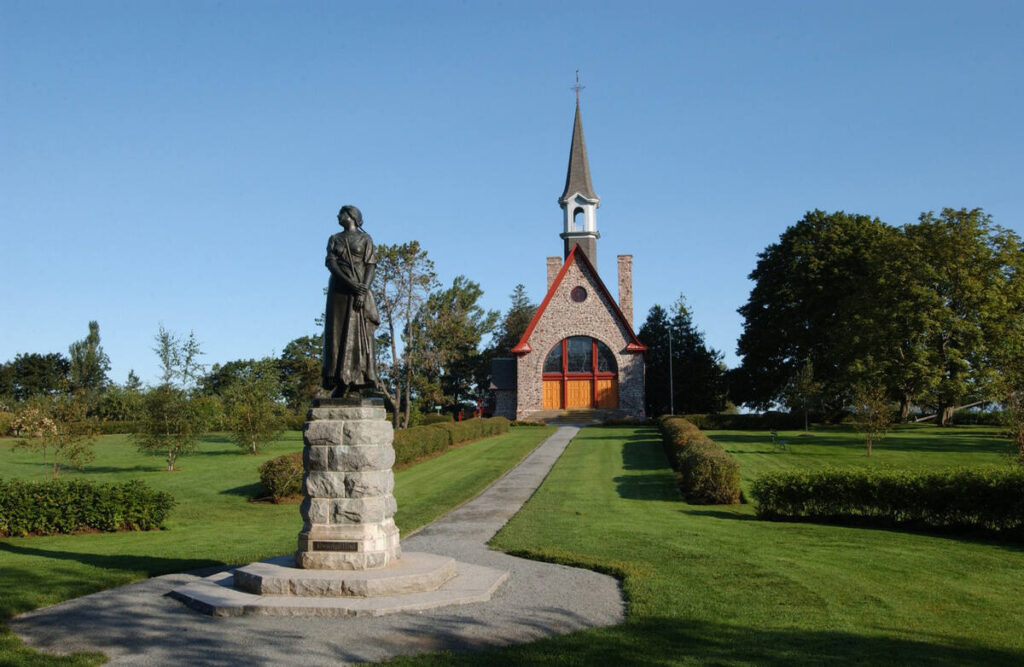
Grand-Pré changes the tone of the trip in the best way.
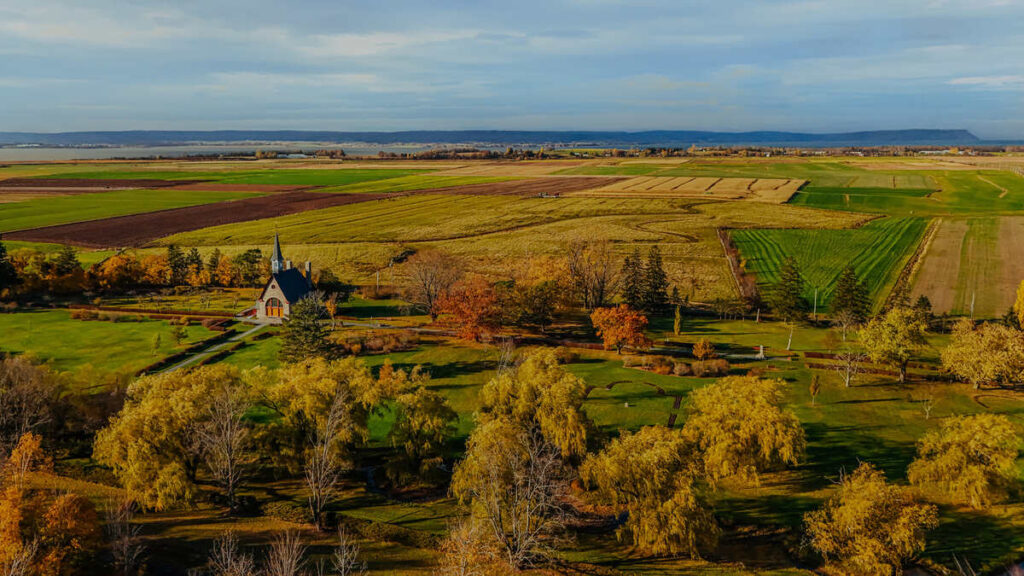
A region like this needs more than beauty to stay with you, and Grand-Pré provides that deeper layer. Parks Canada describes Grand-Pré National Historic Site as a commemoration of the area as a centre of Acadian settlement from 1682 to 1755 and of the Deportation of the Acadians, which began in 1755 and continued until 1762. The site is also the gateway to the larger Landscape of Grand-Pré UNESCO World Heritage Site.
That UNESCO designation matters because it recognizes more than a memorial building or a single viewpoint. UNESCO’s description of the Landscape of Grand-Pré emphasizes more than 1,300 hectares of polder farmland and archaeological elements built by the Acadians and their successors, calling it an exceptional example of how early European settlers adapted to the North American Atlantic coast. In practical terms, that means the beauty you see around Grand-Pré is not simply pastoral. It is a cultural landscape shaped by labour, ingenuity, loss, and memory.
For me, that gave the wider Valley more weight. Even if wine and food are what first draw a traveller here, Grand-Pré adds the kind of historical depth that makes the whole region more meaningful.
Drive the Wine Route
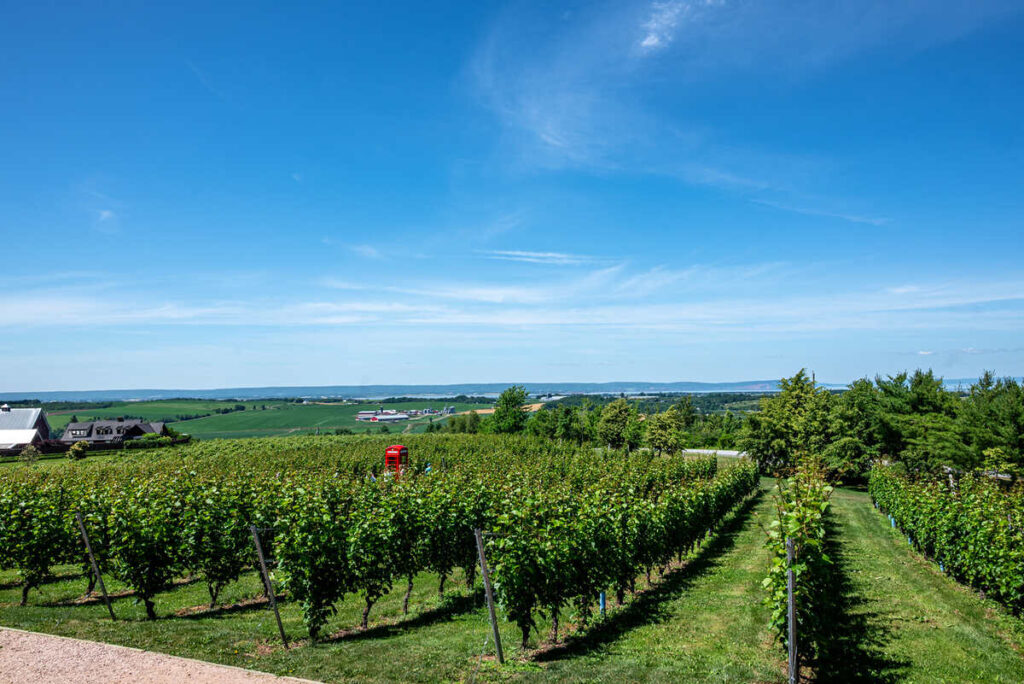
One of the pleasures of this part of Nova Scotia is that the route itself feels coherent. Around Wolfville, Grand-Pré, Port Williams, and Gaspereau, the roads carry you through vineyards, dykelands, orchards, cider stops, and markets in a way that feels unusually natural. Tourism Nova Scotia’s virtual wine-country guide notes that Wolfville is at the epicentre of Nova Scotia’s burgeoning wine scene, with wineries sitting within roughly 10 kilometres of town. That close geography is part of the appeal. You are not jumping between unrelated detours. You are moving through one larger Valley story.
I have already written in depth about Planters Ridge and Benjamin Bridge, so I would keep them brief here and link that dedicated wine story in publication. What matters in this article is that both wineries feel like natural extensions of the route rather than separate destinations disconnected from the rest of the landscape.
Add a Cidery or Market Stop
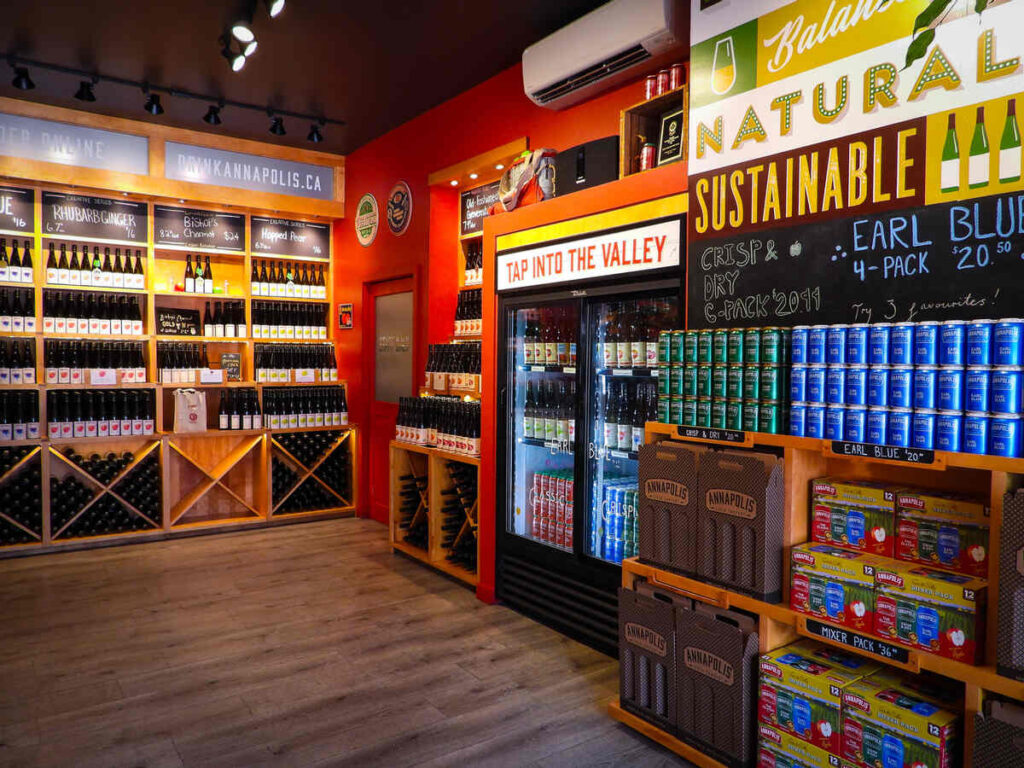
Wine may be the headline, but it should not be the only thing on the itinerary.
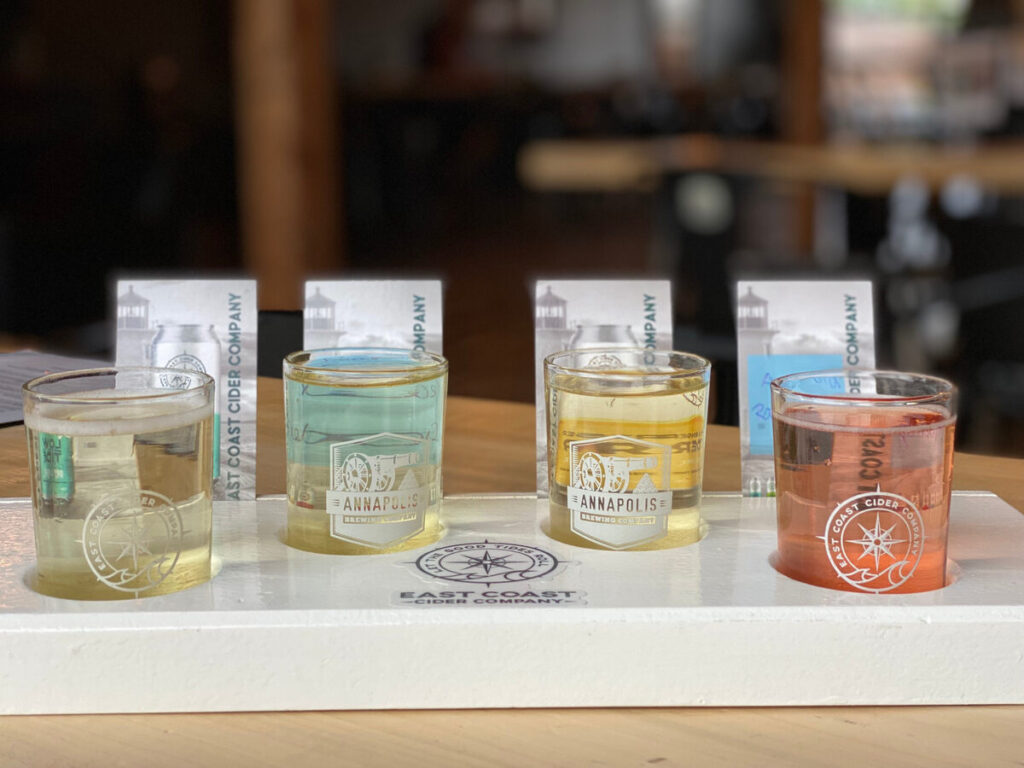
This is apple country, market country, and produce country too. Adding a market or cider stop helps tie the wine, orchards, and farmland together in a way that feels immediate and local. The Valley’s generosity is part of its identity, and you understand the wine more fully when you also notice the apples, preserves, baked goods, and produce coming out of the same land.
Make Room for an Overnight Stay

One of the best decisions you can make in this part of Nova Scotia is to stay the night. Otherwise, the Annapolis Valley risks becoming too much of a drive-through.
Valley Sky Glamping works well because it keeps you in the landscape rather than pulling you out of it. This adults-only retreat near Wolfville is designed around quiet, privacy, and the natural beauty of the Valley, offering year-round glamping in the heart of Nova Scotia’s wine country. That matters after a day of tasting, driving, and taking in so much. A stay like this lets the region breathe around you. I had a wonderful night’s rest there. I left the curtains open so I could wake with the sun, and it felt like a beautiful way to spend my final night in Nova Scotia.
Things to Do in Wolfville and Grand-Pré
- Wander Wolfville at Your Own Pace
- Wolfville is compact enough to explore comfortably and charming enough to reward doing so slowly. Walk the main streets, stop for coffee, and leave room for a good lunch or a relaxed browse through local shops. Between the university presence, the food culture, and the wine-country setting, the town has more personality than a quick stop can capture.
- Visit Grand-Pré National Historic Site
- Grand-Pré adds context and emotional depth to the wider Valley experience. It is worth more than a quick stop. Give yourself enough time to walk, read, and take in the landscape, because the fields and dykelands are part of the story as much as the commemorative site itself.
- Drive the Wine Route
- Even if you only visit one or two wineries, the drive itself is part of what makes the area special. The Valley’s agricultural setting gives the whole route a sense of logic and continuity. Vineyards, orchards, cideries, and farm stands all seem to follow naturally from one another.
- Add a Wine Tasting or Two
- Planters Ridge and Benjamin Bridge both make strong stops for very different reasons, and there are many other wineries nearby if you want to build a broader tasting day. For the fuller wine story, this is where I would link the separate dedicated article on those two wineries.
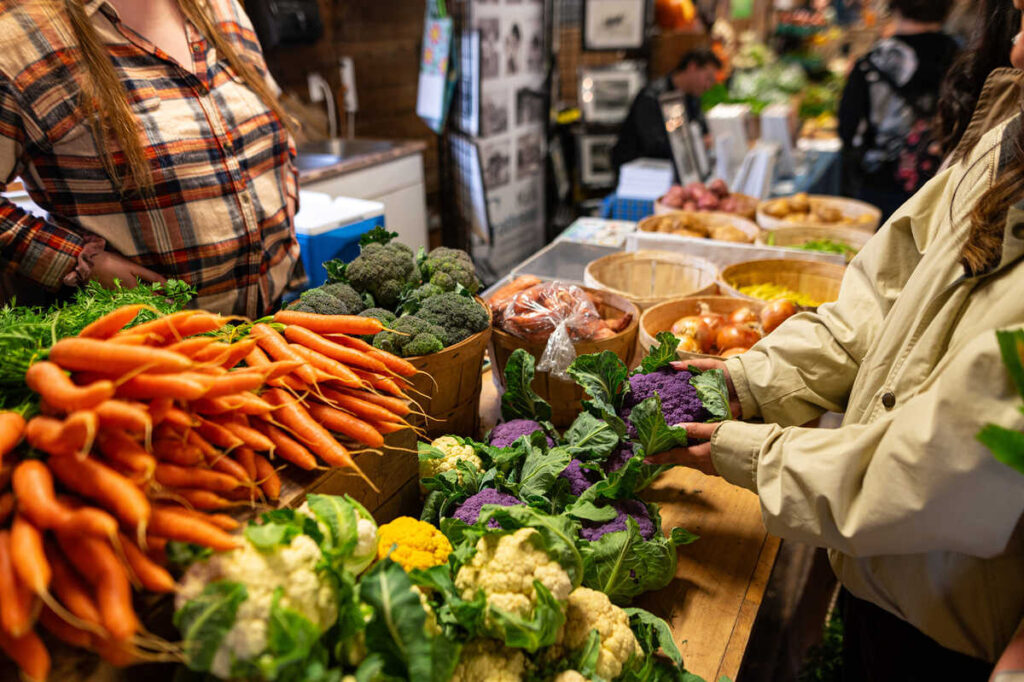
- Stop at a Farm Market
- The Valley’s food culture is part of its identity. A market stop helps tie the wine, orchards, and farmland together in a way that feels immediate and local, which is exactly why the region feels so complete rather than one-note.
- Stay Overnight
- A night in or near Wolfville changes the pace of the visit for the better. It gives you time to enjoy the route without rushing and lets the region settle in.
The Takeaway
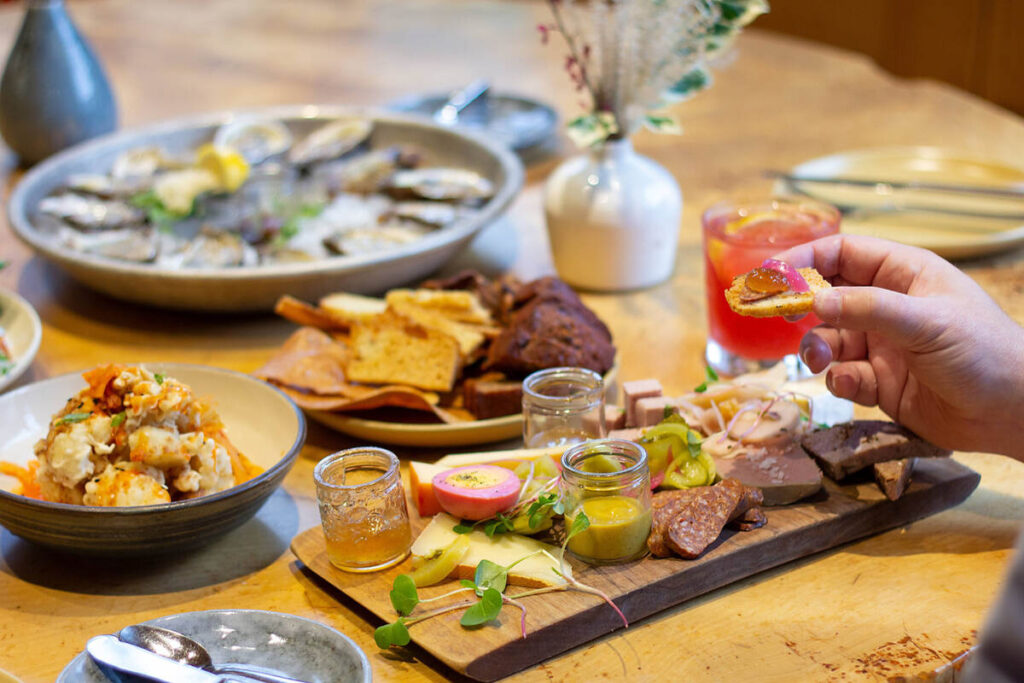
Wolfville and Grand-Pré offer more than a wine-country itinerary. Together, they show why the Annapolis Valley feels so complete as a travel experience.
Yes, there is wine. Very good wine. But there is also farmland, history, memory, hospitality, and a pace that allows each part of the region to support the next. That is what stayed with me most: not just the taste of what I drank, but the feeling of moving through a place where the land still shapes the story.
Tips
- Stay at least one night. This region is better when it is not rushed.
- Use Wolfville as your base. It makes the rest of the route feel easy.
- Give Grand-Pré real time. It is not just a scenic stop; it is both a National Historic Site and the gateway to a UNESCO cultural landscape.
- Treat the drive as part of the outing, not just the way between stops.
- Add a market or cider stop to balance out the wine.
- If wineries are part of your plan, book ahead to keep the day smooth.
- Pack for shifting weather. Nova Scotia can turn quickly, even on a beautiful day.
- Leave room for spontaneity. This is a region that rewards a little wandering.
Every journey leaves a mark, and small choices can make a big difference. Choosing eco-friendly stays, supporting local communities, and being mindful of plastic use help preserve the beauty of the places we visit. Respecting wildlife, conserving resources, and travelling sustainably ensure future generations can experience the same wonders. By treading lightly and embracing responsible travel, we create meaningful connections and lasting memories. Here’s to adventures that inspire and footprints that honour our planet. Safe and mindful travels!
Photos courtesy of Tourism Nova Scotia.
This Nova Scotia visit was hosted by Tourism Nova Scotia. As always, the editorial perspective is my own.