
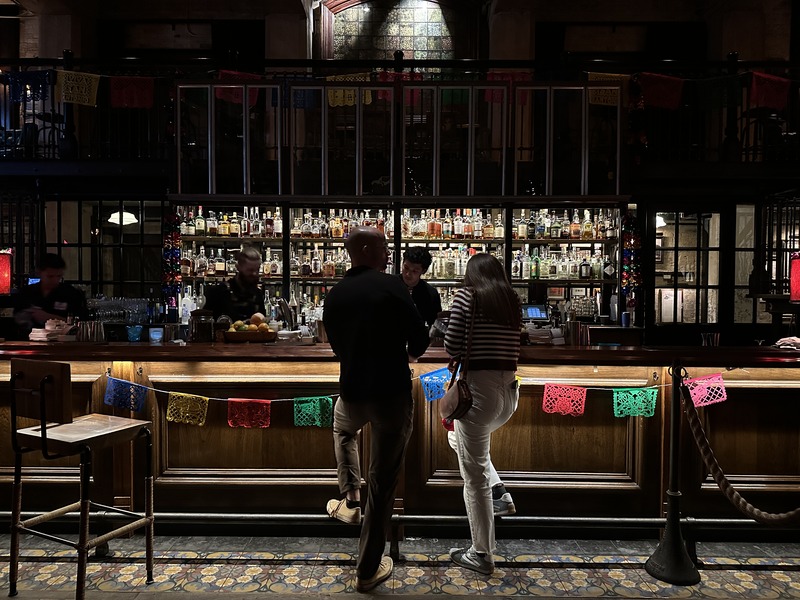

A City That Carries Its Past Forward
San Antonio is a city that understands something many destinations forget: history is not meant to be erased. It is meant to be reimagined.
That truth reveals itself quietly over the course of a single day—beginning inside the San Antonio Museum of Art, where centuries of global art now live within the sturdy bones of the former Lone Star Brewery. The industrial scale remains—brick, steel, and volume—but the purpose has shifted. What was once a space of production is now a space of reflection.
It is one of the clearest expressions of what San Antonio does so well: adaptive reuse that feels intentional, not imposed.
This is not a reinvention. It is a continuation.
From Lone Star to Pearl: A City Fluent in Adaptive Reuse
That same thread carries forward into the Pearl District, where Hotel Emma stands as one of the most striking examples of adaptive reuse in North America. Once the heart of the Pearl Brewery, the building has been transformed into a refined boutique hotel without stripping away its past. Pipes, columns, and original architectural details remain, softened by design but never hidden.
Yet Hotel Emma’s story is not only architectural—it is deeply human.
Named for Emma Koehler, the woman who assumed leadership of the brewery after the 1914 murder of her husband, Otto Koehler, the hotel carries a legacy shaped by resilience. The tragedy itself is woven into local lore through the story of the “three Emmas”: Emma Koehler, and two nurses—Emma Dumpke and Emma Burgemeister—the latter of whom shot Otto Koehler in a scandal that still lingers in the city’s memory.
It is a complicated history. And San Antonio does not shy away from it. Instead, it allows the past to remain layered—imperfect, human, and present.
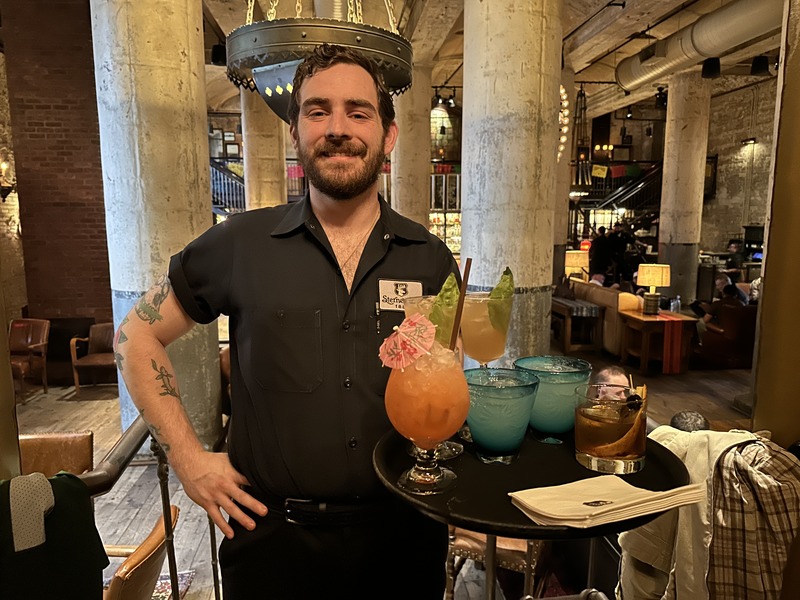
At Hotel Emma, even the cocktail menu can quietly echo that history. A drink inspired by the story of the three Emmas offers a subtle nod—less spectacle than remembrance—reminding guests that behind the hotel’s polished beauty lies a past marked by resilience, intrigue, and reinvention.
From Brewing to Agave: Transformation in the Glass
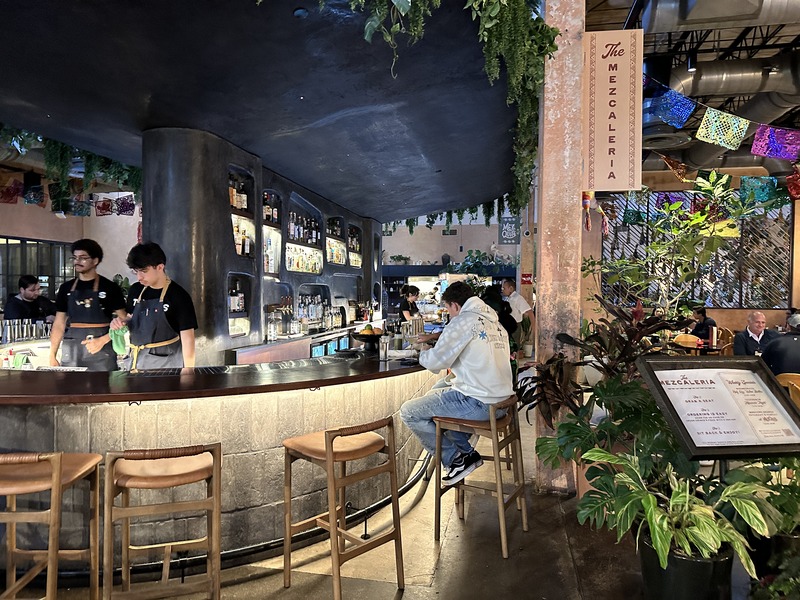
That same philosophy appears again, just steps away, but in an entirely different form.
Inside Pullman Market, at Mezcaleria Mixta, the focus shifts from brewing history to agave culture. At the mezcal tasting, tradition is expressed through smoke, earth, craftsmanship, and time. Mezcal is not presented as a novelty, but as a spirit deeply tied to process and place—each sip carrying the imprint of land, labour, and legacy.
Mezquite adds another layer to San Antonio’s evolving food story. Located within Pullman Market, Mezquite has earned a Bib Gourmand distinction from the MICHELIN Guide, a recognition reserved for restaurants offering exceptional quality at a compelling value. Its culinary perspective is rooted in Sonoran regional cooking, while its setting reflects the same design intelligence seen throughout the city.
Here, the concept of “material honesty” is central. Nothing is overly concealed or overworked. Ingredients are allowed to speak, and the repurposed industrial setting remains present rather than polished away. In a city defined by adaptive reuse, Mezquite feels perfectly aligned—thoughtful, grounded, and clear about where it comes from.
The Takeaway
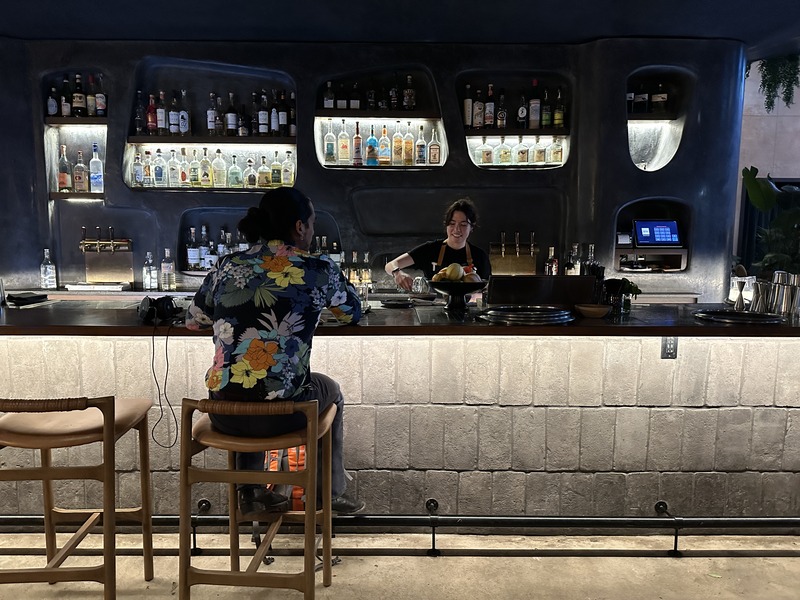
By evening’s end, the pattern is undeniable. San Antonio does not discard what came before. It honours it, reshapes it, and allows it to live on in new ways—through art, through architecture, through spirit, and through shared experience. What once brewed beer now brews connection.
In San Antonio, adaptive reuse is not a trend—it is a philosophy. From the Lone Star Brewery reborn as an art museum, to a historic brewhouse transformed into Hotel Emma, to a glass of mezcal that tells the story of land and labour, the city reveals itself through layers. It invites visitors not just to see history—but to sit with it, sip it, and understand that even the most complex past can be shaped into something meaningful.
San Antonio doesn’t just preserve its history—it repurposes it with purpose.
Every journey leaves a mark, and small choices can make a big difference. Choosing eco-friendly stays, supporting local communities, and being mindful of plastic use help preserve the beauty of the places we visit. Respecting wildlife, conserving resources, and travelling sustainably ensure future generations can experience the same wonders. By treading lightly and embracing responsible travel, we create meaningful connections and lasting memories. Here’s to adventures that inspire and footprints that honour our planet. Safe and mindful travels!
All photographs by the author unless otherwise indicated.
Disclosure: This trip was hosted by Visit Texas, but all reflections, opinions, and editorial content are entirely my own.