The Post-Trip Glow: How to Keep Your Travel Mindset Alive in Daily Life
There’s a particular feeling that hits a few days after you get home. The suitcase is still half-unpacked, your inbox has somehow multiplied, and the version of you that wandered through a market in Lisbon or watched the sun set over a rice terrace feels oddly distant. The glow fades faster than the tan.
Most people frame this as loss, which is understandable. What should fill us with hope, inspiration, and new perspectives often turns into a comparison between life during the trip and daily life at home. The real question, though, isn’t how to mourn the trip. It’s whether the mindset you carried while traveling can actually survive the commute, the grocery run, and the Tuesday afternoon meeting.
Why the Post-Trip Crash Is So Real
Why the Post-Trip Crash Is So Real (Image Credits: Unsplash)
Post-travel blues typically arise when the novelty and stimulation of travel are abruptly replaced by the familiar rhythms of home life. Research has identified symptoms such as fatigue, irritability, loss of appetite, and anxiety, in addition to the obvious emotional let-down.
Travel tends to intensify sensory engagement and expand one’s worldview through new sights, tastes, languages, and social encounters. Returning home may feel like a constriction of these experiences, creating a cognitive and emotional gap between the recent past and present.
Travel can produce peak experiences – moments of awe, joy, or deep connection – that become benchmarks for meaningful living. When daily life does not regularly offer such moments, individuals may perceive it as lacking in vitality or purpose, further fueling post-travel blues.
What Travel Actually Does to Your Brain
What Travel Actually Does to Your Brain (Image Credits: Unsplash)
The emotional benefits of travel start with its remarkable ability to melt away stress. Even a brief four-day getaway can reduce stress and enhance wellbeing for as long as 45 days afterward. That’s not a small window to work with.
Experiences of awe can promote brain plasticity, meaning that the brain becomes more adaptable and open to learning. Individuals who experience awe report feeling more connected to others and more curious about the world around them.
The act of stepping outside our own environment exposes us to different ways of thinking, living, and connecting. When embraced with intention, travel can transform us into more open, kind, empathetic, and understanding people. The shift isn’t just emotional – it’s cognitive, and it doesn’t have to dissolve the moment you land back home.
Give Yourself a Proper Re-Entry Window
Give Yourself a Proper Re-Entry Window (Image Credits: Pexels)
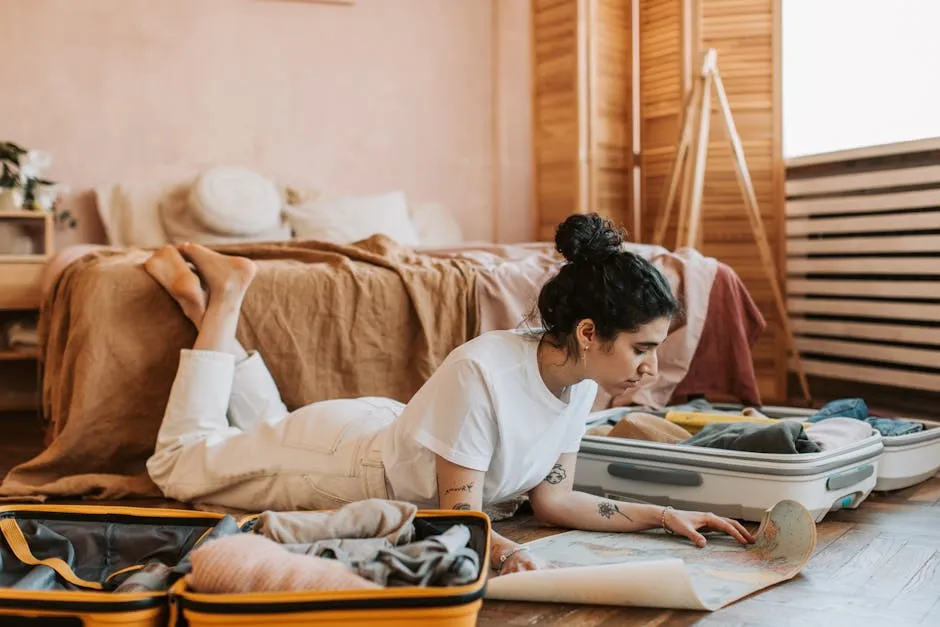
If possible, allow a buffer period between returning home and resuming full responsibilities. This helps soften the emotional whiplash of going from leisure to high productivity.
When you schedule your return, it can be tempting to come back at the very last minute so that you have as much vacation time as possible, but it might actually be a better idea to schedule a day of downtime for yourself before heading back to work. A day or two of downtime will give you an opportunity to unpack, settle in without feeling rushed, and ease some of the shock of coming back to your daily routine.
This small act of planning is easy to skip, but it matters more than most people expect.
Use Journaling and Reflection to Anchor the Experience
Use Journaling and Reflection to Anchor the Experience (Image Credits: Pixabay)
Journaling, photo organization, and storytelling can help integrate travel experiences into one’s ongoing life narrative. This prevents the trip from feeling like an isolated, “sealed-off” event.
Encouraging deep self-reflection by writing travel journals or creating personal travel reports can further help extract deeper meaning from travel experiences and enhance understanding of life goals and values.
It doesn’t have to be elaborate. Even a few honest sentences about what surprised you, what moved you, or what you want to carry forward can do more than a hundred photos scrolled through passively.
Bring Travel Rituals Into Your Routine
Bring Travel Rituals Into Your Routine (Image Credits: Pixabay)
Holidays and traveling provide a wonderful opportunity to reconnect with your passions and rediscover what you truly love to do. They are also a chance to experience new things that make you feel happy and alive. It is easy to lose those treasures when you return to daily routines and commitments. You can take them back home by setting aside time to do whatever fed your soul while away.
Integrating elements of your vacation into your daily life helps extend the vacation mindset. Whether it’s enjoying exotic cuisine, practicing relaxation techniques, or engaging in a new hobby, maintaining a connection to your travel experiences can help alleviate the blues.
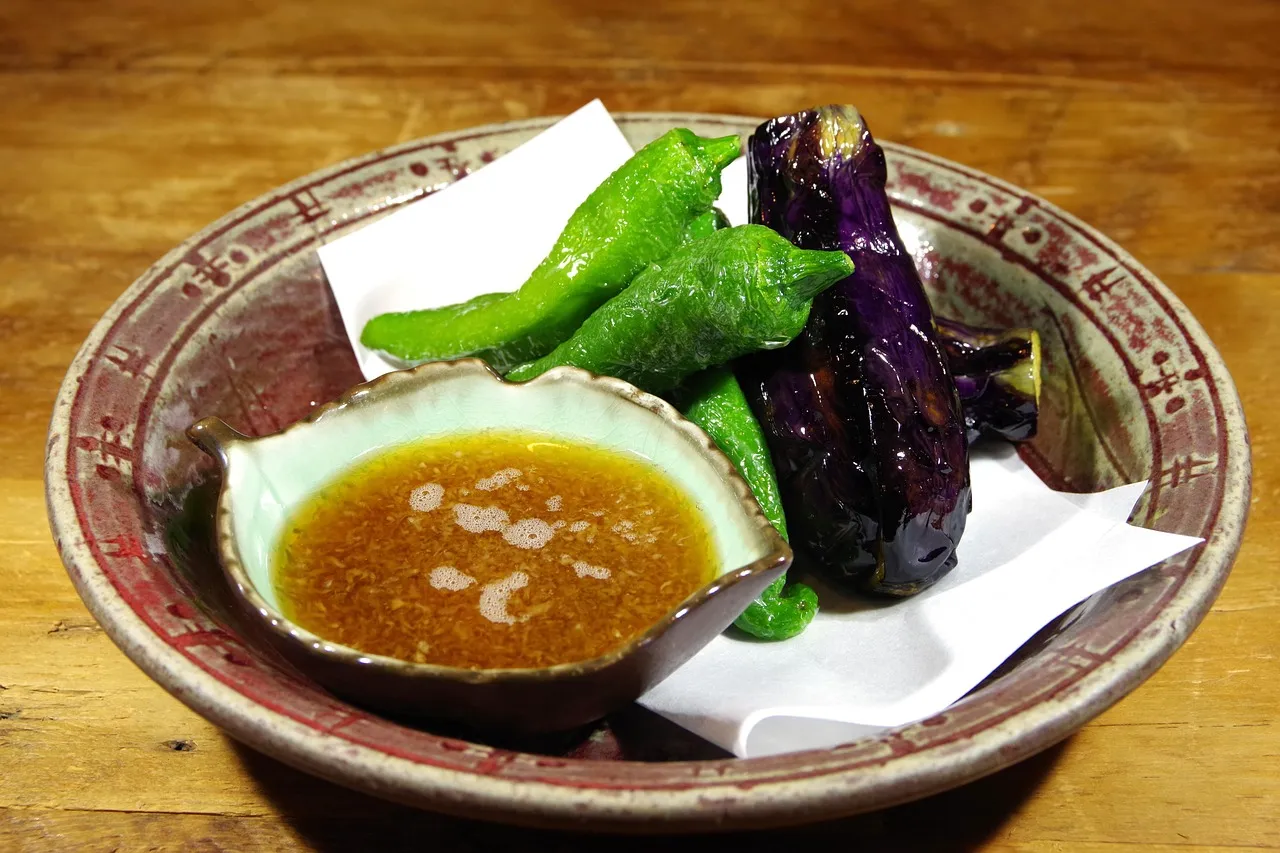
Small rituals matter more than dramatic lifestyle overhauls. A weekly meal from a country you visited, a playlist you made on the road, a habit of walking somewhere new each weekend – these are quiet but effective anchors.
Apply the Tourist Lens at Home
Apply the Tourist Lens at Home (Image Credits: Pixabay)
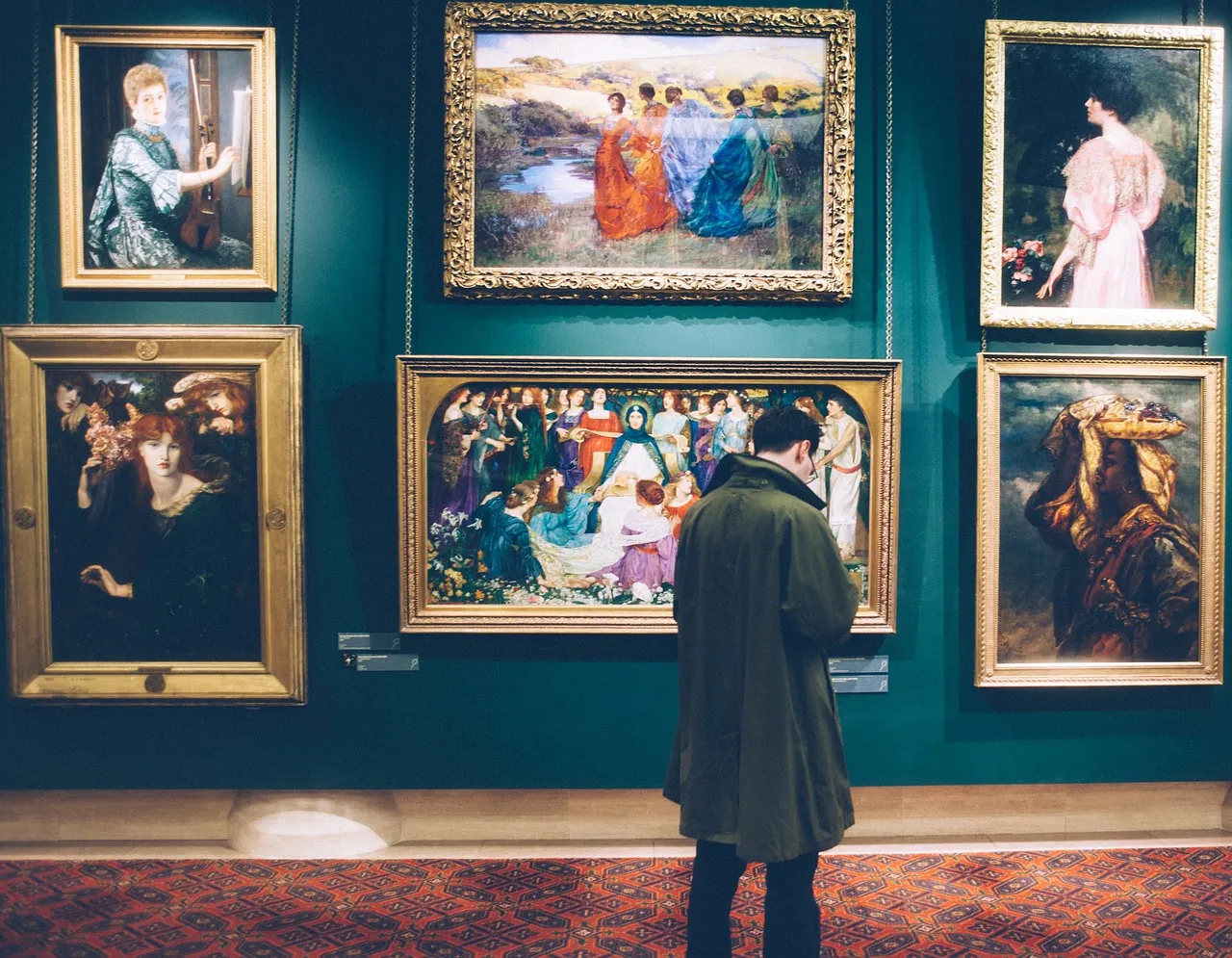
When you’re itching to go somewhere new but still at home, try to take on the mindset of a tourist on your own familiar ground. Visit a traveling art exhibit, scout out local attractions, go for a hike, and try to recreate that exciting feeling of adventure.
Engaging in “micro-adventures” at home – trying new restaurants, visiting unfamiliar neighborhoods – can sustain a sense of novelty and curiosity.
This isn’t a consolation prize. The tourist mindset, that openness to noticing things, works anywhere. Most people have never properly explored their own city.
Keep Learning the Way You Did on the Road
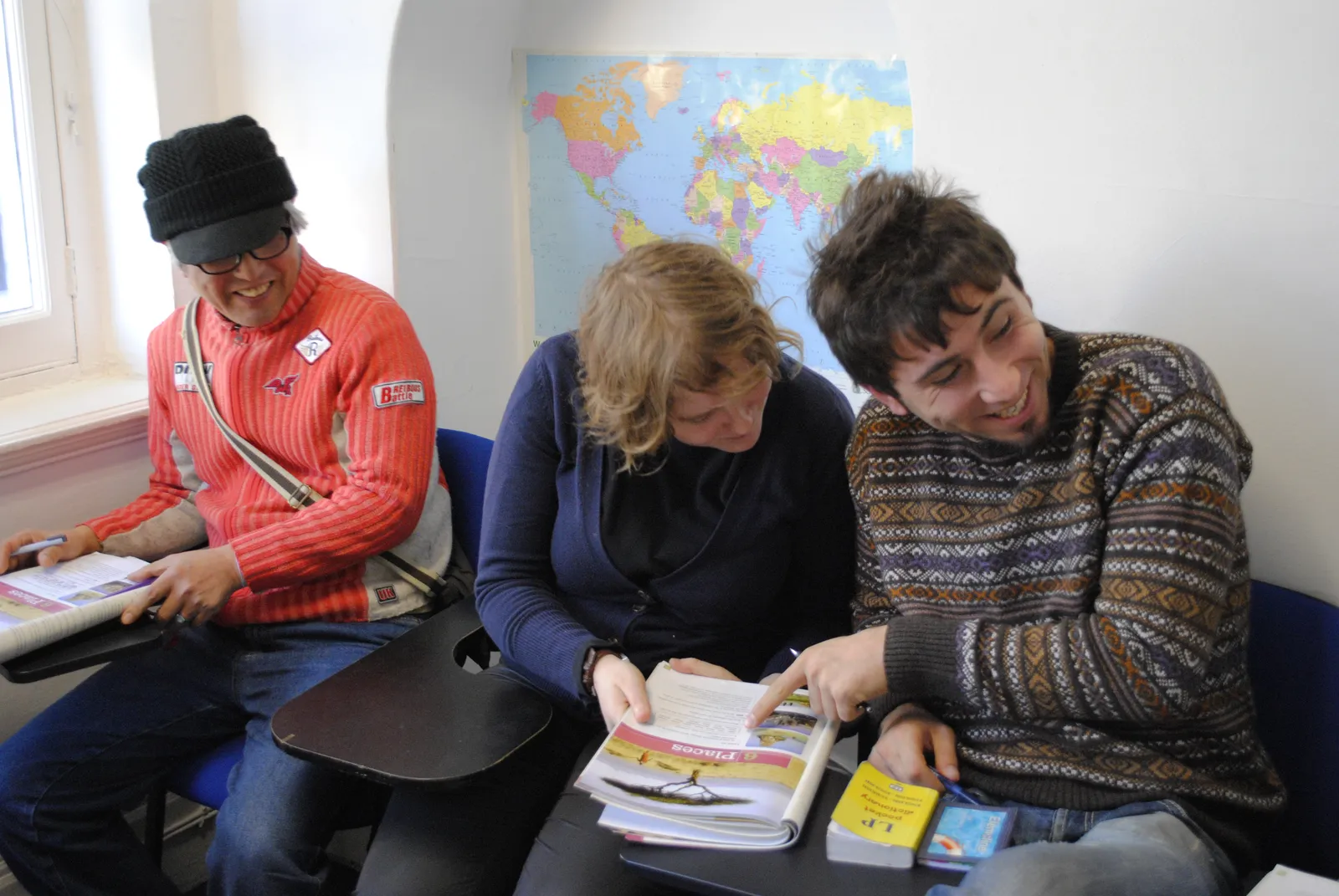
Keep Learning the Way You Did on the Road (Intermediate Class
Uploaded by Mr. Stradivarius, CC BY 2.0)
Traveling makes you more open-minded and helps cultivate a growth mindset. Upon returning home, maintaining this new mindset and signing up to learn a new skill keeps that momentum going.
Curiosity is what drives you out of your front door in the first place, but it’s also that persistent itch that keeps you hunting around for new stimulus – the desire to understand and to string different strands of information into a coherent picture. That curiosity doesn’t have to be geography-dependent.
Languages, cooking traditions, local history, unfamiliar art forms – these all feed the same mental appetite that travel opens up. The subject matters less than the act of staying genuinely curious.
Share the Experience Without Oversharing
Share the Experience Without Oversharing (Image Credits: Unsplash)
Sharing stories and photos with others who are receptive can reinforce the meaning of the trip. Reconnecting with travel companions can also help maintain a sense of continuity.
There’s a useful distinction between processing an experience and performing it. Talking thoughtfully about what a trip meant to you, what it changed in your thinking, is different from replaying itinerary highlights to a distracted audience.
Talking about your adventures, sharing your stories, and reminiscing often helps keep the adventure alive. Going through photos and videos, creating a scrapbook, or writing about your experiences reinforces those moments in meaningful ways.
Let the Trip Change What Needs Changing
Let the Trip Change What Needs Changing (Image Credits: Unsplash)
After your travels, if you’re still finding it difficult to adjust to life at home, evaluate what needs to be different. Apply for jobs that may suit you better. Try out new hobbies you hadn’t thought of before.
Sometimes the discomfort after travel isn’t a problem to manage. Those already dissatisfied with their home life are more likely to experience an emotional drop after travel. If the trip revealed something important about what’s missing from your daily life, that signal is worth taking seriously rather than smoothing over.
That vacation or trip wasn’t an escape from reality – it was part of your life. The clearer you are about what energized you while traveling, the better placed you are to build more of it into the life you already have.
Plan Something Ahead, Even Something Small
Plan Something Ahead, Even Something Small (Image Credits: Pixabay)
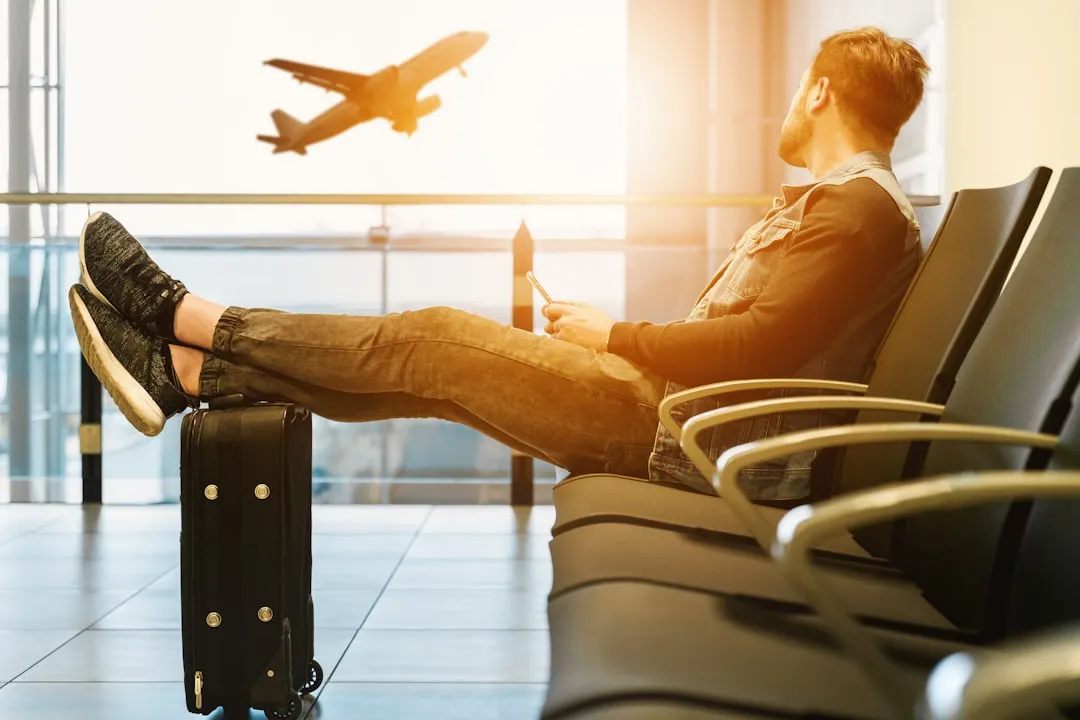
Scheduling future trips, even small ones, can redirect the longing for travel into anticipation and motivation. This doesn’t require a grand plan or a flight booked to somewhere far off.
While long vacations might not be feasible frequently, planning smaller getaways or day trips can help break up the monotony and give you something to look forward to.
The psychological benefit here is less about the destination and more about keeping a relationship with exploration alive. Anticipation itself is a form of presence.
Reframe What “Home” Means After Travel
Reframe What “Home” Means After Travel (Image Credits: Pexels)
Instead of seeing home as a place of stagnation, viewing it as a sanctuary where you can recharge and reflect changes the entire emotional equation.
The transition from the novelty of travel to the routine of home life can be jarring, but with mindful strategies, travelers can preserve the benefits of their journeys while navigating the inevitable return to daily life. By acknowledging the emotional impact of re-entry and equipping oneself with coping mechanisms, the afterglow of travel can be extended, integrated, and even used as a catalyst for personal development.
Home doesn’t have to be the opposite of adventure. It can be the place where what you learned actually takes root.
Conclusion: The Glow Doesn’t Have to Fade
Conclusion: The Glow Doesn’t Have to Fade (Image Credits: Unsplash)
The post-trip glow isn’t just a mood. It’s a sign of something real: a more open, curious, and present version of yourself that emerged when routine was stripped away. The goal isn’t to recreate the trip. It’s to understand what conditions made you feel that way, and then deliberately build more of them into ordinary life.
When embraced with intention, travel can transform us into more open, kind, empathetic, and understanding people. The transformation, though, only sticks if you carry it forward consciously.
Most of us don’t need another trip as much as we need to take our own lessons seriously. The world you saw on the road is still in you. It just needs a little room to breathe.