
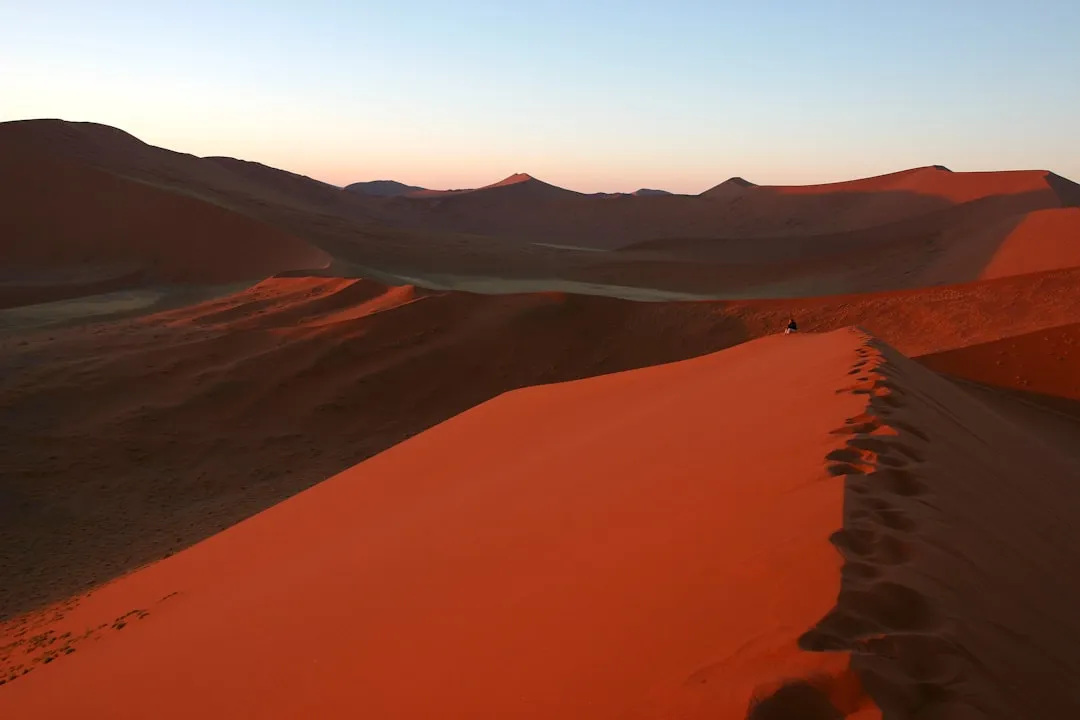

Few places on Earth stop you mid-breath quite like Namibia. The country sits on the southwestern tip of Africa, largely empty, intensely quiet, and shaped by forces that have been working their craft for tens of millions of years. Most travelers arrive without a full understanding of the scale, and that’s probably for the best.
There’s a shift that happens within a day or two of being here. The noise of ordinary life falls away. The light changes. The space around you starts to feel less like emptiness and more like presence. This is what people mean when they talk about the silence of Namibia, and it’s worth knowing what you’re actually walking into.
The World’s Oldest Desert Is Right Beneath Your Feet
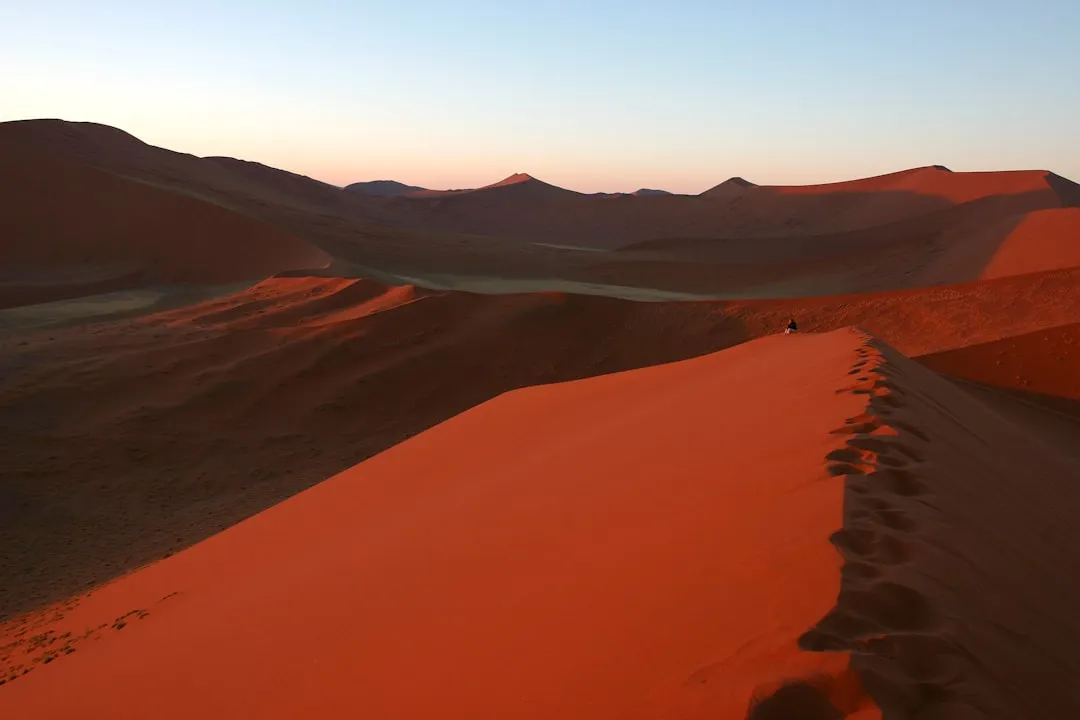
Having endured arid or semi-arid conditions for roughly 55 to 80 million years, the Namib may be the oldest desert in the world and contains some of the world’s driest regions. To put that in perspective, the Sahara was a green savannah with forests and megafauna as recently as 12,000 years ago. The Namib was already ancient by then.
In the local Nàmá language, Namib means “an area where there is nothing,” a description that seems to hold true with this sandy expanse comprising some 15 percent of Namibia’s driest and most inhospitable landscapes. Yet the name is quietly misleading. The desert is very much alive, just on its own terms.
Annual precipitation ranges from 2 millimetres in the aridest regions to 200 millimetres at the escarpment, making the Namib the only true desert in southern Africa. Those numbers mean almost nothing until you stand somewhere that hasn’t seen rain in months and realize the ground beneath you has been dry since before humans existed.
Sossusvlei: Dunes That Change Color By the Hour
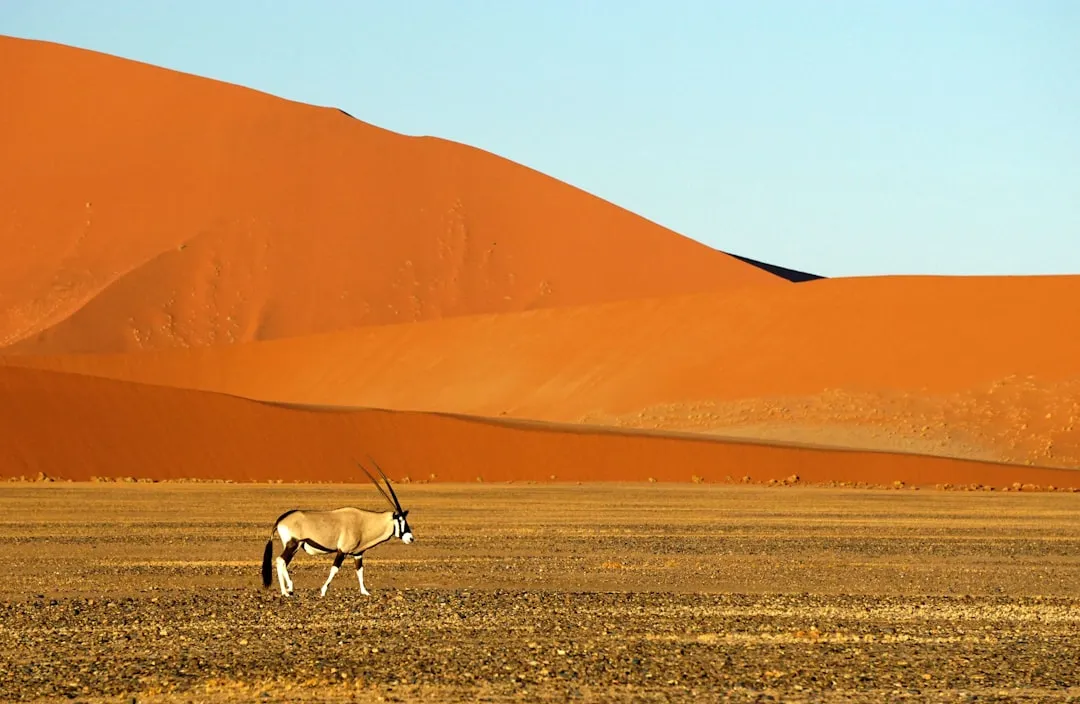
Located in the Namib-Naukluft National Park, Sossusvlei features colossal apricot-colored dunes that rise up to 380 meters. The name refers to a clay pan surrounded by dunes, though visitors often use “Sossusvlei” to describe the entire dune field area, including nearby Deadvlei, a white clay pan dotted with ancient, blackened camel thorn trees.
The dunes change color throughout the day, from pale pink at dawn to deep burnt orange at sunset. Photographers and early risers will find the first hour of light particularly rewarding, when the ridgelines throw sharp shadows and the whole scene feels almost theatrical in its contrasts.
Deadvlei is a popular photo spot featuring dozens of skeletal dead camelthorn trees stranded in the chalk-white ground. Sesriem Canyon, which formed up to four million years ago by the Tsaugab River, is nearby and well worth the detour. You can see a lot in a day here, but it’s the kind of place that earns a slower pace.
Etosha: A Wildlife Spectacle Built Around Water
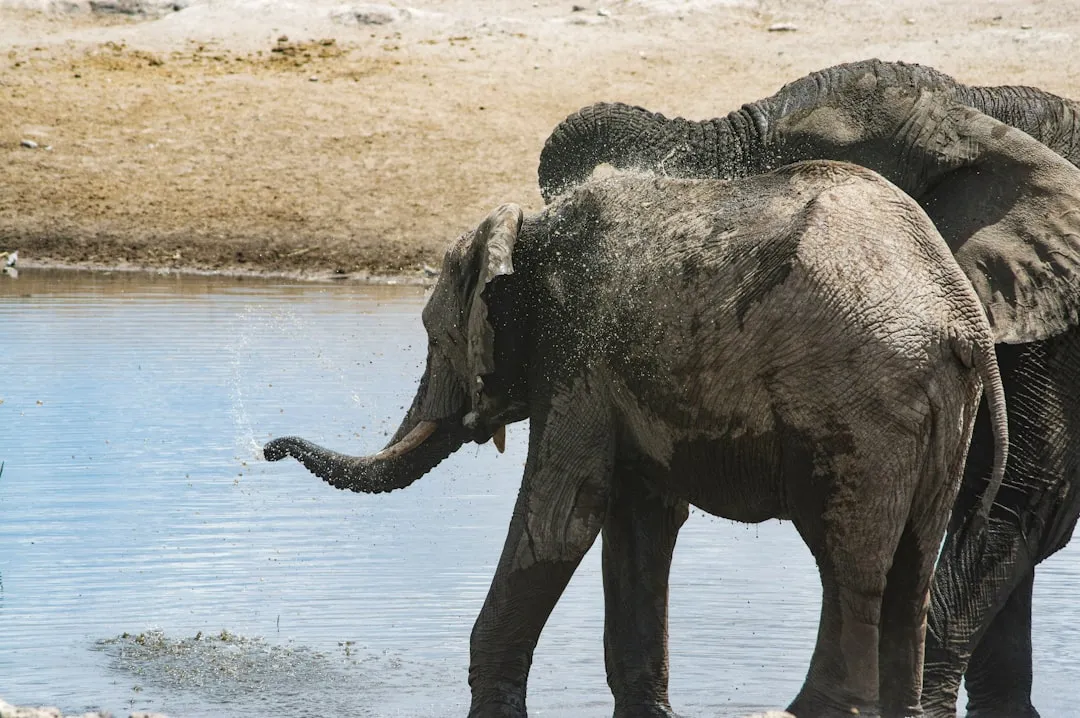
Etosha Game Park was declared a National Park in 1907 and, covering an area of 22,270 square kilometers, is home to 114 mammal species, 340 bird species, 110 reptile species, 16 amphibian species, and, surprisingly, one species of fish. That’s an extraordinary concentration of life for a place anchored by a massive salt pan.
At the park’s heart is the Etosha saltpan, an enormous shallow depression over 100 kilometres across, with numerous perennial springs around its edges which attract large concentrations of birds and mammals. This is one of the last places in the world where elephant and black rhino may both be seen, plus predators such as lion, cheetah, and leopard.
The dry season from May to October is the best time for Etosha wildlife viewing as animals concentrate at waterholes. Cooler temperatures and clear skies make for excellent conditions. Sitting quietly at a waterhole at dusk, watching species arrive one by one, is one of those experiences that’s genuinely hard to describe to someone who hasn’t done it.
The Skeleton Coast: Beautiful, Hostile, and Unforgettable
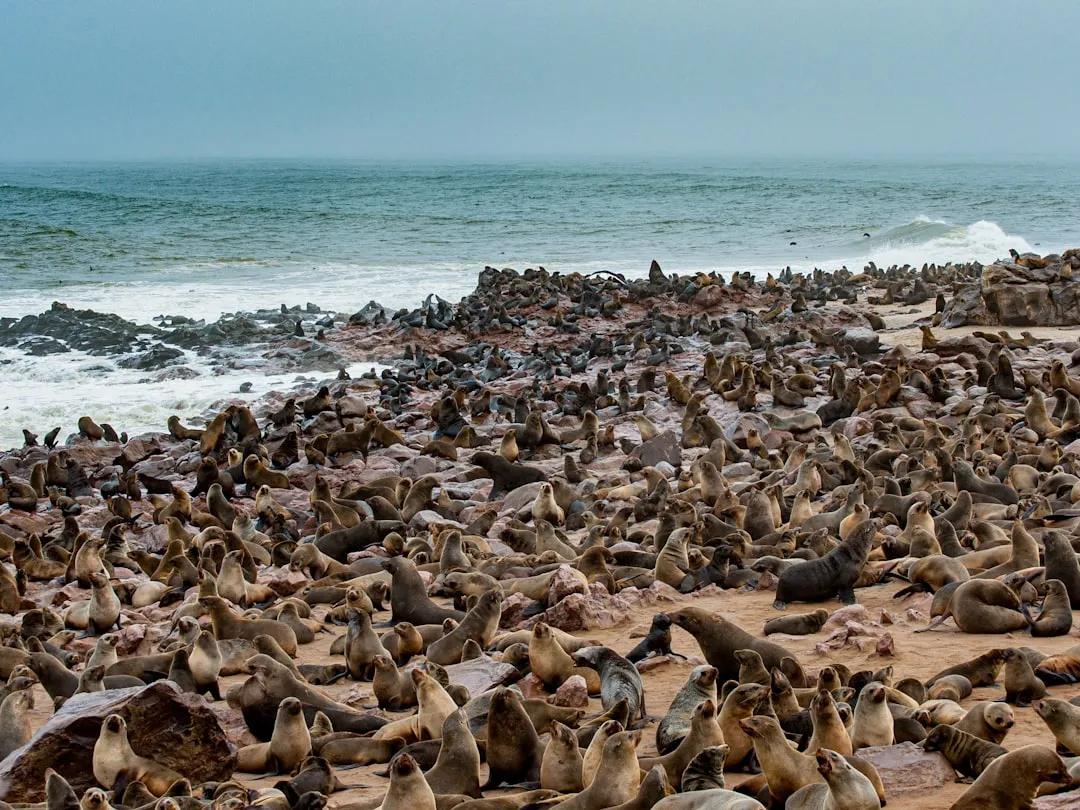
The Skeleton Coast National Park stretches from the Angolan border to the Ugab River in the south, making up roughly one-third of Namibia’s coastline. The area’s name comes from a book written in 1944 about a famous shipwreck, the Dunedin Star, though this coastline holds quite a collection of wrecks, ancient whale and seal bones, and shell middens from early inhabitants.
Some shipwrecks that were once washed by waves are now almost a mile inland less than a century later. Take the Eduard Bohlen, which sank off Walvis Bay in 1909 but now lies stranded 1 kilometer away from the sea. The dunes have simply reclaimed the coast around it, a quiet demonstration of the desert’s indifference.
Despite its arid, inhospitable appearance, the Skeleton Coast Park has a greater variety of species than many other parks in Southern Africa, including Namibia’s famous desert-adapted elephant, black rhino, lion, cheetah, giraffe, gemsbok, zebra, springbok, spotted hyena, brown hyena, and unusual endemic reptiles. The contrast between the bleak beauty of the coastline and this hidden abundance is one of the more striking things about Namibia’s range of ecosystems.
Life That Shouldn’t Exist But Does
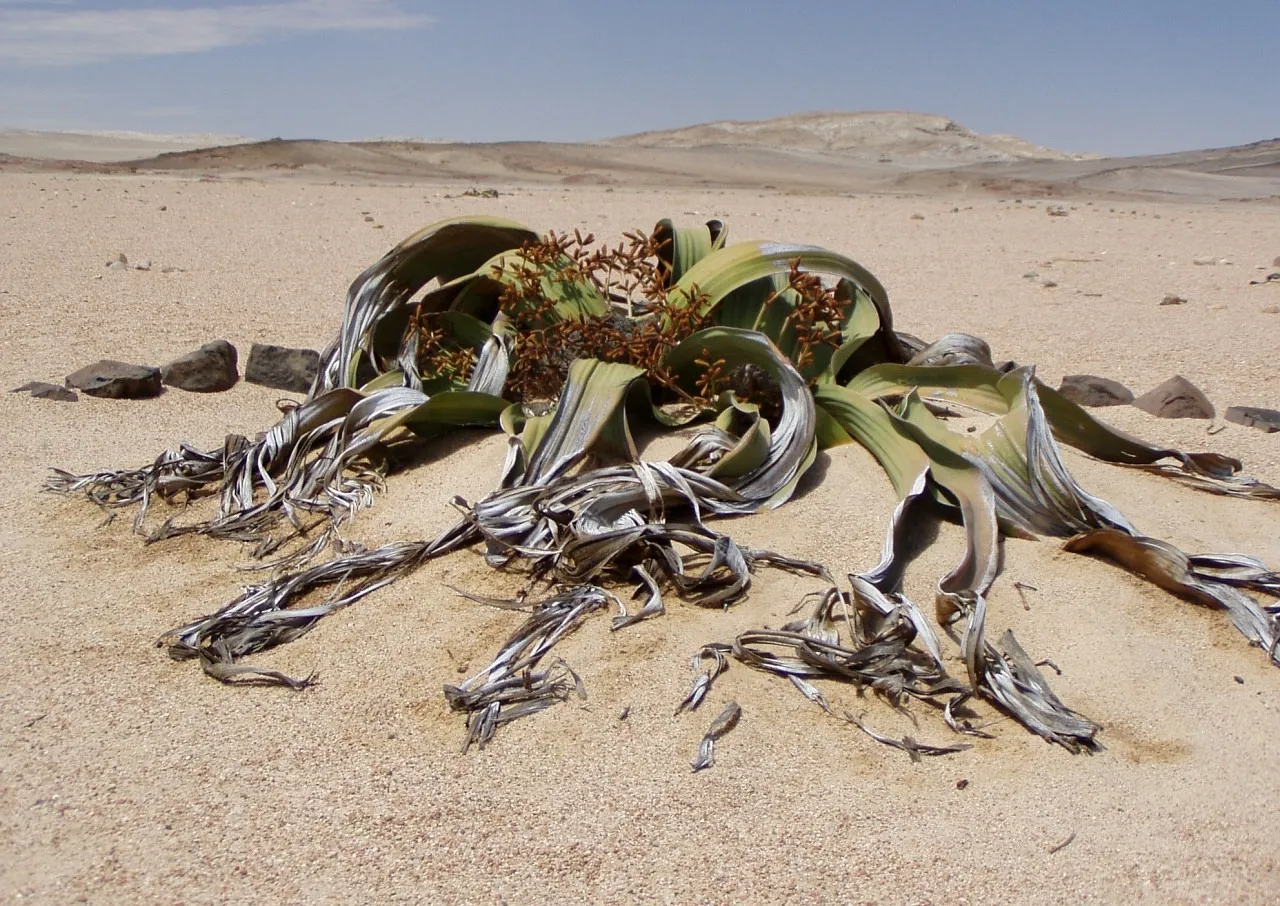
Owing to its antiquity, the Namib may be home to more endemic species than any other desert in the world. Evolution had a very long time to work here, and the results are genuinely unusual. Many of them are easy to overlook at first glance.
One remarkable plant is Welwitschia mirabilis, a shrub-like plant that grows just two long leaves continuously throughout its lifetime. These leaves may grow to be several meters long and over time become gnarled and twisted from the desert winds. They are the longest-lived leaves of any member of the plant kingdom, and the largest of these plants are estimated to be about 2,500 years old.
Desert-adapted elephants are slimmer than their savannah relatives, and their feet are wider, acting effectively as soft-sand traction systems suited to the terrain. The fog beetle, another resident, collects water by letting it condense on its carapace, then allowing it to flow directly into its mouth. Namibia’s wildlife is remarkable less for its size and more for its ingenuity.
Stargazing That Makes the Rest of the World Feel Overlit
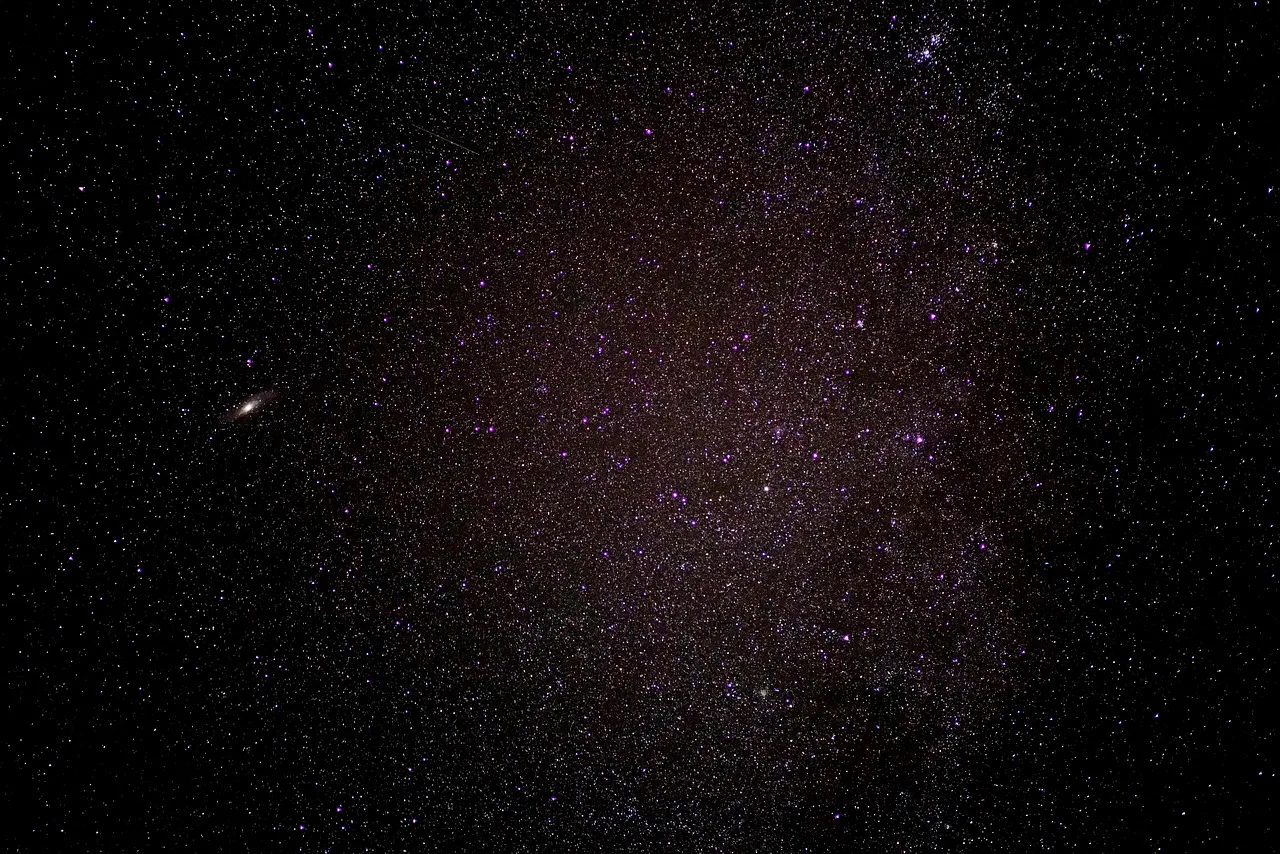
NamibRand Nature Reserve’s efforts in night sky conservation have earned the reserve Gold Tier certification from the International Dark-Sky Association as Africa’s first International Dark Sky Reserve. That’s not a marketing phrase. It’s a formal designation based on measurable darkness and the quality of the nocturnal environment.
With the nearest town over 140 kilometers away, the reserve’s sky is among the darkest yet recorded anywhere in the world. On moonless nights, the Milky Way is visible with the naked eye as a thick structural band, not just a faint smear. Also visible are the Magellanic Clouds and the seldom-seen zodiacal light, a pyramid-shaped glow viewed best soon after sunset and before dawn.
The best time for stargazing is during the dry season from May to October, when cloud cover is minimal and the air is stable. Winter nights are particularly good because they’re longer and cooler, making extended sky-watching far more comfortable. Several lodges offer dedicated astronomy guides and observatories, which adds genuine depth to the experience.
The Fog That Feeds Everything
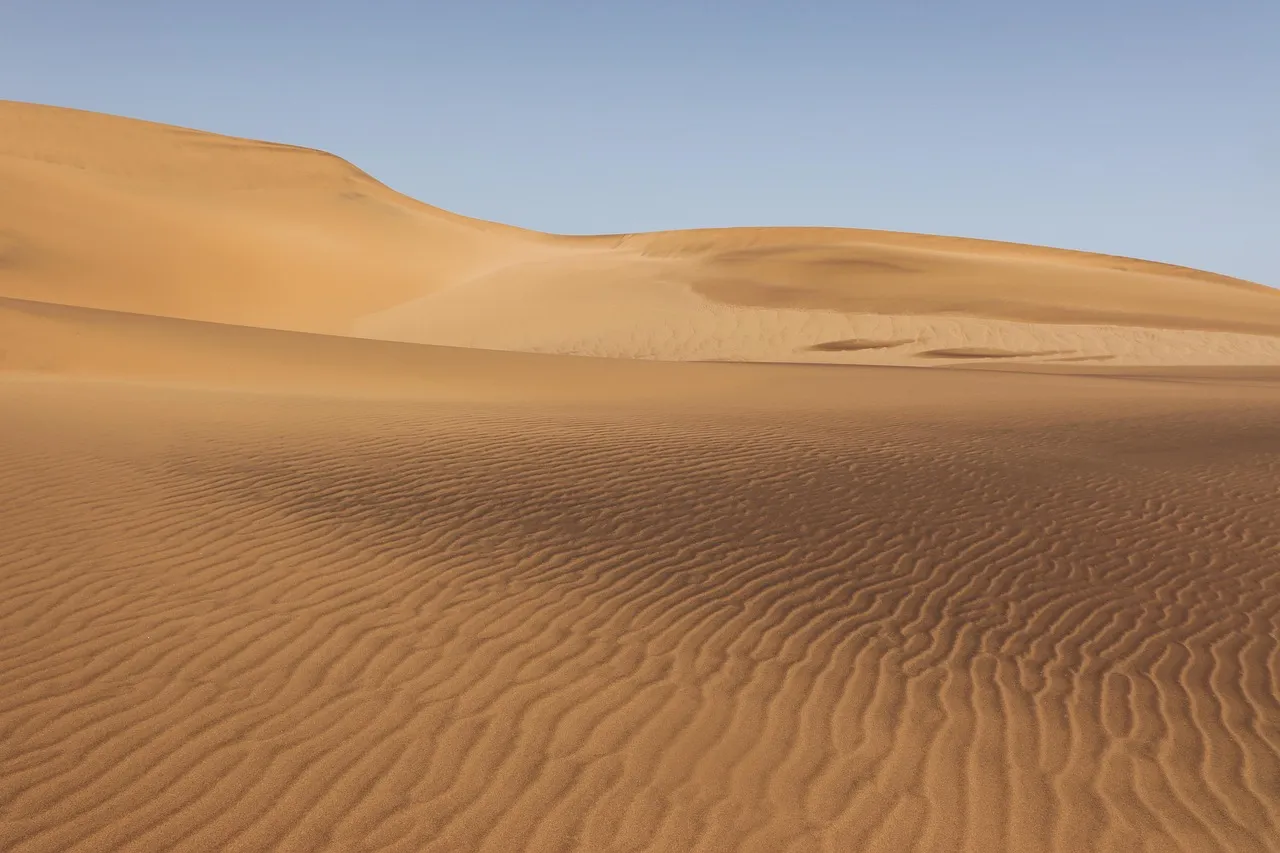
Fogs that originate offshore from the collision of the cold Benguela Current and warm air from the Hadley cell create a fog belt that frequently envelops parts of the desert. Coastal regions can experience more than 180 days of thick fog a year. For most desert environments, this would be an anomaly. Here, it’s the foundation of the food chain.
Dense fogs along the coast and the freshwater they contain are the life essence of the Namib. The dew that condenses on desert grasses and on the bodies of smaller creatures is what sustains many animals. Others take advantage of the few muddy water holes, which may draw gemsbok, ostriches, sand grouse, vultures, and warthogs.
Research on the desert fog phenomenon has inspired scientists to develop water collection technologies that can be used in other dry regions of the world. What looks like a hostile, empty coastline is quietly fueling innovation in sustainable water harvesting. That’s a very Namibian kind of contradiction.
The Himba and a Culture That Has Held Its Ground
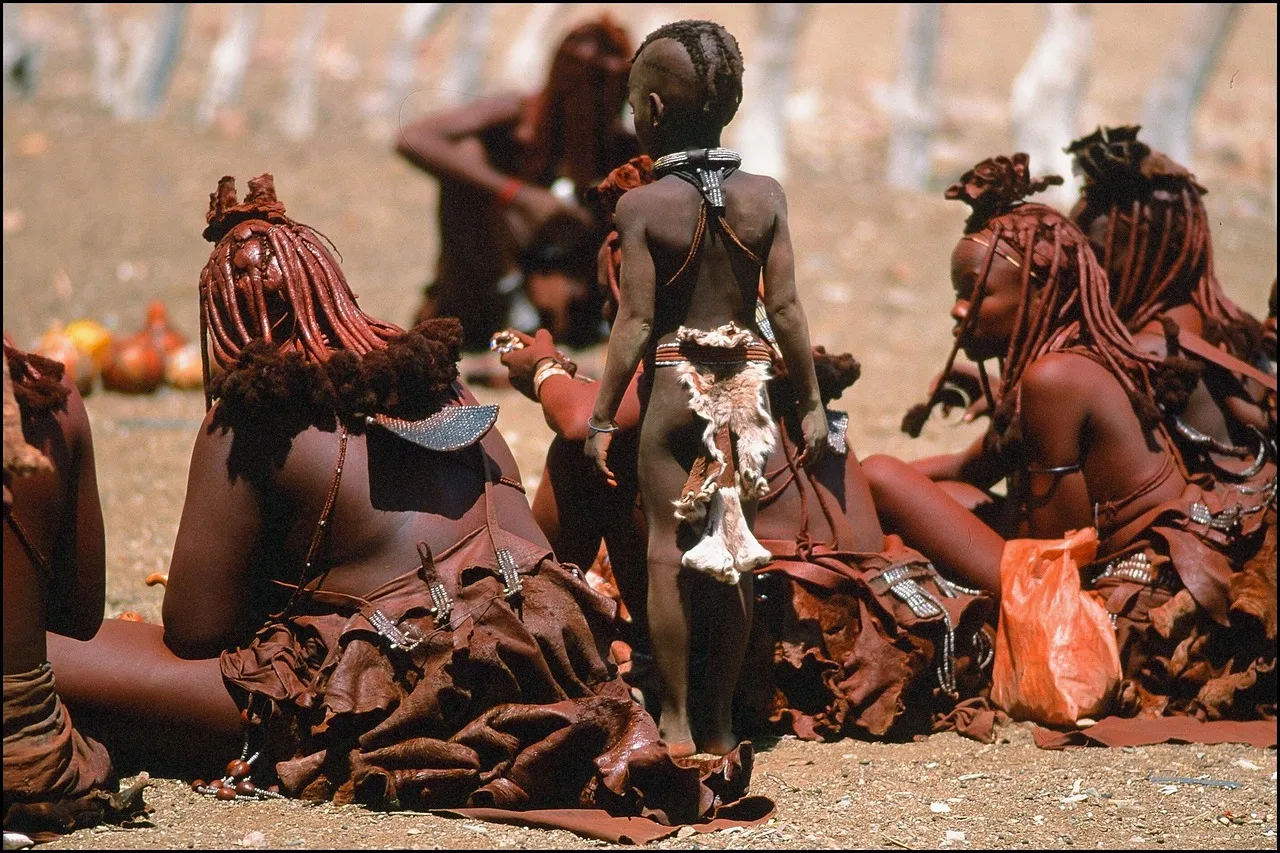
Known for their ochre-colored skin and elaborate hairstyles, the Himba have maintained a semi-nomadic way of life in one of the harshest environments on Earth. They inhabit the remote Kaokoland in the north, a region of dramatic, rocky terrain that most travelers pass over entirely.
The Himba have maintained their semi-nomadic lifestyle while selectively adopting modern conveniences that make sense for their environment. This isn’t a culture frozen in time for tourism purposes. It’s an adaptive and living way of life shaped by a specific landscape over generations.
The Namib is almost completely uninhabited by humans except for several small settlements and indigenous pastoral groups, including the Ovahimba and Obatjimba Herero in the north, and the Topnaar Nama in the central region. Visiting these communities respectfully, ideally with a local guide, adds a human dimension to a trip that might otherwise be purely about landscape.
When to Go and How to Prepare
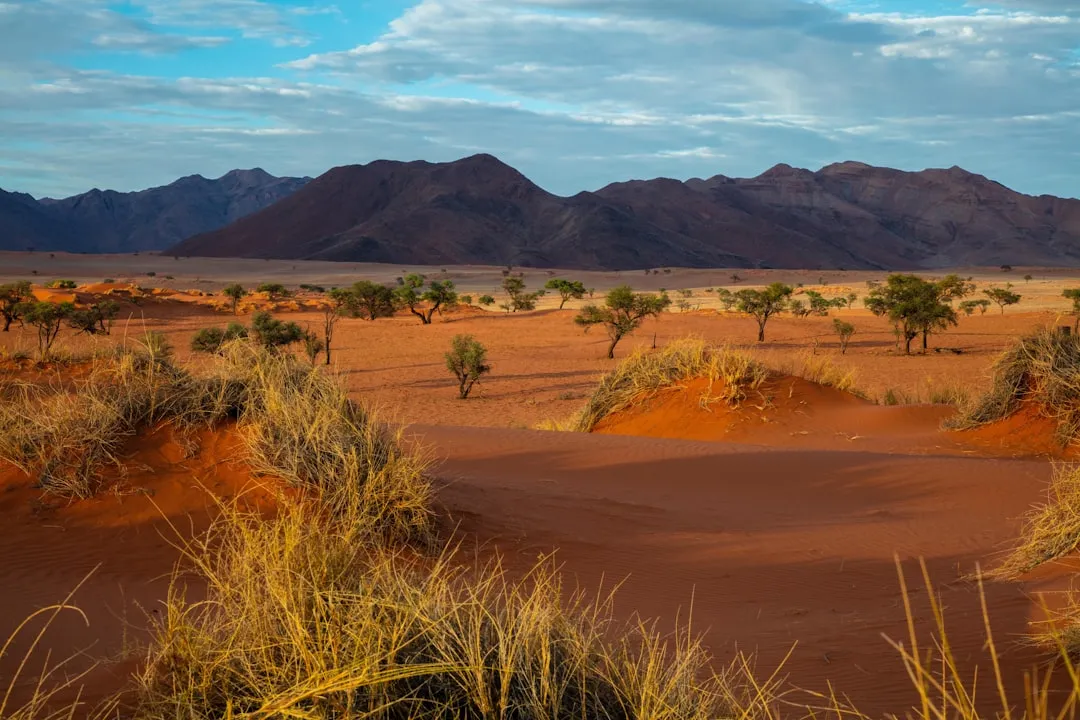
Temperatures along the coast are stable and generally range between 9 and 20 degrees Celsius annually, while temperatures further inland are highly variable. Summer daytime temperatures can exceed 45 degrees Celsius while nights can be near freezing. The temperature swings are something first-time visitors consistently underestimate.
The heat is more bearable in the Southern Hemisphere’s winter, so planning a visit between July and October, when temperatures hover around 68 degrees Fahrenheit and the chance of rain is low, is advisable. This window also coincides with prime wildlife viewing at Etosha, where dry conditions push animals toward waterholes.
Namibia is excellent for self-drive safaris with well-maintained roads, clear signage, and good infrastructure. A 4×4 vehicle is recommended, especially for the final stretch to Sossusvlei. The introduction of a new e-Visa system in March 2025 has also eased travel by addressing earlier visa processing delays.
Namibia’s Tourism Is Rebuilding, and the Timing Is Good
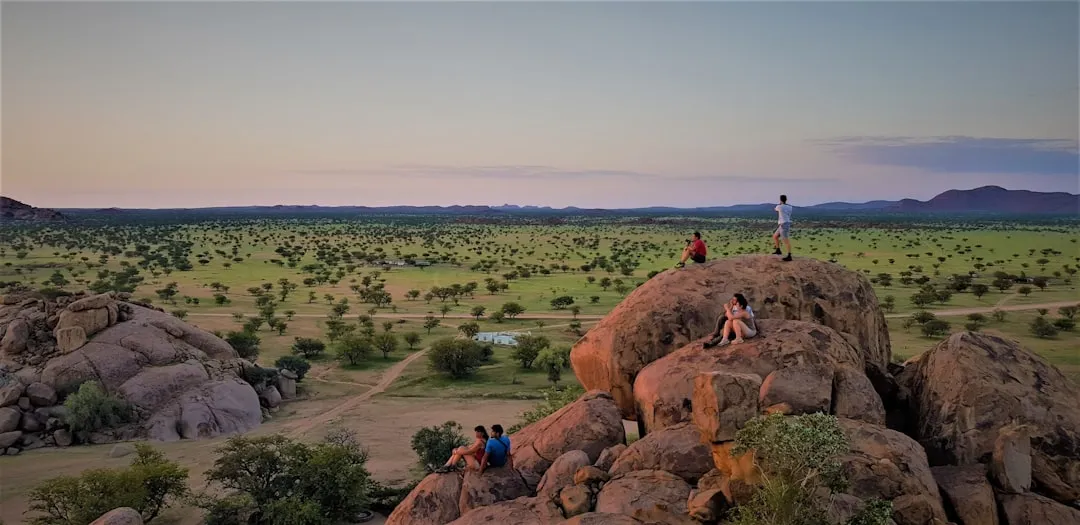
Namibia’s tourism sector recorded its strongest rebound since the pandemic, with 1,257,093 tourist arrivals in 2024, representing a 45.5 percent rise from the 863,872 visitors registered in 2023, according to the newly launched Tourist Statistical Report 2024. The recovery is real and gaining momentum.
South Africa remained Namibia’s largest source market, accounting for nearly two-fifths of all tourist arrivals in 2024. Among overseas markets, Germany retained its long-standing position as the top contributor, representing just under one in ten of total international arrivals. European visitors have been drawn here for decades, and the infrastructure that developed around that demand continues to serve travelers well.
The ministry is finalizing a National Tourism Spatial Development Master Plan, a framework aimed at guiding spatial planning, improving tourism infrastructure, and positioning Namibia as a more competitive global destination. The country is clearly thinking long-term about how growth and conservation can coexist, which tends to be a good sign for the kind of traveler Namibia attracts.
Final Thought
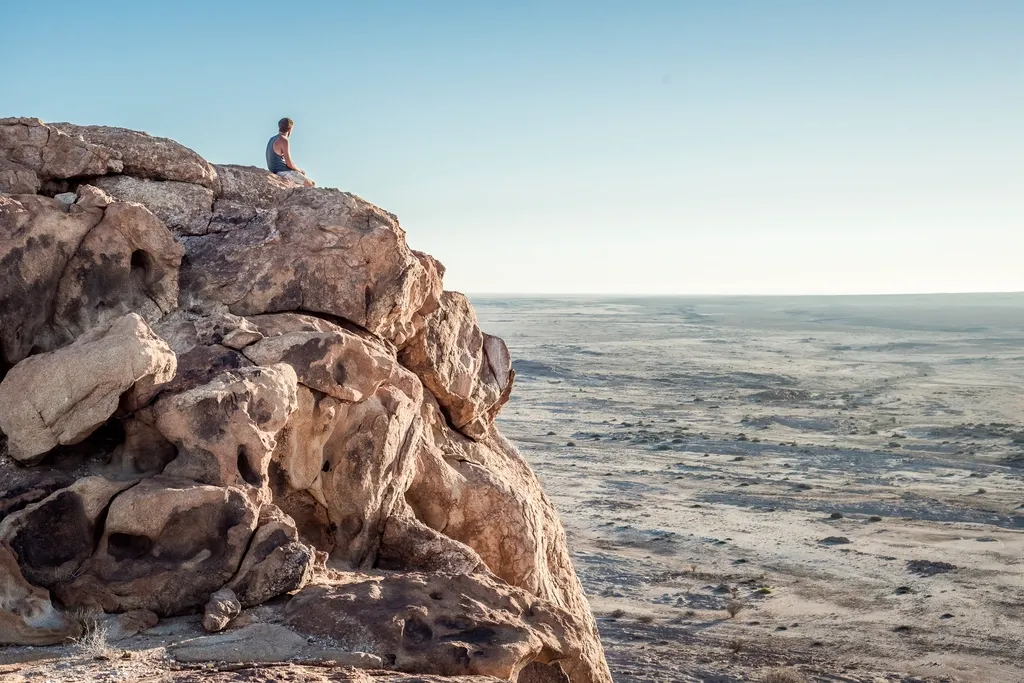
Namibia has a way of outlasting the expectations you bring into it. The dunes are taller than you pictured, the nights are darker, the wildlife stranger and more resilient. The silence isn’t the absence of something. It’s a presence in itself, accumulated over millions of years.
What stays with most visitors isn’t a single image or a specific animal sighting. It’s the overall calibration shift: the sense that the world is much larger, much older, and far less in need of human noise than we tend to assume. Namibia earns that feeling honestly.
AI Disclaimer: This article was created with the assistance of AI tools and reviewed by a human editor.