

There’s something quietly surreal about being sealed inside a metal tube at 35,000 feet for twelve hours, suspended between where you were and where you’re going. Most people treat that time as something to survive. A growing number of frequent flyers, wellness researchers, and travel professionals suggest it might actually be something to use – deliberately, intentionally, almost luxuriously.
The long-haul flight, for all its discomforts, is one of the few moments in modern life when the outside world genuinely cannot reach you. No meetings, no errands, no obligations that can realistically be acted on. What follows are six practical, research-backed approaches to transform that enforced stillness into something that resembles a retreat rather than an endurance test.
1. Engineer Your Sleep Environment Before You Board
Most passengers leave sleep entirely to chance, which is why so many arrive at their destination feeling worse than when they left. In the days leading up to your flight, prioritizing sleep is essential. The concept of “sleep debt” means that if you arrive at the airport already well-rested, missing a few hours on the plane will feel far less damaging.
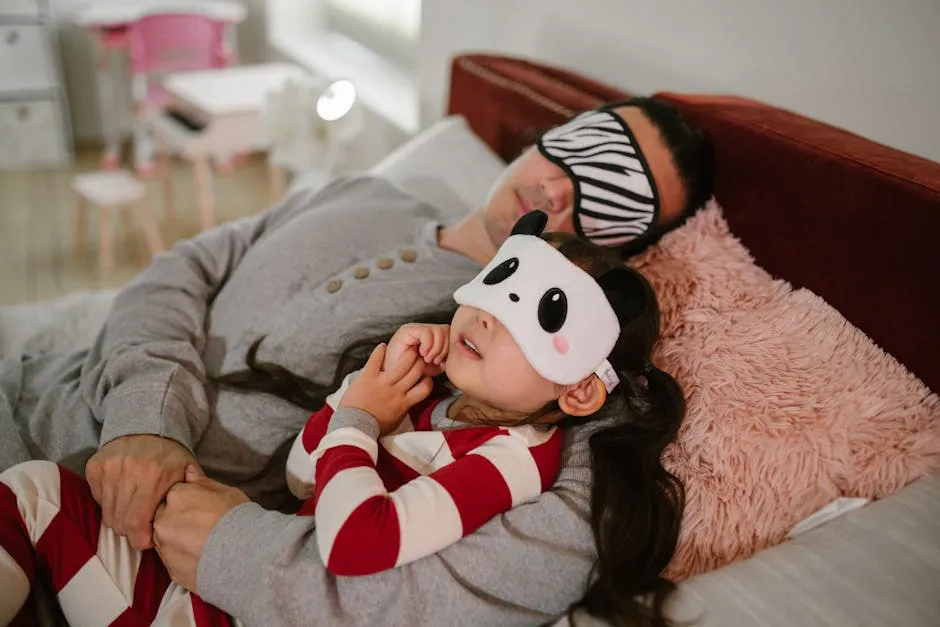
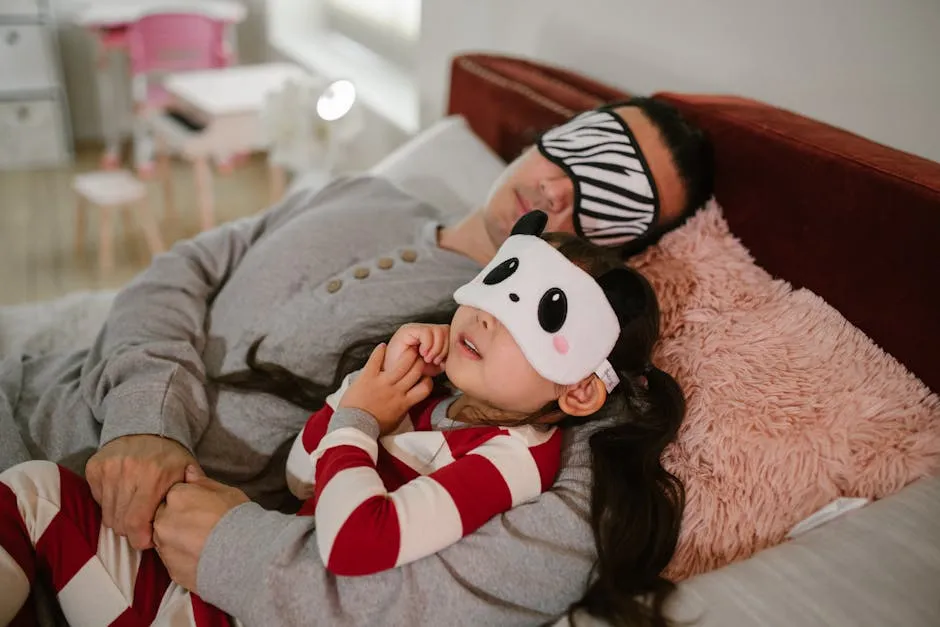
Sleep quality on flights often suffers due to cabin conditions, temperature fluctuations, and noise. Choosing seats away from the galley and lavatories limits foot traffic and bright lighting. Neck pillows, earplugs, or noise-cancelling earphones, and eye masks all minimize disturbances.
A window seat offers real practical advantages. It provides better structural support, allowing passengers to lean against the fuselage for comfort and increased privacy, which can enhance relaxation and promote better sleep. The front section of the cabin, just before the wings, often delivers a smoother ride, contributing further to a more restful experience.
A weighted eye mask, ideally around one pound, can be a helpful tool for improving sleep on long flights. The gentle pressure it applies to the eyes and surrounding areas mimics the feeling of being held or swaddled, which can promote relaxation and sleep onset. This pressure may also trigger the release of serotonin, a neurotransmitter associated with feelings of calm and sleepiness.
2. Use Breathwork to Reset Your Nervous System

Research from 2024 shows that up to roughly two in five travelers report heightened anxiety before, during, and after flights, often leading to irritability, sleep problems, and even panic attacks in extreme cases. Controlled breathing is one of the most accessible tools available to address this – no medication, no special equipment required.
The 4-7-8 breathing method can be a helpful technique to try during a long-haul trip. This exercise, where you inhale for four seconds, hold your breath for seven, and exhale for eight, is designed to trigger the relaxation response.
Studies show that between a small fraction and nearly half of people experience some degree of flight anxiety. Deep breathing, often used in pranayama, has been shown to lower resting heart rate and blood pressure, which can help reduce stress. It’s a quick and effective tool to regain composure, no matter where you are.
3. Practice Mindfulness to Shift Your Relationship with the Cabin

The cramped seat, the low hum of the engines, the recycled air – none of it is inherently restful. What changes the experience isn’t the seat or the airline; it’s how your mind relates to the environment. Mindfulness offers a tested way in.
Regular meditation strengthens the parts of the brain involved in emotion regulation, allowing you to better cope with stressful situations. By practicing mindfulness, you learn to notice your thoughts and feelings without becoming overwhelmed by them. This allows you to perceive negative thoughts about flying without them affecting your behavior.
Recent studies show that heart rates and cortisol levels drop by up to roughly a quarter in passengers practicing in-flight mindfulness compared to those who don’t. Travelers practicing mindfulness also report improved sleep and faster post-flight adjustment. Even a single short session during the flight can make a tangible difference.
Consistency, even in short sessions, is key. A quick five-minute meditation can go a long way in keeping you centered during unpredictable travel days.
4. Hydrate Strategically – and Often

Hydration is probably the most universally recommended piece of in-flight advice, yet it’s also the most frequently ignored. There’s a real physiological reason it matters so much at altitude, and not just for comfort.
Aircraft cabins are dry, which accelerates dehydration and contributes to exhaustion. Passengers are advised to drink at least one and a half liters of water during the flight and carry a personal bottle to refill regularly. Those who consume caffeinated or carbonated beverages benefit from following up with two glasses of water to balance moisture levels and reduce post-flight tiredness.
Airplane cabins are notorious for their dry air, which can lead to dehydration. This lack of moisture not only affects your skin but can also impact your sleep quality. Treating hydration as a regular, structured habit throughout the flight rather than waiting until you feel thirsty makes a measurable difference in how you arrive.
The dry cabin air isn’t just tough on hydration – it’s also rough on your skin. Keeping moisturizing products handy, like lip balm, a face mist, and a good hand cream, helps maintain comfort. Taking a couple of minutes to refresh your skin can make you feel more comfortable and ready to face the day when you land.
5. Eat and Time Your Meals with Your Destination in Mind

What you eat on a long-haul flight matters less than most people think. When you eat it matters considerably more. The relationship between meal timing and your body clock is now well supported by research, and it’s one of the most practical levers travelers can pull.
Researchers from Northwestern University explored the role of food in managing jet lag. They found that scheduling meals to match the new time zone helped to reset the body clock. Someone traveling to Europe from New York on an evening flight, for example, would have a light dinner and avoid eating during the flight. Upon arrival in the morning, they would have a hearty breakfast. That approach, combined with deliberate exposure to bright daylight, was found to cut the typical six-day recovery time by as much as roughly one-third.
The airplane cabin’s environment, with its low humidity and decreased air pressure, significantly affects our taste buds. This altered environment can lead to a reduced sensitivity to sweet and salty flavors, contributing to the perception that meals at altitude taste rather bland. Opting for lighter, whole-food options rather than heavy processed meals also supports steadier energy and better sleep onset mid-flight.
Rather than one big meal, try smaller, more frequent meals both before and during the flight. This strategy helps maintain steady blood sugar levels and can help regulate your body’s natural sleep-wake cycles. It can also help minimize the impact of jet lag, which can affect sleep for several days after you arrive.
6. Move Your Body, Even in Tight Spaces
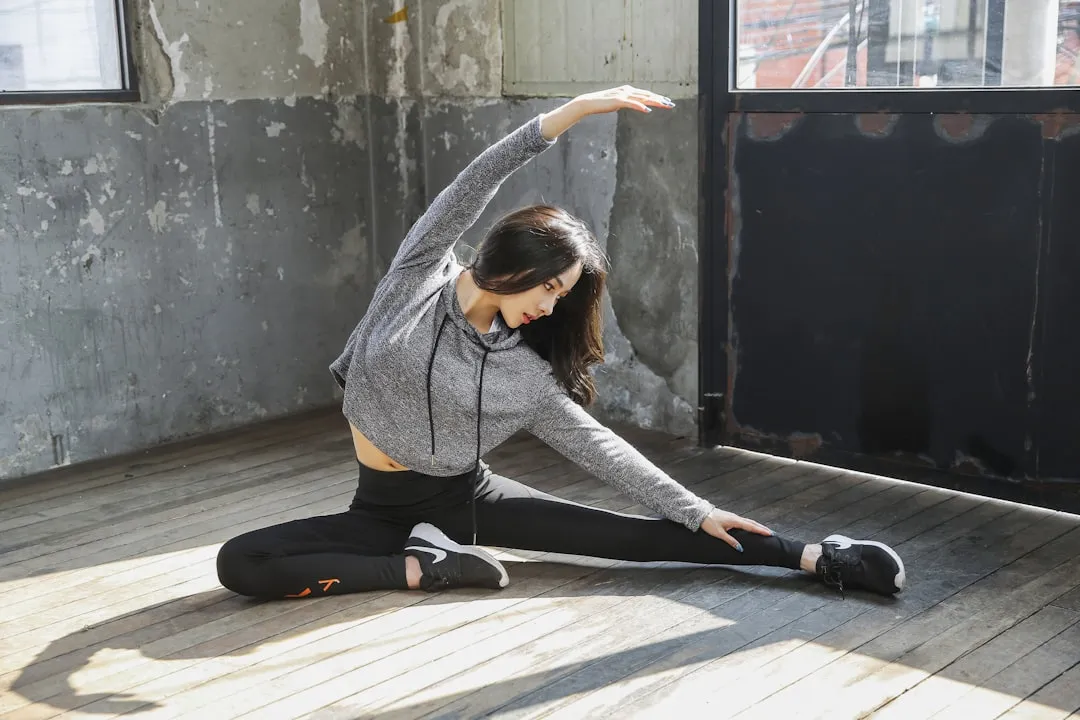
Extended sitting can cause stiffness and discomfort. Travelers can counter this by gently stretching the neck, shoulders, back, waist, and limbs at regular intervals. When the seat belt sign is off, taking brief walks down the aisle every couple of hours encourages blood flow. Wearing loose clothing and comfortable footwear supports circulation and prevents movement restriction during long travel.
Although airlines pressurize the air in cabins, the air pressure is less than it would be at sea level, which means blood oxygen levels are reduced. This can lead to sleepiness, a lack of mental alertness, and sometimes headaches. Sitting for long periods compounds this issue due to lack of circulation. Getting up and moving is not just comfort advice; it’s physiologically important.
Opting for comfortable, loose-fitting clothing can greatly enhance the flying experience, especially during long-haul journeys. Breathable fabrics and well-broken-in shoes allow for easy movement and help the body adapt to different seating positions and cabin temperatures, contributing to a more relaxed and restful flight.
Conclusion

None of these strategies require a business class ticket or an elaborate packing list. Most of them cost nothing at all. What they do require is a small but meaningful shift in how you approach the journey itself: not as dead time to be endured, but as a rare pocket of enforced quiet that can be shaped to your advantage.
The irony is that the constraints of a long-haul cabin, the inability to leave, the forced stillness, the disconnection from daily noise, are precisely what make it a legitimate opportunity for rest and restoration. The flight isn’t the obstacle to your retreat. In the right frame of mind, it can be the retreat itself.
AI Disclaimer: This article was created with the assistance of AI tools and reviewed by a human editor.