
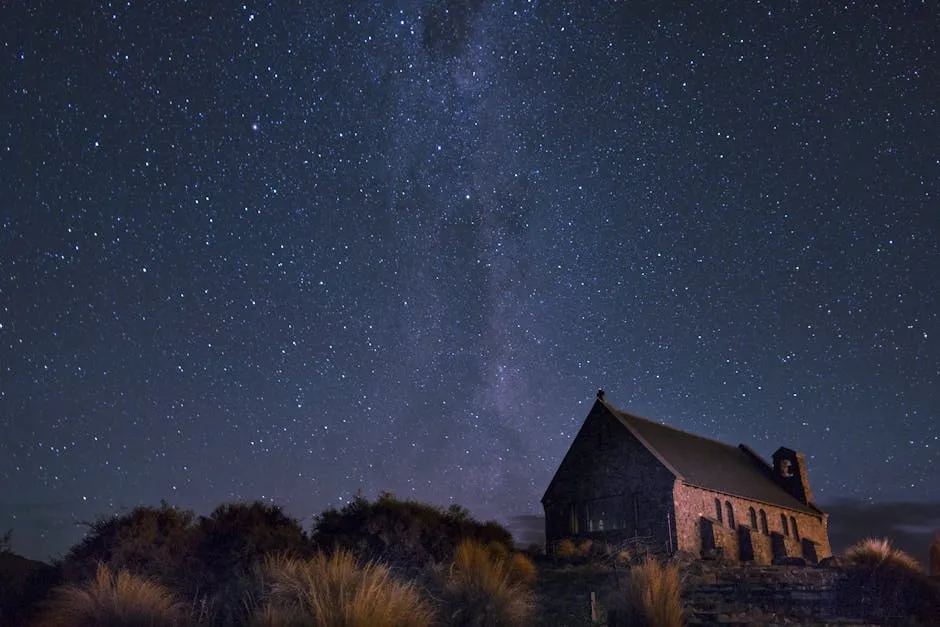

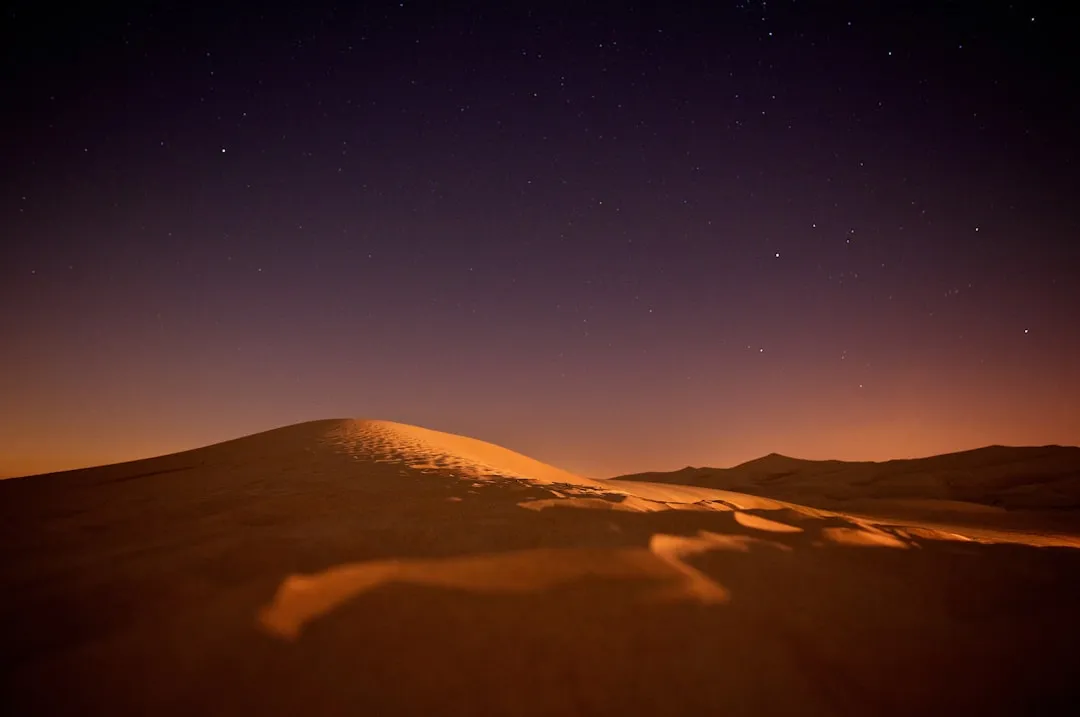
There’s a particular kind of stillness you only find in the open desert at night. The air carries almost no sound. The horizon stretches so wide that your sense of scale dissolves, and for a few moments, the noise inside your head quiets too. It’s not dramatic. It’s just very, very still.
That stillness has started drawing people in from all directions, not just adventurers or astronomers, but anyone carrying the particular weight of a world that rarely stops producing sound and light. In the desert, under a sky full of stars, something uncomplicated happens. People from different places, backgrounds, and beliefs look up at the same thing and feel, however briefly, the same awe.
The Disappearing Dark
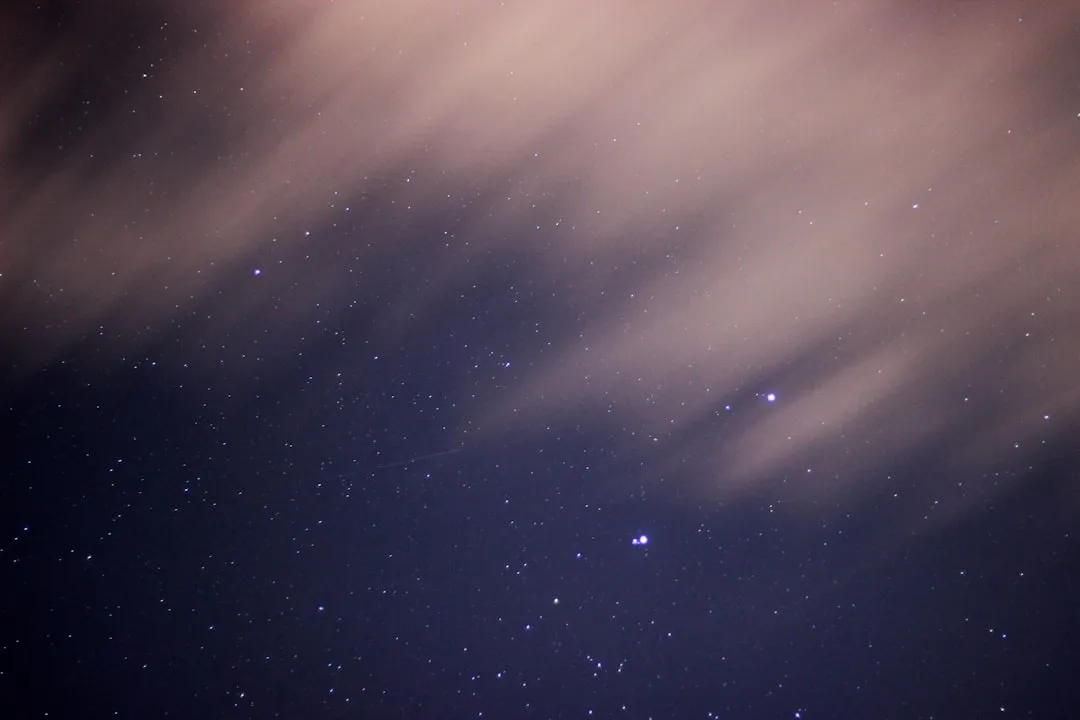
Most people alive today have never seen the Milky Way with their own eyes. That’s not an exaggeration. An estimated 83 percent of the world’s people live under light-polluted skies, with roughly 23 percent of the world’s land area affected by skyglow. The stars haven’t moved. We have simply surrounded ourselves with too much competing light to see them anymore.
Research by Kyba et al., published in 2023, found that light pollution of the world’s night skies has increased by as much as 10 percent a year since 2011, based on star counts from citizen scientists. The authors noted that night skies could brighten by a factor of roughly four over the course of a human childhood, strongly reducing the visibility of stars. That rate of loss is harder to grasp than any statistic. A generation is growing up that will never naturally learn to navigate by stars.
In suburban areas, the limiting magnitude of stars visible to the naked eye drops to around four, compared to 6.5 in pristine skies. The desert is one of the few remaining landscapes where those pristine conditions still exist on a meaningful scale.
What Science Says About Silence
A 2024 editorial published in Frontiers in Public Health, authored by researchers from the University of Witten/Herdecke and the University of Freiburg in Germany, noted that nature has become a serious topic in health psychology research, and that stressed people, especially those in urban environments, actively seek timeouts to relax, needing places where the body and mind can rest.
According to Attention Restoration Theory, natural scenes promote involuntary attention and facilitate recovery from mental fatigue. The desert, with its vast open space and minimal sensory clutter, represents one of the more complete expressions of that kind of environment available anywhere on Earth.
Existing research shows that natural sounds can lower blood pressure and heart and respiratory rates, as well as self-reported anxiety and stress. In the desert, where natural sounds themselves are sparse, even the absence of intrusive noise appears to carry a measurable benefit for people seeking mental recovery.
The Desert as a Leveling Ground
Stand in the Sahara, the Atacama, the Negev, or the Mojave, and the experience is strikingly similar regardless of where you come from. The scale of these places tends to dissolve the ordinary markers of identity. Social status, profession, political opinion, none of it is particularly visible under an open sky at 3 a.m.
Research published in 2025 has linked the presence of natural environments to improved mood states and reduced feelings of isolation among city dwellers. The desert takes that dynamic further than most natural settings, offering a kind of radical simplicity that urban parks rarely can.
What makes the desert unusual as a shared space is that it asks very little. You don’t need to speak the same language to sit together and watch a meteor cross the sky. The silence does what words often can’t.
Protecting What’s Left of the Night
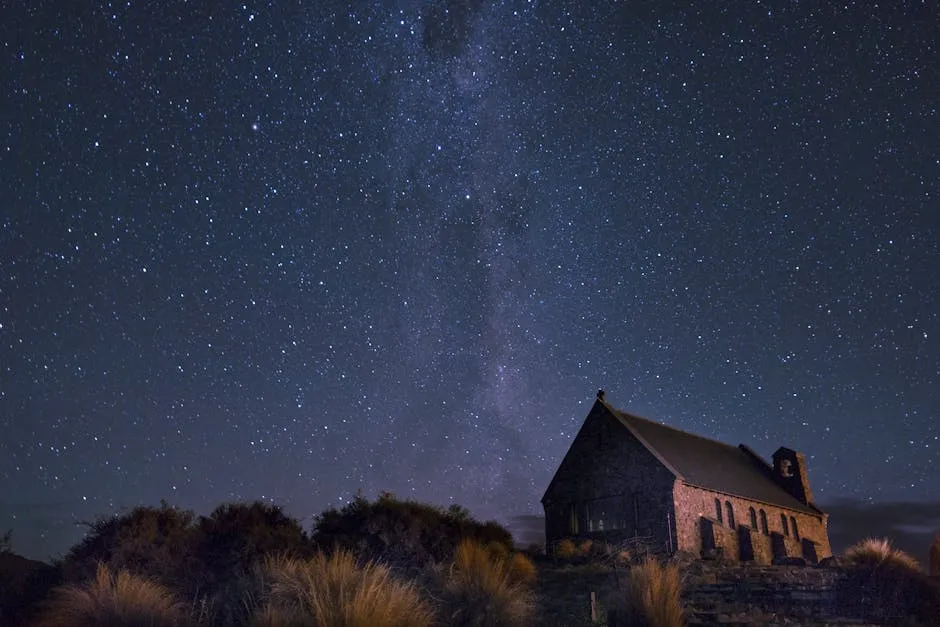
DarkSky International recently certified its 250th International Dark Sky Place with the designation of Lapalala Wilderness Nature Reserve in South Africa. All 250 locations together form a growing global network where pristine dark skies can be experienced and actively protected.
The program today includes locations across six continents, collectively protecting over 196,000 square kilometers of land under pristine night skies. Many of those protected zones are in or adjacent to desert landscapes, where the combination of dry air, low humidity, and low population density creates ideal conditions for both stargazing and silence.
As dark skies continue to erode due to the rapid growth of light pollution, increasing globally by nearly ten percent each year, these protected areas serve as vital sanctuaries for wildlife that depends on natural darkness and for people seeking connection with the cosmos.
The Rise of Astrotourism
The global dark sky park tourism market reached 1.47 billion U.S. dollars in 2024, and is forecast to grow at a compound annual growth rate of 11.2 percent between 2025 and 2033, bringing the projected market value to roughly 4 billion dollars. These numbers suggest that the appetite for genuine darkness, and for quiet, has moved well beyond niche interest.
This growth is primarily driven by rising public awareness of environmental conservation, increased interest in astronomy, and the proliferation of certified dark sky parks worldwide, with travelers increasingly seeking immersive, sustainable, and educational travel experiences under pristine night skies.
Earning a dark sky certification involves the participation of local communities, environmental groups, and scientists who work together to preserve the purity of the night, with public education also playing a key role in helping residents and visitors understand how light pollution affects wildlife, energy use, and human health.
Desert Skies Across Cultures
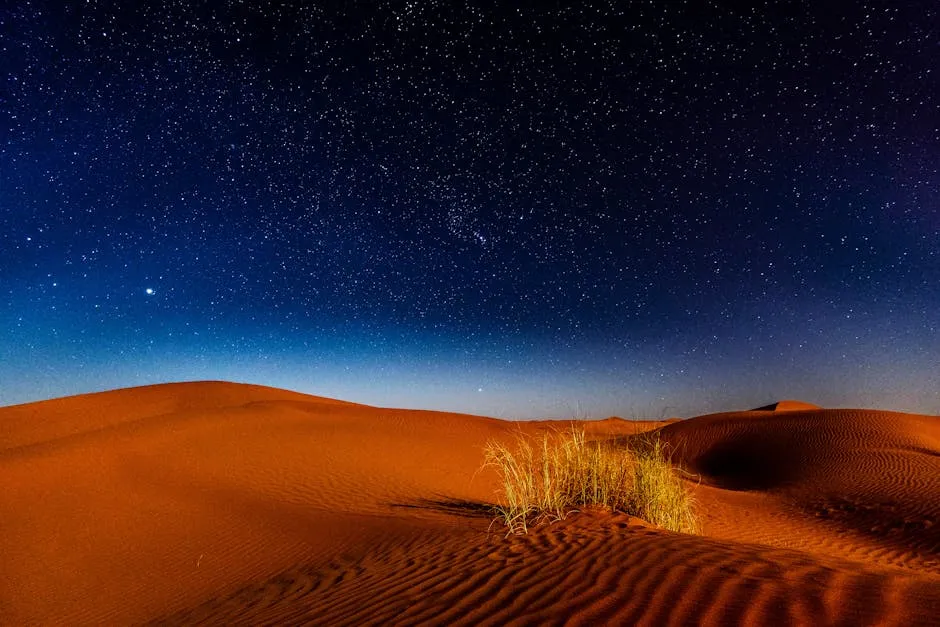
Civilizations built their calendars and cosmologies by watching the desert sky. The Bedouin, the indigenous peoples of the American Southwest, the ancient Egyptians, the Berber communities of North Africa: each developed a relationship with darkness and stars that shaped how they understood time, place, and meaning.
A 2024 report from the International Union for Conservation of Nature examined light pollution for its contribution to energy waste and climate change, and its detrimental effects on ecosystems, human sleep patterns, and cultural traditions, including those of the Māori people with regard to the Pleiades. The erosion of the night sky is, among other things, a cultural loss.
The desert was never simply empty. For communities across centuries, it was a reading room. What they read overhead connected them to the seasons, to the sacred, and to one another. That function hasn’t entirely disappeared.
The Neuroscience of Looking Up
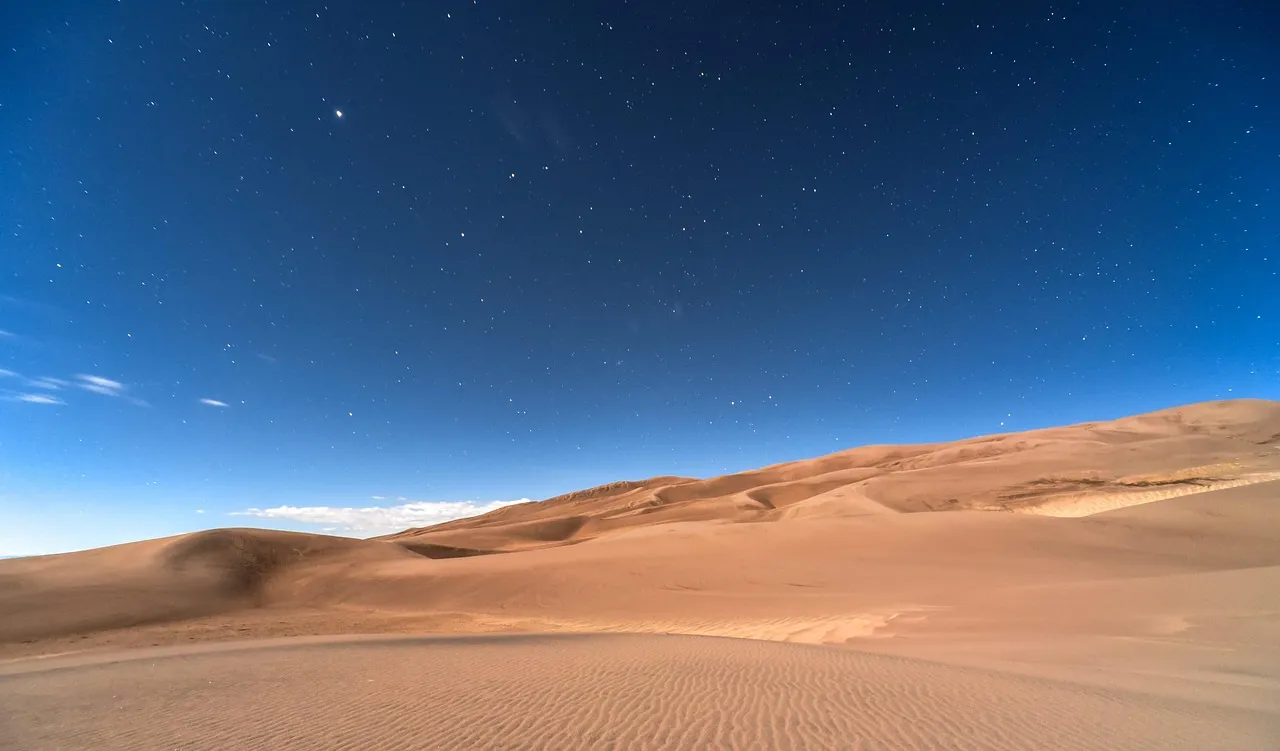
Research published in 2025 in Frontiers in Human Neuroscience found that urban environments place high demands on attentional systems while natural environments allow attentional rest, potentially enabling enhanced cognitive performance when engagement resumes. Standing under a vast desert sky engages the visual system in a way that is soft, expansive, and effortless, almost the opposite of reading a screen.
Exposure to nature can help recover cognitive fatigue by enhancing working memory, attention control, and cognitive flexibility. A sky full of stars, stretching from horizon to horizon without the interruption of a building or a streetlight, provides a kind of visual reset that almost nothing in daily urban life can replicate.
The gentle and undemanding nature of soft fascination permits a state in which the mind can wander and process thoughts and emotions in a less structured and effortful way, ultimately contributing to recovery from mental fatigue and stress. The desert sky produces exactly that kind of soft fascination, at an enormous scale.
Small Communities, Big Commitments
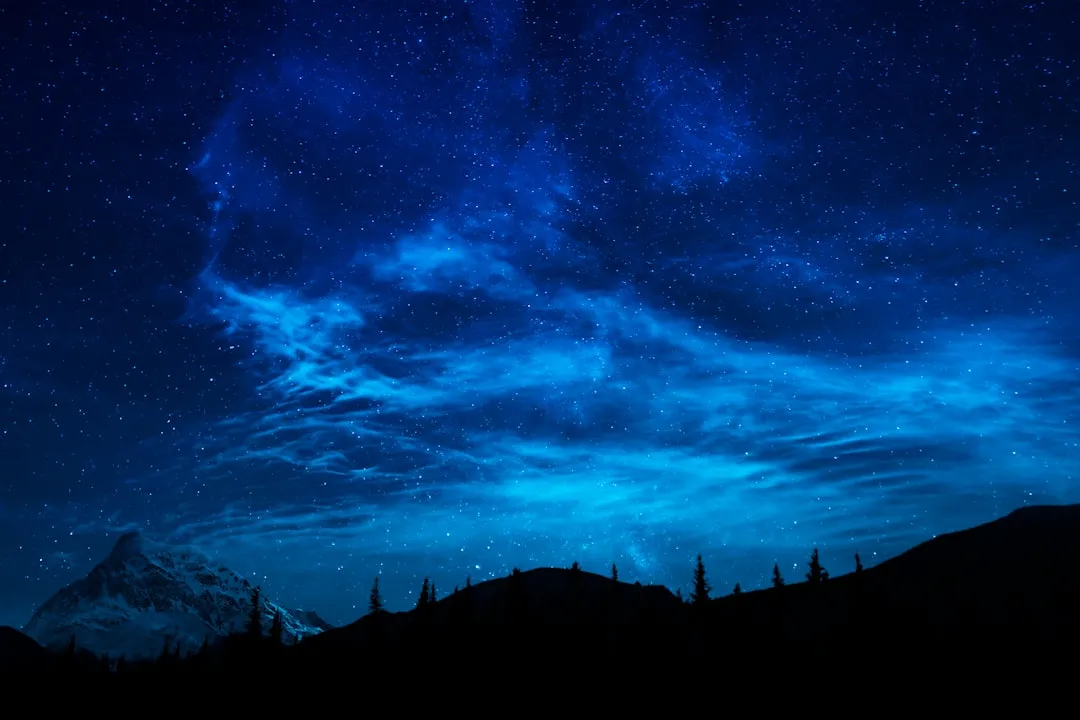
Kozushima Village in Japan retrofitted every public light with DarkSky Approved fixtures, restoring critical habitat for endangered sea turtles and leading to nesting for the first time in nearly a decade. That story illustrates something worth noting: protecting the night sky is rarely just about astronomy. The ripple effects reach into ecology, community identity, and even tourism economics.
Grand Canyon National Park undertook one of the most ambitious lighting inventories in the program’s history, assessing more than 5,000 fixtures and bringing the vast majority into compliance, resulting in a protected nocturnal ecosystem for wildlife and an improved night-sky experience for visitors.
These aren’t abstract conservation wins. They are places where visitors from dozens of countries now gather each year, in shared silence, looking at the same stars. That convergence around something simple and real is harder to manufacture than any planned cultural exchange.
Silence as Shared Language
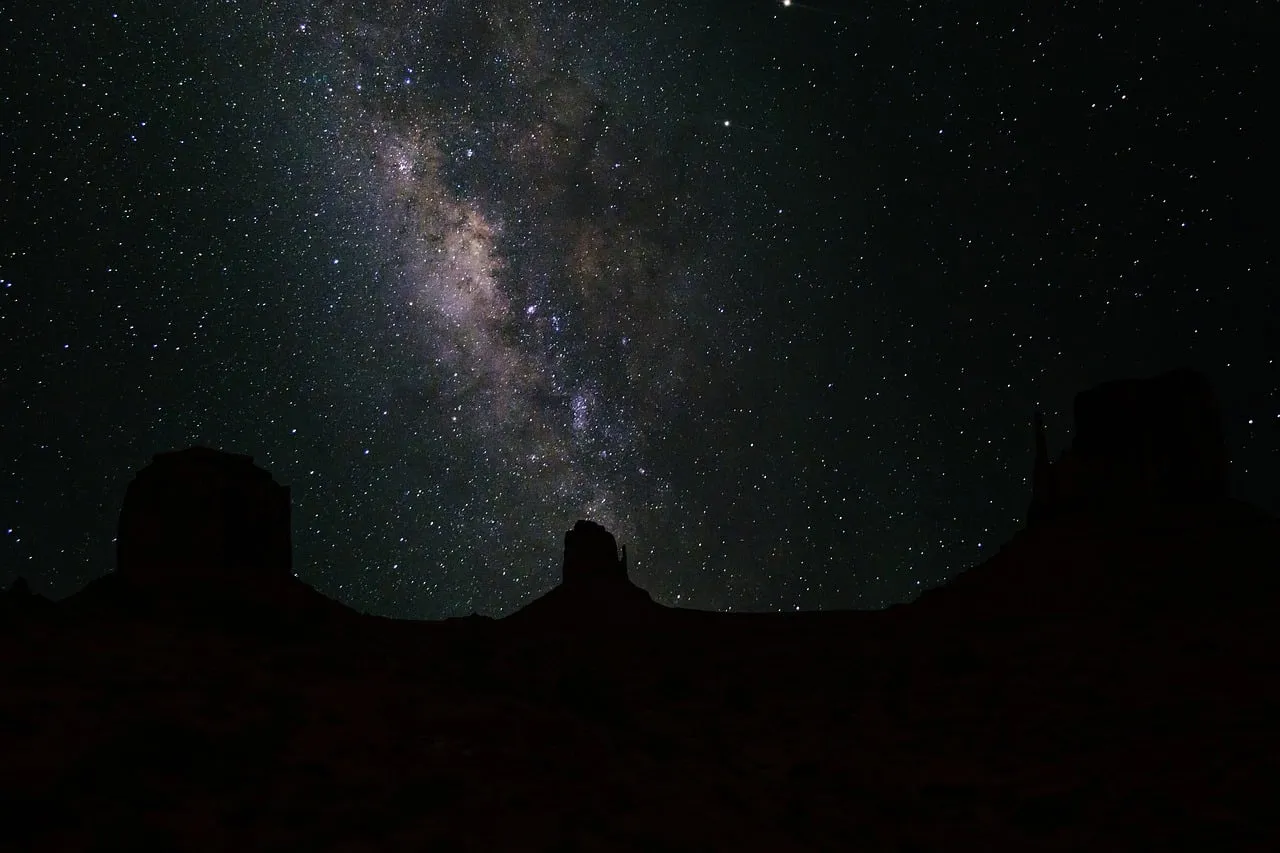
One of the quiet truths about very remote, very dark places is that they tend to make social performance feel unnecessary. Out in the open desert, far from connectivity and noise, people often drop the habits that keep them apart. Conversation slows. The group settles into a rhythm the landscape itself sets.
Standing under an unpolluted sky can be a deeply emotional experience. The stars seem closer, their light more intimate. For many travelers, it sparks humility and reflection, a quiet reminder of humanity’s small yet meaningful place in the universe.
That shared humility is not nothing. It’s actually quite difficult to produce through deliberate means. The desert produces it almost automatically, without agenda or instruction, for anyone willing to stand still long enough.
Why This Matters Now
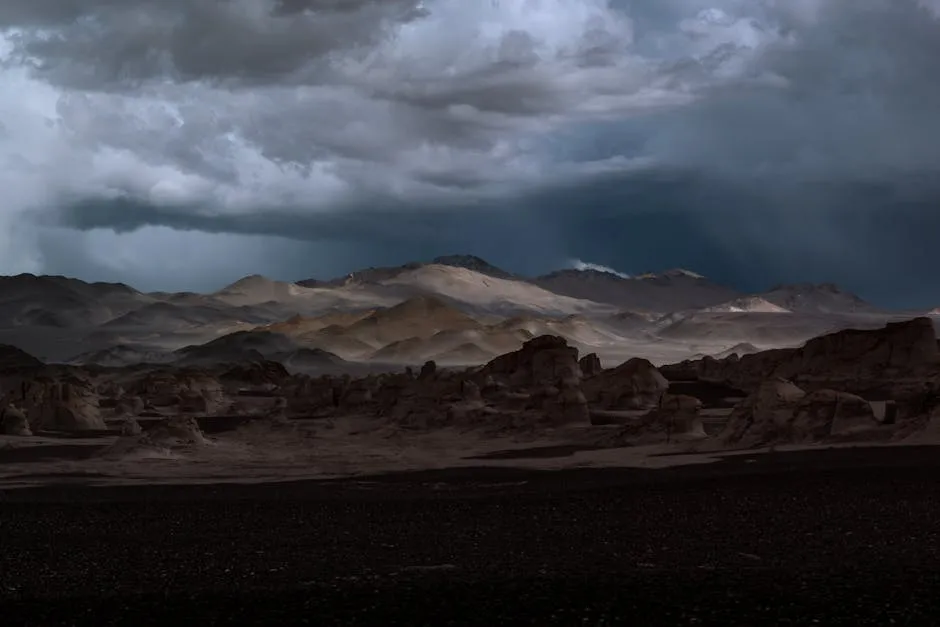
Light pollution is growing globally at an estimated rate of 2 to 6 percent per year and is reducing darkness everywhere, including at observatory sites, which risk hitting a critical threshold in the next decade. The window for experiencing genuine desert darkness, the kind that has existed for human history until very recently, is narrowing faster than most people realize.
Light pollution tends to be most acute in urban environments, carries pronounced ecological effects, and potentially influences human circadian rhythms, while also disrupting ecosystems, wasting energy, increasing the impacts of climate change, and producing adverse health effects in humans. The cost of losing the dark isn’t abstract: it shows up in biology, ecology, and human wellbeing alike.
The creation of dark sky reserves is not only about science but about preserving a fading part of human experience. As urbanization expands and light pollution erases the stars from view, these reserves safeguard both ecological balance and cultural memory. The desert sky, for as long as it remains visible, offers something genuinely rare: a place where the world’s differences grow quiet, and the view is exactly the same for everyone looking up.
There’s a case to be made that some of the most honest conversations between strangers happen not at tables, but out in the open, under a sky so full of stars that speaking seems almost beside the point. The desert has been offering that particular kind of common ground for as long as people have been crossing it. The only question now is how carefully we choose to protect what’s left of the dark.
AI Disclaimer: This article was created with the assistance of AI tools and reviewed by a human editor.