


Cognitive Development Gets a Measurable Boost

One of the most notable qualities of nature is its capacity to foster cognitive advancement in children, with research suggesting that regular exposure to natural environments enhances concentration, augments creativity, and leads to better academic outcomes. This isn’t a vague correlation. Both correlational and experimental research have shown that interacting with nature has cognitive benefits, including evidence that green spaces near schools promote cognitive development in children and that green views near children’s homes promote self-control behaviors.
Early childhood, spanning from birth to around age eight, is a time of rapid brain development supported by spontaneous and informal learning from the surrounding environment. Wilderness settings, with their unscripted complexity, provide exactly the kind of open-ended sensory input that growing brains appear to need most.
Emotional Regulation Improves With Time in Nature
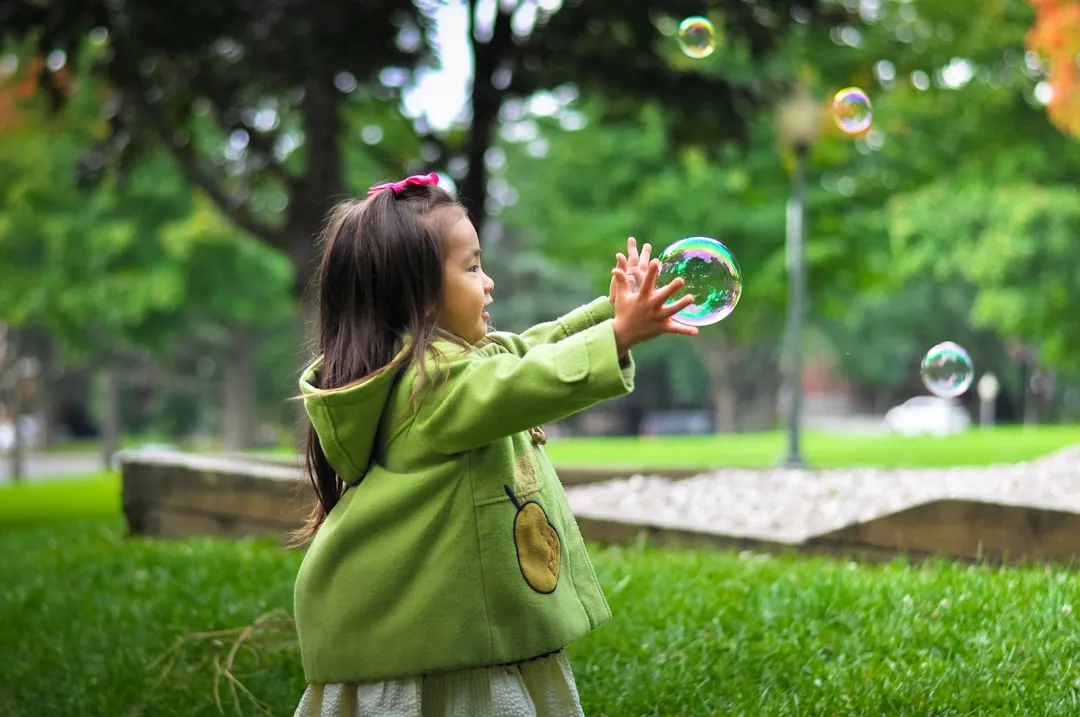
Currently, the time children spend playing outdoors is at an all-time low, yet the existing literature suggests that outdoor play may have significant cognitive and emotional benefits for children. The relationship between outdoor time and emotional regulation has been explored through several rigorous study designs.
A randomized controlled trial conducted in Hong Kong examined whether play in nature would lead to changes in psychosocial behaviors in children aged two to five years, using the Play&Grow early education program as a ten-week intervention. Results indicated a change in psychosocial behaviors, with the main measurable change being a notable reduction in anger. That kind of finding, drawn from a controlled trial rather than a survey, carries real weight.
Mental Health Risks Drop With Childhood Green Space Exposure
A nationwide Danish study covering more than 900,000 people showed that children who grew up with the lowest levels of green space had up to 55% higher risk of developing a psychiatric disorder, independent from effects of other known risk factors. The sheer scale of this dataset makes it hard to dismiss.
Researchers examined data from more than 900,000 residents born between 1985 and 2003, finding that children who lived in neighborhoods with more green space had a reduced risk of many psychiatric disorders later in life, including depression, mood disorders, schizophrenia, eating disorders, and substance use disorder. A stronger association between cumulated green space and psychiatric risk during childhood constitutes evidence that prolonged presence of green space, not just occasional visits, is what matters.
Stress Is Measurably Reduced at the Biological Level

In a 2025 study published in Frontiers in Public Health, significant reductions in cortisol and alpha-amylase were observed in children following a guided immersion in a forest environment, indicating acute stress relief, with subgroup analyses also revealing notable decreases in cortisol among children with neurodevelopmental disorders. These are biomarker-level measurements, not self-reported feelings.
A narrative review of 17 studies found that exposure to nature was positively associated with health across the brain, cardiovascular, endocrine, and immune systems. Natural environments positively engage the senses, offering exposure to healthy, restorative stimuli that calms the nervous system. For children whose developing stress-response systems are still being calibrated, that kind of regular calming may have lasting structural effects.
Physical Health Outcomes Carry Forward Into Adulthood

Youth who spend more time outdoors report higher levels of physical activity, and physical activity is linked to improved cognitive function, better cardiovascular and bone health, healthy weight, and reduced risk for depression, obesity, type 2 diabetes, and high blood pressure. The pathway is fairly direct: outdoor environments invite movement, and movement protects health over the long term.
Research also shows that children who spend more time outdoors have a lower risk of developing myopia, or nearsightedness, later in life. The natural world provides optimal conditions for youth to challenge themselves physically, develop motor skills, and collaborate with their peers. These are not trivial gains. They compound quietly over decades.
Social Skills and Prosocial Behavior Are Strengthened

The past decade has seen significant growth in evidence supporting the relationship between outdoor play and children’s cognitive and social development, with recent research highlighting benefits for children’s attention in academic contexts and prosocial behavior. Longitudinal studies are starting to reveal pathways from early outdoor play experiences to prosocial behaviors and later quality of life, with evidence also indicating that the benefits are greater when outdoor play occurs in contexts that include nature.
Time outdoors encourages physical activity and offers chances for social connection, both of which improve mental and physical well-being. Children navigating a forest trail, building a shelter, or wading through a stream together are practicing cooperation in conditions that no classroom can easily replicate. The stakes feel real, and that changes how children engage with one another.
Attention and Focus Are Restored by Natural Settings

Nature access among children supports cognitive restoration as well as a reduction in stress as measured through cortisol levels across the school day. The theoretical framework behind this, known as Attention Restoration Theory, proposes that natural environments replenish the directed-attention resources that structured tasks and screen-based activity steadily drain.
Research investigating the associations between green space exposure and childhood mental well-being through the lens of attention and behavior has found that green space is associated with better attention, including both the ability to focus on a specific task and the ability to continue focusing despite external distractions, among children and adolescents. There is also preliminary evidence that green time could buffer the consequences of high screen time, suggesting that nature may be an under-utilized public health resource for youth psychological well-being in a high-tech era.
Risk-Taking in Nature Builds Genuine Resilience

Contemporary research repeatedly demonstrates a positive association between healthy risk-taking and physical and mental well-being, social competence, and cognitive development. Wilderness environments naturally involve an element of manageable risk: uneven terrain, unpredictable weather, unfamiliar animals. That unpredictability, when calibrated to a child’s developmental stage, appears to be a feature rather than a flaw.
Evidence-based research suggests that exposure to risk-taking in activities such as nature-based play and adventure outdoor education serves as an important catalyst for developmental functions across multiple domains, helping children and youth overcome fears and develop resilience. Key benefits identified in the research literature include enhanced mental health, social competence, and anxiety prevention.
Early Nature Exposure Shapes Lifelong Environmental Values

The understanding that childhood nature experiences promote lifelong interest in nature and a commitment to environmental stewardship is well established. Children who spend formative years in wilderness settings tend to grow into adults who care about protecting those spaces, not as an abstract value but as something personal and felt.
Research has identified ten distinct pathways of childhood exposure to nature, including time spent alone, with immediate family, with extended family, with friends and neighbors, through school programs, after-school programs, church programs, Scout programs, and summer programs, all of which carry forward into adult attitudes and behaviors. The mechanism is less about formal education and more about accumulated experience. Children who’ve watched a beetle cross a log, listened to rain on leaves, or found their bearings on a trail develop a relationship with the natural world that tends to last.
The Window of Early Childhood Is Especially Critical
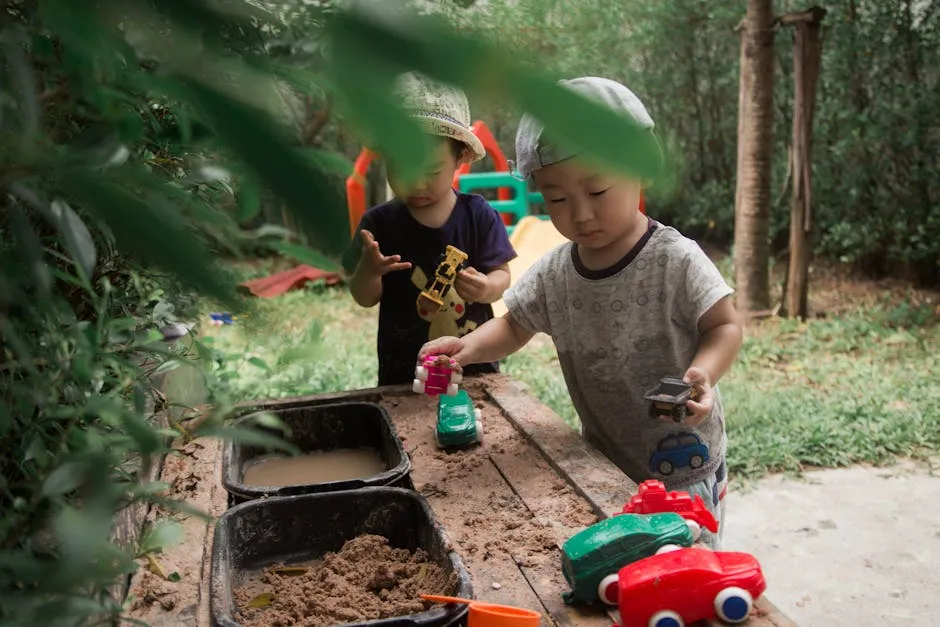
Research from NIH’s Environmental Influences on Child Health Outcomes program supports existing evidence that being in nature is good for children and also suggests that the early childhood years are a crucial time for exposure to green spaces. The implication is that benefits don’t accumulate evenly across all ages. The early years carry disproportionate weight.
Recent research, noting the reduced opportunities for unsupervised outdoor play, centers on developmental outcomes including physical, socio-emotional, cognitive, creativity, and imagination, as well as children’s connections with the non-human natural world. Global environmental concerns continue to urge us to incorporate environmental education and outdoor play opportunities within early childhood provision. The science and the urgency are now pointing in the same direction, and the window for acting on both is shorter than most parents realize.
What This Means Going Forward
The evidence gathered across thousands of studies, from randomized controlled trials in Hong Kong to population-wide satellite analyses in Denmark, tells a coherent and unusually consistent story. Early contact with wilderness and green space isn’t a luxury, a recreational bonus, or a nostalgic ideal. It’s a developmental input with measurable, lasting effects on the brain, the body, and the character.
The harder question isn’t whether any of this is true. It’s how to make it accessible. In the U.S. and elsewhere, the nature play and outdoor time that is important to childhood development is not accessible to many children. That gap matters as much as the science itself.
In the end, what children learn in wild places tends to stay with them long after they’ve forgotten the lesson. That may be the most important thing about it.