
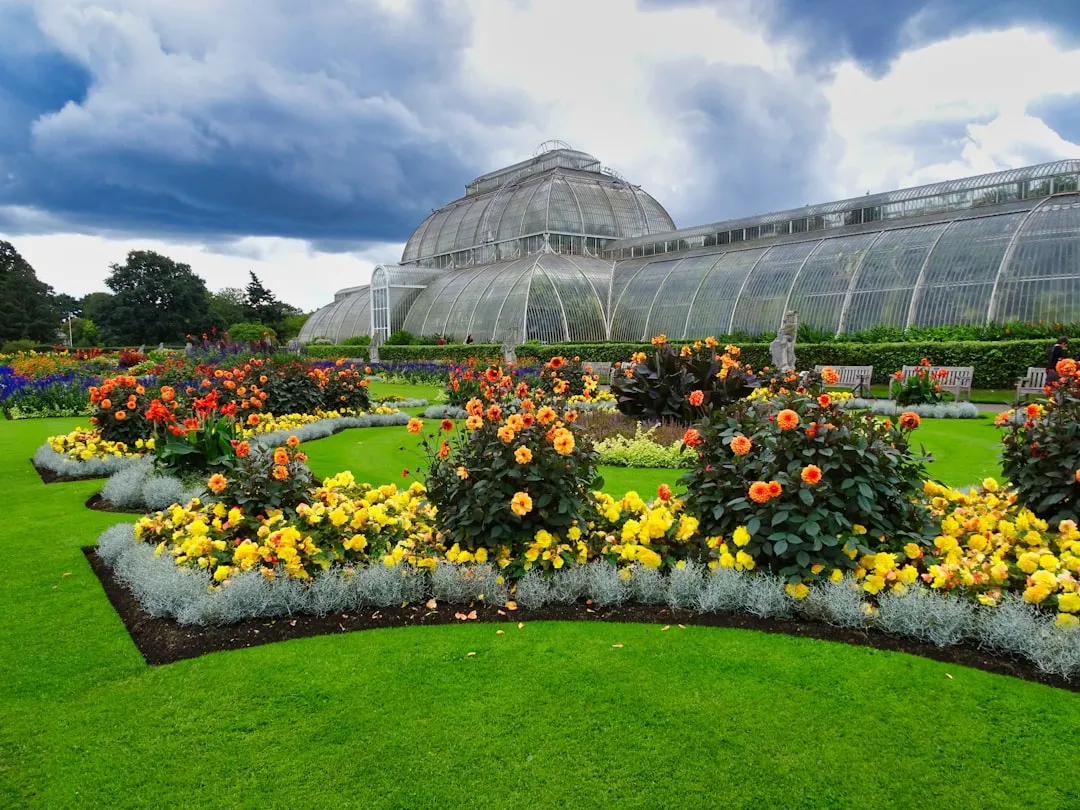

There are places on Earth where science and beauty genuinely share the same ground. Botanical gardens are among the most quietly remarkable of those places. They hold history in their soil, carry endangered species in their seed banks, and welcome millions of visitors each year who often have no idea how serious the work happening around them truly is.
Botanical gardens are increasingly emerging as important contributors to ecosystem restoration, extending well beyond their traditional roles in plant collections and public engagement. Plants are essential for all life on Earth, yet roughly one in five plant species are threatened with extinction. Six gardens stand out as exceptional examples of that dual mission: spectacular to visit, and genuinely vital to the planet.
1. Royal Botanic Gardens, Kew – London, United Kingdom
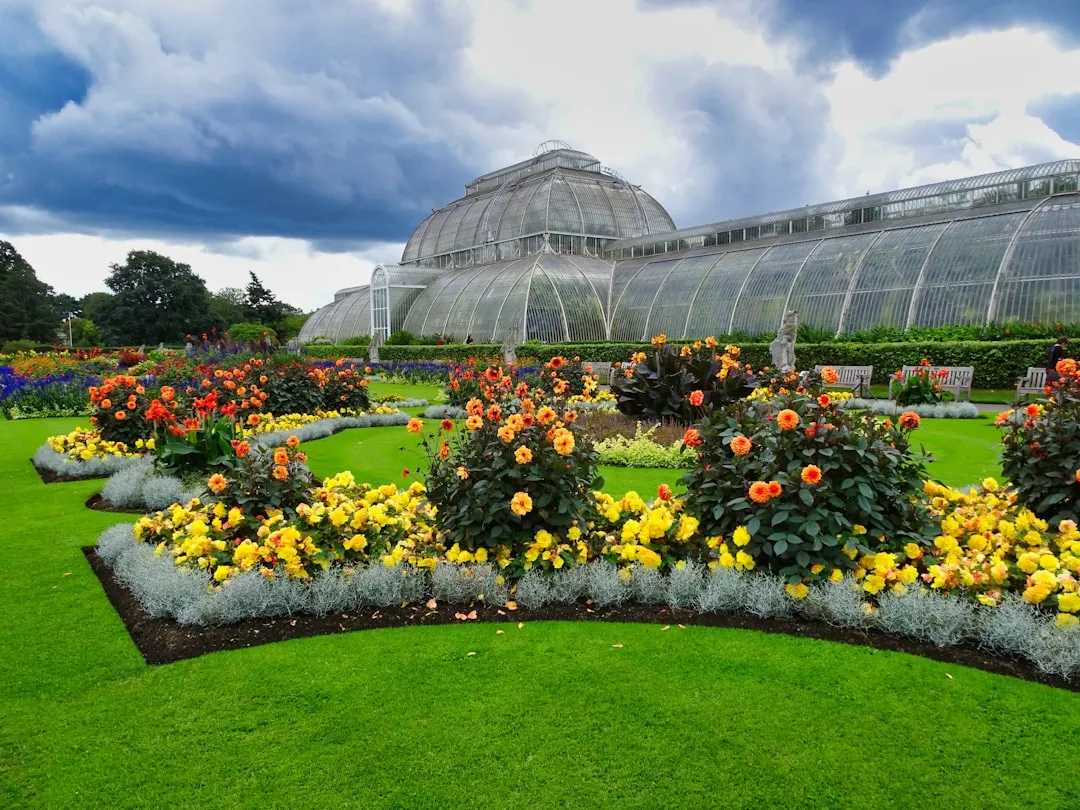
Dating back to 1759, Kew Gardens holds a rich history and was designated a UNESCO World Heritage Site in July 2003. Its 132 hectares of historic landscaped gardens attract over 2.5 million visits per year combined with Wakehurst, Kew’s wild botanic garden in Sussex.
Scientists at Kew and their collaborators named more than 170 plants and fungi previously unknown to science for the first time in 2024. Several of these newly discovered species are already at risk of extinction due to human activities, as researchers called attention to the ongoing loss of global biodiversity.
A report published in July 2024 by the Royal Botanic Gardens, Kew, revealed that over half of the 11,000 trees currently found at the 320-acre Gardens in London may be at risk by 2090. On 16 July 2025, Kew also submitted detailed plans to convert its Victorian Palm House into the world’s first net-zero glasshouse. With over 500 scientists and 150 horticulturists working with partner institutions worldwide, Kew works at the nexus between climate change, biodiversity, and sustainable development.
2. New York Botanical Garden – New York, USA
In 2025, NYBG scientists discovered 46 new species and contributed to 112 new publications, while digitizing 58,027 specimens to be added to the C.V. Starr Virtual Herbarium and sending 3,923 specimens in loans to herbaria around the world. These are not small numbers for a single year’s output.
In 2025, NYBG launched a new Science Strategy, a pathway through 2030 to position the Garden as an innovator in future science and research conservation through three cross-cutting initiatives: Plants for Climate Resilience, Food Plants: A Global Conservation Priority, and Artificial Intelligence: Unlocking the Power of Plants and Fungi.
With the world facing an unprecedented loss of biodiversity accelerated by the climate crisis, NYBG launched a new global collaboration in September called the Global Conservation Consortium for Food Plants, and will act as Secretariat of that organization for the first five-year term. In November, a delegation from NYBG attended the UN Climate Change Conference (COP30) in Belem, Brazil, to share how botanical gardens are driving climate and biodiversity solutions.
3. Singapore Botanic Gardens – Singapore
Situated at the heart of the city of Singapore, the site demonstrates the evolution of a British tropical colonial botanic garden that has become a modern world-class scientific institution used for both conservation and education. The cultural landscape includes a rich variety of historic features, plantings, and buildings that demonstrate the development of the garden since its creation in 1859.
Inscribed on 4 July 2015 as Singapore’s first and only UNESCO World Heritage Site, the Gardens remains the only tropical botanical garden among three on the UNESCO World Heritage List. In 2025, the Gardens marked the 10th anniversary of its inscription as a UNESCO World Heritage Site, the 150th anniversary of the Singapore Herbarium and the Singapore Botanic Gardens Library of Botany and Horticulture, as well as the 30th anniversary of the National Orchid Garden.
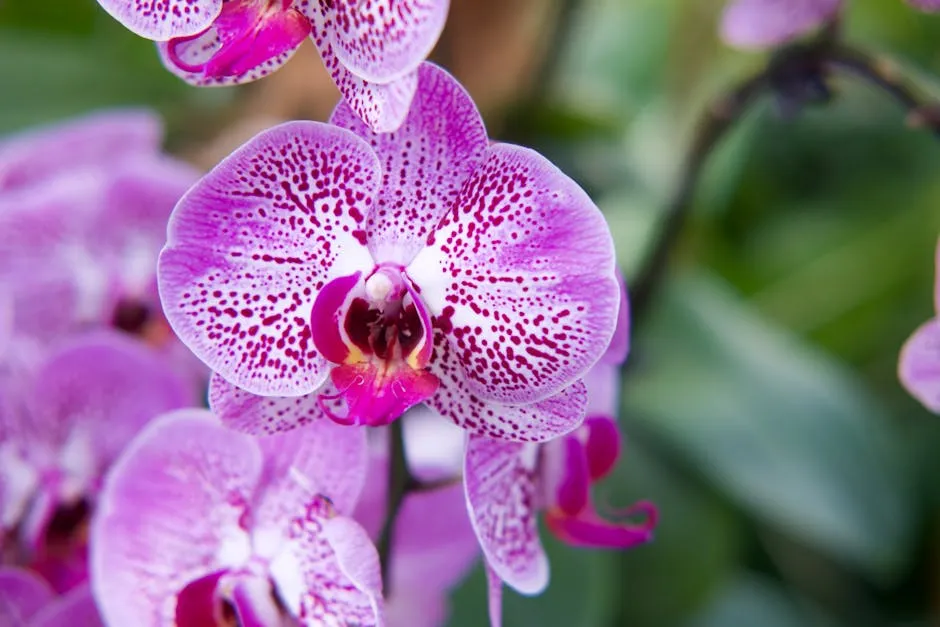
The National Orchid Garden, a pioneer in orchid breeding and hybridization, houses the world’s largest collection of tropical orchids, with over 1,200 species and 2,000 hybrids. Singapore practices a form of “orchid diplomacy,” where the finest hybrids are named after visiting dignitaries. More than eighty percent of the plant species found in the Gardens’ Rain Forest are rare or endangered in Singapore, making conservation of these species a central purpose.
4. Chicago Botanic Garden – Illinois, USA
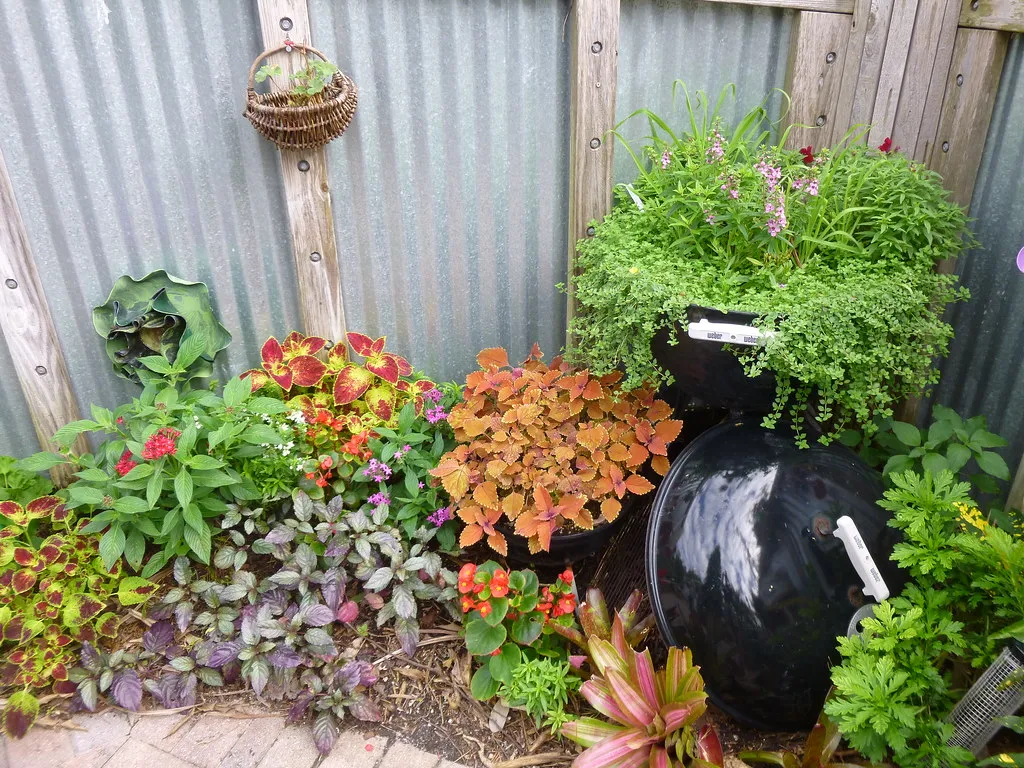
The Garden is owned by the Forest Preserve District of Cook County and managed by the Chicago Horticultural Society. It opened to the public in 1972 and is home to the Joseph Regenstein Jr. School, which offers educational classes and certificate programs and participates with the botany staff in research and conservation programs.
With 27 spectacular gardens on 385 acres, the Garden is a place of ever-changing beauty. The Negaunee Institute for Plant Conservation Science and Action works internationally to help prevent plant extinctions and locally to restore the Chicago area’s native landscapes, while the Regenstein School reached more than 44,000 people through learning programs in 2024.
The Garden is a partner in the Seeds of Success project, a branch of the Millennium Seed Bank Partnership managed by the Royal Botanic Gardens, Kew, with the goal of collecting 10,000 seeds from each of 1,500 native species of the Midwest for conservation and restoration efforts. In 2024, Botanic Gardens Conservation International announced that the Chicago Botanic Garden and The Morton Arboretum were selected to co-host the 9th Global Botanic Gardens Congress in Chicago in summer 2027.
5. Rio de Janeiro Botanical Garden – Brazil
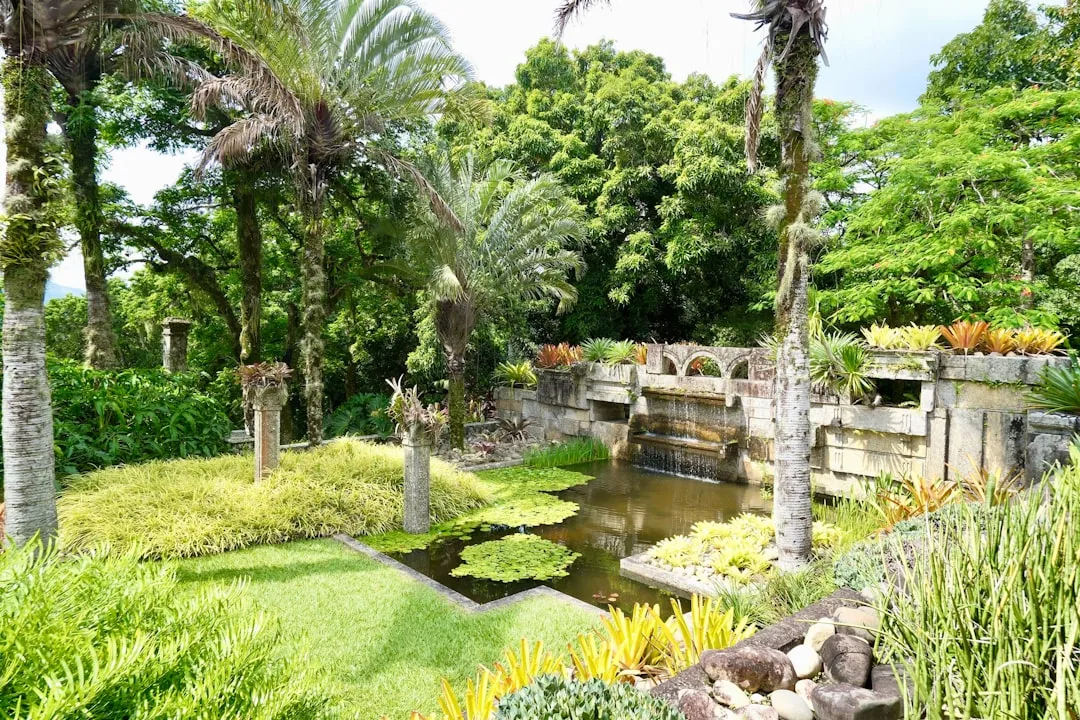
The Rio de Janeiro Botanical Garden was founded in 1808 by King John VI of Portugal. It was established with the aim of creating a place for acclimatizing plant species from different parts of the world, and was used throughout the following decades for researching different cultures to obtain raw materials for goods, including for export.
The garden is designated as a UNESCO Biosphere Reserve since 1992 and is part of the UNESCO World Heritage site Rio de Janeiro: Carioca Landscapes between the Mountain and the Sea. The Botanical Garden’s recent projects maintain a close institutional alignment with conservation actions, particularly the commitments assumed by Brazil in the Convention on Biological Diversity, including the creation in 2008 of the National Center for the Conservation of Flora, a national reference on biodiversity and conservation of endangered Brazilian flora.
A study of the garden’s living arboretum collection revealed it includes 6,960 specimens representing 1,420 species, with roughly sixty percent of these species native to Brazil, belonging to 134 botanical families. The park also contains 140 species of birds, many of which have become accustomed to humans, including the channel-billed toucan and the endangered endemic white-necked hawk.
6. Wakehurst – Kew’s Wild Botanic Garden, Sussex, United Kingdom
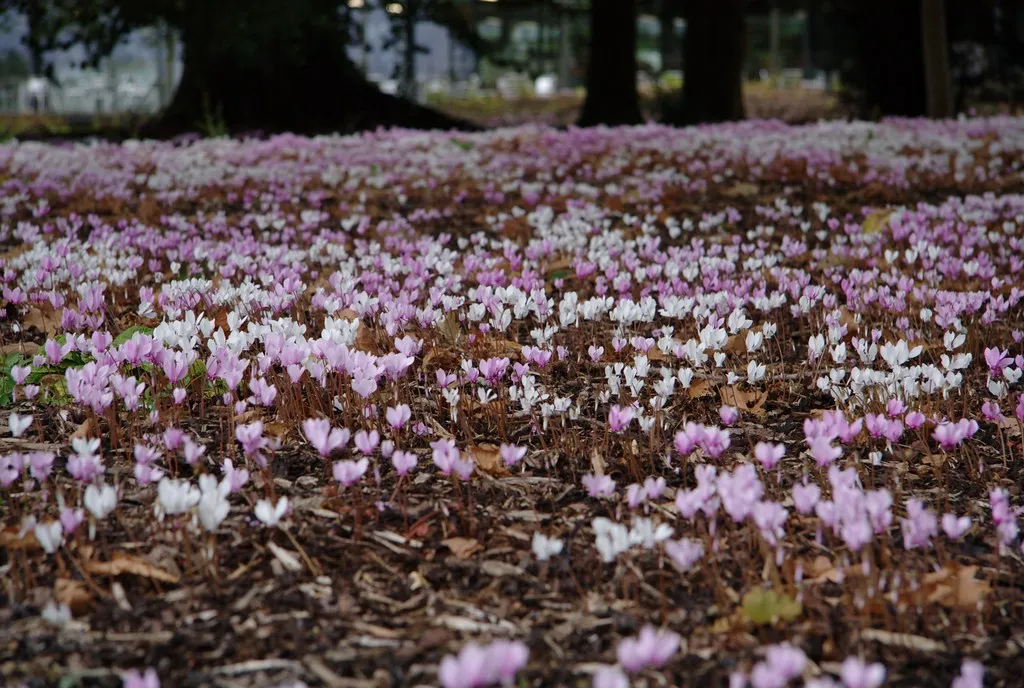
Wakehurst is Kew’s wild botanic garden in the Sussex High Weald. Its ancient and beautiful landscapes span 535 acres and are a place for escape, exploration, tranquillity, and wonder, with a diverse collection of plants from Britain and around the globe thriving within a tapestry of innovative gardens, temperate woodlands, meadows, and wetlands.
Wakehurst is a centre for UK biodiversity and global conservation, seed research, and ecosystem science. Wakehurst is home to the Millennium Seed Bank, the largest wild plant seed bank in the world and a safeguard against the disastrous effects of climate change and biodiversity loss.
Key projects in 2024 to 2025 included completion of the Wakehurst Mansion roof renovation and decarbonisation works, as well as the construction of two decant glasshouses and the new Lansdown Conservation and Research Nursery at Wakehurst. Kew continues to build seed-bank partnerships, most recently receiving purple jade vine seeds from the Masungi Georeserve Foundation in the Philippines. Wakehurst has quietly evolved into one of the most forward-looking conservation sites on Earth, even if it draws less of the spotlight than its famous London sibling.
Why Botanical Gardens Matter More Than Ever
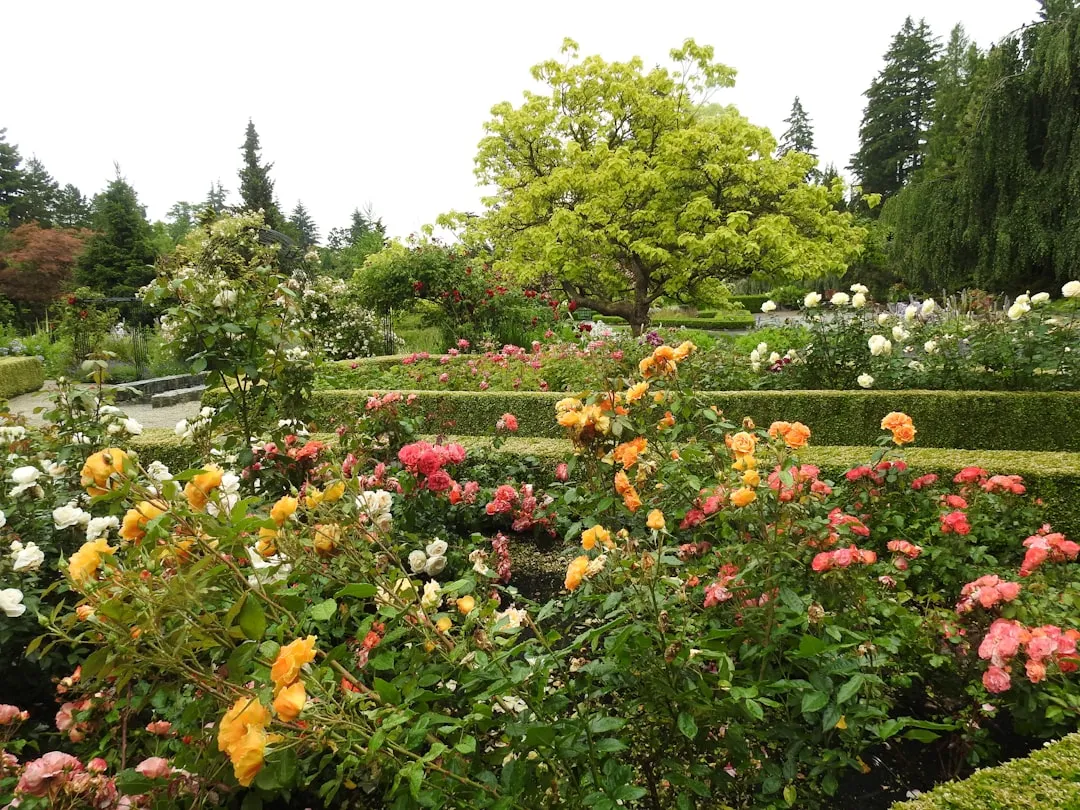
Botanic gardens are increasingly important agents of plant research and conservation. A large number of botanic gardens have been established throughout the globe since the mid-twentieth century to pursue new socio-environmental missions, while others with histories that span centuries have also undergone a deep transformation in the context of growing attention to matters of sustainability.
The 600,000 living plant accessions maintained across U.S. botanical gardens alone constitute irreplaceable genetic diversity and scientific resources, particularly given that roughly seventy percent of these collections predate the Convention on Biological Diversity, potentially representing plant material no longer accessible from wild populations.
Researchers analyzing a century’s worth of records from fifty botanic gardens and arboreta growing half a million plants found that the world’s living collections have collectively reached peak capacity, and that restrictions on wild plant collecting are hampering efforts to gather plant diversity on the scale needed to study and protect it. That tension between ambition and constraint is something every major garden is grappling with right now.
The Scale of Discovery Still Ahead
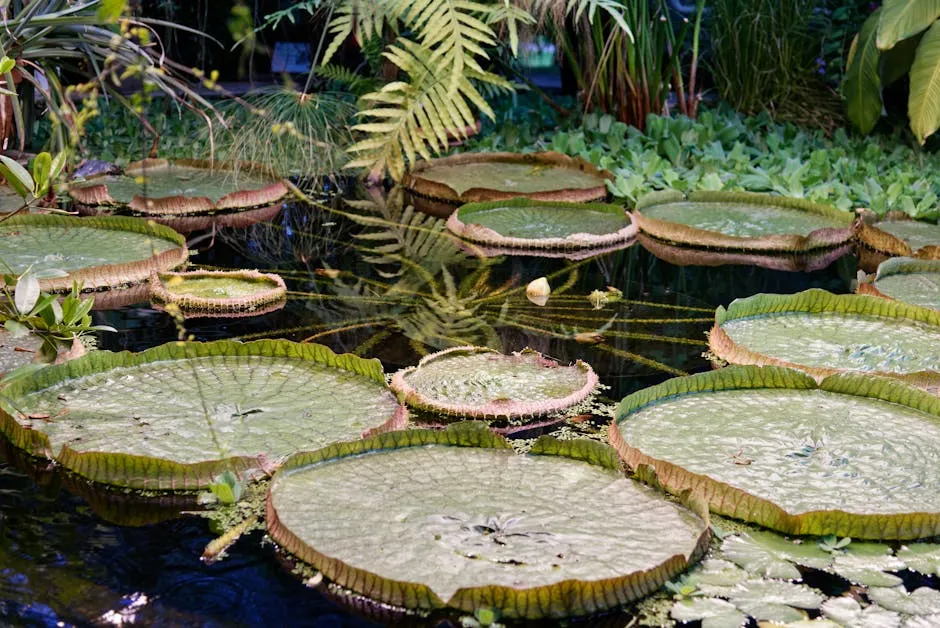
Scientists globally describe an average of 2,500 new plants and 2,500 fungi each year. Estimates indicate there could be as many as 100,000 plant species still left to uncover, and somewhere between two and three million fungi. The sheer scale of what remains unknown is both humbling and motivating.
The sobering statistic that only roughly thirty-nine percent of endangered plant species currently receive protection in public garden collections highlights the urgent conservation challenges facing botanical institutions and the critical need for expanded collection development, improved documentation, and enhanced coordination among gardens.
A concerted, collaborative effort across the world’s botanic gardens is now needed to conserve a genetically diverse range of plants and make them available for research and future reintroduction into the wild. Each of the six gardens featured here is part of exactly that effort, working across borders and disciplines to close the gap before it is too late.
Living History and Cultural Legacies
Scholarly literature traces the emergence of botanical gardens in Europe to their association with the rise of modern science, the nation-state, colonialism, and empire-building. That history is complicated. Several of today’s gardens were founded partly to support colonial economic interests, a legacy that institutions are increasingly examining and addressing openly.
Current scientific and biodiversity conservation endeavours at these institutions are increasingly framed as reflexive engagements with those historical legacies, through decolonization initiatives and new socio-environmental missions. The Singapore Botanic Gardens, for example, was critical to the region’s rubber trade boom in the early twentieth century when its first scientific director led research in rubber plant cultivation, using a technique still in use today.
Understanding the full story of these places, the commerce, the science, the empire, and now the conservation urgency, adds a layer of meaning to even a simple afternoon stroll through their grounds. History is growing here, not just plants.
Architecture, Art, and the Visitor Experience
These living museums showcase the remarkable diversity of plant life while serving millions of visitors annually who seek connection with nature, learning opportunities, and peaceful retreat from urban environments. Combined annual revenue exceeding one billion dollars and total assets of six billion dollars demonstrate that botanical gardens represent major cultural and scientific infrastructure requiring sustained investment and professional management.
The Chicago Botanic Garden has been showcasing plant conservation success stories through experiential trails that blend art with science during its “Lost and Found” series, inviting visitors to explore hands-on experiences and art installations inspired by restoration stories of plants once lost or forgotten. Kew, meanwhile, opened a new Carbon Garden in July 2025, designed to offer a unique opportunity to showcase ongoing research, combining scientific insight with thoughtful design and planting to highlight the role of carbon in our lives and how plants and fungi can help tackle climate change.
Conservation by the Numbers
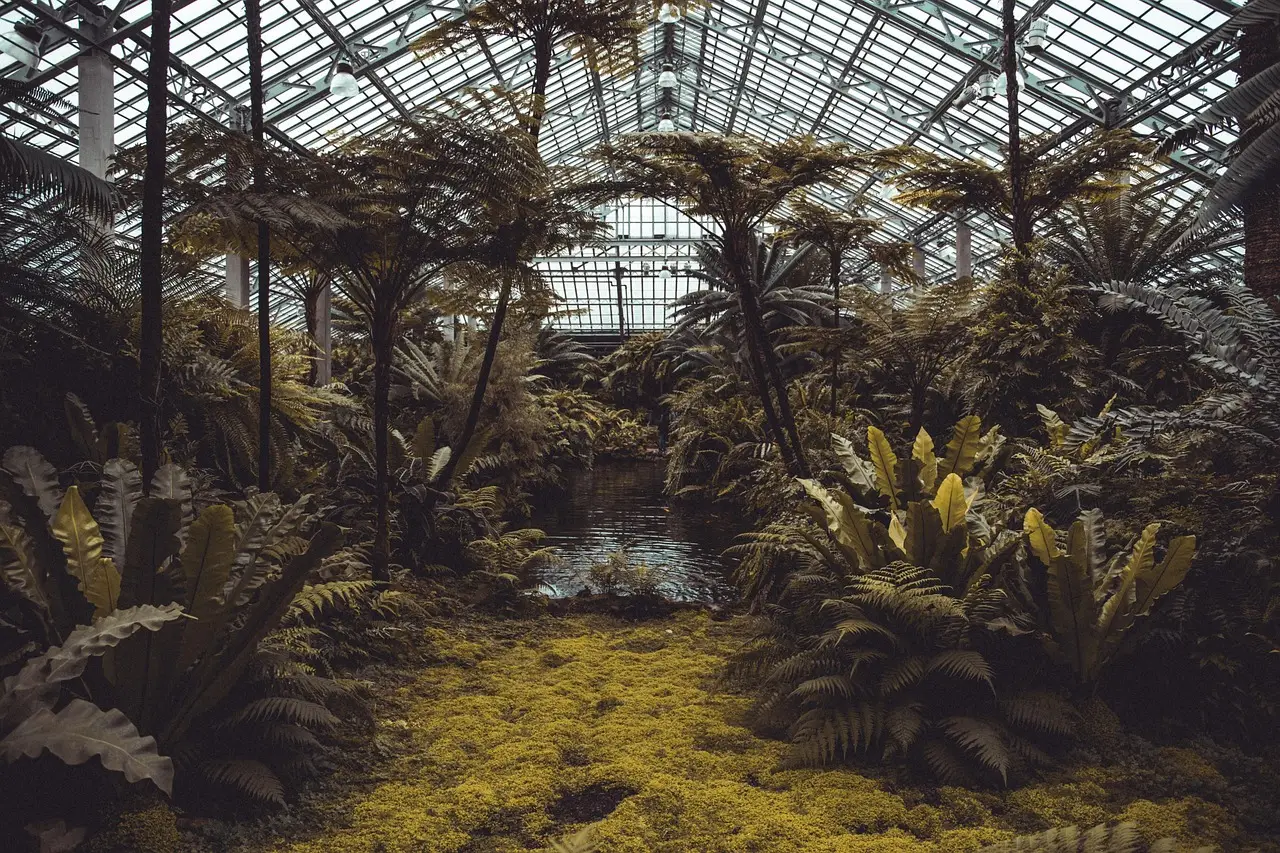
From the historic grounds of the United States Botanic Garden in Washington D.C., established by Congress in 1820, to the sprawling 385-acre Chicago Botanic Garden and the magnificent 1,100-acre Longwood Gardens in Pennsylvania, these institutions represent a substantial commitment to botanical excellence and environmental stewardship.
The New York Botanical Garden’s work in Vanuatu, for example, has supported conservation of a critically endangered tree species found nowhere else on Earth, establishing six protected sites and germinating seeds to secure the species’ future. These outcomes are small in scale but enormous in consequence.
One fifth of all plant species are threatened with extinction. The six gardens profiled here represent thousands of scientists, horticulturists, seed bankers, and educators working against that statistic every single day. The odds are difficult. The work continues regardless.
The Road Ahead for Botanical Gardens

NYBG’s Science Strategy through 2030 is designed to position the Garden as an innovator in future science and research conservation, bringing together partners to advance and scale nature-based solutions, food security, and AI-driven research to contribute to conservation, sustainability, and scientific discovery on a global scale.
The Global Botanic Gardens Congress, held every three to four years and the only global congress dedicated to botanic gardens, will be hosted in Chicago in 2027, the first time it will be held in North America in 27 years, with delegates from among the world’s 3,000 botanic gardens participating around a theme of habitat restoration.
These six gardens are not static monuments to the past. They are active, urgent, sometimes underfunded institutions doing work that future generations will depend on. Whether you visit for the orchids, the history, or simply the shade of a centuries-old tree, you are standing in the middle of something that genuinely matters. That is worth knowing.
AI Disclaimer: This article was created with the assistance of AI tools and reviewed by a human editor.