
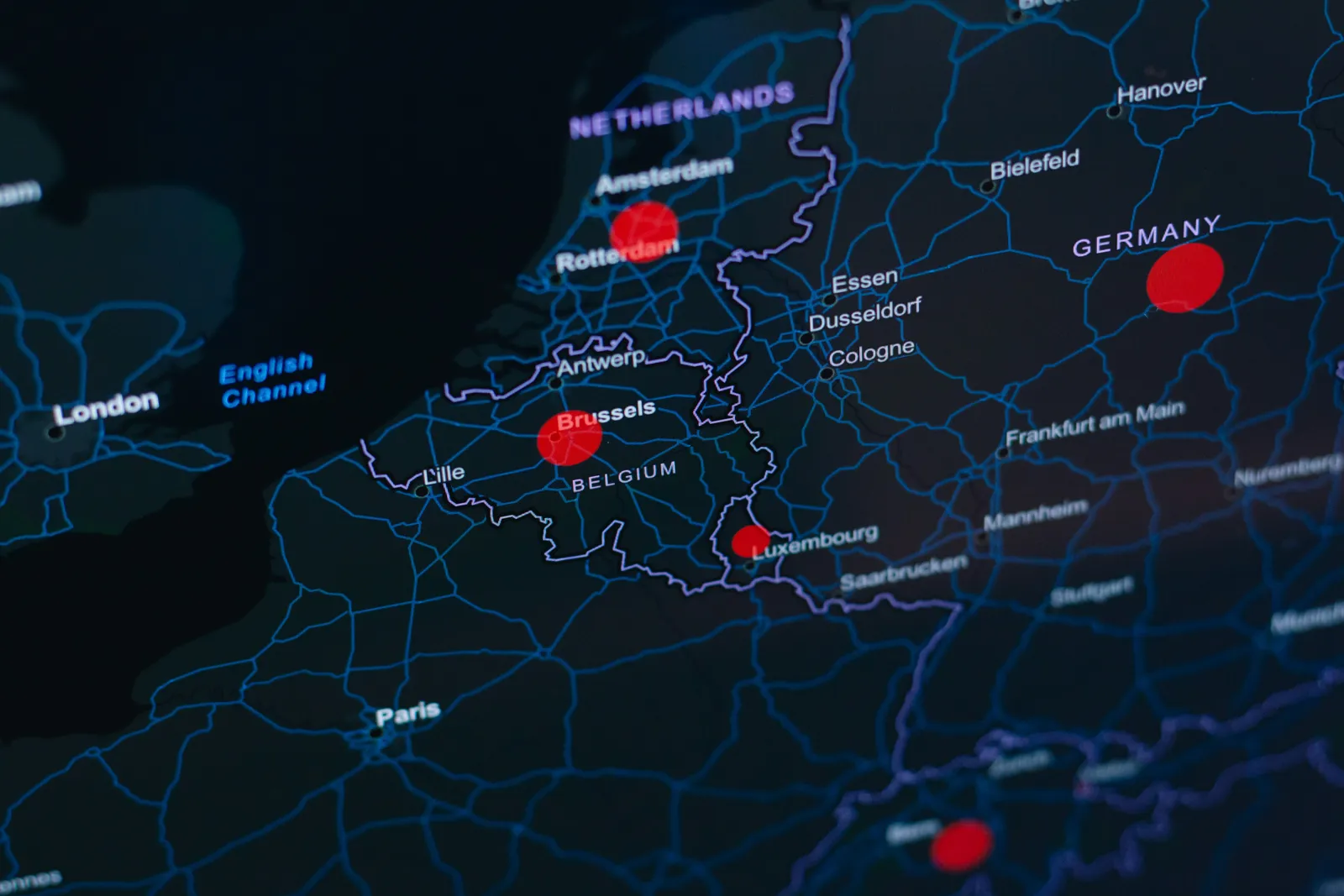

Western Europe endured an unusually intense spring heat wave this week that toppled long-standing temperature records and prompted fresh government alerts about health risks. The unseasonable warmth struck before the traditional summer season, catching many residents and visitors off guard in countries where air conditioning remains uncommon. Several deaths linked to the heat, mostly drownings, have already been reported in Britain and France.
Temperatures That Belong in Midsummer
London experienced a rare tropical night when the mercury stayed above 20 degrees Celsius, while southern England climbed toward 35 degrees Celsius on Tuesday. Monday had already set a new national benchmark for the hottest May day on record at 34.8 degrees Celsius in the capital. France recorded peaks of 36 degrees Celsius in the southwest, with overnight lows remaining elevated across wide areas.
Spain saw Seville reach 38 degrees Celsius over the weekend, and parts of the Iberian Peninsula registered readings 5 to 10 degrees above seasonal norms. Rome was forecast to hit 32 degrees Celsius on Tuesday. Meteorologists described a persistent high-pressure system, sometimes called a heat dome, that trapped warm air and produced conditions more typical of July or August.
Tragic Outcomes and Heightened Dangers
At least three teenagers died in apparent drownings at lakes and reservoirs in the United Kingdom, and a 60-year-old man lost his life in the sea off southwest England. French authorities reported at least seven deaths potentially tied to the heat, including five drownings and two during sports events. The early timing of the heat wave meant many popular beaches lacked the usual summer lifeguard presence, amplifying risks in areas with strong currents.
Officials in France’s Gironde region noted a surge in surf-related emergencies, underscoring how quickly conditions can turn hazardous when temperatures spike outside the expected season. The combination of extreme heat and limited preparedness created a dangerous mix for anyone seeking relief in open water.
Practical Implications for Travelers
Many homes, hotels, trains, and public spaces across the affected regions lack widespread air conditioning, leaving visitors exposed during peak afternoon hours. Commuters in London faced disruptions on non-air-conditioned subway lines, and some rail services were delayed by track issues linked to the heat. The U.K. Health Security Agency issued an amber alert through Thursday, highlighting elevated risks for older adults and those with underlying health conditions.
Travelers planning trips to Western Europe this summer should factor these early extremes into their preparations. Lightweight clothing, frequent hydration, and avoidance of strenuous outdoor activity during the hottest parts of the day become essential even before June arrives. Checking local weather services and heeding official warnings can help reduce exposure to heat-related illness.
Looking Ahead as Patterns Shift
Experts note that such early and intense heat events are occurring more often amid broader climate trends, increasing the likelihood that similar conditions could appear again in coming months. French government spokesperson Maud Bregeon emphasized the need for caution, while regional administrator Sophie Brocas urged beachgoers to exercise the utmost care in areas with powerful riptides.
For American visitors, the episode serves as a reminder that European summers can deliver surprises well before peak season. Monitoring forecasts and building flexibility into itineraries will help ensure trips remain enjoyable rather than overwhelming when temperatures climb unexpectedly.
AI Disclaimer: This article was created with the assistance of AI tools and reviewed by a human editor.