
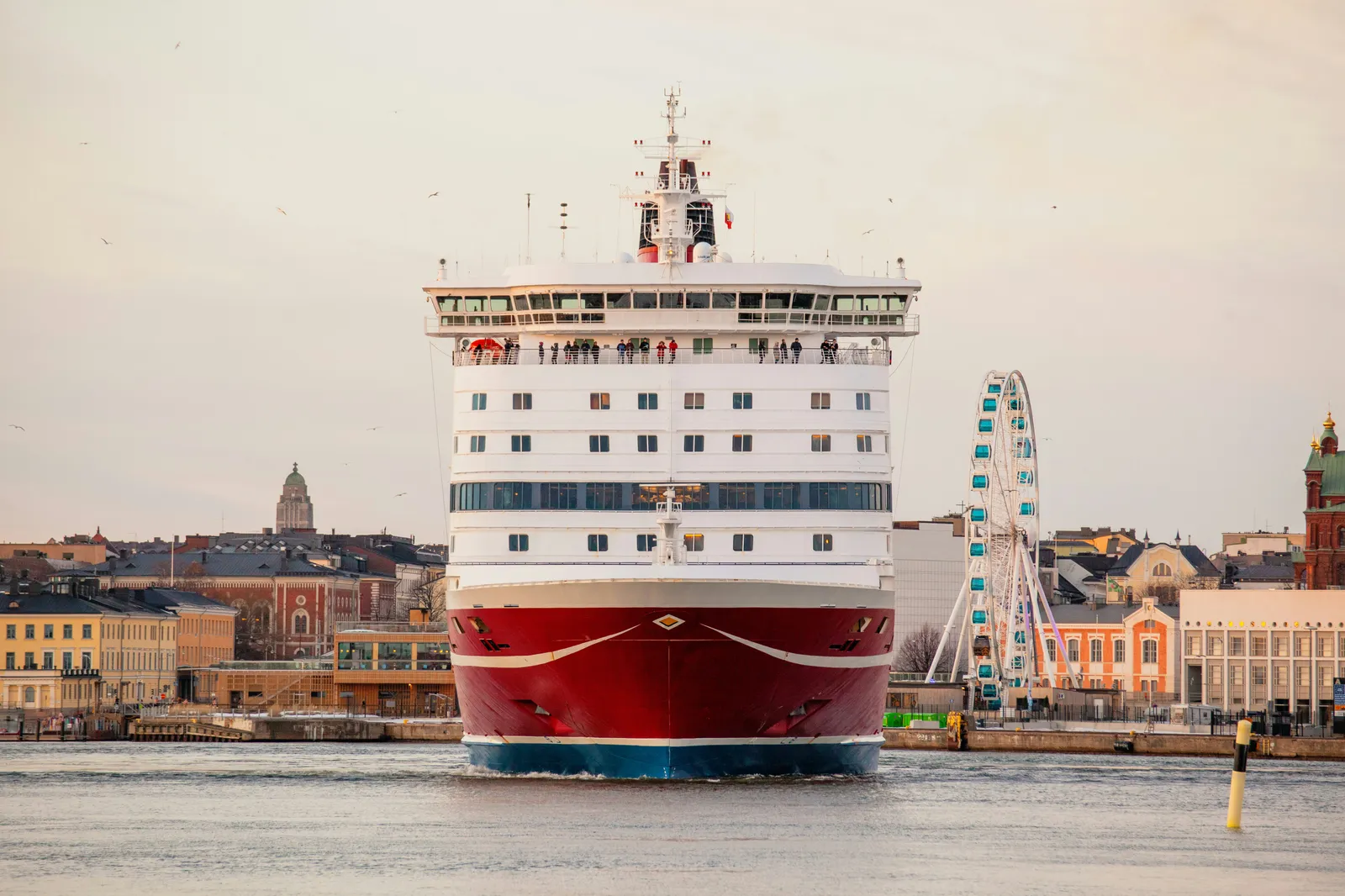

Viking has built one of the largest fleets among cruise companies focused on North American travelers, yet its vessels follow a remarkably consistent pattern. More than 100 ships now operate under the brand, but the vast majority belong to just three groups that share nearly identical designs within each category. This standardization has supported rapid expansion while delivering predictable quality across ocean, river, and expedition sailings.
Explosive Growth Built on Repetition
The company began in 1997 with four river vessels and operated just 29 ships as recently as 2012. Aggressive newbuilding since then has pushed the total past 100 vessels. River ships still form the core, with 90 in service as of this spring, while ocean vessels number 14 and expedition ships stand at two.
Most river ships follow the Longship design introduced in 2012, and 12 of the 14 ocean ships mirror one another closely. The two expedition vessels also match each other in layout and capabilities. This repetition reduces operational complexity and helps maintain uniform service standards fleetwide.
Ocean Ships Deliver Upscale Voyages at Scale
The traditional ocean series includes vessels ranging from 47,800 to 53,769 tons with capacities of 930 to 998 passengers. Eleven of these ships currently sail worldwide itineraries, and ten more of the larger versions are scheduled for delivery through 2031, with options for six additional units later. Viking does not label these as a formal class but refers to them collectively as its ocean ships.
Interiors feature a signature Scandinavian aesthetic with a three-deck atrium at the center and large cabins that start at 270 square feet. Amenities include multiple restaurants, a thermal suite open to all guests, and both enclosed and open pool areas. Two ships in the series incorporate a small planetarium, while later builds include modestly expanded fitness facilities.
River Longships Anchor the Brand’s Identity
The Longships measure 443 feet for most European routes and carry 190 passengers, with shorter 410-foot and 361-foot versions built for rivers such as the Seine that require smaller dimensions. These vessels pioneered offset corridors and a squared bow that allow more cabins with balconies than competing river ships of similar size.
Each Longship offers one main dining room, a lounge, and an Aquavit Terrace for casual meals with indoor and outdoor seating. The top deck includes a walking track and herb garden used by the kitchen. Viking also operates a handful of purpose-built vessels on the Nile and has introduced a new design for Mississippi River sailings, with additional India-specific ships planned for 2027.
Expedition Ships Target Remote Regions
The two expedition vessels, each 30,150 tons and carrying 378 passengers, entered service in 2022 and feature reinforced hulls for polar operations along with dedicated landing craft, kayaks, and submarines. Two more ships in this series are ordered for 2030 and 2031.
Key innovations include an enclosed hangar marina for protected transfers to smaller craft and cabins with floor-to-ceiling glass walls that open partially from the top. An expedition team of scientists provides lectures, and the ships maintain the line’s upscale Scandinavian design with familiar dining venues such as Manfredi’s.
| Ship Type | Approximate Count | Typical Capacity | Primary Regions |
|---|---|---|---|
| Traditional Ocean | 12 | 930–998 | Worldwide itineraries |
| River Longships | ~85+ | 168–190 | Europe, select other rivers |
| Expedition | 2 | 378 | Antarctica, Arctic |
Travelers evaluating Viking options benefit from recognizing these three categories early in the planning process. The uniformity within each group means that choosing one vessel largely predicts the onboard experience of others in the same series, while the differences between categories determine the destinations and pace of travel available.