

There’s something quietly remarkable about a building meant to sell shoes and department store appliances becoming one of the most vital creative spaces in the Texas Panhandle. That’s exactly what happened at Sunset Center, a sprawling structure off Plains Boulevard in Amarillo that has spent more years as an art colony than it ever did as a conventional shopping destination. Its story is not just about repurposed real estate. It’s about what happens when a community refuses to let a place die quietly.
The journey from forgotten retail hub to thriving arts center spans decades of decline, reinvention, personal loss, and stubborn resilience. The building has outlasted the merchants who once filled it and the artist colony that briefly called it home, emerging each time in a different form. In 2026, it stands as one of the more unusual cultural institutions in Texas, and the community around it keeps growing.
A Mall Born from Ambition, Killed by Competition
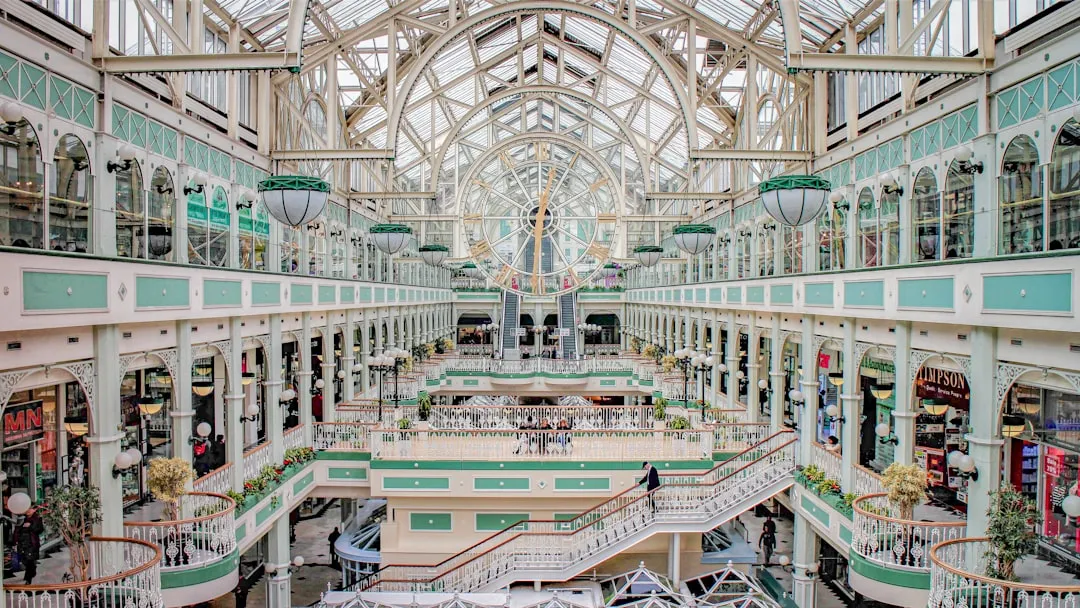
Sunset Center was constructed in 1960 as the area’s first shopping mall. It was such a popular concept when it opened that it created a traffic jam of more than 6,000 vehicles leading to the mall, an amount that was almost equivalent to the total Amarillo population at the time. That kind of opening-day energy tells you everything about what the space meant to the city back then.
The facility was the only mall in Amarillo until the late 1970s when Western Plaza was built. Amarillo’s Westgate Mall was established in 1982. As each new mall was established in Amarillo, Sunset Center saw a dwindling number of department stores inhabiting its facility and more lower-rent businesses moving in, such as thrift stores and bingo businesses.
The place went mostly unused from 1983 to 2005, when artist and philanthropist Ann Crouch reopened a portion of the 332,000-square-foot building and invited artists to set up shop in the abandoned storefronts. For over two decades, the building simply sat there, a relic of postwar retail optimism slowly fading under the Panhandle sun.
The Woman Who Saw Something Different
In 1992, the Crouch family bought the facility and continued managing it as a mall. In 2001, owner C.W. Crouch died and left the facility to his wife, Ann. It was at that point that the building’s entire future quietly pivoted around one person’s vision.
Ann managed multiple malls and properties over the years, but business was just one of the many layers of her life’s canvas. As a child, Ann developed a love for art that she spent the rest of her life expressing.
In 2004, Ann Crouch founded the Amarillo Art Institute. Flores said Crouch hoped that by establishing the non-profit, she and fellow artists could attend classes from world-renowned instructors. In 2005, Crouch converted Sunset Center into the Galleries at Sunset Center to house the non-profit. It was a genuinely unusual idea: turn an abandoned mall into a nonprofit arts complex in a mid-sized West Texas city.
A Colony Takes Shape Inside the Storefronts
After sitting empty for years, the mall was purchased by Amarillo businesswoman and artist Ann Crouch, who renovated the space, turning its storefronts into glass-walled galleries and studios for artists. The former retail slots became something no shopping center designer had ever intended them to be.
Ann Crouch, a gifted artist herself, fixed the place up and transformed the old mall into what is probably the largest collection of art galleries in any mid-sized city in Texas. She rented the spaces affordably, and the artists responded, showcasing everything from the classical to the quirky. Painting, photography, sculpture, and mixed media filled the former storefronts.
One of the best things about the art mall was the murals lining its hallways. The paintings were both genuine and enthusiastic in their expression of what a creative lifestyle looks like. Walking through the place on any given day felt less like a gallery visit and more like stepping into a working neighborhood of makers.
First Friday Art Walk: The Heartbeat of the Community

First Friday Art Walk is a fun family-friendly evening event that happens the first Friday of each month at 3701 Plains Boulevard at Sunset Center. The event has a history of providing a fun-filled evening out enjoying the huge art scene under one big roof at a centralized location in Amarillo. There are live art demos, live music, and some of the best art to be found in Amarillo.
The event is free and open to the public, and kid-friendly. Attendees can come and go as they please, enjoying music, food trucks, and all the artwork from local artists.
The facility has more than 20 talented studio artists who enjoy displaying their art and showing others what Amarillo’s creative community is capable of. There is also a large public gallery displayed throughout the building that is changed out monthly. This artwork comes from more than 60 local artists in the area, meaning there is always something new to see.
Crisis, Grief, and the End of an Era
Everything was running smoothly until Crouch unexpectedly died in January 2017. With no heirs willing to receive her real estate holdings, Crouch’s estate fell into probate purgatory for about a year until the Crouch Foundation was created to direct it.
The staggering cost of operating Sunset Center played into the foundation’s decision. The electricity bill alone for the massive, aging building ran to $18,000 a month. The foundation faced a tough choice: keep the galleries open and risk causing Crouch’s estate to bleed out in a few years, or close them to secure a financial future for her other projects. In the end, they chose the latter.
The roughly 50 artists, some hobbyists, some professionals, and many in between, who worked and exhibited at Arts in the Sunset for the better part of 14 years said they would miss it terribly. The closing was, for many of them, something closer to a loss of home than the end of a lease.
Project Sunset: The Renovation That Changed Everything
The Amarillo Art Institute continued its remodeling of the Arts in the Sunset center with “Project Sunset.” The AAI announced plans to revive Sunset Market Town in December 2019 and began the process six months later. The renovation signaled that the space’s story wasn’t finished after all.
In her will, Crouch stated that she always intended to make the place a one-of-a-kind art hub for Amarillo and beyond. With her legacy and love for the area’s art community in mind, the Crouch Foundation, in partnership with AAI, created a plan for renovating the Galleries at Sunset Center.
Amarillo’s Arts in the Sunset reintroduced itself to the community after its renovations, reinvigorating local love for the visual arts. The facility now functions as a new art epicenter for many community artists and hosts international art exhibits. The scale of what emerged from that renovation surprised even longtime supporters of the space.
What Arts in the Sunset Looks Like Today
AAI currently has 16 studios housing about 24 studio artists, a community gallery known as the Vermillion Gallery, which displays work from over 70 artists with a waitlist of over 170 artists, and houses AAI’s instruction areas. Those waitlist numbers tell their own story about how much demand exists.
Arts in the Sunset includes the Amarillo Art Institute, working artist studios, gallery space, the original sculpture garden, and the event center and outdoor amphitheater. It is also home to the AmTech campus for the Amarillo Independent School District, which promotes culinary arts, digital arts, sound, and film.
The facility also includes additional spaces such as an extra gallery, the Cobalt Barrell, a gift shop, their Legacy room, which previously housed the traveling Michelangelo Sistine Chapel Exhibit, and their outdoor AJ Swope Performance Plaza. That range of offerings, from student film programs to international traveling exhibits, reflects how seriously the institution now takes its role in the region.
International Exhibits in a Panhandle Mall
For their second-ever limited exhibit, Arts in the Sunset presented the Impressionists Immersive Exhibition. The exhibit was a collaboration between the Amarillo Art Institute and Art Apart, the creators of the exhibit based in Madrid, Spain. The geography alone makes this worth pausing on: a Madrid-based arts company bringing an international show to a renovated mall in the Texas Panhandle.
The exhibit was on display across Europe throughout 2023 and then made its American debut in Boise earlier that year. After it was showcased in Idaho, Art Apart originally intended to display the exhibit in Las Vegas. However, after learning more about AAI and Arts in the Sunset, they moved their exhibit to Amarillo instead.
Tickets ranged from $15 to $25 based on age, and proceeds from the exhibit went directly to the Amarillo Art Institute and its art programs. For a community-supported nonprofit, that kind of earned revenue matters considerably.
The Hoodoo Mural Festival Finds a New Home
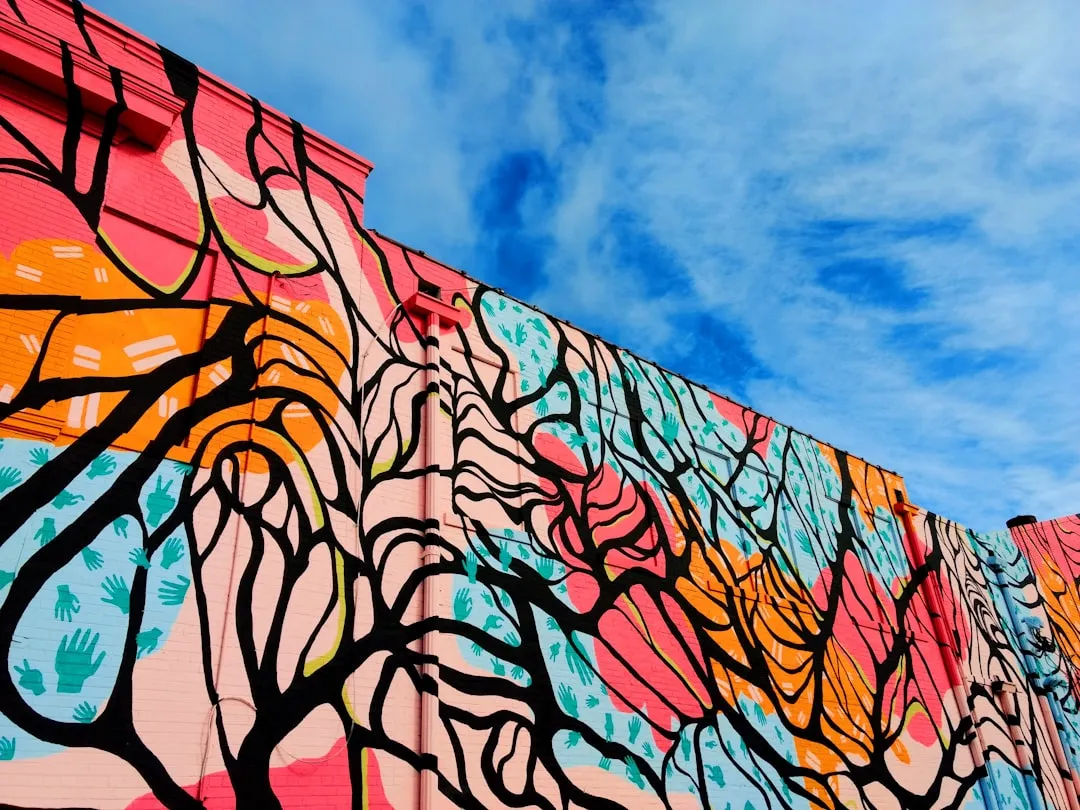
In 2025, the final preparations for the Hoodoo Mural Festival took place at Arts in the Sunset. After five years of being held in downtown Amarillo, the festival was relocated, with organizers hoping this would help it grow.
Flores said the festival was always intended to inspire visitors and residents while improving the quality of life for people in Amarillo, but now they have bigger plans and want to expand their reach. Moving an outdoor mural festival to a venue already synonymous with creative community feels like a natural fit rather than a forced pairing.
The announcement also raised the possibility that murals could begin appearing in locations beyond downtown, spreading further across the city. The Hoodoo Mural Festival was accepting applications from muralists, musicians, and vendors for the 2025 event. The mural tradition in Amarillo keeps deepening its roots.
A Living Venue, Not Just a Gallery

In 2024, two couples opened a music venue in the space under the Arts in the Sunset complex. Today, the Atomic Yellow hosts musicians of multiple genres, offering an affordable experience for rockers of all ages. The addition of a live music venue in the building’s lower level added yet another dimension to what the space offers.
Some weekends, Amarillo residents in tuxedos and ball gowns head into Arts in the Sunset for a class reunion or a fundraising event, shuffling past neighbors dressed in black wearing punk band patches. The two groups briefly share the same building before heading to completely different destinations inside it. That unusual coexistence is oddly fitting for a place that has always welcomed whoever shows up.
Community members who have seen the renovations have noted that the work gave the building a breath of fresh air, allowing people to see it for something different, and that the community is responding. From professional symphony, ballet, and opera companies to community theatre organizations, the broader arts scene in Amarillo is thriving, and Arts in the Sunset sits at the center of that wider momentum.
What Ann Crouch Left Behind
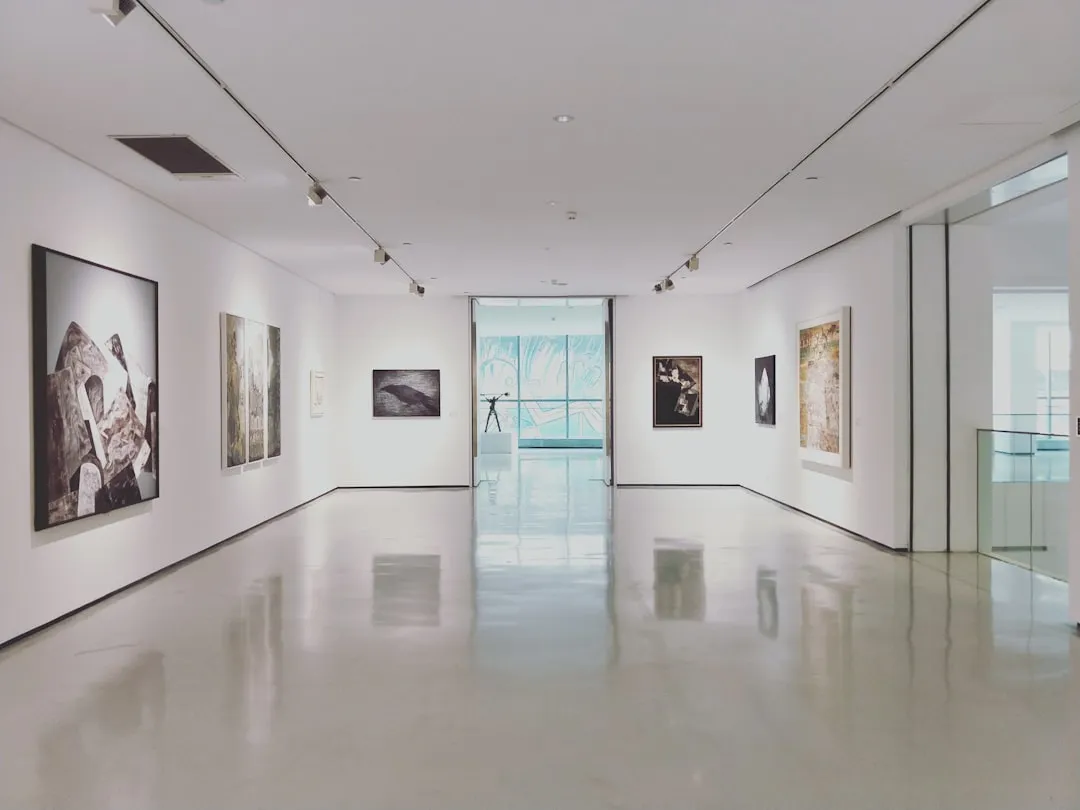
Should they see the need in the years to come, AAI will be able to expand by converting its outdoor area into an indoor facility for artists. The Crouch Foundation plans to use its remaining funding to support the facility as it grows and possibly create a scholarship fund in Ann’s name.
Janette Dickerson, who met Crouch when she first established the Galleries at Sunset Center, said that the Crouch Foundation considered Ann’s legacy carefully as it participated in renovating and creating the new facility: she could never have imagined, and nobody could have imagined, what this place would become.
What started as one woman’s instinct to give her city’s artists a place to work has become something far larger than any original plan could have contained. The old mall off Plains Boulevard keeps remaking itself, not because anyone is forcing it, but because the people who use it keep finding new reasons to stay. That might be the most honest testament to what a creative community actually looks like when it’s working.
AI Disclaimer: This article was created with the assistance of AI tools and reviewed by a human editor.