
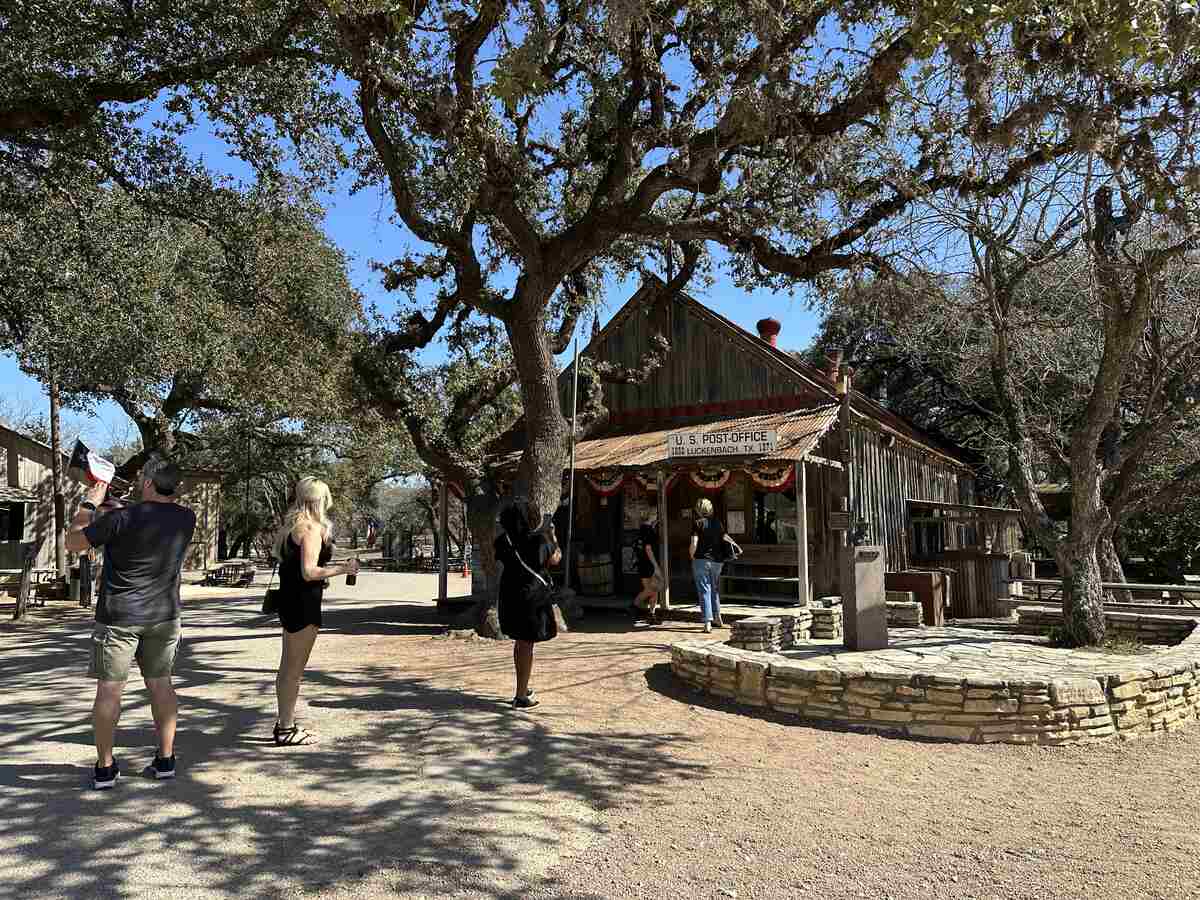

Something interesting happens in towns where the population fits on a few thousand mailboxes. People actually know each other. They show up, not because someone organized a committee, but because the town is theirs in a way that a city never quite manages to be.
Across the United States, a handful of small towns have taken that sense of belonging and built their entire identity around it. Some reinvented themselves from near extinction. Others held on to cultural traditions stretching back generations. A few just quietly kept doing what worked. What ties them together is not just charm or scenery, it’s residents who treat their town like something worth protecting.
1. Leavenworth, Washington – The Town That Voted Itself Back to Life
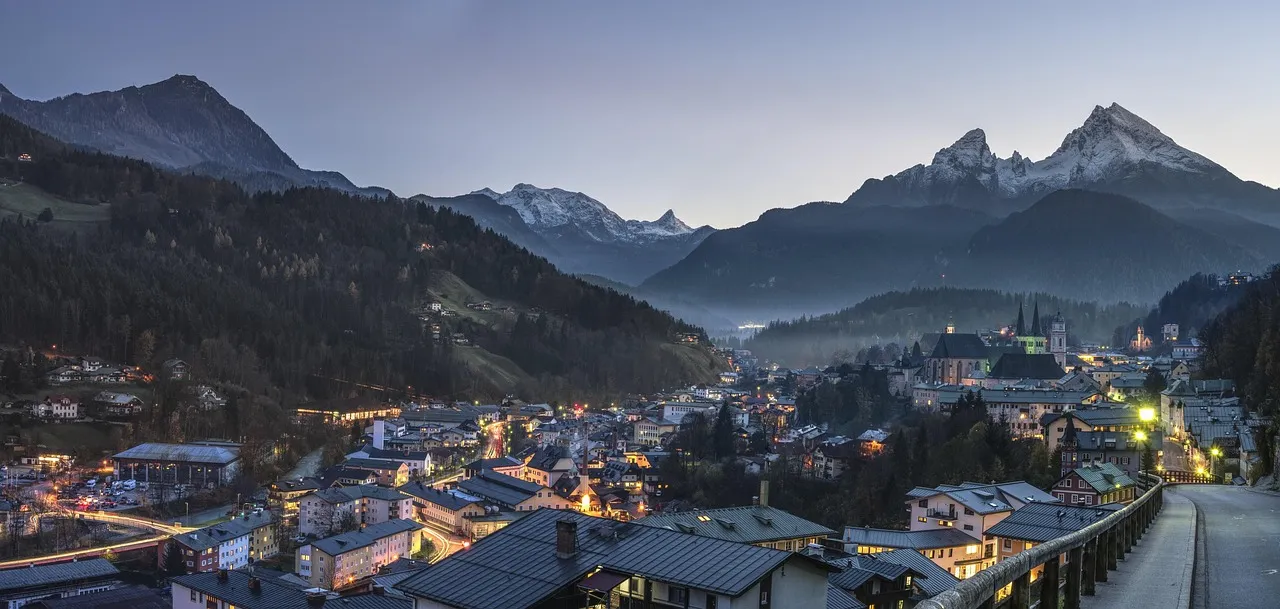
By the mid-twentieth century, Leavenworth was hollow. The decline of the logging industry and the rerouting of the railroad led to a downturn, with many businesses closing and the town’s future uncertain. What happened next is one of the more remarkable stories of collective civic will in American history.
In 1962, the Project LIFE (Leavenworth Improvement For Everyone) Committee was formed in partnership with the University of Washington to investigate strategies to revitalize the struggling logging town. The community collectively chose to reimagine itself as a Bavarian-themed village, and they funded it themselves. One of the most impressive facts about this entire project is that it was financed with private money, with no federal assistance at all – simply dedicated people mortgaging everything they had.
The entire town center is now modeled on a Bavarian village as part of a civic initiative that began in the 1960s. The results were undeniable. Leavenworth and its Bavarian-style village drew 3.4 million visitors in 2024, of which roughly three in five were from the Seattle metropolitan area. The architectural theme is still enforced by a community design review board, keeping the town’s character intact decades later.
2. Decorah, Iowa – Where Heritage Is a Living Practice
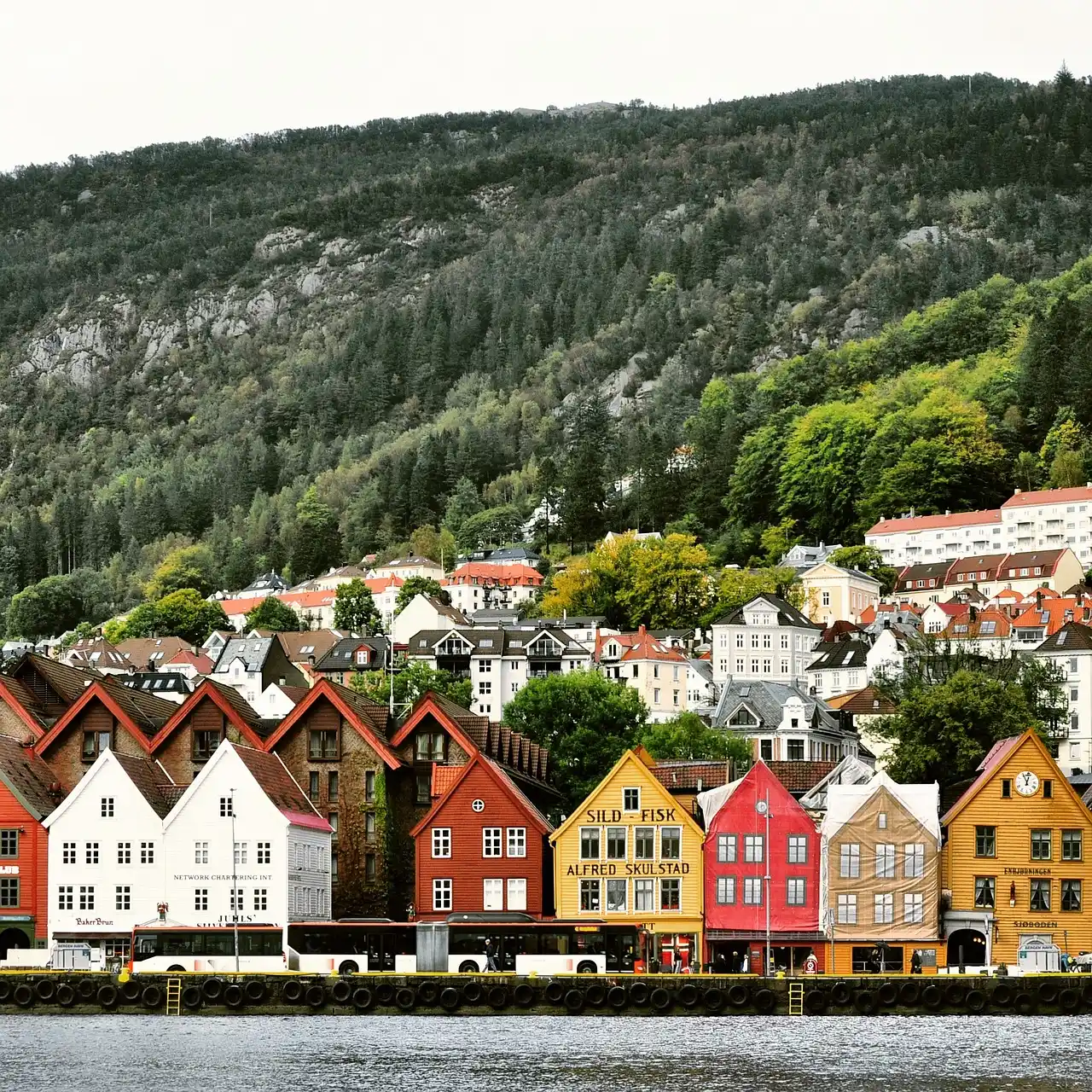
The population of Decorah was 7,587 at the time of the 2020 census. That modest number belies an outsized cultural footprint. Decorah has become a center for Norwegian-American culture, originating from a high number of Norwegian settlements beginning in the 1850s.
Decorah’s Nordic Fest honors the region’s strong Norwegian and Scandinavian heritage. Held annually near the end of July, the festival grew from a Norwegian Constitution Day celebration into a multi-day event featuring traditional dances, music, crafts and food. Community members participate from childhood through high school as dancers and volunteers, and the event draws visitors interested in Old World customs maintained across generations.
Decorah is also home to the Vesterheim Norwegian-American Museum, the largest Norwegian museum in the United States. Volunteerism runs deep here. Northeast Iowa RSVP currently works with about 80 community organizations in the tri-county area, with Decorah at its center. The town’s community food co-op, trails, and civic groups all operate with heavy resident involvement, making participation feel less like an obligation and more like local culture.
3. Berlin, Maryland – Victorian Streets and Neighborly Pride
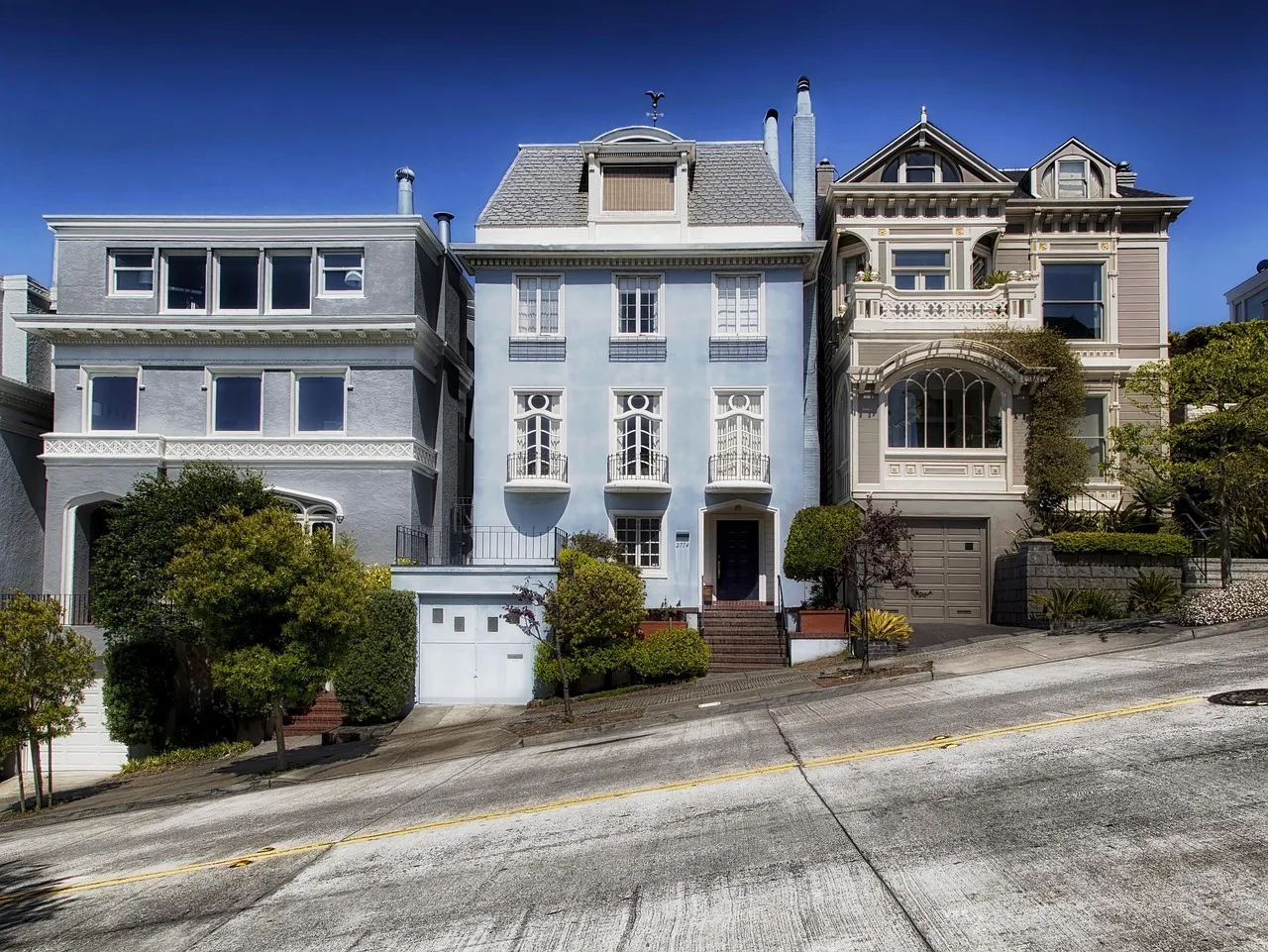
The National Geographic book “Small Towns U.S.A.” offers insight into storied American icons and lesser-known gems, including Berlin, Maryland, home to 47 buildings on the National Register of Historic Places. That number speaks directly to a community that chose preservation as a form of pride.
The beginning of June means one thing in Berlin: the highly anticipated annual Bathtub Races. The streets shut down, and carts made from modified bathtubs whiz down the road in a competition for bragging rights. The town’s chamber of commerce hosts the event, local news stations broadcast it, and onlookers cheer on their favorite competitors from the sidewalks.
Many of Berlin’s Victorian buildings are listed on the National Register of Historic Places. There is a delightful contrast between the preserved past and the artistic present, with colorful awnings adorning many shop facades. A sense of community and town pride can be felt everywhere you turn. It’s not a museum town. It’s a town that happens to take care of its buildings because the residents feel ownership over them.
4. Independence, Kansas – Community Spirit as a Strategic Priority
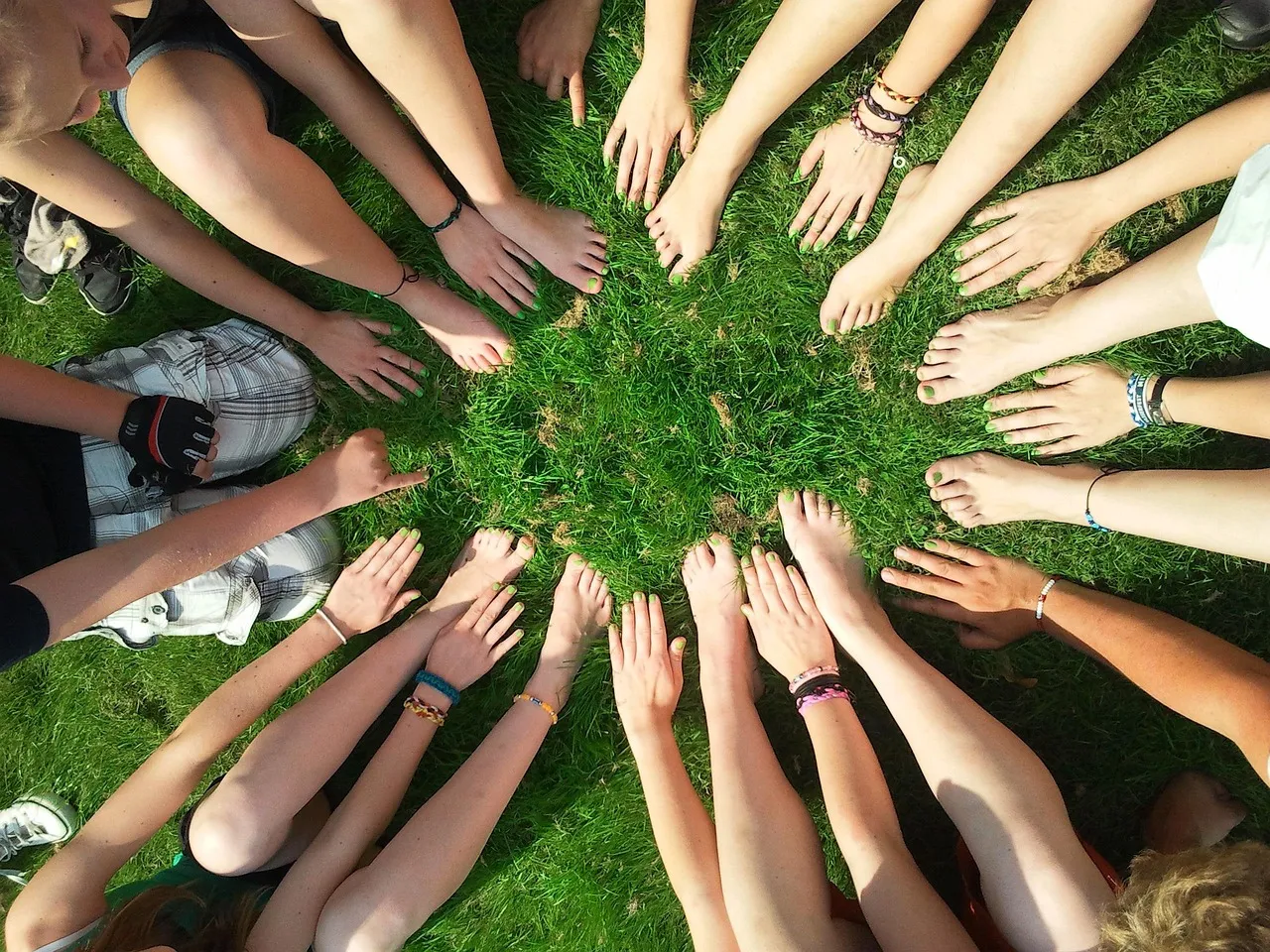
Most towns talk about community. Independence, Kansas, actually writes it into its official governance. Independence, Kansas (population 8,729) is actively fostering a collaborative atmosphere through their strategic pillar, “community spirit/unity,” which includes a number of initiatives.
They conduct bi-annual surveys to gauge resident satisfaction and engagement, a task that is more feasible in a small community. Independence is also working on their communication strategies, such as ensuring that the city’s Facebook page, website, and newsletter remain vibrant platforms for important announcements and communication.
Few towns of this size formalize community engagement as a governing framework. The approach reflects something that research on small towns increasingly confirms: small towns can serve as incubators for big ideas, resilient solutions, and authentic community bonds, proving that when it comes to impact, small cities in the heartland punch well above their weight. Independence takes that seriously enough to measure it.
5. Galena, Illinois – Where Every Shop Has a Story
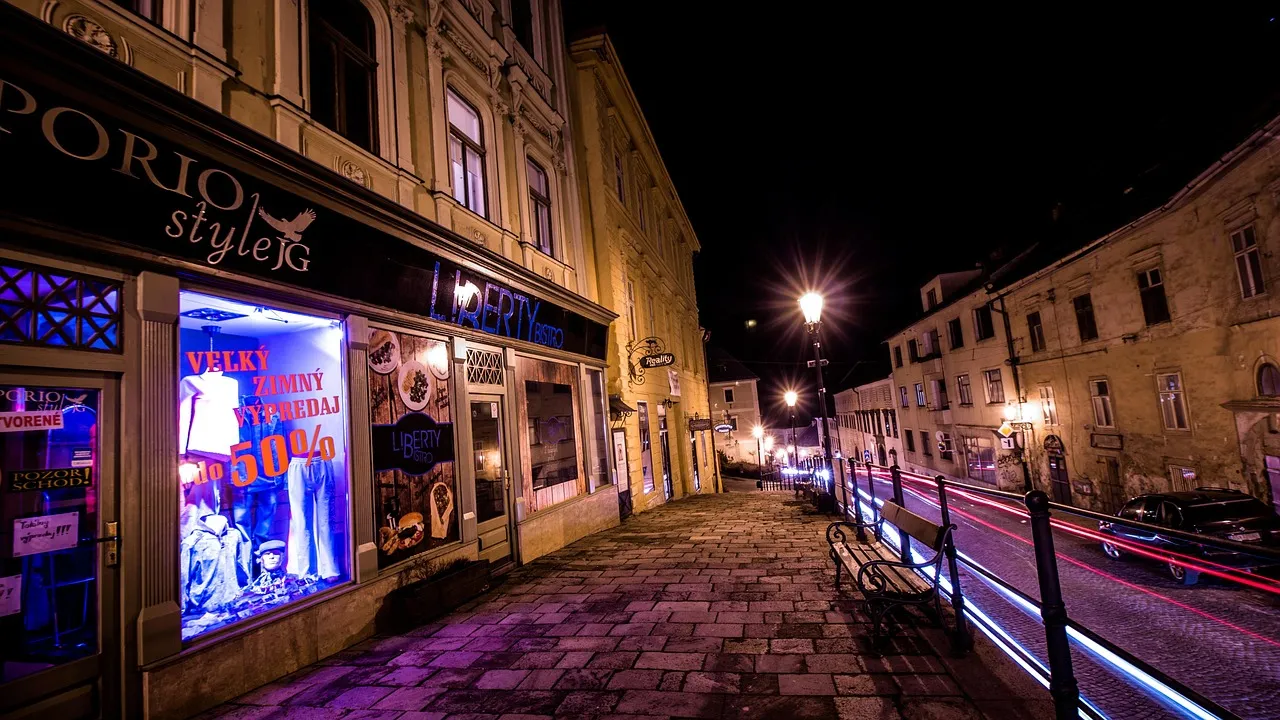
Situated along the Galena River in the rolling hills of northwest Illinois, Galena boasts a population of approximately 3,205 residents, and is renowned for its well-preserved 19th-century architecture and vibrant community. The town’s downtown is not a replica or a reconstruction. It’s the original.
Historic Main Street serves as the heart of Galena, featuring over 125 independently owned shops, restaurants, inns, and bed-and-breakfasts. This area is part of the Galena Historic District, which encompasses more than 1,000 buildings constructed before 1900, showcasing Federal and simple commercial styles.
That level of preservation doesn’t happen by accident. It requires sustained local investment, civic advocacy, and a shared belief that the physical fabric of the town is worth protecting. In Galena, that belief has held for well over a century, making it one of the most intact historic communities in the Midwest.
6. Mancos, Colorado – Ranchers, Artists, and a Shared Main Street
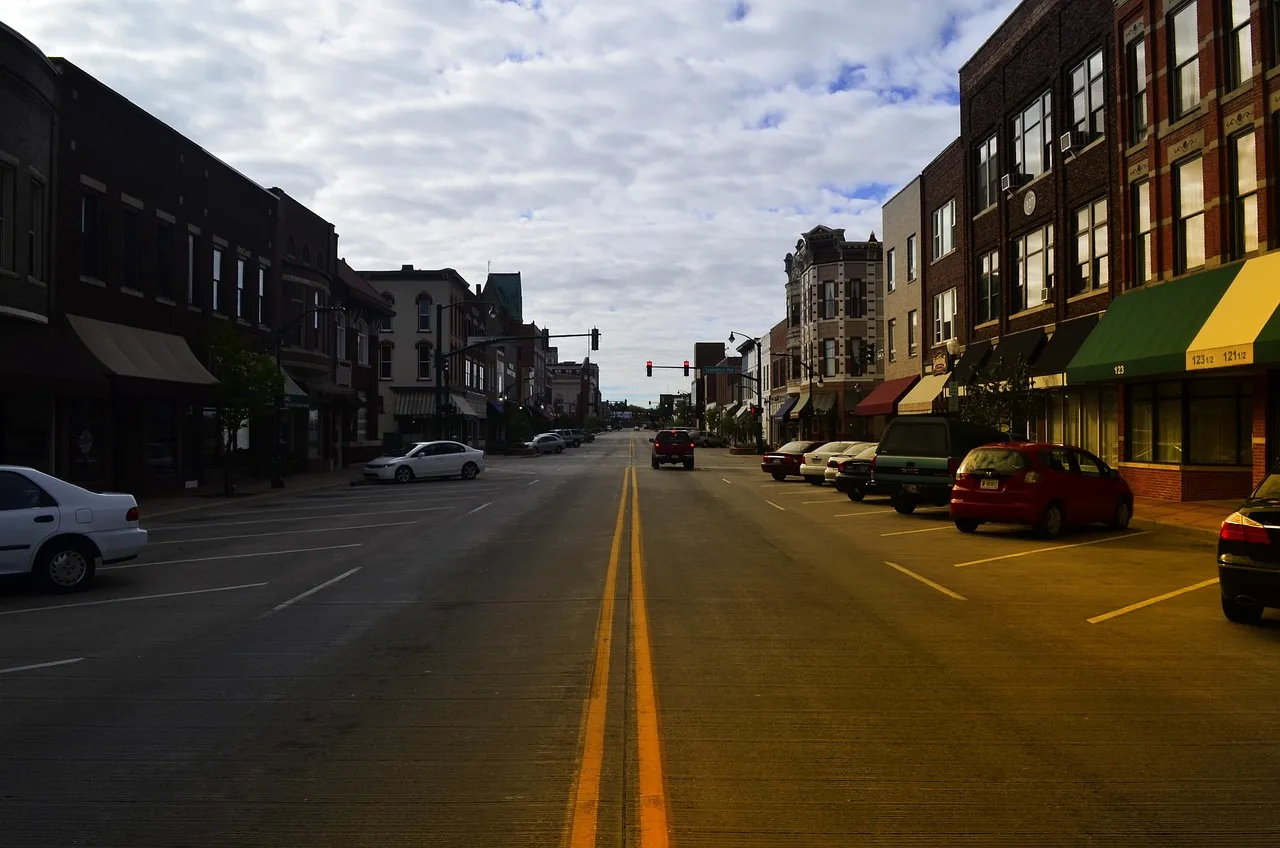
The spirit of the West is alive and well in Mancos, Colorado, where ranching is still a way of life. This community of about 1,600 sits just east of the entrance to Mesa Verde National Park, so it’s a great base for nature lovers and adventurers who like to ride horses, bike, and hike.
More than 150 artists and other creatives live in the area, and their galleries line historic Main Street in the creative district. That is a remarkable density of creative residents for a town of 1,600 people. The coexistence of ranching heritage and a contemporary arts scene gives Mancos a cultural texture that few towns its size can match.
What holds it together is a shared investment in place. Ranchers and artists are not natural allies in most contexts, but in Mancos, the scale of the town forces a kind of proximity that breeds mutual respect. The local character emerges from that unlikely overlap, and the community spirit follows from it naturally.
7. Soldotna, Alaska – Grassroots Advocacy in the Far North
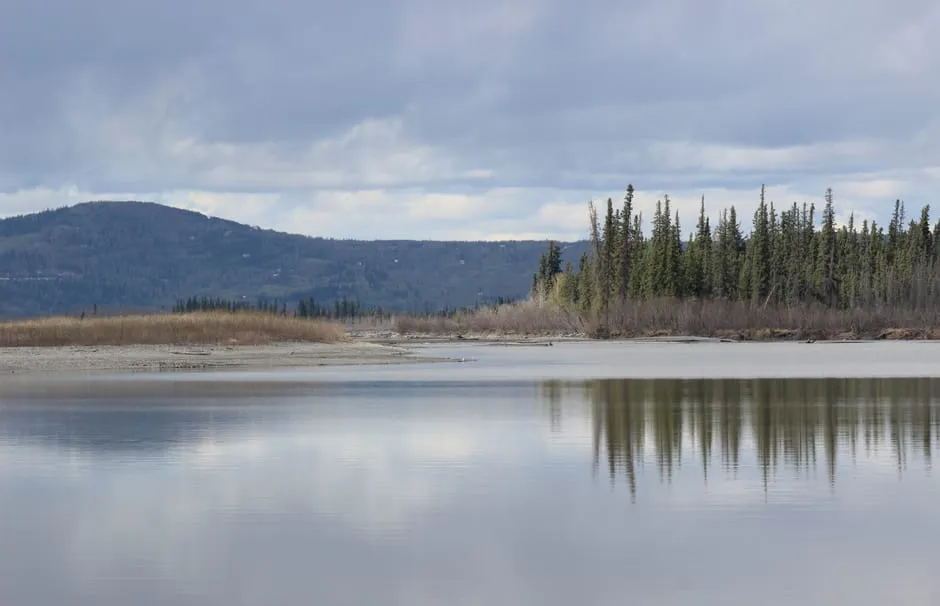
Few examples of community-driven civic action are as concrete as what happened in Soldotna, Alaska. The Soldotna Field House is the first year-round indoor recreation facility of its size on the central Kenai Peninsula, realized after decades of advocacy and led by passionate community champions. Funded through a voter-approved bond, Congressionally Directed Spending, and City funds, the facility reflects the power of grassroots support in small communities. Designed with community input, the 54,000-square-foot facility provides a safe, accessible space for recreation throughout the long Alaskan winters.
Decades of advocacy. That phrase is easy to skim past, but it represents something real: residents who kept showing up at meetings, kept making the case, and kept believing the town was worth investing in. The National League of Cities highlighted Soldotna in 2025 as an example of how small communities continue to lead through persistence and collaboration.
In a place where winters are long and isolation is real, shared public spaces carry more weight than they do in more temperate, more populated places. The Field House is both a building and a symbol of what a community can accomplish when it refuses to accept that small means less.
8. Ho-Ho-Kus, New Jersey – Where Everybody Actually Knows Your Name
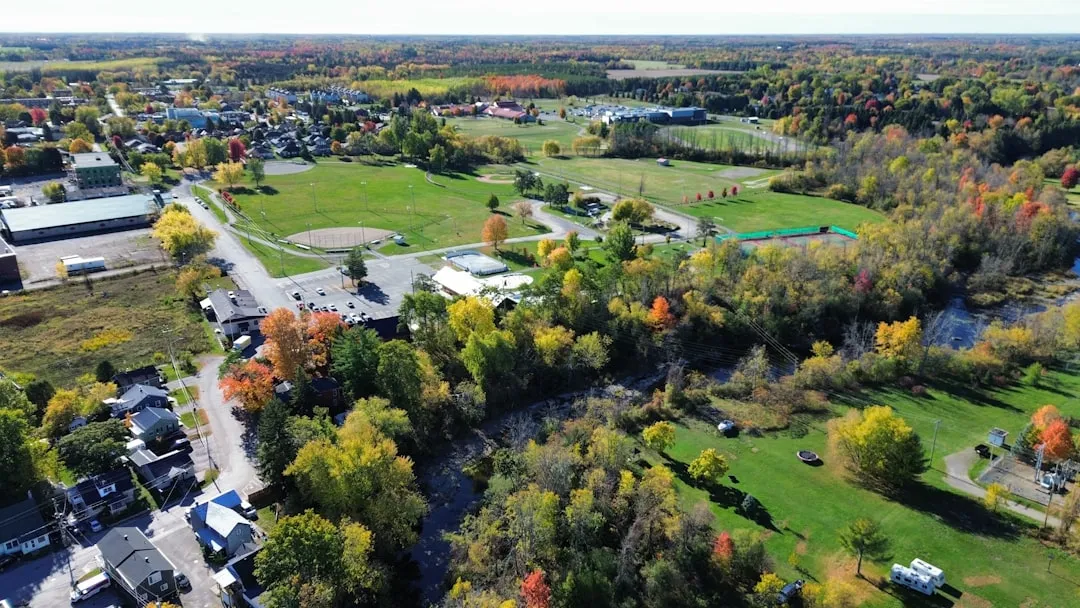
Ho-Ho-Kus, New Jersey, is the kind of small town where everyone knows everyone. As a result, residents’ social lives largely center around community events, which are often organized by the Contemporary Club. That structure gives the town a social architecture that many larger communities spend millions trying to recreate.
Many of these events, like the Halloween parade and the Taste of Ho-Ho-Kus, take place in the town’s quaint downtown district, which is packed with locally-owned shops and restaurants. These aren’t tourist events. They’re things residents do for each other, season after season.
The town is small enough that informal accountability keeps civic culture alive. When your neighbors are the ones running the event, the farmers’ market, or the parade, skipping it feels different than skipping something in a city where no one would notice. That social pressure, gentle as it is, turns out to be one of the most effective community-building mechanisms around.
What These Towns Actually Have in Common
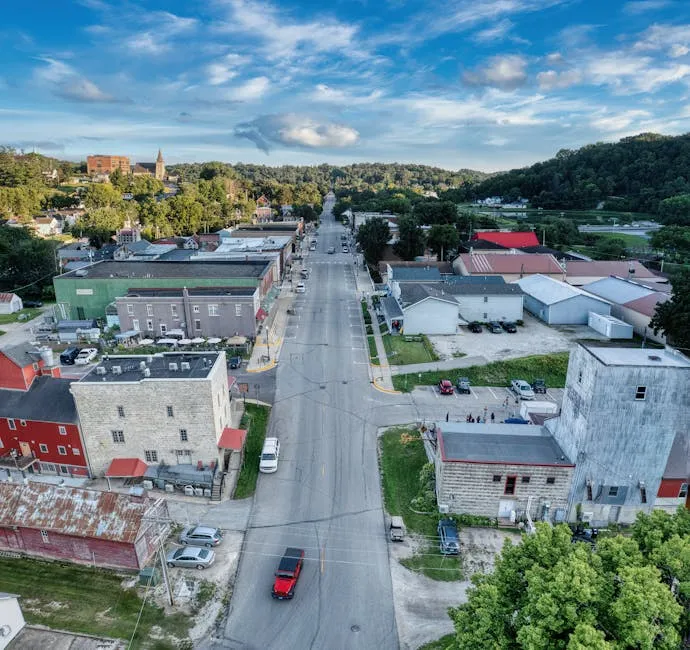
Size matters here, but not in the way people usually mean it. A small town is defined as a community with a population ranging from 2,500 to 50,000 people. This population filter identifies communities that retain a genuine sense of place, distinct from sprawling suburbs. Each town on this list sits comfortably within that range, and that scale is part of what makes collective action feel possible.
Community life in these places is organized around schools, local churches, and civic groups, and volunteerism is an important thread. Whether that means helping with a fundraising supper, coaching youth sports, or serving on the local festival committee, contributing time is a point of quiet pride. That’s not nostalgia. That’s a functioning social model.
Small towns can serve as incubators for big ideas, resilient solutions, and authentic community bonds, and those that continue to lead with heart, innovation, and collaboration prove that impact is not a function of size. The towns in this list didn’t luck into strong community spirit. They built it, protected it, and in some cases, rebuilt it from scratch. That’s worth paying attention to.
Why Community-Centered Towns Are Worth Watching in 2026
There is a growing body of interest in what makes small communities resilient, from urban planners to public health researchers. The towns profiled here offer something that data alone can’t fully capture: a lived model of how proximity, shared investment, and cultural continuity combine to make a place feel genuinely livable.
Remote work patterns have shifted migration trends noticeably over the past several years, and many of these towns have seen renewed interest from people leaving expensive metros. The question is whether the community spirit that defines these places can absorb new residents without diluting what made them worth moving to in the first place. The towns with the strongest civic frameworks, like Decorah and Independence, are arguably best positioned to manage that balance.
Community spirit is not a fixed resource. It’s something that needs active maintenance, like any other infrastructure. The towns that understand that tend to keep it. The ones that assume it will take care of itself usually find out otherwise.
AI Disclaimer: This article was created with the assistance of AI tools and reviewed by a human editor.