
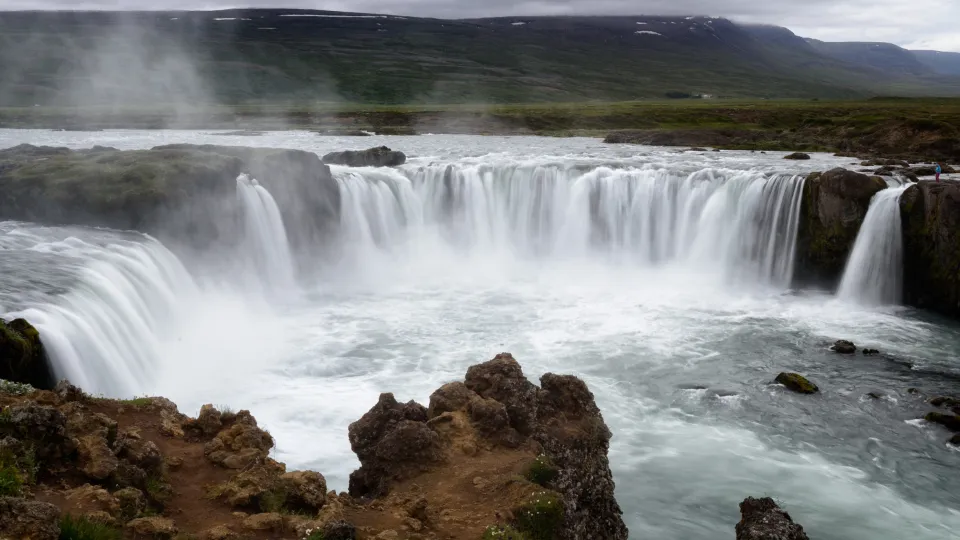

Most people who visit Iceland never make it to the Westfjords. They follow the well-worn circuit of the Golden Circle, dip into the Blue Lagoon, and leave the northwest corner untouched on the map. That’s not a criticism – it’s simply a fact about how travel tends to work. The easy path pulls the most traffic.
With only about ten percent of tourists venturing here, the Westfjords remain a sanctuary designed for authentic experiences rather than Instagram moments. For those willing to make the drive or catch a small domestic flight, what waits on the other side is a version of Iceland that feels genuinely unfiltered.
The Ancient Geology That Shaped It All
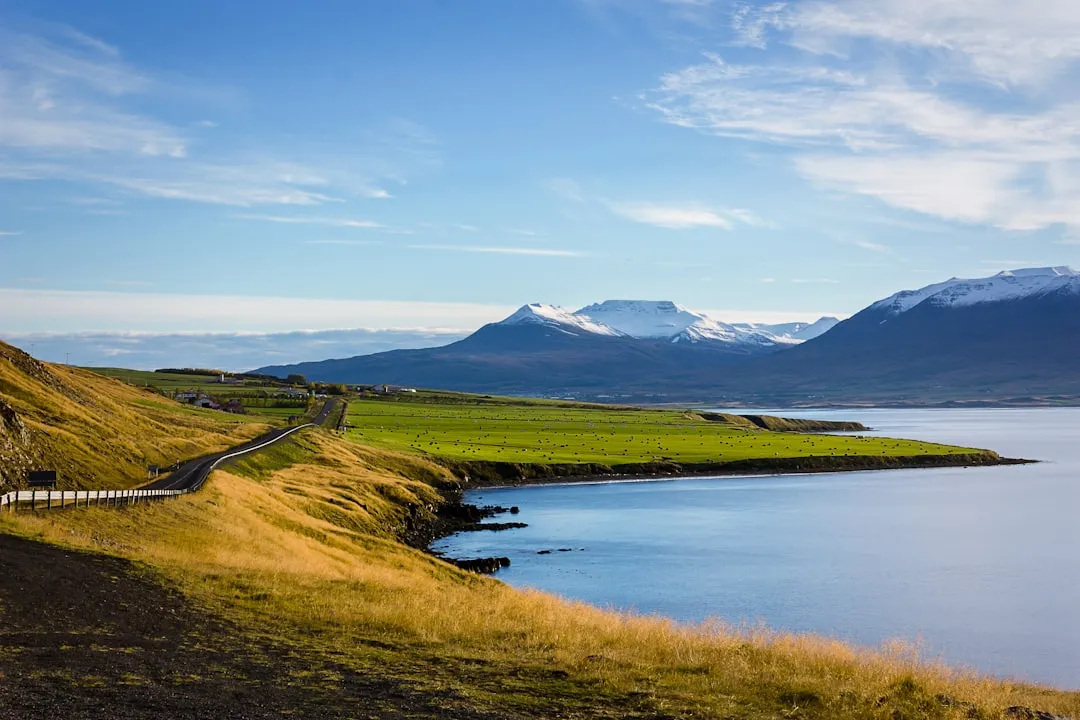
Sitting on the Denmark Strait, the Westfjords make up a third of Iceland’s coastline. The dramatic peninsula is carved out with long fjords and sharp cliffs that date back fourteen million years – making the rock formations of the Westfjords the oldest part of Iceland.
The distinctive landscapes shaped by glaciers, oceans, and rivers are truly awe-inspiring. Ice from the last glacial period sculpted the deep fjords and the flat-topped mountains that characterize the region’s unmistakable silhouette. Every valley here tells a slow, geological story.
The Westfjords is a large peninsula in northwestern Iceland and the least populous administrative region in the country. It lies on the Denmark Strait, facing the east coast of Greenland, and is connected to the rest of Iceland by a seven-kilometre-wide isthmus.
A Region at the Edge of Iceland – and Europe
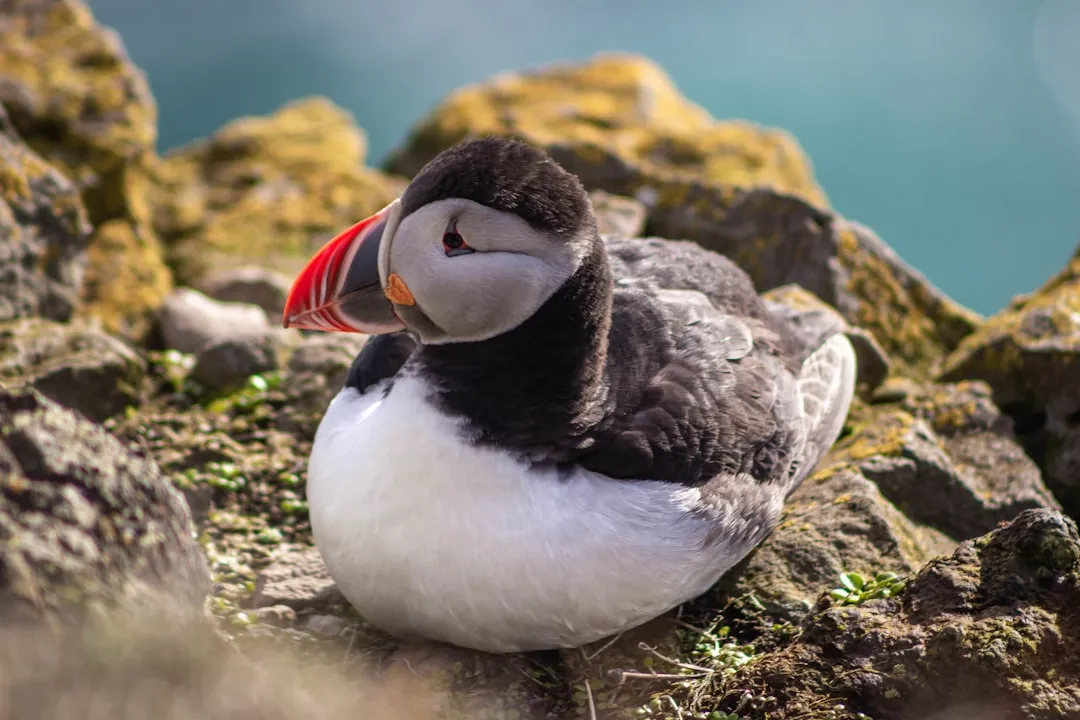
Látrabjarg stands as Europe’s largest bird cliff and Iceland’s westernmost point. During the summer months, it teems with life, hosting an array of nesting birds including the beloved puffins.
Látrabjarg includes a series of cliffs that go on for 14 kilometres. Standing at 440 metres high, they are a perfect habitat for bird colonies, as the height keeps nests clear of predators. In summer it is in fact one of the most crowded bird cliffs in the world, with over one million birds nesting every year.
Látrabjarg cliffs in the southwest of the peninsula are the most important seabird nesting site in Iceland, and one of the most important in Europe. Standing at the edge of these cliffs, with the Atlantic stretching out below and puffins perched close enough to photograph without a zoom lens, is the kind of experience that recalibrates your sense of scale.
Dynjandi: The Waterfall That Defines the Region
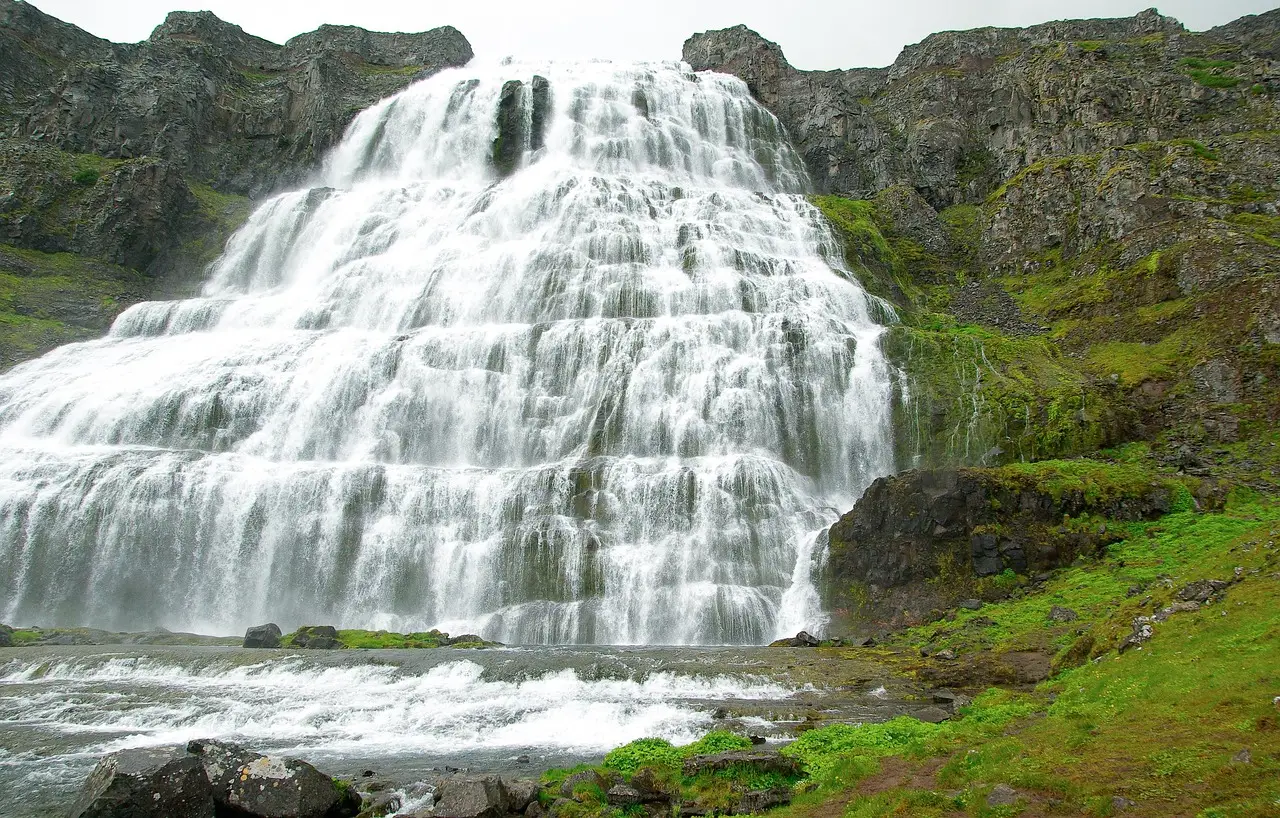
The waterfall and its surroundings were protected as a natural monument in 1981, as it is a unique natural gem. Dynjandi cascades down approximately 100 metres. The waterfall steps are formed due to the stratification of the rock into lava layers and looser intermediate layers – the lava layers create the steps, while the river has carved out the intermediate layers.
The amazing Dynjandi is exceptionally wide, ranging from 30 metres at the top to 60 metres at the bottom. There are six waterfalls in Dynjandi. At the top is Fjallfoss, followed by Hundafoss, Strokkur, Göngumannafoss, Hrísvaðsfoss, and Sjóarfoss.
Many people are aware of the mighty Gullfoss waterfall in Iceland’s southwest, but have never heard of the magnificent waterfall Dynjandi in the Westfjords. The black-sand beach Reynisfjara in South Iceland is famous, but its pink-sand relative Rauðasandur on the Westfjords is virtually unknown. These gaps in awareness are exactly what keep the Westfjords so unspoiled.
Rauðasandur: A Beach Unlike Any Other in Iceland
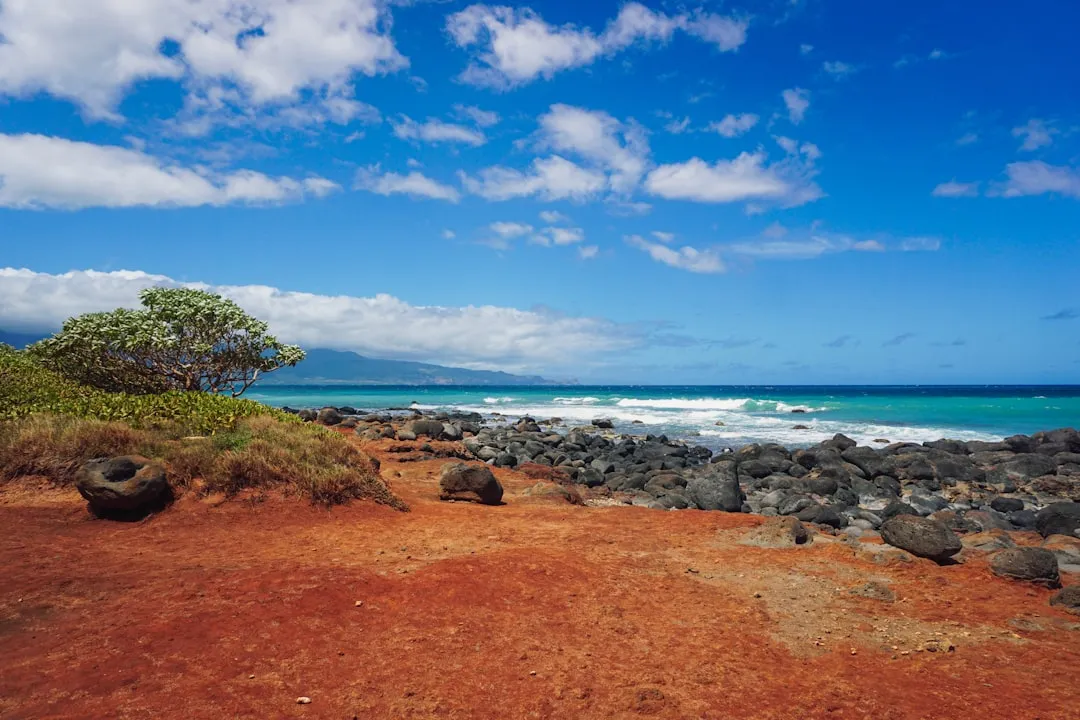
In the south of the Westfjords is Rauðisandur, a 10 km stretch of beach where the sand is strikingly red. The red sand contrasts with the cool blue of the ocean to create a stunning coastal setting that is home to many seabirds, as well as grey and harbour seals, which can often be spotted by lucky visitors.
The beach’s distinct color is made from pulverized scallop shells and can appear gold or pink depending on the light. That shifts the mood of the beach entirely depending on what time of day you arrive. At midday it reads gold; in evening light, it shifts toward deep rose.
Rauðasandur is famous not only for its golden sand but also for excellent conditions to watch seals. You can often spot representatives of the two most common seal species bobbing in the water or soaking up sun on the beach.
Hornstrandir: One of Europe’s Last True Wildernesses
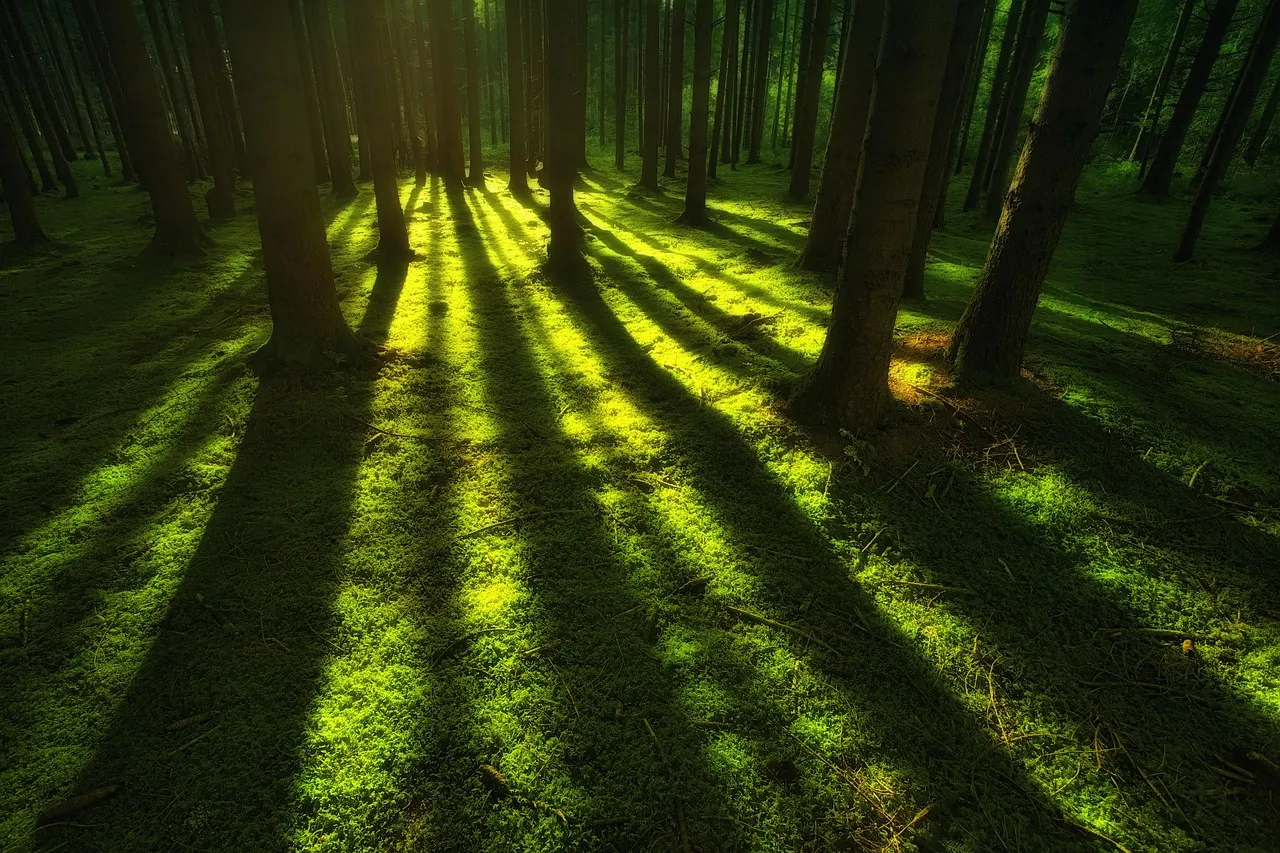
The Hornstrandir Nature Reserve is one of the great wildernesses of Europe. Two hundred and twenty square miles of steep cliffs and wild tundra are battered by crashing oceans. Occupying the northern tip of the Westfjords, it is a paradise for hikers seeking a remote stomping ground.
Since becoming a nature reserve in 1975, it has become a safe home for Arctic foxes and many seabirds. There are no towns or villages here, making it a peaceful place where nature can thrive without any human influence.
Hornstrandir Nature Reserve is one of the best places to experience peace, quiet, and silence in Iceland. There are no roads, towns, or permanent residents, and access is only possible by boat from Ísafjörður and Bolungarvík during the summer. A common entry route is the ferry from Ísafjörður to Hornvík, which serves as a main starting point for hikes into the reserve.
The Arctic Fox: Iceland’s Only Native Land Mammal
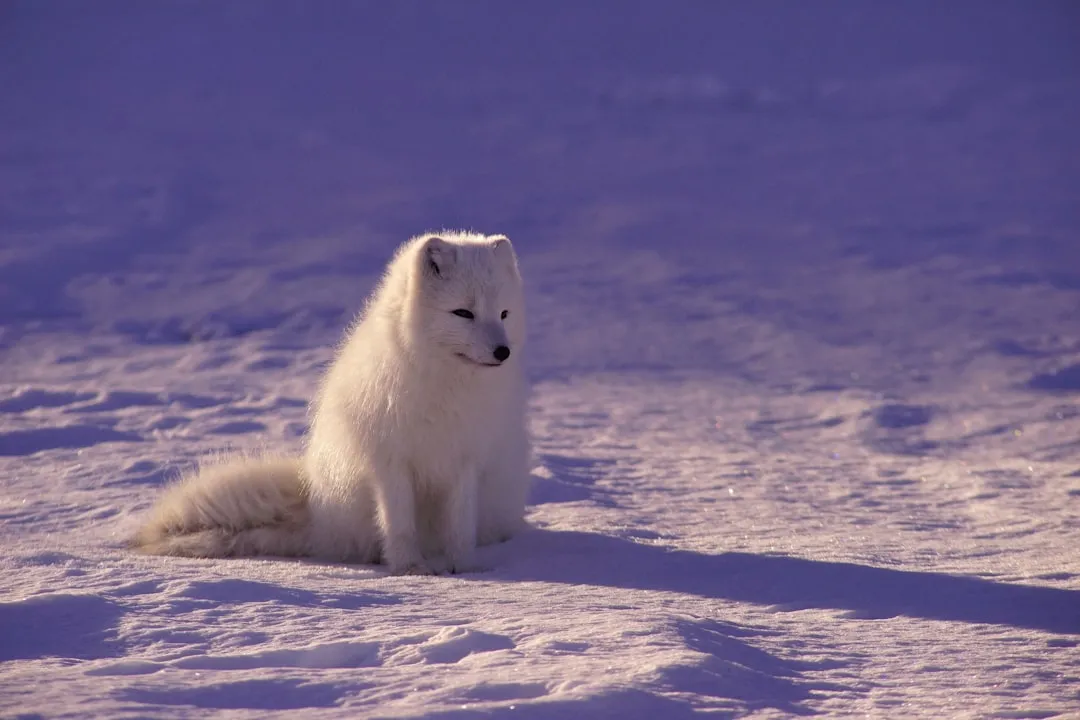
Iceland’s only native land mammal, the hardy Arctic fox, has been here long before human settlement and can be seen all over the Westfjords. A nature reserve since 1975, one of Hornstrandir’s leading draws is this elusive animal. This is the one place where hunting the fox is banned, thereby ensuring the safety and survival of the cubs.
The Westfjords are famous for their large Arctic fox population. The density of Arctic fox in some parts of Hornstrandir nature reserve – such as Hornvík – is the highest in the world.
For those with an academic frame of mind, the Arctic Fox Centre is a non-profit research and exhibition centre in Súðavík, focusing on the Arctic fox. It’s a worthwhile stop for anyone who wants to understand the animal’s biology and conservation status before heading into the field to spot one.
Birdlife: From Puffins to the Arctic Tern’s Epic Migration
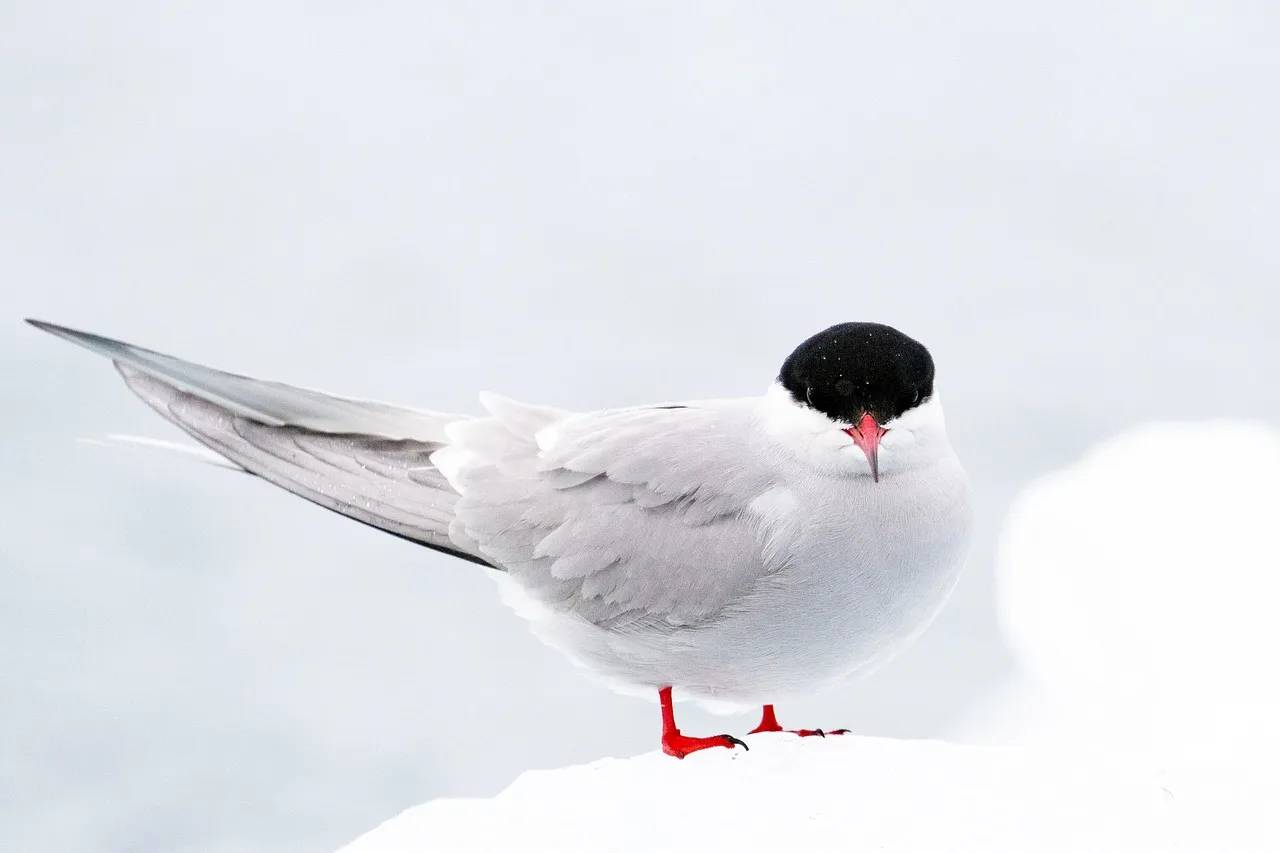
Puffins, eiders, guillemots, and arctic terns abound on Vigur, drawing many visitors. Puffins, often called the penguins of the north, nest in burrows that cover much of the island.
The Westfjords has the tallest bird cliffs in Iceland – Látrabjarg, Hornbjarg, and Hælavíkurbjarg, the latter two in the Hornstrandir Nature Reserve. From the puffin to the guillemot to the fulmar, here’s where you can find birds by the hundreds of thousands. Although the puffin is much loved by travelers, the arctic tern deserves a special mention – boasting the longest migration route, these little birds can travel 80,000 kilometres in a year, from the Arctic to the Antarctic and back.
The most common bird species of the Westfjords include the puffin, gyrfalcon, white-tailed eagle, snowy owl, grey plover, whimbrel, and redshank. For birdwatchers, the sheer diversity concentrated into this one peninsula is staggering.
Geothermal Hot Springs: A Quiet Reward After a Long Drive
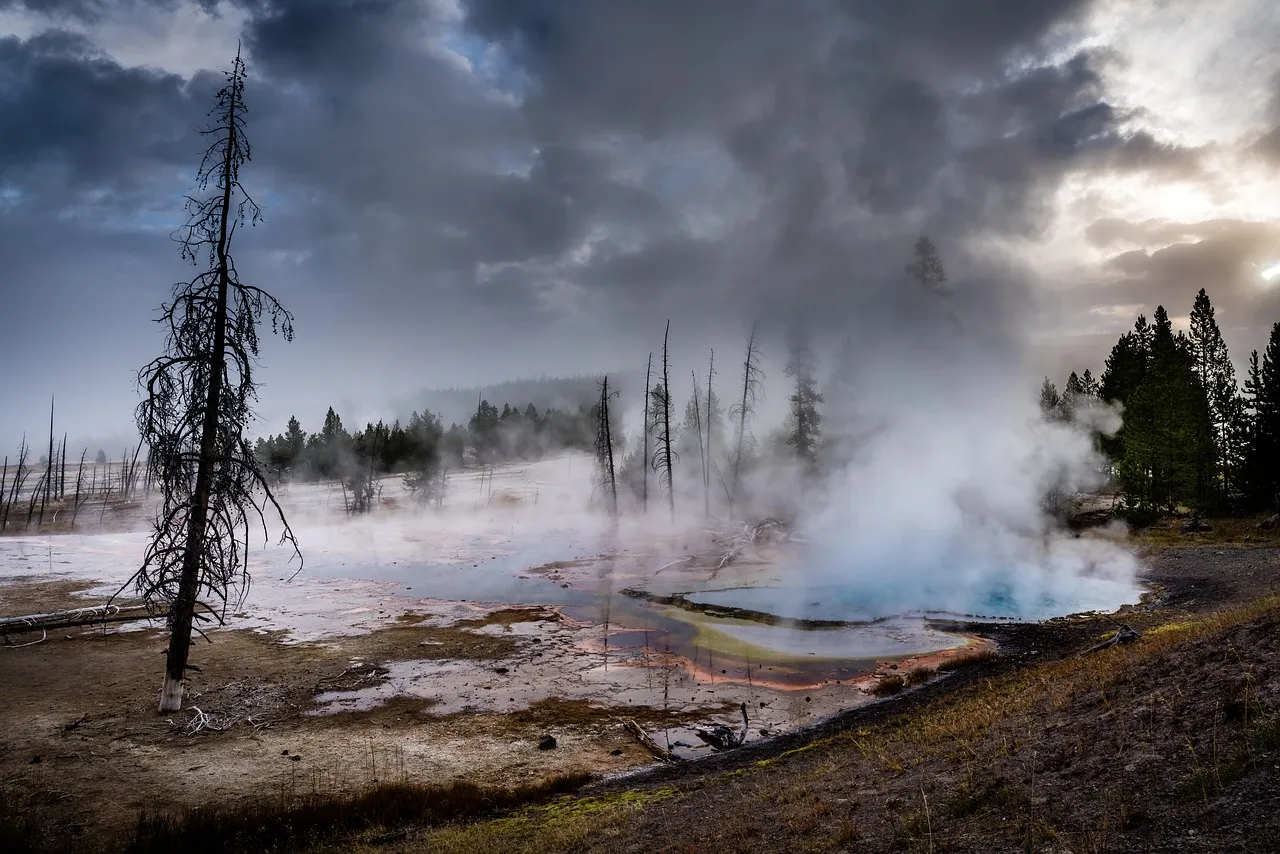
There are a host of wonderful hot springs situated in the southern end of the Westfjords. They are all slightly different and great in their own way. This is a remote part of Iceland and the hot springs feel more natural than in many other parts of the country.
Krossneslaug is a geothermal pool at Krossnes, Strandir, in the Westfjords – somewhat of an infinity pool with impeccable ocean views. Hellulaug sits right by the sea, hidden behind a car park with no signs or flashy entrances, just steaming water and ocean views.
These pools are not ticketed attractions with gift shops. They are just warm water cut into the landscape, open to anyone who arrives. That simplicity is part of what makes them memorable.
Ísafjörður: The Westfjords’ Quiet Capital
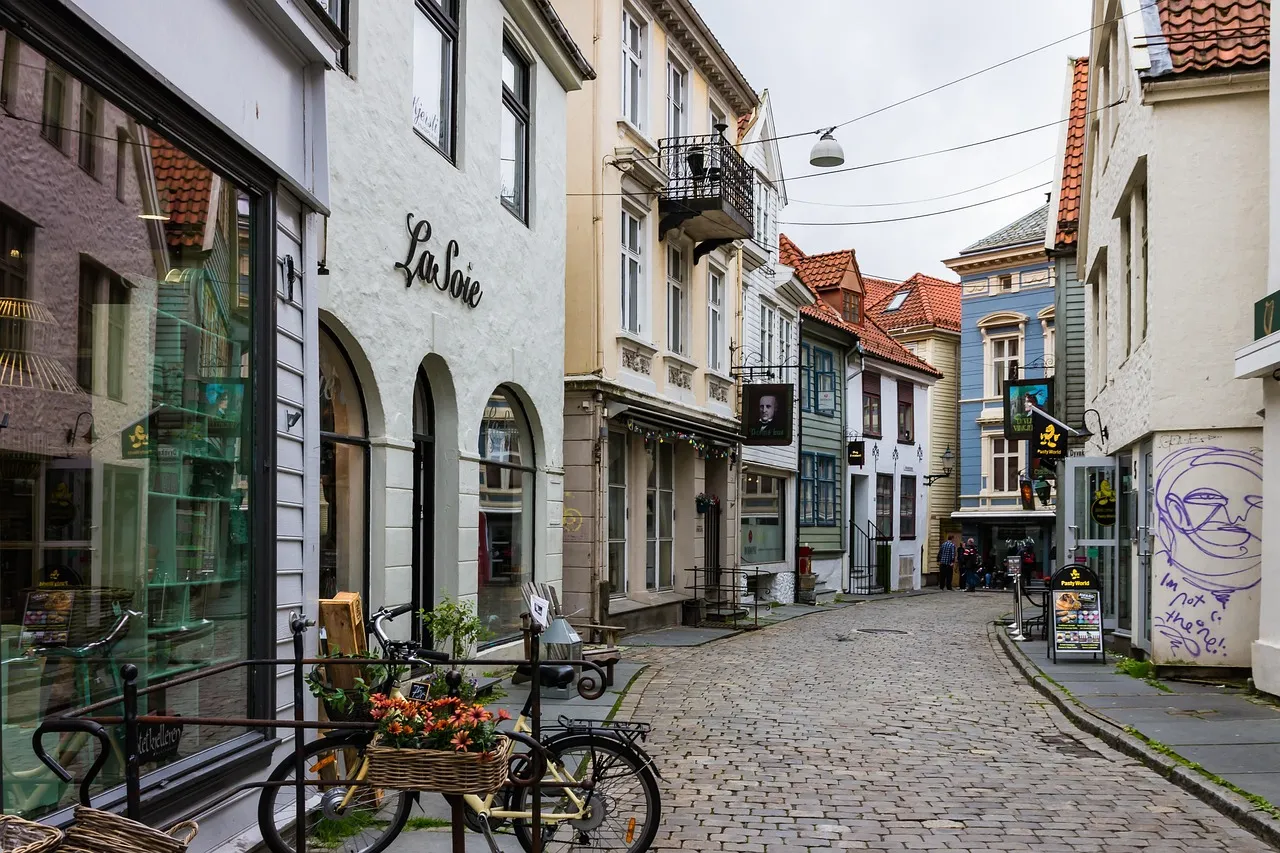
With a population of around 2,600, Ísafjörður is the largest settlement in the Westfjords and a natural hub for exploration. Most travelers base themselves here when exploring the region, not least because it’s the main jumping-off point for boat trips to the Hornstrandir peninsula. Ísafjörður is also the administrative center for the area and has a strong fishing industry that still shapes daily life.
Ísafjörður’s Old Town is the city’s crown jewel, featuring a well-preserved area of historic buildings that date back to the 18th century. These brightly colored buildings were once used as trading posts, homes, and warehouses, but now give travelers a glimpse into the town’s past.
Deep in the Westfjords, just 300 km from Greenland, the Skutulsfjörður fjord is home to the unsuspected town of Ísafjörður. Despite its polar climate and isolation, Ísafjörður has developed like no other town in the region, with a hospital, schools, and even a university attracting young people from around the world.
The Case for Visiting Now – and Visiting Responsibly
In 2024, international tourist numbers to Iceland reached 2.26 million, up by more than two percent from 2023. Remarkably, twenty-two percent of all tourists visiting Iceland during the summer opted for the Westfjords, with thirteen percent staying within the region. Those numbers suggest a region gaining real momentum.
The Westfjords and the North region stand out as the most popular destinations for visitors preparing for their return to Iceland, with sixty percent of survey respondents saying they want to revisit these two regions on their next visit. That’s a meaningful signal about what kind of experience people actually take home with them.
The Westfjords, a less-visited part of the country, is being actively promoted as a destination for travelers looking to avoid the crowds in more popular areas like Reykjavík and the Golden Circle. The region offers dramatic coastal mountains, fishing villages, and pristine landscapes, making it an ideal destination for those seeking an authentic Icelandic experience. To help maintain the beauty of this natural wonder, it is important to travel responsibly – which includes paying fees at natural sites and geothermal pools to ensure they can be properly maintained.
The Westfjords don’t ask much of a visitor. They ask only that you slow down, respect the silence, and pay attention. The landscape does the rest. What you get in return – an Arctic fox on a hillside, a waterfall with no crowd in front of it, a hot spring facing the open sea – is the kind of thing that stays with you long after the drive back south.
AI Disclaimer: This article was created with the assistance of AI tools and reviewed by a human editor.