
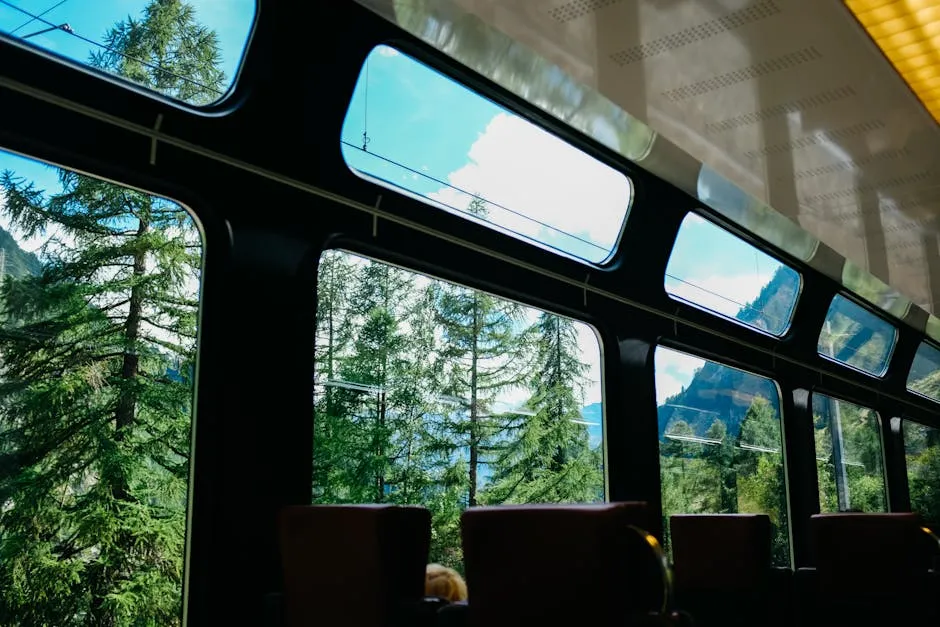

Something has quietly shifted in the way people think about getting from A to B. The race to the gate, the compressed itinerary, the five-city-in-four-days sprint – many travelers are stepping back from all of that. What’s replacing it is something older, and in many ways richer: the idea that the journey itself deserves full attention.
Slow travel ranked as the second most popular approach among travelers in 2024, defined simply as traveling without a rigid plan, and it continues gaining momentum according to 2025 trend reports from both Hilton and Booking.com. Train travel sits at the center of that shift. From 2019 through 2024, travelers’ cross-border spending on rail tours rose nearly three times faster than general cross-border tourism spending overall. The numbers suggest this isn’t a passing fad. These six journeys are proof of why.
Why Slow Travel and Trains Were Always Meant for Each Other
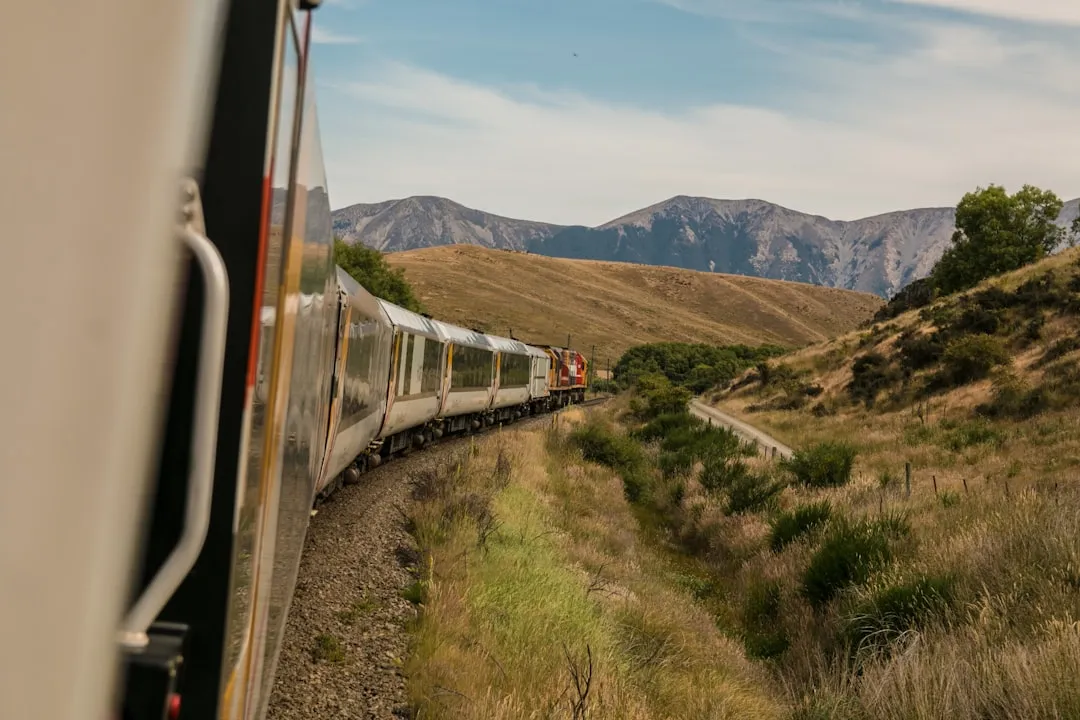
The rise of rail maps almost perfectly onto the slow travel mindset, where the journey itself becomes part of the experience rather than a delay before it begins. There’s no security queue, no middle seat, no altitude-induced numbness. You sit, you watch the world unspool outside the glass.
Slow travel is more about a mindset than a pace of movement. It’s exploring somewhere on a deeper level, making space mentally and physically for things to happen spontaneously – for example, taking time to walk in nature, cycle through the countryside, engage with the locals, or take a long-distance rail journey.
On a 200-mile trip, a flight would emit around 109 pounds of CO2 per passenger, while the same trip on a train would emit just 26 pounds. The environmental case is clear. The experiential case, if anything, is even stronger.
The California Zephyr, USA: Two Nights Across a Continent
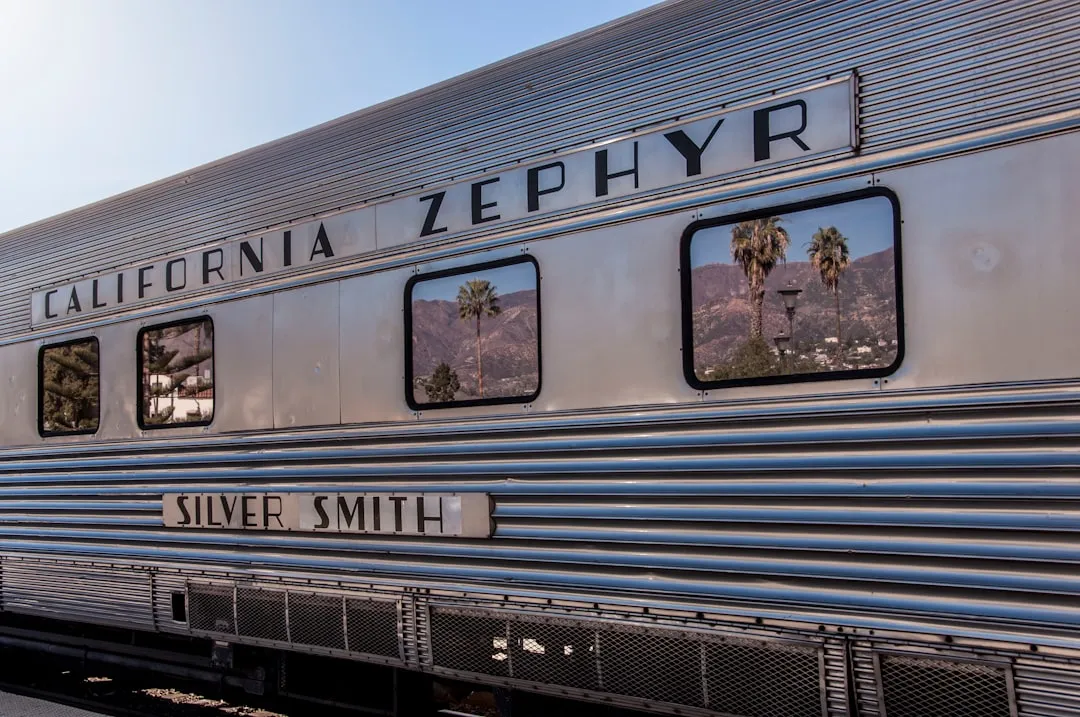
The California Zephyr is a long-distance passenger train operated by Amtrak between Chicago and the San Francisco Bay Area, covering 2,438 miles. Travel time between the two termini takes approximately 52 and a half hours. That’s two full nights on board, which sounds daunting until you realize how quickly the hours disappear.
Over approximately 52 hours, the scenery continually changes as the train travels through Midwestern towns, across the Great Plains, into the Rocky Mountains, through Utah’s red-rock country, and over the Sierra Nevada. The train carries a dedicated Sightseer Lounge with panoramic windows, purpose-built for exactly this kind of watching.
The route passes through more than 30 tunnels, including the 6.2-mile Moffat Tunnel beneath the Continental Divide. Amtrak had a record 33 million riders in fiscal year 2024 and plans to double ridership over the next 15 years. Demand for this route, in particular, has been consistently strong.
The Venice Simplon-Orient-Express, Europe: Art Deco Across the Continent
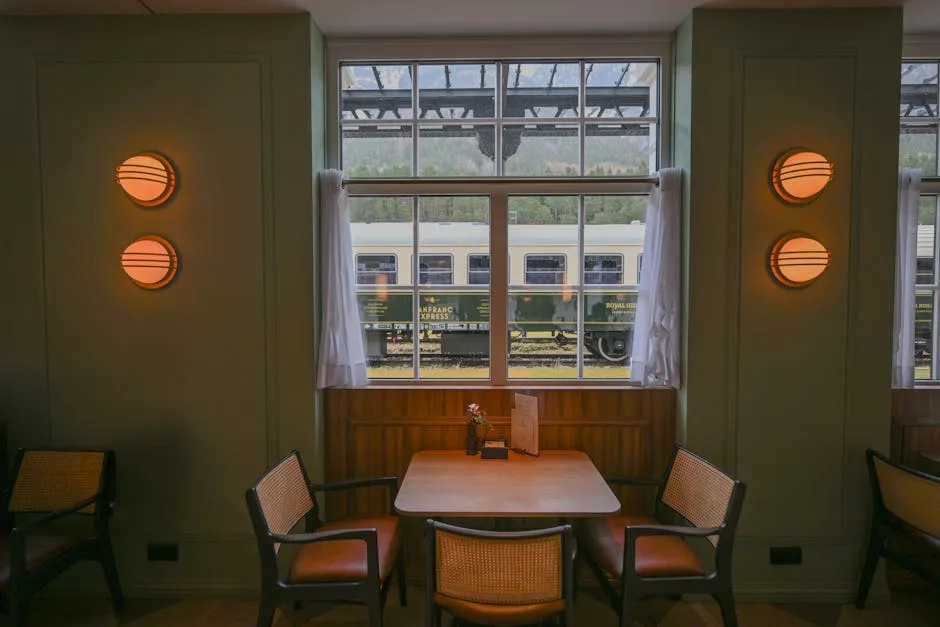
The train is composed of original 1920s and 30s Compagnie Internationale des Wagons-Lits carriages, painstakingly and lovingly restored to their original elegance and grandeur. Boarding it feels less like catching a train and more like stepping into a different era entirely.
A true Art Deco icon, the legendary Venice Simplon-Orient-Express offers one of the most celebrated and romantic journeys in the world, from Paris or London to Venice or Istanbul, crisscrossing Europe through sublime scenery to some of the old continent’s most alluring cities. The itinerary portfolio has also been expanding in recent years.
In 2024, a private carriage called L’Observatoire was completed, containing a bedroom for two with bathtub, a lounge, a library, and a bathroom, with interior design done by French artist JR. As of July 2024, the annual five-night Paris to Istanbul journey cost £35,000 for a solo traveler in the smallest cabin. It is unambiguously a luxury product – and consistently booked solid.
The Glacier Express, Switzerland: The World’s Most Scenic “Slow Express”
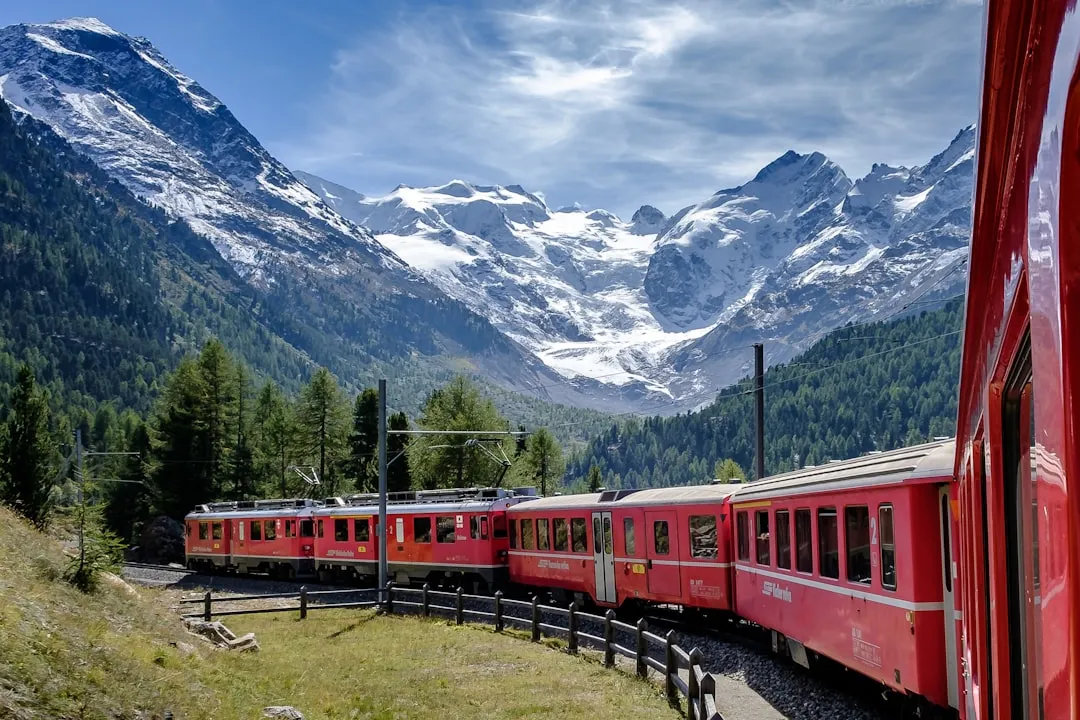
Often called the “slowest express train in the world,” the Glacier Express meanders through 91 tunnels, crosses 291 bridges, and passes sights like the Rhine Gorge, Oberalp Pass, and more in the Swiss Alps. The route runs between Zermatt and St. Moritz, two of the most recognizable names in Alpine travel.
The journey takes about 8 hours, and there is good reason for this slow pace: the train squeezes its way through untouched mountain landscapes, glamorous ski resorts, narrow valleys, tight curves, 91 tunnels, and across 291 bridges. Every window is essentially a moving painting.
Seats can sell out months ahead, especially in summer, so booking early for a coveted seat next to the floor-to-ceiling windows is strongly advised. The train’s new Excellence Class sets standards as high as the mountain peaks along the route, with a concierge attending to guests with culinary delights and information about nature, culture, and the people along the journey.
The Darjeeling Himalayan Railway, India: Steam, Tea, and Altitude
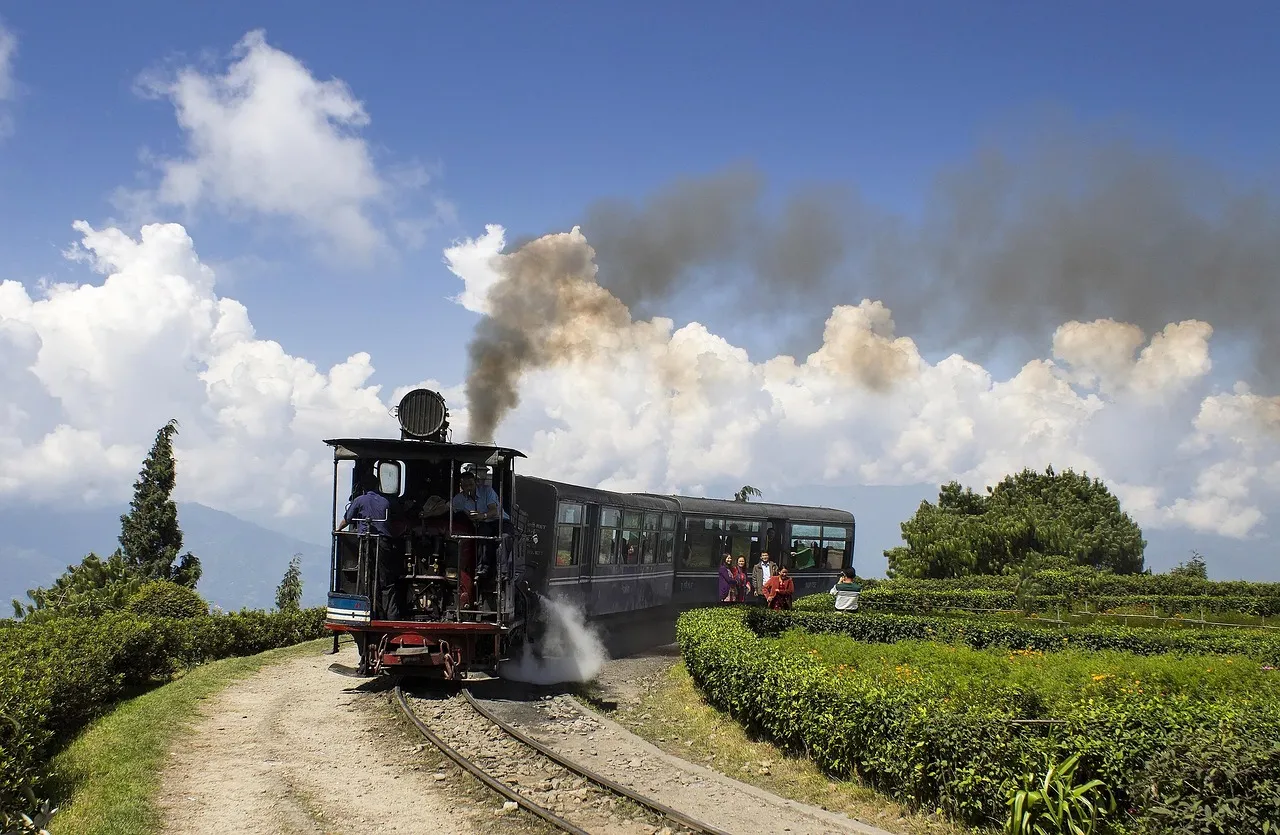
India’s narrow-gauge steam railways are the stuff of legend, and the bright blue Darjeeling Toy Train is the nation’s lead engine. The route climbs from New Jalpaiguri on the Bengal plains all the way up to Darjeeling, covering 55 miles in around seven to eight hours.
The ride passes emerald green tea estates and precariously balanced, tin-roofed townships, while clouds tumble down the looming massif of Mt. Khangchendzonga. There is very little else in the world that looks quite like this.
The slow-going locomotive allows plenty of opportunities to photograph the cinematic backdrop while traversing some 30 bridges and chugging through 14 tunnels. Aside from the captivating scenery, the journey provides a fascinating glimpse into the past as it trundles through tiny stations dating back to the late 1800s. The route holds UNESCO World Heritage status, a recognition it has carried since 1999.
The Ghan, Australia: Three Days Through the Red Center
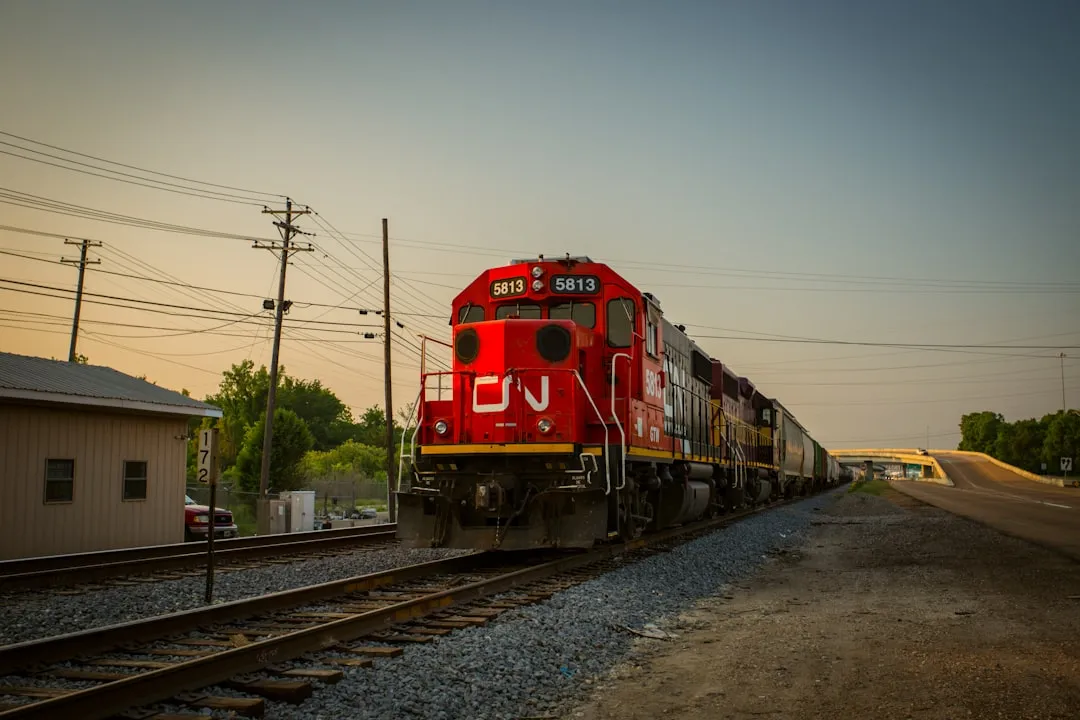
Run by Great Southern Rail, the Ghan takes two nights and three days to complete the journey from Adelaide in South Australia to Darwin in the Northern Territory, covering 1,851 miles through the center of Australia and the vastness of the Outback. It is one of the longest and most remote passenger rail journeys on earth.
The train passes through Alice Springs, cuts across spinifex plains, and crosses the kinds of distances that make the sheer scale of Australia tangible in a way no map quite manages. Off-train excursions at key stops let passengers step directly into the landscape rather than simply observe it from the window.
The Ghan is among the iconic journeys that have steadily climbed onto more and more people’s bucket lists alongside routes like South Africa’s Rovos Rail and Canada’s Rocky Mountaineer. Railbookers described 2024 as “record-breaking” for sales, which were up 30% year over year, with luxury journeys in particular seeing a 43% increase compared to 2023.
The Bernina Express, Switzerland and Italy: A UNESCO Line Through the Alps
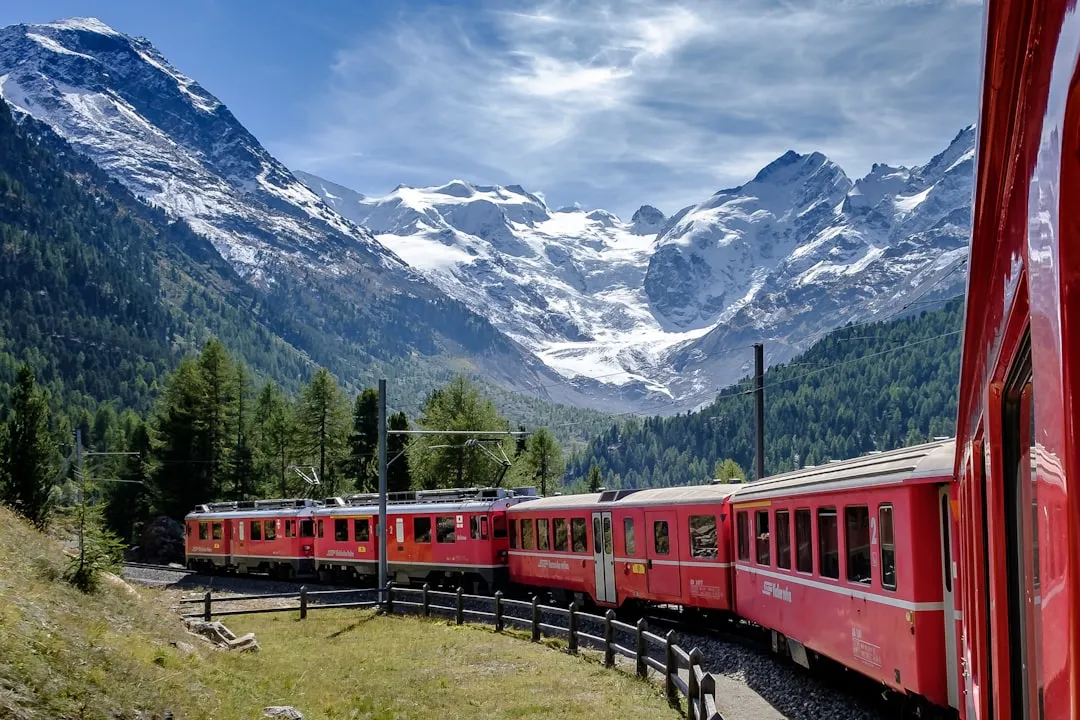
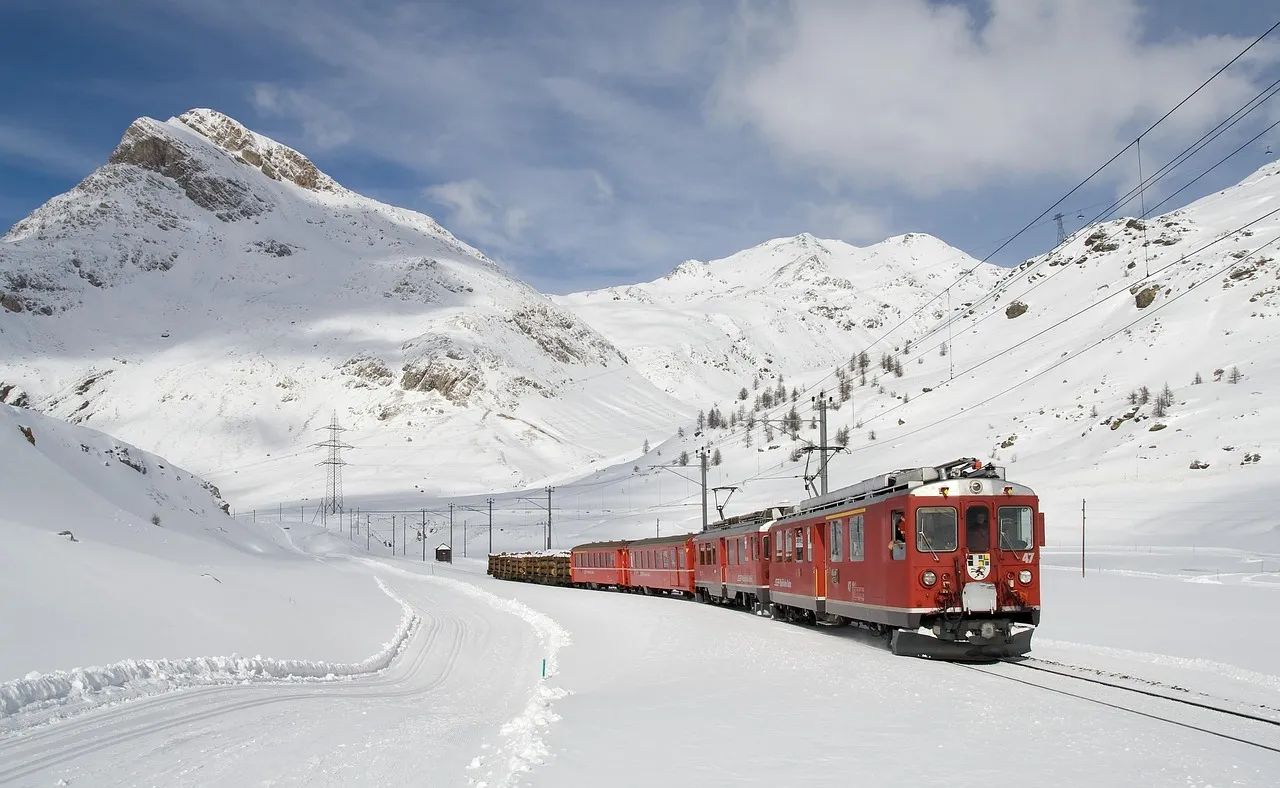
Rolling from Chur in Graubünden to Tirano in northern Italy, this narrow-gauge train regularly tops polls of the world’s most beautiful rail journeys, and the line has even been named a UNESCO World Heritage Site. The route is shared with the Rhaetian Railway, a network that has operated in this region since the late 19th century.
The journey takes in glacier-capped mountains, waterfall-draped ravines, jewel-colored lakes, and endless spruce forests glimpsed through panoramic windows. The slow-going locomotive allows plenty of opportunities to photograph the cinematic backdrop while traversing canyons and jagged mountain peaks.
Rather than high-speed rail, which prioritizes efficiently connecting destinations, this new wave of excursion trains travels at around 80 kilometers an hour – roughly 50 miles per hour. The Bernina Express embodies that philosophy fully. Speed was never the point. The point was always the view.
The Environmental Case for Choosing Rail
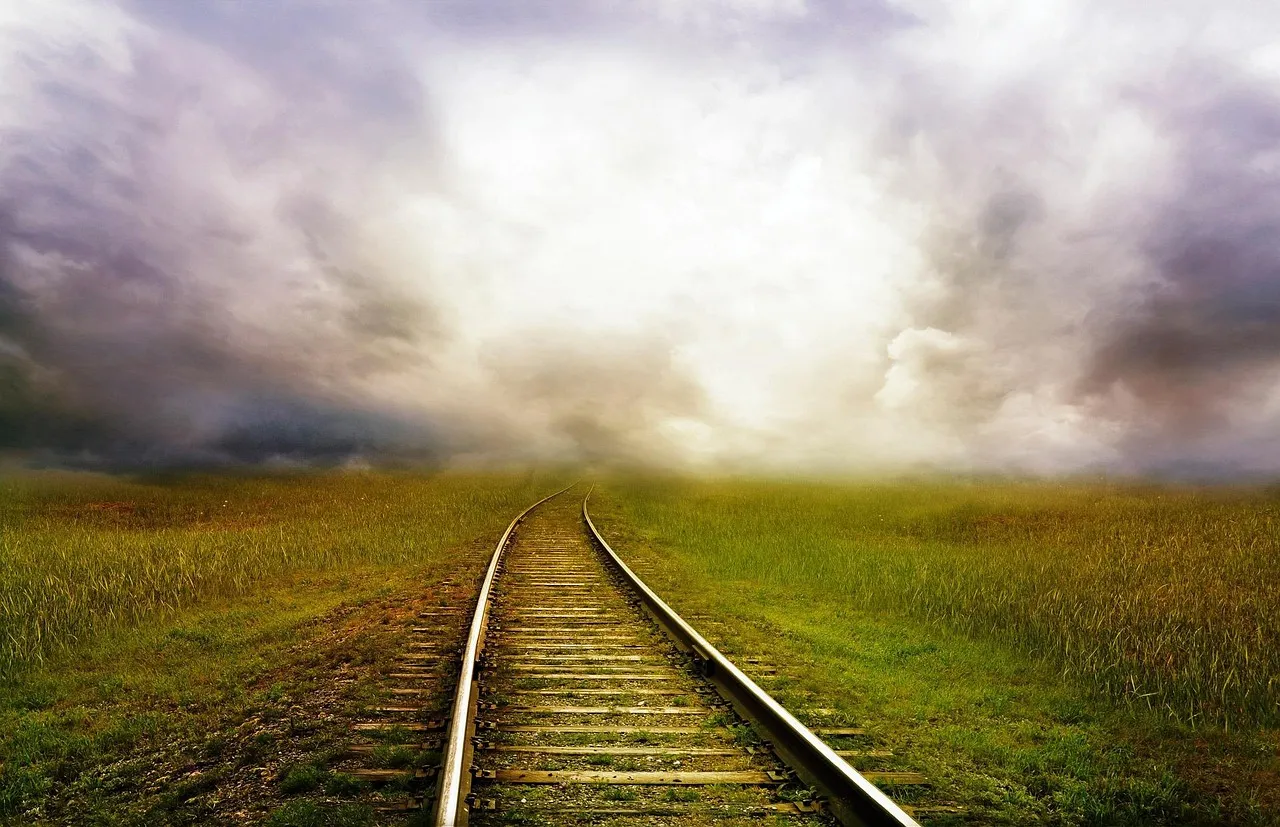
One key benefit of slow tourism is its positive environmental impact. By choosing slower transportation methods such as trains instead of planes and extending stays in each destination, travelers considerably lower their carbon footprint. The math is not even close on most routes.
Slow tourism also develops cultural appreciation and insight, motivating tourists to delve into the subtleties of local life, while benefiting local economies by channeling tourist expenditure toward smaller enterprises and mitigating the negative effects associated with overcrowded tourism.
Gen Z are the most likely demographic making the switch to flight-free travel – roughly one in four 18 to 24-year-olds say they have taken a train, ferry, or coach for the first time, or plan to do so. The shift in attitudes spans generations, but it is picking up speed among younger travelers especially.
The Numbers Behind the Rail Renaissance
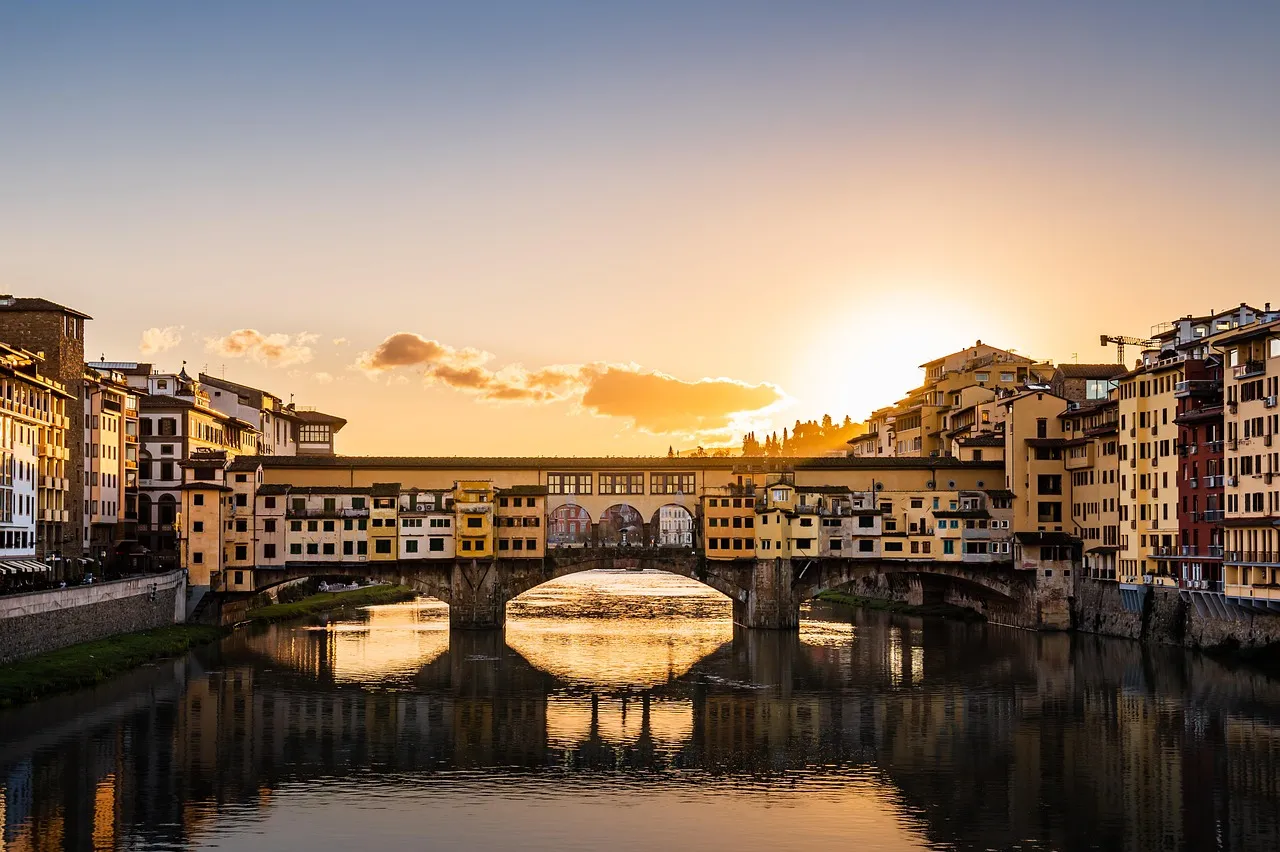
Railbookers reported a record year in 2024 with 30% growth in revenue, and over the past year alone there has been a wave of new investments in train trips from suppliers like Belmond and adventure tour operator Intrepid, along with a resurgence in night trains across Europe.
The success of rail journeys tracks with a rise in affluent, older travelers seeking both comfort and convenience to explore the world. Not only are these travelers a more diverse, affluent set, but they also have an outsized impact on the local communities they visit.
Emerging travel trends in 2024 included slow travel, multi-generational family trips, and microcations – short getaways lasting three to four days. Rail sits comfortably at the intersection of all three. Whether you want a weekend trip on the Bernina Express or a two-week odyssey, there’s a route scaled for it.
What These Six Journeys Actually Have in Common
Strip away the geography and the differences in luxury level, and something consistent runs through all six of these routes: they were designed for people who want to arrive knowing something they didn’t know when they left. Not just a destination ticked off a list, but a real sense of where they’ve been.
As demand for luxury, slow travel, sustainability, and longer trips continues to grow among travelers, train journeys can easily provide a memorable portion of a traveler’s journey, or serve as the main event entirely. That last part matters. These aren’t connector routes. They are the trip.
There is a quiet argument being made every time someone chooses the Zephyr over a flight, or boards the Glacier Express knowing they won’t arrive anywhere faster than walking pace. The argument is simply this: some things are worth taking your time with. A continent, a mountain range, a passing tea estate in the Himalayas – these aren’t things you rush through. You watch them go by, slowly, the way they were always meant to be seen.
AI Disclaimer: This article was created with the assistance of AI tools and reviewed by a human editor.