

Monterrey sits in a valley framed by the Sierra Madre mountains, its skyline dominated by the distinctive Cerro de la Silla peak. The city has long served as Mexico’s industrial and financial engine, yet it remains less familiar to many international visitors than the capital or Guadalajara. As the 2026 tournament approaches, this northern hub offers a distinct contrast to more established tourist routes.
The Stadium That Frames the Mountains
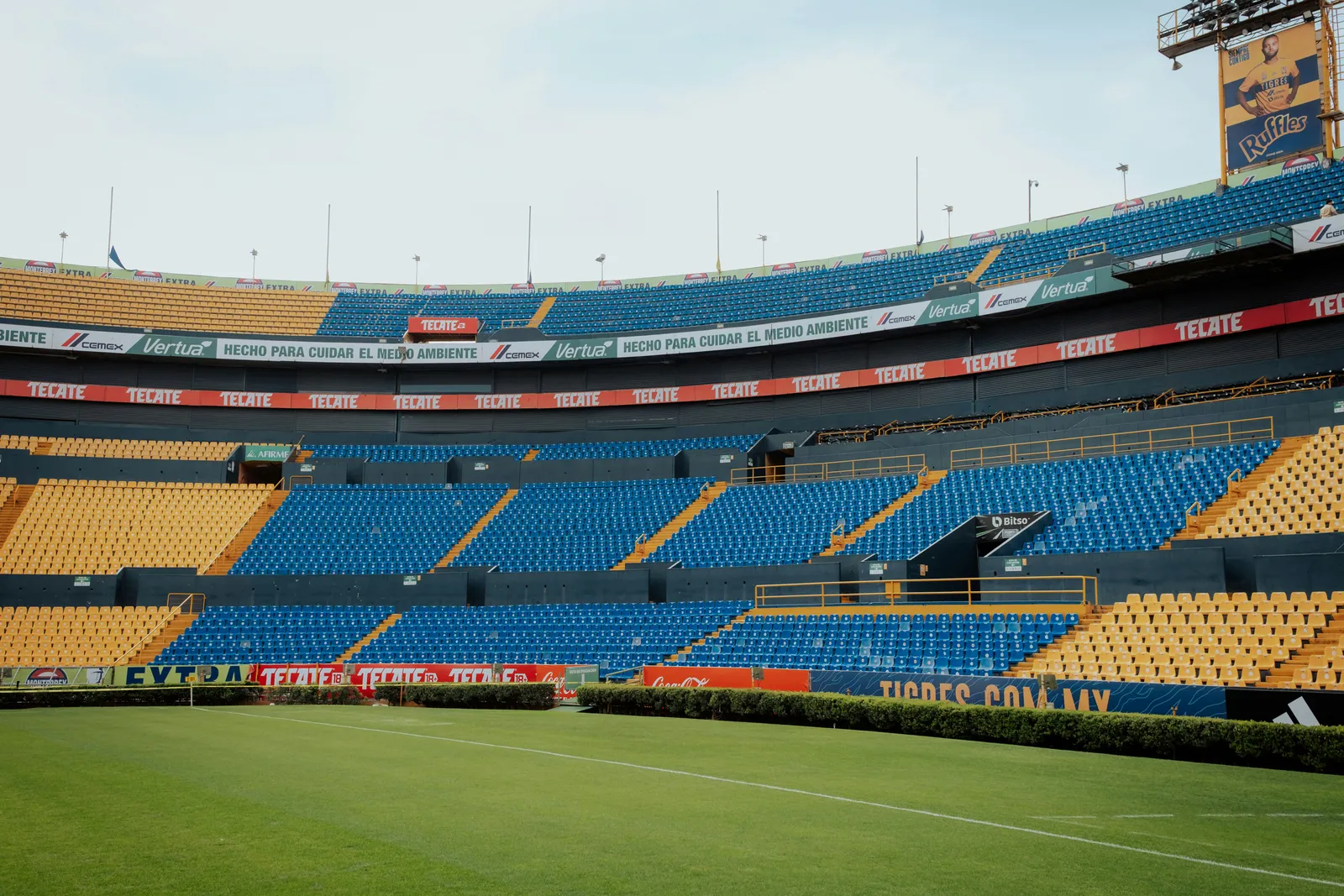
Estadio BBVA rises in the Guadalupe municipality with the Sierra Madre forming a striking natural backdrop at one end. Opened in 2015, the venue holds 53,500 spectators and earned a reputation for modern design and intense match atmospheres through its role as home to Club de Fútbol Monterrey. FIFA will refer to it as Estadio Monterrey during the tournament to maintain neutrality. The open-air mountain-facing section creates a visual signature few other World Cup venues can match. Evening matches benefit from this setting as daylight fades behind the peaks. Four games are scheduled here, including group-stage contests and a Round of 32 fixture, with most kickoffs timed for the cooler evening hours.
Practical Realities for June Visitors
Daytime temperatures in June often climb above 100°F, with lows remaining warm overnight. Visitors quickly learn to schedule outdoor plans for early morning or after sunset while relying on air-conditioned spaces during peak heat. Hydration and sun protection become essential routines rather than optional extras. Transportation favors ride-hailing services over street taxis for reliability and safety. The local metro reaches key points but covers limited ground, making it most useful for specific routes such as the short walk from Exposición station to the stadium. Driving on match days brings parking and traffic challenges best avoided.
Food, Nightlife, and Local Rituals
Carne asada defines social life here, with grilled beef served alongside fresh tortillas, guacamole, and salsa at neighborhood asaderos. The tradition extends to cabrito, slow-roasted goat that appears on many local tables. Establishments range from longstanding downtown spots to modern venues in San Pedro Garza García that pair premium cuts with extensive wine lists. Barrio Antiguo supplies the evening energy through cobblestone streets lined with bars and live-music venues that stay open late. Fundidora Park, a converted steel mill turned urban green space, will host the official FIFA Fan Festival with screenings, concerts, and programming. The international business community adds layers of Japanese, Korean, and European influences to the fan mix, particularly around matches involving teams from those regions. Nearby escapes include La Huasteca Canyon, reachable in roughly 30 minutes, where dramatic limestone walls and climbing routes draw outdoor enthusiasts. Chipinque Ecological Park and hikes on Cerro de la Silla provide additional options for those seeking mountain views without leaving the metro area.
Who Finds the Strongest Fit
Fans who value mountain scenery close to the action, meat-centric cuisine, and easier road access from Texas cities often gravitate toward Monterrey. The city sits roughly 145 miles from Laredo and about four hours from San Antonio by car, positioning it as the most convenient Mexican host for many American supporters. Its industrial character and thinner tourist infrastructure reward those willing to explore beyond polished districts. A short stay in San Pedro Garza García suits travelers prioritizing comfort and English-speaking services, while Centro and Barrio Antiguo deliver closer contact with historic plazas, museums, and nightlife. The contrast between these areas reveals different sides of the same city.
Key points for planning: Prioritize evening stadium visits, accept local barbecue invitations when offered, carry basic Spanish phrases, and allocate time for at least one mountain day trip. The effort reveals a self-assured city that opens up with patience.
Monterrey does not present itself as an effortless destination. Its heat, traffic, and limited English outside upscale zones test visitors in familiar ways. What it returns is an authentic northern Mexican experience shaped by industry, mountains, and a fierce local football culture that few other tournament stops replicate. Those who make the trip often leave with a sharper sense of the country beyond its better-known gateways.
AI Disclaimer: This article was created with the assistance of AI tools and reviewed by a human editor.