
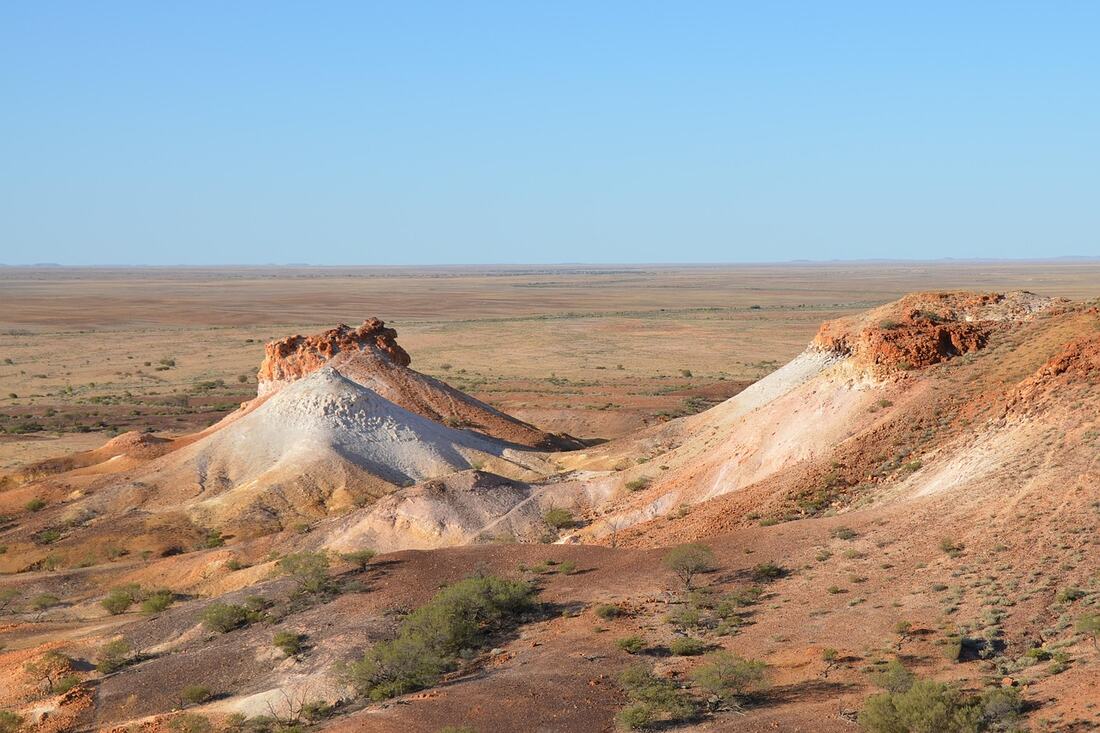

The world of eco-tourism is shifting. Travelers in 2026 are increasingly looking past the glossy brochures and choosing experiences that leave something behind beyond a memory. A broad shift in traveler behavior is driving a new model of tourism that places greater emphasis on environmental responsibility, social contribution, and long-term destination stewardship, with sustainability becoming a core criterion in travel decision-making rather than an optional add-on.
What’s quietly remarkable is how much of this change is being driven not by massive institutions or government programs, but by targeted, community-rooted projects working at a local level. These four examples stand out this year for doing exactly that.
Project 1: The Coral Restoration Foundation, Florida Keys, USA
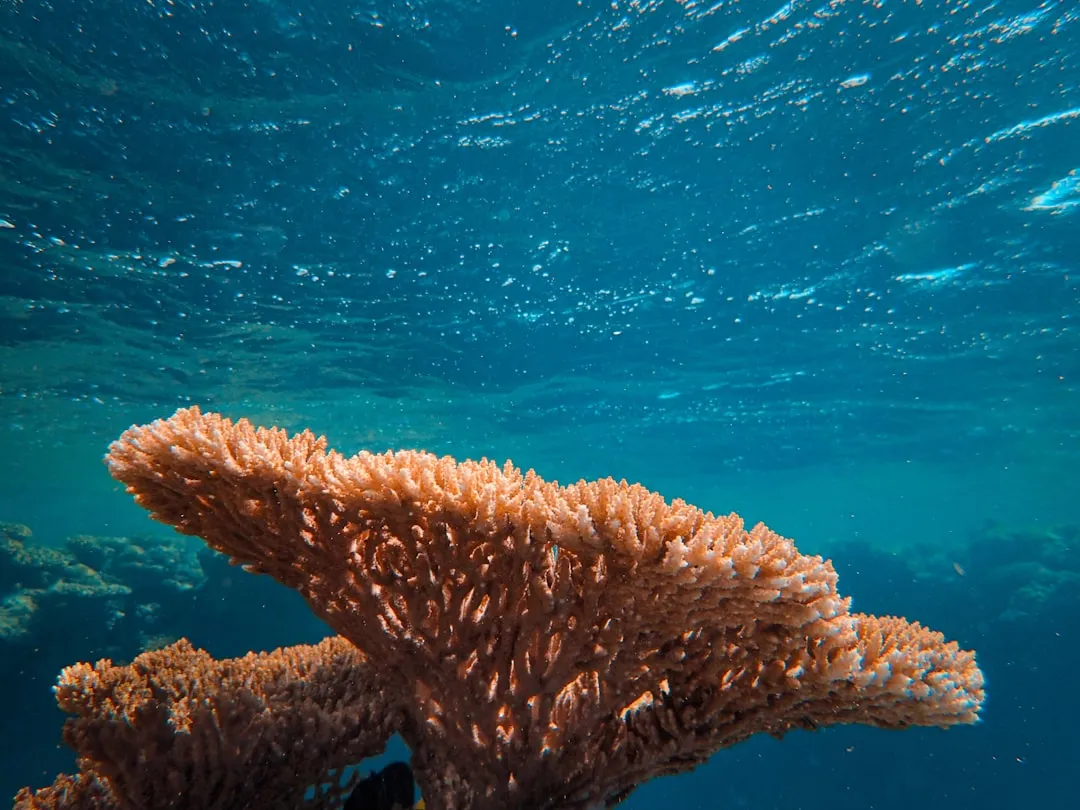
Few places illustrate the urgency and ingenuity of small-scale conservation quite like the Florida Keys. Nearly 90 percent of the live corals that once dominated these reefs have been lost over the last four decades, a staggering collapse that has quietly reshaped the underwater world beneath one of America’s most visited coastlines.
The Coral Restoration Foundation (CRF) sits at the center of the recovery effort. By restoring degraded reefs within the Florida Keys National Marine Sanctuary, NOAA and its partners help support almost 20,000 local jobs tied to tourism, fishing, and ocean recreation, with those activities generating more than $2 billion for the region each year. That is not a side benefit of the conservation work. That is the point.
In 2024, the CRF’s annual Coralpalooza event alone saw more than 4,000 corals returned to reefs around the world, with over 1,000 participants contributing more than 1,500 hours of work both above and below water. Visitors can actually join these restoration dives, making the reef itself a live classroom and a legitimate eco-tourism attraction.
The Coral Restoration Foundation found that for every $1 invested in its program by NOAA and other funders, $1.40 ripples through the local economy. The economic case is inseparable from the ecological one. CRF targets 25 percent live coral cover on restored sites, and in 2024 the average hit 27 percent, exceeding the goal. A tangible win, even within a larger story that remains difficult.
Project 2: The Gorongosa Restoration Project, Mozambique

Gorongosa National Park’s history reads like a dramatic novel filled with conflict, loss, determination, and renewal. Once ravaged by civil war, uncontrolled poaching, and ecological collapse, this central Mozambican wilderness has transformed into one of Africa’s most celebrated examples of restoration. The recovery took decades. The eco-tourism model it built along the way is one of the most studied in the world.
In early 2025, the park announced a 12 percent increase in herbivore numbers compared to the previous year, along with expanding lion prides and healthier packs of African wild dogs that were reintroduced in recent years. A major wildlife survey also confirmed the presence of more than 110,000 large animals across the park.
Today, more than 1,600 people are employed directly through the park, while tourism revenue supports conservation management, education, and healthcare. In March 2025, Gorongosa National Park handed over checks representing 20 percent of the park’s tourism fees to natural resource management committees of the Sustainable Development Zone, marking a milestone in implementing a law mandating that revenue from natural resource use be returned to local communities.
Gorongosa has become a global reference point for how sustainable tourism can restore ecosystems, empower surrounding communities, and rebuild biodiversity at scale. Rather than focusing only on wildlife viewing, the park integrates ecological science, education, sustainable agriculture, healthcare, and community development into a single conservation framework. It is, in short, the clearest available example of what happens when a park decides to treat its neighbors as partners rather than problems.
Project 3: The Bali Starling Community Sanctuary, Nusa Penida, Indonesia
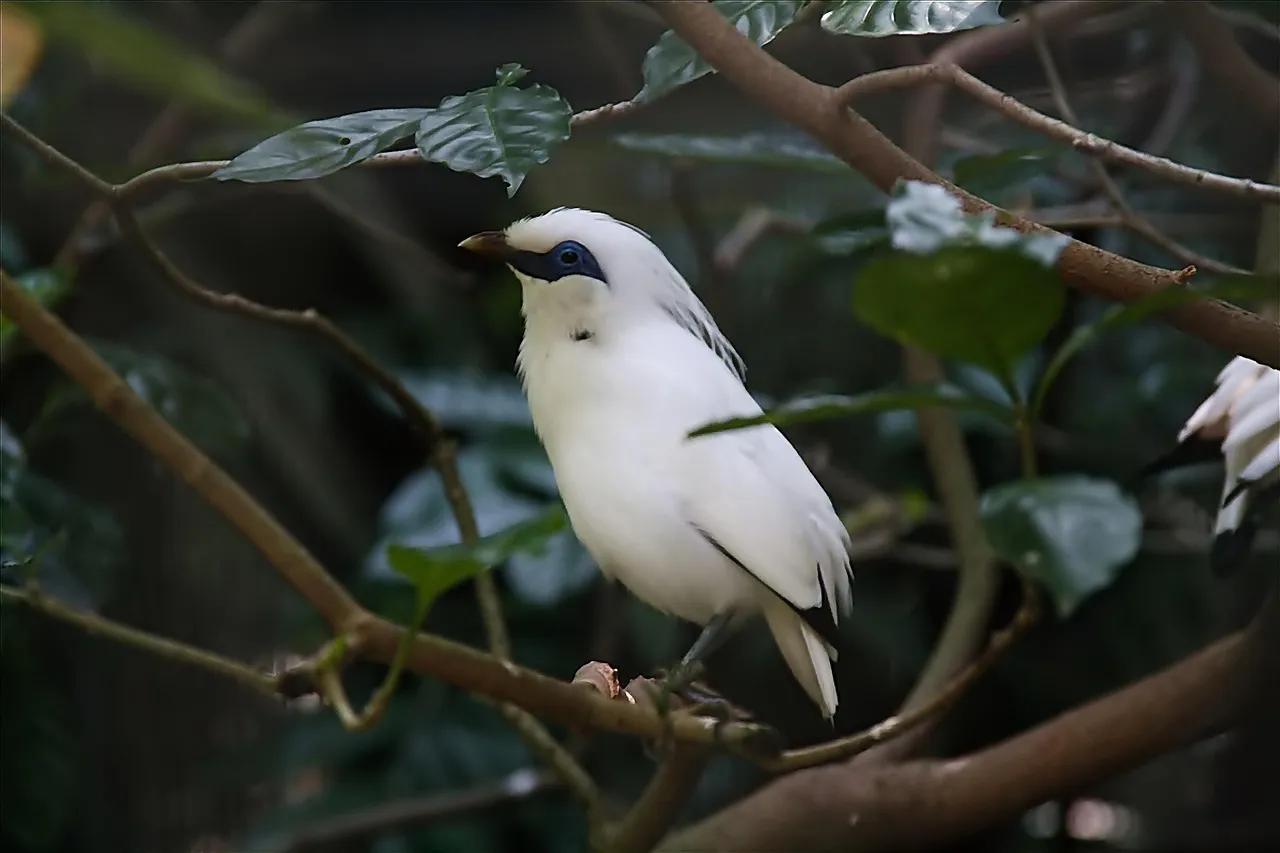
Some conservation stories begin with a single species on the edge. The Bali starling’s story began with just six birds known to survive in the wild in 2001. Fewer than 10 individuals were believed to survive in the wild by 2001, following catastrophic losses from habitat destruction and illegal poaching for the songbird trade. The government-backed approach had repeatedly failed.
In the early 2000s, conservationists changed tactics, working with communities on Nusa Penida to establish the island as a sanctuary for Bali starlings. Villages embraced traditional awig-awig regulations to protect the starling, creating powerful cultural, social, and financial deterrents to poaching. By 2006, all 35 traditional villages on the island had formally agreed to turn the island into a refuge.
The shift came when the species’ situation was reframed: villagers moved from being potential poachers to being protectors and eco-tourism guides. Former trappers became bird guardians, and the island’s economy began to benefit from visitors drawn to the rare birds’ recovery. Anti-poaching compliance improved by nearly 1,200 percent after community rules were adopted.
Today, the Bali Bird Sanctuary, which covers the Nusa Penida islands group, is home to over 100 Bali starlings, successfully increasing the wild population from fewer than 10 surviving birds when the FNPF bird conservation project began in 2006. As a result, the rare and symbolic birds have become critical sources of eco-tourism income for many villages. It is a working proof of concept that cultural authority, when engaged honestly, can do what enforcement alone never could.
Project 4: The Annapurna Conservation Area, Nepal
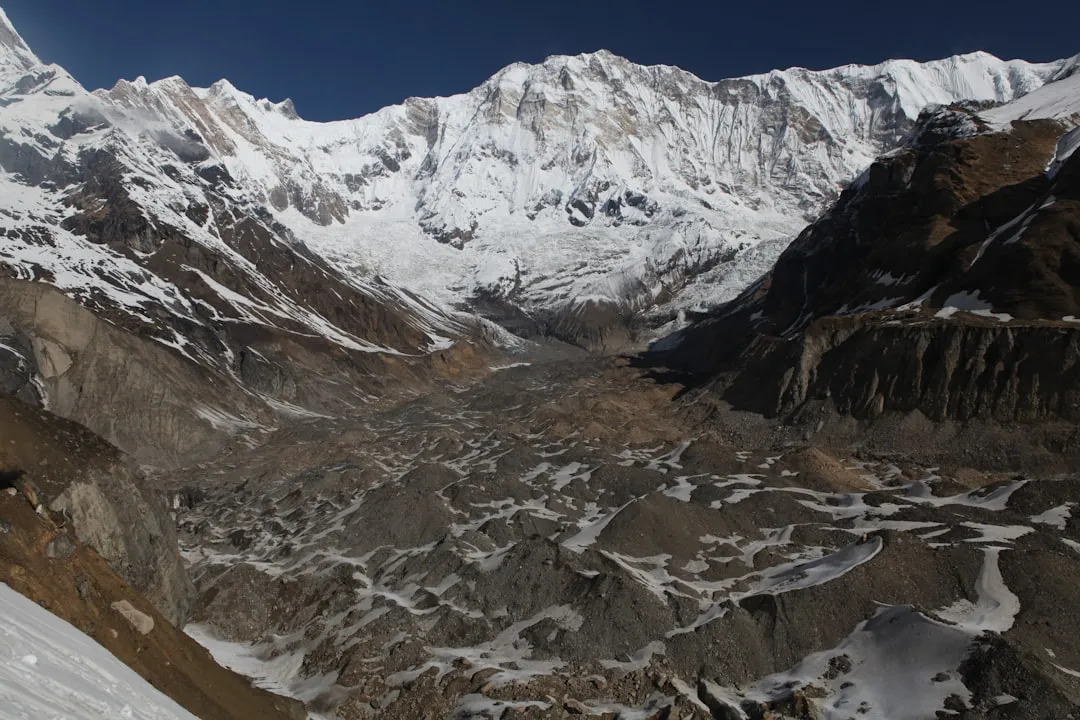
The Annapurna Conservation Area is Nepal’s largest protected area, covering 7,629 square kilometers. It is also one of the most carefully studied examples of how community-managed eco-tourism can sustain both people and landscape simultaneously, drawing the attention of researchers and policymakers for years. The model it represents is not flashy, but it is durable.
ACA was created partly in order to alleviate environmental degradation linked to trekking tourism by managing conservation and development. The sustainable development of tourism is one of the principal goals of ACA management, and tourism management in the area is globally considered a good example of community involvement.
The Annapurna Conservation Area exemplifies the integration of eco-tourism with community welfare. Community-based tourism is an innovative and participatory approach that places local communities at the center of tourism development. The revenue from tourism in the area has helped restore degraded features of the ACA’s natural and cultural environment.
Tourist expenditure on the way to the park and in communities adjacent to or within the area can be significant, leading to increased incomes, poverty reduction, and opportunities for advancement. The ACA remains one of the clearest examples of what the UNDP describes as a nature-based tourism model that actively redistributes value back to the communities protecting the landscape.
Why Scale Is Not the Limiting Factor

There’s a common assumption that meaningful conservation requires large budgets and institutional firepower. These four projects suggest otherwise. Each one operates at a comparatively intimate scale, and each one has delivered measurable results precisely because of that intimacy, not in spite of it. Local knowledge, community buy-in, and focused accountability are doing work that top-down programs often can’t replicate.
Conservation wins do not happen overnight. They happen because of long-term monitoring, policy changes, community partnerships, and the dedication of people who work to protect species and ecosystems every day. The projects above are all, in different ways, embodiments of that reality.
The Economic Case for Small-Scale Eco-Tourism
The global eco-tourism market was valued at roughly $245 billion in 2025 and is expected to reach $660 billion by 2034. That kind of trajectory means the conversation about what qualifies as “real” eco-tourism is increasingly consequential. A new wave of hotels and tour operators is inviting guests to take part in protecting fragile environments, though the depth of that participation varies dramatically from one operator to the next.
Trends observed between 2025 and 2026 indicate growing interest in travel formats that minimize ecological footprint while supporting local economies. This includes increased adoption of conservation-linked stays, community-managed tourism programs, and accommodation certified under recognized sustainability frameworks. The market is moving toward the kinds of models these four projects represent.
The Role of Community Ownership in Conservation Outcomes
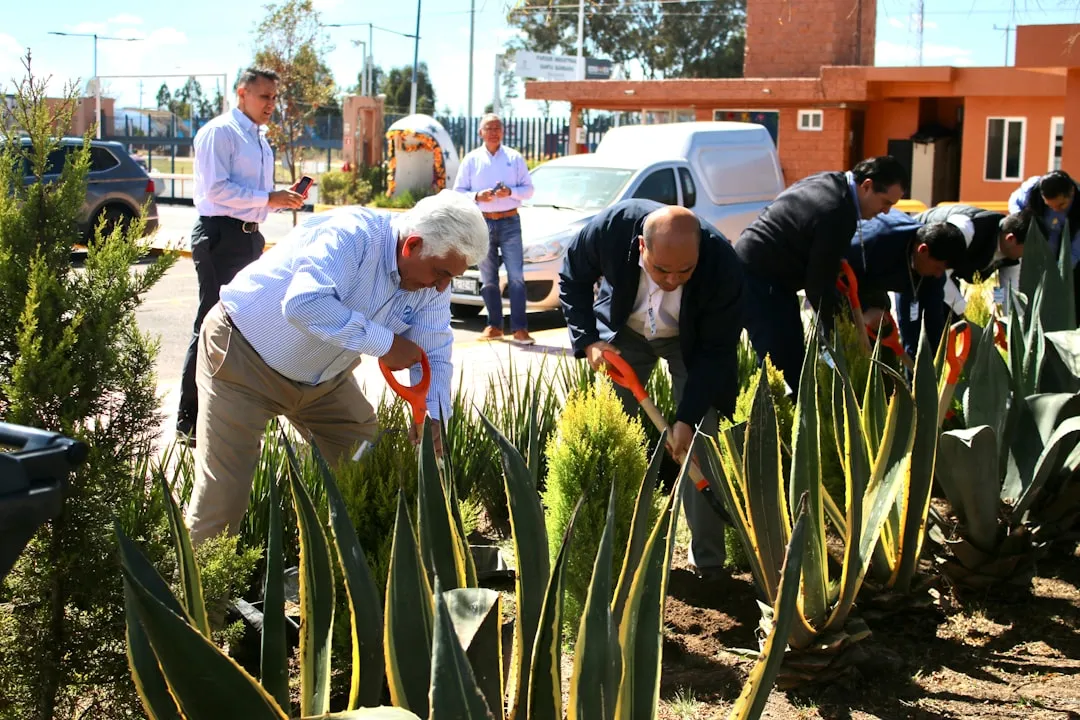
A pattern shows up clearly across all four projects: the communities most invested in protecting a resource are the ones with the most to gain from doing so. This sounds obvious, but the history of conservation is littered with examples where local people were sidelined in the name of protection, often with counterproductive results.
Gorongosa is built on the principle that conservation succeeds when people are included, not excluded. More than 200,000 people live in the buffer zone and rely on fishing, farming, and natural resources. The same logic holds true on Nusa Penida and in the Annapurna highlands. Community-based tourism aligns with the United Nations Sustainable Development Goals, particularly SDG 1 on poverty reduction and SDG 8 on decent work and economic growth, as demonstrated through global case studies from Nepal, Kenya, Costa Rica, South Korea, and Zimbabwe.
Greenwashing: The Problem These Projects Are Working Against

Not every project wearing the eco-tourism label is what it claims to be. Whether activist tourism can live up to its promise comes down to execution, with climate scientists cautioning that greenwashing can undermine environmental gains when trips function more as marketing than stewardship. This is worth keeping in mind when evaluating any conservation-linked travel experience.
The best projects now use Free, Prior, Informed Consent frameworks when working with local communities, a standard that filters out a significant number of operations that talk about sustainability without practicing it. The four projects profiled here have earned their credibility through documented outcomes, not just mission statements.
What Travelers Can Actually Do

Conservationists say these efforts matter: small choices, multiplied, can help secure a healthier planet for future generations. With more than 300 million people traveling abroad in the first three months of 2025 alone, even modest shifts in behavior can have an outsized effect. The leverage available to individual travelers is larger than most people assume.
Choosing a restoration dive in the Florida Keys over a standard snorkeling tour. Booking a community camp in Gorongosa rather than a conventional safari. Visiting Nusa Penida with a local bird sanctuary program instead of a generic beach day. These are not sacrifices. They are often better experiences that also fund something real.
The Bigger Picture in 2026

Scientists, conservationists, and communities across the world continue to push forward, and their efforts are working. In 2025 alone, several major wildlife and ecosystem recoveries showed that meaningful progress is possible when people come together to protect biodiversity. The Florida Keys reef, the Mozambican savanna, the forests of Nusa Penida, and the Himalayan foothills are all quieter proving grounds for that claim.
Visitors are not separated from the conservation process in these models; instead, they witness it firsthand through guided interpretation, research briefings, and community engagement initiatives. Gorongosa’s model challenges traditional safari tourism by shifting the focus from consumption to contribution, where travel supports systems that continue to function long after a visitor leaves. That framing applies equally well to all four projects.
Conclusion: Small Footprint, Lasting Impact

The notion that eco-tourism must be large-scale to matter is increasingly hard to defend. The Coral Restoration Foundation outplants corals one fragment at a time. Gorongosa rebuilds a savanna one community partnership at a time. Nusa Penida brought a species back from the brink through village meetings and traditional law. The Annapurna Conservation Area has kept a trekking economy in balance with one of the world’s most fragile mountain ecosystems for decades.
None of these are perfect. Restoration has not been able to keep up with the rate of decline in Florida, and challenges remain across all four sites. Honesty about that is part of what makes these projects credible rather than promotional.
What they share is a refusal to treat conservation and community benefit as competing priorities. That combination, small in scale but precise in intention, may be the most replicable model eco-tourism has yet produced.
AI Disclaimer: This article was created with the assistance of AI tools and reviewed by a human editor.