


Travel is one of the most enriching things a person can do. It opens your eyes to other cultures, other landscapes, and other ways of being human. The world, in that sense, genuinely benefits from curious, well-meaning travelers moving through it.
The problem is scale. Global tourism was expected to contribute more than $11 trillion to the world economy in 2024, and the industry employs roughly 330 million people worldwide. Those are extraordinary numbers. They also mean that individual traveler behavior, multiplied across billions of trips, has real and lasting consequences on the places people visit. The question isn’t whether to travel. It’s how.
1. Choose Your Accommodation with Intention

Where you sleep matters more than most travelers realize. Supporting local businesses is one of the most effective ways to offset the effects of overtourism, and that starts with accommodation. Instead of automatically booking international hotel chains, seeking out locally owned guesthouses, bed-and-breakfasts, or eco-friendly properties puts money directly into the hands of people who live there.
Research consistently shows that roughly three quarters of travelers are more likely to choose accommodation providers that advertise their sustainability practices, and nearly two thirds say they would feel better about staying somewhere if they knew it had a credible sustainability certification. The demand is there. Acting on it is the next step.
Choosing locally owned places helps funnel money directly into the local economy, which is especially important in areas feeling the pressures of uneven tourism revenue. Locally owned businesses are also often more invested in sustainable practices and preserving the area’s cultural heritage.
2. Spend Locally and Spend Consciously

Travelers are increasingly committed to supporting the economies of the destinations they visit, with nearly three quarters wanting the money they spend to go back to the local community. Wanting that, though, requires actually doing it. Eating at family-run restaurants, shopping at local markets, and booking guides who grew up in the region are all concrete ways to keep spending where it counts.
Buying food, souvenirs, and experiences from local businesses directly strengthens the community. In many destinations, issues like deforestation or poaching are tied to the lack of stable, fair-wage employment. Tourism spending that flows to local operators genuinely changes that equation.
A significant proportion of tourist spending often leaves local economies through what economists call “leakage.” Budget travelers who use public transport, stay longer, and spend locally tend to produce far less of this leakage, which means thoughtful choices about where to eat and shop carry more weight than they might seem to.
3. Respect Local Culture, Customs, and Sacred Spaces

Disrespect for local customs and laws fuels discontent among local communities. Those communities are not against tourism itself, but they seek to safeguard their home’s beauty and prevent its social and cultural decline. That distinction matters. It’s never about tourism being unwelcome. It’s about how travelers show up.
Kyoto’s Gion district illustrates the harm that disrespectful visitor behavior can cause. Since 2019, photography has been banned and fines introduced in certain areas, and in 2024 some roads were closed entirely due to ongoing issues with tourists ignoring local norms. These are places with centuries of tradition, not backdrops for social media content.
Booking.com’s 2025 research found that just over half of travelers observe tourists at home often or always respecting local customs and traditions. There is still considerable room for improvement, though the same research shows that nearly three quarters of travelers want money they spend to go back to the local community, and an even greater share seek authentic experiences that represent local culture.
4. Reduce Your Environmental Footprint While Traveling

The tourism industry accounts for almost one tenth of global greenhouse gas emissions. Travelers can reduce their carbon footprint by choosing eco-friendly transportation options such as walking, cycling, or using public transportation whenever possible. These choices don’t require sacrificing the trip. They often improve it.
Travelers are already making small but meaningful changes. Today, roughly two thirds carry reusable shopping bags, nearly two thirds recycle waste, and more than half carry a reusable water bottle. More than three quarters say they turn off lights and appliances when they leave their accommodation. These habits, collectively, add up.
A 2024 review estimates that tourism alone generates 35 mega tonnes of solid waste per year globally, which underscores why individual choices about waste, packaging, and resource use are not trivial. Carrying waste out until a proper bin is available, skipping single-use plastic, and being mindful of water use in drought-prone destinations are all within reach for any traveler.
5. Avoid Overcrowded Hotspots and Travel Off-Peak

Overtourism occurs when visitor numbers exceed a destination’s sustainable capacity, leading to overcrowding, environmental degradation, and strained resources. This phenomenon is often driven by the popularity of destinations amplified by social media, marketing campaigns, and budget travel options.
According to data tracked by Murmuration, which monitors tourism’s environmental impact, roughly four fifths of travelers visit just one tenth of all destinations. That extreme concentration is why some of the world’s most beloved places are now struggling. Visiting during less busy seasons, supporting local businesses, and exploring lesser-known spots keeps destinations genuinely thriving, ensuring both locals and travelers can enjoy these places for years to come.
Barcelona, a city of 1.6 million residents, welcomed over 26 million tourists in 2024, with more than 15.6 million staying overnight. That’s over ten times the local population, not even counting cruise ship day-trippers who add another 1.6 million visits per year. Choosing to visit at quieter times, or exploring a nearby alternative, directly eases that pressure on local life.
6. Follow Destination Rules and Visitor Guidelines

Many popular destinations are now implementing concrete measures to manage the effects of overtourism, including visitor caps, entry fees, and timed tickets. Researching and following the policies in place before you travel supports those efforts. At Machu Picchu, for instance, adhering to new timed-entry rules directly helps ensure the site remains preserved for future visitors.
The list of destinations introducing formal restrictions is growing quickly. Pompeii introduced a 20,000-visitor daily cap in 2025. Rome’s Trevi Fountain now limits access to 400 visitors at a time during the Jubilee year. Mount Fuji has capped daily visitors at 4,000 during peak season and introduced an entry fee. These are not bureaucratic inconveniences. They are protective measures for places that are genuinely under strain.
Travelers are increasingly encouraged to stay informed about these changes and consider alternative destinations, off-peak travel, and responsible tourism practices as a standard part of trip planning. Being a good guest, in that sense, now starts well before you arrive.
7. Learn Before You Land

Preparation is one of the most underrated habits of a responsible traveler. Immersing yourself in the local culture before you go, by learning about customs, traditions, and etiquette, allows you to respect sacred sites and cultural norms from the moment you arrive. Engaging with locals respectfully and supporting cultural heritage preservation initiatives leaves a genuinely positive impact.
Travelers are increasingly interested in supporting local communities and preserving cultural heritage. This growing awareness has led to a rise in community-based tourism initiatives, cultural exchanges, and volunteering opportunities. These experiences tend to be more memorable and more meaningful than the standard tourist circuit anyway.
Something as simple as learning a few words in the local language signals respect and opens doors. Responsible tourism encourages tourists to engage with local cultures respectfully and sustainably, which not only enriches the travel experience but also strengthens community bonds and cultural preservation. That richness is the reward.
8. Travel Slower and Stay Longer
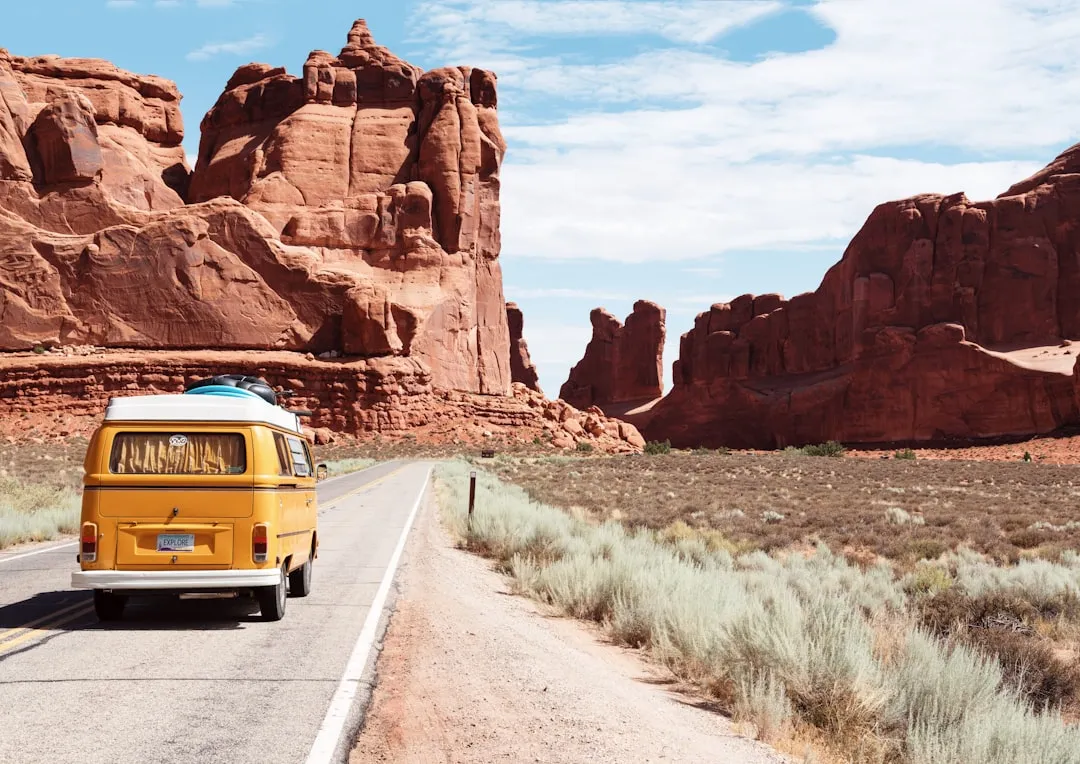
Preferring longer stays, using public transport, and eating local food all reduce leakage from local economies and minimize the broader impacts of tourism. The rapid, checklist style of travel that has become common, five cities in seven days, produces little genuine benefit for anyone. It exhausts travelers and overwhelms destinations.
Embracing slow travel by spending more time in fewer places benefits local communities directly, and allows the traveler to genuinely slow down and connect with a place. This approach is gaining traction for practical reasons as well as ethical ones. Fewer flights, deeper experiences, and more money flowing to local services all follow naturally from staying longer.
By 2025, the vast majority of global travelers say they want to make more sustainable travel choices and to some extent already have. Over the ten years that Booking.com has been gathering insights, shifts in awareness levels, preferences, and priorities reflect a slow but real change in how travelers think about the places they visit. Slow travel is part of that evolution.
9. Be Honest About Your Impact and Keep Improving

While a large majority of travelers confirm that sustainable travel is important to them, research from 2024 shows a growing sense of weariness globally. Nearly half of those surveyed feel that traveling more sustainably is important, but not a primary consideration when actually planning or booking a trip. That gap between intention and action is where real change either happens or stalls.
Interestingly, nearly two thirds of travelers say that witnessing sustainable practices while traveling actually inspires them to adopt sustainable habits in their everyday lives. The effects of responsible travel extend beyond the trip itself. They come home with you.
Responsible travelers aim to respect local people and the environment everywhere they visit. This can look like choosing local businesses, supporting conservation initiatives, and avoiding activities that harm wildlife or exploit communities. It’s less about perfection and more about intention: paying attention to where your money goes and who benefits.
10. Advocate for Responsible Travel in Your Own Circle
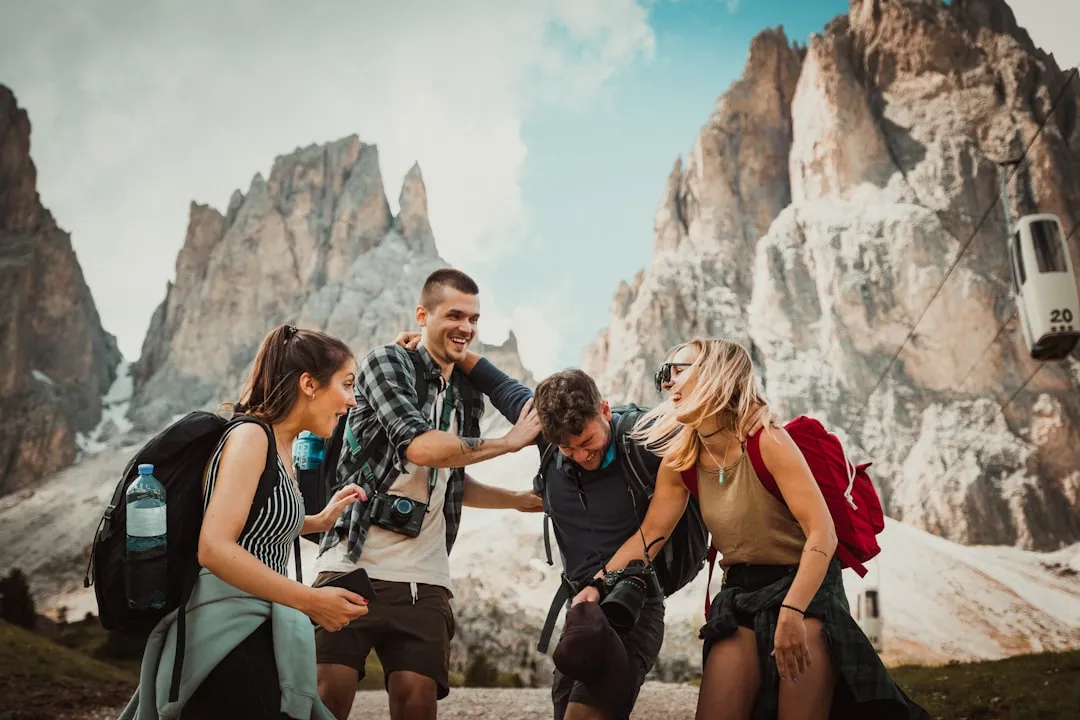
Booking.com’s 2025 research, drawing on insights from 32,000 travelers across 34 countries, found that for the first time, more than half of travelers are now conscious of tourism’s impact on communities as well as the environment, and that two thirds now want to leave places better than when they arrived. That shift in awareness is real and worth encouraging.
Overtourism is not just about crowded monuments or longer queues. It’s about the cultural and infrastructural limits of a place, and what happens when those limits are ignored. The question now isn’t whether people should travel, but how they can travel more consciously, more sustainably, and more respectfully.
When managed responsibly, tourism can strengthen economies, celebrate diversity, and create connections without displacing the very people who make those destinations unique. Sharing that understanding with friends, family, and fellow travelers is a habit that costs nothing and compounds over time. One person’s shift in behavior might feel small. A community of travelers thinking this way changes the industry.
The Bigger Picture

Sustainability remains important for the vast majority of global travelers in 2025, confirming that eco-conscious travel continues to be a key priority. The data is encouraging. The intention is there. What still needs work is turning consistent intention into consistent action across the full range of choices a traveler makes.
The sustainable tourism market is projected at $2.3 trillion in 2026 and is expected to reach $17.8 trillion by 2036, a trajectory driven by a broad shift in traveler behavior toward models that place greater emphasis on environmental responsibility, social contribution, and long-term destination stewardship.
The world is not short of beautiful, culture-rich places worth visiting. What it needs are travelers who arrive as respectful guests rather than passive consumers. That isn’t a sacrifice. It’s simply a better way to travel, and the places that welcome you will quietly feel the difference.
AI Disclaimer: This article was created with the assistance of AI tools and reviewed by a human editor.