
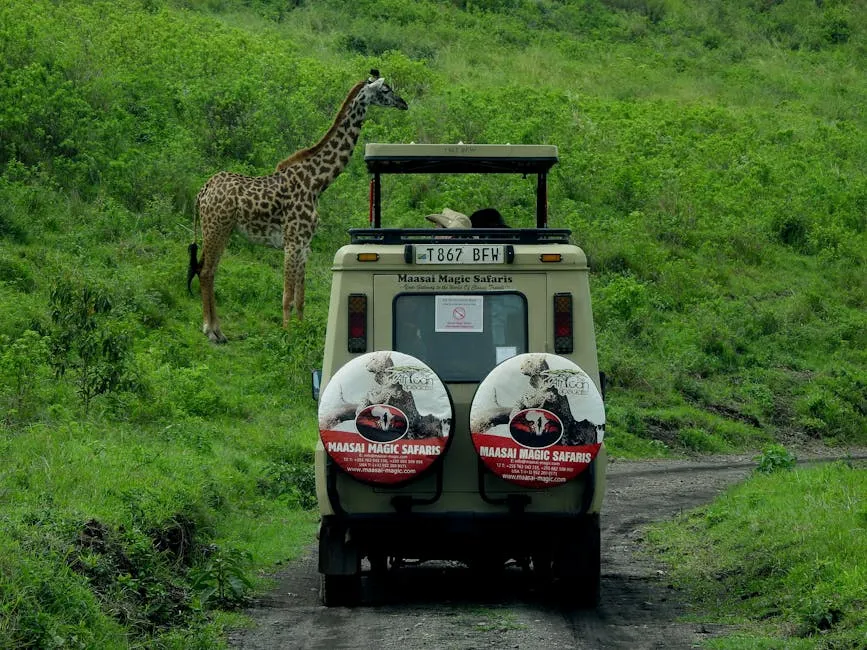

There’s a particular kind of quiet confidence that comes from navigating your own route through African wilderness, pulling over whenever you please, and watching a herd of elephants cross the road with no one around to rush you. Whether you’re traversing the plains of the Serengeti or the rugged terrain of Namibia, a self-drive safari lets you immerse yourself fully in Africa’s natural beauty on your own terms.
The reality, though, is a little more layered than the glossy brochures suggest. Planning one of these trips involves more decisions, more logistics, and more honest self-assessment than most first-timers anticipate. Here are the things that genuinely would have helped to know before setting off.
1. The Destination You Choose Matters More Than You Think
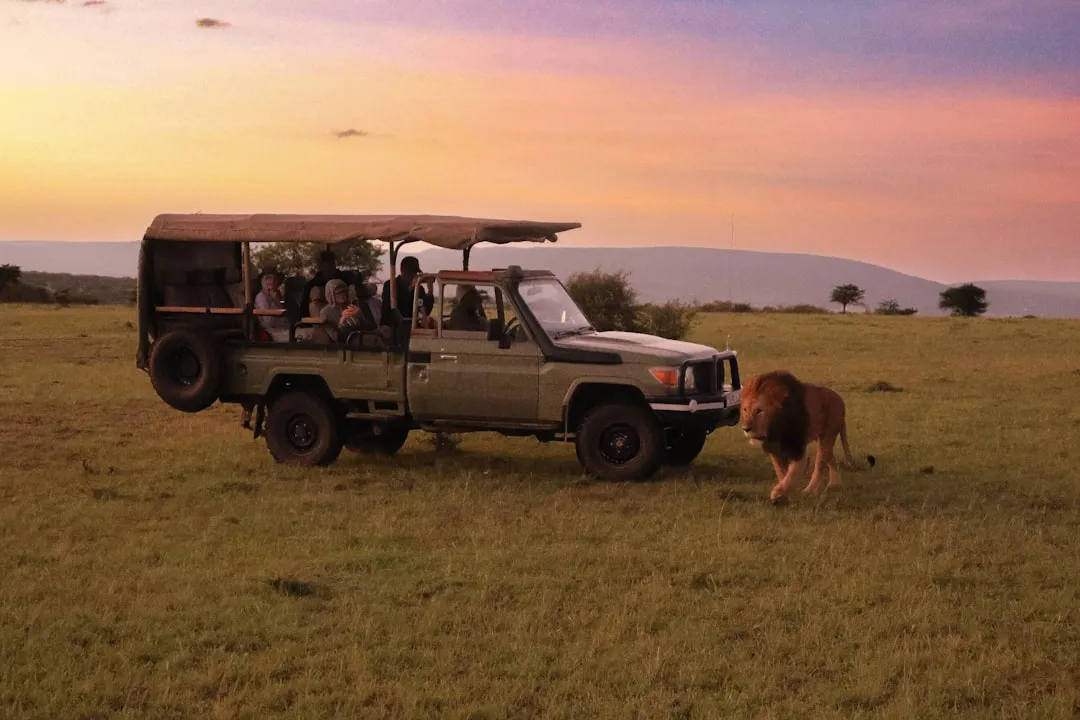
Not every African country is equally suited to a self-drive safari, and the gap between the easiest and most challenging destinations is significant. For a first-ever self-drive safari, Namibia is a fantastic choice. It’s a safe place to travel, it has an excellent road network, and its national parks are full of incredible wildlife.
South Africa is also guaranteed to deliver an incredible experience. The country’s excellent infrastructure makes it easy to get from point A to point B, and it offers an unbeatable variety of wildlife and a fantastic range of accommodations for every budget.
Driving conditions in Tanzania, by contrast, tend to be more challenging compared to destinations like South Africa and Namibia. Choosing the wrong destination as a beginner can turn an adventure into an ordeal, so researching road quality and infrastructure before you book is not optional.
2. Book Campsites and Accommodation Far Earlier Than Feels Necessary
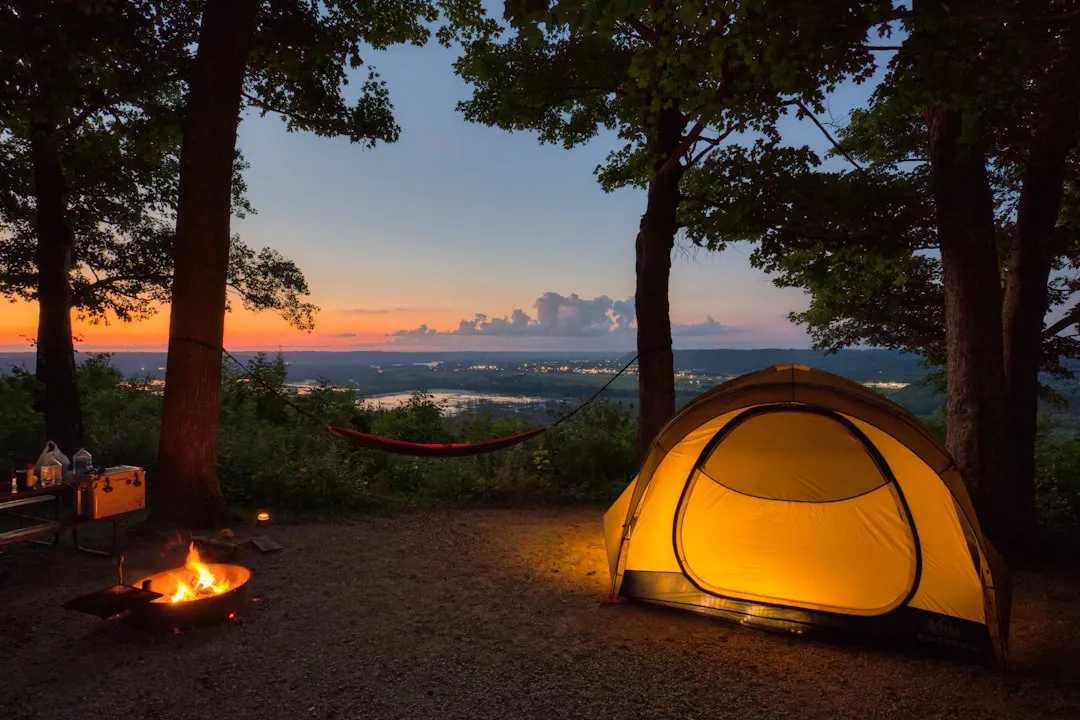
It’s recommended to book at least eight to twelve months in advance, especially if you’re traveling during peak seasons or renting specialized vehicles like 4x4s. Booking in advance ensures better availability and often better rates.
Some countries become trickier to book because campsites fill up so far in advance. Botswana is the most notable example. If you wish to go to Botswana, travel specialists strongly recommend booking twelve months in advance.
One experienced self-driver booking just four to five months ahead found that pickings were already slim for campsites in Chobe and the Okavango, meaning they had to find alternate camps and juggle days around to work with what was still available. That kind of scrambling mid-trip is avoidable with a little early planning.
3. Your Vehicle Choice Will Shape Every Moment on the Road
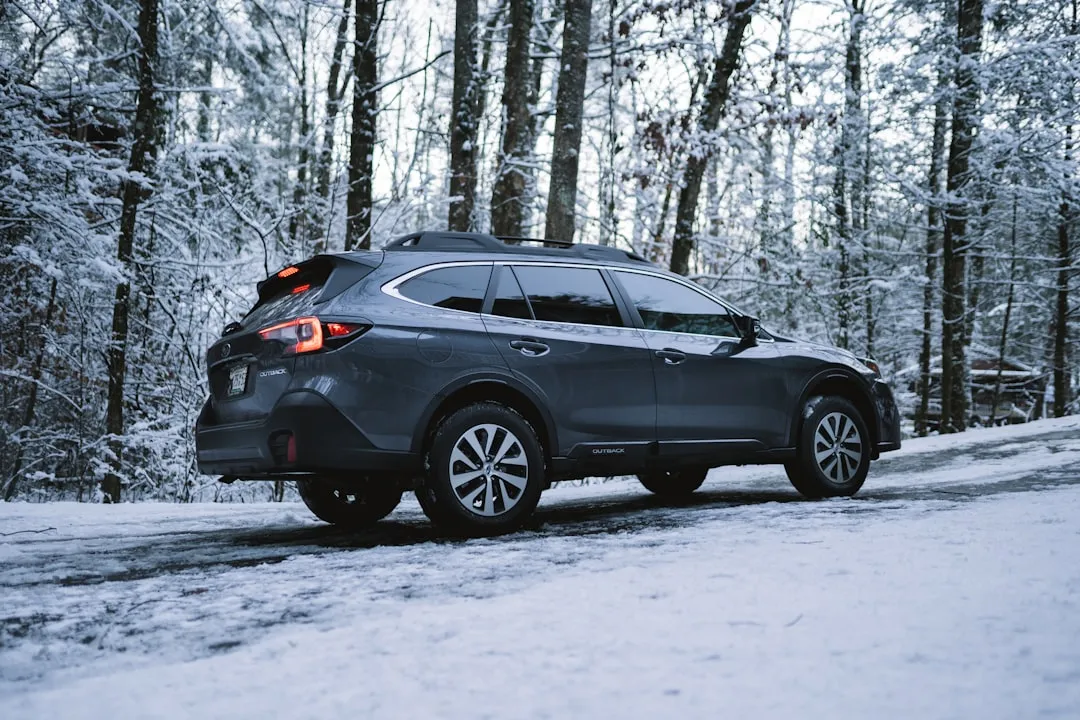
Africa’s national parks and reserves can have rugged roads, so it’s important to choose a vehicle with high ground clearance. This isn’t just about comfort. The right vehicle determines what roads you can access and how well you can spot wildlife over tall grass.
Renting a small SUV or a vehicle that sits high is the smart call. A mid-size car may technically be fine on park roads, but seeing over tall grasses becomes genuinely hard. It makes spotting wildlife harder than it would be in a bigger vehicle.
While even the smallest rental cars can handle well-maintained park roads, a 4WD is preferable for comfort. Opting for automatic rather than manual transmission also makes sense when navigating unexpected situations with large animals nearby. If you require automatic transmission specifically, reserve your car early, since these vehicles book out fast in popular rental depots.
4. Timing Your Trip to the Season Is Genuinely Critical
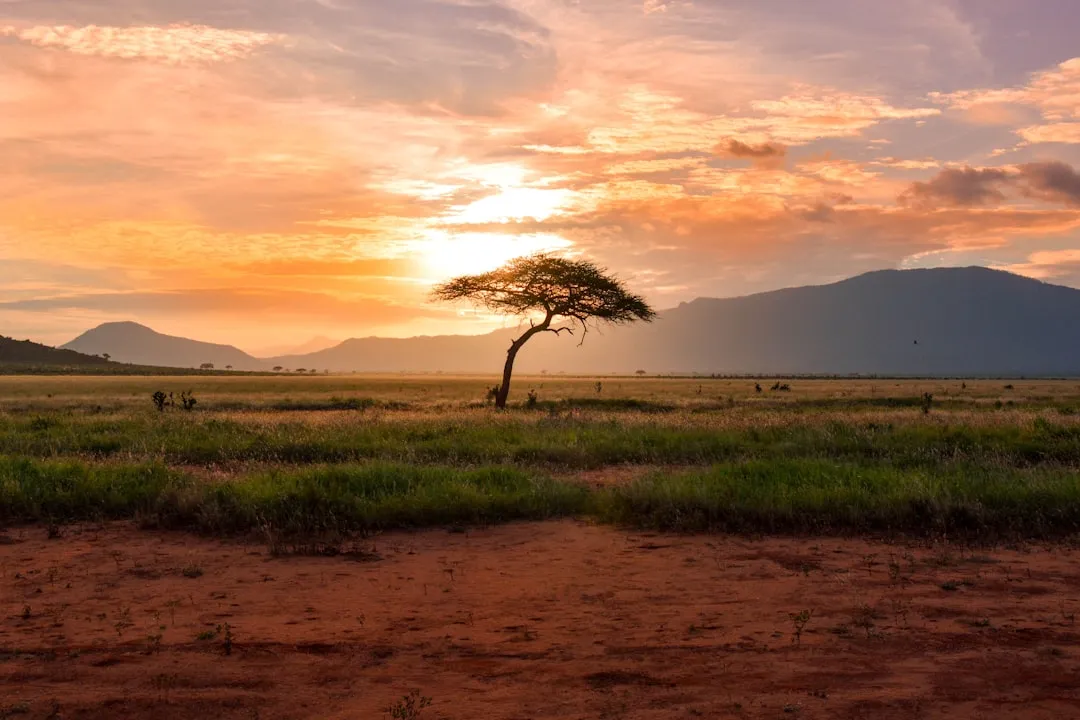
The best time for a self-drive safari is during the dry winter season, between May and October in Southern Africa. This is when the climate is mild and dry, and animals tend to congregate around remaining water sources, making it easier to spot wildlife.
The dry season from May to September is often considered the best time for a self-drive safari in Kruger. During these cooler months, the lack of rain causes animals to congregate around waterholes. The vegetation is also less dense, giving you clearer views.
The best time for a self-drive safari in Namibia is also during its dry season, from March to September, when temperatures are mild and wildlife viewing is at its best. The January to March rainy season sees temperatures soar to around 40 degrees Celsius. Timing isn’t just about comfort. It’s about how much wildlife you actually see.
5. Your GPS Will Lie to You. Believe the Park Maps Instead
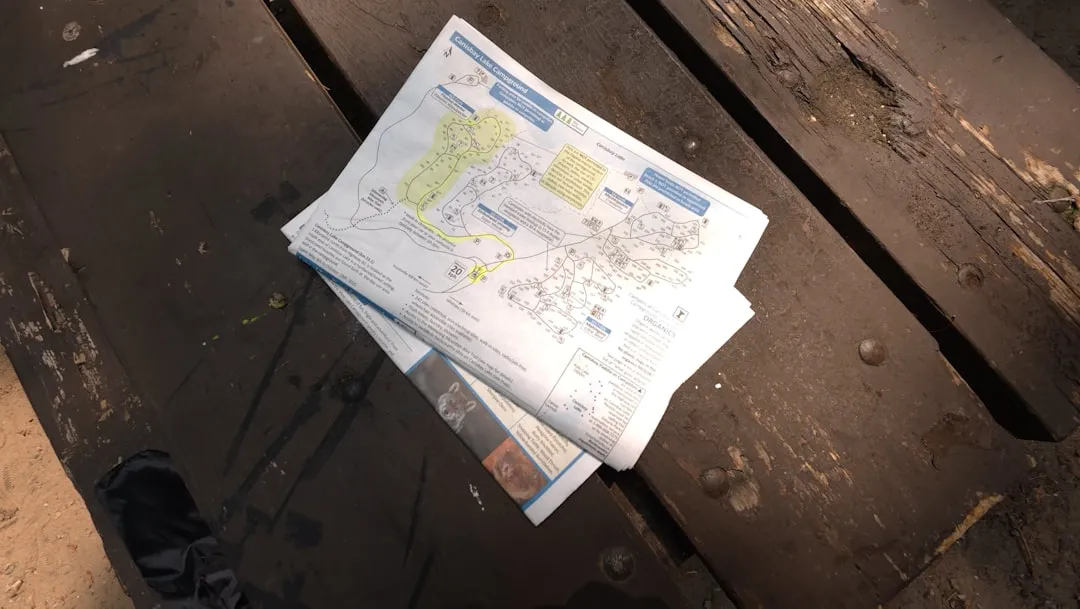
Kruger is a really big park and speed limits are slow. Before making a plan for the day, pay attention to whether a road is paved or not. Unpaved roads are some of the best for animal spotting but they are also easy to drive on while travelling slower than paved roads. Use drive times from the park maps and not your GPS, because GPS estimates are typically faster than actual drive time.
It’s worth downloading offline maps of the park in Google Maps so that you can see where you are and get directions even without an internet connection. Cell reception in many parks is patchy or nonexistent, and relying solely on navigation apps has caught out plenty of confident drivers.
6. The Park Rules Are There for Real Reasons
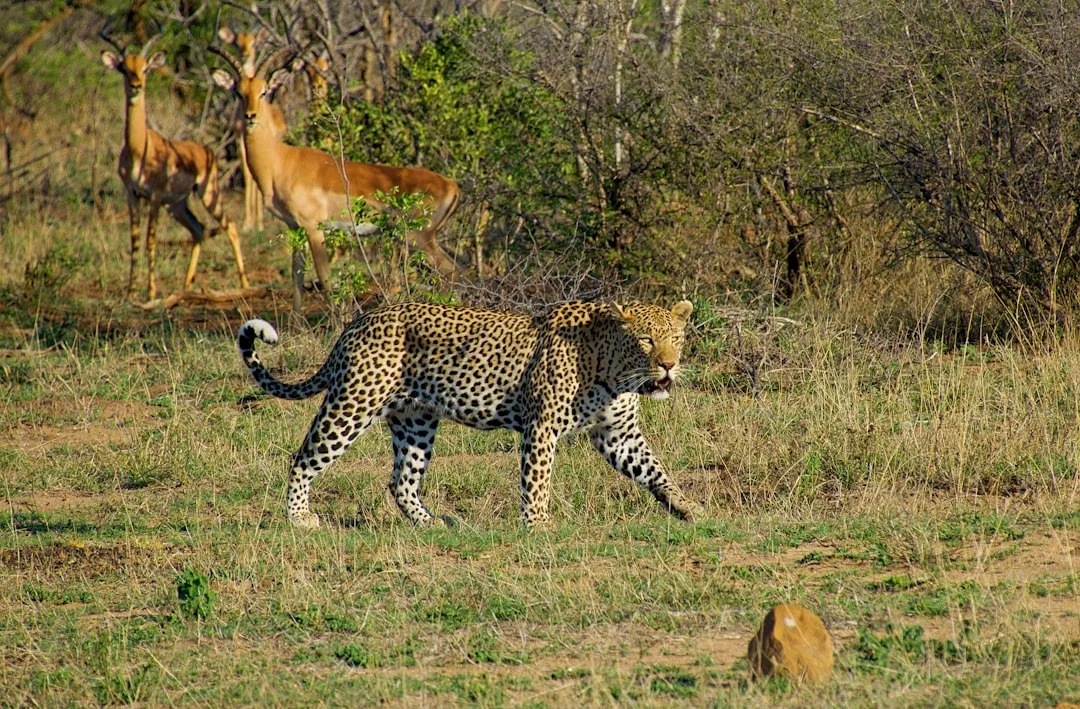
Speed limits in Kruger, for example, are strictly enforced at 50 km/h on tarred roads and 40 km/h on dirt roads. You must never get out of your vehicle except in designated areas, as wild animals can be unpredictable and dangerous. When approaching wildlife, keep a respectful distance to avoid disturbing them, especially predators like lions or leopards.
As soon as you leave your vehicle, you step into the territory of wild animals. When you are inside your vehicle, wild animals generally will not fear you, letting you observe them in safety. As soon as you step outside you can become a threat. Even when you can’t see any animals around, never get out of the vehicle, as long grass can conceal dangerous snakes. Only ever get out at designated areas or in camp.
Even if you want a better view of an animal, it’s very important that you never drive off the road to get closer. Not only will you disturb the animal, but you’ll also damage the vegetation. These aren’t suggestions. They’re rules that exist because the bush is genuinely wild.
7. Early Mornings Are Worth Every Sacrifice
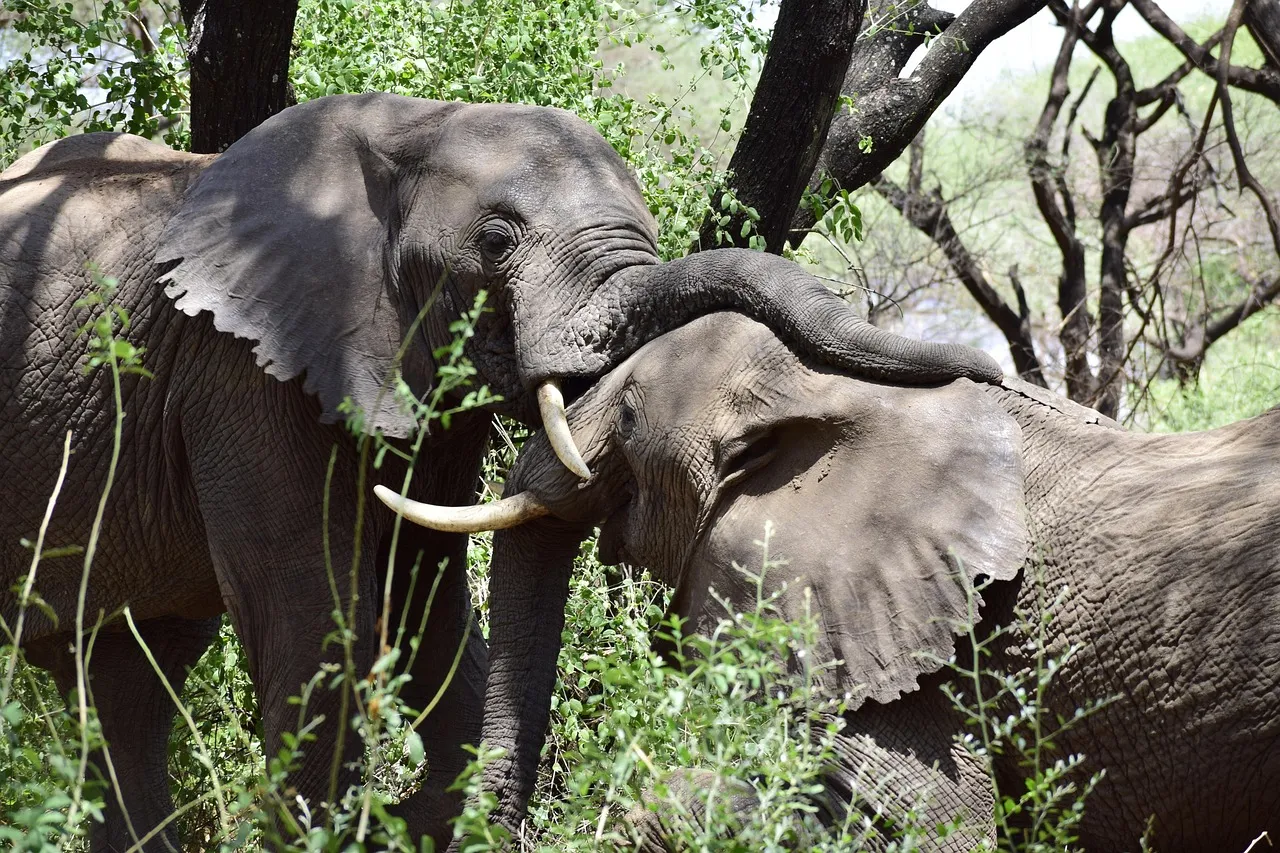
During a 24-hour period there are four main activity times in the animal world: early morning, daytime, late afternoon, and nighttime. Much of the action happens either early in the morning or late in the afternoon, and you should plan your game drives around these times, resting when the wildlife rests during the middle of the day.
Arriving at the gate around 30 to 45 minutes before it opens is a smart move. Early morning offers peak wildlife activity, especially if you’re keen on spotting predators still on the move. Long-weekend lines can form fast, so being one of the first in line matters.
Some experienced self-drivers have found that waiting out all the other safari cars meant being the only people in sight. Being first up in the morning and last out of the park at night creates a genuinely different experience. There’s something about having an animal sighting entirely to yourself that no guided group tour can replicate.
8. Waterholes Are Your Best Strategy for Guaranteed Sightings
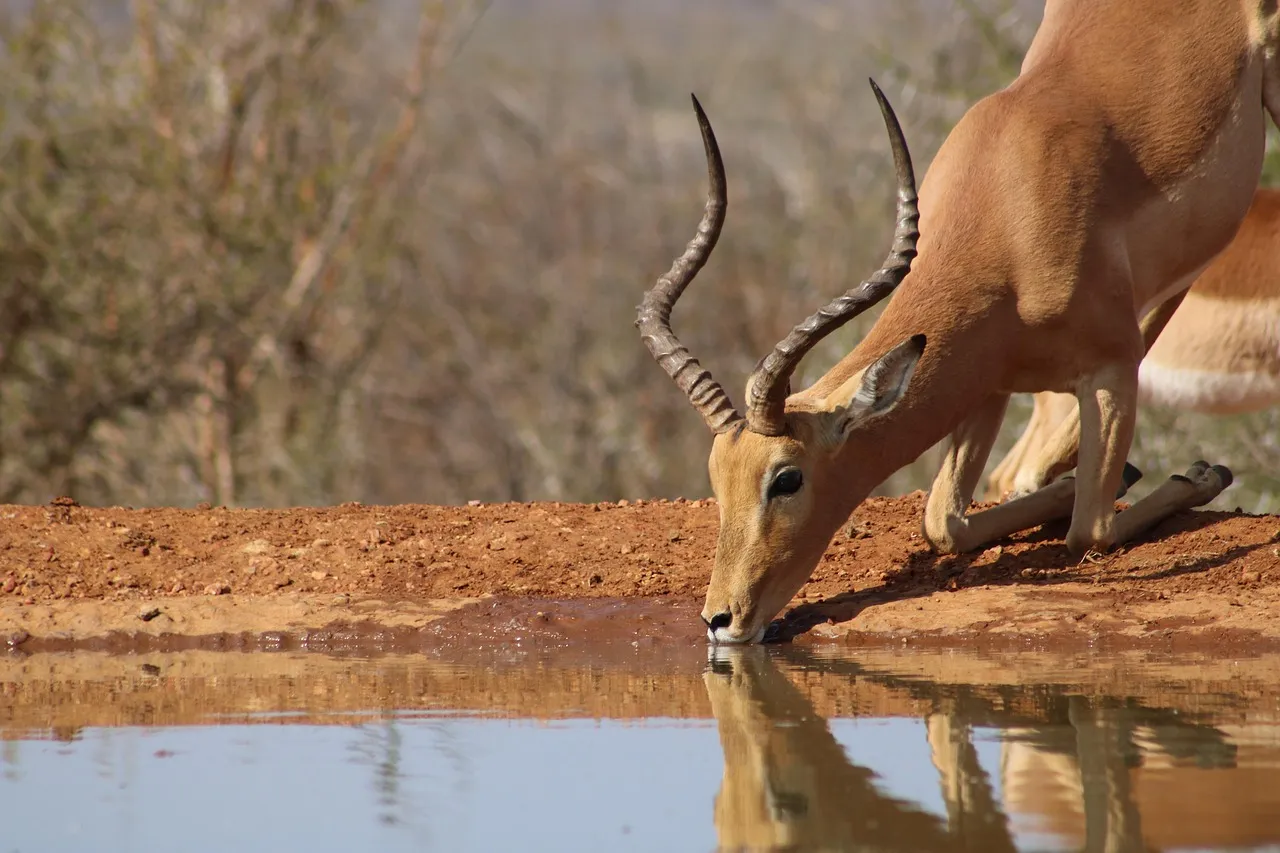
Stop at waterholes, on river banks, or at shade points and switch off the engine. These are often the most rewarding moments, as you witness the passing pageant of animal life and the central role that water plays in governing their relationships.
Waterholes and hides are great for viewing wildlife, as the animals will always come looking for water and many bird species will be drawn there as well. Rather than driving endlessly in search of animals, experienced self-drivers know that patience at a waterhole frequently beats an hour of driving.
There is one uncontested truth about enjoying a self-drive safari: the slower you drive, the more you’ll see. Avoid the temptation to speed up when nothing much appears to be happening in the bush around you. Wildlife blends naturally into the environment and can easily be missed at speed.
9. Self-Drive Is Cheaper, but Not Free
Self-driving Kruger National Park is one of the best ways to make a safari more affordable. It requires more planning and thought but also costs thousands of dollars less than some of the private game reserves nearby.
Vehicle rental prices alone usually begin at around one hundred US dollars per day and can go above one hundred and seventy per day for a fully equipped 4×4 camper. This cost is per vehicle, shared between all travelers. On top of this come petrol, camping fees, accommodation costs, and food supplies, all of which can vary significantly from country to country.
Before factoring in park entrance fees, fuel, and campsites each night, rental alone is a hefty price tag. One couple who self-drove found they paid less per day than a typical safari tour, but their trip was far longer than the average guided tour because they were driving themselves. Budget with honesty, not optimism.
10. Talking to Other Drivers Is One of the Best Navigation Tools Available
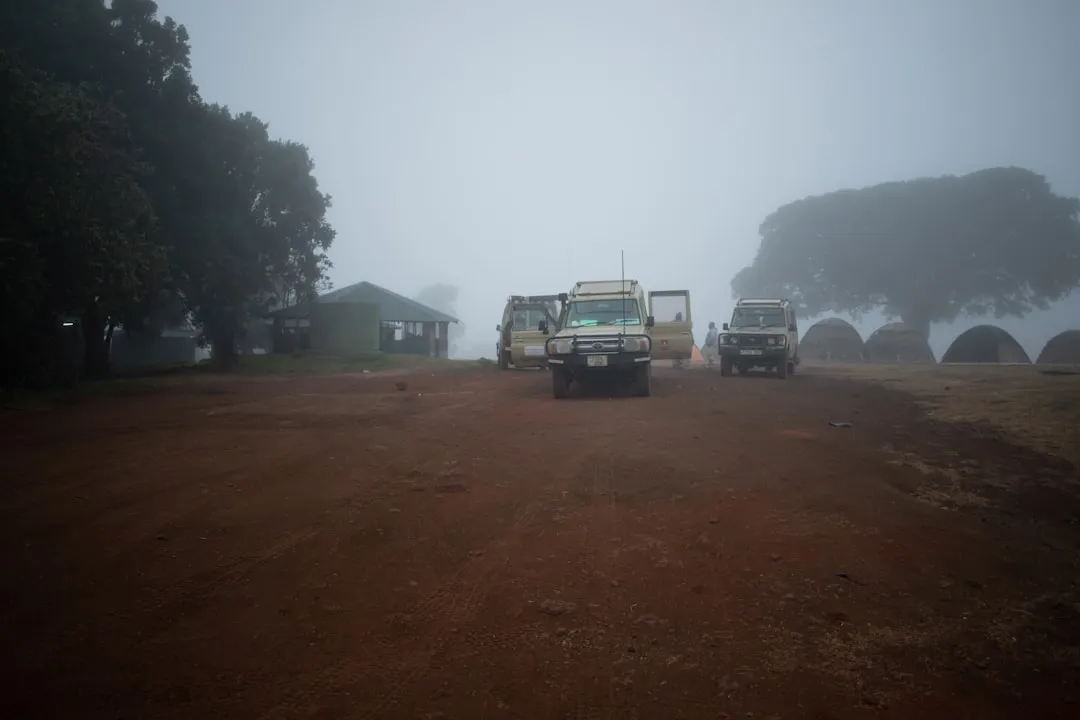
You can learn a lot from hearing about other travelers’ experiences. Making a point of chatting to other people you pass or meet at camp, and finding out what sightings they’ve had, is genuinely valuable.
Rest camps also function as informal education centers. There is a wealth of information in every one, and most have at least one sightings board which can help you plan your route in the direction of the last observed kill or predator sighting.
Joining local sightings groups or checking in with fellow travelers at picnic spots adds to the experience, though sightings are never guaranteed. Chasing them misses the point. Letting the safari unfold naturally is part of what makes every trip feel unique. The bush rewards the patient and the curious, not the scheduled.
A Final Word Before You Turn the Key
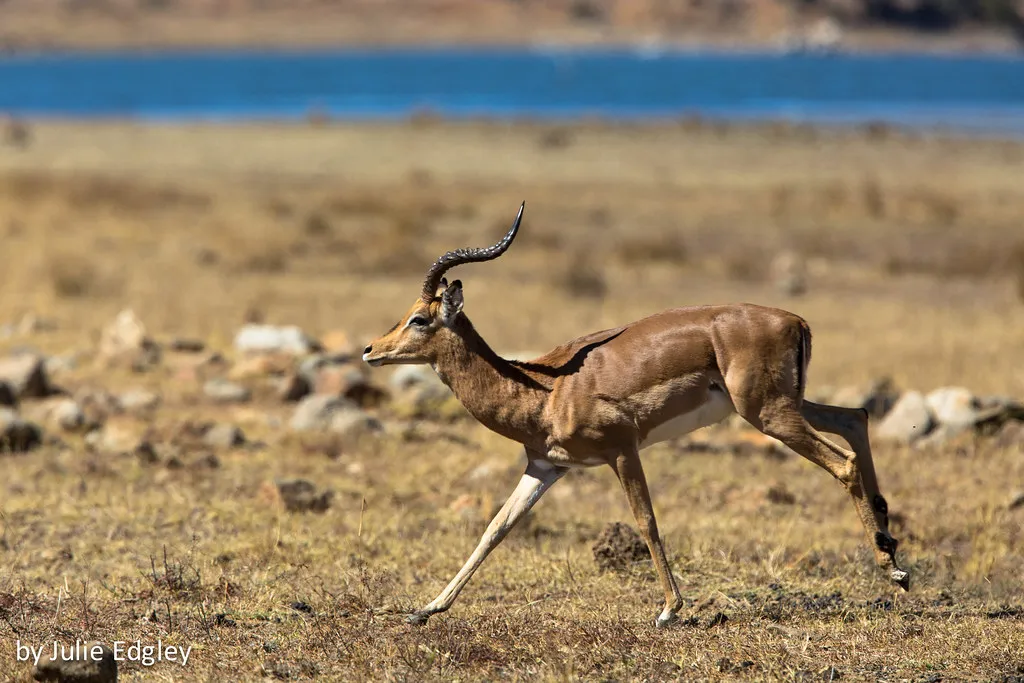
A self-drive safari is one of those experiences that genuinely delivers what it promises, but only when you go in prepared. The freedom is real. So is the planning required to protect it.
That freedom comes with a sense of responsibility: if something happens, you’re the one who’ll need to deal with it. Help is rarely more than a satellite phone call away, and it’s a small price to pay for the kind of safari holiday you’ll never forget.
The animals don’t care what time you booked or how expensive your camera is. Show up slowly, stay humble, and let Africa do the rest.
AI Disclaimer: This article was created with the assistance of AI tools and reviewed by a human editor.