
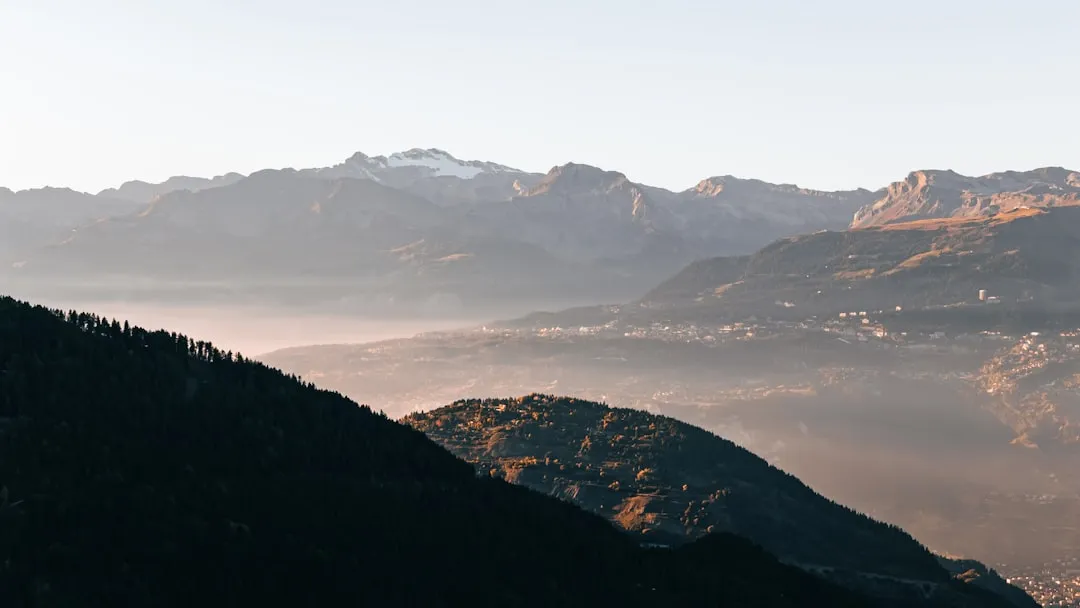

There’s a particular kind of restlessness that sets in around late September. The air sharpens, light turns amber by mid-afternoon, and something in you starts pulling toward forests, hills, and places that move at a slower pace. Over the past few years, travel has undergone a real cultural shift. Instead of bucket lists and whirlwind itineraries, more people are choosing to stay longer in one place, move at a gentler pace, and absorb the rhythms of daily life – a trend known as slow travel, which has surged especially since the pandemic, as burnt-out city dwellers crave depth over speed.
A survey of 2,000 U.S. adults revealed that roughly three in five travelers are planning their vacations with the main intention of slowing down and switching off, a mindset now widely coined “slow travel” or the “slowcation.” Autumn mountain towns are a natural fit for this kind of travel. One of the most underrated luxuries of a mountain town is the ambient quiet. That kind of quiet isn’t empty; it’s restorative. In a society where every pause is filled with scrolling, a place that offers real silence can feel genuinely revolutionary.
Why Slow Travel and Mountain Autumn Are Such a Natural Match
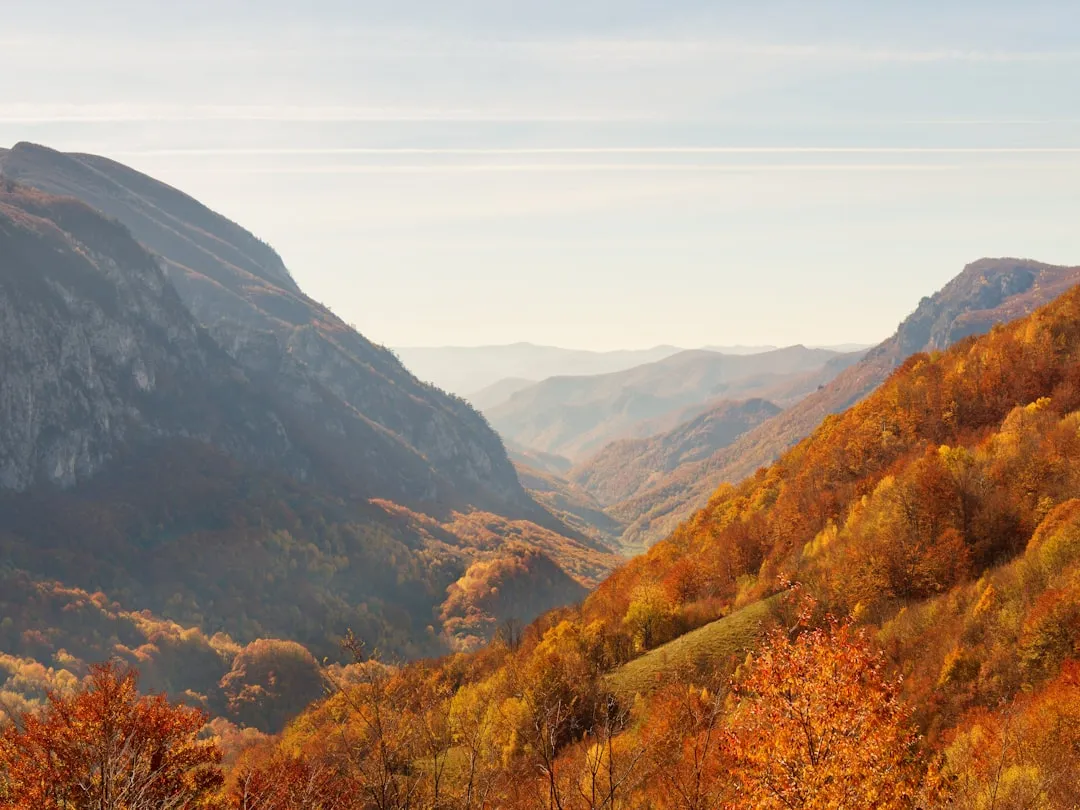
Slow travel, which often means staying in fewer places or immersing in a local culture for an extended time, is gaining popularity according to 2025 trend reports from Hilton and Booking.com. For some, it’s about rest, relaxation, or unplugging from work emails and social media. Others engage in hobbies, self-discovery, or connecting with the outdoors and local cultures, often far away from crowded hotspots.
“Revenge travel” is now widely considered a thing of the past. Rather than traveling at any cost, consumers are slowing down and traveling more meaningfully, even if that means traveling less often.
Slow travel ranked as the second most popular form of travel in 2024, alongside road trips that topped the list at around four in ten travelers. Mountain towns in autumn hit a specific kind of sweet spot: the summer crowds have thinned, the landscape is at its most dramatic, and the pace of a small community genuinely invites you to linger.
1. Stowe, Vermont: The Gold Standard of Leaf-Peeping
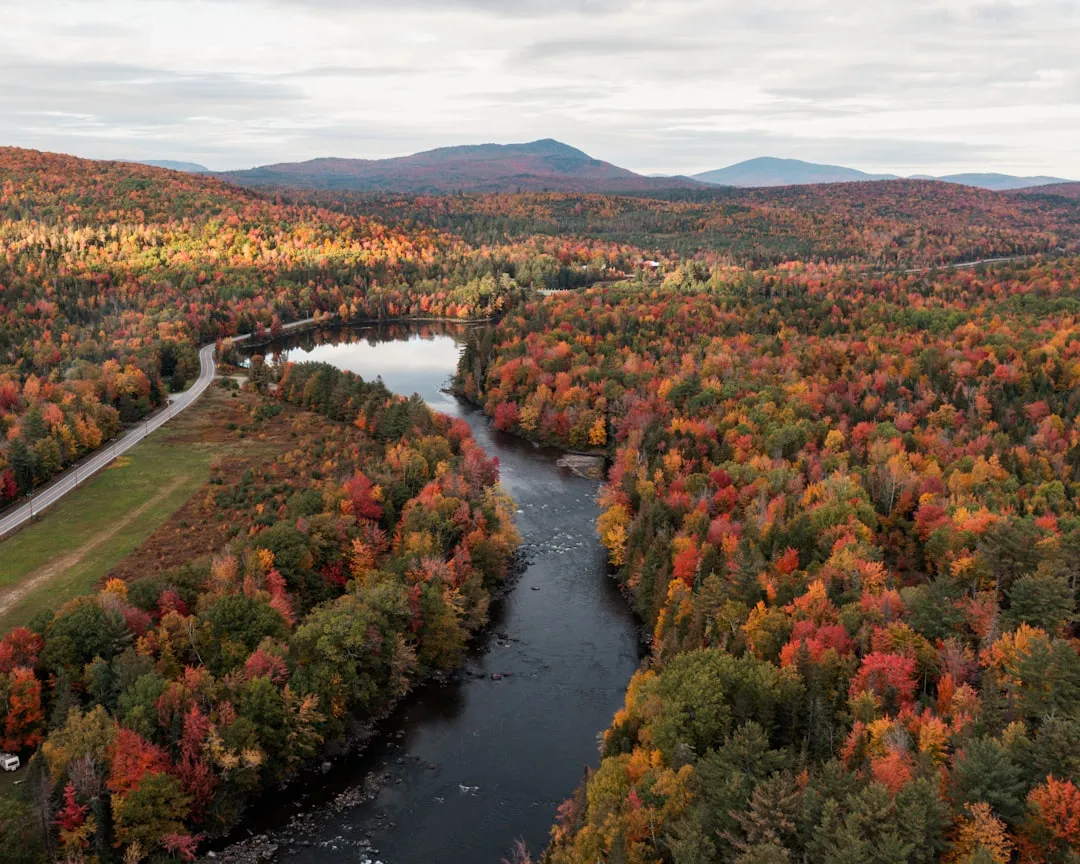
Stowe is regarded as one of the top destinations for fall foliage, where vibrant autumn colors paint the landscape in stunning hues of red, orange, and gold. From early September through late October, Stowe’s countryside transforms from a sea of lush green into an autumn oasis. Foliage typically begins to turn in early September and lasts through mid-to-late October, with peak foliage generally visible during the last week of September and the first week of October.
Higher elevations, including Mount Mansfield and Smugglers’ Notch, often peak sooner than the historic village itself, which means a slow traveler spending a full week in Stowe can actually watch the color cascade gradually down the hillsides from their inn window.
Stowe is considered the East Coast’s best ski town, and it sits in the shadow of the massive Mount Mansfield State Forest and Smugglers’ Notch State Park. Some of the best autumn activities include hiking to waterfalls, picking fruit at local farms, and strolling through the historic downtown area. Stowe genuinely rewards patience. It’s not a town you rush.
2. Woodstock, Vermont: The Cozy Storybook Alternative
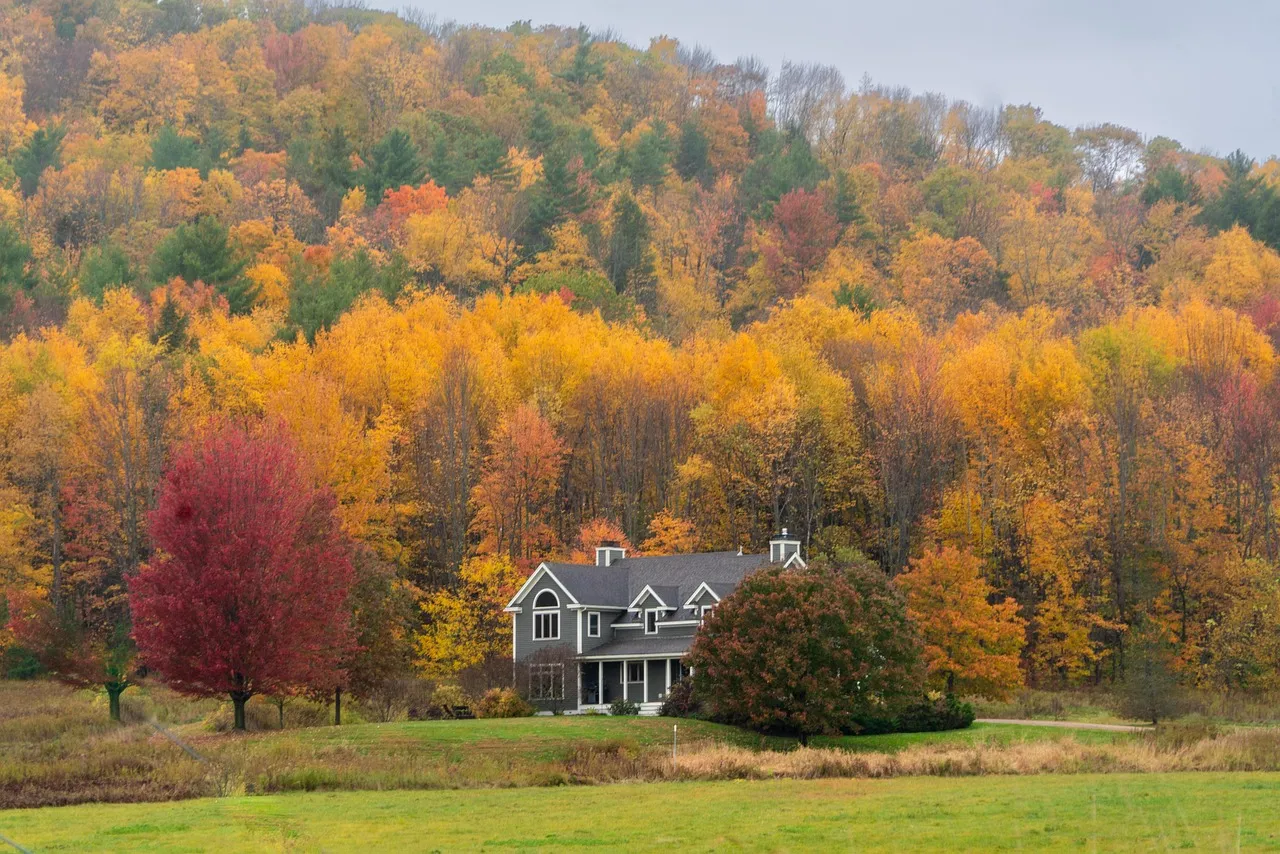
Visiting Woodstock, Vermont in the fall feels like stepping straight into a postcard. This charming New England town is surrounded by rolling hills, covered bridges, and fiery foliage that lights up every corner.
Woodstock feels more like stepping into a storybook. The town is compact and super walkable, with one main road, a green in the center, and a loop with shops and restaurants you can wander in an afternoon. The surrounding neighborhoods are full of beautifully preserved homes that look straight out of a movie set in October. It’s the slower, cozier option of the two Vermont towns.
Woodstock, being further south, peaks a little later than Stowe, usually mid to late October. One foliage season visit found that Stowe was already past peak in the last week of October, with bare trees, while just 90 minutes south, Woodstock was in full peak, with bright reds, oranges, and yellows lighting up every street. Billings Farm and Museum in Woodstock is a picturesque working farm and museum that re-creates the culture and folkways of Vermont farming before the machine age.
3. Taos, New Mexico: Desert Sky Meets Mountain Gold
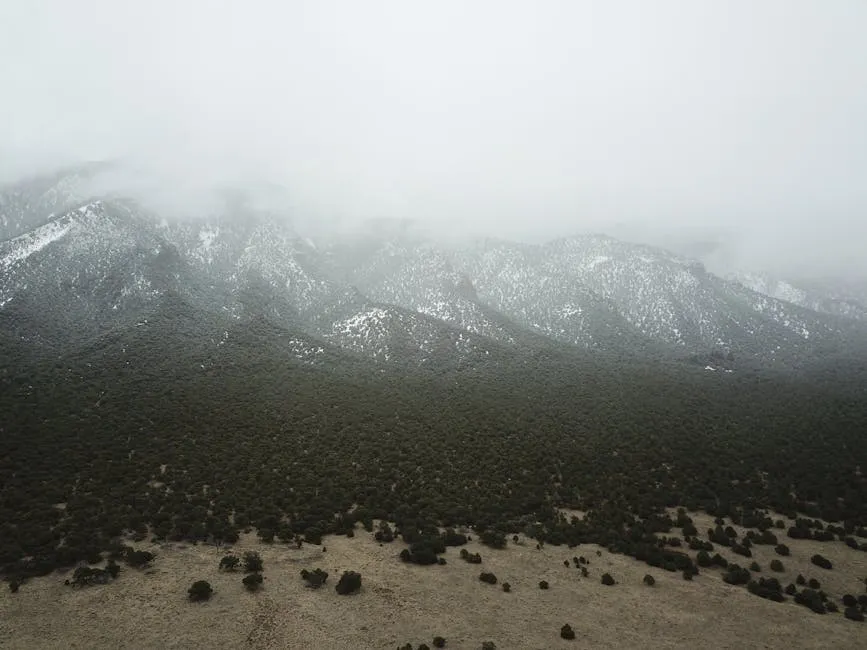
Taos blends artistic culture, pueblo history, and sweeping mountain scenery. The Enchanted Circle Scenic Byway, which begins and ends in Taos, is legendary for fall color, typically peaking in late September into early October.
The Sangre de Cristo mountains awe with brilliant pockets of bright aspen groves shining yellow and orange nestled amongst the evergreens. The lower valleys shimmer as the cottonwoods, elms and flora shift from shades of green to yellow to auburn. Taos’ fall weather is lovely, ranging from sunny days in the mid to high 70s at the beginning of the season, to the first dusting of snow in town, often occurring near the end of October.
The town of Taos was incorporated in 1934, although humans have lived in the adjacent Taos Pueblo, a UNESCO World Heritage Site, for roughly a millennium. For an unforgettable drive, the High Road to Taos Scenic Byway winds through forests of aspen and piñon trees, with sweeping views of valleys highlighted with autumn colors. Hikers will love the Williams Lake Trail, a moderate trek that rewards visitors with spectacular views of the changing leaves reflecting off clear mountain streams. The cultural weight of the town makes autumn here feel genuinely immersive, not just scenic.
4. Bethel, Maine: The Understated New England Gem
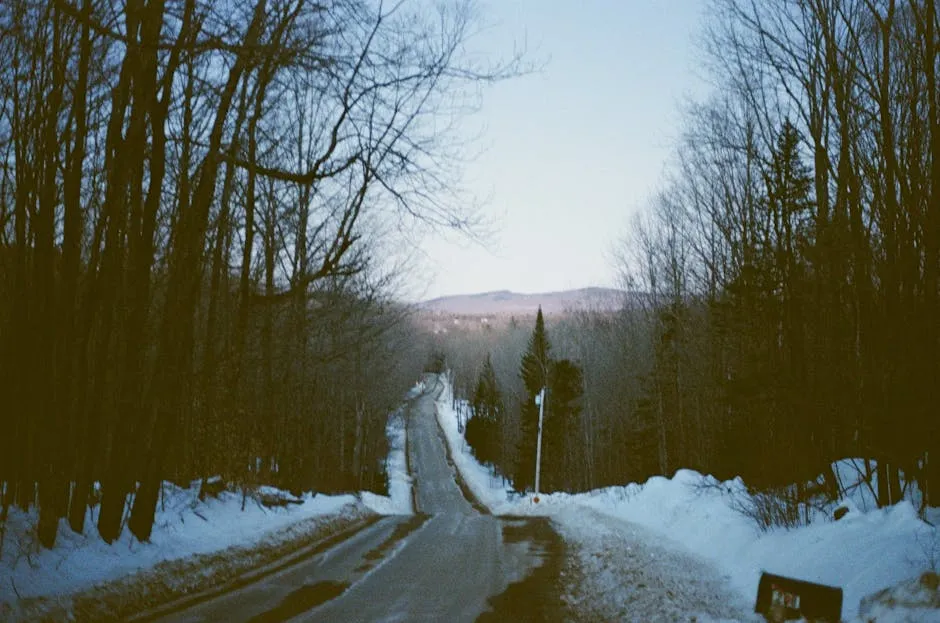
Bethel is the kind of town that makes you consider relocating. Tucked into Western Maine’s Lakes and Mountains region, the village itself is super walkable with an eclectic array of restaurants, while being surrounded by public land, from the peaks that make up the expansive White Mountain National Forest to the less-intimidating Community Forest trails accessed directly from town.
These tiny hamlets, with fewer than 6,000 locals, provide the perfect blend of quaint vibes and outdoor access. While larger mountain towns like Boulder or Chattanooga get much of the attention, there are dozens of smaller hamlets with fewer than 6,000 full-time residents that offer the right combination of amenities and quick access to some of the best spots for outdoor recreation in the country.
Helix is a fun, flowy three-mile loop in the center of the Bethel Village Trails on the south side of the village. Mountain Social has a genius cocktail menu, as well as a seafood chowder that hits just right on a cold evening. For something more casual, Steam Mill Brewing has burgers and a rotating New England IPA on tap. In autumn, when the Sunday River valley blazes with color and the trails are uncrowded, Bethel is quietly exceptional.
5. Taos Ski Valley Area: A Higher, Wilder Autumn Altitude
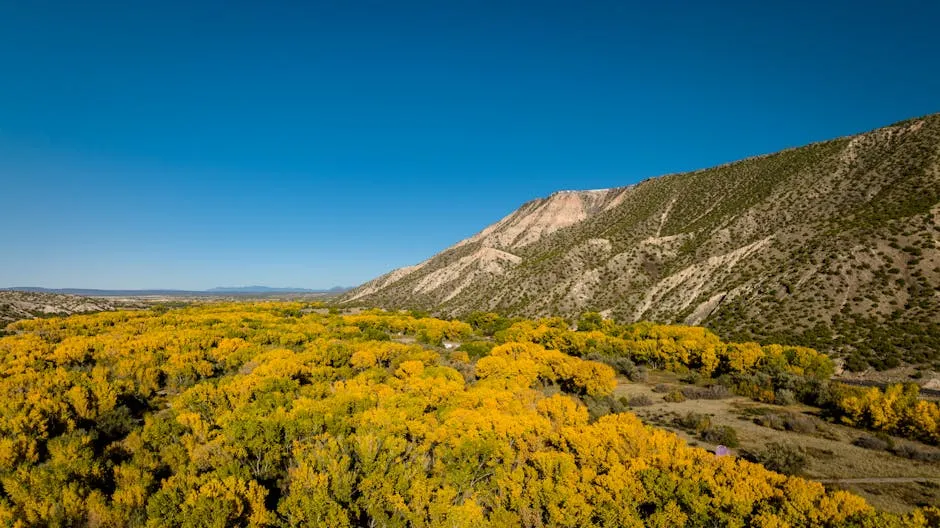
In autumn, Taos Ski Valley transforms into a vibrant canvas of color. The hiking trails that cut through the aspens provide close-up views of changing leaves against alpine backdrops.
Popular options include the Williams Lake Trail and the shorter Bull-of-the-Woods Trail, both providing stunning high-elevation views before snow blankets the peaks. The Rio Grande Gorge combines rugged desert cliffs with bursts of color along the riverbanks. Cottonwoods and willows turn golden in contrast to the deep canyon walls, creating a dramatic fall landscape.
Adobe buildings, some of them centuries old, lie nestled amid pine trees and scrub, some in the shadow of majestic Wheeler Peak, the state’s highest point at just over 13,000 feet. The smell of piñon-wood smoke rises from the valley from early autumn through late spring. At this elevation, autumn doesn’t linger as long as it does in the valleys, which gives it an almost urgent beauty. You sense the season is a gift with a short shelf life.
The Slow Travel Science: Why These Places Work for the Mind
It takes, on average, three days to fully unwind on vacation, but those who look at social media or work emails report it takes them even longer to feel rested. That’s a real argument for choosing a quiet mountain town and committing to at least four or five nights.
Without the need to constantly navigate crowds or check navigation apps, your brain switches from processing to perceiving. That’s when ideas start flowing, conversations deepen, and your thoughts become less anxious. For writers, artists, or anyone trying to remember who they were before the last email ping, this kind of quiet is worth the trip alone.
Slow travel not only reduces the carbon footprint but can offer a more fulfilling, less stressful travel experience. It aligns with broader trends like luxury minimalism and quiet luxury, focusing on wellness and mental well-being, rather than just consumption and fast experiences.
Best Times to Visit and Practical Foliage Timing
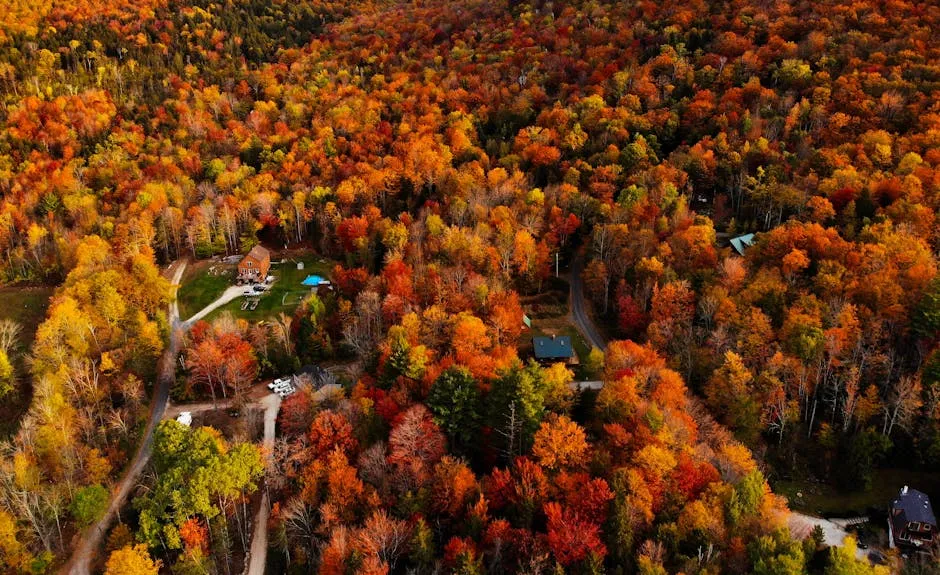
Generally, the highest elevations in northern New Mexico hit peak color in late September; mid-altitude mountain zones brighten in early to mid-October; and river valleys and foothills often peak by late October to early November. Vermont follows a similar elevation-driven pattern, moving from north to south.
Weather plays a large role in determining the foliage season. A wet spring, temperate summer, and cool nights with warm days in the fall typically make for a spectacular leaf-peeping season. Warmer fall days produce sugar in the leaves, which is then trapped when the temperature drops at night. As sugar accumulates, the leaves turn hues of red in various maple and oak trees.
Timing a fall trip to Vermont is always a bit of a gamble, as peak foliage shifts every year and no two seasons are exactly the same. If you’re hoping to hit peak color, flexibility is key. The same applies to New Mexico. Building in an extra day or two of flexibility isn’t just a nice idea. It’s the whole point of slow travel.
What Slow Travel Actually Looks Like on the Ground
More and more leisure travelers are taking longer-duration holidays, exploring off-the-beaten-path destinations, and valuing more immersive experiences by connecting with the local culture, environment, and people. In a mountain town, that might mean waking up without an itinerary, wandering to a farmers market, asking a local innkeeper which trail is less traveled this time of year.
Slow travel is more about a mindset than a pace of movement. It’s exploring somewhere on a deeper level, making space mentally and physically for things to happen spontaneously – taking time to walk in nature, cycle through the countryside, engage with the locals, or take a long-distance rail journey.
Mountain towns aren’t interested in “fast casual” dining or hurried experiences. They embrace the long version of everything. A late breakfast that stretches into a planning session for an afternoon hike. A dinner that actually ends in conversation. That rhythm is part of what autumn in these places quietly teaches you.
How to Choose Between These Five Towns
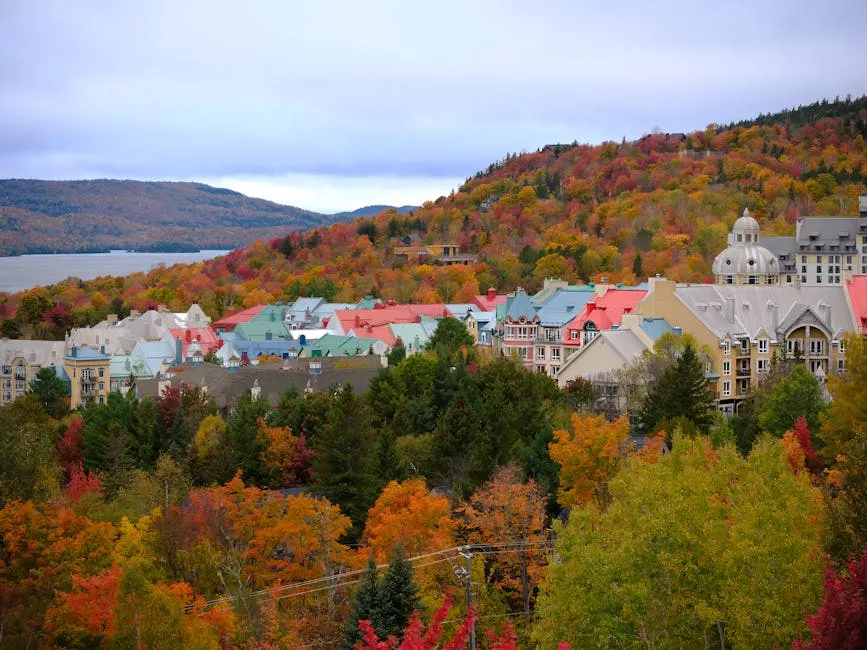
The right choice really depends on what kind of slow you’re after. Stowe is larger, more spread out, and filled with more activities. Woodstock is smaller, quieter, and better for a weekend of relaxing and wandering. If you’re hoping for a packed itinerary with hikes, breweries, and shopping, Stowe is probably your best bet. If you’re looking to slow down and soak up autumn in the coziest way possible, Woodstock might be the better choice.
For those drawn to the American Southwest, Taos offers something the New England towns can’t: downtown galleries and Taos Pueblo, a UNESCO World Heritage Site, make for compelling cultural stops alongside equally dramatic foliage. Bethel, Maine stays refreshingly under the radar for anyone who wants the full New England mountain experience without the weekend crowds of more famous Vermont villages.
Sometimes the best escape isn’t about doing more, but about slowing down. Hidden across the U.S., quiet mountain towns offer a chance to breathe deep, unplug, and soak in scenery without the crowds. Whether you’re craving dark skies, empty trails, or just a place where time moves a little slower, these spots deliver.
Getting the Most Out of Your Mountain Autumn Escape
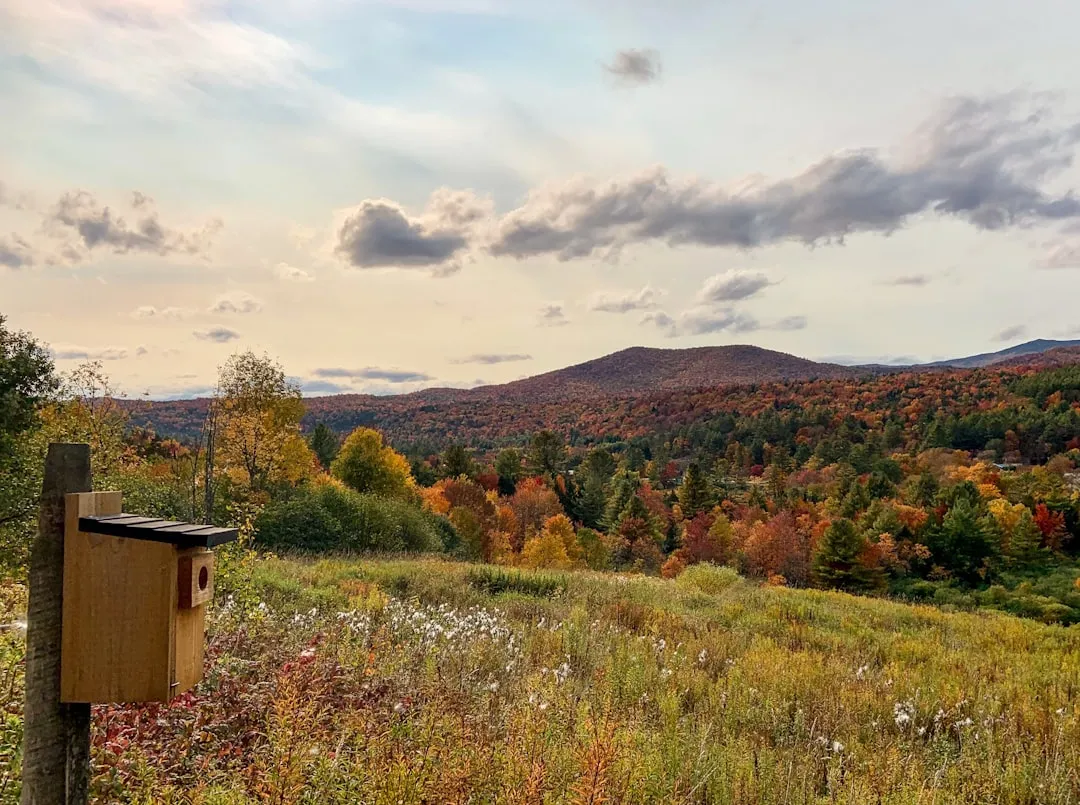
Booking mid-week rather than on weekends makes a real difference in these towns. Stowe gets busier earlier, especially on weekends in early to mid-October. Woodstock can also be busy in early to mid-October, but also stays busy a little later into the season. Either way, if you’re visiting anytime in October, expect some crowds – it’s Vermont’s most popular season by far.
More people are opting for extended vacations, especially remote workers blending work and leisure. A mountain town in autumn is genuinely one of the more productive places to spend a remote-work week, if your schedule allows. The silence is good for thinking, and the views from a cabin porch at 8 a.m. with coffee tend to put things in perspective quickly.
The beginning of autumn is the perfect time to go, as the air is brisk, the colors of the foliage are simply breathtaking, and traffic is minimal. Arrive a day or two before peak, plan to stay through it, and leave without rushing. That’s not a travel tip so much as a philosophy – and it’s exactly what these five places are quietly waiting to teach you.
AI Disclaimer: This article was created with the assistance of AI tools and reviewed by a human editor.