
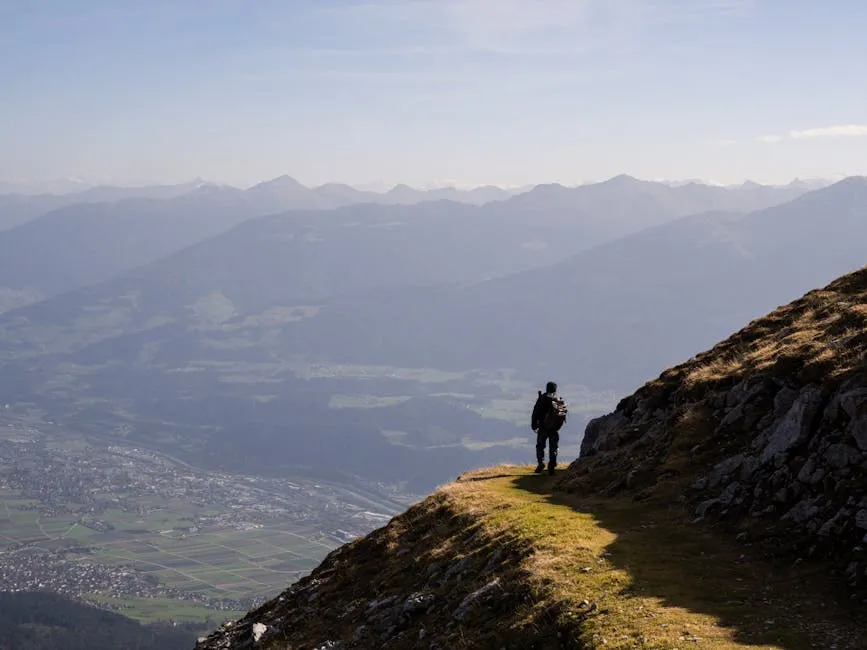

There’s a particular moment most solo travelers remember clearly. It usually happens somewhere unfamiliar, often inconvenient, and almost always alone. A missed train, a wrong turn, a restaurant table set for one in a city where you don’t speak a word. The world doesn’t pause. You figure it out. And quietly, something shifts.
Solo travel has moved well past the margins of mainstream culture. It is no longer just a rite of passage for twenty-somethings with backpacks. It’s a deliberate choice made by parents, professionals, retirees, and people navigating significant life changes. The reasons vary, but the psychological outcomes are remarkably consistent across age groups and backgrounds.
A Movement That Has Outgrown Its Niche
The global solo travel market was worth roughly $482.5 billion in 2024, and it is predicted to expand at a compound annual growth rate of around 13.5% by 2033, reaching a valuation approaching $1.5 trillion. Those are striking numbers for something that, not long ago, was considered unusual behavior.
A report by Skyscanner revealed that more than half of all travelers were considering at least one solo trip in 2024. More than one quarter of travelers also said they plan to go solo on their next trip, roughly double the figure from previous years, according to Globus’s 2024 tour trends data.
Google searches for “solo travel” have risen by 74% over the past two years, signaling a surge in genuine interest that goes well beyond casual curiosity. The market is growing because the need it serves is real.
Why People Actually Go Alone
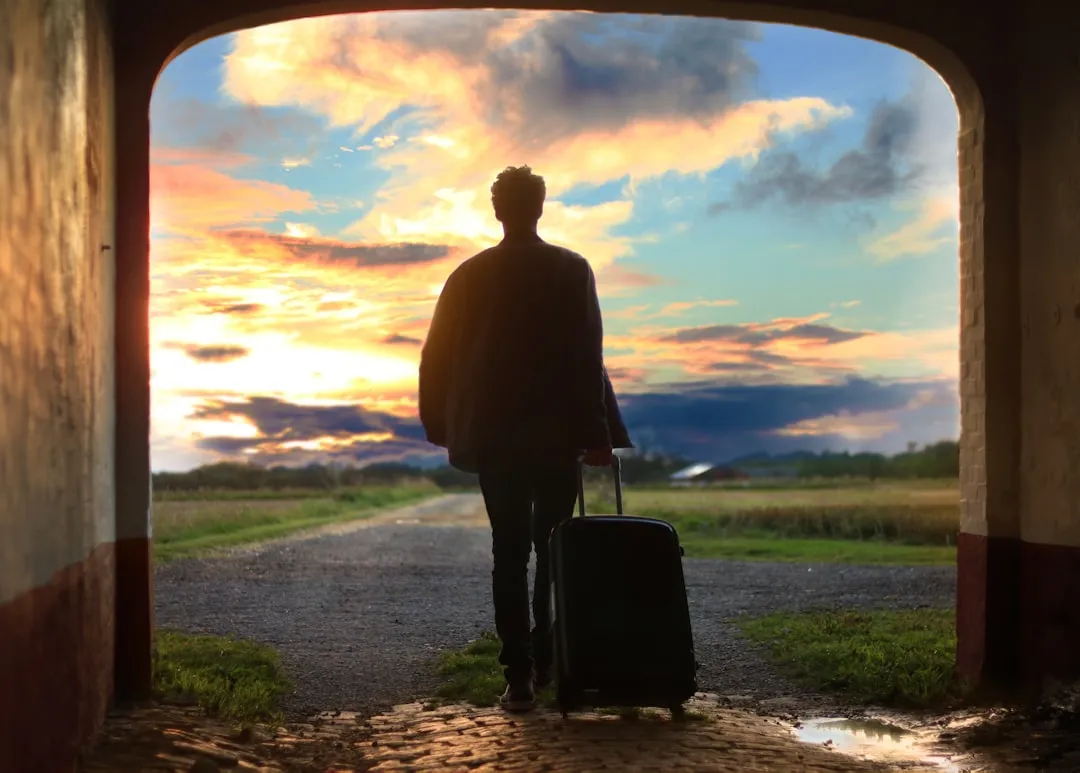
The number one stated reason people travel solo is the desire to see the world without waiting for others, cited by nearly three quarters of solo travelers. Practicality, in other words. Not crisis, not restlessness. Simply the refusal to put life on hold.
The most valued aspects of solo travel are freedom and spontaneity, along with the desire to have an adventure and step out of a comfort zone. Beyond logistics, nearly three quarters of U.S. survey respondents described solo travel as important for their mental health and wellness.
Hilton’s 2026 Trends Report found that the top motivation for leisure travel is to rest and recharge, cited by more than half of respondents, followed by time in nature and improved mental health. The solo journey, for many, is not an indulgence. It’s maintenance.
The Science of Self-Efficacy on the Road

Research published in late 2025 by ResearchGate found that solo travelers experience measurable improvements in self-efficacy, resilience, and interpersonal skills, alongside reductions in anxiety and stress. These aren’t self-reported impressions. They are tracked psychological outcomes.
Solo travel consistently builds self-efficacy, the belief in your own ability to handle challenges, and these gains persist long after returning home. Positive emotions generated during travel broaden thinking and build lasting psychological resources, including resilience and creativity.
Self-efficacy develops through mastery experiences, vicarious experiences, social persuasion, and physiological states. Solo travel uniquely activates all four sources, creating optimal conditions for its growth. Research consistently shows that solo travelers report increased self-confidence and belief in their capabilities following independent travel experiences.
Resilience Built Through Real Stakes
Solo travel offers unique psychological advantages that group travel cannot replicate. Independent exploration allows individuals to process personal challenges, develop problem-solving skills, and gain perspective through cultural immersion without social pressures or external influences.
Solo travel promotes autonomy, self-efficacy, and personal development. Travelers navigating unfamiliar environments independently face challenges such as complex transport systems, language barriers, and itinerary management. These experiences build problem-solving skills and confidence.
Self-efficacy is one of the strongest predictors of how people behave in future high-stress situations. People with high self-efficacy approach challenges with more confidence, persist longer when things get difficult, and recover faster from setbacks. That is resilience, not as a concept, but as a practiced skill.
Mental Health: What the Data Actually Shows

Nearly 78% of solo travelers say solo travel boosts their confidence, mental health, or both, according to Hostelworld’s State of Solo Travel 2025 report. That figure covers travelers across a wide range of ages and backgrounds, not just those already inclined toward wellness culture.
Psychology research identifies several specific mental health mechanisms at work, including the building of confidence through independent problem-solving, the reduction of anxiety via repeated safe exposure to feared situations, and the promotion of mindfulness because solo travel forces presence in the moment without group distractions.
The increasing recognition of mental health benefits associated with solo travel represents a primary growth driver for the market. Solo travel provides therapeutic benefits including stress reduction, confidence building, and personal reflection opportunities that align with growing wellness tourism trends.
Identity Clarity and the Space to Reflect
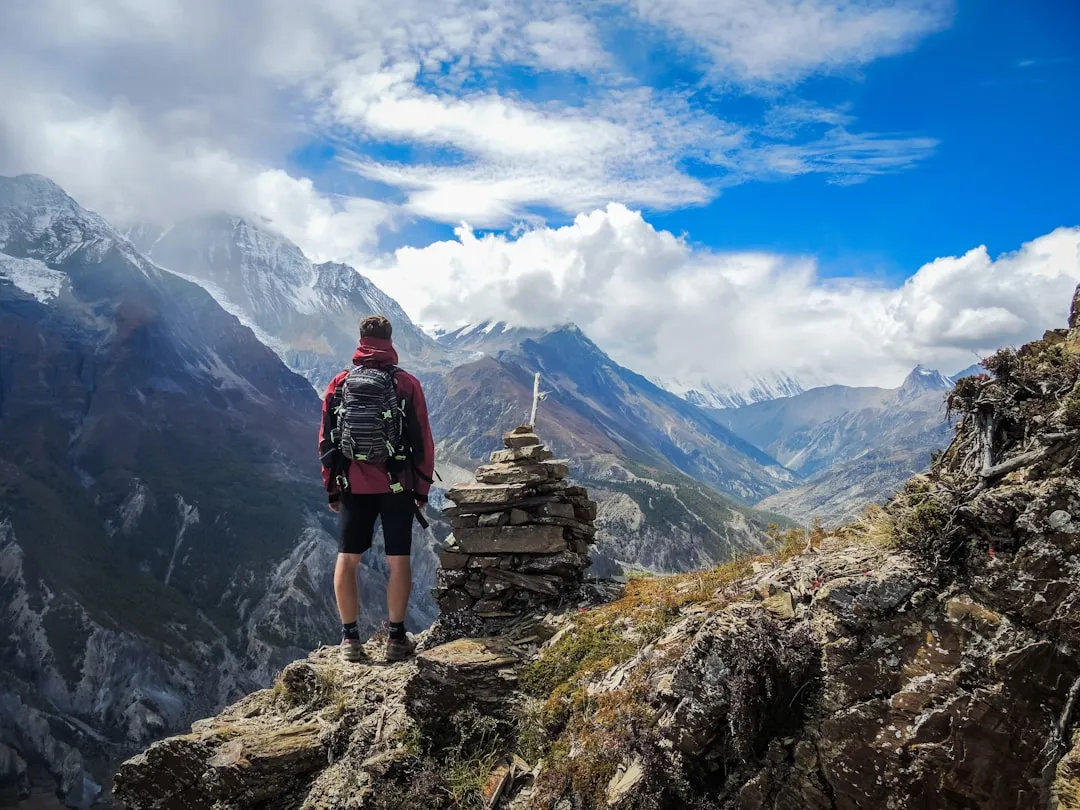
Solo travel provides a temporary reprieve from social roles, enabling reflection, exploration of new behaviors, and integration of experiences into personal narrative identity. Away from work titles, family dynamics, and social expectations, people often encounter a version of themselves they had stopped paying attention to.
Identity development through separation from familiar roles and extended self-reflection are recognized psychological outcomes of solo travel. Approximately 25% of all travelers now embark on solo journeys, representing a significant increase since 2015.
Long-term solo travelers show increased openness to experience, one of the five core personality traits, as well as lower neuroticism over time. These are not trivial shifts. Openness and emotional stability are among the traits most consistently linked to life satisfaction and adaptability.
Who Is Actually Traveling Alone
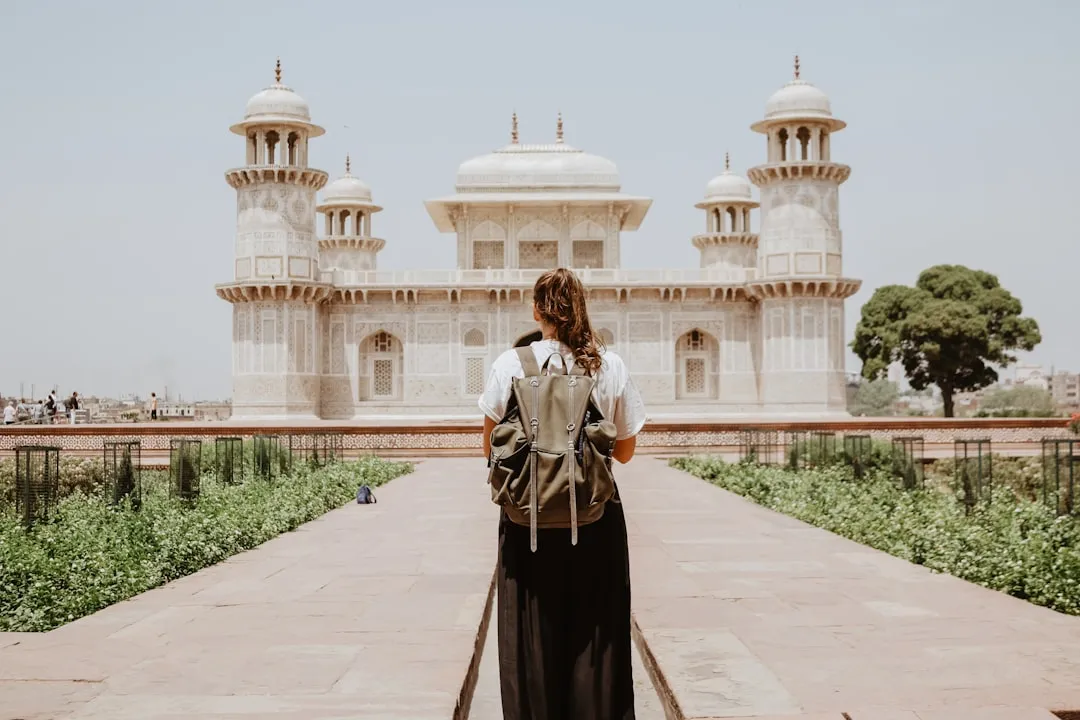
Women now lead the movement, making up roughly 84% of solo travelers. The profile extends well beyond single twenty-somethings with backpacks. Many are married, parents, or professionals seeking meaningful personal experiences, with around 31% having children.
Solo travel is a rising trend among Millennials and Gen Z, with 76% planning solo trips in 2024, according to the American Express 2024 Global Travel Trends Report. Gen Z solo travelers represent the future of the market with distinct preferences, prioritizing environmental sustainability, social justice considerations, and mental health benefits when making travel decisions. They are more likely to choose destinations based on environmental policies and seek experiences that provide educational or personal development value.
Most people make their first solo trip between the ages of 22 and 30. However, older travelers are increasingly entering the picture, particularly women who are widowed or have non-traveling partners.
The Professional Edge of Going Alone

Solo travel experiences translate directly into valuable professional skills. Employers increasingly value the adaptability, problem-solving abilities, and cultural competence that solo travel develops.
Each positive experience on the road, whether successfully ordering a meal in a foreign language or making a new friend in an unfamiliar city, contributes to a sense of mastery and self-efficacy. This increased self-efficacy often translates to other areas of life, with many solo travelers reporting improved confidence in social and professional settings long after their journey has ended.
Solo travelers often return with enhanced communication skills, cultural awareness, and the ability to work independently while maintaining strong interpersonal relationships, qualities that are highly sought after in today’s global business environment. It’s an investment that tends to compound.
Safety, Technology, and the Lowered Barrier to Entry
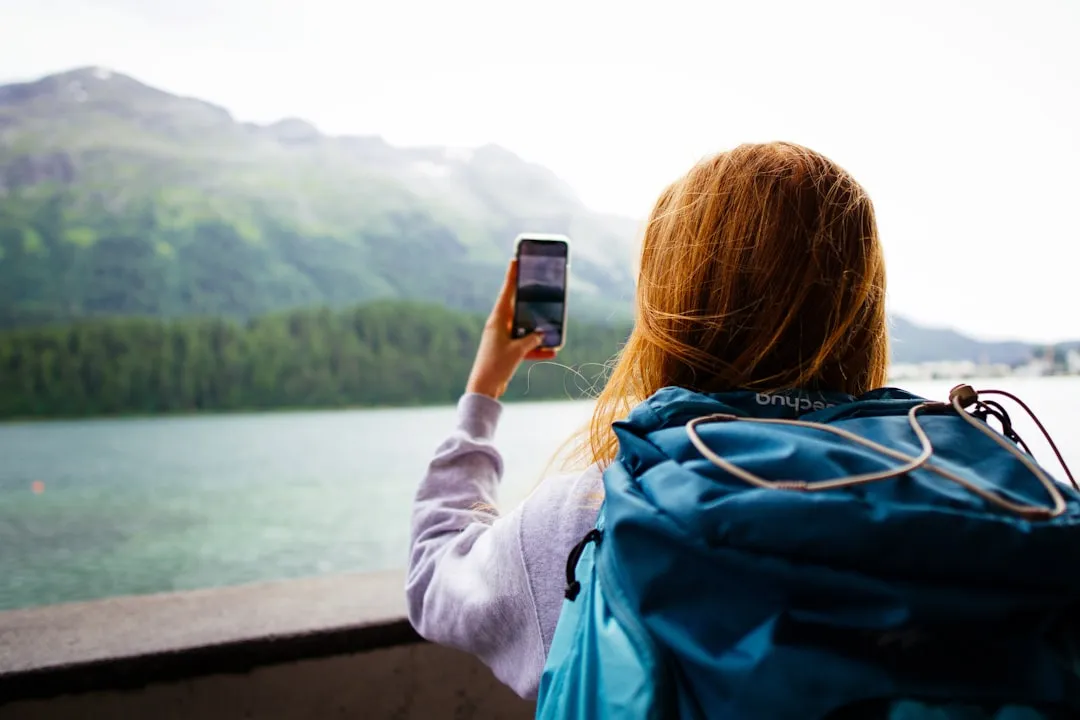
Advances in technology, such as user-friendly travel apps and platforms, have further facilitated solo travel by enhancing safety, connectivity, and convenience. Tech companies are capitalizing on the solo travel boom by creating apps that enhance safety, connectivity, and convenience. From real-time navigation tools to platforms that connect solo travelers with local guides, technology is bridging gaps and empowering individuals to explore confidently.
Apps like Tourlina for verified female travelers, Showaround for connecting with local guides, and Girls Love Travel with over two million members have created safety networks that actively reduce solo travel anxiety.
World Nomads reported that 70% of its travel insurance policy sales in 2024 were attributed to solo travelers, marking a steady increase from 68% in 2022 and 69% in 2023. Preparation is part of the culture now. Solo travelers aren’t reckless. They’re informed.
What Resilience Looks Like After You Come Home

Mental health professionals increasingly recommend solo travel as a form of experiential therapy, particularly for individuals recovering from major life transitions such as career changes, relationship endings, or bereavement. The road, it turns out, has long been a place where people find their footing again.
Of those who traveled solo in 2024, more than a third are already planning another four to five solo trips in 2025. That level of return engagement suggests that the experience delivers on its promise. People go back because it worked.
Research links solo travel to measurable gains in self-efficacy, resilience, and emotional regulation, as well as mood improvements that begin before the trip even ends. The courage to go alone, it turns out, doesn’t just take you somewhere new. It changes the person who makes the journey.
The lasting lesson of solo travel isn’t about any single destination or defining moment on the road. It’s the quieter realization that arrives somewhere between booking the ticket and finding your way back home: you were more capable than you thought, and the proof is now yours to keep.
AI Disclaimer: This article was created with the assistance of AI tools and reviewed by a human editor.