
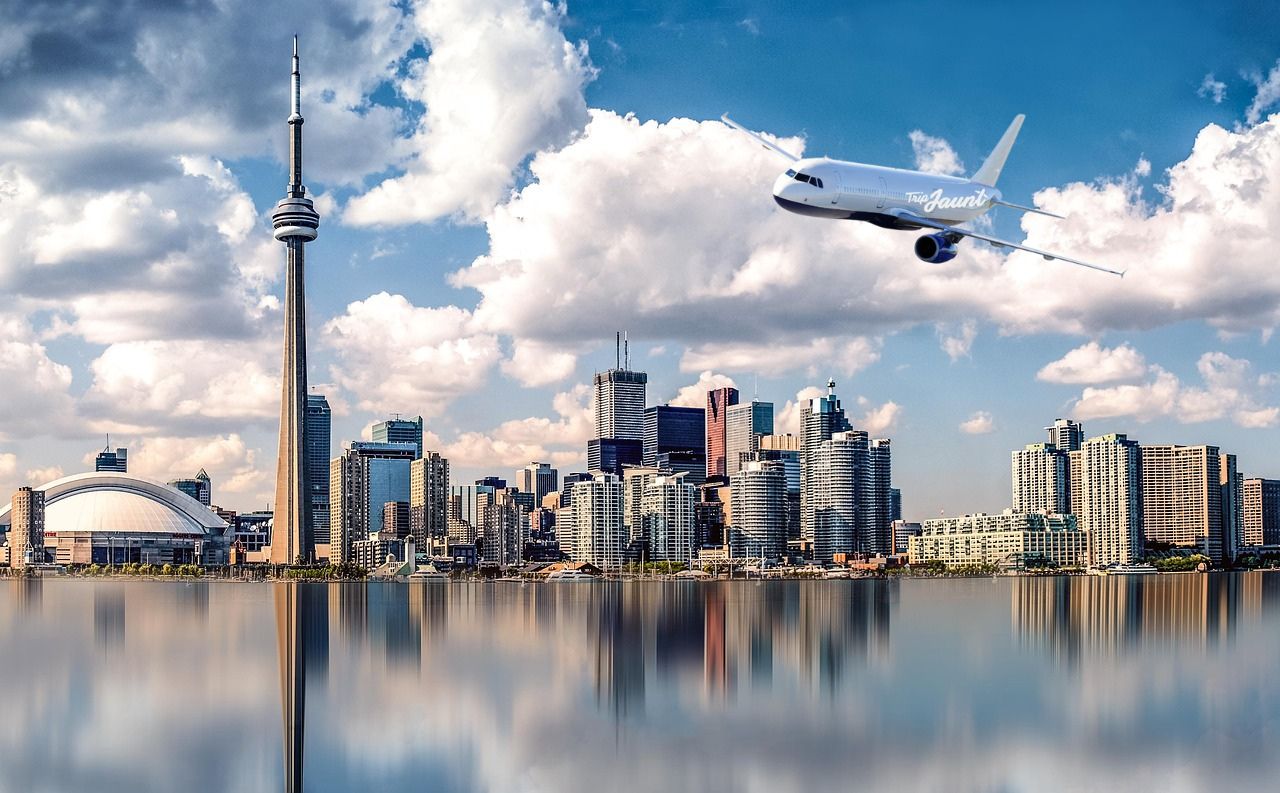

Toronto – More than half the city’s residents were born outside Canada, a demographic reality the United Nations has cited when describing it as the world’s most multicultural metropolis. With the 2026 FIFA World Cup weeks away, American fans crossing the border will encounter a host city that already functions as an international hub rather than one scrambling to adapt. The event simply amplifies what has long been in place.
The Stadium and the Matches That Matter Most
BMO Field at Exhibition Place will stage six matches, five in the group stage and one in the Round of 32. Temporary seating raises capacity to 45,736 for the tournament, making it the smallest venue on the schedule and therefore one of the loudest. Canada opens its home campaign there on June 12 against the UEFA playoff winner, the first time the men’s national team has played a World Cup fixture on Canadian soil.
The schedule also features Germany against Côte d’Ivoire on June 20 and a July 2 Round of 32 clash that could pit Portugal against England if both teams finish second in their groups. Panama and Croatia appear twice in the group phase, while Senegal closes the Toronto slate on June 26. The intimate scale of the stadium means every seat sits close to the pitch, concentrating atmosphere in ways larger venues rarely achieve.
| Date | Match | Stage |
|---|---|---|
| June 12 | Canada vs. UEFA Playoff Winner | Group B |
| June 20 | Germany vs. Côte d’Ivoire | Group E |
| June 26 | Senegal vs. Intercontinental Playoff Winner | Group I |
| July 2 | Group K Runner-Up vs. Group L Runner-Up | Round of 32 |
Getting There and Moving Around
Pearson International Airport sits roughly 30 minutes from downtown via the Union Pearson Express train, which runs every 15 minutes and offers a reliable alternative to rideshares or taxis. Once in the city, the TTC subway, streetcars, and buses cover most visitor needs when staying downtown. A PRESTO card handles fares across all modes.
Streetcar routes 509 and 511 connect King Street West directly to Exhibition Place. Walking west along the lakeshore from Union Station takes about 25 minutes on a pleasant June evening. Driving on match days is discouraged because the Gardiner Expressway and Lakeshore Boulevard become heavily congested. Rideshares remain available for longer cross-city trips or late returns.
Where to Stay and What to Eat
The Financial District and Distillery District place visitors near transit hubs and the waterfront, while Kensington Market and Queen West deliver independent restaurants, vintage shops, and street-level energy. King West offers higher hotel density and nightlife options. Each neighborhood sits within a short transit ride of the stadium.
Toronto’s food scene draws from more than 200 languages spoken locally. Scarborough serves some of the finest Cantonese seafood outside Hong Kong. Little Portugal offers standout pastéis de nata at Caldense Bakery. Kensington Market packs Jamaican, Korean, Mexican, and Middle Eastern options within a few blocks. St. Lawrence Market, operating since 1803, features the city’s signature peameal bacon sandwich on Saturday mornings.
Fan Culture and What Lies Beyond the Matches
Toronto FC supporters have developed organized groups over two decades that will translate directly to the national team. Every match at BMO Field will draw large local communities from the participating nations, creating an atmosphere rooted in residents rather than solely traveling fans. Alphonso Davies and Jonathan David anchor a Canadian side that reached the 2022 World Cup and now plays its first home tournament match before a sold-out crowd.
The Toronto Islands lie a 10-minute ferry ride from downtown and remain car-free, offering beaches and skyline views. High Park provides 400 acres of trails and green space. Niagara Falls is a 90-minute trip by train or bus, while Algonquin Provincial Park lies three hours north for those seeking wilderness. June temperatures typically range from highs in the low-to-mid 70s to cooler evenings near the lake, so a light layer proves useful after sunset.
Toronto has hosted G20 summits, NBA Finals, and Pan American Games without visible strain. The World Cup adds one more chapter to a city already accustomed to absorbing global events. American fans who venture beyond the downtown core and engage with its neighborhoods will encounter the same infrastructure and diversity that have defined the city for decades.
AI Disclaimer: This article was created with the assistance of AI tools and reviewed by a human editor.