
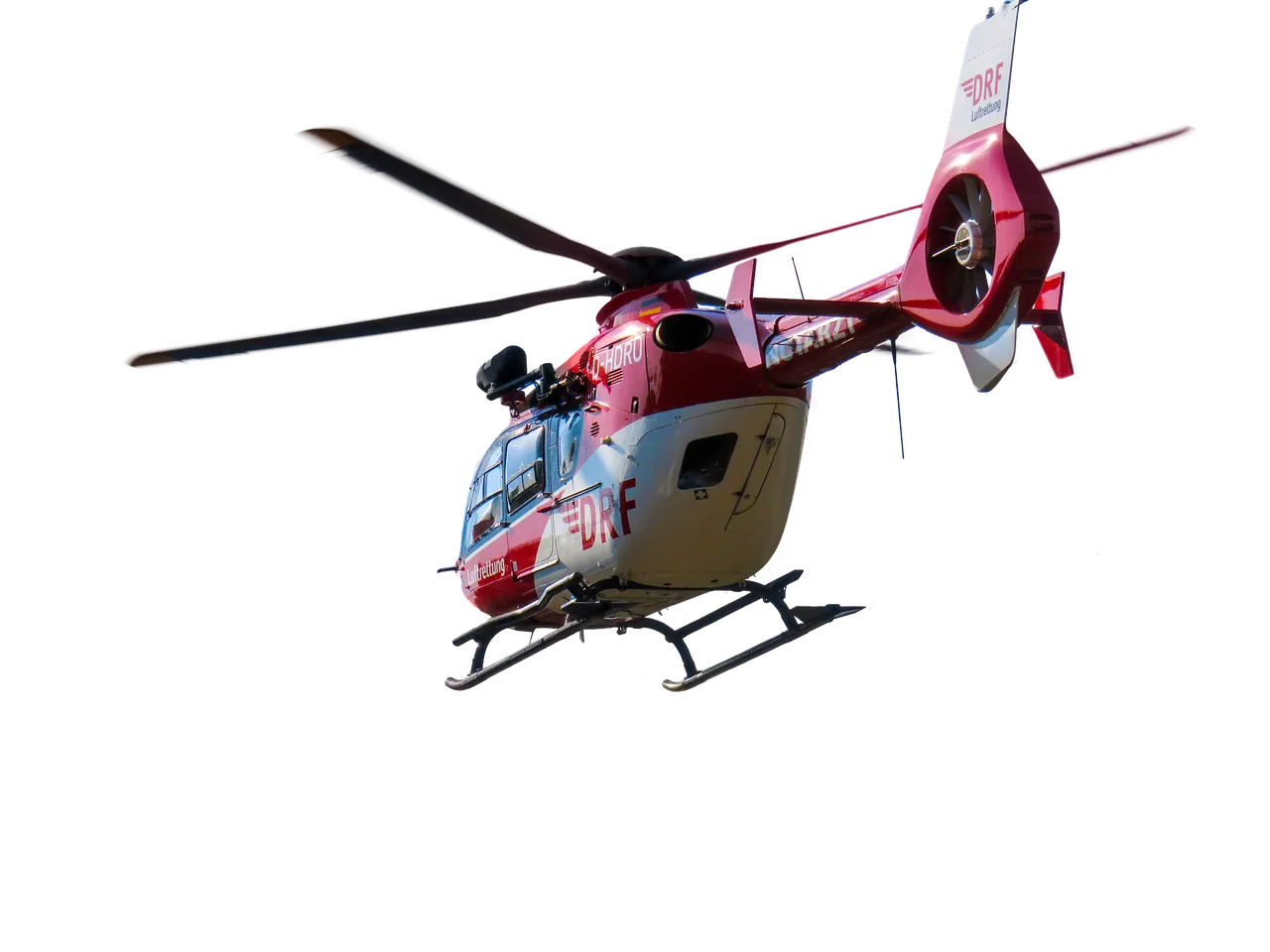

A hiker on the demanding trail to Mount Whitney in California’s Sierra Nevada required an emergency helicopter evacuation after becoming severely ill. The climber had consumed water from a source encountered during the ascent. Rescue crews reached the remote site and transported the individual to medical care.
The Rescue on the Mountain
Mount Whitney stands as the highest peak in the contiguous United States, drawing thousands of hikers each year to its strenuous routes. The trail winds through rugged terrain at high elevation, where conditions can shift quickly. In this case, the hiker’s illness struck during the journey, prompting an immediate call for help.
Helicopter teams coordinated with ground support to locate and extract the climber from the steep slopes. Such operations demand precise timing and skill, especially in the thin air and variable weather of the Sierra Nevada. The successful airlift prevented further complications in an area far from road access.
Why Trail Water Poses Hidden Risks
Streams and springs along high-altitude trails often appear clear and inviting, yet they can carry bacteria, parasites, or other contaminants. Hikers who drink untreated water expose themselves to gastrointestinal illness that can escalate rapidly at elevation. Dehydration and fatigue compound the problem, turning a minor issue into a medical emergency.
The Sierra Nevada’s remote sections offer limited options for immediate assistance. Once symptoms appear, descent on foot may prove impossible for an affected climber. This incident underscores how quickly a routine stop for water can turn critical on popular routes like the one to Mount Whitney.
Broader Lessons for Sierra Nevada Hikers
Preparation remains essential for anyone planning the Mount Whitney climb or similar outings. Carrying sufficient treated water or reliable purification methods reduces exposure to trail sources. Many experienced hikers now rely on filters, tablets, or boiled water as standard practice.
Weather, altitude, and physical demands already test participants on these trails. Adding the variable of untreated water increases the overall risk profile. Rescue resources in the region stay stretched, making prevention the most reliable safeguard.
Key points from the event:
- Illness developed after drinking water along the Mount Whitney trail.
- Helicopter evacuation was required due to the remote Sierra Nevada location.
- The case serves as a reminder of water safety on high-elevation hikes.
Incidents like this one remind outdoor enthusiasts that even familiar trails carry unexpected variables. Proper planning and caution with water sources can help ensure more hikers return safely from the Sierra Nevada peaks.
AI Disclaimer: This article was created with the assistance of AI tools and reviewed by a human editor.