
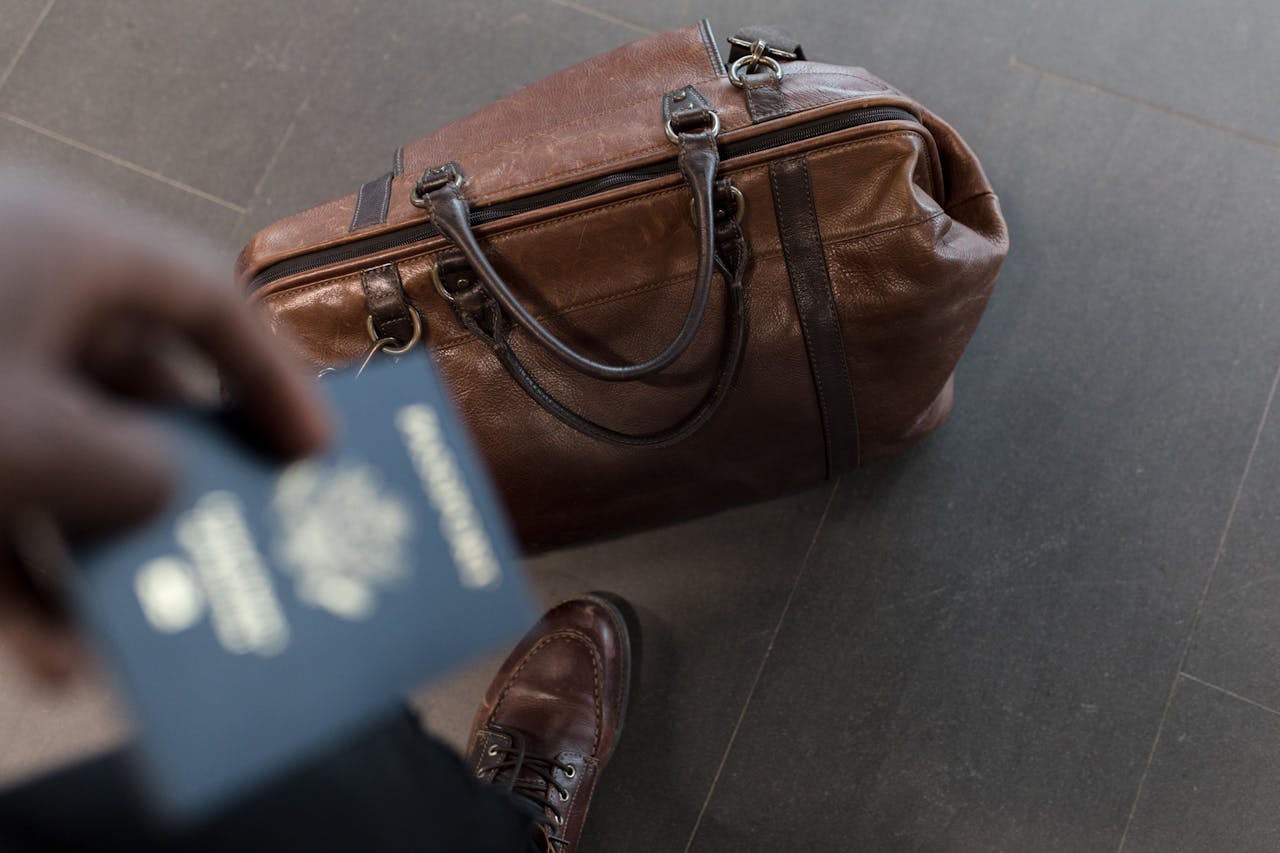

A traveler arrived in Spain only to confront a rapid series of setbacks that threatened the entire journey. A delayed bag, stolen passports, and a cancelled flight struck in succession, creating immediate practical and emotional strain. Yet awareness of established international protections allowed the situation to reach a positive resolution rather than a complete loss.
The Sequence of Setbacks
The difficulties began with luggage that failed to appear on the carousel after landing. Hours later, the traveler discovered that passports had been taken, leaving identification and travel documents missing at a critical moment. A subsequent flight cancellation then eliminated the planned onward connection, compounding the disruption across multiple days.
Each incident arrived without warning and overlapped with the next, turning what should have been a straightforward visit into a test of logistics and composure. The combination of lost belongings, missing documents, and grounded travel left little room for immediate alternatives. Recovery depended on prompt action and a clear understanding of available remedies.
International Rules That Apply
The Montreal Convention governs liability for baggage issues on international flights, establishing carrier responsibility for delays and loss. EU261 provides specific remedies when flights departing from or arriving in the European Union are cancelled, including compensation and rebooking assistance. These frameworks operate independently of one another yet address overlapping problems that frequently arise together.
Passports fall under separate consular and local police procedures, but the surrounding travel disruptions often intersect with the aviation rules. The conventions create defined timelines and obligations for airlines, shifting the burden away from the passenger once claims are properly filed. Knowledge of these distinctions proved decisive in moving from immediate crisis to structured recovery.
Turning Claims Into Results
Documentation collected at each stage formed the basis for submissions under both the Montreal Convention and EU261. Airlines responded with rebooking options and compensation offers once the relevant regulations were cited. The process required persistence through forms and follow-up correspondence, yet produced tangible outcomes that offset the original costs and inconvenience.
Passports were eventually replaced through standard channels, allowing the trip to continue on revised terms. The combination of remedies restored financial balance and enabled completion of the itinerary. What began as a cascade of problems concluded with restored mobility and partial restitution.
Why These Protections Matter
Travelers frequently encounter one disruption at a time, yet simultaneous events remain possible on any international itinerary. The Montreal Convention and EU261 exist precisely to address such scenarios without requiring passengers to absorb every expense. Their application depends on timely reporting and accurate records rather than special circumstances.
Preparation therefore centers on understanding the basic scope of each rule before departure. This awareness converts potential total loss into manageable recovery steps. The Spain experience illustrates how the same regulations that cover routine delays can also handle more complex chains of misfortune when invoked correctly.
A Measured Perspective
Incidents of this kind underscore the value of knowing the legal context that surrounds air travel. The outcome in this case shows that even stacked problems can be addressed through established channels rather than accepted as final. Future journeys benefit from the same baseline familiarity with these protections.
Ultimately, the episode serves as a reminder that international rules provide practical recourse when things go wrong. Preparation in this area reduces the lasting impact of unexpected events and supports a return to normal travel plans.
AI Disclaimer: This article was created with the assistance of AI tools and reviewed by a human editor.