
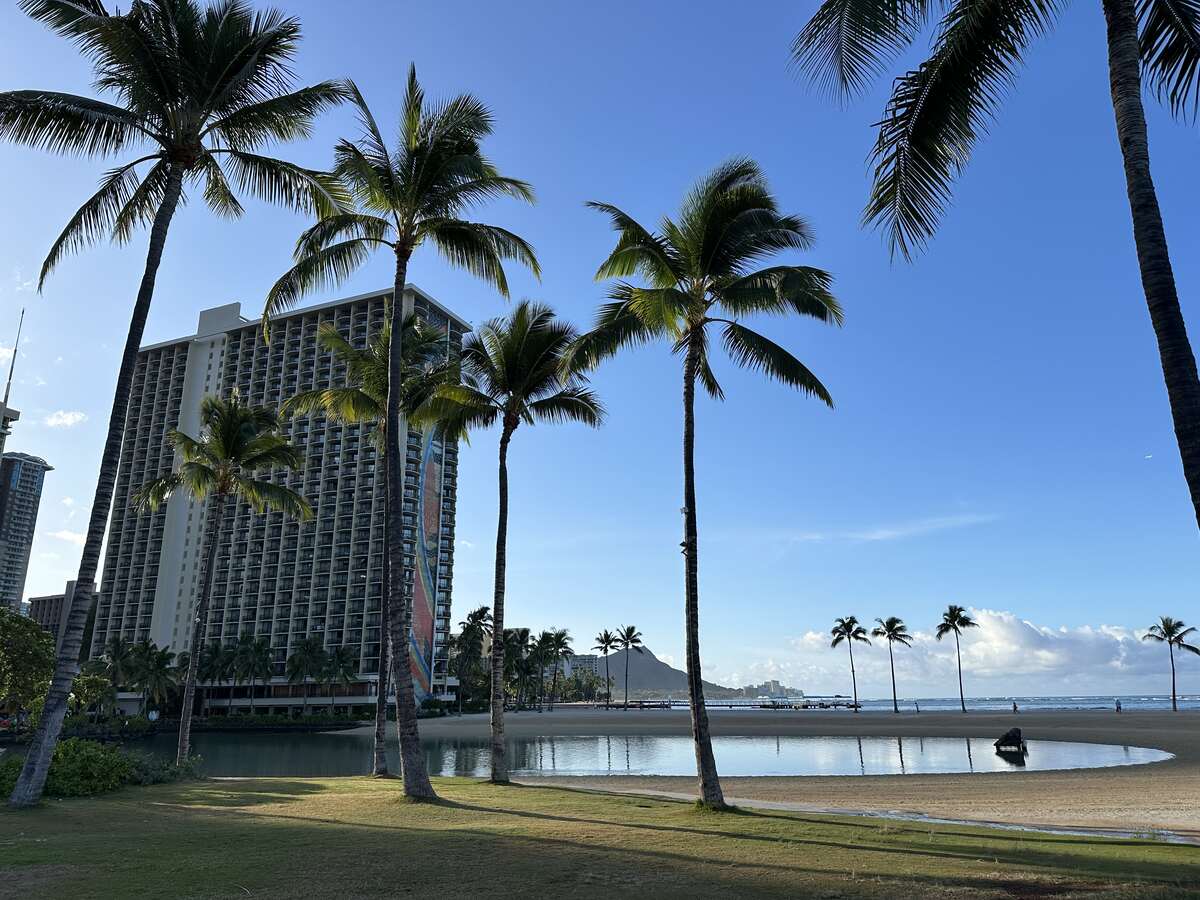

Looking beyond the sand to discover the history, culture, community, and everyday moments that make Hawaiʻi’s capital unforgettable
Many visitors arrive in Honolulu with a familiar checklist: Waikīkī Beach, Diamond Head, a sunset cocktail, and perhaps a surf lesson. While those experiences are certainly part of the story, it didn’t take long to realize that Honolulu is more than a beach destination. Some of my most meaningful experiences happened while watching surfers greet the dawn, wandering through Chinatown, and learning the stories behind Hawaiʻi’s royal past.
I discovered this on my first morning in Hawaiʻi. Jet lag had me awake before sunrise, and what I found was not a city waiting to wake up, but one already alive. Surfers gathered for dawn patrol discussing the morning surf conditions as “funky” conditions and “morning sickness.” Paddleboarders glided across the water. Birds searched for breakfast along the shoreline. A light rain drifted through the air, more refreshing mist than shower, and while visitors might instinctively seek shelter, locals simply carried on.
For travellers looking to experience more than just the postcard version of Honolulu, these meaningful experiences offer an excellent place to begin.
1. Experience Waikīkī at Dawn
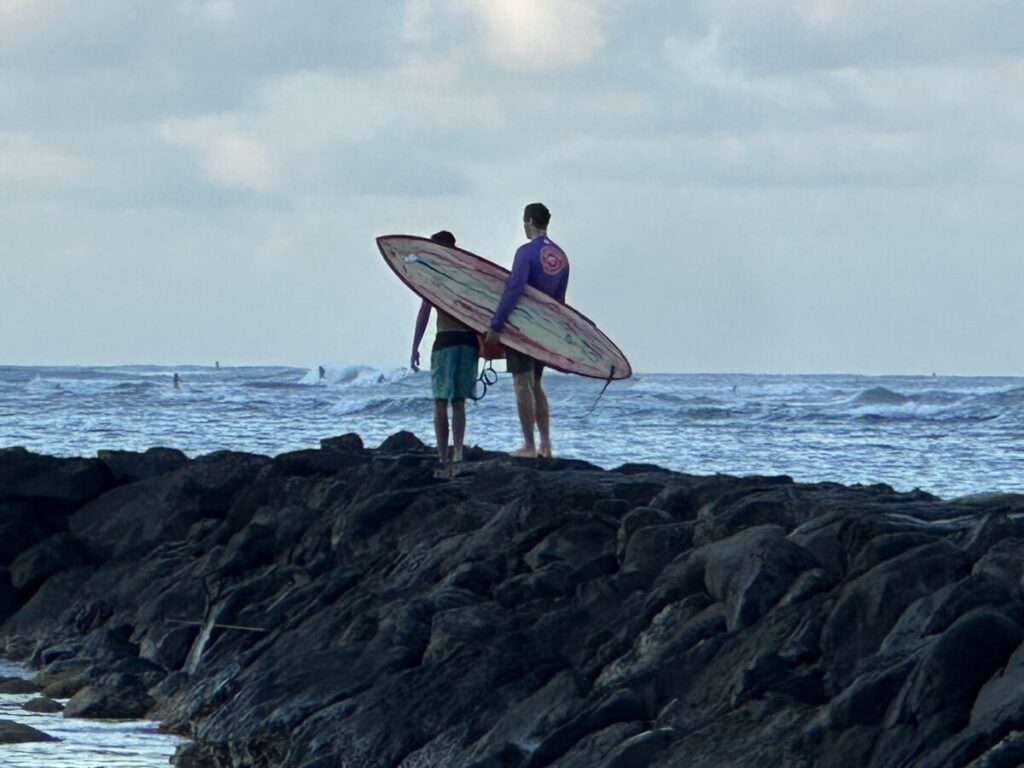
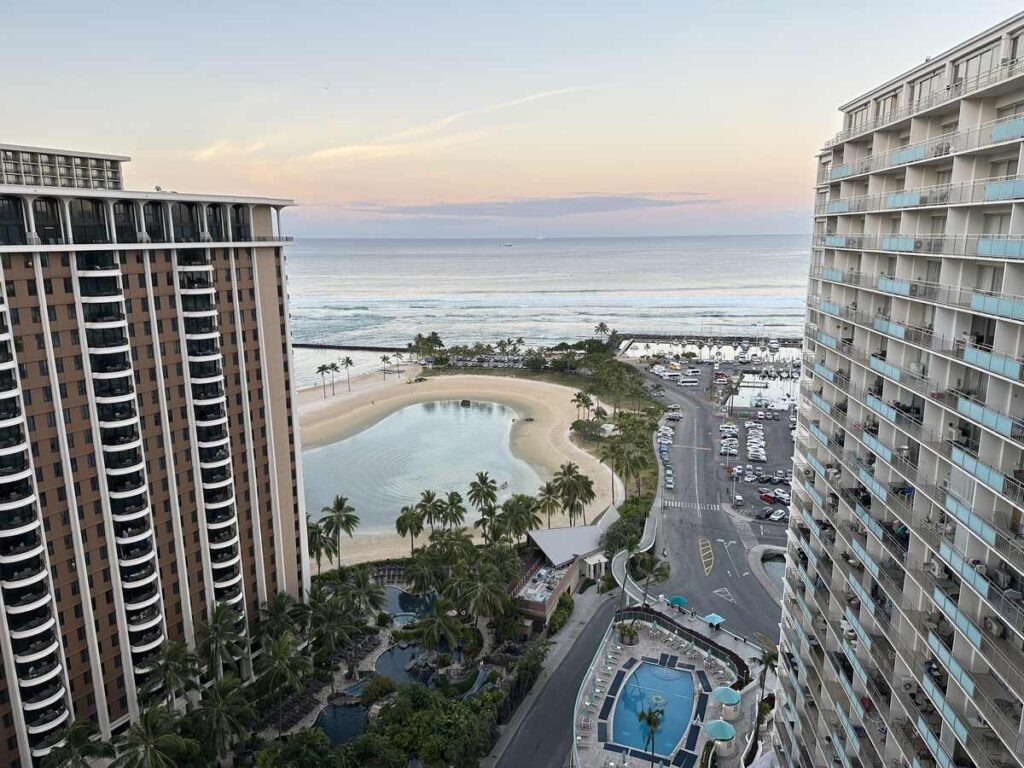
Long before beach chairs appear and crowds gather, Waikīkī belongs to the early risers.
On my first morning in Honolulu, jet lag had me awake before sunrise. What I found was not a city waiting to wake up, but one already in motion. Surfers gathered for dawn patrol, discussing the day’s “funky” conditions and “morning sickness” before paddling into the Pacific. Paddleboarders glided across the water, walkers followed the shoreline, and the city quietly eased into a new day.
For visitors, surfing may appear to be a recreational activity, but in Hawaiʻi it is much more than a sport. Surfing, or heʻe nalu (“wave sliding”), has deep cultural roots that stretch back centuries. It was practised by Hawaiian royalty and commoners alike and was woven into the social, spiritual, and cultural fabric of island life. The ocean was not simply a playground but a source of sustenance, identity, and connection.
Watching surfers at dawn offers more than a beautiful photo opportunity. It provides a glimpse into a living tradition that continues to shape Hawaiʻi today. Whether riding waves, paddling canoes, or simply gathering to watch the sunrise, many residents maintain a relationship with the ocean that feels both respectful and deeply personal.
As a traveller, one of the greatest privileges is witnessing these everyday rituals. Standing quietly on the shoreline as the sky begins to brighten, it becomes clear that Waikīkī is more than a famous beach. It is a place where culture, community, and the ocean continue to meet each morning.
Tip: Set your alarm and spend at least one morning outdoors before sunrise. Leave your agenda behind, find a place to sit, and simply observe. Some of Honolulu’s most meaningful moments happen before the rest of the city wakes up.
2. Walk the Waikīkī Promenade
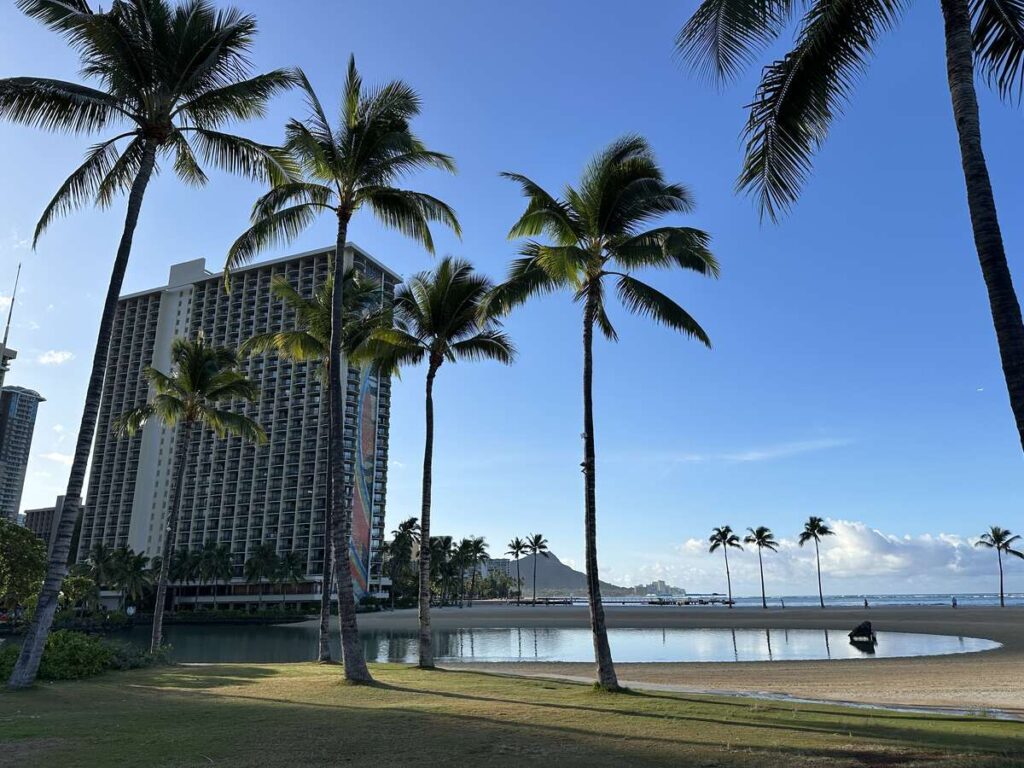
One of the simplest ways to experience Honolulu is also one of the most meaningful.
The promenade follows the shoreline, gently undulating alongside the Pacific Ocean and revealing a different perspective at nearly every turn. As you walk, the rhythm of the city begins to emerge. Surfers carry boards toward the water. Canoe crews prepare for practice. Families gather beneath the shade of palms. Residents walk, jog, and cycle along a route that feels as much a part of daily life as it is a visitor attraction.
In Hawaiʻi, the ocean is more than scenery. It is part of the islands’ history, culture, and identity. The Hawaiian word kaimeans sea, and throughout the islands, life has long been connected to the water for transportation, sustenance, recreation, and spiritual connection. Walking beside the ocean offers an opportunity to appreciate that relationship while observing how it continues to shape everyday life today.
The promenade also invites travellers to slow down. Rather than rushing between attractions, it encourages curiosity. Pause to watch the waves, listen to the conversations around you, or simply take in the changing colours of the Pacific. Some of the most memorable travel experiences are not found on an itinerary but in the moments between destinations.
Tip: Early morning and late afternoon offer the most comfortable temperatures and beautiful light for photography, but they also provide the best opportunity to observe Honolulu at its most authentic pace.
3. Spend a Saturday Morning at Kakaʻako Farmers Market
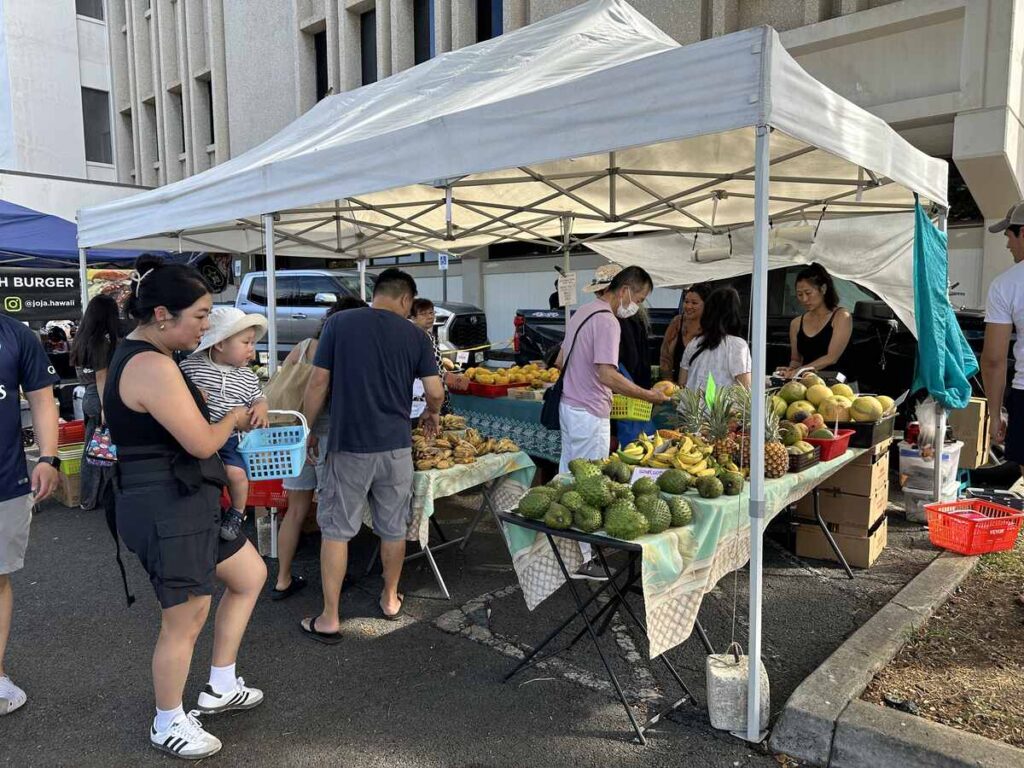
To understand a destination, spend time where its residents gather.
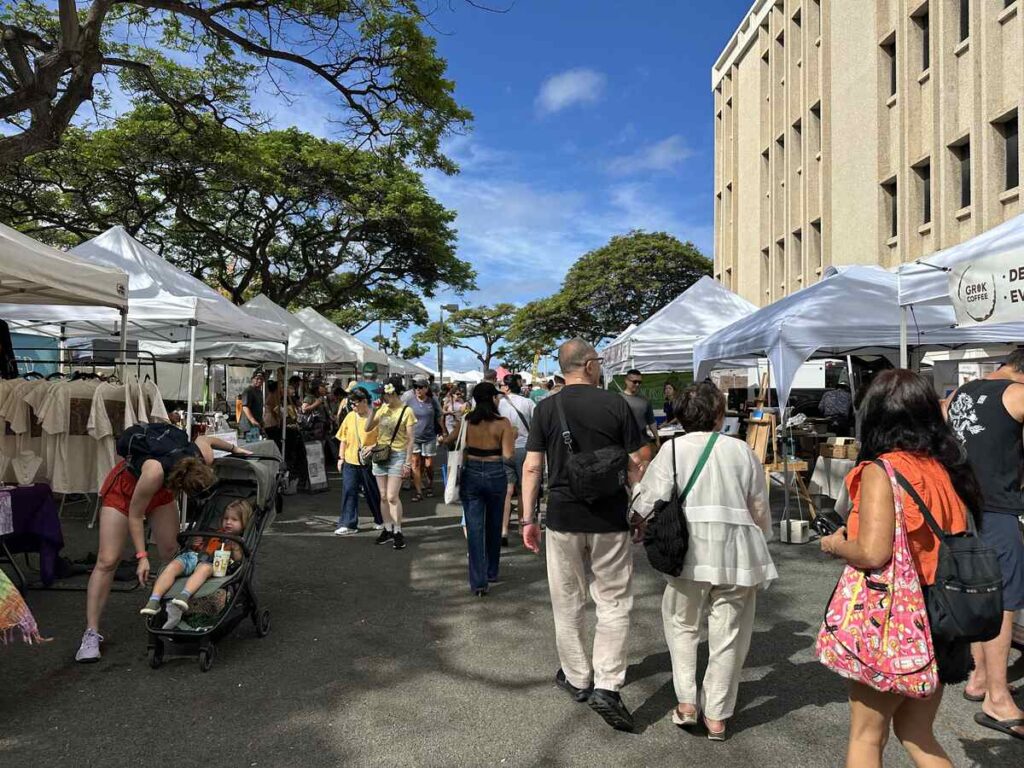
Each Saturday morning, beneath the shade of sprawling monkeypod trees, Kakaʻako Farmers Market comes alive with farmers, food vendors, food trucks, artisans, and local makers. Visitors will find everything from tropical fruit, fresh produce, smoothies, and baked goods to handcrafted jewellery, clothing, hats, artwork, home goods, and unique island-inspired products.
While visitors often seek out iconic attractions, markets offer something equally valuable: a glimpse into everyday life. Here, neighbours catch up over breakfast, families shop for the week ahead, and entrepreneurs proudly share the products they grow, make, and create. The market reflects not only Hawaiʻi’s agricultural heritage, but also its creativity, entrepreneurial spirit, and strong sense of community.
For travellers, it is one of the easiest places to move beyond sightseeing and become immersed in local life. Rather than observing from a distance, visitors share space with residents going about their weekend routines. Conversations happen naturally, recommendations are exchanged freely, and the spirit of aloha feels genuine rather than staged.
In Hawaiian culture, aloha is more than a greeting. It reflects a way of relating to others with kindness, respect, and generosity. Markets like Kakaʻako provide an opportunity to experience that spirit firsthand while supporting local farmers, artists, and small businesses.
Tip: Arrive hungry, leave room in your suitcase, and take the time to speak with vendors about the stories behind what they grow, make, and create.
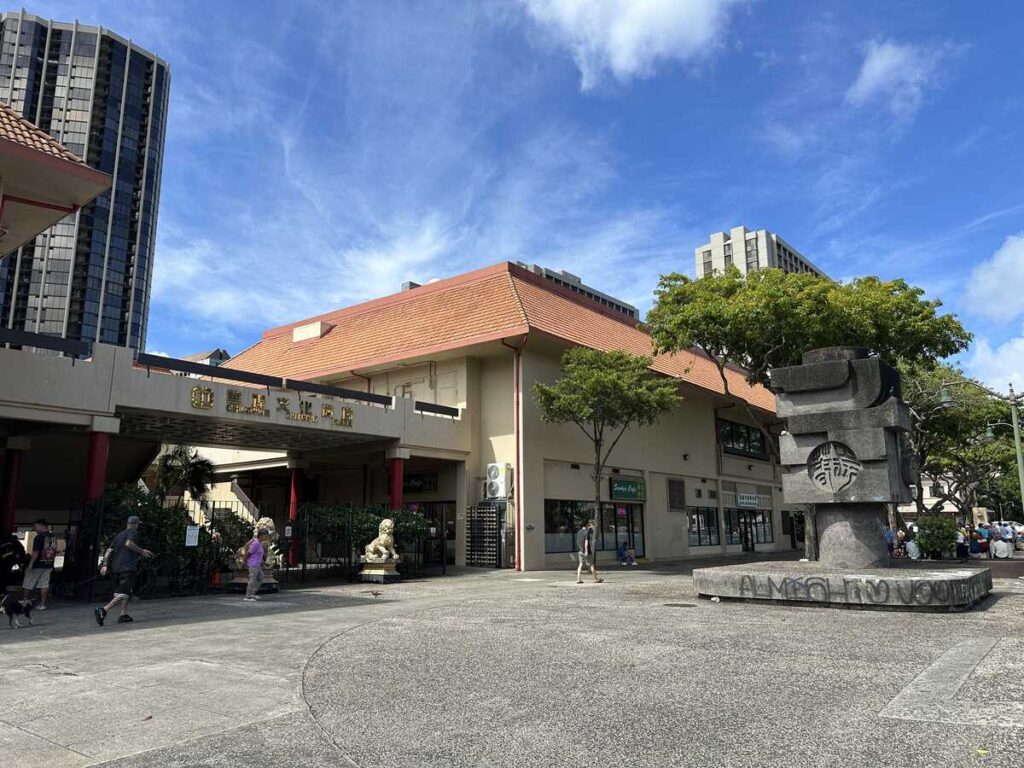
4. Explore Honolulu’s Chinatown
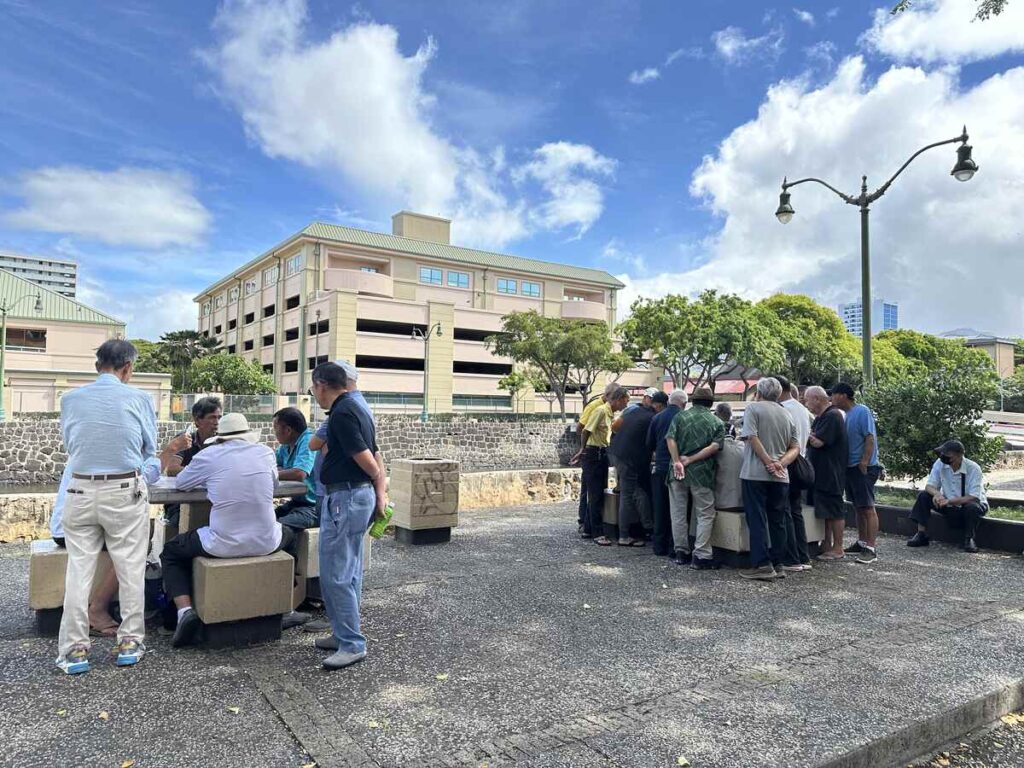
Only minutes from downtown Honolulu, Chinatown offers a fascinating glimpse into the many cultures and communities that helped shape modern Honolulu.
Historic buildings stand alongside produce markets, galleries, cafés, murals, herbal shops, and family-owned businesses that have served the neighbourhood for generations. The streets are alive with activity, creating a vibrant blend of old and new where history and everyday life comfortably coexist.
One of the most memorable moments of my visit had nothing to do with architecture or sightseeing. Tucked beneath the shade, a group of elderly men had gathered around tables to play games. Some focused intently on strategy while others laughed and chatted with friends. It was a simple scene, yet it spoke volumes about friendship, routine, and community. In a destination celebrated for its beaches and natural beauty, it was a reminder that some of the most meaningful travel experiences come from observing everyday life.
Chinatown also reflects the waves of immigration that helped shape Hawaiʻi. Chinese, Japanese, Filipino, Korean, Portuguese, and other communities have contributed to the rich cultural tapestry that defines Honolulu today. Exploring the neighbourhood offers visitors an opportunity to better understand the people and stories behind the city.
For travellers willing to wander without a strict agenda, Chinatown rewards curiosity. Turn down a side street, browse a local market, admire a mural, or stop for a conversation. The neighbourhood reveals itself slowly, one discovery at a time.
Tip: Visit with an open mind and no fixed schedule. Some of Chinatown’s most memorable moments are the ones you never planned for.
5. Browse the Shops of Duke’s Lane
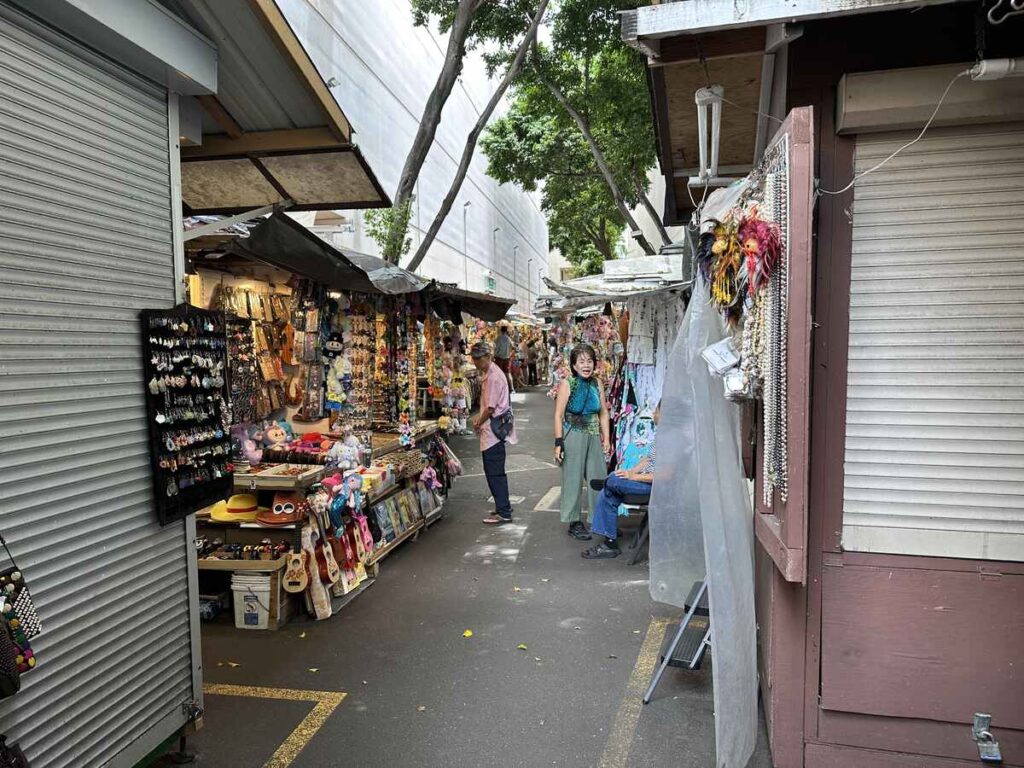
Part of the fun of finding Duke’s Waikīkī is getting there.
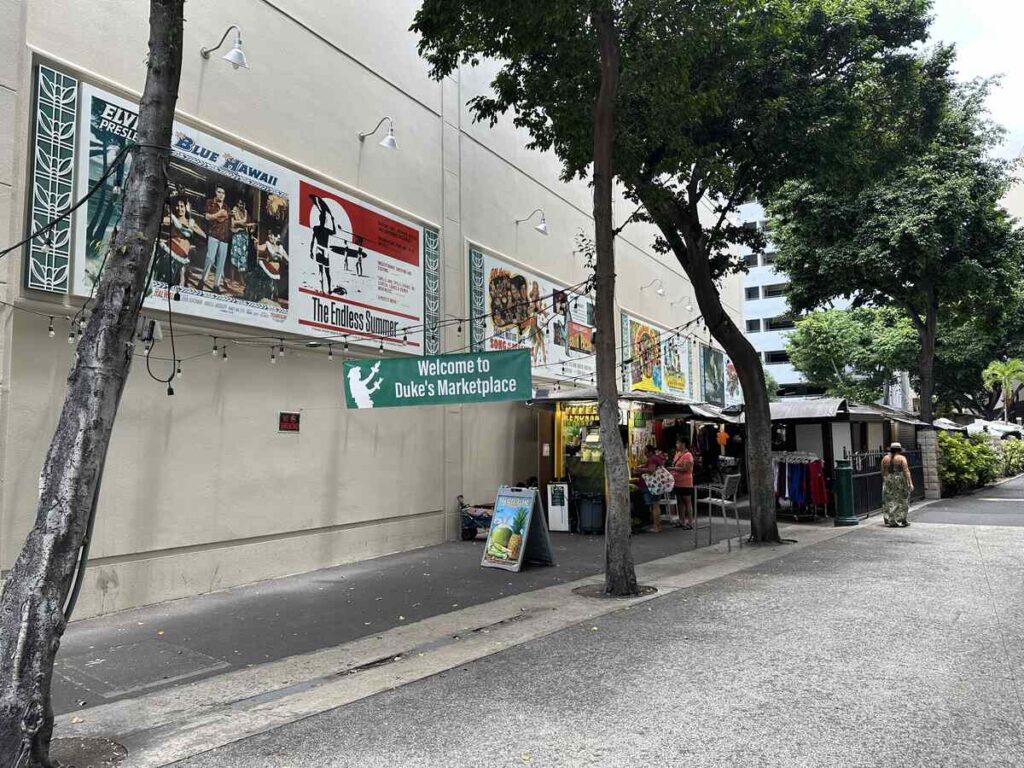
Tucked between Waikīkī’s busy streets and beachfront resorts, Duke’s Lane feels a bit like a maze of walkways, hidden passages, and unexpected discoveries. As I made my way to lunch, I found myself weaving through a collection of local vendors, boutiques, and specialty shops, each offering something a little different from the last.
For travellers searching for a meaningful keepsake, the lane offers more than the typical souvenir experience. Clothing, hats, jewellery, locally inspired gifts, and handcrafted items provide an opportunity to bring home something that reflects the spirit of the islands. Even if you’re not shopping, wandering through the lane offers a glimpse into another side of Waikīkī beyond the beach.
Like many of the best travel discoveries, Duke’s Lane was not something I had planned to explore. It simply appeared along the way and became part of the experience.
Tip: Give yourself extra time before lunch or dinner at Duke’s. The lane is easy to wander through, and you may find yourself lingering longer than expected.
6. Enjoy Lunch or Dinner at Duke’s Waikīkī
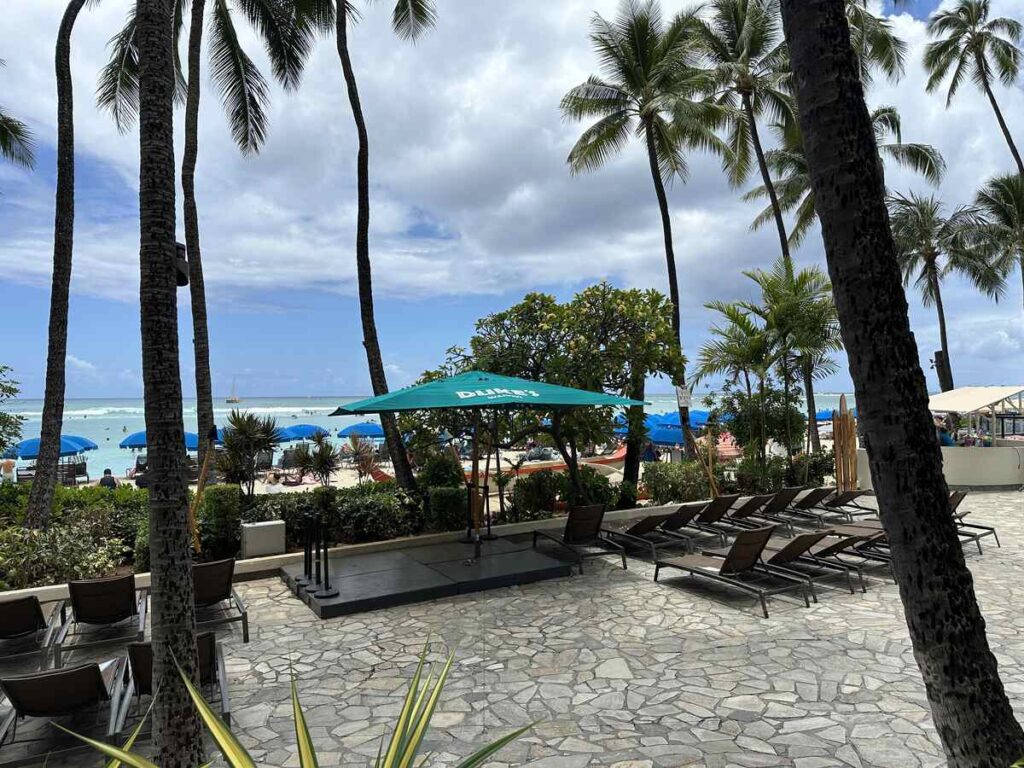
Few restaurants capture the spirit of Waikīkī quite like Duke’s.
Located within the Outrigger Waikīkī Beach Resort, finding the restaurant can feel like part of the adventure. Visitors approaching from Kalākaua Avenue may find themselves navigating resort corridors, courtyards, and pathways before finally emerging at the ocean’s edge. Alternatively, arriving from the beachside promenade offers a more direct route and a beautiful introduction to the setting.
Once there, the appeal becomes immediately clear. The restaurant overlooks Waikīkī Beach and one of the world’s most recognizable surf breaks, offering a front-row seat to the activity that has defined this stretch of coastline for generations. Throughout lunch, surfers paddled out, returned from the waves, and gathered along the shoreline, creating a constantly changing backdrop that felt uniquely Hawaiian.
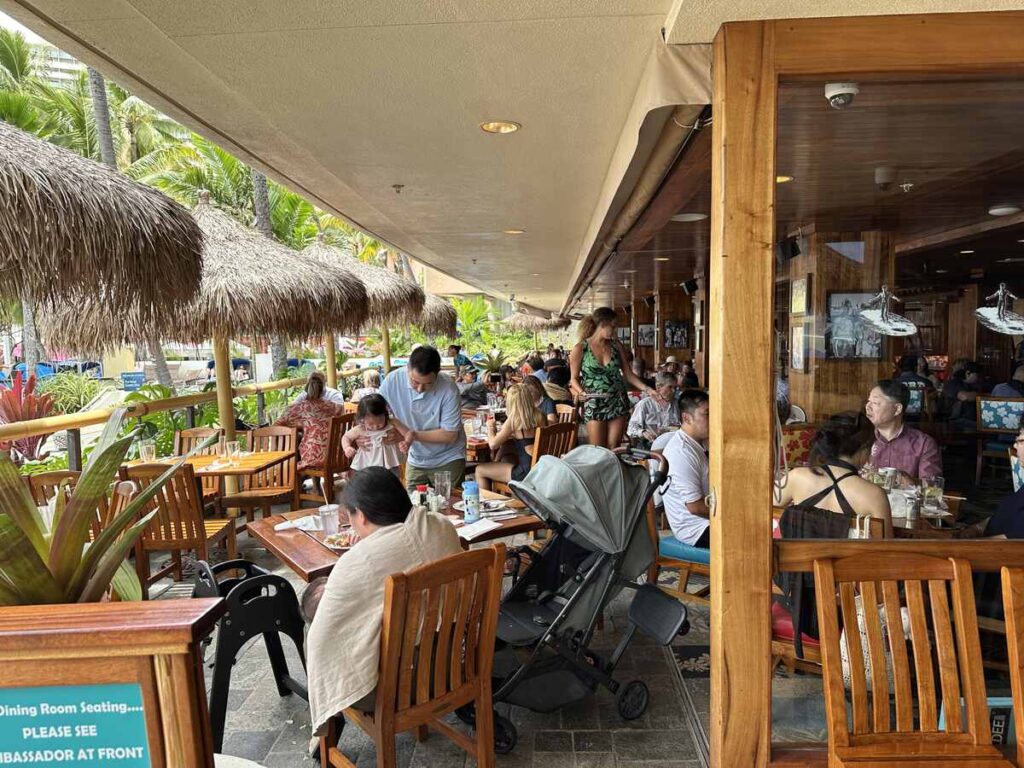
Named after Duke Kahanamoku, the legendary Olympic swimmer, surfer, and ambassador of aloha, the restaurant serves as more than a dining destination. It offers an opportunity to experience Waikīkī’s enduring relationship with the ocean. Whether you arrive for breakfast, lunch, or dinner, the view reminds visitors that surfing is not simply a pastime in Hawaiʻi, but an important part of the islands’ cultural identity.
As the waves roll in and out and beach life unfolds before you, it becomes easy to understand why so many visitors linger longer than planned.
Tip: Request an ocean-view table if possible and give yourself permission to stay awhile. The scenery is every bit as memorable as the meal. Park in the Outrigger Resort and get your parking validated.
7. Visit the Duke Kahanamoku Statue
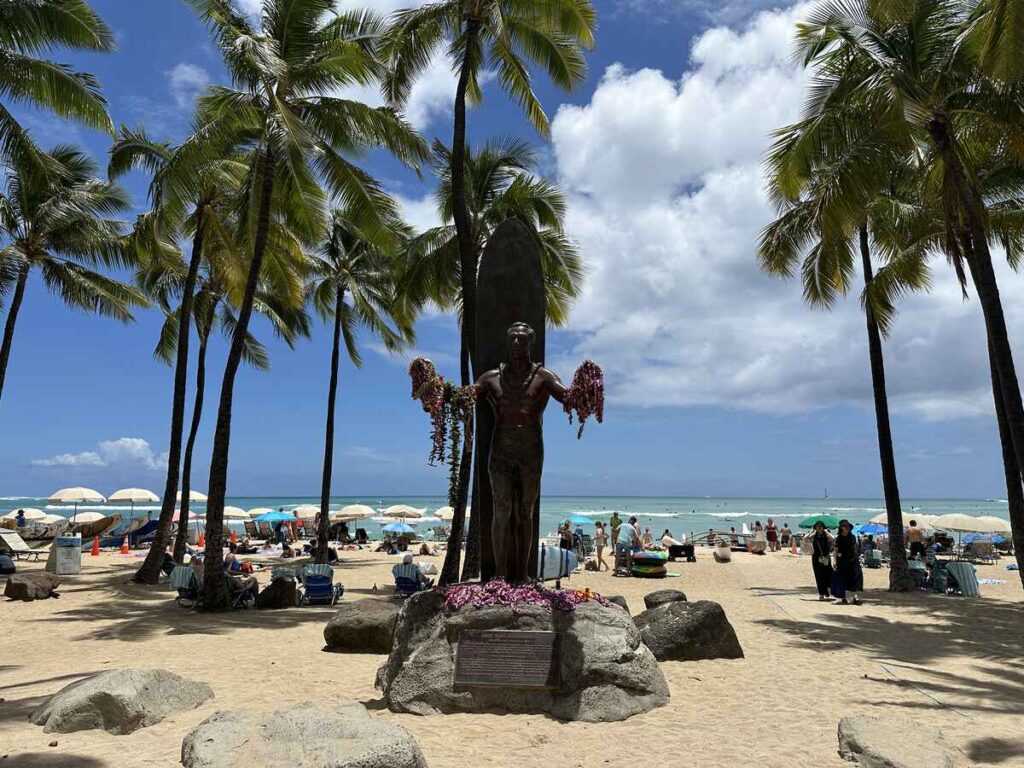
Standing along Waikīkī Beach with outstretched arms welcoming visitors from around the world, the Duke Kahanamoku Statue honours one of Hawaiʻi’s most beloved cultural icons.
Born in Honolulu in 1890, Duke Kahanamoku was an Olympic gold medal-winning swimmer, a pioneer of modern surfing, and an ambassador of aloha whose influence extended far beyond the islands. While many visitors stop for a quick photograph, taking a moment to learn about his life adds a deeper dimension to the experience.
Duke helped introduce surfing to audiences around the world at a time when the sport was largely unknown beyond Hawaiʻi. Yet his legacy extends beyond athletic achievement. He is remembered for sharing Hawaiian culture with generosity, humility, and pride, helping to preserve traditions that continue to shape the islands today.
The statue stands in the heart of Waikīkī, where Kalākaua Avenue and nearby Lewers Street bustle with visitors exploring shops, restaurants, hotels, and luxury retailers. The contrast is striking. Amid one of Hawaiʻi’s busiest tourism districts stands a reminder of the ocean culture and traditions that helped make Waikīkī famous in the first place.
Pause for a moment and look beyond the statue. Chances are you’ll see surfers in the water, canoes moving across the waves, and beachgoers gathering along the shoreline. In many ways, Duke’s story is still unfolding every day in Waikīkī.
Tip: Visit early in the morning or near sunset for the best photographs, and take a few moments to read the plaques and learn about the remarkable life behind the statue.
8. Discover Hawaiʻi’s Royal History at ʻIolani Palace
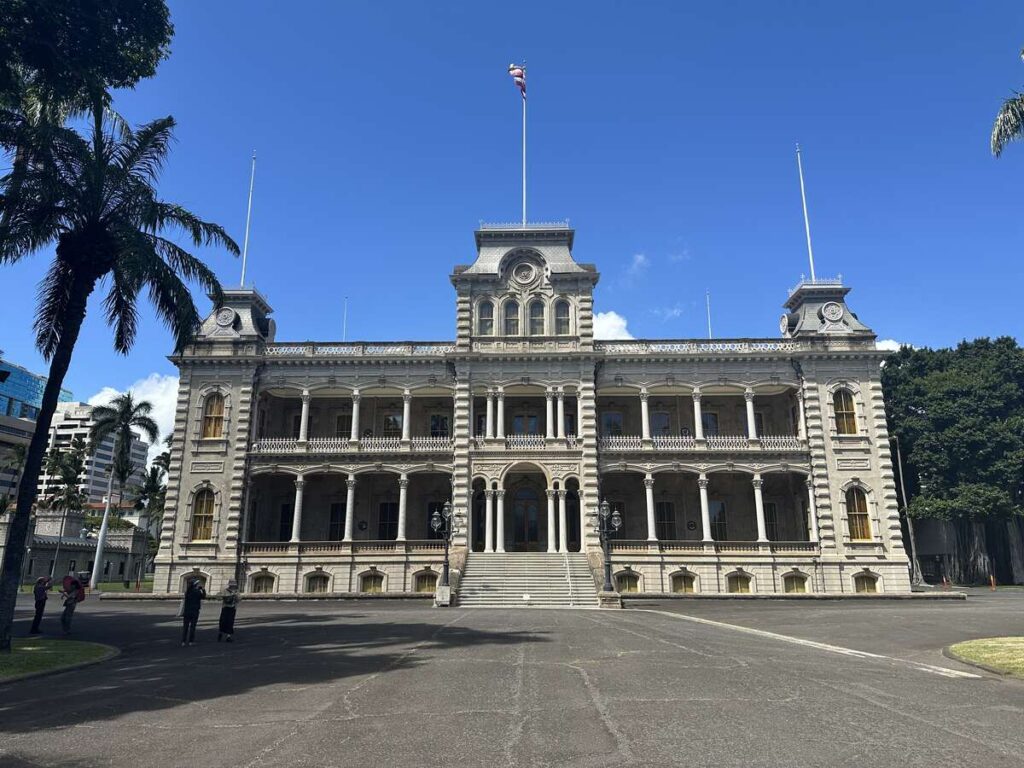
No visit to Honolulu is complete without exploring ʻIolani Palace, the only official royal residence in the United States.
Built in 1882 by King Kalākaua, the palace served as the home of Hawaiʻi’s last reigning monarchs and the political and social centre of the Hawaiian Kingdom. While the building itself is impressive, it is the stories shared during a docent-led tour that truly bring the palace to life.
One of the most surprising facts shared during my tour was that King Kalākaua introduced electricity to ʻIolani Palace before it was installed in the White House. Known as the “Merrie Monarch,” Kalākaua was a creative and forward-thinking leader who embraced innovation and modernization while championing Hawaiian culture and traditions.
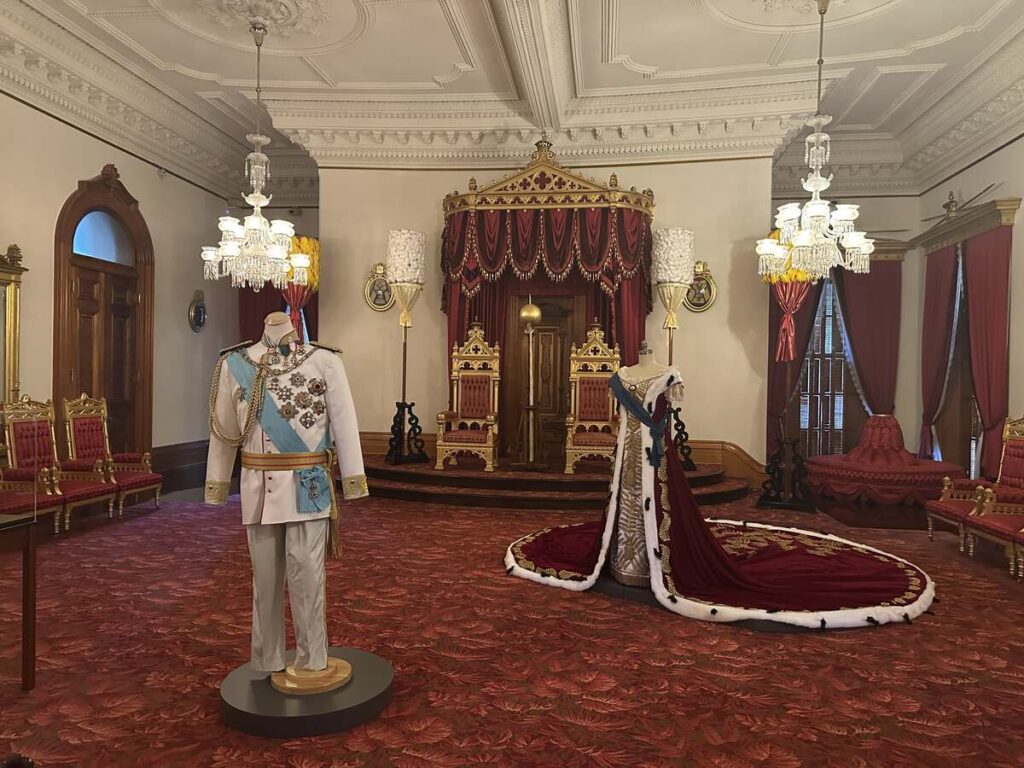
The palace reveals a kingdom that was far more globally connected and sophisticated than many visitors realize. Perhaps the most powerful part of the experience is learning about Queen Liliʻuokalani, Hawaiʻi’s last reigning monarch, who was imprisoned within the palace following the overthrow of the Hawaiian Kingdom in 1893.
For many visitors, ʻIolani Palace becomes an unexpected highlight of Honolulu because it challenges assumptions and provides a deeper understanding of Hawaiʻi’s history and identity.
Tip: Choose a docent-led tour whenever possible.
9. Visit the King Kamehameha Statue and Aliʻiōlani Hale
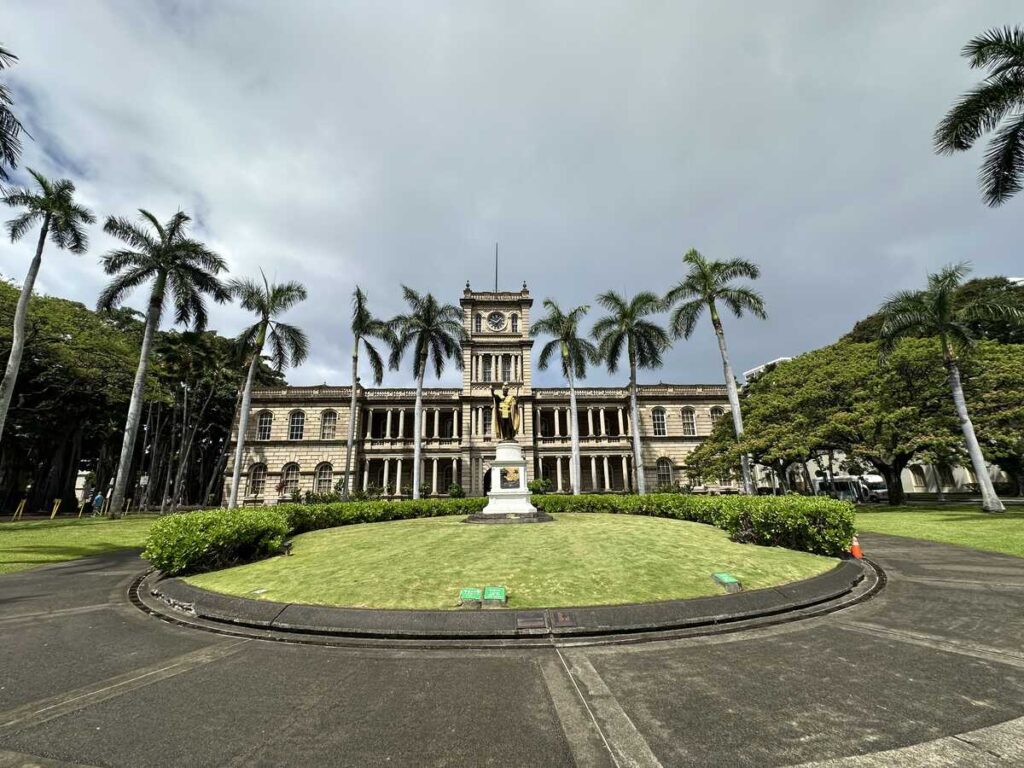
Just steps from ʻIolani Palace stands one of Hawaiʻi’s most recognizable landmarks: the King Kamehameha Statue.
King Kamehameha I is celebrated for unifying the Hawaiian Islands in 1810, creating the Kingdom of Hawaiʻi and establishing a legacy that continues to be honoured throughout the islands today. Draped in a flowing cloak and holding his arm outstretched, the statue serves as a powerful reminder of Hawaiʻi’s history long before it became a popular visitor destination.
Across the street stands Aliʻiōlani Hale, an elegant government building completed during the reign of King Kamehameha V. Its name translates to “House of Heavenly Kings,” and its distinctive architecture provides a striking backdrop to the statue. Today, it remains an important civic building while serving as a visual link between Hawaiʻi’s monarchy and modern government.
Together, these landmarks help tell the story of a sovereign nation that developed its own systems of governance, diplomacy, and cultural traditions. Visiting them before or after a tour of ʻIolani Palace provides valuable context and a deeper appreciation for Hawaiʻi’s political and cultural history.
As visitors gather around the statue, it is worth pausing for a moment to reflect on the many layers of history represented here. This is not simply a photo opportunity, but a chance to better understand the leaders, traditions, and events that helped shape the Hawaiʻi we know today.
Tip: Take time to walk the surrounding grounds and read the interpretive plaques. The stories behind the statue and Aliʻiōlani Hale add valuable context to any visit to ʻIolani Palace.
10. Explore Honolulu’s Arts and Culture Scene
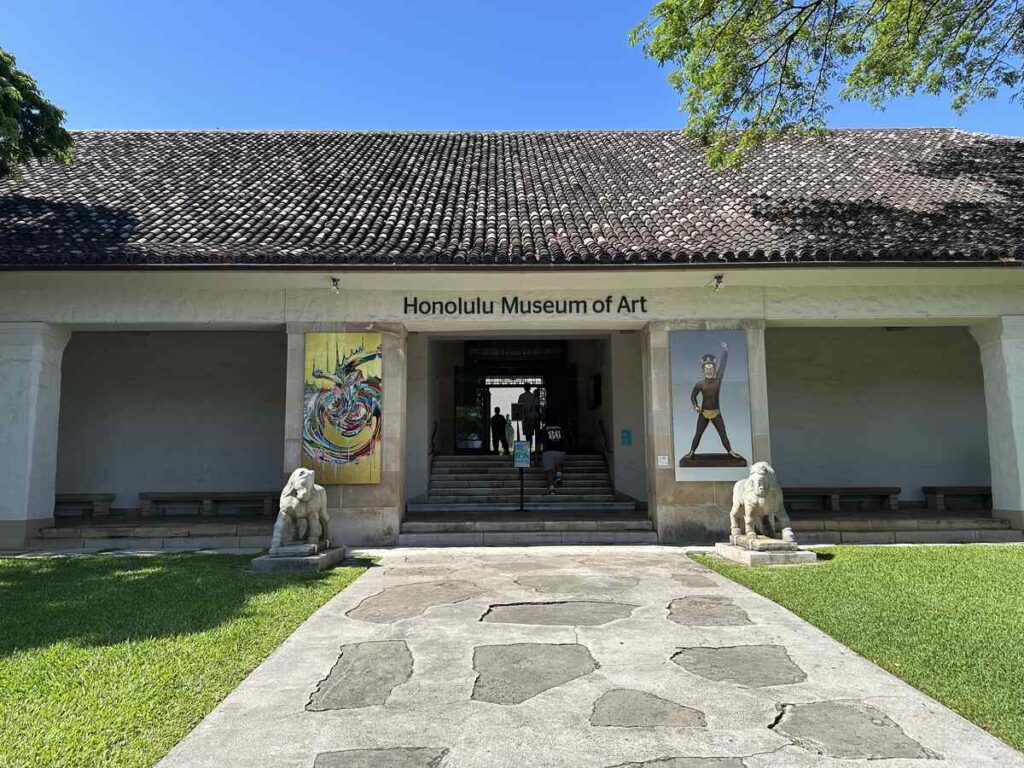
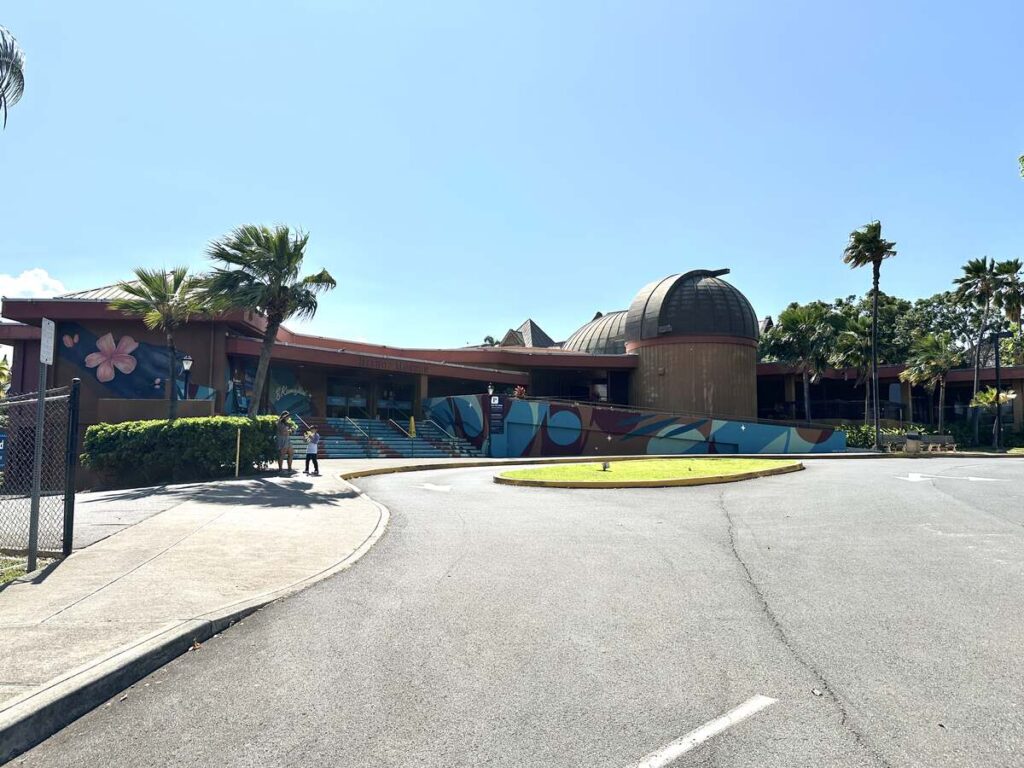
Honolulu’s beaches may draw visitors to the islands, but its museums help explain the stories that shaped them.
For travellers seeking a deeper understanding of Hawaiʻi, the Honolulu Museum of Art and Bishop Museum offer two distinct yet complementary perspectives. Together, they explore the islands through art, culture, history, science, and the experiences of the people who have called Hawaiʻi home for generations.
The Honolulu Museum of Art invites visitors to explore creativity across cultures, while Bishop Museum is widely regarded as one of the most important repositories of Hawaiian and Pacific history and heritage. Both encourage travellers to look beyond the scenery and engage more thoughtfully with the people, traditions, and stories that continue to define Hawaiʻi today.
In a destination celebrated for its natural beauty, these institutions provide something equally valuable: context. They help visitors understand that Hawaiʻi is not simply a place to visit, but a living culture with a rich history, diverse communities, and traditions that continue to evolve while remaining deeply rooted in the past.
Whether your interests lie in art, history, culture, or storytelling, spending time in these museums can enrich every other experience you have on the islands.
Tip: Allow several hours for each museum rather than trying to rush through. The goal is not to see everything, but to leave with a greater appreciation for Hawaiʻi and its people.
The Takeaway
Honolulu rewards travellers who slow down.
The city certainly offers beautiful beaches and famous attractions, but its true character often reveals itself in quieter moments: a conversation among surfers before sunrise, a refreshing mist drifting through the morning air, elders gathering in Chinatown, or a docent sharing stories inside a royal palace. By looking beyond the obvious, visitors can discover a Honolulu rich in history, culture, community, and everyday experiences. These are the moments that often remain long after the tan fades and the suitcase is unpacked.
As with every destination, I encourage travellers to tread lightly and leave places better than they found them. In Hawaiʻi, this philosophy is beautifully reflected in the concept of mālama ʻāina—caring for the land that cares for us. Respect cultural sites, support local businesses, stay on designated paths, observe wildlife from a distance, and remember that Hawaiʻi is not only a destination, but also home to vibrant communities, traditions, and stories that deserve our care and respect.
Follow us on Instagram at Trip_Jaunt
My visit to Hawaiʻi was hosted by the Hawaiʻi Tourism Authority through GoHawaii. While certain travel arrangements and experiences were provided, all opinions, reflections, and observations expressed in this article are entirely my own.