


There’s a peculiar thing that happens when you leave home for a long stretch of time. You don’t just learn about wherever you’ve gone. You start seeing where you came from in an entirely different light, as if the lens you’ve always looked through has been swapped out for something with more depth and wider edges.
Most people think of home as a fixed thing. A place, a feeling, a set of familiar smells and sounds. What research and lived experience increasingly suggest is far more interesting: home is a perception, and perceptions shift when we challenge ourselves to move beyond what’s comfortable.
The Brain Is Built to Stay Put – Until It Isn’t
Our brains are wired, at a fundamental level, to seek out comfort and familiarity. This instinctual behavior once helped our ancestors survive by avoiding potential threats, but in the modern world, that same instinct can hold us back. It’s not a character flaw. It’s biology.
When we step out of our comfort zones, we actively help increase the brain’s neuroplasticity – the brain’s ability to change and adapt in response to new experiences and challenges. That process doesn’t only make us more capable. It quietly rewrites what we consider familiar, and therefore, what we consider home.
Leaving Familiar Ground Triggers New Brain Growth
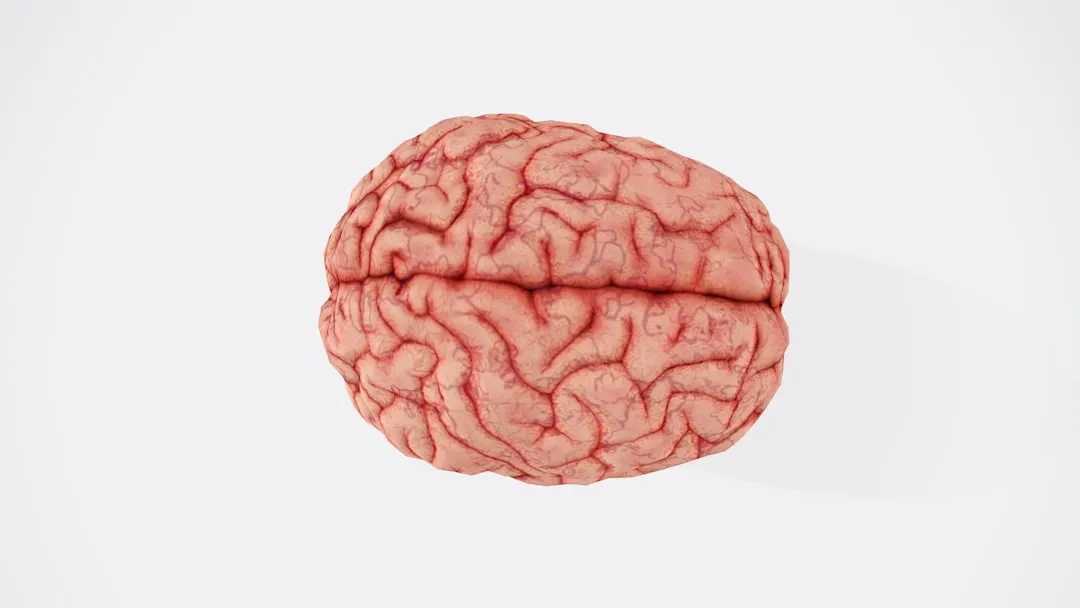
Neuropsychologist Dr. Paul Nussbaum has reported that living abroad and travelling triggers the production of new dendrites in the brain, stimulating the mind so that it “literally begins to look like a jungle.” That’s a vivid image, but the science behind it is grounded.
Every change in our lives, no matter how big or small, changes us and rewires our brains, influencing our future. While challenging, it keeps us feeling the most alive and active. The discomfort isn’t a sign that something is wrong. It’s often a sign the rewiring is underway.
A Clearer Sense of Identity Emerges When You Leave

Harvard Business Review surveyed nearly 1,900 people, including those who had moved abroad and those who had stayed in their home country. Those living abroad had a much clearer sense of identity: once faced with new and different beliefs and cultures, they evaluated their own and built a deeper inner world, expanding their emotional depth, intelligence, and social skills.
By stepping out of their comfort zone, individuals are encouraged to develop new perspectives and skills that contribute to their overall development. These experiences can provide opportunities that potentially foster intercultural competence, personal growth, and global awareness. The process isn’t comfortable, but the returns tend to be lasting.
Home Becomes a Feeling, Not Just a Location
When you’ve lived or traveled extensively beyond your origins, “home” becomes a more fluid, internal concept that you carry with you. Your sense of belonging becomes less about where you are and more about who you are with.
Psychological home has been conceptualized as a dynamic process through which people structure and modify environments to reflect and communicate their self-identity. The cognitive components encompass the ideas people have about themselves in relation to their environment, while the affective components include positive feelings such as security, warmth, and familiarity. When your environment changes dramatically, those feelings become untethered from a fixed address and begin to travel with you.
New Places Don’t Just Change You – They Reframe Where You Started

Research from Queen Mary University of London explores how individuals who travel or relocate often – like expatriates, digital nomads, or frequent international travelers – create and experience different types of “home.” These findings offer important insights into how this impacts their mental well-being, sense of ownership, and identity.
Research into returnees shows that an initial yearning for home can give way to what researchers call “host country nostalgia” upon return, fueling a more critical and comparative view of the home country during reintegration. Seeing your original home through the eyes of someone who has also lived somewhere else can be disorienting. It can also be clarifying.
The Science of Nostalgia Gets Complicated

Nostalgia is a complex and mixed emotion that connects the present to both the remembered past and the imagined future. It isn’t simply a longing to go back. It’s the mind processing identity across time, measuring what has been gained and what has been left behind.
While past-oriented nostalgia draws primarily on autobiographical recall, future-oriented nostalgia involves prospective processes such as mental time travel, imagination, and simulation. These forms are particularly salient during transitional life phases – moments when identity, social roles, and meaning are being redefined. Leaving your comfort zone places you squarely in that transition.
Cultural Immersion Builds Empathy and Reshapes Belonging

Neuroimaging research suggests that cultural immersion enhances activity in brain regions responsible for empathy, such as the anterior insula and medial prefrontal cortex. The changes aren’t just internal and personal. They reshape how you relate to other people, including the people you left behind.
Research has noted that the cognitive and emotional benefits of living abroad only appear when those who move abroad properly immerse themselves culturally, either through engaging with the language, customs, or the people. Passive presence isn’t enough. The brain needs genuine challenge to grow, and so does your sense of where you belong.
The Identity Shift Is Real and Measurable
Identity development is shaped by events and transitions such as study abroad experiences. Stepping out of one’s comfort zone encourages individuals to develop new perspectives and skills, fostering intercultural competence, personal growth, and global awareness.
You don’t lose your old self in the process. You simply add new modes and ways of engaging to your identity. This creates a more complex, adaptable, and multifaceted sense of who you are. Which in turn makes the place you grew up feel like one chapter in a longer story, rather than the whole book.
Adaptation and Acculturation Reshape How Home Feels Upon Return

Research demonstrates that acculturation is inherently connected to psychological well-being. The process of assimilation, separation, integration, or marginalization governs how people adapt to new cultures. Individuals who preserve their home culture alongside the adopted country’s culture tend to experience lower acculturative stress and higher psychological adaptation.
Relocation is accompanied by an assortment of emotional dilemmas, and homesickness goes beyond simple nostalgia into a deep confusion. It can lead to prolonged emotional distress, especially for individuals who have difficulty finding their place in new environments. Yet even that difficulty tends to produce something valuable: a sharper understanding of what home actually means to you personally.
Returning Home After Discomfort Is Never Quite the Same

When you find your way back home, you might discover it hasn’t changed all that much, even if you have. That quiet observation might be the most honest summary of what the science keeps confirming across study after study.
Over time, adapting to new environments creates subtle yet significant shifts in your identity. You may find yourself questioning long-held beliefs or adjusting your behaviors to fit your surroundings. Those shifts don’t vanish when you return. They travel with you, permanently altering your internal map.
Conclusion: Home Was Never Just a Place
The research pointing in this direction is consistent and growing. Comfort zones preserve us. They also limit us. The moment we step beyond them, whether by moving abroad, learning a language, or simply choosing unfamiliar paths repeatedly, the brain begins to adapt. That adaptation changes how we see everything, including the walls, streets, and faces we grew up with.
Home, it turns out, is partly a story we tell ourselves about belonging. Step far enough outside that story, and you get to rewrite it with considerably more nuance, more compassion, and more honesty than you had before you left.
AI Disclaimer: This article was created with the assistance of AI tools and reviewed by a human editor.