
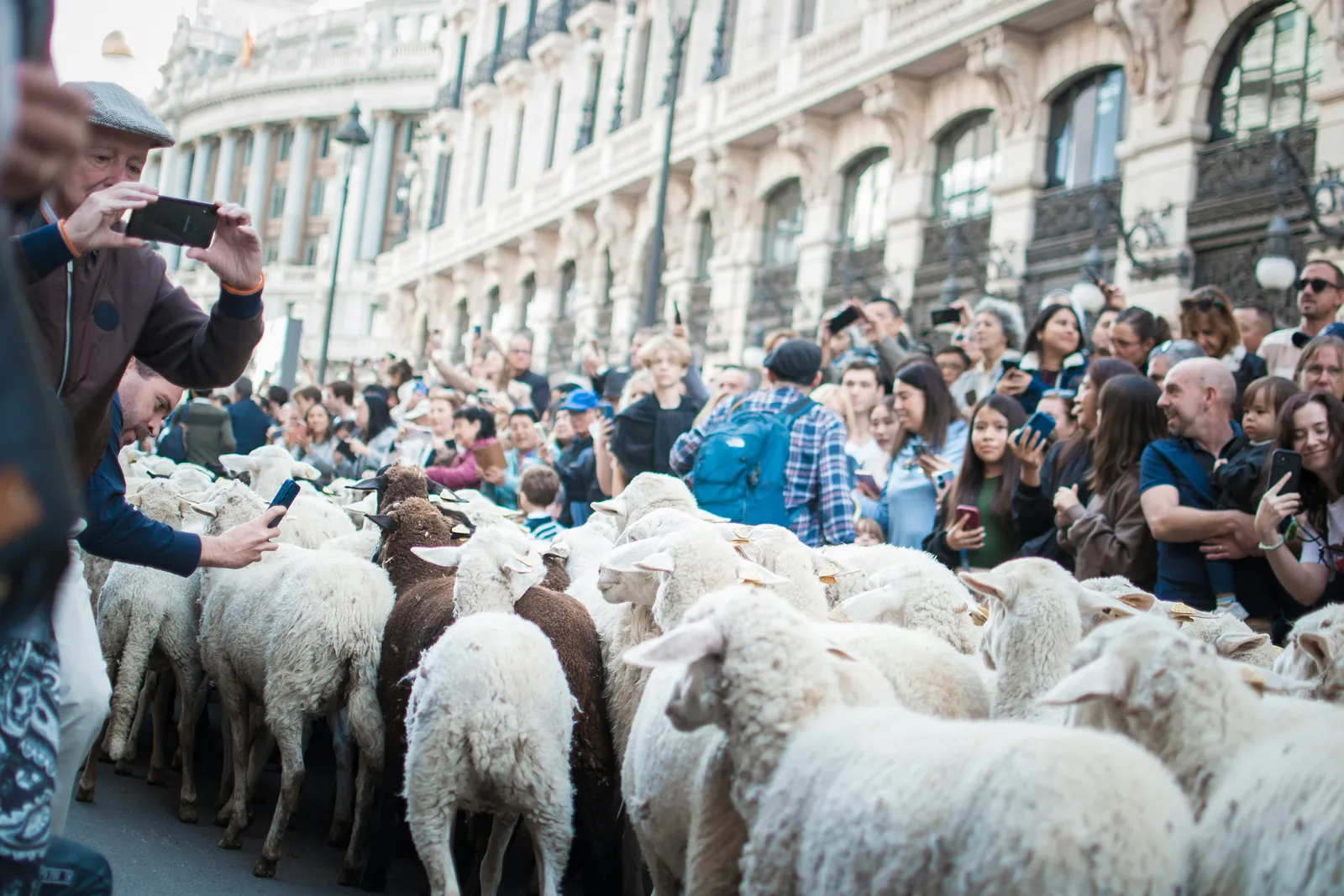

Saint-Rémy-de-Provence sits in the heart of the Alpilles, its stone streets and plane trees forming a quiet backdrop most days. On one Monday each spring, that calm gives way to something older and more insistent. The Transhumance Festival returns, and thousands of sheep move through the town center in a living reminder of seasonal rhythms that once defined life across Provence.
A Tradition Rooted in the Land
Transhumance describes the twice-yearly movement of flocks between lowland winter pastures and higher summer grazing grounds. In Provence the practice shaped village calendars, family labor, and the very routes that still thread through the hills. The festival in Saint-Rémy-de-Provence keeps that memory visible rather than turning it into spectacle. Shepherds in traditional clothing lead the animals, accompanied by working dogs and a few donkeys carrying packs. The event honors necessity more than performance, even as visitors gather to watch. What remains striking is how the procession still feels tied to the landscape instead of staged for outsiders.
The Parade Unfolds
The main procession begins around 10:30 a.m. and follows the boulevard that circles the old town. Bells clang in uneven rhythm while hooves strike pavement and voices rise from the crowd. The flock moves as one mass yet never in perfect order, with some animals pausing or drifting toward the onlookers. Sound dominates first: the clatter of bells, the shuffle of feet, occasional laughter or calls from herders. Scents follow, a mix of wool, dust, warm stone, and coffee from nearby terraces. The route passes twice, giving spectators repeated chances to see the scale of the flock up close. Locals in regional dress and small musical groups add color without overwhelming the central focus on the animals.
Practical Steps for Visitors
Arriving by 9 a.m. allows time to park, settle, and claim a viewing spot before the boulevard fills. Wider sections on the northern side, near the gendarmerie and Café des Arènes, offer more room and clearer sightlines. Narrower stretches near stone buildings provide atmosphere but less space once crowds gather. Parking inside the old center is restricted during the event. Peripheral lots such as Parking de la Libération, Parking Jean-Jaurès, Parking Général de Gaulle, and Parking Arènes Chomel-Coinon serve visitors well when reached early. The festival remains free to watch from public streets, and families with children find it welcoming provided they stay attentive near the moving flock.
Extending the Trip
Saint-Rémy-de-Provence sits amid other notable sites that pair naturally with the festival. Glanum offers Roman ruins just outside town. Saint-Paul de Mausole, the former monastery where Vincent van Gogh stayed, lies nearby and connects directly to the surrounding landscapes that shaped his paintings. Les Baux-de-Provence rises dramatically on its hill, while quieter villages such as Eygalières provide a softer contrast after the morning’s activity. Avignon and Arles remain easy day trips for those based in the area. The Transhumance Festival lasts only a few hours yet lingers in memory as a direct link between present-day Provence and the rural cycles that preceded it. Standing along the route on that Monday morning places visitors briefly inside a tradition that still moves to the land rather than the clock.
AI Disclaimer: This article was created with the assistance of AI tools and reviewed by a human editor.