

There’s something quietly radical about sitting at a sun-warmed café table with nothing scheduled, nowhere to be, and absolutely no urge to check your phone. For many travelers, that moment arrives unexpectedly, somewhere between the second espresso and the third hour of simply watching a piazza fill with life. Italians have a name for it, and they’ve been practicing it for centuries.
Dolce far niente, an Italian phrase that translates to “the sweetness of doing nothing,” invites us to pause, breathe, and savor the present moment without the pressure of tasks, goals, or to-do lists. It’s a concept that sounds deceptively simple, yet in today’s world of packed itineraries and productivity obsession, it feels almost subversive.
A Philosophy Rooted in Ancient Italian Life
Il dolce far niente is an Italian expression and concept woven into the fabric of Italian culture. It originates from the ancient Romans’ way of living, which often emphasized leisure and pleasure through their love for baths, banquets, and the arts. This isn’t a modern invention dreamt up by the wellness industry. It’s a disposition that has survived empires, shaped entire communities, and outlasted every productivity trend.
Historically, this mindset is deeply connected to Italy’s rich cultural heritage, where art, beauty, and creativity thrive. The Renaissance was a period where Italy led the world in philosophy, art, and thought, yet this era was also marked by a sense of leisure and contemplation. This balance of productivity and stillness is one of the reasons Italy continues to be a wellspring of inspiration for people around the world.
Il dolce far niente, literally meaning “sweet doing nothing,” isn’t about being lazy. Rather, it celebrates being present in the moment – the mindfulness of enjoying life’s simple pleasures without the constant pressure of productivity.
What It Actually Means to Do Nothing
It embodies a unique approach to life, one that embraces the sweetness found in every moment. It is not merely about idleness, but rather a mindset that allows one to savor even the smallest experiences. While we may struggle to find the perfect words to convey its meaning, il dolce far niente is a reminder to cherish life and find joy in the simplest of moments.
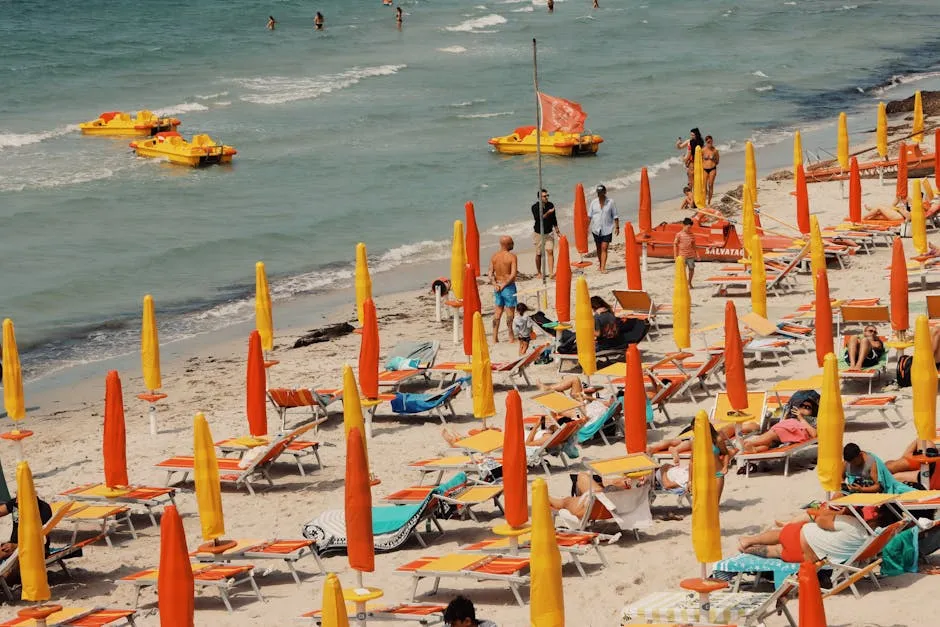
It’s not about switching off. Il dolce far niente means adopting a particular attitude, switching on a different way of thinking and appreciating. In Puglia, this translates to unhurried strolls through historic white-walled towns, leisurely meals that can stretch for hours, and idle afternoons spent basking under the Salento sun.
Dolce far niente is more than just enjoying leisure; it’s about the intentional practice of slowing down and giving yourself permission to simply be. In the modern wellness context, it means stepping away from the relentless grind of daily life and rediscovering the joy of quiet moments and open-ended time.
The Science Behind Resting Your Mind
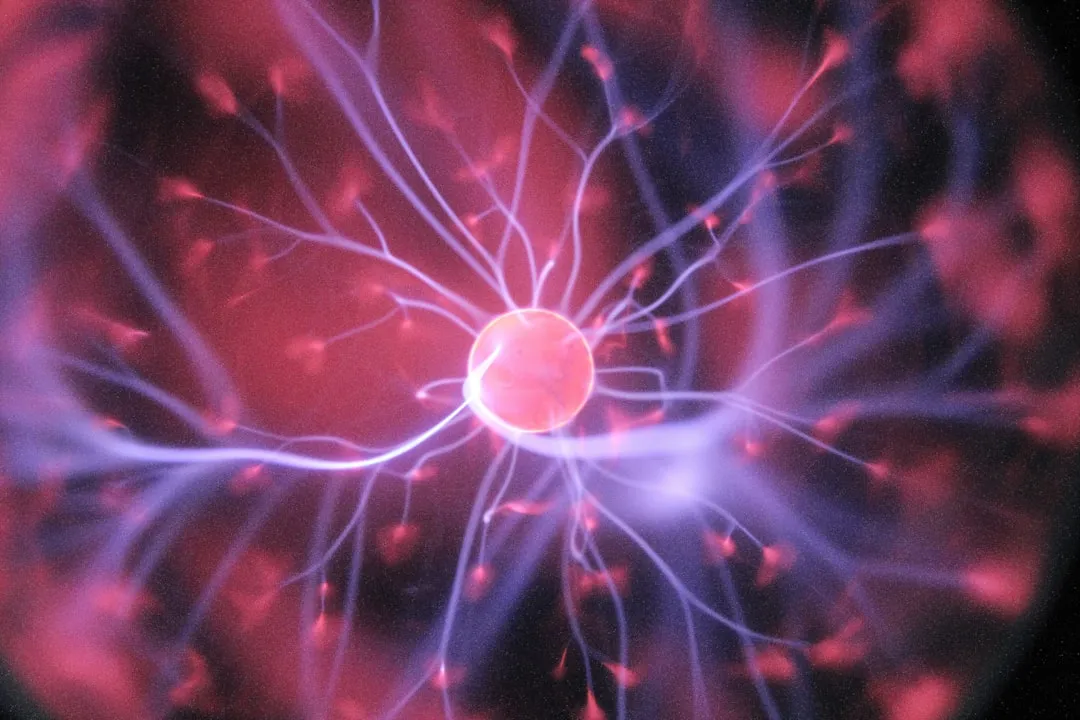
The default mode network is a system of connected brain areas that show increased activity when a person is not focused on what is happening around them. The DMN is especially active, research shows, when one engages in introspective activities such as daydreaming, contemplating the past or the future, or thinking about another person’s perspective. Unfettered daydreaming can often lead to creativity.
Emerging neuroscience, paired with longstanding psychological insights, suggests that rest and even boredom are not enemies of creativity but essential ingredients. Central to this understanding is the default mode network. This system activates when we are not consciously focused on a task – when we are daydreaming, resting, walking without a goal, or letting our mind wander. Some of our most generative insights emerge not when we are concentrating, but when we are allowing.
The brain’s default mode network is increasingly recognized as key to creative thinking. Early work laid the foundations for this understanding, allowing us to indirectly infer the DMN’s importance for creative thinking through correlational studies. More recently, research has aimed at providing a mechanistic explanation of the relationship between the DMN and creativity.
Why Travelers Are Choosing Slowness Over Speed
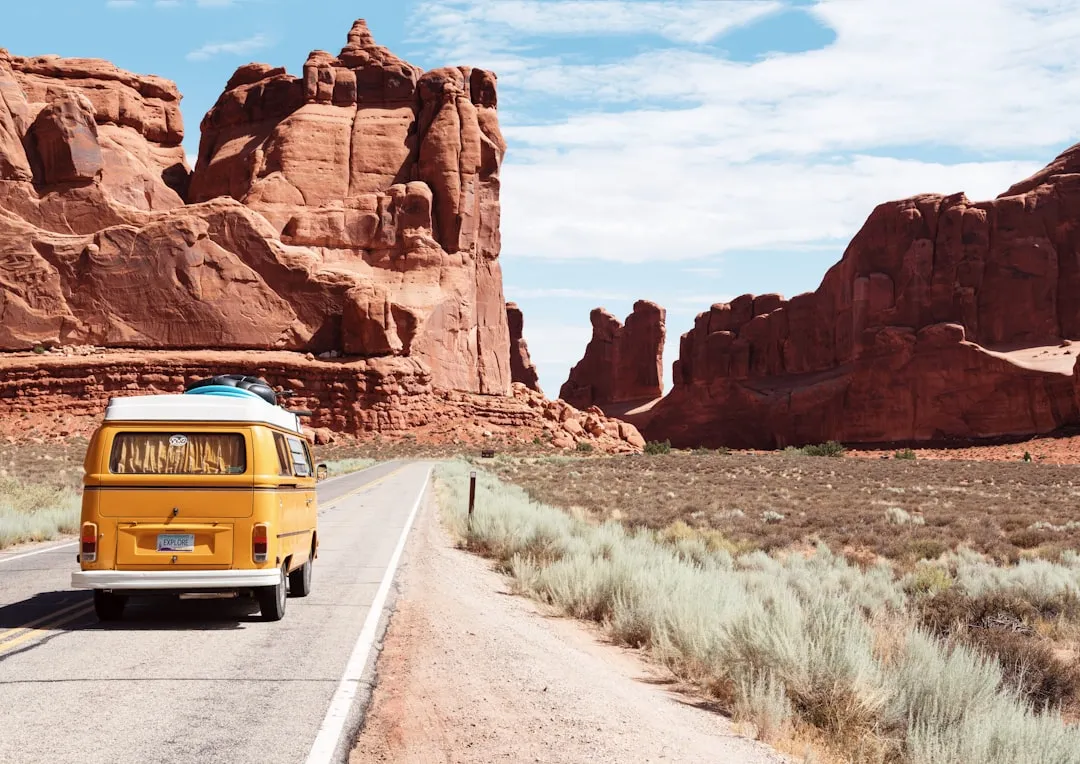
With mental health and wellbeing becoming a priority for many, travelers in summer 2024 sought out vacations where they could properly unwind, relax, and leave behind daily stresses. A survey of 2,000 US adults revealed that roughly three in five travelers were planning their vacations with the main intention of slowing down and switching off. This eagerness to escape the stress of everyday life led to the coining of a new trend, the “slowcation.”
Revenge travel is now a thing of the past. Rather than travelling at any cost, consumers are slowing down and travelling more meaningfully, even if that means they travel less often. The exhausted sprint from sight to sight is losing its appeal, replaced by something quieter and considerably more restorative.
Slow travel, which often means staying in fewer places or immersing in a local culture for an extended time, is gaining popularity according to 2025 trend reports from Hilton and Booking.com. For some, it’s about rest, relaxation, or unplugging from work emails, social media, or television. Others engage in hobbies, self-discovery, or connecting with the outdoors or local cultures, often far away from crowded hotspots.
The Numbers That Tell the Story
US Google searches for the term “slowcation” increased by roughly half compared to the year prior, and there were more than 16.3 million posts mentioning the trend on TikTok. These numbers don’t signal a passing fad. They point to a sustained cultural shift in how people want to spend their time away from home.
Slow travel, defined as traveling without a plan, was among the most popular forms of travel in 2024, with approximately one in five American travelers choosing this approach. Meanwhile, wellness tourism is booming, with the global market projected to reach nearly one trillion dollars in 2025 and grow beyond that by 2026, driven by travelers prioritizing health, mental well-being, and personalized experiences.
Nearly three in five consumers who traveled for health and wellness treatments in 2024 said they also expect to travel for these treatments in the following year. The demand isn’t cyclical. It’s compounding.
The Productivity Guilt Problem
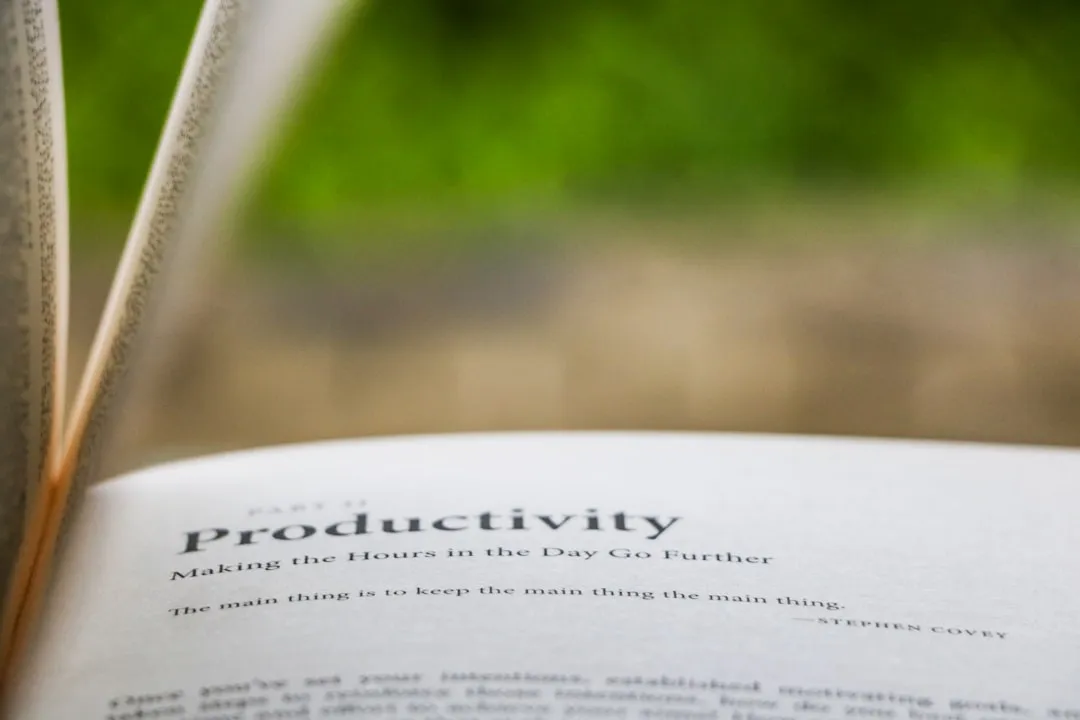
In 2024, we were living in a culture that valued hustle and accomplishment above all else. There has been a societal obsession with productivity, constantly being plugged in, and the glorification of busyness. That’s the environment most travelers depart from, which makes genuine rest harder to achieve than it sounds.
While getting some rest and relaxation may be a priority, many Americans are struggling to switch off quickly, and regularly checking smartphones could be the cause. It takes, on average, three days to unwind on vacation, but those who look at social media or work emails report that it takes them longer to feel rested.
Overcoming guilt associated with idleness and recognizing the value of rest can lead to a more fulfilling creative life. That’s the quiet work that dolce far niente asks of us. Not to do less, but to be less afraid of stillness.
How the Italians Practice It Daily
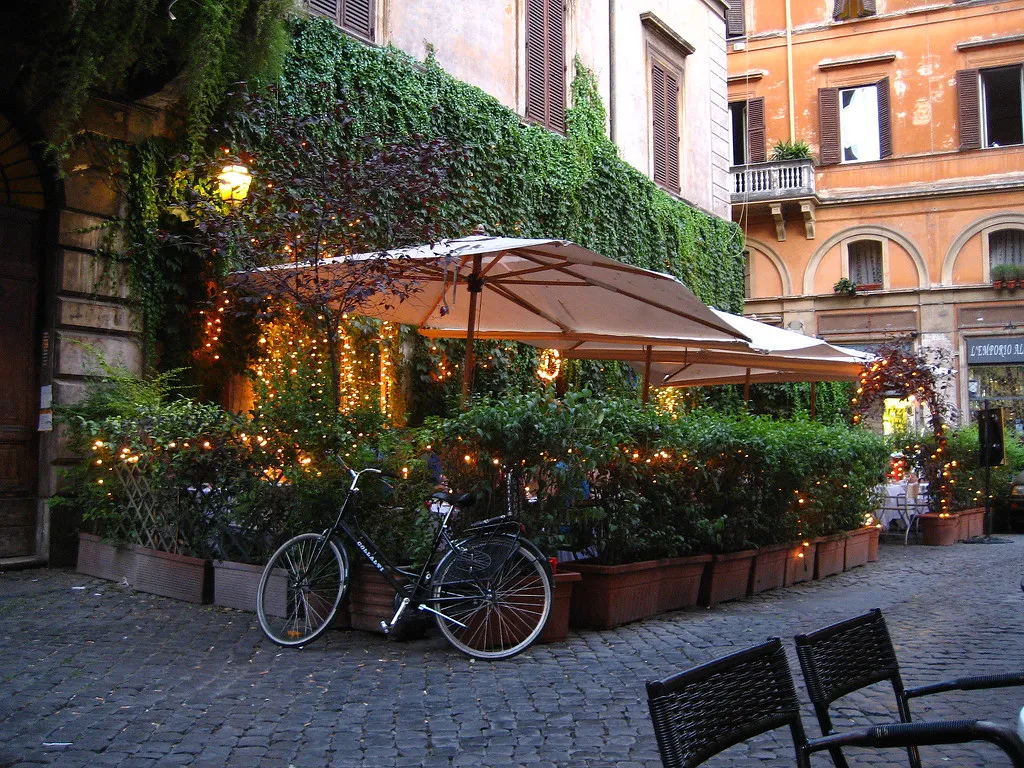
Il dolce far niente can be summed up this way: whether Italians are sipping a cup of espresso, sitting on a park bench, or savoring a meal with family, they take their time to truly enjoy the experience. It reminds us to slow down and to be in the moment and appreciate the world around us.
La passeggiata, translated as “little walk,” is a stroll or slow walk often taken during early evenings. Italians use the time to socialize with friends and appreciate the scenery of the town squares full of people. La passeggiata is also a transition between the ending hours of work and an evening spent with family or oneself.
Riposo is the Italian version of the Spanish siesta, a rest during midday, often after lunch. It’s an extended lunch break which includes relaxation times and family and friend socialization. Neither custom requires money, apps, or planning. They simply require permission.
Slow Travel and Its Environmental Case
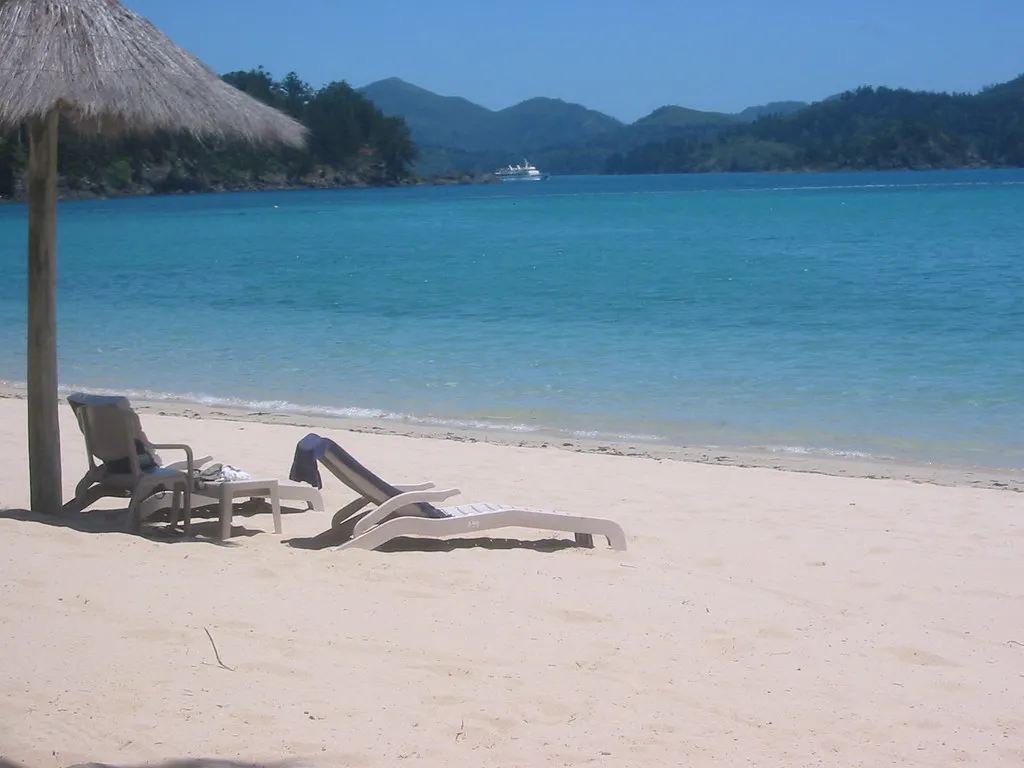
Today’s travelers are mindfully turning the pages of their journeys more slowly, savoring their travel experience and ushering in the global rise of slow travel. The trend reflects the tendency of leisure travelers to take longer-duration holidays, explore off-the-beaten-path destinations, and value more immersive experiences by connecting with the local culture, environment, and people.
Slow travel not only reduces the carbon footprint but can offer a more fulfilling, less stressful travel experience. It aligns with broader trends like luxury minimalism and quiet luxury, focusing on wellness and mental well-being, rather than just consumption and fast experiences.
With slow travel on the rise, more travelers are exploring secondary cities and destinations instead of overcrowded tourist hotspots. For instance, Sardinia, a longtime getaway for Italians, is now seeing an uptick of international travelers. Conrad Chia Laguna Sardinia has seen a ninety percent year-over-year increase in U.S. travelers and a fifteen percent increase in Irish travelers from 2023 to 2024.
Bringing the Practice Home from Your Travels
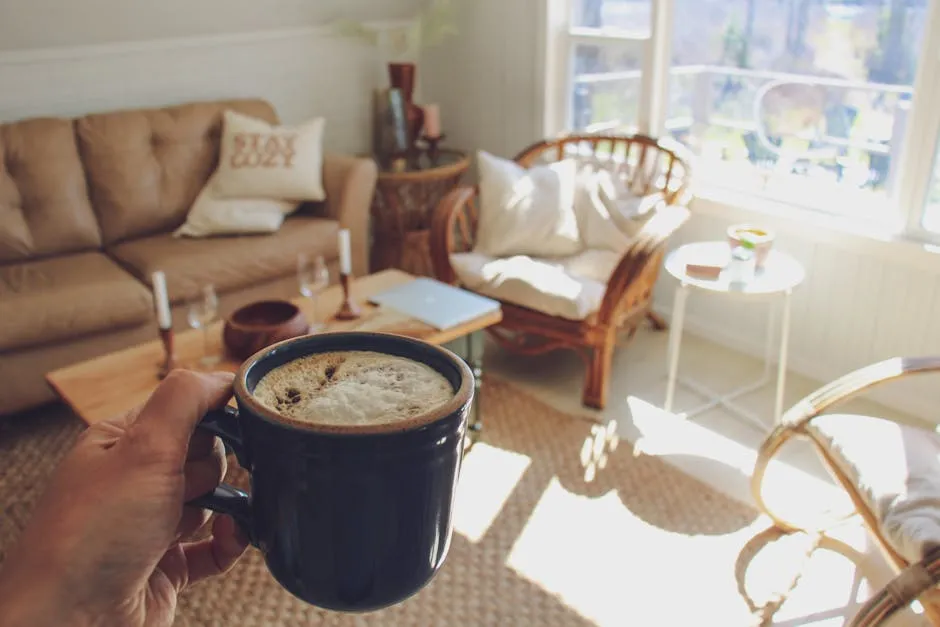
Even if you’re not in Italy, you can still infuse your life with this enchanting philosophy. Take the time to appreciate the little things, indulge in moments of stillness, and find solace in the peacefulness of idleness. By embracing il dolce far niente, you can create a sense of balance and harmony in your life, no matter where you are in the world.
Supporting the default mode network does not require complete withdrawal from daily life. It asks for intentional spaciousness. Practices like walking without a podcast, lying down with your eyes closed, journaling without direction, or simply sitting in silence can activate the DMN and restore creative flow.
Embracing a slow living mindset beyond specific practices means adopting a slower pace of life overall. This could mean simplifying your daily routine, prioritizing quality over quantity, or focusing more on moments of joy and connection rather than ticking off tasks.
Why Mindful Travel Needs More Emptiness
Mental wellness as a travel trend has been gaining significant traction, reflecting a broader societal shift towards valuing mental health and self-care. This trend encapsulates a range of experiences and destinations designed specifically to promote emotional, psychological, and spiritual well-being. It is driven by the modern-day pace of life leading to stress and burnout, and a desire for more authentic experiences that create a deeper connection to self.
The emphasis in wellness travel has expanded from simple relaxation to include nervous system regulation, targeting chronic burnout and the fight-or-flight states that plague many professionals. Hotels are incorporating neurowellness treatments like neurofeedback, while digital detox and off-grid retreats are gaining traction as antidotes to the mental strain caused by constant connectivity.
A study on il dolce far niente concluded that the practice offers numerous benefits, especially if people combine it with mindfulness principles. Medical researchers are also exploring the neurobiological basis of the Italian concept by combining it with medical intervention practices for psychiatric and physical disorders. Rest, it turns out, is not the opposite of progress. It may well be a prerequisite for it.
The Lasting Lesson of the Empty Afternoon
As the wellness world continues to evolve, dolce far niente offers a refreshing reminder that balance, rest, and simplicity are essential components of a healthy, fulfilling life. In a world that often pushes us to do more, be more, and achieve more, the sweetness of doing nothing can be a radical act of self-care. By embracing this Italian philosophy, we can rediscover the joy of unstructured time, reconnect with ourselves, and create space for creativity, reflection, and relaxation.
The phrase literally means “the sweetness of doing nothing,” and finding small moments to rest and recharge, whether by taking a short walk, reading a good book, or listening to music, are essential pauses for maintaining energy and clarity. The best souvenirs from a mindful trip are rarely the ones you can photograph.
Travel will keep getting faster, more optimized, and more scheduled, unless we consciously choose otherwise. The empty afternoon, the café without a deadline, the walk without a destination – these aren’t lost hours. They’re where you actually arrive.
AI Disclaimer: This article was created with the assistance of AI tools and reviewed by a human editor.