
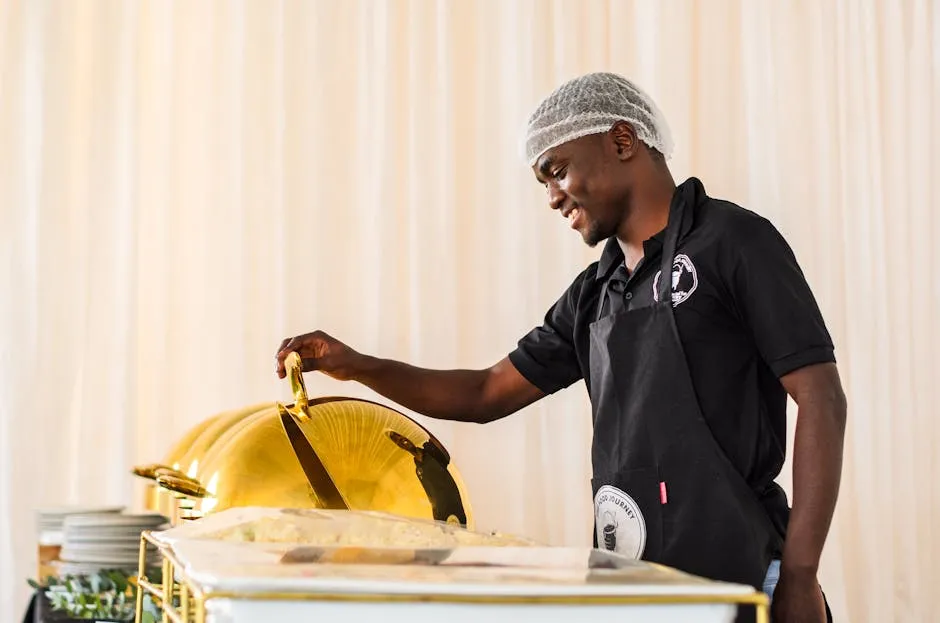

There’s a particular moment most travelers know well. You’ve just arrived somewhere new, the streets feel unfamiliar, and the distance between you and the place around you seems wider than your flight path. Then someone, a host, a neighbor, a shop owner, hands you a cup of something warm and says a few words that cut through the strangeness. That moment isn’t accidental. It’s the language of hospitality at work.
This language doesn’t rely on translation apps or scripted greetings. It lives in gestures, meals, stories, and small acts of recognition that quietly tell a visitor: you are welcome here. Understanding how local hosts perform this magic, and why it matters more than ever, is worth a closer look.
Why Belonging Has Become the New Travel Currency

Travel today is no longer measured only in destinations visited or landmarks photographed. Building and strengthening connections with people and cultures has become a central motivation for travel, with roughly half of travelers across generations choosing trips specifically to reconnect with people. That shift is real and measurable.
In 2024, more than half of all global travel was focused on cultural heritage, and that number is expected to grow as more travelers seek deeper, more meaningful experiences tied to history, art, and traditions. Travelers aren’t just tourists anymore. They want to feel genuinely included in a place, even briefly.
Almost two-thirds of travelers today say they often or always book accommodation based on access to local experiences, according to Hilton’s 2024 Traveler report. That’s not a niche preference. It has become a baseline expectation.
The Science Behind Feeling Welcome

Feeling like an outsider isn’t just uncomfortable. Research confirms it actually changes how we experience a destination. Research guided by interaction ritual chains theory found that the intensity of host-tourist interactions, whether strong or weak, directly impacts tourists’ sense of belonging and their intention to share their travel stories afterward.
Cultural contact helps tourists develop familiarity with a destination, and the more familiar travelers feel with a place, the more they experience safety and comfort, which leads to greater immersion in the destination experience and strengthens revisit intention and word of mouth.
Researchers have also found that high-quality host-guest interaction is considered a prerequisite for fostering place attachment among tourists, and that place attachment in turn deepens tourists’ understanding of and identification with the destination. In other words, the host is not just a convenience. They’re a gateway.
Food as the First Word in Every Hospitality Conversation

Before language, there is food. Across cultures and centuries, a shared meal has served as the fastest route from stranger to guest. Approximately half of travelers across all generations name culinary experiences as a top priority, and the widespread interest in eating local and regional cuisine reaches as high as the vast majority of those searching for travel reservations.
Food and drink experiences are consistently popular among travelers seeking to immerse themselves in local culinary delights, with hosting opportunities including cooking classes, wine tastings, food tours, and dinner parties showcasing regional specialties that allow hosts to share local ingredients, traditional recipes, and culinary techniques.
There’s a reason street food tours, home-cooked dinners with local families, and market walks rank so highly on traveler wish lists. Food doesn’t need translation. A host who feeds you is a host who trusts you.
The Role of Ritual in Making Strangers Feel Like Insiders

Across cultures, rituals carry enormous social weight. When a local host invites a visitor to participate in one, something fundamentally changes in the relationship. Research assessing ritualized host-tourist interactions used different ritual contexts including tea ceremonies, bonfires, and weddings, finding that the intensity of those rituals directly shapes a tourist’s sense of belonging.
Destination managers and hosts who organize vibrant cultural activities such as folk performances showcasing local customs and regional events create experiences designed to immerse tourists in the local cultural milieu, which deepens their attachment and sense of identity with the area.
A tea ceremony in Kyoto, a bonfire gathering in Iceland, a village wedding in rural Portugal. These moments aren’t on any standard itinerary. They happen when a host decides, deliberately, to let a visitor in.
Heritage Tourism and the Demand for Authentic Local Connection

The global appetite for genuine, locally rooted experiences is not leveling off. The global heritage tourism market was valued at roughly $760 billion in 2025 and is expected to reach around $1.4 trillion by 2034, with growth driven by the increasing importance of culture in international travel and government initiatives to promote heritage tourism.
Research from Americans for the Arts shows that more than 35 million adults in the United States say a specific arts, cultural, or heritage event directly influenced where they chose to travel, confirming that culture is a decision-maker for travelers, not simply an add-on.
The increasing popularity of cultural exploration attracts travelers seeking authentic and immersive experiences that link them to historical roots. Local hosts who understand this become something more than accommodation providers. They become the living heart of that heritage.
How Platforms Are Scaling the Local Host Experience

What once happened organically through guesthouses and village stays is now being systematically enabled by major platforms. By the end of 2024, Airbnb reported a nearly ten percent year-over-year increase in bookings and experiences, with around 483 million nights and experiences booked on the platform.
The relaunched Airbnb Experiences platform introduces features that transform isolated activities into community-building opportunities, with authentic local focus driving new curation that prioritizes activities hosted by long-term residents providing genuine cultural insights rather than generic attractions.
From its inception, Airbnb aimed to foster a sense of belonging among its users by creating a platform where hosts can share their homes and stories, and guests can feel like locals. That ambition has matured into a concrete, measurable product category. The desire to belong isn’t sentimental anymore. It’s an industry driver.
The Psychology of Cultural Distance and How Hosts Bridge It
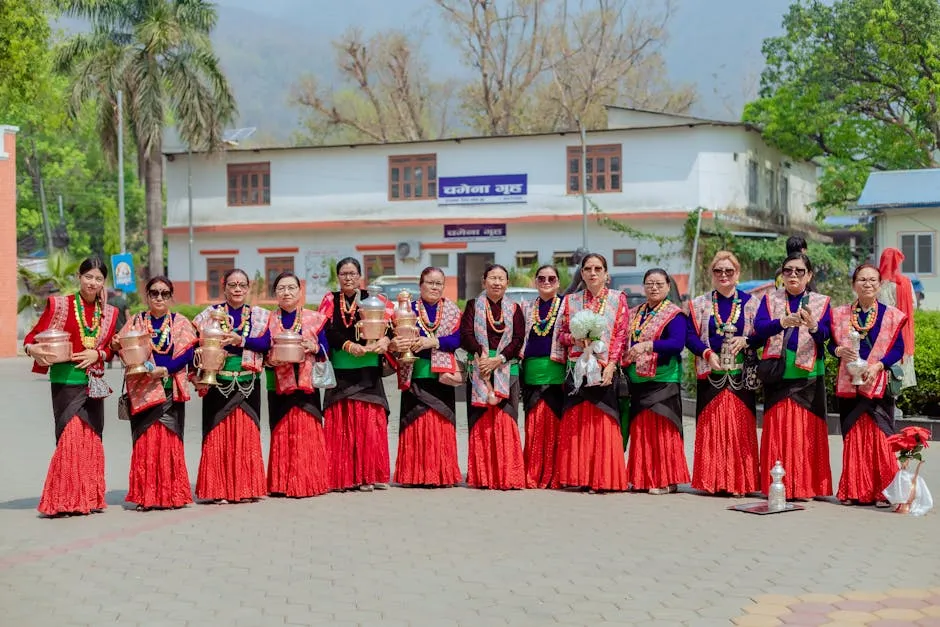
Traveling to a place whose customs feel very different from your own can be quietly disorienting. Research shows this gap has a measurable psychological effect. Cultural gaps hinder tourists’ cognitive and emotional alignment with local culture, and unfamiliar local customs can reduce a traveler’s sense of belonging and dilute identity formation.
Research confirms that an immersive experience shortens a long psychological distance, and this rapid change brings about immediate behavioral shifts in a tourism context. That shortening of distance is precisely what a skilled local host accomplishes through attention, warmth, and shared activity.
Research found that cultural contact in culturally non-homologous contexts affects immersion differently from familiar cultural settings, and travelers who visited culturally unfamiliar destinations and had immersive experiences were actually more likely to revisit and recommend those destinations. The unfamiliar, when held carefully by a good host, becomes a reason to return.
What Cultural Immersion Actually Looks Like Day to Day
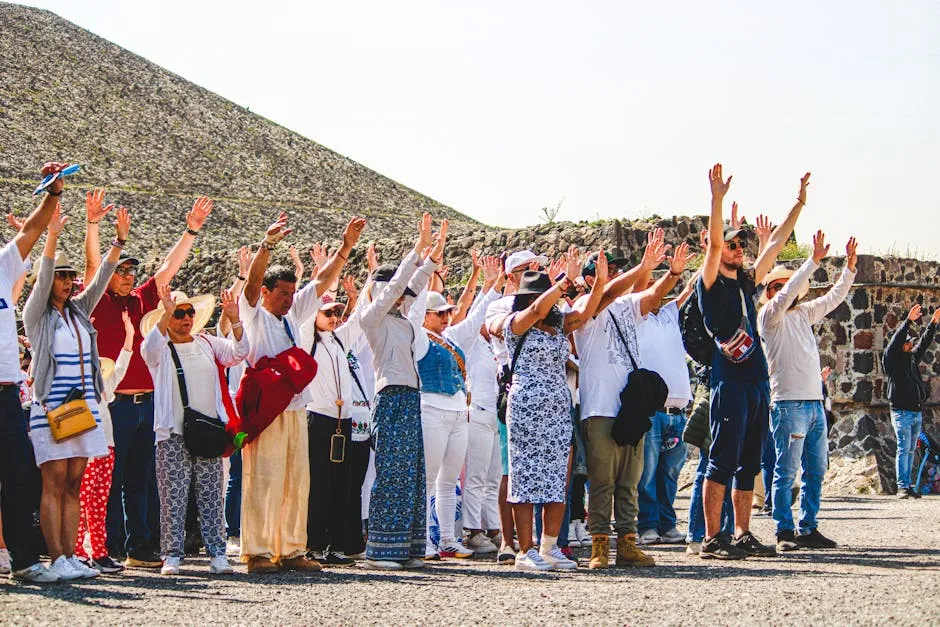
Grand gestures aren’t what make travelers feel included. It’s usually the small, unremarkable things. A host who walks their guest to the neighborhood market instead of drawing a map. A landlady who explains which vegetables are in season. A guide who stops mid-tour to greet someone they actually know.
Host-led Airbnb Experiences are designed to connect guests with local culture through immersive activities such as food and wine tastings, guided hikes, and artisanal workshops, intended to take travelers away from typical tourist venues and provide a more familiar immersion into the culture they are staying in.
According to WSU’s Carson College of Business survey on American hospitality trends in 2024, cultural immersion ranked among the notable motivations for travel, alongside adventure and entertainment. The interest is broad, and it spans generations.
The Growing Tension Between Tourism Volume and Genuine Welcome

Not every story here is uncomplicated. As tourism volume climbs, the pressure on local communities increases, and the genuine welcome that makes travelers feel at home can become harder to sustain. As the global travel and hospitality industry approaches a historic milestone of over 1.55 billion international tourist arrivals, Europe alone welcomed nearly 340 million international tourists in the first half of 2025, triggering severe backlash in several destinations.
In June 2025, coordinated protests erupted across Barcelona, Palma de Mallorca, Ibiza, and Granada as communities pushed back against the pressures of mass tourism. When locals feel overwhelmed, the language of hospitality goes quiet.
This makes the role of the thoughtful local host more valuable, not less. A host who genuinely chooses to welcome a guest, rather than simply tolerating tourism’s volume, becomes a rare and meaningful thing. That quality of attention can’t be automated or scaled without losing what makes it matter.
Why the Language of Hospitality Is Ultimately Human

Technology can optimize itineraries, recommend restaurants, and translate menus in real time. What it can’t do is look a stranger in the eye and make them feel seen. Airbnb transformed the idea of accommodations into something deeply personal, where trust and human connection drive the experience. That principle points to something older and more universal than any app.
Research cited by Skift found that roughly two-thirds of millennials prefer to spend on unique experiences rather than material goods, illustrating the growing demand for authentic travel experiences. The market reflects what the heart already knows: connection is the point.
Cultural tourism research highlights the importance of authenticity and its influence on travelers’ behavioral intentions, with tourism authenticity referring to the preservation of traditional practices, art, and history that reflect the cultural identity of a specific place and its local traditions. That authenticity lives not in monuments or museums, but in the people who call a place home and still choose to share it.
Conclusion

The language of hospitality has no single grammar. It’s spoken through meals prepared with care, through directions given without impatience, through the small act of introducing a visitor to a neighbor by name. These moments don’t make it into travel reviews very often, but they’re the ones travelers remember longest.
As the tourism industry surpasses records in volume, the question of quality becomes sharper. More arrivals doesn’t automatically mean more welcome. The data consistently shows that what travelers are genuinely seeking, across generations and income levels, is the feeling of being received as a person rather than processed as a guest.
Local hosts carry that capacity. Not every one of them, and not always. But when it happens, a city or village stops being a backdrop and starts being a place where you briefly, genuinely belonged. That’s not a small thing. It might be the whole point of travel.
AI Disclaimer: This article was created with the assistance of AI tools and reviewed by a human editor.