
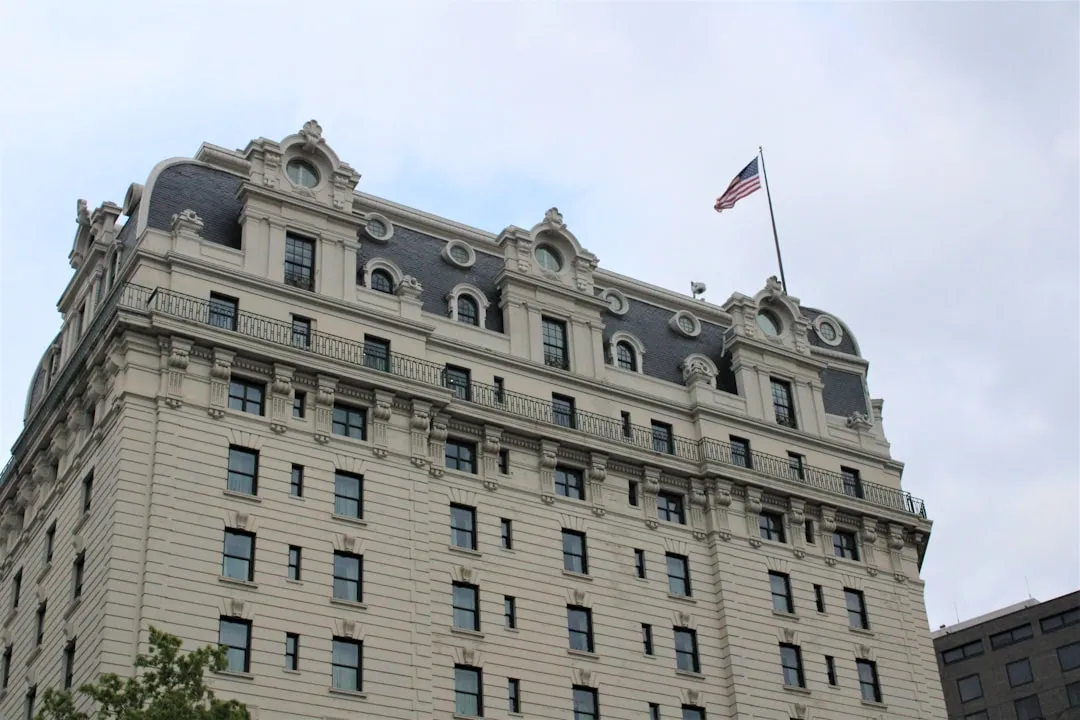

America has always had a complex relationship with its old buildings. Some get torn down, some fall into ruin, and a remarkable few get handed to people with enough vision to see what they could become rather than what they once were. That second life, when it happens well, is something genuinely worth traveling for.
Adaptive reuse saves unused historic buildings from demolition by rehabilitating and renovating them for a new purpose, and travelers across the United States can visit many historic inns, resorts, and other spaces today because their owners chose to reimagine them in sustainable and creative ways. These aren’t museum pieces kept behind velvet ropes. They’re lived-in, walkable, and in many cases, open right now. Here are eight of the most compelling.
Ponce City Market, Atlanta, Georgia
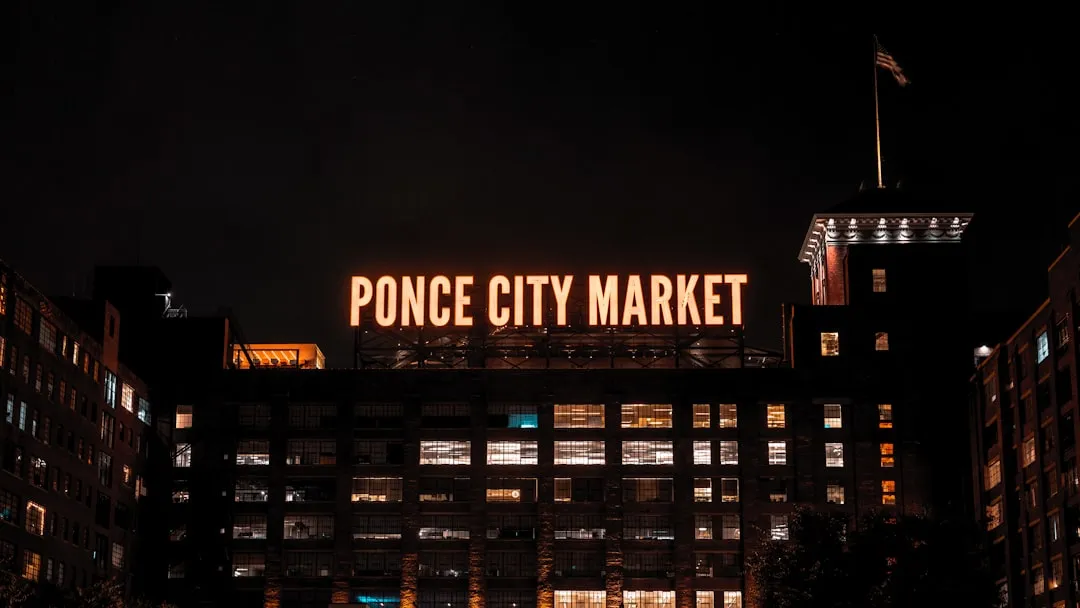
Once home to a Sears, Roebuck and Co. retail store and warehouse distribution center for the South, Ponce City Market is now a massive mixed-use facility featuring offices, education centers, coffee shops, restaurants, boutique shopping, and more. The sheer scale of the transformation is hard to take in at first glance.
The ambitious renovation project sought to preserve the building’s industrial character while adapting it for modern urban living, encompassing over 2.1 million square feet of mixed-use space, including 250 residential units. Key features such as industrial windows, exposed brick walls, and high ceilings were carefully restored to maintain the building’s historic charm.
The building’s roof is also an attraction itself, home to unique draws such as Skyline Park, where visitors can play games like Skee-Ball and mini-golf or go for a ride down a three-story slide, and 9 Mile Station, a rooftop restaurant. Guided food and history tours are available and run regularly through 2026.
St. Louis Union Station Hotel, Missouri
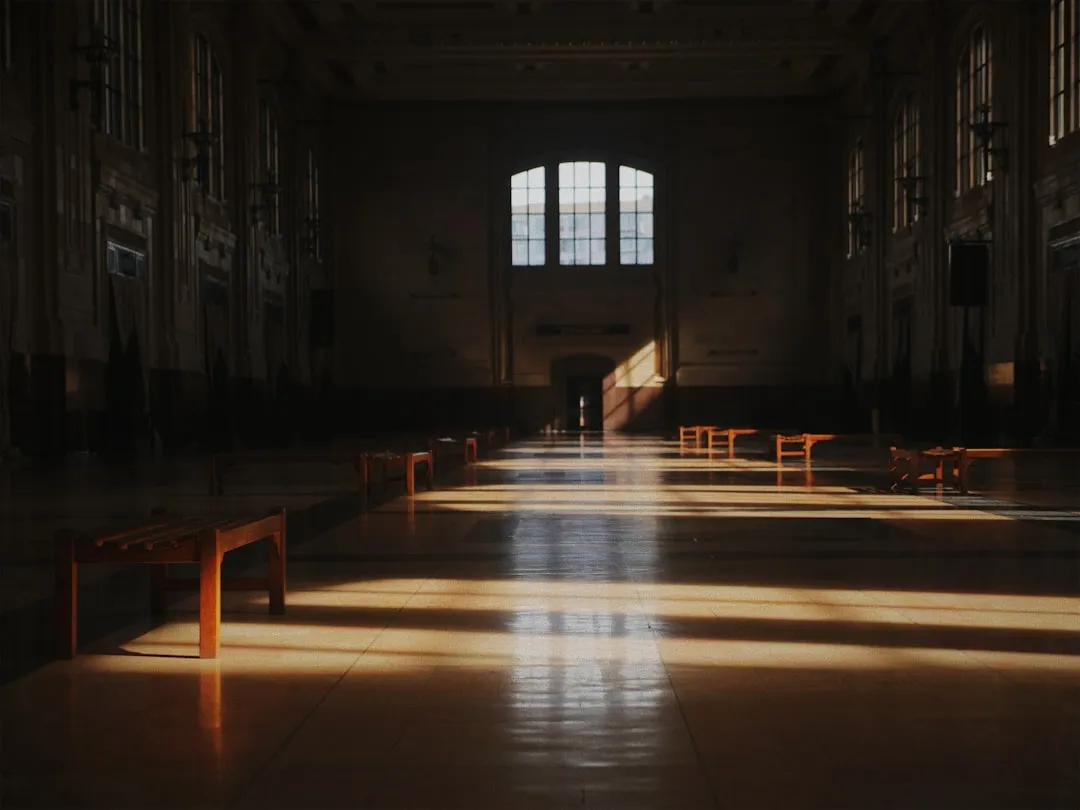
St. Louis’s iconic Union Station opened its doors with local architect Theodore Link leading its design. Given full control over the project, Link created a magnificent, sprawling complex that stood as a masterpiece of American architecture. It’s the kind of building that makes you stop moving the moment you walk inside.
Link designed the Grand Hall to resemble a passageway inside a medieval castle, with the walled French city of Carcassonne as his inspiration. Ornate details that remain today include spectacular gold leafing, wide stained-glass windows, and wall carvings made from Indiana limestone. A stunning 65-foot barrel-vaulted ceiling crests the Grand Hall, anchored by a wrought-iron chandelier.
One of the United States’ largest and busiest train terminals, Union Station was home to 22 railroads and 32 tracks in its heyday. Today it operates as a hotel and entertainment complex, and visitors can walk the Grand Hall and experience its layered architectural history without catching a single train.
The Gerding Theater at the Armory, Portland, Oregon
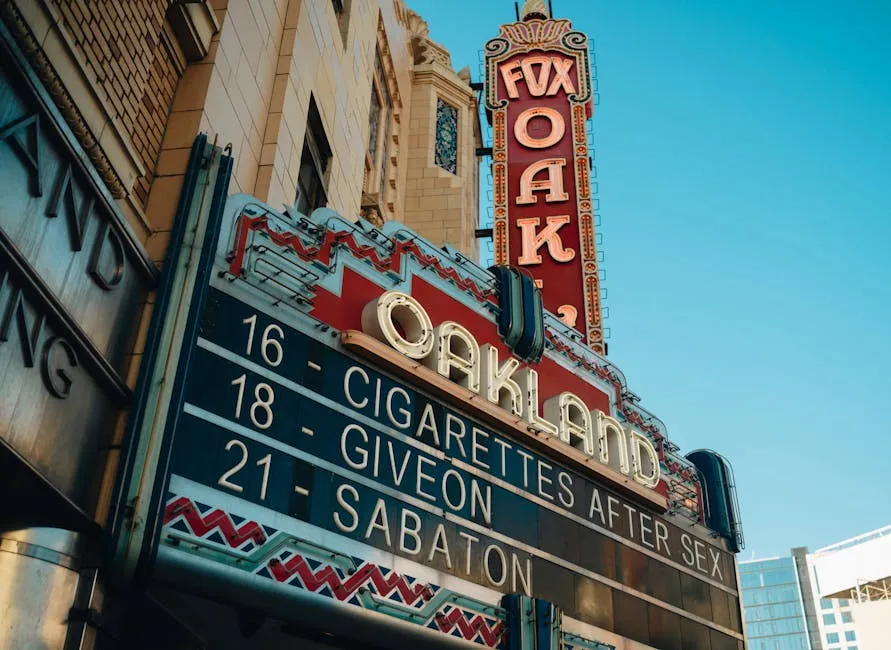
The Gerding Theater at the Armory is a prime example of adaptive reuse that combines sustainability with historic preservation. Built in 1891 as a National Guard training facility, the building was repurposed into a 590-seat theater in 2006, with the project spearheaded by GBD Architects, who were tasked with maintaining the Armory’s rich history while transforming it into a state-of-the-art performance venue.
The renovation cost just over 36 million dollars. The team preserved the building’s original brick facade, timber framing, and iron trusses, blending these historical elements with contemporary design, while significant efforts were made to incorporate energy-efficient systems such as natural ventilation and water-saving fixtures.
This helped the Armory become the first historic building on the National Register of Historic Places to achieve LEED Platinum certification. That combination of preservation and environmental leadership makes it genuinely unusual among American renovation projects, and the theater hosts regular performances open to the public.
The Lodge and Inn at the Presidio, San Francisco, California

The Lodge and the Inn at the Presidio are former military barracks transformed into unique boutique hotels, now considered among the best hotels in San Francisco. Sitting inside a working national park, the setting alone justifies the trip.
This former home to unmarried Army officers has been tastefully reimagined to provide comfortable accommodations that blend nature and history, and it was fully refreshed at the start of 2024. The bones of the original military construction are very much still visible.
Every dollar spent at Presidio Lodging directly supports the park’s ongoing preservation and sustainability efforts. By choosing to stay here, visitors are also contributing to the care and maintenance of this historic and natural treasure, ensuring it remains a vibrant destination for future generations. The Presidio also offers free park ranger talks and history exhibitions, as well as group visits for youth and community organizations.
The Flat Iron Hotel, Asheville, North Carolina
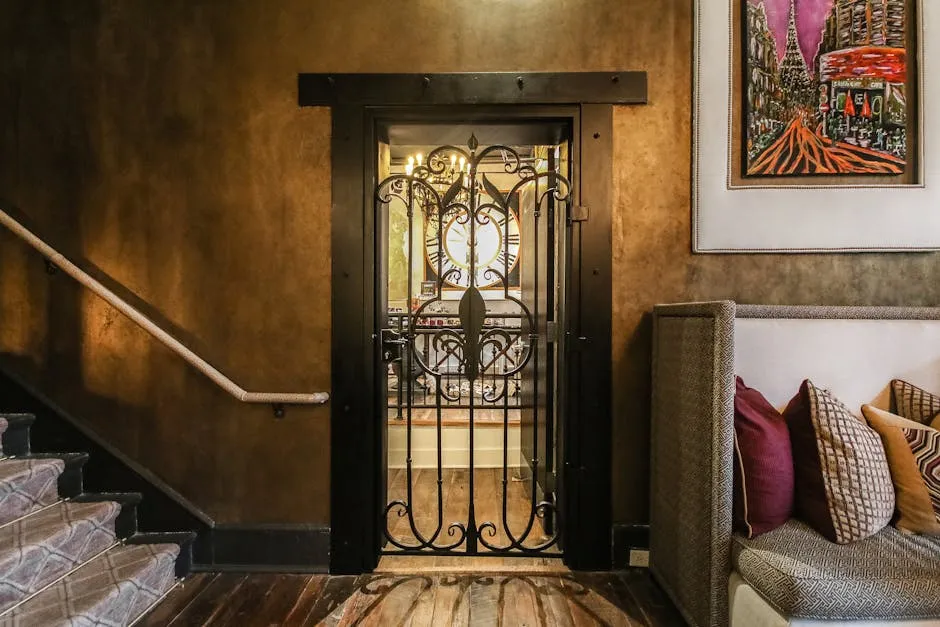
In downtown Asheville, North Carolina, the Flat Iron Hotel reopened in 2024 after a full restoration. The narrow 1926 structure drew influence from the Flatiron Building and later served as the first home of WWNC Radio. Its early broadcasting legacy makes it one of the more culturally textured buildings on this list.
Early broadcasts from the site included Bill Monroe’s debut. Interior details from its early years remain visible: a hand-operated lift is still in service, and restored window lettering marks former tenants such as tailors and dentists. Historical plaques add context without interrupting daily use.
The Red Ribbon Society bar now occupies the former boiler room, bringing activity to a space that once served a very different role. The hotel continues to operate in the center of Asheville while keeping its early identity intact. It’s a real working hotel, not a preserved showpiece, which keeps its story alive in the most practical way possible.
The Atheneum Suite Hotel, Detroit, Michigan
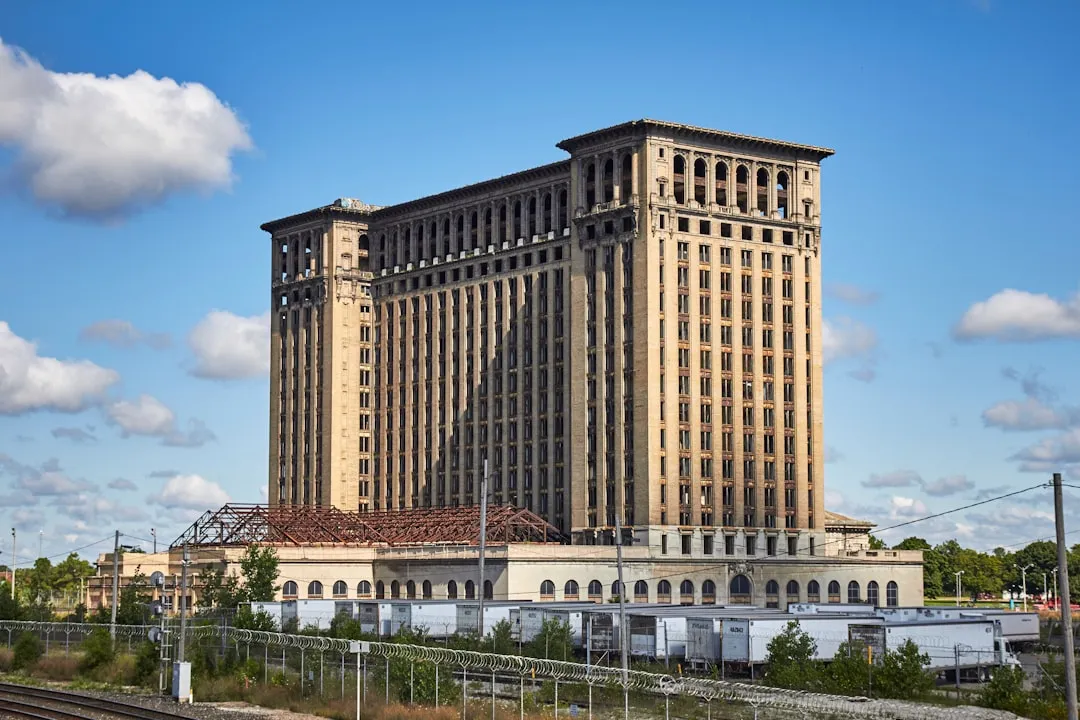
Founded as a seed company warehouse in Detroit, Michigan, when the city was hailed as the “Seed Capital of the World,” the Atheneum Suite Hotel traces its history to 1856 when businessman Dexter Mason Ferry established his seed-growing company. In 1886, architect Gordon S. Lloyd designed a newer, grander Romanesque-inspired warehouse, drawing inspiration from the Marshall Field’s Warehouse Store in Chicago. Debuting as the largest industrial structure in Detroit at the time, the building stood eight stories in height and featured a remarkable facade of brick and limestone trim.
In the 1980s, businessman Jim Papas, a Greek immigrant with deep connections to the neighborhood, acquired the site with plans to build an upscale hotel. He recognized the building’s rich heritage and directed renovations to preserve its architectural integrity. Papas and his team transformed the Ferry-Morse Company’s warehouse into a multi-use urban mall known as Trappers Alley, establishing the Atheneum Suite Hotel there at the same time.
Part of the historic Greektown neighborhood, the Atheneum Suite Hotel was inducted into Historic Hotels of America in 2023. It’s a story of immigrant entrepreneurship and architectural preservation running together in a city that has seen more than its fair share of reinvention.
La Posada de Santa Fe, New Mexico

Set on six beautifully landscaped acres in Santa Fe, New Mexico, La Posada Hotel’s history harkens back to the arrival of German emigre Abraham Staab and his wife Julia. The Staabs arrived in Santa Fe in the mid-1850s after taking the arduous journey along the Santa Fe Trail, and their grand family home was completed in 1882.
When Abraham passed away in 1913, the house remained a private residence until the 1930s, when new owners transformed the mansion and adjacent land into a hotel with casita-style guestrooms, calling it La Posada Inn. The layering of eras is what makes this place unusual. You’re walking through Victorian, frontier, and Route 66 history all at once.
La Posada de Santa Fe has offered fine hospitality ever since, with millions of dollars invested in preserving its 19th and 20th century historic details while modernizing accommodations through the eras. Today it remains part of Santa Fe’s most walkable historic district, and guided property tours are available to both guests and visitors.
El Convento Hotel, Old San Juan, Puerto Rico
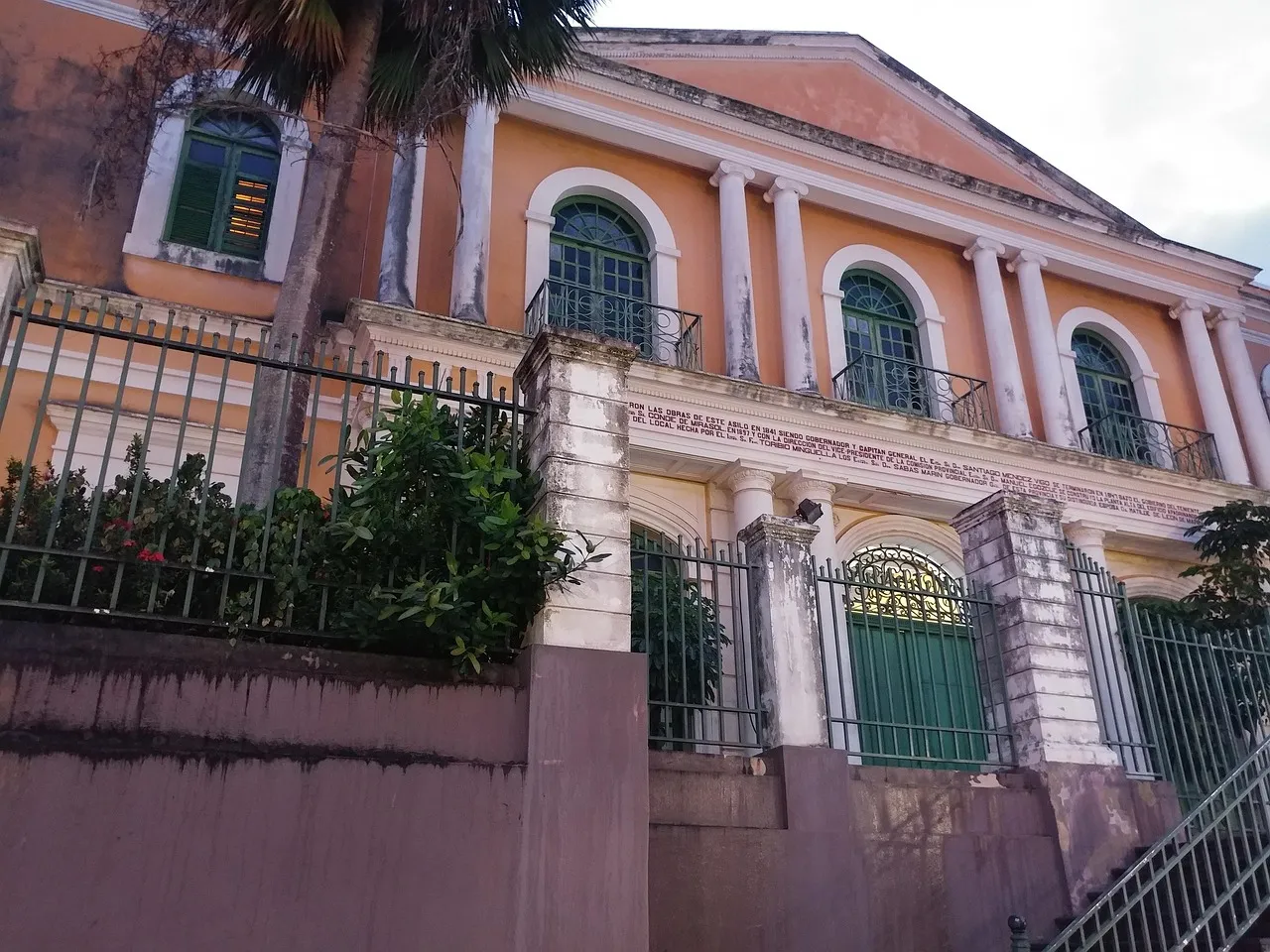
Built over 350 years ago in the historic walled city of Old San Juan, El Convento Hotel was a Roman Catholic convent for nuns of the Carmelite Order. The land was donated to the order by Dona Ana Lanzos, a wealthy widow, in the early 1600s, but construction was delayed while labor and material resources were redirected to establish city fortifications.
Further restorations and renovations revitalized the Spanish-designed features of the original convent, such as the detailing throughout the building’s facade. Among other historic features, a 300-year-old Spanish Nispero fruit tree remains in the historic courtyard. That tree alone is worth a moment of quiet reflection.
El Convento Hotel was inducted into Historic Hotels of America in 1999. Travelers can visit many historic inns and hotels in the United States today because their owners chose to reimagine historic buildings in sustainable and creative ways, and at Historic Hotels of America, adaptive reuse hotels offer travelers an immersive, authentic, and fun way to experience their next trip. El Convento stands as one of the oldest and most layered examples of that principle anywhere in the country.
Why Reimagined Spaces Matter More Than Ever

A popular and creative approach to historic preservation, adaptive reuse saves unused historic buildings from demolition by rehabilitating and renovating them for a new purpose. That framing can sound dry on paper, but walk through any of these eight spaces and the feeling is anything but.
Many older buildings have architectural significance, showcasing incredible eras of architecture that simply cannot be recreated in new building construction today. By taking on the work of historical building renovation and preservation, it is possible to literally save a piece of architectural history for future generations to enjoy and learn from.
Historic buildings are considered a part of how cities plan for growth, with their value attached to ongoing use rather than preservation alone. This shift places older structures within economic strategy, where they can support tourism, business activity, and long-term investment. The best ones don’t just preserve the past. They give it a reason to keep showing up.
Planning Your Visit: Practical Notes for 2026
Historic Hotels of America, an official program of the National Trust for Historic Preservation, released its 2024 Top 25 Historic Hotels of America Best of Adaptive Reuse list, which remains a strong starting point for planning trips around reimagined American spaces. Most of the properties listed in this article offer self-guided, ranger-led, or third-party tours, many of which can be booked in advance online.
A number of historic sites now offer augmented and virtual reality tours that take people back into different eras, bringing the past closer in an approach that is both creative and useful. Still, nothing quite replaces standing in a space that has been around for centuries. The physical weight of old buildings, their proportions, textures, and odd corners, is something a screen can’t fully carry.
If there’s a unifying lesson across these eight spaces, it’s that old buildings don’t need to be frozen in time to remain meaningful. Given the right hands and the right intent, they tend to reveal something new about themselves every single generation that passes through them.
AI Disclaimer: This article was created with the assistance of AI tools and reviewed by a human editor.