
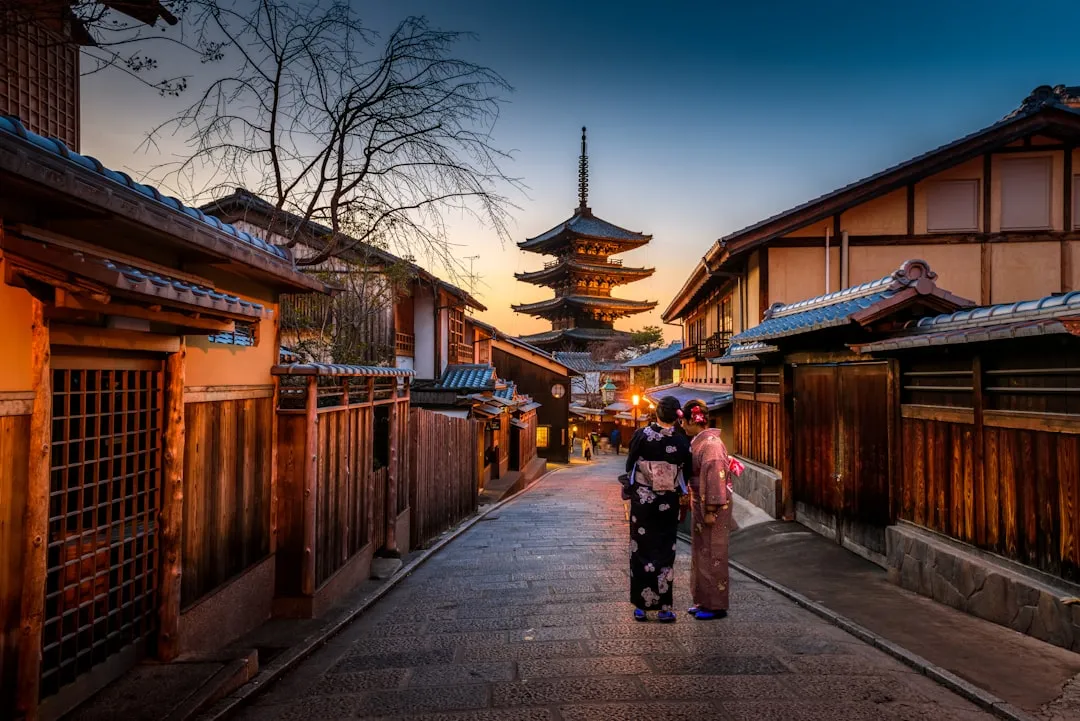

Most visitors to Kyoto arrive with a list. The Golden Pavilion. Arashiyama. Fushimi Inari. These are genuinely beautiful places, and nobody is wrong for wanting to see them. The trouble is that the city’s most famous sites have become genuinely difficult to experience in any meaningful way when crowds press in from every direction.
In the mid-2020s, over 10.88 million international tourists passed through Kyoto in 2024 alone, roughly 150,000 people per day, far outnumbering the city’s 1.4 million residents. That pressure makes a compelling case for turning down a quieter lane. What follows is a gallery of Kyoto’s less-trodden places, each one real, each one worth the slight detour.
The Overtourism Reality That Is Reshaping Kyoto
The numbers behind Kyoto’s crowding problem are striking. For the first time in history, more foreign travelers than Japanese ones stayed in Kyoto’s hotels in 2024, while Japanese guest numbers fell by nearly fourteen percent from the previous year, illustrating that as Kyoto grows more popular internationally, a growing share of domestic travelers are choosing to stay elsewhere.
A prominent feature of 2024 is an increasing split between Japanese and foreign tourists. Japanese visitors are shifting to lesser-known spots and suburban areas to avoid crowds, with areas like Keihoku becoming new popular destinations. This is not a temporary trend. In May 2025, the number of foreign visitors to Japan rose more than twenty percent from a year earlier to 3.7 million, a record for the month of May, according to the Japan National Tourism Organization.
To address these pressures, Kyoto City introduced a steep hike in its accommodation tax starting in March 2026. Under the new system, guests staying in high-end rooms priced above 100,000 yen per night pay as much as 10,000 yen in tax. The revenue is earmarked for cultural preservation and overtourism countermeasures, a quiet signal that the city knows it is at a turning point.
Fushimi: Kyoto’s Sake District and Its Canal Soul
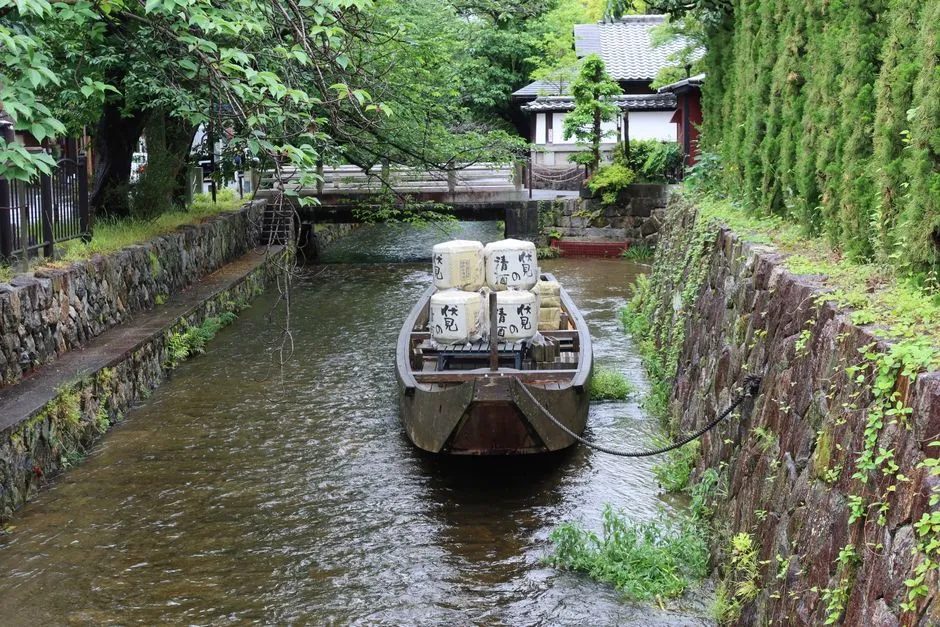
The Fushimi Sake District refers to the historic brewing area in southern Kyoto where many of the city’s most influential sake breweries have been located for centuries. Even today, the neighborhood remains one of Japan’s most active sake brewing communities, having become Kyoto’s primary brewing center thanks to its location along historic trade routes.
Today, Fushimi is the second-largest rice wine producer in Japan with nearly 40 sake breweries. Historically, the waters of Fushimi also made this area an important hub of transport and trade. At the confluence of three rivers, the Uji, Katsura and Kamo, an intricate network of canals was used to send rice, sake, and other goods between the cities of Kyoto and Osaka.
During the final years of the Tokugawa shogunate, Fushimi emerged as a political and military flashpoint. Samurai clashes, political assassinations, and shifting loyalties unfolded in its streets and inns as the country moved toward the Meiji Restoration. In the modern era, Fushimi gained imperial significance with the burial of Emperor Meiji, forever tying the area not only to Kyoto’s past but to the birth of modern Japan itself. Today, it remains far quieter than the city center.
The Lake Biwa Canal: A Walking Route Most Tourists Never Find
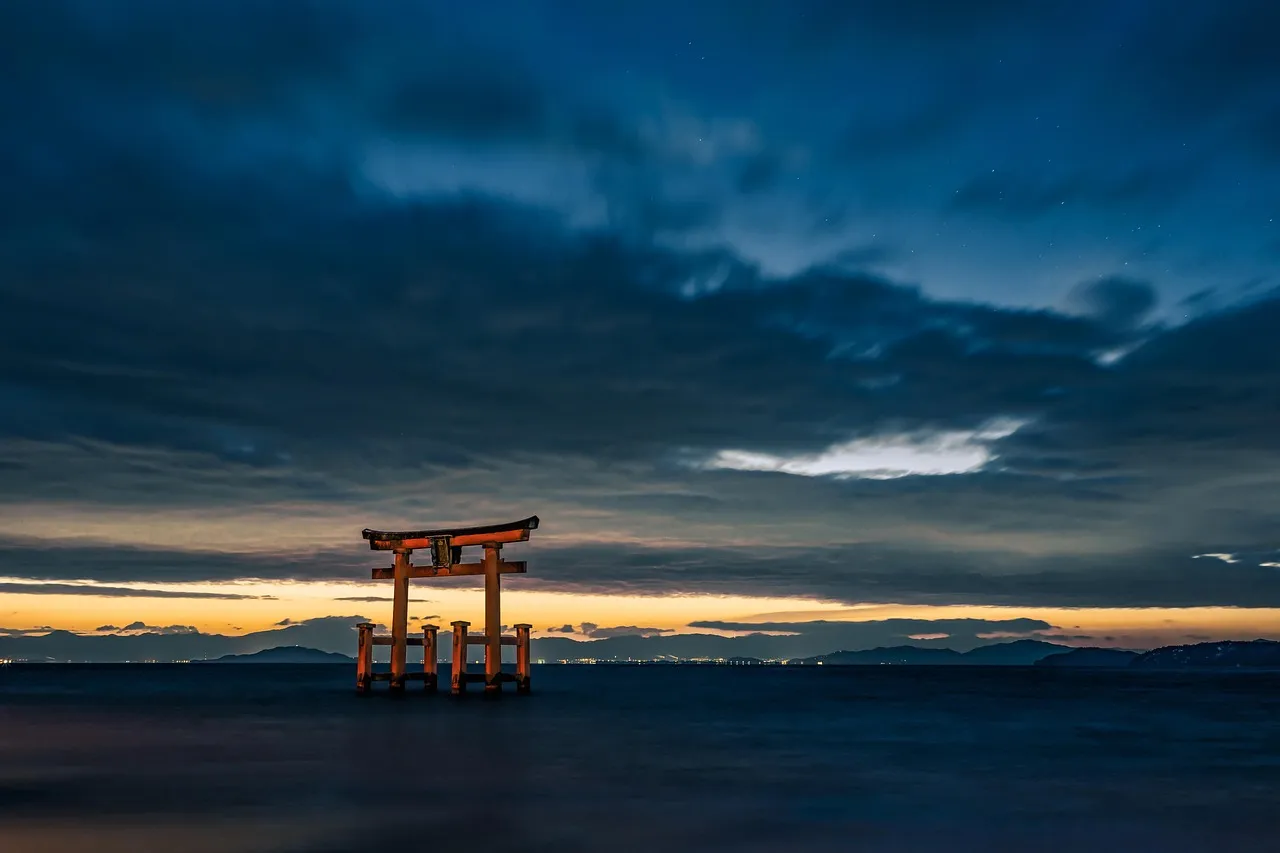
The Lake Biwa Canal spans approximately 20 kilometers in total, connecting Kyoto city to the waters of Lake Biwa in the neighboring Shiga prefecture. Construction on the canal’s first major section started in 1885 and was completed in 1890. This engineering achievement is now one of the city’s most serene walking corridors.
The path along the Lake Biwa Canal leads through hidden neighborhoods where traditional wooden houses line the water. Local residents walk their dogs along the paths and elderly men fish in early morning light. Tea houses dot the route, offering green tea to those who discover this hidden treasure. The canal connects several of Kyoto’s lesser-known temples and shrines, creating a walking route that feels like a secret pilgrimage.
In autumn, the effect is especially vivid. Fall colors turn the water into a mirror of gold and crimson, and autumn maple leaves hang over the stone-lined canal path. It is the kind of scene that, somehow, most visitor itineraries never include.
Ohara: A Village at the Edge of the City’s Consciousness
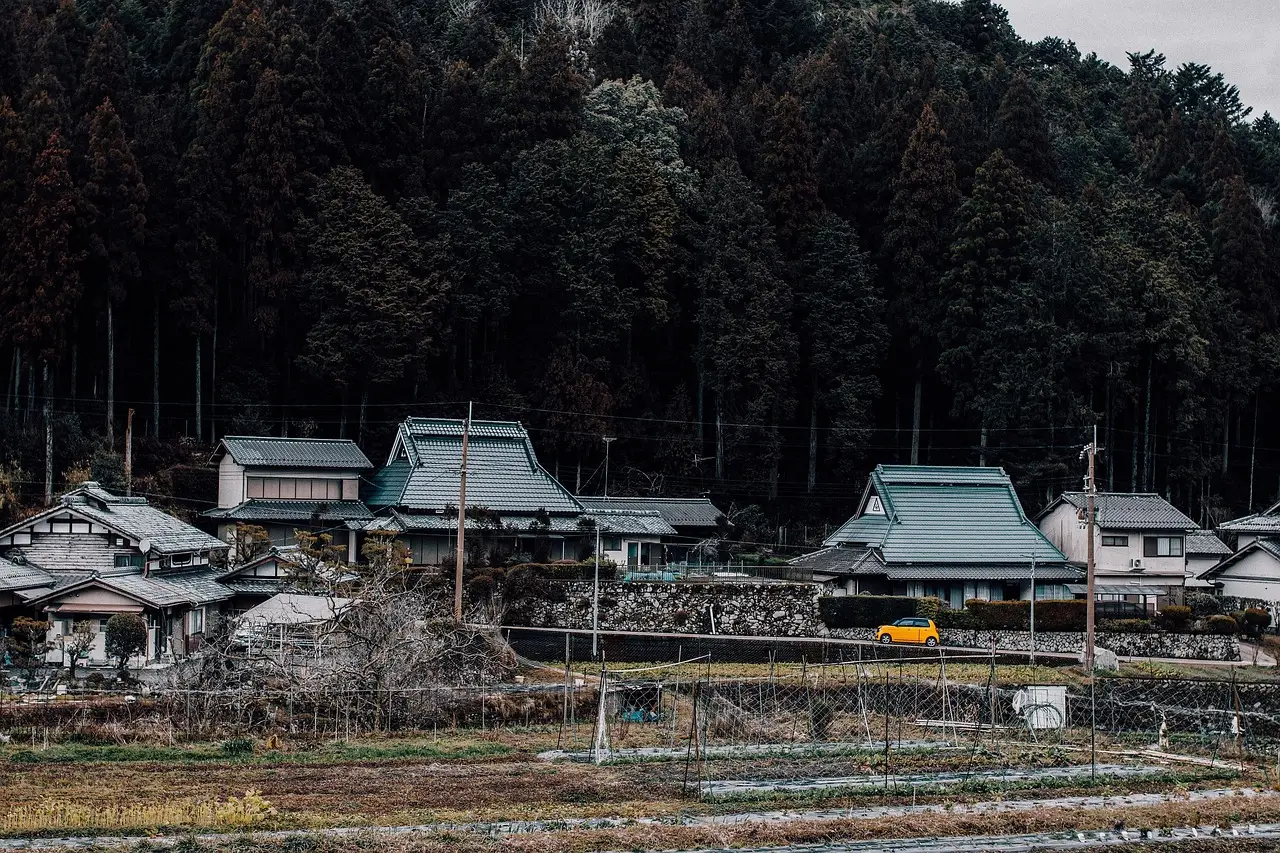
Nestled in the northern outskirts of Kyoto lies the tranquil village of Ohara. Often overlooked by the rush of mainstream tourism, Ohara offers a peaceful retreat with its picturesque landscape and calming atmosphere. One of the highlights of this village is Sanzen-in, a serene temple surrounded by lush gardens.
Just a short bus ride from the city center, Ohara feels like a step back in time. This charming rural area is dotted with traditional farmhouses and serene rice paddies. A leisurely stroll along the quiet streets brings you to the stunning Sanzen-in Temple, famous for its beautiful gardens and peaceful atmosphere. The temple is home to several ancient statues and a lovely moss garden that changes with the seasons.
The Kyoto City Tourism Association has been promoting Ohara as part of its official “Decentralized Tourism” initiative, recommending peripheral areas to disperse visitors and alleviate central overcrowding. These areas offer nature and tranquility that contrast sharply with the packed downtown districts. The policy reflects a growing recognition that Kyoto’s real depth lies outside its most photographed squares.
The Philosopher’s Path and Its Quieter Extensions
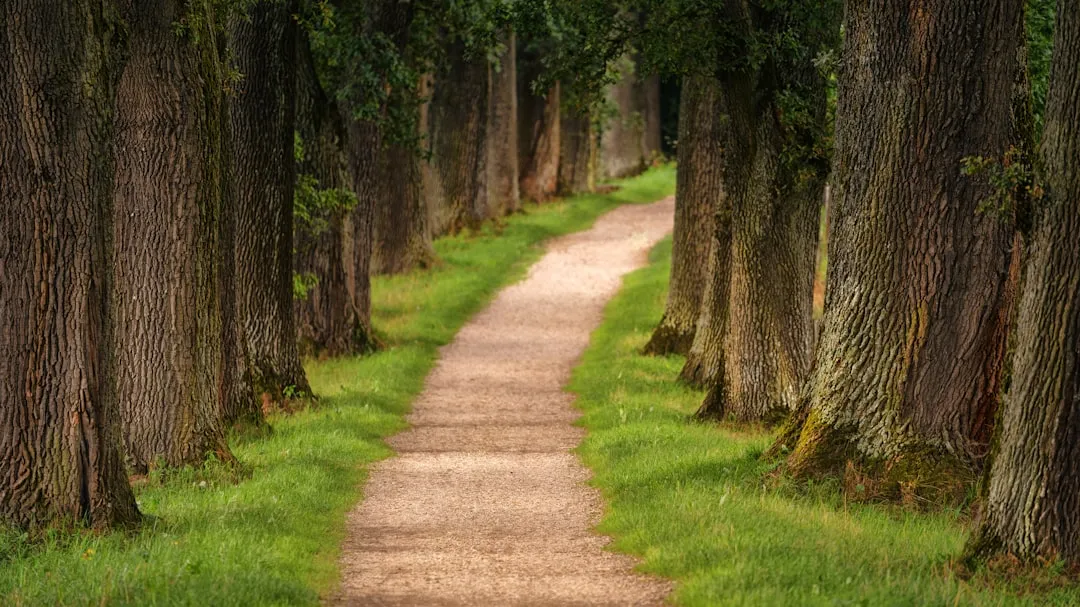
While the Philosopher’s Path, or Tetsugaku no Michi, might be a known name among Kyoto enthusiasts, its true essence is often overshadowed by more popular attractions. This stone-paved walkway, stretching for about two kilometers along a cherry tree-lined canal, is an oasis of calm. The path was named after the famous Japanese philosopher Nishida Kitaro, who would walk this route daily for meditation.
Everyone knows about the Philosopher’s Path, but few explore its hidden extensions that wind through northern Kyoto’s residential neighborhoods. These quieter sections offer the same cherry blossom beauty without the bustling crowds that gather at the main route. The lesser-known portions connect several small temples and traditional neighborhoods where daily life continues much as it has for generations.
The Philosopher’s Path offers access to several lesser-known temples and shrines. Honen-in Temple, with its moss-covered gates and tranquil garden, feels like a journey back in time. It sits just off the main canal path and is visited by only a fraction of those who walk the more famous stretch.
Kennin-ji: Kyoto’s Oldest Zen Temple, Hiding in Plain Sight
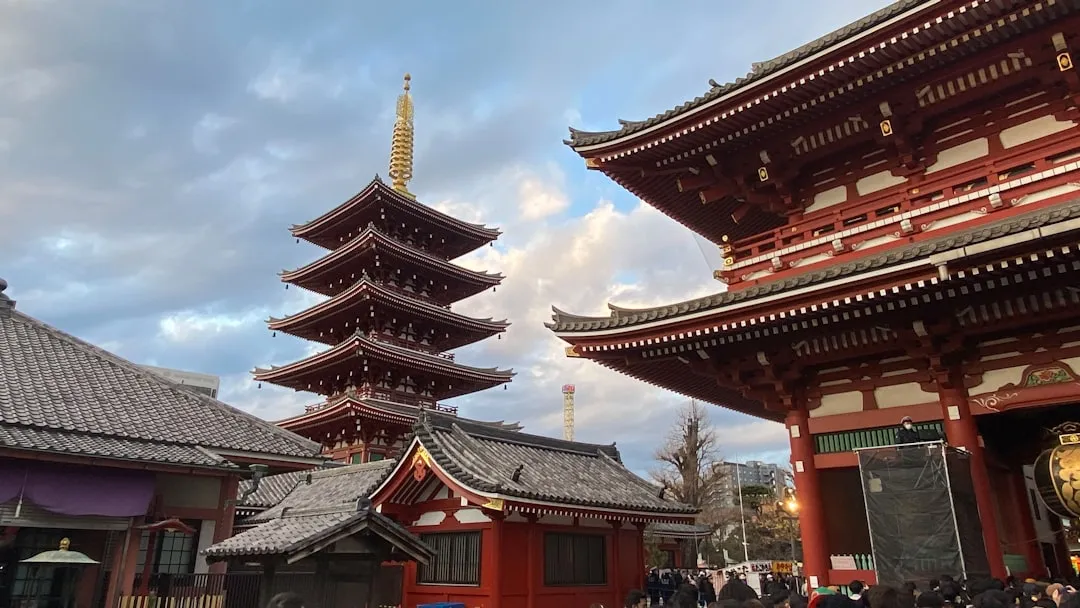
Kennin-ji Temple is the oldest Zen temple in Kyoto. Although less frequented than other temples, Kennin-ji is a treasure trove of historical artifacts and Zen gardens. It sits at the edge of the Gion district, which makes its relative quietness all the more surprising.
The profound silence and the meticulously raked gravel patterns of the Zen garden envelop visitors in tranquility. The temple’s ceiling boasts a grand painting of twin dragons, symbolizing protection and strength. Few other temples in Kyoto offer such a direct encounter with classical Zen aesthetics without requiring a long journey outside the city center.
Strolling through the lesser-known corners of Gion, a world transcends the glitz and glamour. These hidden spots allow for deeper exploration and understanding of Kyoto’s cultural layers, often missed in the usual tourist rush. Kennin-ji anchors that quieter side of Gion in a way that the lantern-lined main streets simply cannot.
Otagi Nenbutsu-ji: The Temple of a Thousand Faces
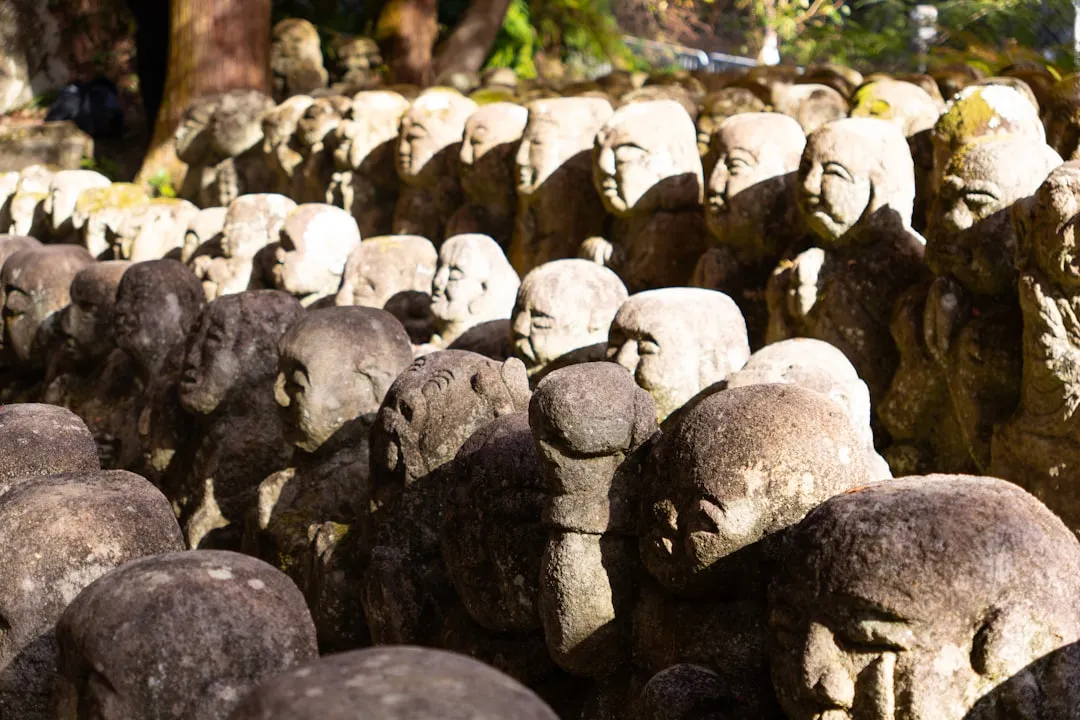
Tucked away in the hills of Arashiyama, Otagi Nenbutsu-ji Temple is a delightful surprise. Unlike its more famous counterparts, this temple is home to over 1,200 stone statues of Rakan, the disciples of Buddha, each with a unique expression. The serene atmosphere and lush surroundings make it a perfect spot for reflection and photography.
Otagi Nenbutsu-ji Temple was established in the 8th century and is dedicated to the Buddhist practice of compassion. The quirky expressions of the Rakan statues reflect the individuality of the disciples of Buddha, making each visit a unique experience. Some statues wear glasses, others appear to be laughing, and a few look unmistakably like they are sleeping.
The temple is located at the far end of the Sagano district, a stretch that most visitors never reach because it requires walking well past Arashiyama’s main drag. That distance is precisely what keeps it calm. The reward for the extra steps is considerable.
Kyoto Botanical Garden: Open Seasons, Few Crowds
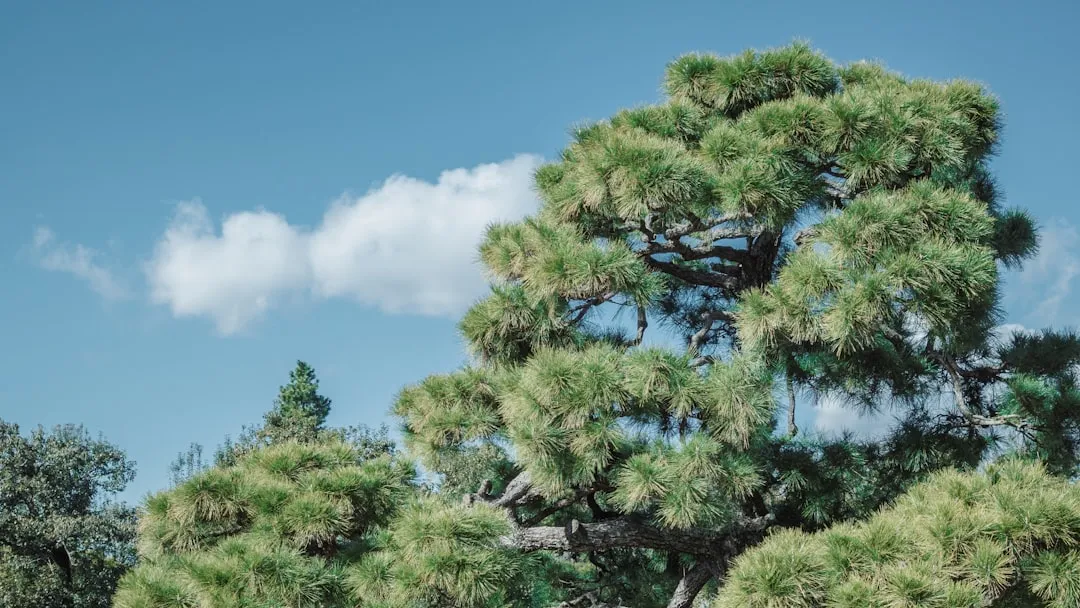
Kyoto Botanical Gardens is a lesser-known site in Kyoto filled with much that travelers will enjoy. Visitors have access to gorgeous flowers and greenery at an affordable price. Different flora blooms throughout the year, making it enjoyable to visit at any time. The grounds are especially spectacular in spring when cherry blossoms are in bloom, and in autumn visitors can appreciate the colorful changing of the leaves.
Native Japanese plants grow here as well, and educational programs and special events are also held. The garden functions as a genuinely active public space rather than just a scenic backdrop, with local families, students, and elderly residents using it throughout the week. That everyday energy gives it a different feel from the city’s temple grounds.
For photographers, the garden offers reliable seasonal color without the logistical challenges of Kyoto’s iconic spots. It is one of those places where you can spread a blanket, stay for a few hours, and see the city operating at a human pace.
The Kurama Fire Festival: Living Ritual in a Mountain Village
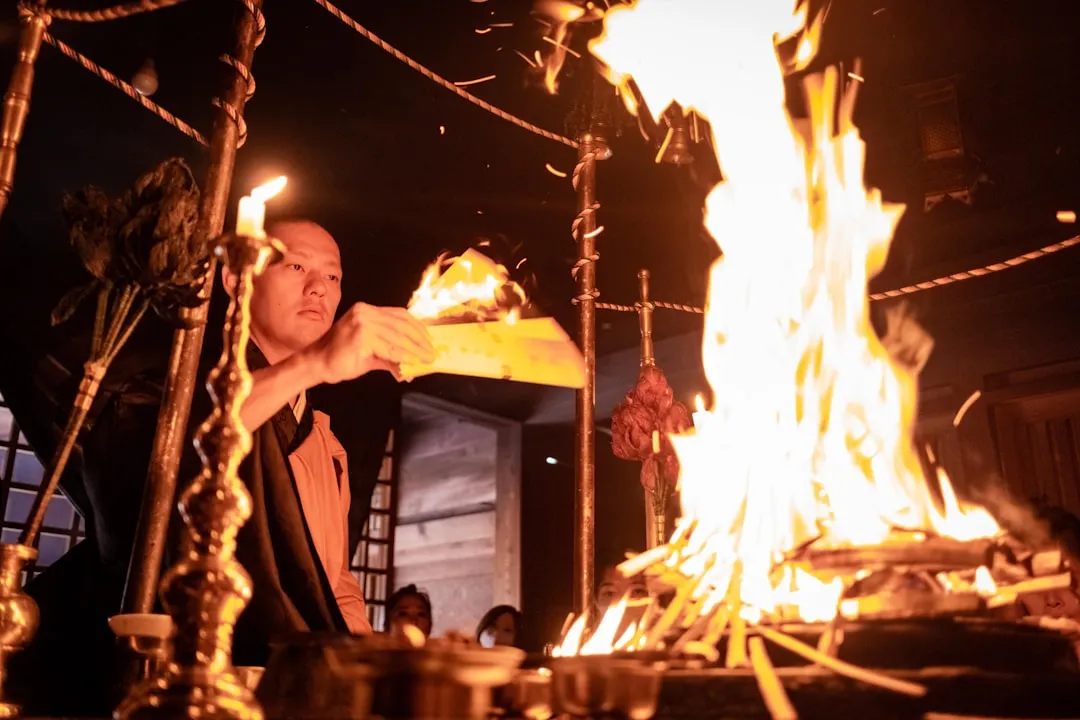
The Kurama Fire Festival in the mountainous village of Kurama honors Yuki-jinja Shrine and its spirits, lighting up the night on October 22 each year. Now one of Kyoto’s most popular fire festivals, it features a parade with hundreds of people bearing flaming torches, creating a truly majestic sight.
The festival dates back to 940, when Kyoto suffered an earthquake and was gripped by political unrest. To protect the capital, Emperor Suzaku ordered the Yuki Myojin deity to be moved from the Imperial Palace to Kurama, which is believed to be a northern spiritual gateway. The villagers of Kurama lit fires along the road to welcome the kami spirits. This moment is reenacted every October.
The torches, known as taimatsu, weigh up to 80 kilograms and can reach up to 4 meters in length. It is considered a rite of passage for the local youth who partake in the festival by carrying smaller torches through the village. In 1983, the festival was designated as an Intangible Folk Cultural Property of Kyoto City.
Kyoto’s Decentralized Tourism Push: Following Where Locals Lead
While the number of Japanese tourists at famous sightseeing spots decreased by about fifteen percent year-on-year in autumn 2024, the number of foreign tourists increased by about thirty percent during the same period. This phenomenon indicates that Japanese tourists are shifting from central Kyoto to suburban or less-known areas to avoid the congestion caused by the sharp increase in foreign visitors.
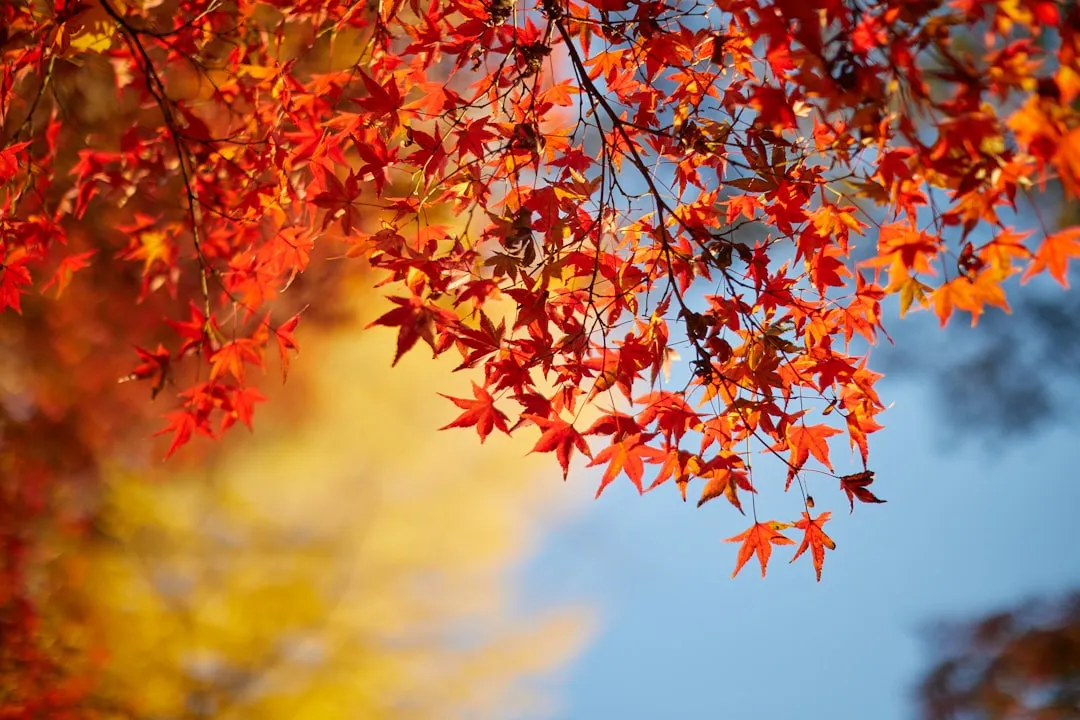
The scenic fishing bridge over the upper Katsura River provides cherry blossoms in spring and vibrant autumn foliage, while Yoshimine-dera Temple in Nishikyo offers panoramic city views and seasonal flowers. Among the recommended autumn spots is Jingo-ji Temple in Takao, famed for its breathtaking autumn colors viewed from the Kiyotaki River bridge. Around 200 to 300 maple trees create a spectacular sight each November. Although about 55 minutes by bus from Kyoto Station, its relative remoteness offers a welcome calm amid the city’s congestion.
With over 1,200 years of history, more than 2,000 temples and shrines, countless cafes, and artisan houses running for generations, this city holds many treasures yet to be explored. The visitors who find them tend to be the ones who step slightly off the mapped route and trust what they find there.
Conclusion: The Kyoto That Exists When You Walk Past the Postcard
Kyoto’s famous landmarks are famous for good reason. They carry centuries of meaning and beauty that no amount of foot traffic can fully erase. The point here is not to dismiss them, but to acknowledge that they now represent only one version of the city.
The version described across these ten chapters moves at a slower pace. For the culturally curious traveler, the overtourism reality makes seeking out offbeat corners all the more important. Only by venturing into Kyoto’s lesser-known districts, temples, and experiences can one truly feel a personal connection to the city’s enduring traditions.
What connects all of these places is not obscurity for its own sake. They are simply spots where the city continues to live and breathe without performing itself for an audience. That distinction, quiet as it is, turns out to matter quite a lot.
AI Disclaimer: This article was created with the assistance of AI tools and reviewed by a human editor.