
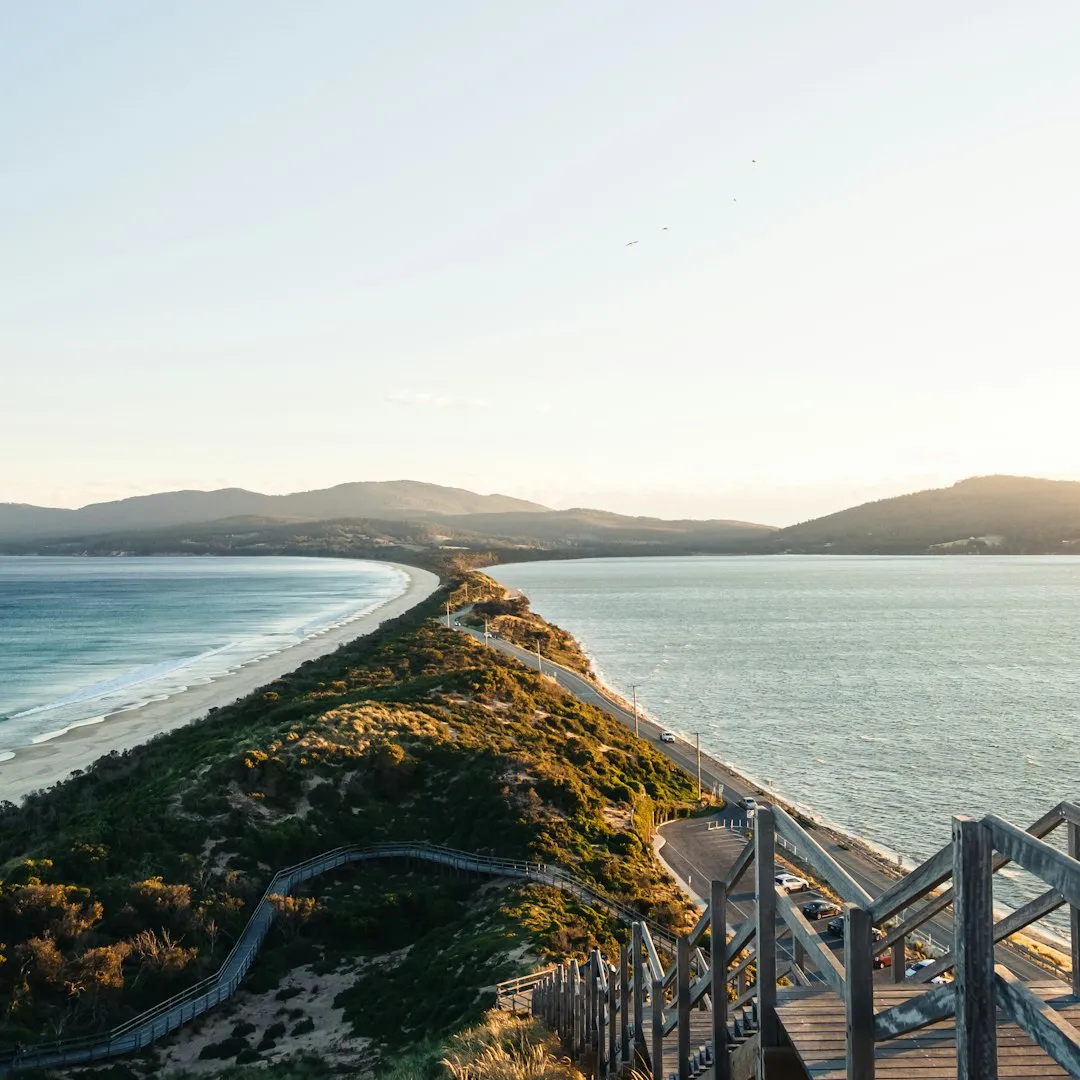

Tasmania doesn’t make a lot of noise about itself. It sits quietly below mainland Australia, separated by the Bass Strait, and yet it holds some of the most extraordinary wild land on the planet. You could fly over it on your way somewhere else and have no idea what you’d missed.
For walkers, naturalists, and anyone willing to get a little mud on their boots, this island state offers something genuinely rare: a landscape that still feels like it belongs entirely to itself.
A World Heritage Wilderness Unlike Any Other
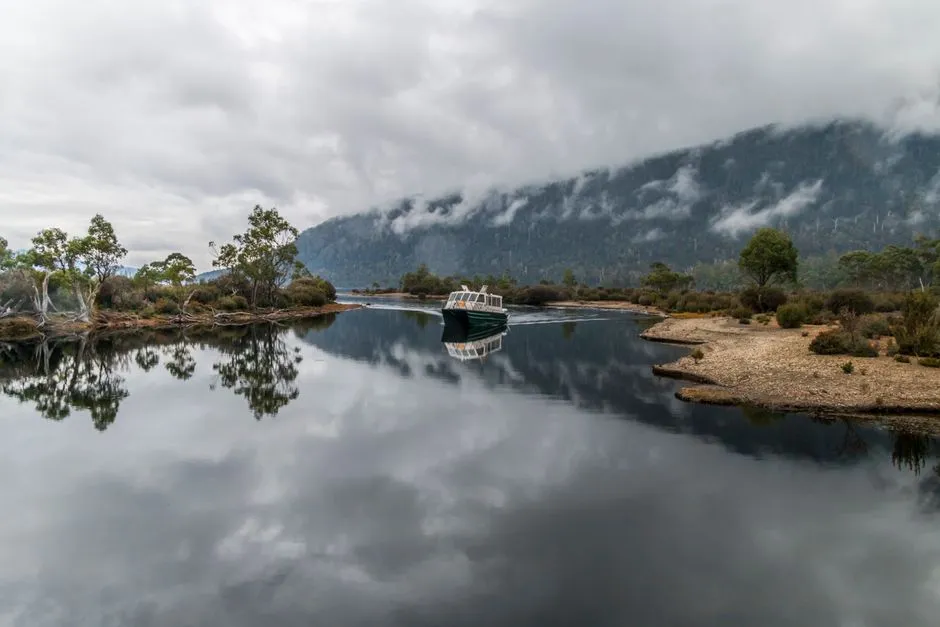
The Tasmanian Wilderness World Heritage Area, commonly abbreviated to TWWHA, is a World Heritage Site covering 15,800 square kilometres, or almost a quarter of Tasmania. That scale is difficult to absorb until you’re actually standing in it.
The Tasmanian Wilderness qualifies for seven out of the ten classification criteria evaluated for World Heritage status. Along with Mount Tai in China, it is the highest measurement attained for World Heritage Site status on Earth. Most sites meet only one or two criteria, which makes Tasmania’s result remarkable.
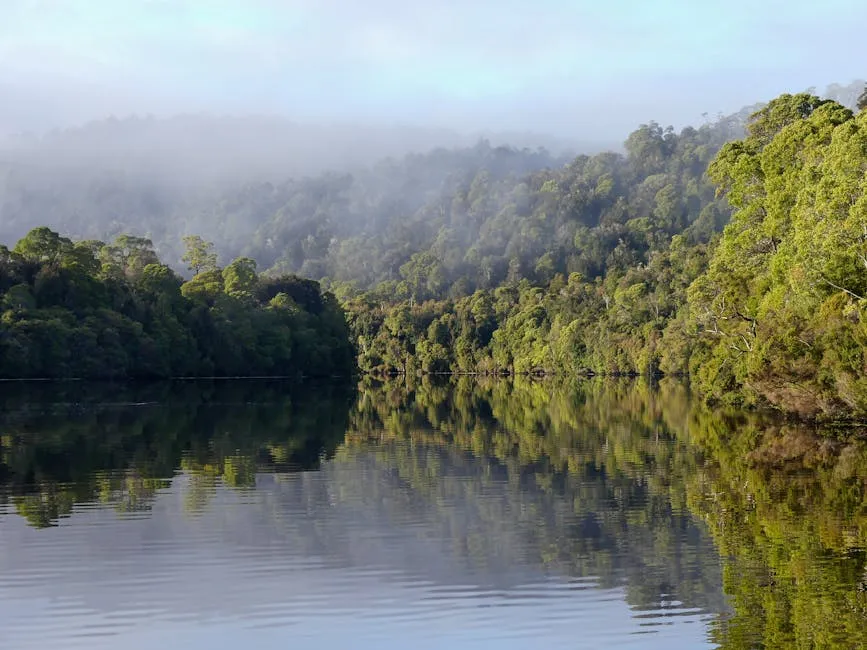
It is one of the last expanses of temperate wilderness in the world, and includes the South West Wilderness. There is a quietness to the place that has nothing to do with absence of life. It is, in fact, teeming with it.
How Much of Tasmania Is Actually Protected
About 40 percent of Tasmania is protected as national parks, reserves, and UNESCO World Heritage areas, with a number of national parks included in the expansive Tasmanian Wilderness World Heritage Area. That figure alone puts Tasmania in a different category from almost any other comparable region.
As of May 2025, protected areas cover roughly a fifth of Australia’s total land area. The Australian Capital Territory has the highest level of protection at nearly 56 percent of its territory, followed by Tasmania with 43 percent and Western Australia with 31 percent. Tasmania punches well above its geographic weight.
Containing one of the world’s last expanses of vast wilderness, Tasmania has nineteen national parks showing some of the finest pristine landscapes the state has to offer. Each park is distinct enough to justify its own trip.
The Geology: Rocks That Predate Almost Everything
The rugged and spectacular landscapes of the Tasmanian Wilderness contain rocks from almost every geological period, the oldest being formed about 1,100 million years ago during the Precambrian period. Walking across this terrain means walking across deep time in a way that is almost disorienting.
Although the highest point is only 1,600 metres above sea level and there is no year-round snow cover, much of the area is very rugged and contains the only extensive, recently glaciated areas in Australia. The last glaciation ended 10,000 to 12,000 years ago. The ice is long gone but the shapes it carved remain everywhere.
The region is home to some of the deepest and longest caves in Australia. It is renowned for its diversity of flora, and some of the longest lived trees and tallest flowering plants in the world grow in the area.
The Overland Track: Walking the Spine of the Island
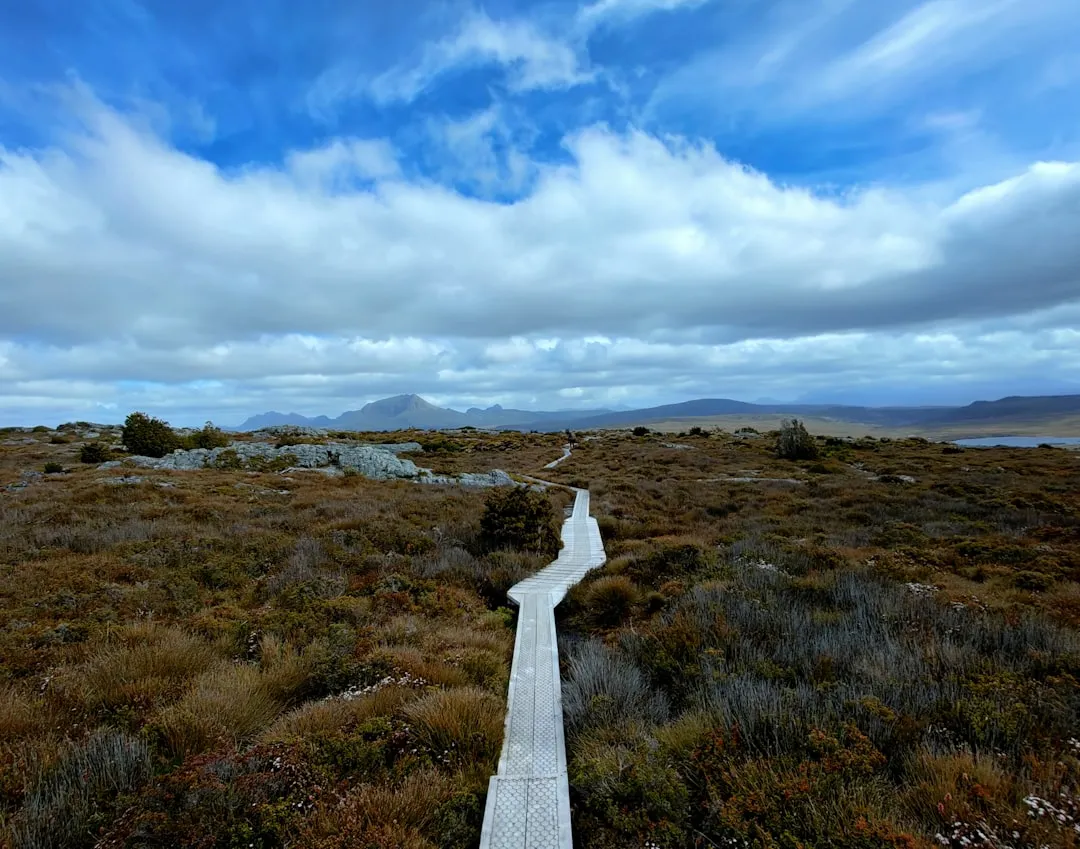
The Overland Track is Australia’s premier alpine walk, a 65-kilometre, six-day trek through the heart of the Cradle Mountain–Lake St Clair National Park, part of the magnificent Tasmanian Wilderness World Heritage Area. It has a reputation that is entirely deserved.
It is walked by more than nine thousand people each year, with numbers limited in the warmer months. Officially the track runs for 65 kilometres from Cradle Mountain to Lake St Clair, however many choose to extend it by walking along Lake St Clair for an extra day, bringing it to 82 kilometres.
During peak season, 60 walkers can start the track each day. Of those, 34 spots go to independent walkers. The rest are split between the commercial guided operator and group bookings for schools and community organisations. For the 2024 to 2025 season, over 5,110 of the roughly 8,200 independent walker spots were booked by 2pm on opening day. The demand is real.
Flora: A Plant World Largely Its Own
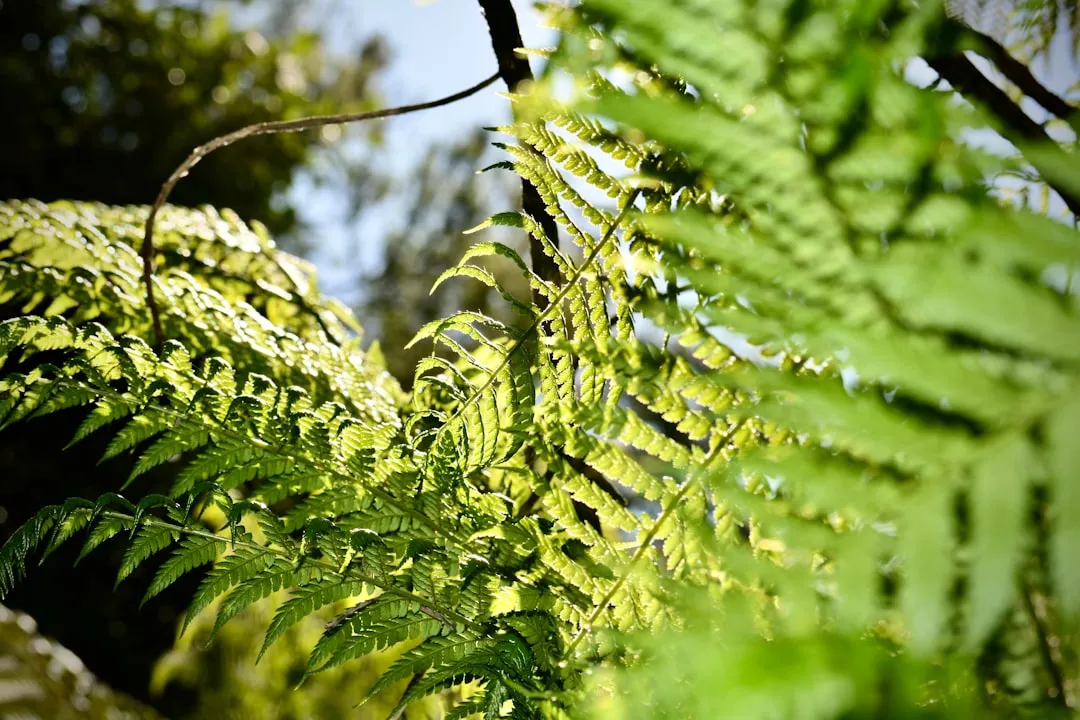
Two-thirds of Tasmania’s endemic higher plant species are contained within the Wilderness boundaries, with many of them confined to this area alone. Nearly one-third of the plant species in Tasmania that are listed as rare or threatened occur within the Wilderness area.
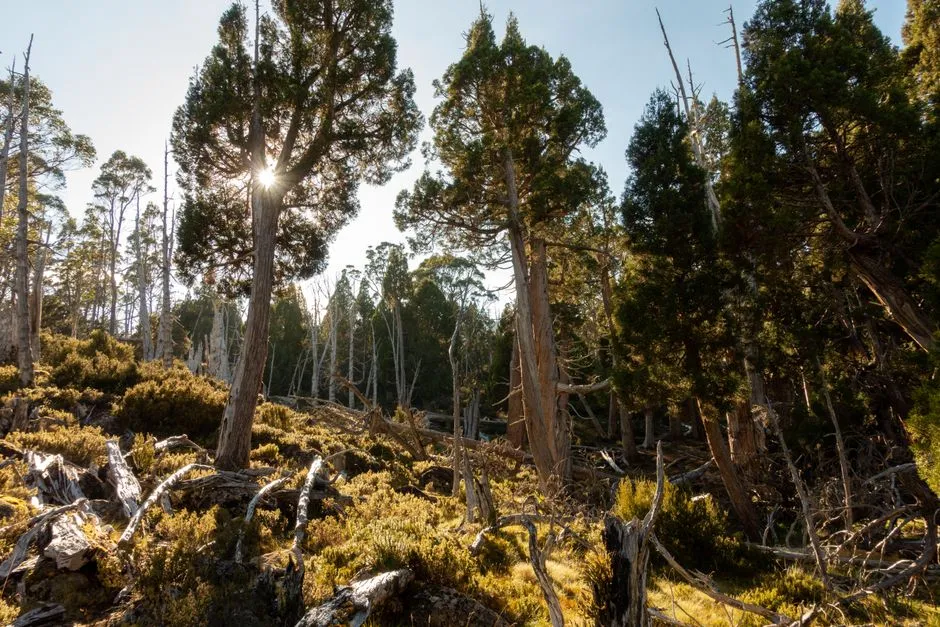
Some of the area’s temperate rainforests, characterized by an open, verdant, cathedral-like quality, contain descendants of some of Australia’s most ancient plants, some dating more than 60 million years, such as native plum and leatherwood. The word “ancient” gets used loosely in travel writing, but here it actually applies.
Cushion plants, scoparia, and deciduous beech are included in the roughly three-fifths of alpine flora which is endemic to Tasmania. The alpine zones in particular carry a stillness that feels earned by their own remarkable persistence.
The Tasmanian Devil: An Endangered Icon
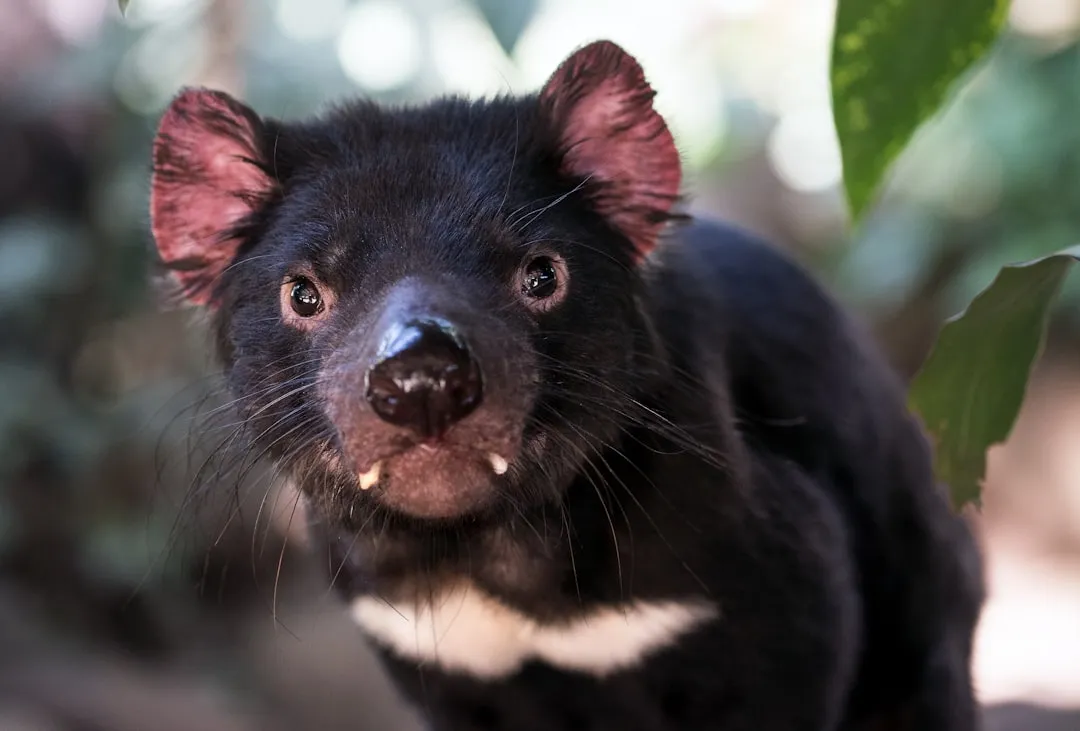
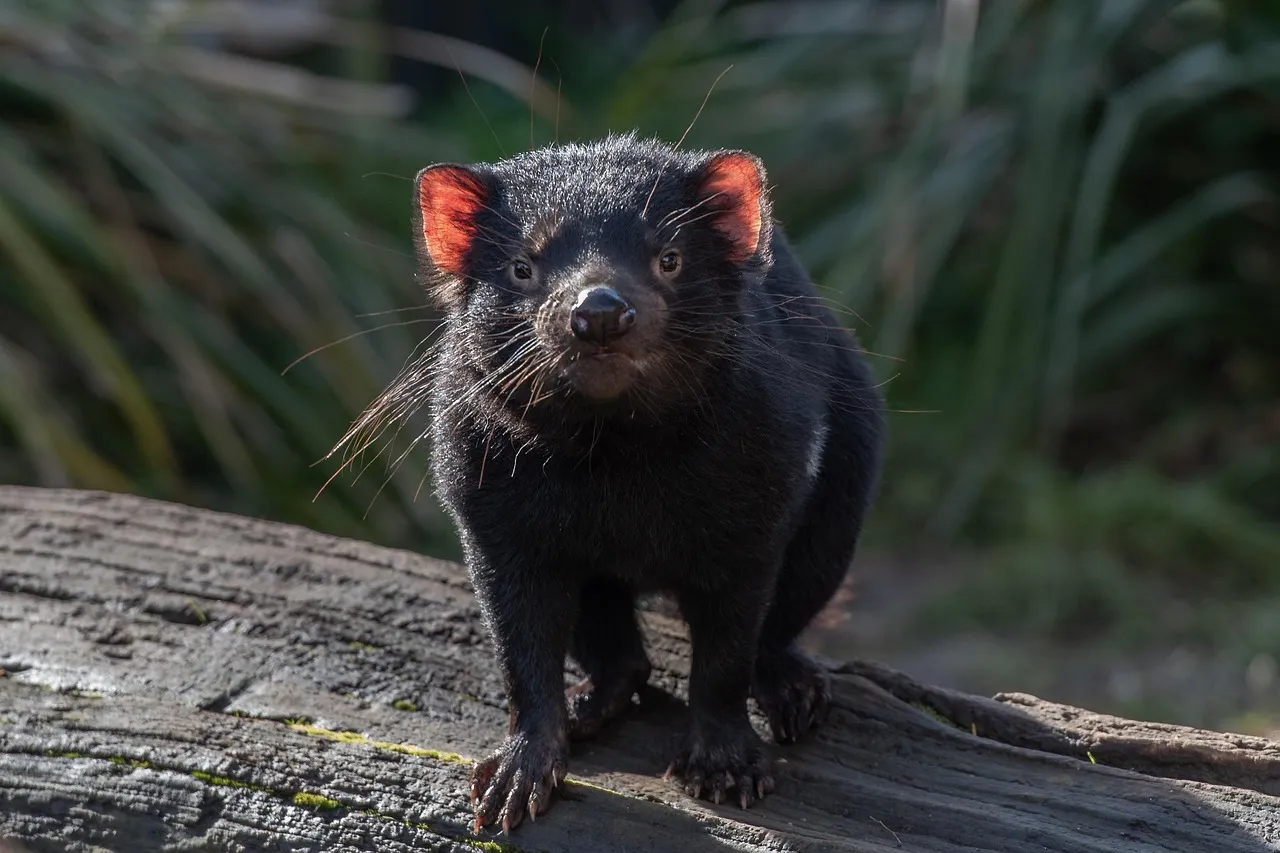
The Tasmanian Devil is the largest carnivorous marsupial in the world and is found only in Tasmania. For most visitors, spotting one in the wild is both unlikely and unforgettable.
Before the emergence of the major disease threat in the mid-1990s, the total wild population was estimated to be between 130,000 and 150,000 individuals across Tasmania. This infectious disease has caused a drastic decline in the devil population, dropping from 53,000 in 1996 to 16,900 in 2020. The numbers are sobering.
The primary driver of the Tasmanian devil’s population crash is Devil Facial Tumor Disease, a transmissible cancer. It is an allograft, meaning the cancer cells themselves are transferred between individuals as a living parasite. Transmission occurs mainly through biting, which is common behavior during mating rituals and competitive feeding at carcasses. Once the cancer cells are transferred, they grow into tumors around the face and mouth, which interfere with feeding and typically lead to death from starvation within three to six months.
Wildlife Beyond the Devil: A Sanctuary for Rare Species
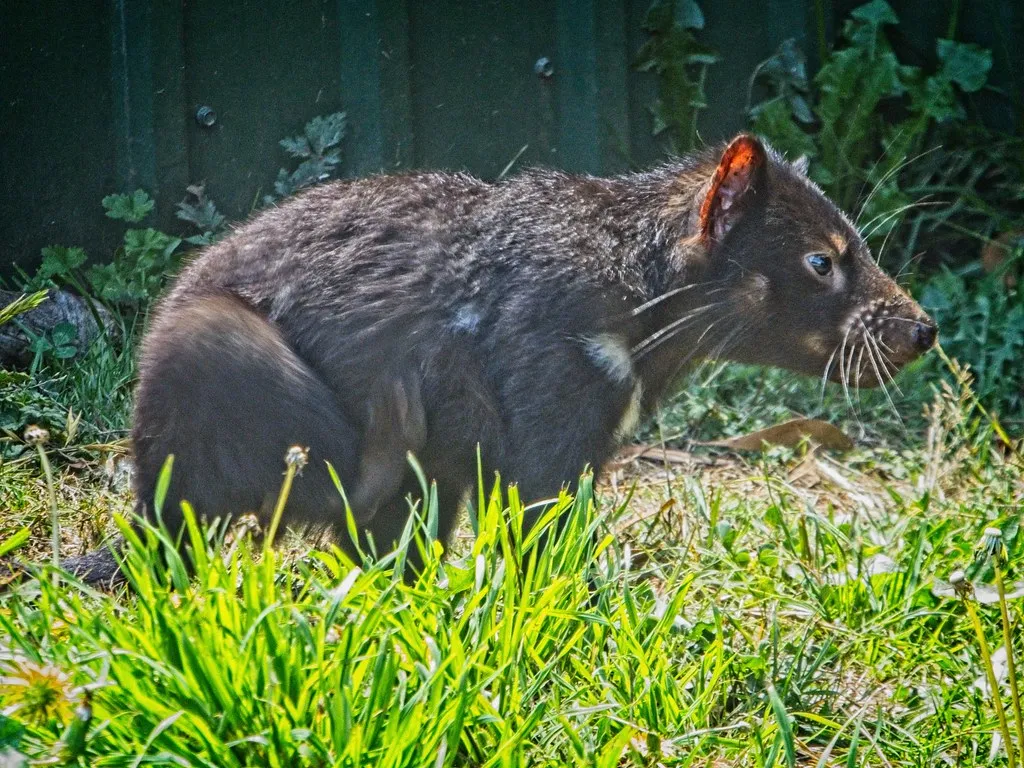
The area remains a stronghold for several animals such as the Tasmanian devil, Tasmanian pademelon, eastern quoll, and ground parrot that are either extinct or threatened on mainland Australia. The island’s isolation has been, in ecological terms, a kind of accidental gift.
The Tasmanian Wilderness World Heritage Area is home to the last wild breeding population of the critically endangered Orange-bellied Parrot. There may be fewer than 50 Orange-bellied Parrots in the wild currently. That figure puts the scale of the conservation challenge into sharp focus.
Nineteen rare and threatened vertebrates are found within the Wilderness boundaries, representing roughly four-fifths of such species in the state. Endangered birds, lizards, freshwater fish, and invertebrates such as the pencil pine moth, freshwater snails, caddisflies, stoneflies, and dragonflies also find safe habitat within the area.
40,000 Years of Aboriginal Presence
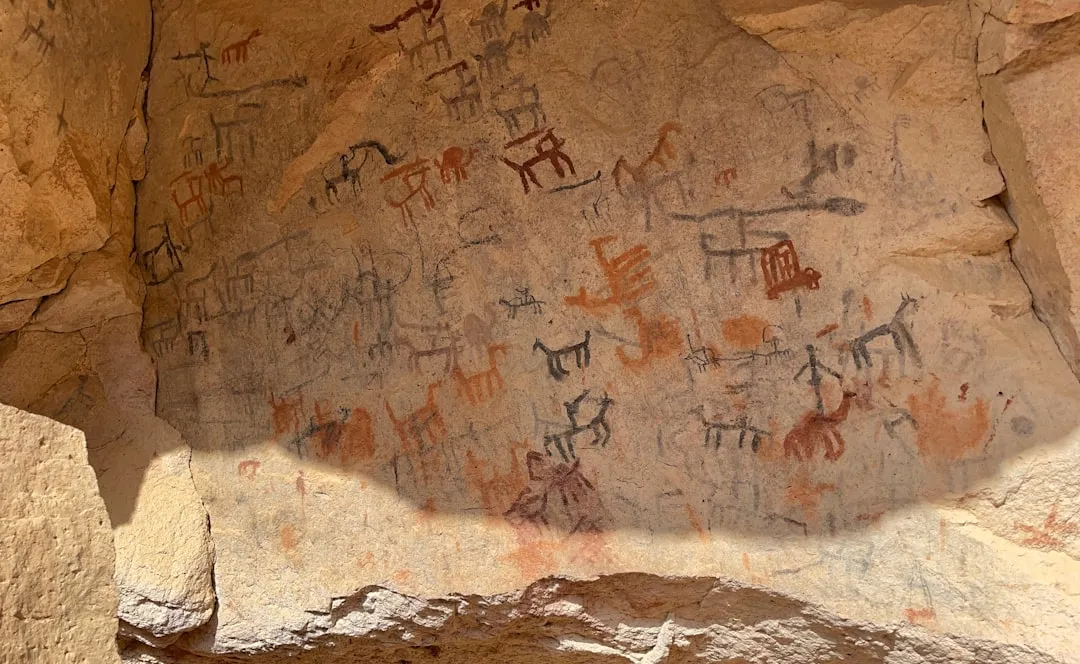
The Tasmanian Wilderness covers more than 1.58 million hectares, almost a quarter of the Australian island state. This is one of the world’s largest and most spectacular temperate wilderness areas and a precious cultural landscape for Tasmanian Aboriginal people, who have lived here for approximately 40,000 years.
Tasmanian Aboriginal people adapted to a changing climate and natural environment through a full glacial-interglacial climatic cycle and were the southernmost people in the world during the last ice age. Evidence of their culture remains in the property today, with significant Pleistocene cave occupation sites, and later Holocene sites, demonstrating a richness and variability rarely seen in comparable global contexts.
The rock markings in caves represent an extraordinary connection to their ideas and beliefs. The property is one of the world’s great archaeological provinces, with many important sites, and a landscape shaped by Aboriginal fire management practices over millennia.
The Conservation Battles Shaping Tasmania Today
In February 2024, Premier Jeremy Rockliff opened 40,000 hectares of wilderness to logging. Environmentalists felt this decision would push threatened species closer to extinction. The debate between resource use and conservation is one of Tasmania’s most persistent tensions.
In August 2024, the Supreme Court halted logging in the breeding forests of the swift parrot, which was critically endangered. This affected two areas in the eastern tiers of those that had been opened to logging. Legal challenges remain one of the primary tools conservation advocates use to protect remaining habitat.
Australian heritage grant funding enabled the aerial cull of fallow deer in 2023, 2024, and 2025, substantially reducing their population. Invasive species management has become as central to wilderness protection as any legislative boundary.
The Real Risks of Walking in Wild Tasmania
In January 2025, three fatalities and nine rescues were reported from national parks across Tasmania since Christmas Eve, highlighting a spike in incidents. Among them, a man in his 60s died on Christmas Day while bushwalking at Cradle Mountain.
Rescue specialists undertook a ten-hour mission to rescue two people from a steep slope in The Hazards range, Freycinet National Park. They were attempting to descend a steep granite mountainside. Police noted that the two walkers were not prepared. They carried no food, no warm clothes, and no water.
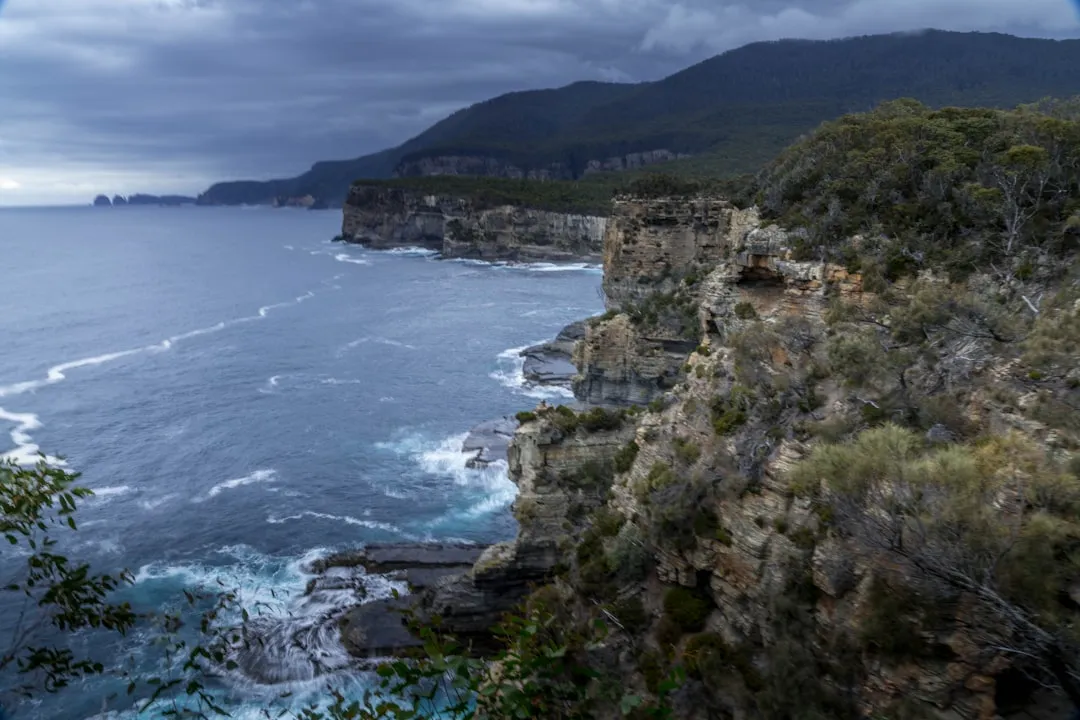
The conservation area experiences an oceanic climate with cool, drier summers and cold, drizzly winters. The weather shifts quickly and without much warning. Preparation is not optional here. It is what separates a story worth telling from one that ends badly.
Tasmania’s wilderness is not a backdrop. It is a living, complicated, and increasingly pressured system that has been shaped by forces far older than any human agenda. Walking through it honestly means accepting that, and perhaps carrying something of it back with you when you leave.
AI Disclaimer: This article was created with the assistance of AI tools and reviewed by a human editor.