
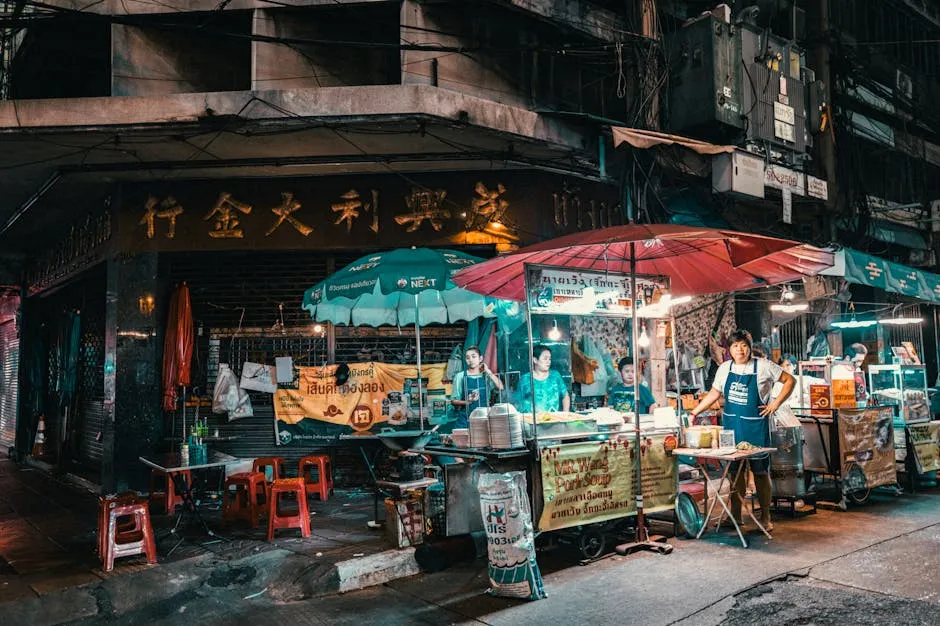

Some cities feed you through restaurants. Others feed you through their streets. There’s a real difference. The best street food cities in the world don’t just offer cheap, quick bites. They offer edible history, living culture, and a sense of place that no fine dining room can replicate. These four cities prove that the most memorable meal you’ll ever have might cost you two dollars and come wrapped in paper.
Bangkok, Thailand: The Street Food Capital That Earned Its Crown
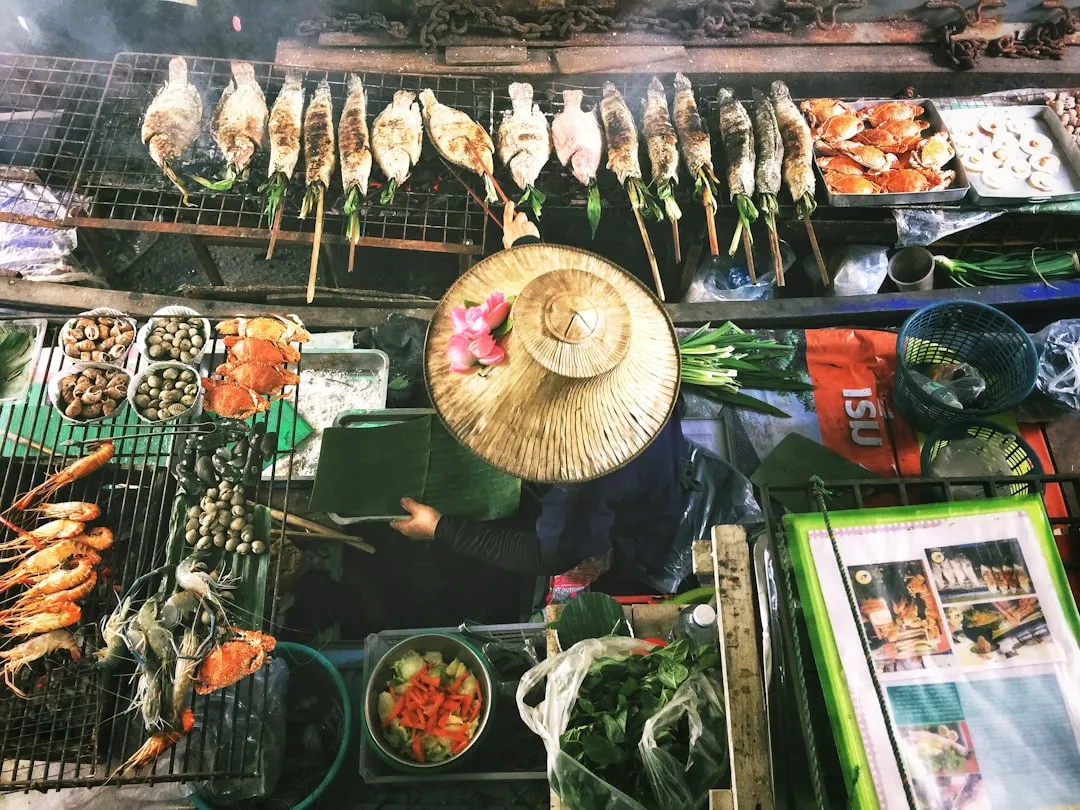
Bangkok’s capital is widely dubbed the “street food capital of the world,” and the title isn’t without basis. Som tum, a spicy green papaya salad, is considered the top must-eat dish among locals and visitors alike. Bangkok unsurprisingly ranks as one of the most affordable cities to eat out in. Beyond the markets and no-frills food joints, it’s also a city flush with gourmet accolades, carrying 34 Michelin-starred restaurants.
A survey by Nida Poll underscores just how deeply street vending is woven into the city’s social fabric. Out of 1,319 Bangkok residents surveyed, more than 92 percent said they had bought goods from street vendors. Street vendors and food stalls have long defined Bangkok’s urban rhythm. To locals, they are the pulse of everyday life; to visitors, a culinary adventure.
Across Bangkok, aromas of garlic, chili, and grilled meat drift from roadside stalls and carts. Convenient, full of flavor, and popular among locals and tourists alike, Bangkok’s street food is one of the city’s defining signatures. In 2026, most Bangkok street food costs locals roughly 40 to 70 baht per dish. In tourist-heavy areas, the same meal often costs 100 to 180 baht.
Bangkok’s Street Scene Under Pressure: A City in Transition
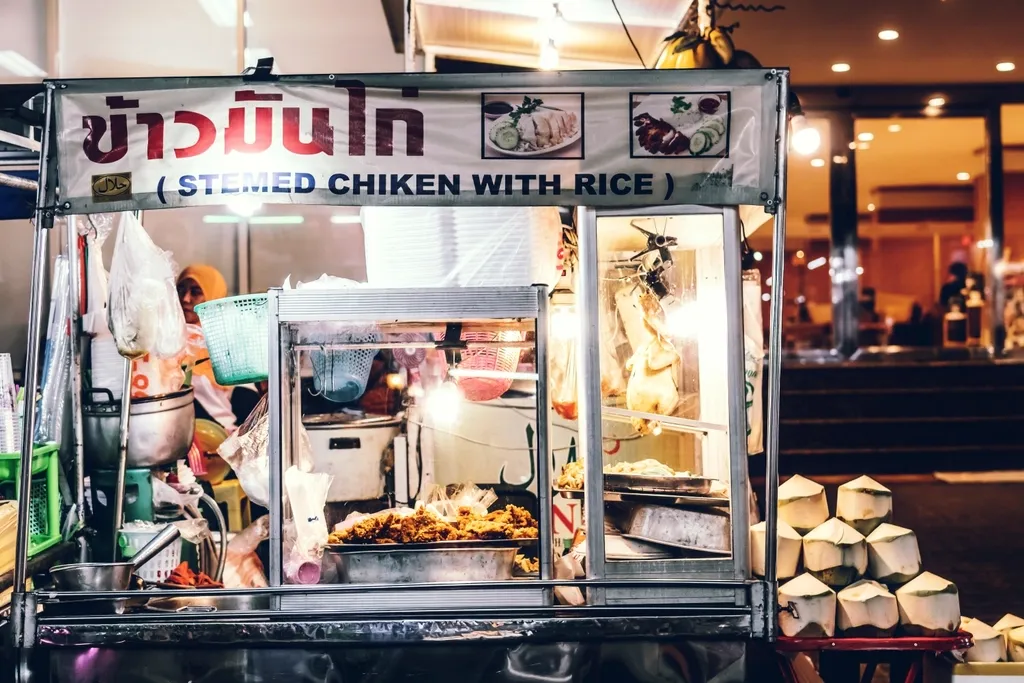
Since 2022, the estimated number of mobile vendors in the city has fallen by more than 60 percent, with around 10,000 fewer now on the streets, according to data from the Bangkok Metropolitan Administration. While dozens have moved to informal markets and hawker centers using a model similar to Singapore, many others have simply closed their businesses due to stricter regulations.
As Bangkok shifts from informal sidewalk stalls to organized food hubs, the transformation represents more than just policy reform. It’s a test of whether the city can modernize without losing the flavor that made it world-famous.
The iconic Banthat Thong area, stretching 1.8 kilometers from the Rama IV junction to the Charoen Phon intersection, has long been celebrated as Bangkok’s culinary heartland. Once ranked the 14th coolest street in the world by Time Out, this golden mile of street food has generated billions of baht annually for Thailand’s economy.
Singapore: Where Street Food Became World Heritage
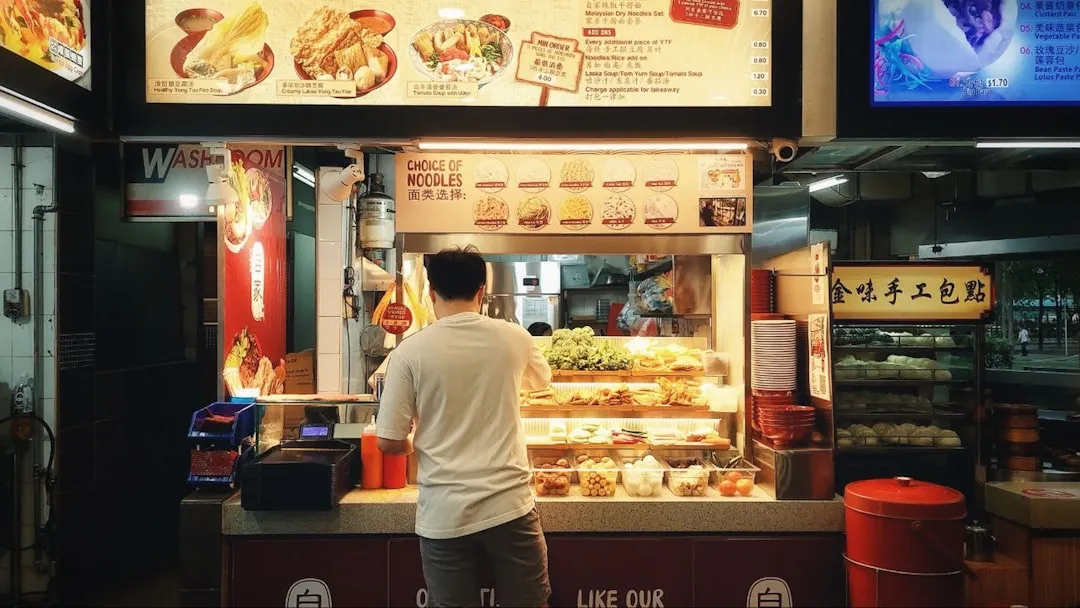
Singapore’s hawker culture achieved global recognition when it was inscribed onto UNESCO’s Representative List of the Intangible Cultural Heritage of Humanity on December 16, 2020. For Singaporeans, hawker culture is about more than just a good meal. These food centers are beloved institutions exemplifying the country’s melting-pot culture, where people of Chinese, Indian, and Malay descent gather, united in the quest to serve or eat something delicious.
The successful UNESCO nomination was a collaborative effort involving government agencies, hawker associations, and the public, with over 850,000 pledges of support from the community, highlighting the deep-rooted significance of hawker culture in the nation’s social fabric. Over 110 hawker centers across Singapore maintain government subsidies keeping rental costs low for hawker stall operators, ensuring meal affordability continues despite rising living costs. This policy commitment reflects the recognition that food accessibility represents an essential public good.
As of 2016, two Singaporean food stalls, both located in hawker centers, became the first street food vendors in the world to be awarded a Michelin Star for excellence. The two stalls are Hong Kong Soya Sauce Chicken Rice and Noodle and Hill Street Tai Hwa Pork Noodle. Contemporary hawker centers balance heritage authenticity with modern upgrades, maintaining affordable meal costs of roughly three to eight Singapore dollars per dish, fundamental to hawker culture identity.
Singapore’s Multicultural Flavors: A City’s Story in Every Bite
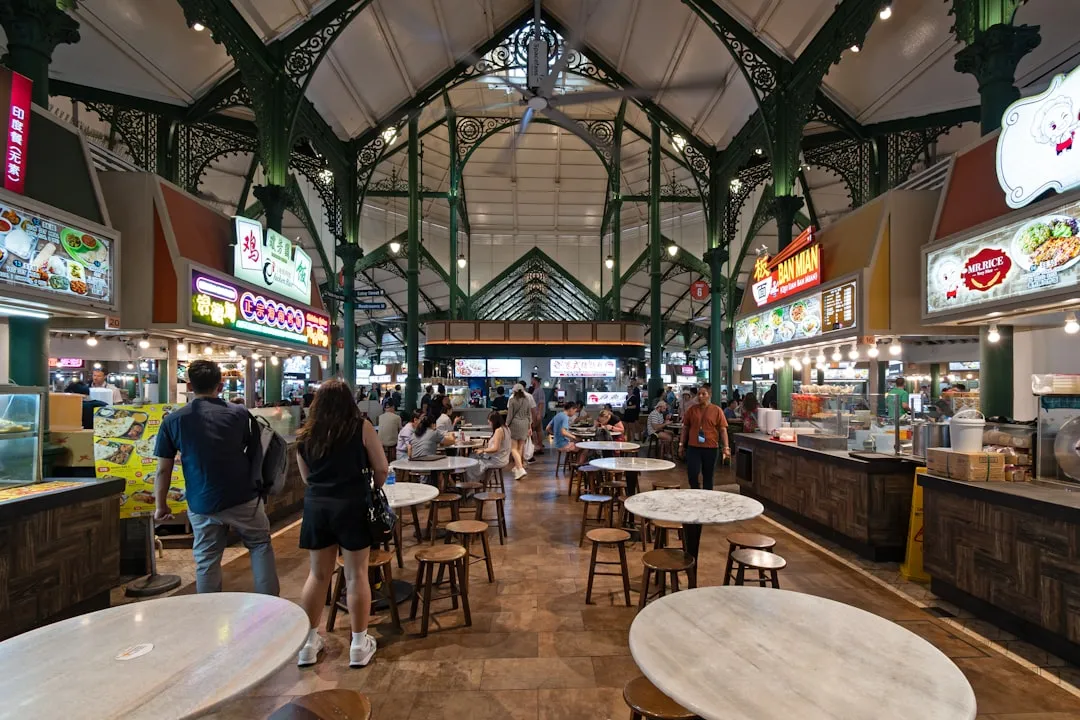
The multicultural cuisine reflects over 200 years of immigration history from southern Chinese provinces, the Malay archipelago, South India, Indonesia, and beyond, creating culinary diversity impossible to replicate in ethnically homogeneous societies.
Hawkers prepare a variety of food for people who dine and mingle at hawker centers. These centers serve as “community dining rooms” where people from diverse backgrounds gather and share the experience of dining over breakfast, lunch, and dinner. In Singapore, hawker centers now use QR codes for seamless ordering and payment, eliminating cash exchange and streamlining the process for busy lunchtime crowds.
Some of the oldest hawkers started their practice in the 1960s. Many specialize in a particular dish, refined over many years, and transmit their recipes, knowledge, and skills to younger family members or apprentices.
Mexico City: Tacos, Tradition, and a Michelin Star for the Street
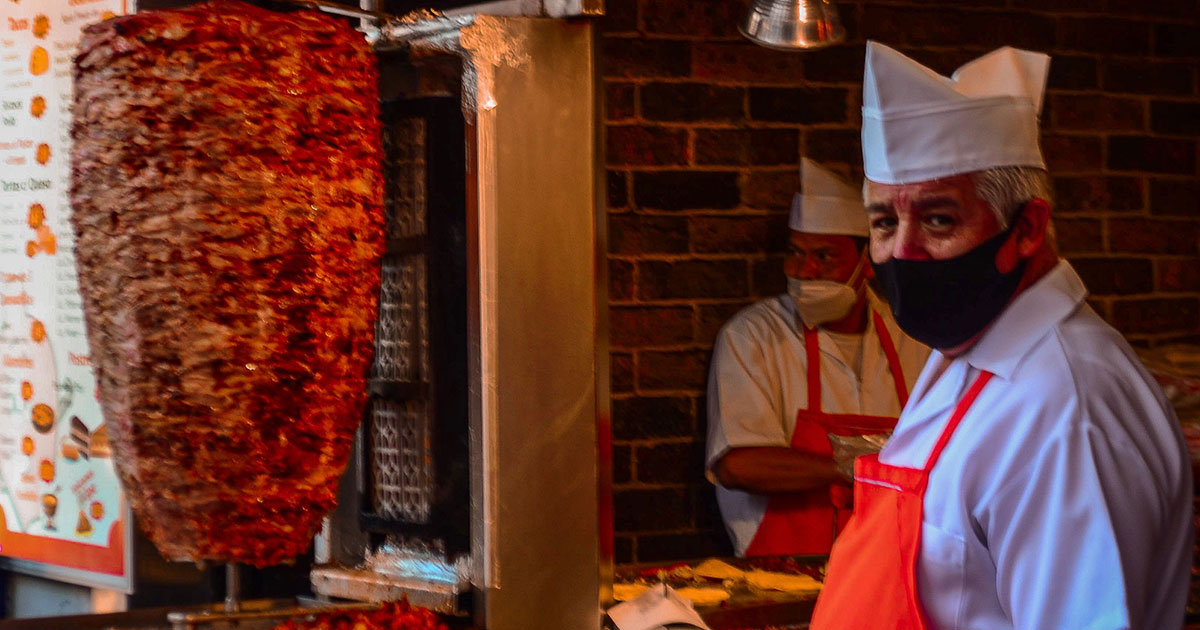
As of July 2024, there were around 138,000 street food stalls in Mexico. The number of establishments specifically devoted to tacos and tortillas amounted to approximately 135,000. According to data from the Secretary of Economy of Mexico, Mexico City alone has around 59,904 units devoted to food services, with 82 percent of those in the informal sector, placing street food stands as a significant economic force for thousands of local families.
In 2024, for the first time, a taco stand was rewarded with a coveted Michelin star. Taquería El Califa de León in Mexico City made history by becoming the first taqueria in the world to receive a Michelin star. Under the direction of Chef Arturo Rivera, this humble yet exceptional establishment elevated the traditional taco to gourmet status, blending authenticity with innovation.
In 2024, Remitly assessed the number of posts shared on TikTok to determine the most popular street foods around the globe, and tacos came out on top with 1.8 million posts. Food ordering apps such as Uber Eats and DiDi Food sold over 64 million tacos in 2024 alone, according to El Economista.
Mexico City’s Taco Economy: Scale You Can Taste
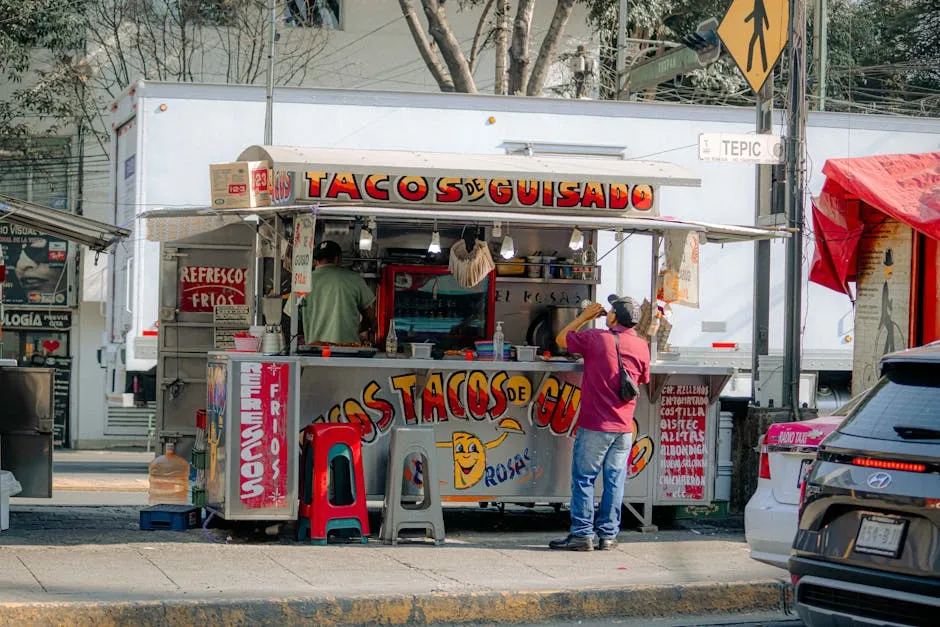
According to official data, as of late 2024, the street food vendor workforce in Mexico consisted of nearly 840,000 people. That’s almost a million individuals and their families whose livelihoods depend on serving food on the streets. The sector is largely informal, accounting for roughly 97.6 percent of operations, which is a complex reality of the country’s economy.
In 2024, respondents in Mexico were asked to name their favorite street food. About 24 percent said that their favorite was tacos. Ranking second were enchiladas, with 13 percent of respondents listing them as their favorite. About 27 percent of respondents said their favorite taco was the classic “al pastor,” known all over the country but mostly eaten in central Mexico. Ranking second were carne asada tacos, particularly popular in the north.
The taquería industry employs over 30,000 people in the capital alone, representing 57 percent of informal food sector jobs in the city, according to El Economista. During Mexico City’s second Taco Chilango festival, the city broke its own Guinness World Record for the most tacos served in an hour, at 8,450 tacos.
Naples, Italy: Where Pizza Began and Never Left the Street
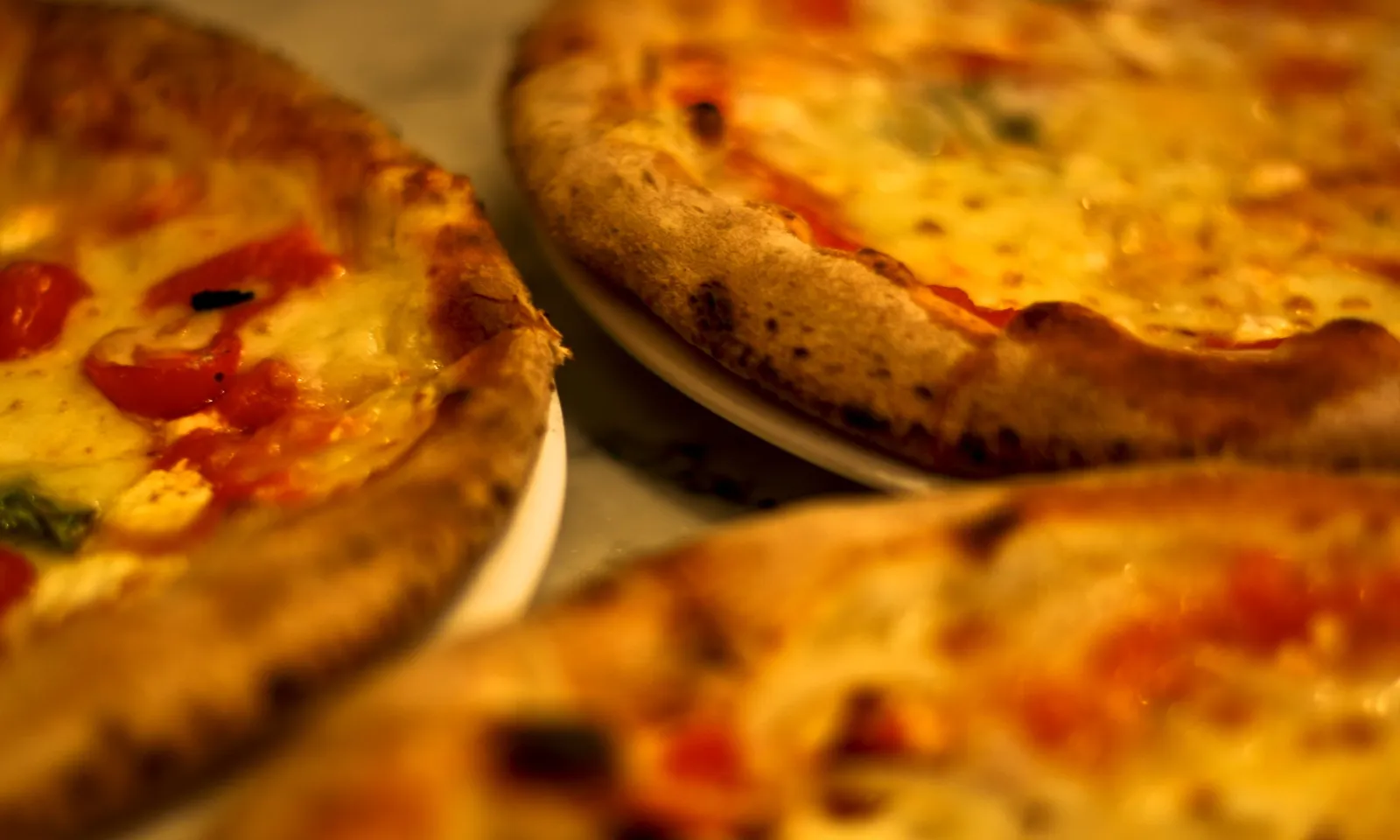
Naples and the surrounding Campania region, the birthplace of pizza, remains the heart of traditional pizza culture in Italy. Here, Neapolitan pizza with its soft, thin base and simple toppings is not just a food but a cultural institution. The region’s pizzerias often adhere strictly to traditional methods, many certified by the Associazione Verace Pizza Napoletana.
Not only is the historic center of the city recognized as a UNESCO World Heritage Site, the traditions and art of making Pizza Napoletana have also been recognized by UNESCO. The pizza Napoletana is not just a dish. It’s a cultural icon that captures the soul of Naples. Known for its thin, soft crust with a slightly charred edge, topped with San Marzano tomatoes, mozzarella, and fresh basil, the simplicity and quality of the ingredients, along with centuries-old tradition, make it unmistakable.
While pizza is usually thought of as a sit-down meal in Italy, grabbing a box to go and finding a spot to eat has also become common practice. Demand continues to grow as some of the most popular pizza places in Naples have waits that far exceed one hour. A typical Margherita costs around five to eight euros in 2025.
Naples Beyond Pizza: A Whole Culture of Fried and Folded Food
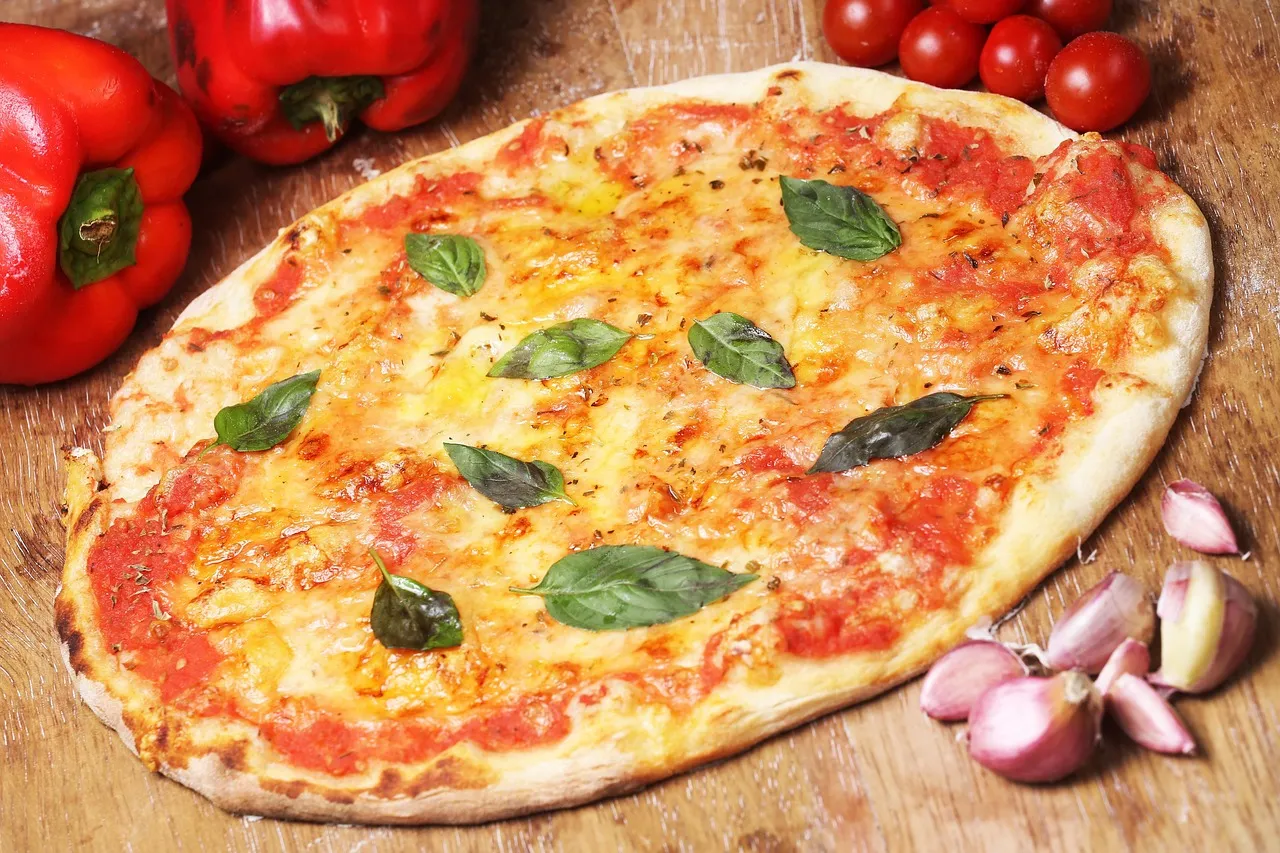
The iconic Neapolitan pizza has a street-friendly counterpart: the pizza a portafoglio, or “wallet pizza.” Smaller and simpler than its classic cousin, this pizza is folded into quarters, making it the perfect portable snack. It typically features a generous amount of tomato and just a few pieces of mozzarella.
After World War II, with many wood-fired ovens destroyed, Neapolitans turned to frying to make their beloved pizza. Thus, the pizza fritta was born. This fried pizza, stuffed with ricotta, pork cracklings, and provola cheese, is a testament to Neapolitan resilience and creativity.
Street vendors across Naples also sell the cuoppo, a paper cone containing an assortment of fried goods including calamari, anchovies, and vegetables. It’s a fantastic way to sample many local flavors at once. Street food prices in Naples generally range from roughly 1.50 to 5 euros per item.
Street Food as Cultural Identity: What These Cities Share
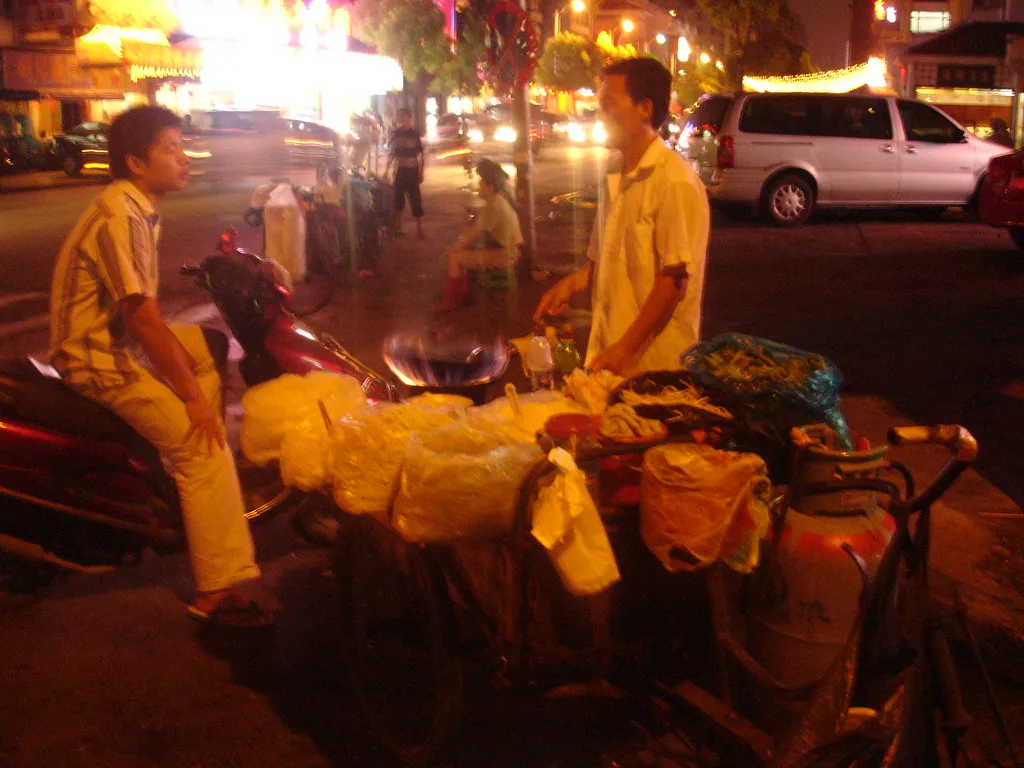
In 2024, the global street food scene is not just surviving but thriving, evolving, and responding to new tastes, health trends, and sustainability concerns. From bustling Asian night markets to vibrant Latin American plazas, street food is capturing the imagination and appetites of travelers and locals alike.
Street food in Mexico City is essential to the way residents live and eat every day. According to a recent study, street vendors who prepare food in Mexico City are part of a sustainable food system, bringing diverse and affordable options to a large population that often has limited access to good and nutritious food. The same is true in Bangkok, Singapore, and Naples. In each of these cities, the street stall is not a culinary footnote but the main chapter.
Hawker centers in Singapore serve as primary democratic food spaces where government ministers, construction workers, and tourists share communal seating consuming identical dishes at uniform low prices. This social function distinguishes Singapore’s hawker culture from food courts internationally, creating classless dining environments rare in stratified Asian societies.
Why Street Food Matters More Than Ever in 2026
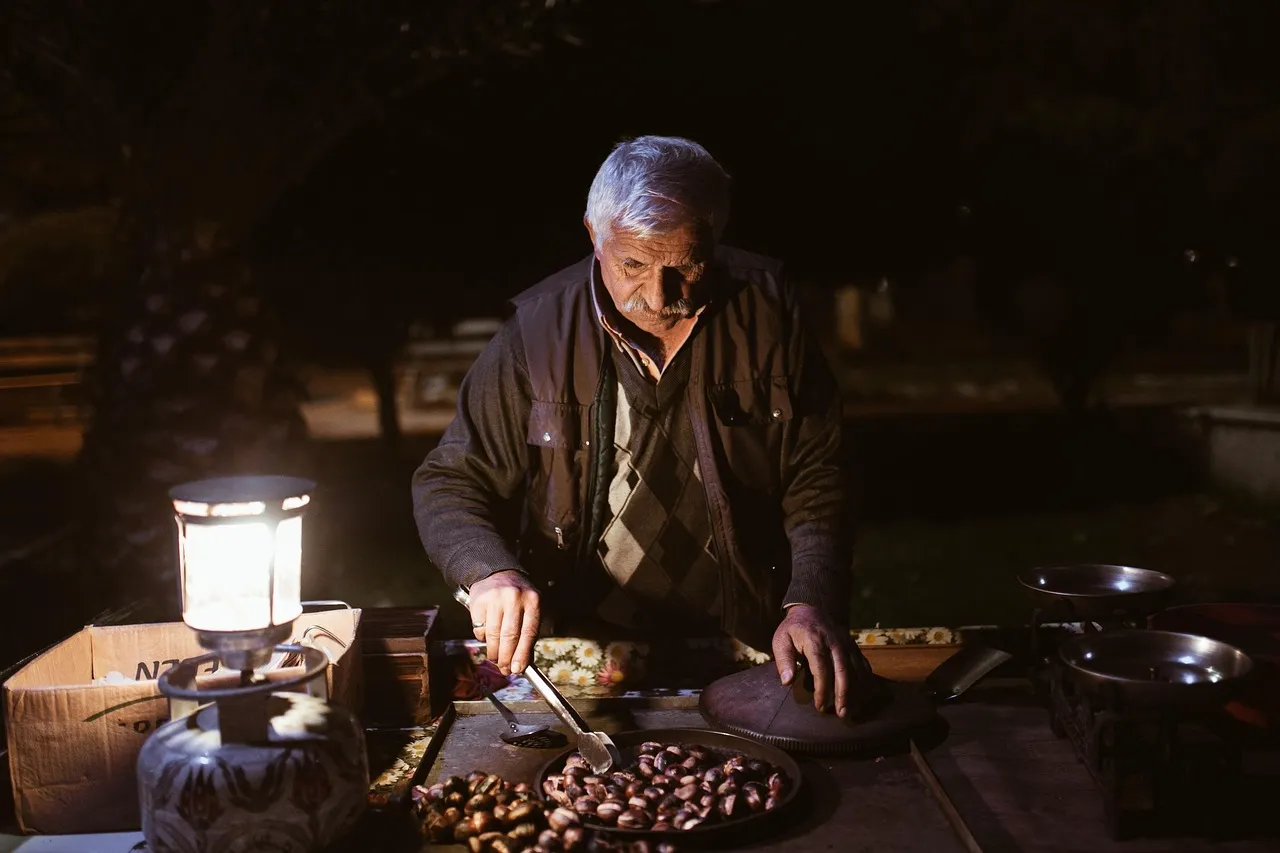
Data from Food Insight’s 2023 Food Trends Survey shows that roughly half of global consumers are interested in trying cross-cultural or “fusion” foods, especially among Millennials and Gen Z. Street food cities are the natural laboratory for exactly this kind of culinary experimentation. Bangkok’s street food scene continues to evolve, with new food markets like Jodd Fairs emerging, offering a modern twist on traditional dishes.
The Italian pizza market alone was approximately five billion USD in 2023 and is expected to grow significantly, reaching around ten billion USD by 2033, with a projected compound annual growth rate of approximately 7 percent. Street food isn’t a relic. It’s a living, growing economic engine in every city on this list.
Whether it’s a two-dollar taco in Mexico City, a three-dollar plate of chicken rice in Singapore, a bowl of boat noodles in Bangkok, or a folded pizza in a Neapolitan alley, the world’s best street food cities share one quality: they make you feel like the city is feeding you personally. That kind of intimacy is what keeps people coming back, and what no restaurant, however starred, can fully replace.
AI Disclaimer: This article was created with the assistance of AI tools and reviewed by a human editor.