
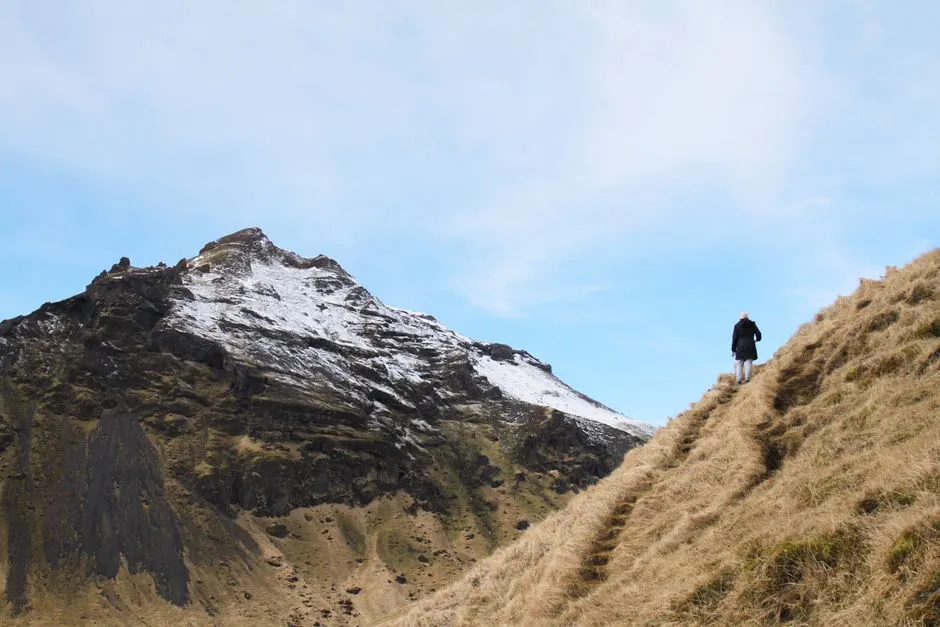

Solo travel has grown from a quiet niche into one of the most powerful forces reshaping global tourism. More people than ever are booking flights alone, trusting their instincts, and hunting for places that genuinely feel safe rather than just technically stable. One country keeps surfacing in those conversations, sometimes quietly, sometimes loudly, but always consistently: Iceland.
Iceland tops the Global Peace Index for the 16th consecutive year, thanks to its near-zero crime rate, lack of a military, and strong social trust. For backpackers who have already done Southeast Asia and are now asking “what’s next?”, this Nordic island is the answer that keeps coming up in hostel common rooms and travel forums alike.
A Safety Record That Is Hard to Argue With
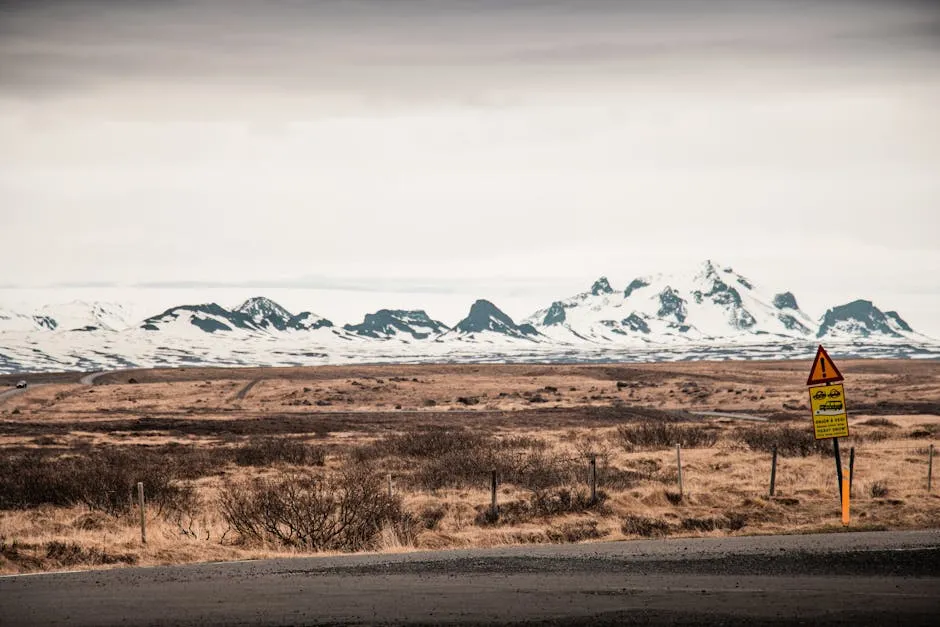
Iceland ranks at the very top of the world’s safest countries and has held that position since 2008. Every year, the Global Peace Index is produced by the Institute for Economics and Peace, a global think-tank, and is considered the world’s leading measure of global peacefulness.
Iceland has a strong safety record with low crime rates compared to many other countries in the world. In fact, the majority of crimes committed in Iceland are traffic violations. The homicide rate and other major crime rates have risen slightly in recent years, but they are still much lower when compared to other countries.
The risk of falling victim to a violent crime as a visitor in Iceland is quite low. That is not a vague reassurance. It is backed by consistent, annual data from the Institute for Economics and Peace, making Iceland a genuinely evidence-based choice rather than a trending social media destination.
The Solo Travel Boom That Sent Backpackers Looking for Safer Shores
The global solo travel market was estimated at USD 482.34 billion in 2024 and is projected to reach USD 1.07 trillion by 2030, growing at a compound annual growth rate of 14.3% from 2025 to 2030.
A recent study found that roughly 61% of solo travelers prioritize safety when choosing their destinations and accommodations. That figure explains exactly why Iceland keeps rising in backpacker conversations. When the stakes are personal, travelers stop guessing and start researching.
Safety remains the biggest barrier for solo travelers, especially for women, with 55% citing it as a concern versus only 18% of men. Iceland directly addresses that concern in a way few destinations can match, with hard data and a consistent long-term record.
Why Women Travelers Specifically Keep Choosing Iceland
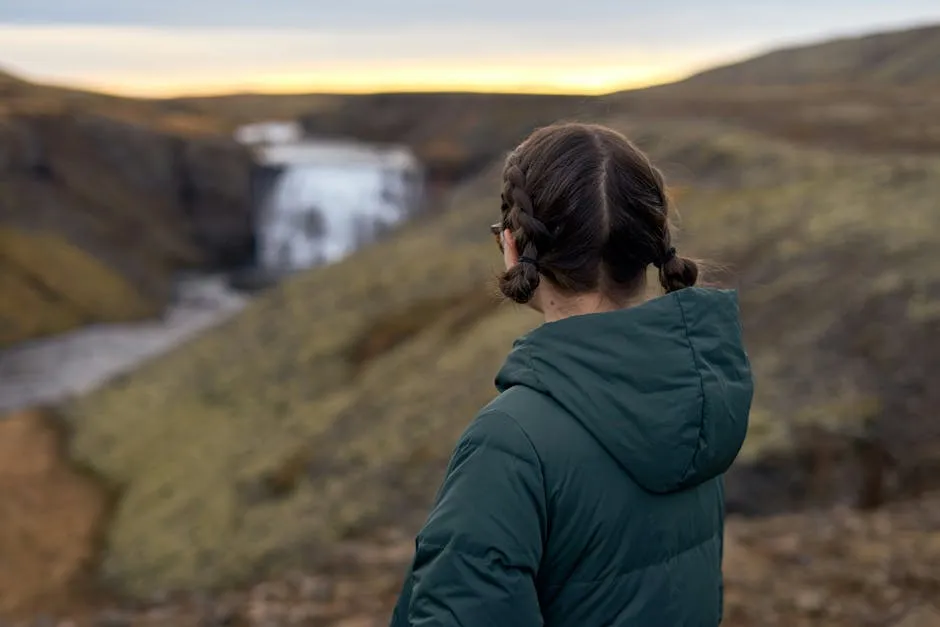
Iceland scored position number 2 in the 2025/26 edition of the global Women, Peace and Security Index, which ranks 181 countries in terms of women’s inclusion, justice, and security.
Equality, diversity, and inclusion are hallmarks of Icelandic society. The country is recognized as one of the leading LGBTQ+-friendly places in the world. Solo travelers can visit Iceland confident that they will likely be free from the nuisances and harassment they might encounter when traveling alone in some other parts of the world.
Women dominate the solo travel market, making up between roughly three quarters and 85% of all solo travelers. Given that scale, a destination that scores near-perfectly on gender safety and inclusion is not just appealing. It’s strategic.
What the Numbers Say About Solo Backpacking Right Now
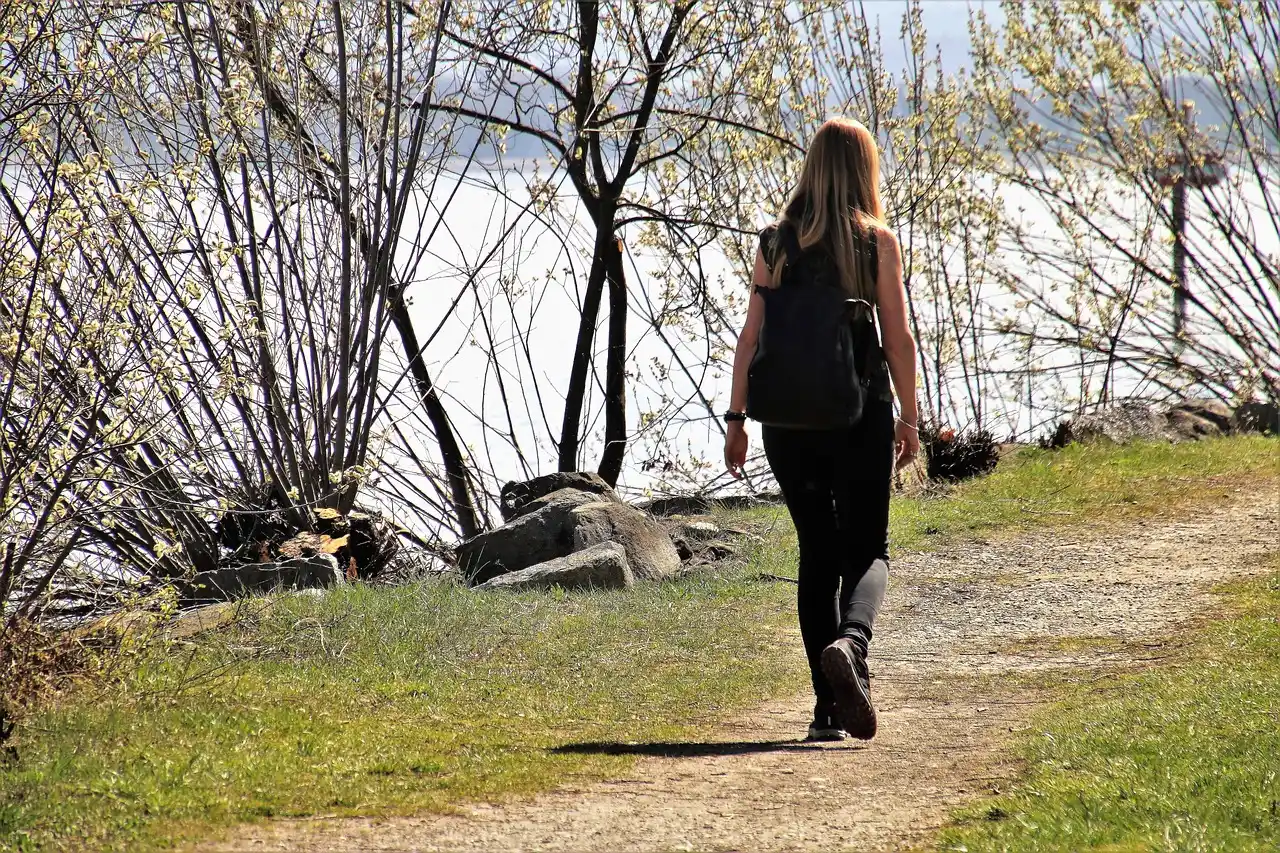
The solo travel market continues to see growth year on year, with online searches for “solo travel” increasing by over 72% from April 2023 to April 2024.
Solo travelers aged between 25 and 40 accounted for a market share of nearly 44% in 2025. Solo travel among this age group is driven by Millennials and Gen Z seeking freedom, self-discovery, and tailored experiences.
Once first-timers try solo travel, roughly 63% plan to do it again. Once you try it, you become hooked. Iceland, with its dramatic landscapes and genuine safety record, tends to convert first-timers into repeat visitors with unusual speed.
Iceland’s Hostel Scene: Smaller Than You Think, Better Than You Expect
There is a Hostelling International network of 18 hostels across the country, plus plenty of independent hotels and guesthouses that generally list their availability on sites like Booking.com.
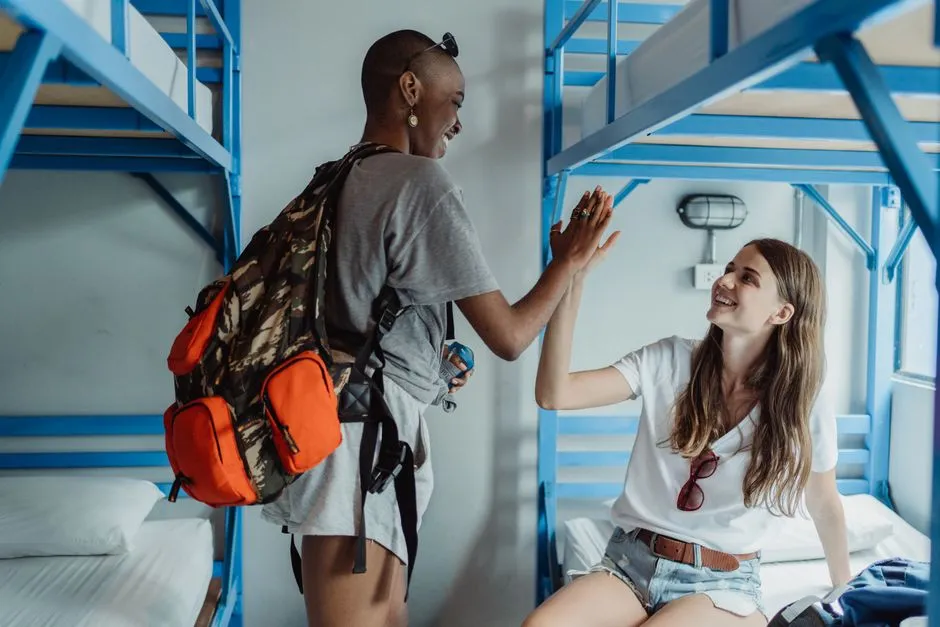
Staff at popular hostels arrange activities like fishing, hiking, and sightseeing tours, which helps make them among the best options for solo travelers in Iceland. This is the practical side of Iceland that rarely gets written about: hostels here are not packed party venues, but they are warm, organized, and genuinely social.
If you’re planning to backpack in Iceland, you might find the hostels to be on the quieter side compared to other countries. As Iceland is very expensive, it’s not the most appealing destination for pure budget backpackers. However, it is not the type of country you go to for partying, which suits many solo travelers perfectly.
The Real Cost of Traveling Iceland Solo
Iceland is not the cheapest country, but reasonable options exist. Frugal backpackers have traveled on as little as $100 to $150 per day by camping or using dormitory hostels. More typically, travelers find that budgeting $200 to $250 per day allows a comfortable experience, including a good mix of guesthouse stays and occasional guided tours.
Hostel dorm beds in Reykjavik start around $30 to $50, while private guest rooms run $100 to $150 and up. Food and drink can be pricey, even basic restaurants in Reykjavik start around $15 to $20 per meal, so cooking or grabbing groceries can save money.
The cost is real and worth planning for honestly. Iceland is not a budget destination in the Southeast Asia sense. What you get in return is a level of safety, scenery, and infrastructure that is essentially unmatched anywhere else on the backpacker circuit at any price.
Natural Wonders That Are Built for Solo Exploration
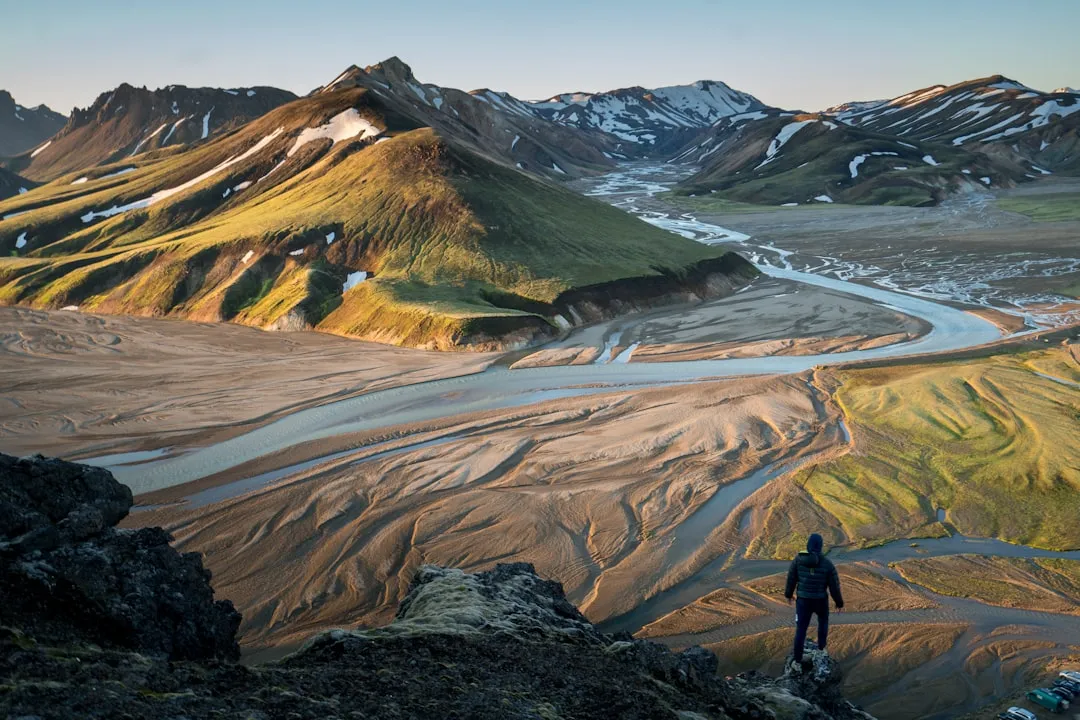
From soaking in the waters at the Blue Lagoon, to chasing waterfalls along the Golden Circle, to exploring the streets of Reykjavík, Iceland is wild and welcoming with low risk and high reward adventure.
Summer with its midnight sun, festivals, and puffin visitors is a great time to visit, but it is also the busiest tourist season. Winter has plenty to recommend it including northern lights, ice caves, and glacier hikes, followed by warming up in cozy cafes and hot pools.
Another major draw to visiting Iceland is the hiking opportunities and natural sights. If you love communing with nature and enjoying peace and solitude, Iceland is one of the best places for it. For solo travelers who want adventure without anxiety, that combination is genuinely rare.
Meeting People: How Social Iceland Actually Is
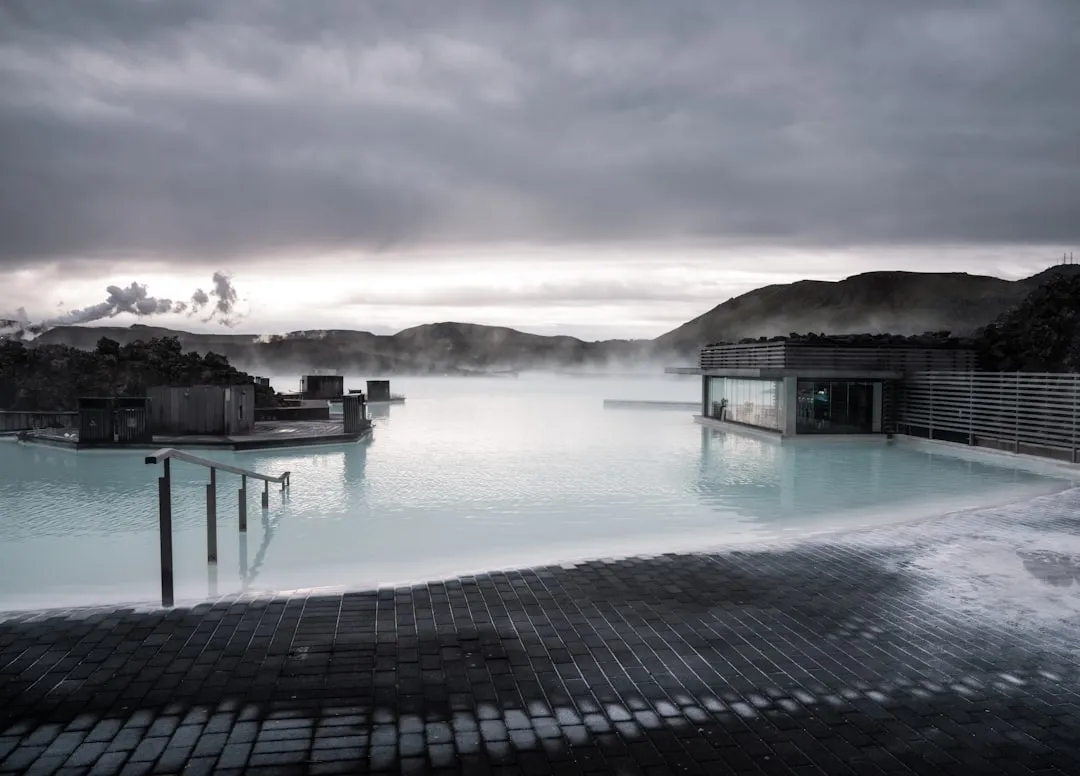
If you are more interested in meeting and mingling with locals, the hot springs and local pools are your best choices. While locals do not spend much time at the main tourist lagoons, you will always find them in the community pools and possibly some of the more remote hot springs. These spots act as a gathering place for locals to relax, socialize, and rejuvenate.
The South Coast and Golden Circle areas offer a mix of popular spots like Reykjavik, Vik, and the Jokulsarlon Glacier Lagoon where meeting other travelers happens naturally. You will find good facilities and regular tour groups around major sites such as Thingvellir National Park and Gullfoss waterfall.
Around 78% of solo travelers report boosts in confidence, emotional healing, or self-discovery. While solo travel might sound solitary, connection is at its core. Roughly 71% of solo travelers actively seek connection, and 68% form meaningful friendships. Iceland, even with its quieter hostel scene, fits neatly into that pattern.
Safety Infrastructure That Actually Works for Backpackers
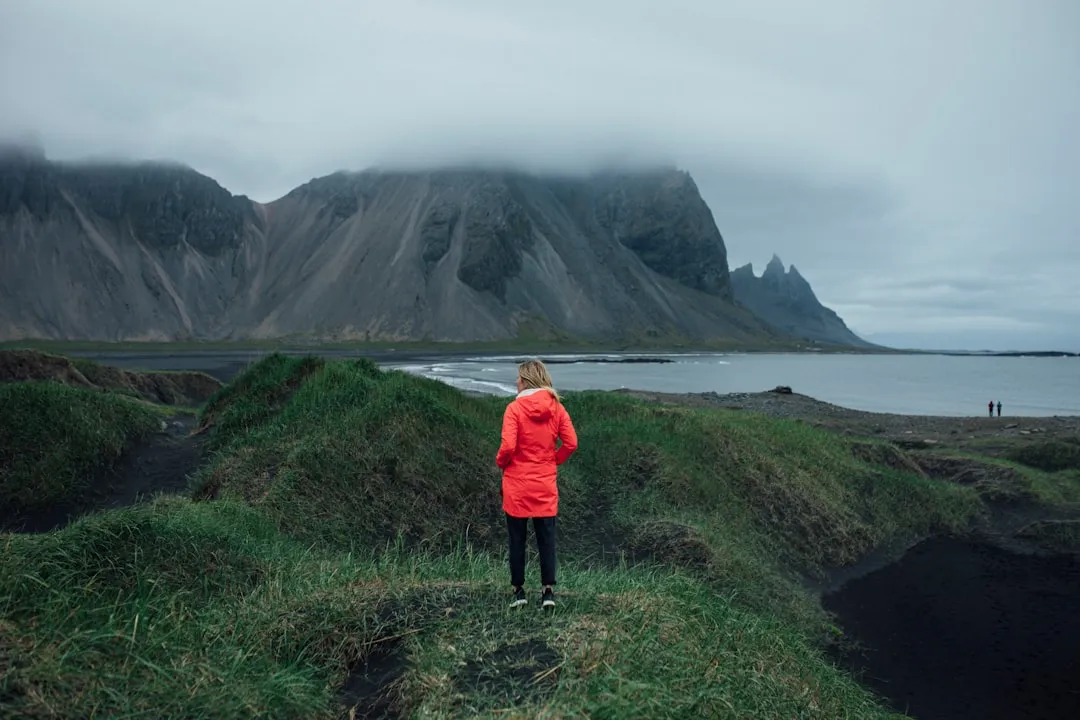
Iceland has a very low level of crime, which is typically attributed to its high standard of living, small population, strong social attitudes against crime, and a high level of trust in its well-trained police force. Iceland has no military, and the police do not carry firearms.
The safety.is app is the most important app to have for a solo trip in Iceland. It shares all the latest safety news such as extreme weather, road closures, and volcanic activity. It is important to check every day.
As much as you will not want to admit it, you are more likely to injure yourself hiking than being the victim of a security threat. Locals advise staying away from beaches with high shorelines and crashing waves, as undercurrents have been known to be unforgiving. The biggest risks in Iceland are natural, not criminal. That is a genuinely unusual and reassuring fact for any solo traveler.
How Iceland Compares to Other Top Solo Destinations in 2025 and 2026
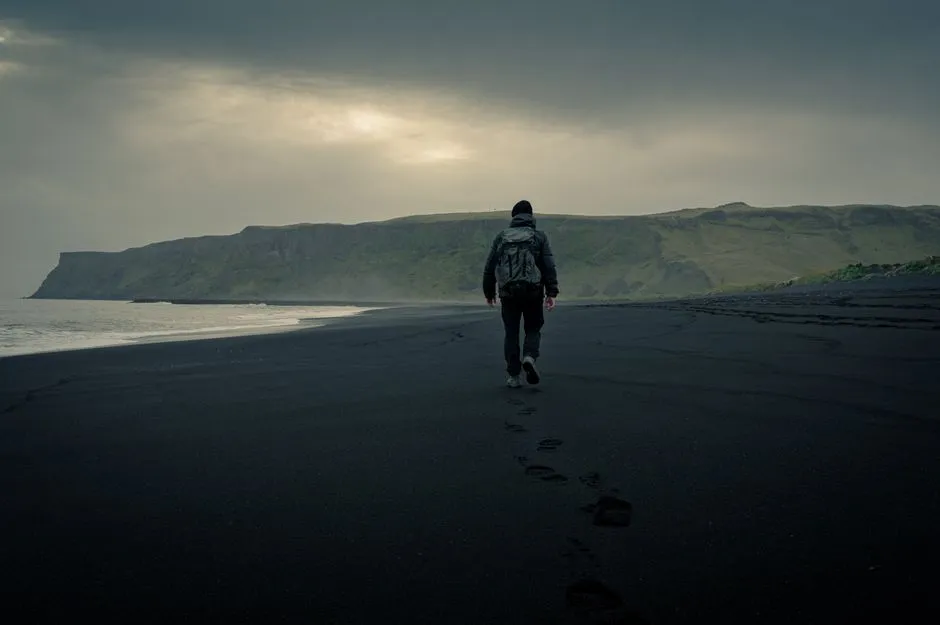
The 2025 GPI indicates Iceland, Ireland, New Zealand, Austria, Switzerland, Singapore, Portugal, Denmark, Slovenia, Finland, the Czech Republic, and Japan to be the most peaceful countries. Iceland sits at the very top of that list, not just among a cluster of safe options.
The GPI ranked Portugal the seventh-safest country in the world in 2024. New Zealand regularly ranks as one of the top countries globally for solo travelers. It is easy to navigate and incredibly safe, locals are friendly, and the scenery changes frequently enough that there is always something new to capture your attention. Both are strong options, but Iceland holds the top rank across multiple independent indices simultaneously.
According to the 2026 Global Peace Index, Iceland is number 1 for the 18th consecutive year, with low crime, strong institutions, and no military forces. Nordic and Western European countries dominate the top 10, with Ireland ranked second and New Zealand third. The consistency of Iceland’s position, across nearly two decades of data, is what separates it from everywhere else.
Conclusion: Why Iceland Earns the Title
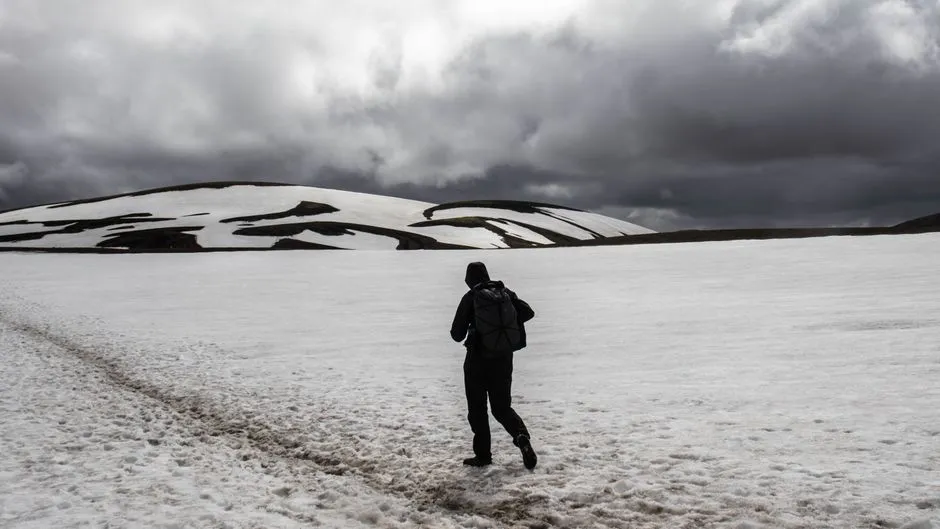
The backpacker word-of-mouth around Iceland is not hype. It is the product of consistent, measurable data spanning nearly two decades, combined with firsthand accounts from solo travelers who arrived uncertain and left converted.
Iceland is not the cheapest destination on the circuit, and it is not the most socially buzzing. What it offers instead is something more fundamental: the freedom to explore without the low-level anxiety that follows solo travelers in many parts of the world. That peace of mind, backed by global rankings and real traveler accounts, is worth more than a cheap hostel bed.
For solo backpackers who have been quietly searching for a place that genuinely delivers on the promise of safety, Iceland is not really a secret anymore. It just takes most people a while to realize it was the right answer all along.
AI Disclaimer: This article was created with the assistance of AI tools and reviewed by a human editor.