


Every year, millions of travelers land in Europe with their itineraries ready, their bags packed, and their bank cards loaded. The first stop for most of them? An ATM. It seems like a perfectly harmless move. The problem is that a growing number of those machines are designed to quietly take a cut of your money before you’ve even made it to your hotel.
This isn’t a pickpocket story. It’s something subtler, and frankly, harder to defend against, because the machine itself is the trap. Here’s what you need to know before you ever insert your card.
The Scam That Looks Like a Helpful Feature

The scam has a formal name: Dynamic Currency Conversion, or DCC. It involves paying in your home currency abroad at ATMs, airports, shops, and even online. The screen offers you a choice phrased in friendly terms, something like “Would you like to pay in US dollars instead of euros?” It sounds convenient. It costs you dearly.
At ATMs in Europe specifically, banks use dynamic currency conversion to seemingly “help” you know exactly what amount you’ll be charged. They tout “0% commission,” which makes it sound like a deal, but it’s actually just a legal way to scam tourists and travelers, charging something like an 8 to 12 percent fee to show you the total in your home currency.
The exchange rate used to pay in your home currency is almost always worse than standard exchange rates, and the consumer has no realistic way of comparing the two options in the moment, forced to make complicated calculations within seconds while standing in a queue.
The Numbers Are Not Small
In a study conducted by Stiftung Warentest where testers made 330 ATM withdrawals and 132 card payments, DCC rates were found to range from 2.6 percent to 12 percent. Since then, DCC rates have been rising, with reports of rates as high as 14 percent.
The currency exchange rate you’re offered through DCC can be 12 to 18 percent higher, meaning you’re losing out on a potentially large sum of money when you spend or withdraw overseas. On a modest trip budget, that adds up fast across multiple withdrawals.
The broader picture is equally sobering. The total value of fraudulent transactions across European payment systems rose to EUR 4.2 billion in 2024, up from EUR 3.5 billion in 2023 and EUR 3.4 billion in 2022. Not all of that is ATM-related, but the trend tells you something about how financial trickery is evolving.
Meet the Machine You Should Walk Past
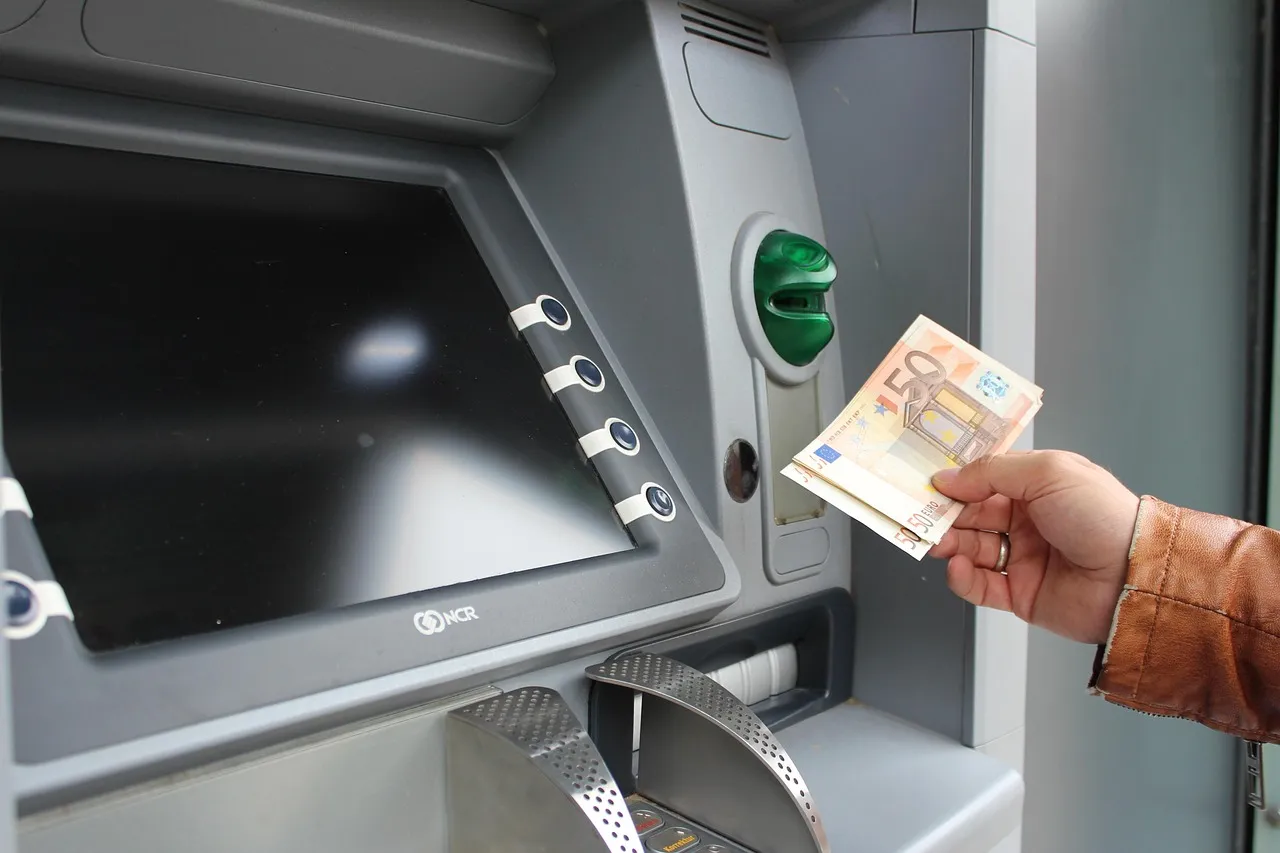
Euronet ATMs, which seem to pop up in every major European city despite being headquartered in Kansas, USA, are notorious for promoting dynamic currency conversion, a feature that lets you pay in your home currency instead of the local one. They’re hard to miss: bright, modern-looking, and placed exactly where tired, jet-lagged tourists stop first.
While convenient, Euronet ATMs charge high fees that can quickly catch you out. Euronet ATM withdrawal fees vary from EUR 1.95 to EUR 4.99, and dynamic currency conversions can stack up to 13 percent of the total amount. The machines are also found overwhelmingly in tourist locations, including airports, shopping centres, and busy streets.
If you insert a local credit card, they behave normally. The trick starts when you insert a foreign card – the ATM then changes into a rip-off machine. It will offer you a ridiculous amount to withdraw. In the Czech Republic, for example, the default withdrawal amounts start at 10,000 CZK (around 400 EUR) and climb from there.
Even Government Officials Have Noticed
Travelers frequently report that Euronet ATMs make DCC the default, meaning if you’re not careful you might accidentally opt in. It’s not just tourists noticing – even government officials have called out this subtle scam.
A former member of the European Parliament stated in a debate that consumers need better knowledge about dynamic currency conversion and how expensive it really is, describing it as a surcharge of 8 to 14 percent and calling it a nuisance that tricks consumers into large sums each year. That quote came from a Financial Times report, which gives it real institutional weight.
DCC is regulated under various EU directives. Regulation EU 2021/1230 mandated that all card-based payment currency conversion charges be shown as a percentage markup over the European Central Bank’s euro foreign exchange reference rates. Transparency is technically required. The problem is that tourists rarely read the fine print in real time.
Card Skimming: The Other ATM Threat
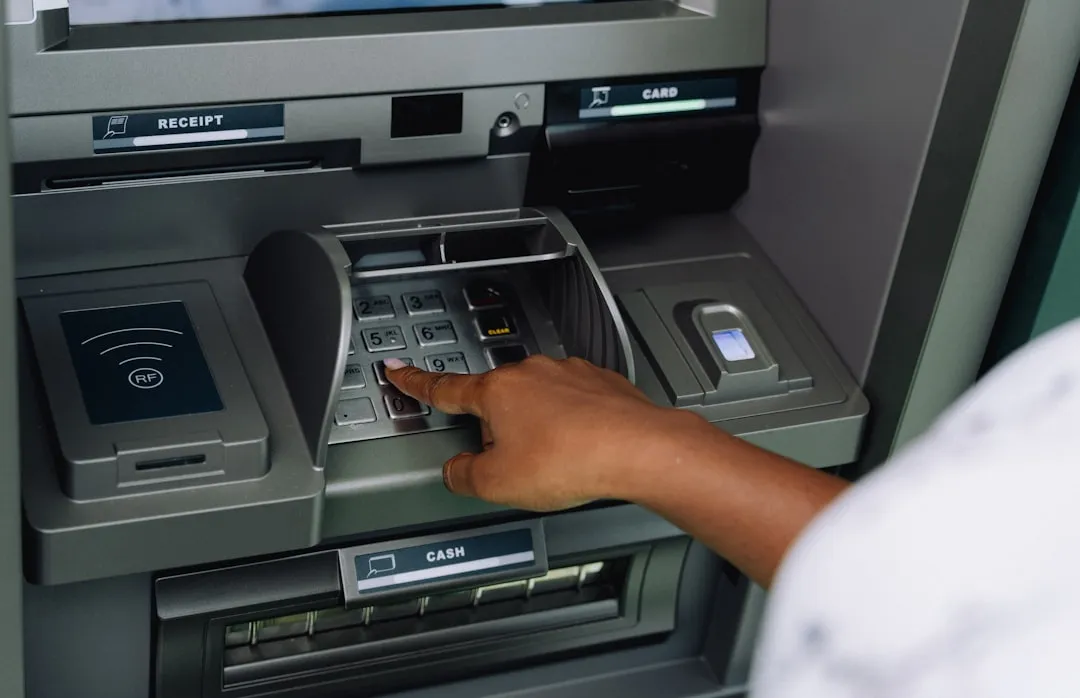
Skimmers are barely detectable gadgets that thieves attach to ATMs, designed to snag your credit or debit card details without you noticing. The device sits directly over the card slot and reads your card’s data as you insert it. A hidden camera above the keypad captures your PIN simultaneously.
Card skimming accounted for almost 60 percent of all reported global ATM fraud cases in 2025. Europe experienced a 32 percent rise in ATM fraud in 2025, driven largely by skimming and card-related crime. These are not old problems disappearing – they’re evolving.
Skimming devices have become increasingly sophisticated and harder to detect. Traditional overlay skimmers sit on top of legitimate card readers, but newer “shimmer” devices are inserted more deeply into the card slot, making them virtually invisible to casual inspection. These devices can store data from hundreds of cards before criminals retrieve them, often using Bluetooth to wirelessly download stolen information.
How to Spot a Compromised Machine
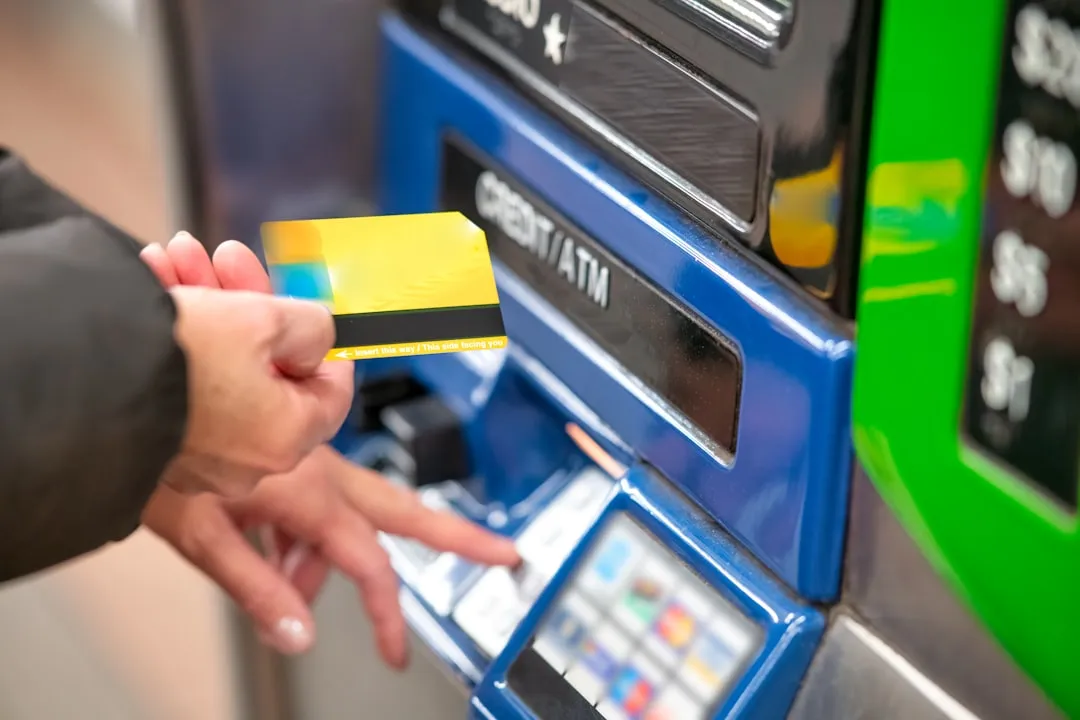
Before inserting your card into any ATM, especially one not inside a bank, inspect the front of the machine. If anything looks crooked, loose, or damaged, it could be a sign of a card-skimming device. Also keep an eye out for anything in the card slot that could trap your card or in the cash dispenser that could trap the cash.
Since skimming devices install over the top of the normal card reader, they often add extra thickness or bulk to the area. Next, look for other suspicious evidence of tampering, such as the presence of adhesive. In order to secure skimmers, criminals must use glue or tape, which can leave sticky residue around the card reader if the job was rushed.
Pinhole cameras installed on or around ATMs record a customer’s PIN entry. Placement varies widely. In some cases, keylogging keypad overlays are used instead of pinhole cameras to record PINs, capturing a customer’s keystrokes directly. Cover your hand over the keypad when entering your number, always.
The Distraction Trick That Comes After
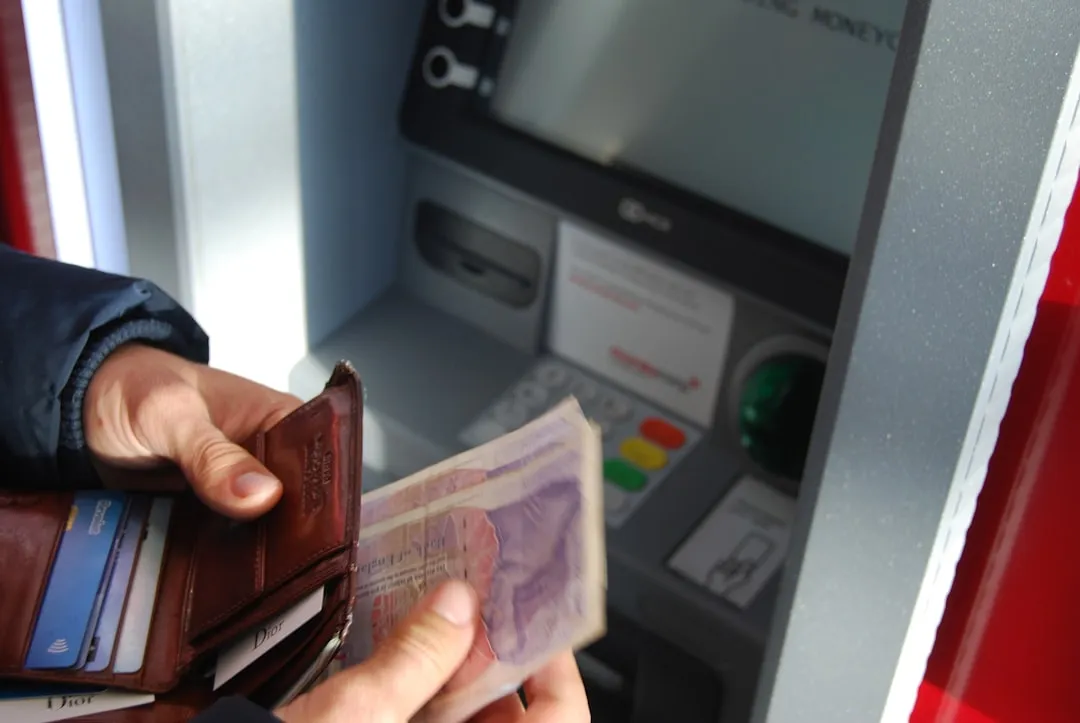
Scammers may be lurking nearby, ready to stage a distraction just after you finish withdrawing cash. A scammer may pretend to sell you a newspaper, place a note at your feet and tell you that you dropped some money, or ask you for a charitable donation. Sometimes the scammers are children.
Pay attention to strangers loitering near a cash machine, especially if they’re in pairs – a common tactic is for one person to distract you while the other grabs your cash. It’s a low-tech scheme, but it works precisely because tourists are focused on the machine, not the people around them.
The card-trapping trick is another variation worth knowing. Thieves have been known to insert a thin loop of tape into the card slot designed to trap your card, then arrive on the scene posing as a good Samaritan. They’ll tell you that you can retrieve your card by retyping your PIN, or point to a sign recommending you enter your PIN twice if there’s trouble. Once you give up and leave the scene, the criminals collect your card and use it.
Where These Scams Are Most Common
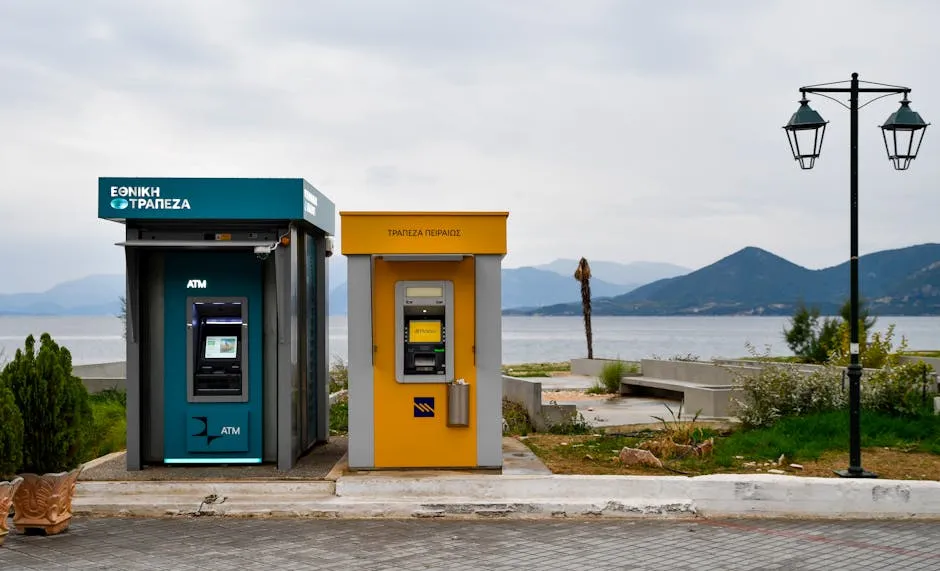
Euronet ATMs are concentrated in tourist destinations and near tourist attractions. They are everywhere in these areas. The same principle applies to card skimming operations. The FBI advises travelers to be especially alert for skimming devices in tourist areas, since these are popular targets.
These ATMs, often operated by companies like Euronet, can charge tourists – specifically anyone using a non-European bank card – up to four times more in withdrawal and conversion fees than regular bank machines. Paris, Rome, Prague, Barcelona, and Vienna are among the cities where travelers report encountering this most often.
The problem is particularly concentrated in the most touristy spots. Barcelona’s heavily visited sites, for instance, are more likely to have machines configured for DCC than quieter local neighborhoods. The geography of the scam follows tourist foot traffic almost exactly.
How to Protect Yourself at Any European ATM

Whenever an ATM asks if you’d like to convert the transaction into your home currency, always deny the conversion. While in Europe, paying a 14 percent currency conversion fee at the ATM might not seem significant, this unnecessary expense can easily add up to substantial amounts during your travels.
If you have to use a Euronet ATM for any reason, make sure you select “Decline Conversion.” This will force the machine to use the official exchange rate on your currency. The option to decline is always available, even if it’s presented in a smaller font or positioned less prominently on screen.
To avoid ATM fees in Europe, stick to bank-owned ATMs rather than standalone machines. Key options include Deutsche Bank in Germany for free withdrawals on international cards, BNP Paribas in France for low fees and transparent exchange rates, and Santander in Spain with widespread access and moderate charges. These are far safer starting points than any machine installed in an airport corridor or near a major monument.
The Smart Traveler’s Final Checklist
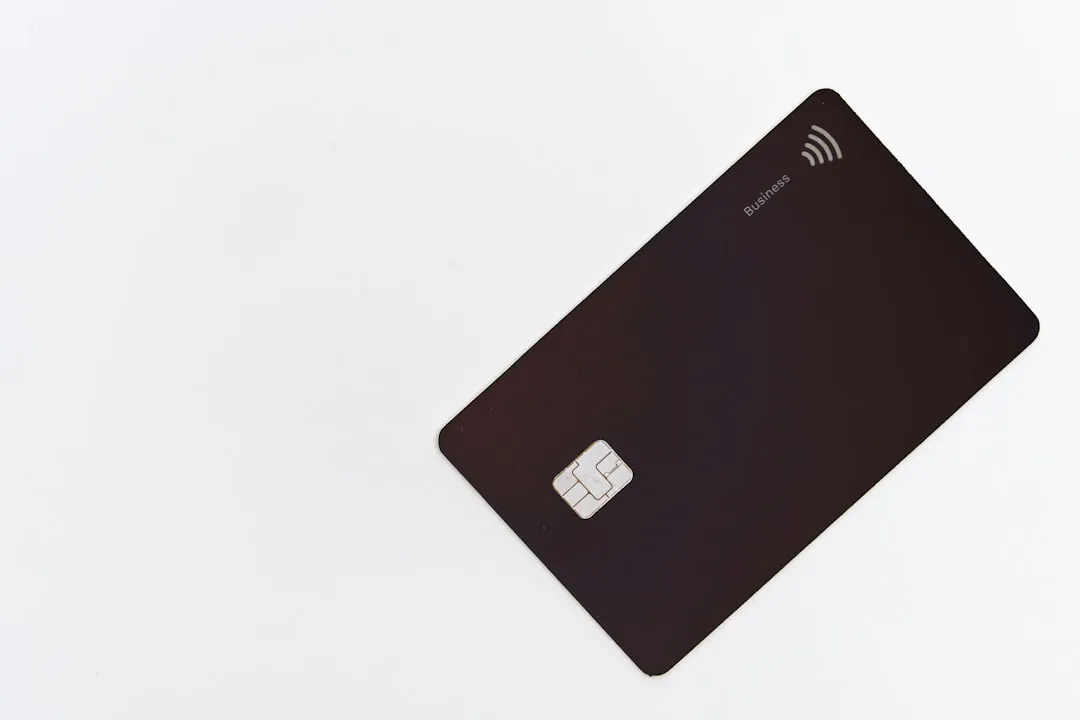
Avoid using your debit card for purchases while in Europe. Because a debit card pulls funds directly from your bank account, any potential charges incurred by a thief will stay on your account while your bank investigates. A better approach is to limit debit card use to ATM withdrawals and pay with a credit card or cash for purchases.
Cover the PIN pad when you enter your PIN – even if nobody seems to be around. It costs you nothing and takes one second. Routinely monitor your credit card and bank accounts to promptly identify any unauthorized transactions, and set up email or text-message alerts to notify you of card or account activity.
If possible, exchange some euros in advance from home before arriving to avoid having to use random ATMs when you land. Always choose to receive a receipt and keep it in case there’s an issue. Consider using a travel card with low or no foreign transaction fees, such as Wise or Revolut.
Conclusion: The ATM Is the Last Place to Drop Your Guard
Europe is genuinely one of the safest travel destinations in the world. The cities are walkable, the infrastructure is excellent, and most of the risks travelers face are financial rather than physical. That’s actually what makes the ATM scam so effective: it doesn’t feel dangerous. It just feels like a slightly confusing screen prompt.
The core defense is straightforward. Always choose the local currency. Always use a bank-branded ATM where possible. Always cover your PIN. According to the European Association for Secure Transactions, terminal attacks across Europe jumped from 7,115 cases in 2023 to 14,664 cases in 2024 – more than double in a single year. The threat is real and growing.
Most tourists lose money at these machines not because of sophistication or force, but because of a split-second decision at a confusing screen, usually while jet-lagged and in a hurry. Slow down for thirty seconds at every ATM. That pause might be the most financially sound decision of your entire trip.
AI Disclaimer: This article was created with the assistance of AI tools and reviewed by a human editor.