
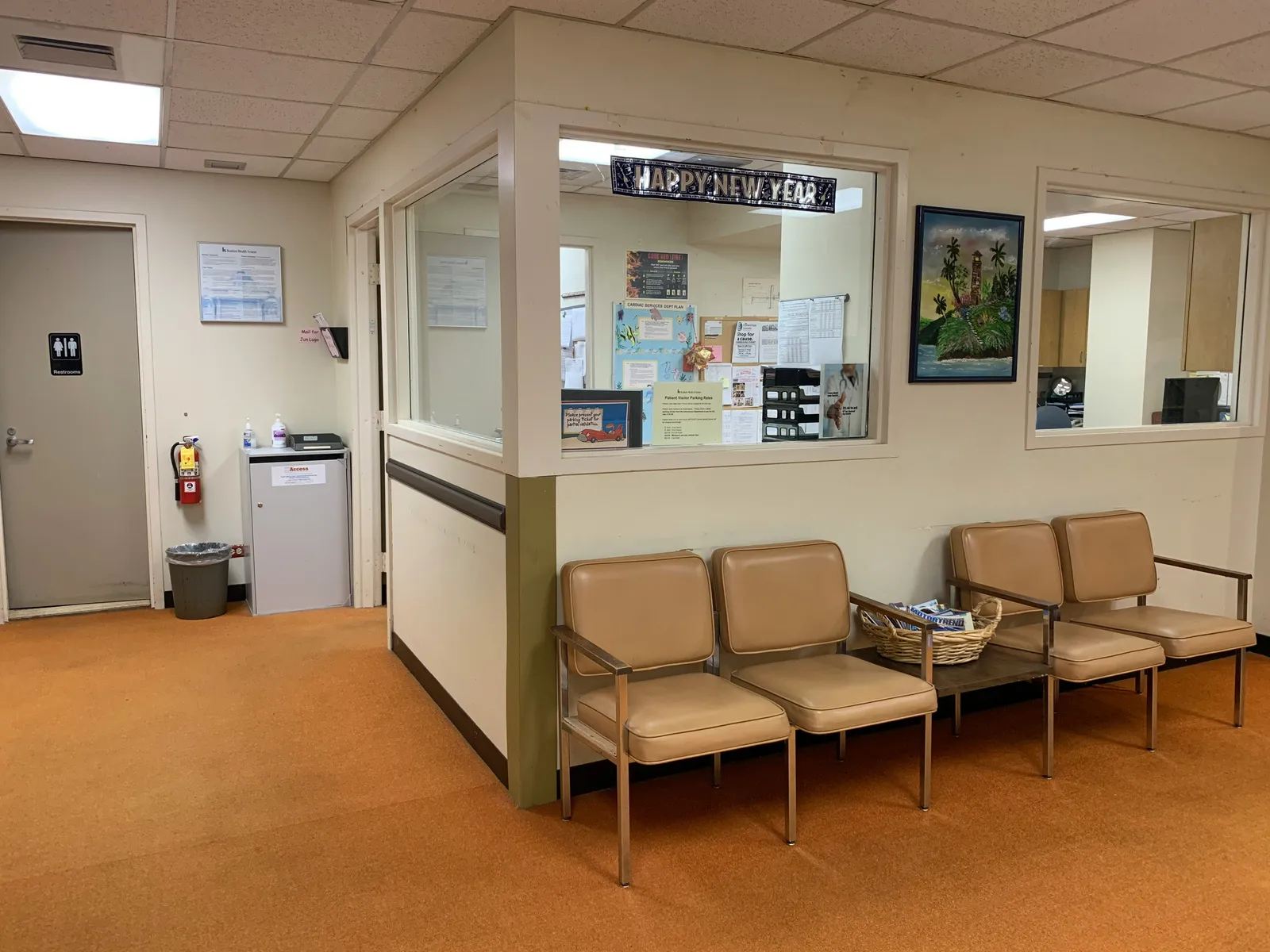

A Fairfield mother took her newborn to the emergency room after noticing a cough that raised concern. The family waited roughly an hour and a half inside the facility. No tests were performed and no treatment was provided before they decided to leave. Weeks later, a bill arrived for nearly five thousand dollars.
The Trip to the Emergency Room
The infant’s cough prompted the visit to the ER. Parents often turn to emergency departments when symptoms appear outside regular clinic hours or seem urgent. In this case, the mother described the situation as one that required immediate attention for the newborn. The decision reflected standard parental caution when breathing or respiratory issues arise in very young children.
Emergency rooms serve as the default option for many families facing sudden health worries. Staff typically begin with intake questions and vital checks. Here, however, the process did not advance beyond the waiting area.
Extended Wait Without Evaluation
The mother reported that the family remained in the ER for about an hour and a half. During that period, nothing happened in terms of medical assessment. “We waited for about an hour and 30 minutes,” she said. “They did not do anything at all.”
Waiting periods in emergency departments can vary widely depending on patient volume and triage priorities. Newborns with respiratory symptoms usually receive prompt attention under standard protocols. The absence of any interaction left the family without answers or reassurance before they chose to depart.
The Invoice That Followed
After leaving without receiving care, the household received a bill for $4,900. The amount covered the time spent in the facility even though no procedures, medications, or examinations occurred. Such charges can appear on statements weeks after the visit and often surprise families who expected payment only for delivered services.
The bill highlighted a common point of confusion in medical billing. Facilities may apply facility fees or administrative charges tied to registration and space use. In this instance, the total stood out because the family had not progressed past the waiting stage.
Questions for Families Seeking Care
Experiences like this one raise practical considerations for parents weighing an ER trip. Understanding what constitutes a billable event versus actual treatment can help anticipate costs. Some families now ask about potential charges during intake or explore urgent-care alternatives when symptoms allow.
The episode also underscores the emotional weight of medical encounters involving infants. A single visit intended to ease worry instead produced an unexpected financial burden. How such situations are resolved remains an open matter for the family and others in similar positions.
AI Disclaimer: This article was created with the assistance of AI tools and reviewed by a human editor.