
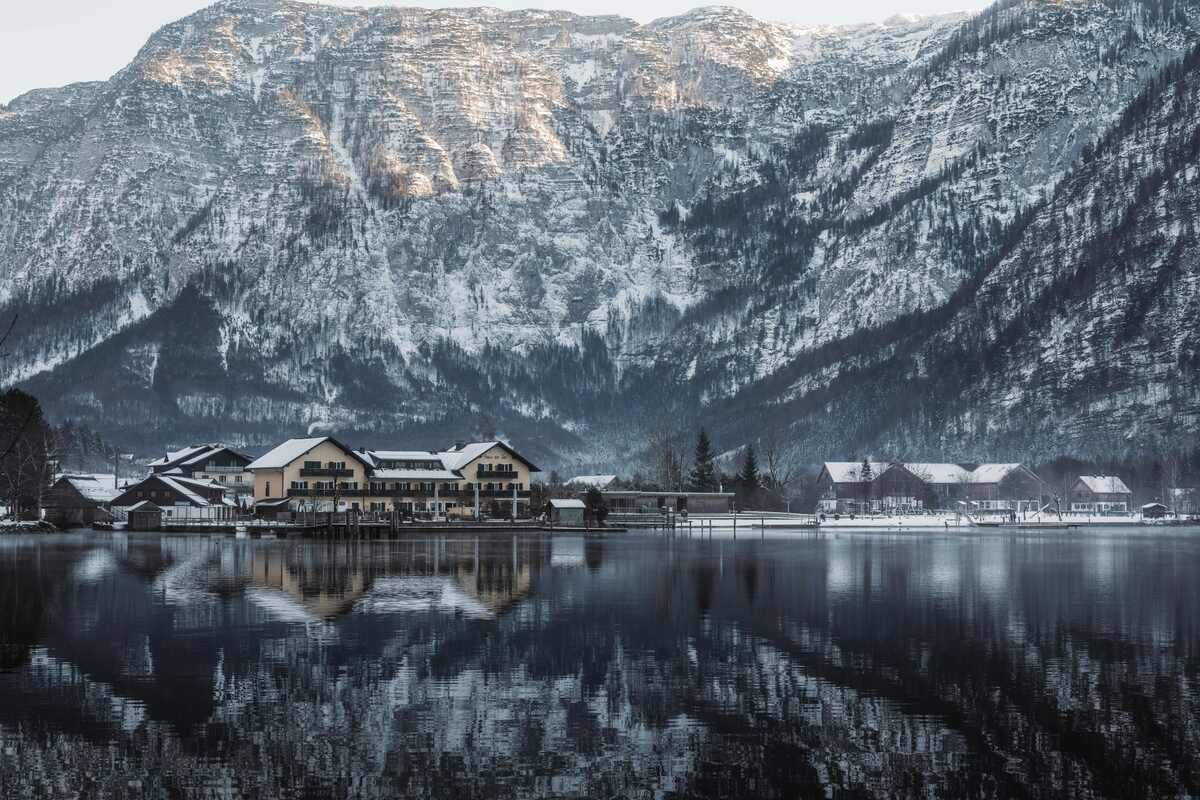

There’s a specific kind of quiet that only exists in a mountain cabin in winter. It’s not just silence. It’s the kind of stillness where you can actually hear the snow settling on pine branches outside, and nothing competes with it. Most people default to the same well-known ski resorts every season, missing dozens of genuinely remarkable places that rarely make the glossy magazine covers.
Interest in U.S. national parks has surged roughly 35 percent in 2026, with bookings for nature and outdoor experiences outpacing all other travel categories. Meanwhile, cabins have increased in popularity by 80 percent as a vacation rental accommodation type. The demand is real, and the good news is that the best spots still tend to be the ones most travelers scroll right past.
1. Robbinsville, North Carolina – The Nantahala Hideaway
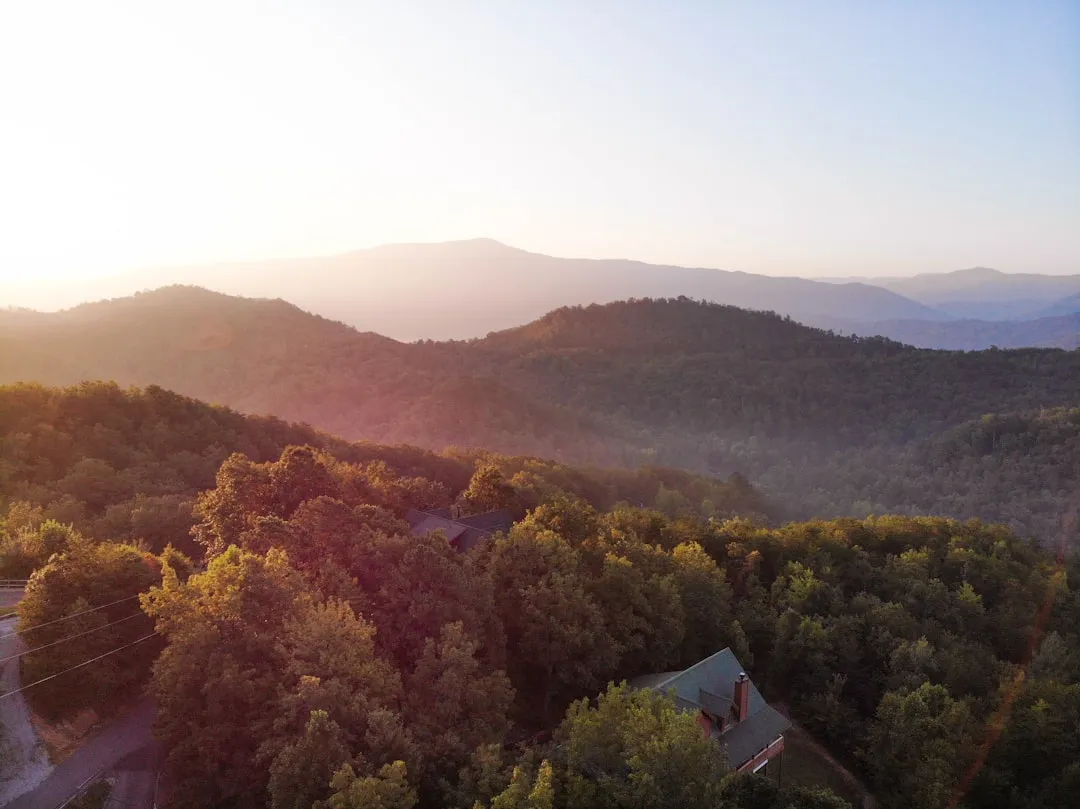
Tucked deep into the southern Appalachians, Robbinsville sits at the edge of some of the most rugged and rewarding terrain in the eastern United States. Lake Santeetlah dominates the landscape just outside of Robbinsville, where the 2,800-acre mountain lake is surrounded by National Forest land. Joyce Kilmer Memorial Forest has hiking trails that wind through old-growth hemlocks, and the Nantahala River offers genuine Class III whitewater.
Drive 30 minutes from Robbinsville and you’re at the remote western edge of Great Smoky Mountains National Park, where you can pick up the Appalachian Trail. In winter, the trails thin out entirely, and a cabin here feels less like a rental and more like a private retreat carved out of another century. This is the kind of place that rewards travelers willing to go just a little further than the obvious choice.
2. The Great Smoky Mountains, Tennessee – Winter’s Best-Kept Timing Secret
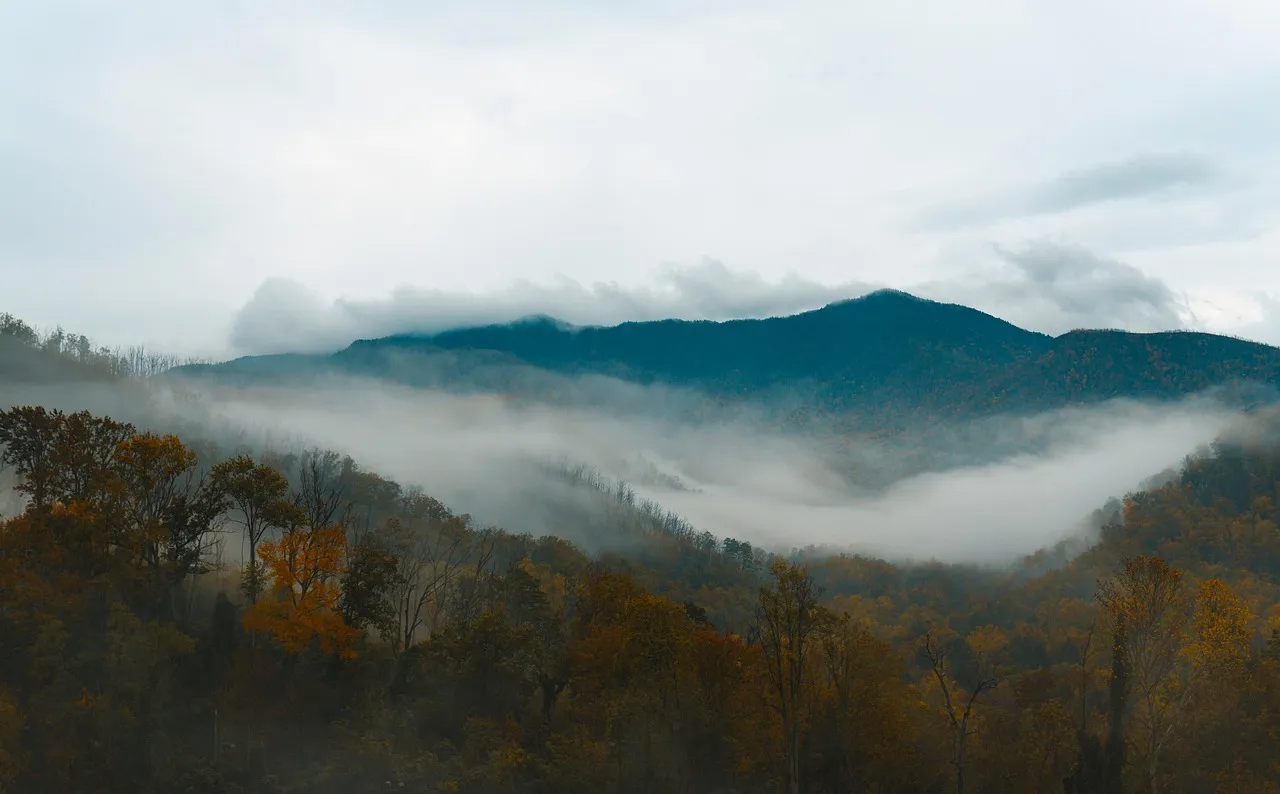
Great Smoky Mountains is the most visited U.S. national park, drawing over 12 million travelers each year. That might make it sound like the opposite of under-the-radar. Visiting in late winter or early spring, however, means the park is quieter but still beautiful in a more subdued way, and simply choosing lesser-known trails can transform the experience entirely.
Tucked into the Great Smoky Mountains, Blackberry Mountain is a luxury wellness retreat blending outdoor adventure with relaxation. Located about 30 miles southeast of Knoxville, Tennessee, this 5,200-acre property offers hiking, biking, fly-fishing, horseback riding, and paddle sports. For accommodations, guests can choose from stone cottages, mountain homes, modern treehouses, or watchman cabins, all designed with natural materials and earthy color palettes.
The Great Smoky Mountains is one of the top trending destinations globally in 2026, with searches trending over 135 percent among solo travelers. Book for January or February and you’ll find a very different park than the summer crowds ever see.
3. The Adirondacks, New York – Winter Carnival Country

Adirondack Park in New York State is three times the size of Yellowstone National Park, making it an ideal year-round playground for outdoor enthusiasts. Alongside over 100 peaks of the Adirondack Mountains massif, there are miles of lakes, rivers, and forests to explore when you settle in for a cabin stay.
Visitors will love the weeklong winter festivals in the Adirondacks. The area’s best-known city, Lake Placid, hosted two Winter Olympic Games and is a hub for winter sports of all sorts. The Lodge at Schroon Lake sits on the western shore of Schroon Lake in the Adirondack Mountains, around 25 miles from Gore Mountain’s world-class skiing trails. When you’re not hitting the slopes, the resort offers access to nearby ice skating, ice fishing, and winter hiking. It’s a deeply underrated corner of the northeast.
4. The Catskill Mountains, New York – The Birthplace of Fly Fishing
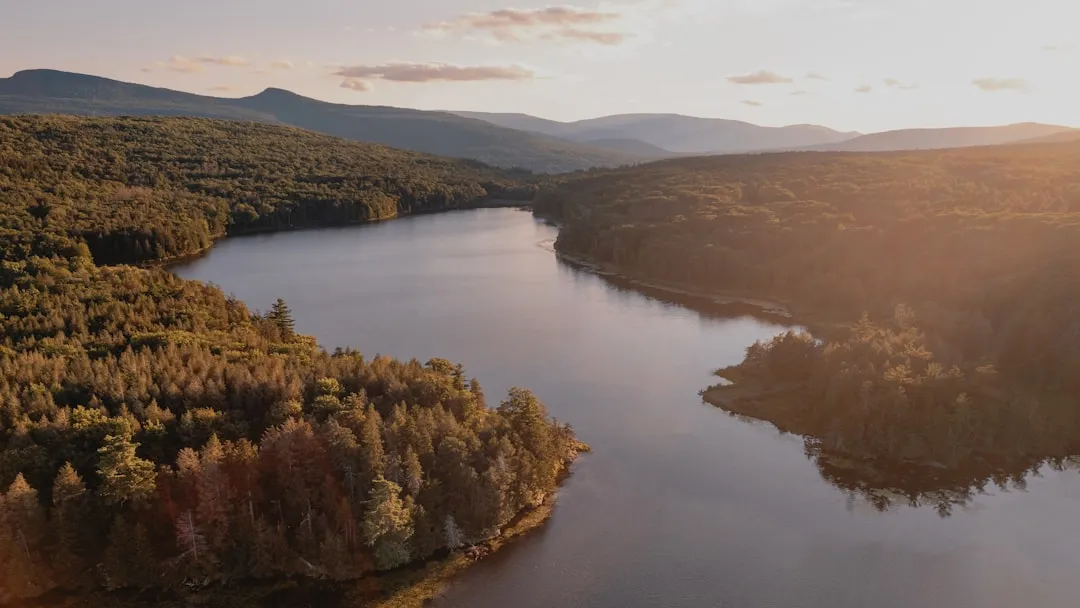
This subrange of the Appalachian Mountains in New York State was made famous by Rip Van Winkle stories. The area offers ski resorts and the Catskill Forest Preserve, which appeal greatly to outdoor adventurers. Art fans can also follow the Hudson River School Art Trail.
The Catskill Mountains are known as the birthplace of fly fishing in America, and the dome-shaped peaks make this range ideal for beginner climbers and families alike. In winter, the area draws a fraction of the visitors it sees during fall foliage season, making it perfect for anyone who wants mountain solitude within a few hours of New York City. Travelers increasingly seek authentic, unique experiences over standard accommodations, and a lakefront cabin in this kind of rural setting can command a premium for offering something genuinely different.
5. McCall, Idaho – The Payette Lake Surprise
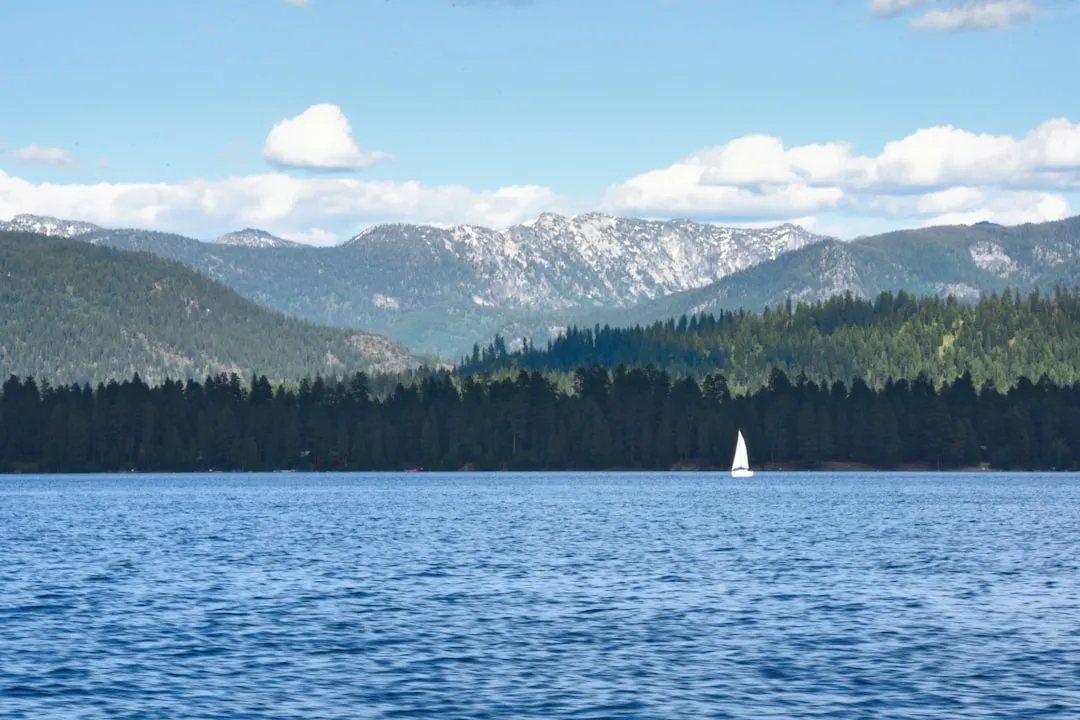
This hidden gem on Payette Lake offers pristine solitude that feels almost impossible to find. Secluded cabins nestle among towering pines where your only neighbors are deer and the occasional curious fox. The silence is so profound that you’ll hear snowflakes landing, broken only by the distant call of winter birds.
McCall sits at roughly 5,000 feet elevation in central Idaho and sees reliable snowfall each winter season. The town of Sandpoint in northern Idaho sits on the edge of Lake Pend Oreille, tucked into the bases of three mountain ranges, with the Schweitzer ski resort just 10 miles away. McCall and Sandpoint together represent Idaho’s most genuinely overlooked winter cabin country, especially for travelers who have exhausted the Sun Valley circuit.
6. Flagstaff, Arizona – Desert Meets Alpine Snow
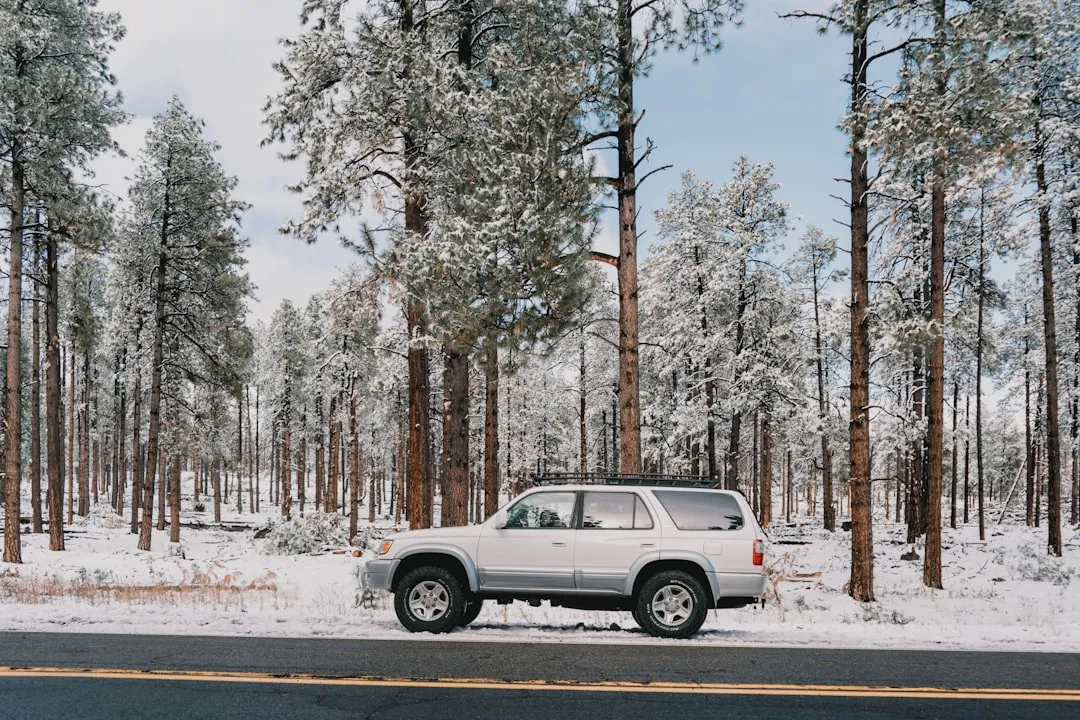
Surrounded by desert, forests, and mountains, Flagstaff is a triple threat of gorgeous nature. Whatever type of adventure you’re after, it’s there, including off-the-grid time in a mountain cabin. Most travelers still picture Flagstaff as a roadside stop on the way to the Grand Canyon rather than a destination in its own right.
At over 7,000 feet elevation, Flagstaff receives more annual snowfall than many classic Rocky Mountain towns. The area also puts you within easy striking distance of Sedona, known for its distinctive art scene and gorgeous red rock formations. A winter cabin stay here means waking up to snow-dusted ponderosa pines and driving through the red rocks within the hour. That’s a combination almost nowhere else in the country can match.
7. The Ozark Mountains, Arkansas – Affordable and Overlooked
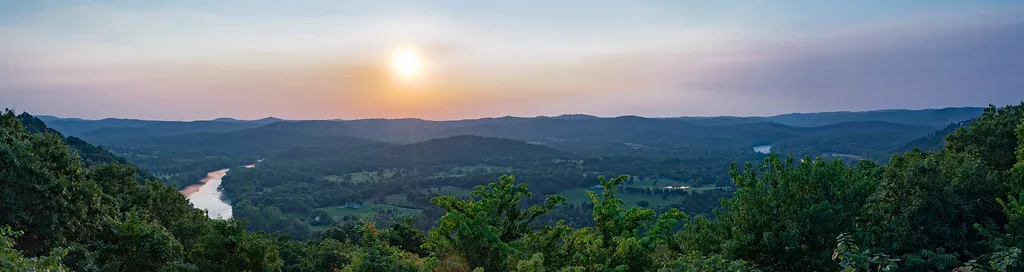
The small town of Jasper in the Ozark Mountains sits surrounded by public land with easy access to hiking, rock climbing, and a national scenic river. The Ozarks aren’t as tall as the Rockies or the Appalachians, but the 2,500-foot peaks offer a legitimate mountain lifestyle in the center of the country at a lower entry price.
In winter, the Ozarks receive a quiet dusting of snow that transforms the hollows and creek beds into something genuinely beautiful. Hikers can reach the Pedestal Rock Scenic Area, which contains signature rock formations and a landscape that feels entirely removed from ordinary life. This region remains one of the most affordable and authentic mountain cabin destinations in the continental United States, especially for travelers driving from the Midwest or South.
8. Brian Head, Utah – Southern Utah’s Snow Secret
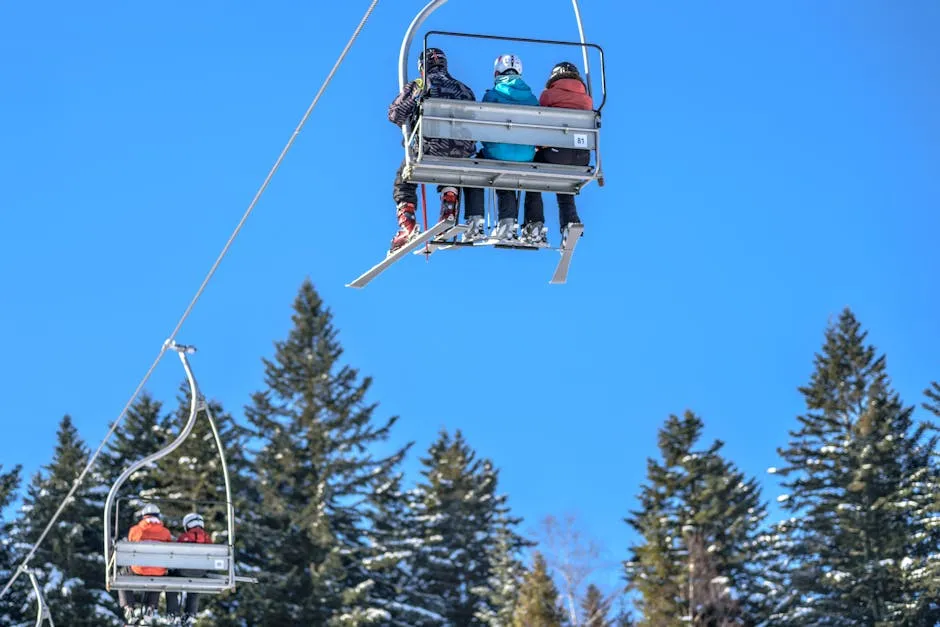
Brian Head should absolutely be on any shortlist of hidden gem ski and cabin destinations. Located just a short distance from St. George, Utah, Brian Head has everything great about Utah skiing without the high price tag and exclusivity of more famous resorts.
Brian Head is located in southern Utah, so if you’re not flying directly in, flying into Las Vegas and making the drive from there is far more convenient than heading to Salt Lake City. Cabin rentals in and around Brian Head sit at elevations above 9,000 feet, meaning deep snow is nearly guaranteed from December through March. The combination of genuine mountain solitude and easy access makes this spot an outlier in the best possible way.
9. The Black Hills, South Dakota – Unexpected Winter Magic
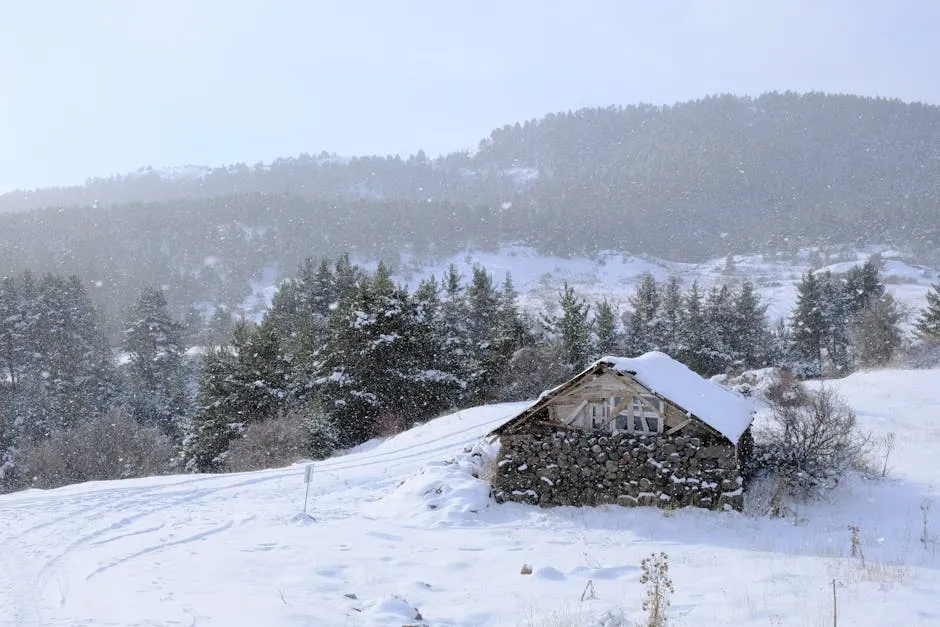
Nature lovers and history enthusiasts won’t want to miss Keystone, South Dakota. The area is full of historic charm and dotted with unique sculptures that kids love. South Dakota is home to the Black Hills mountain range, plus many other noteworthy attractions like the Badlands and Custer State Park. The Black Hills boasts more than 5 million acres of protected land that’s home to Mount Rushmore and free-roaming American buffalo.
Very few travelers think of South Dakota as a winter cabin destination, which is exactly why it works so well. The crowds that visit in summer essentially vanish by January, leaving cabins, trails, and wildlife-watching spots virtually private. The combination of pine-covered hills, historic atmosphere, and wildlife access makes this one of the most distinctive winter getaways in the country.
10. Bend, Oregon – Cascade Mountain Access Without the Crowds
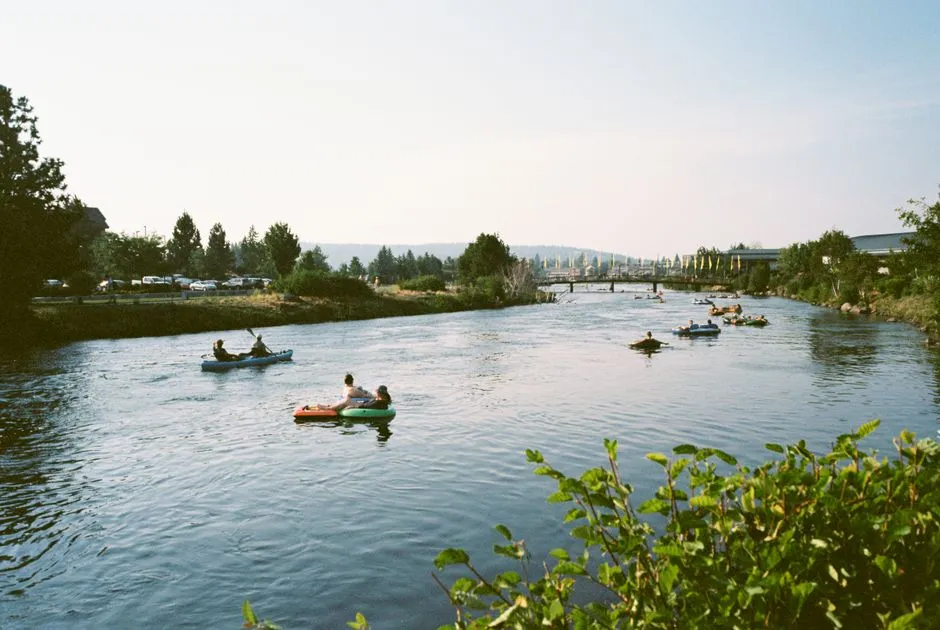
If your ideal mountain getaway includes craft breweries, stunning views, and outdoor adventure, the Cascades in Oregon deserve serious attention. With access to snow-capped peaks, alpine lakes, and endless trails, this region is a year-round haven for nature lovers. The town of Bend provides easy access to Mt. Bachelor, Tumalo Falls, and the Deschutes River, and winter brings prime skiing conditions.
Bend is also one of the few mountain destinations where you can ski in the morning and golf in the afternoon during warmer stretches of the season. This Central Oregon gem serves up family fun with a side of Cascade Mountain magic, and Sunriver’s vacation rentals come equipped with everything from bunk beds to bikes, while winter activities including ice skating, sledding, and nature center programs keep everyone entertained. The cabin rental scene here caters to every group size and budget without the pretension of more fashionable mountain towns.
11. The Upper Peninsula of Michigan – Snow Country Hidden in Plain Sight
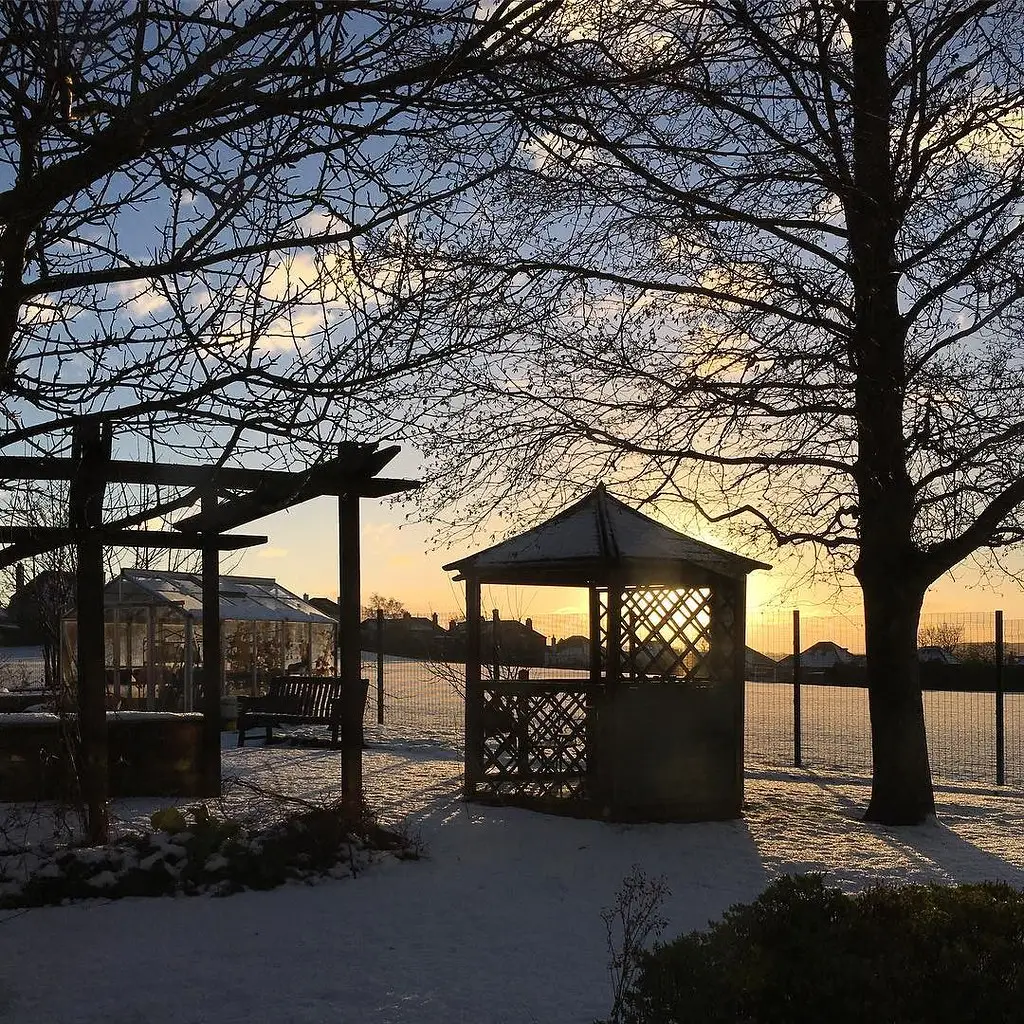
The Upper Peninsula of Michigan gets more than 200 inches of snowfall annually, turning into a hotbed of fat biking, cross-country skiing, and snowmobiling each winter. The UP even boasts nine downhill ski resorts and the world’s largest artificial ski-jumping hill.
The area surrounding Marquette, which sits on Lake Superior, offers hand-built log cabins on large acreage at prices that most mountain destinations simply can’t match. The landscape is raw, the winters are genuine, and the sense of remoteness is rare for a region within driving distance of Chicago or Detroit. Most cabin rentals offer Wi-Fi, though speeds can vary in remote mountain locations, and cell service is often limited in the most secluded areas. For some travelers, that’s a drawback. For the right kind of person, it’s the whole point.
Why Winter Cabin Travel Is Growing Faster Than Ever
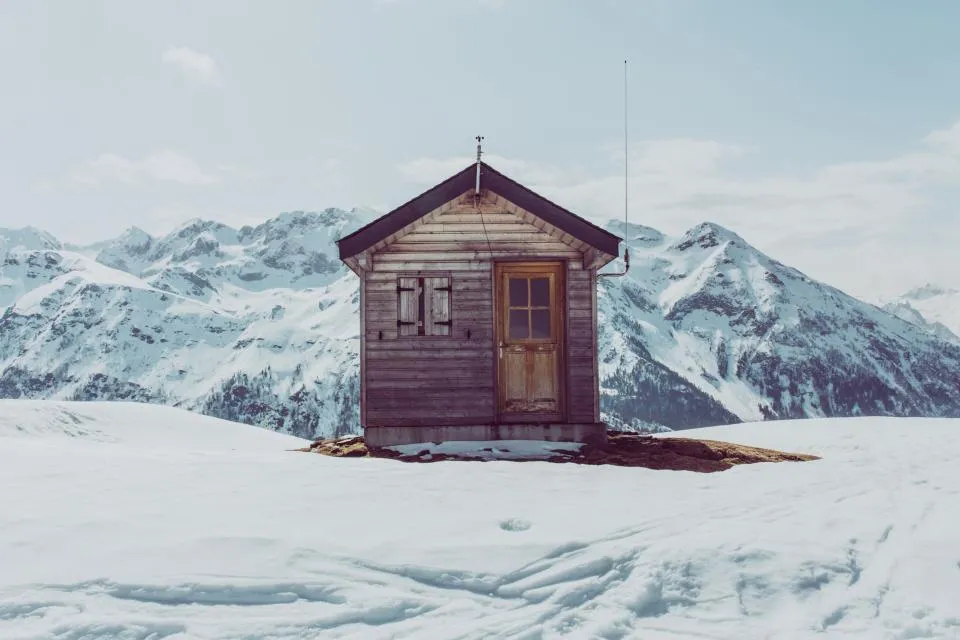
In 2026, market performance in the short-term rental space is becoming more selective, with mountain and lake destinations standing out as some of the strongest segments. The global vacation rental market continues to expand as short-term rental demand remains strong across major travel markets, with the sector expected to generate over $101 billion in revenue in 2026.
Travelers in the United States are increasingly looking for unique and personalized vacation experiences, and the flexibility, space, and amenities offered by vacation rentals cater to those preferences in ways that hotels simply cannot. Demand for larger properties increased significantly in 2025, with six-bedroom properties seeing nearly 13 percent booking growth and five-bedroom properties growing over 10 percent, confirming that more bedrooms correlates directly with higher occupancy.
Vacations focused on reading, unwinding, and genuine bonding with family and friends are taking center stage in 2026 travel planning, driven in part by the rise of social media communities around the idea of a reading retreat. A mountain cabin in January slots perfectly into that mood. There’s a stack of books, a fire, no agenda, and the particular freedom that only comes when you’re genuinely, blissfully off the grid.
What to Look for Before You Book
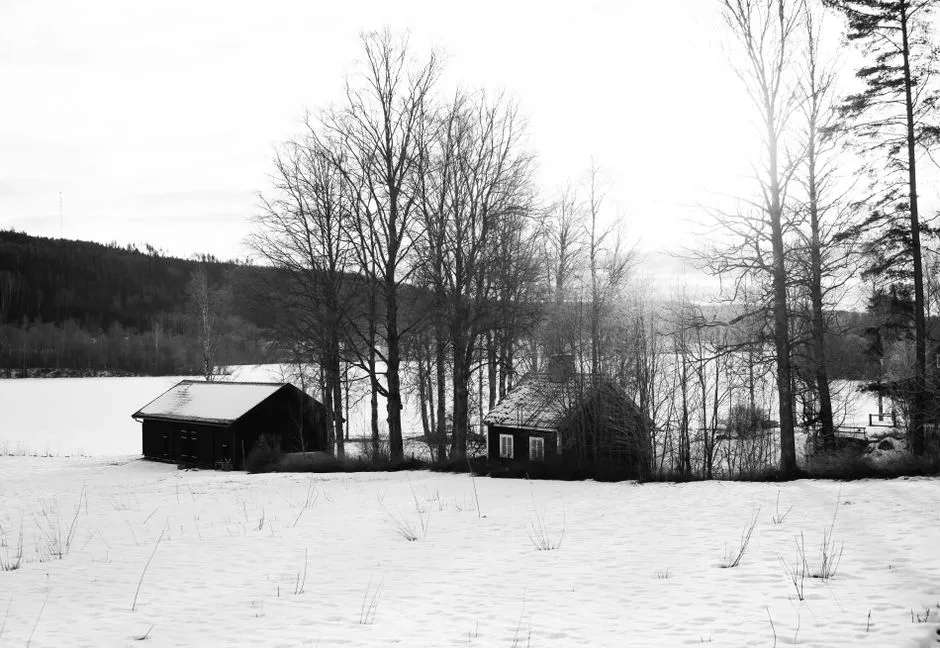
Markets that generate consistent cabin bookings share a common trait: proximity to national parks, ski resorts, or other natural attractions that pull visitors through multiple seasons. When evaluating a cabin, look past the main photos and check specifics like road conditions in winter, proximity to the nearest town, and whether the property has genuine heating capacity rather than decorative fireplaces.
Around 61 percent of families say they’re more likely to visit a rural or outdoorsy destination than an urban one, and nearly 60 percent prefer driving over flying on getaway trips. This makes road-accessible mountain cabins particularly practical. Travelers are booking closer to check-in than ever before, with Gen Z and millennials increasingly favoring spontaneous short-notice trips, especially around weekend getaways and experience-driven travel. That flexibility makes last-minute winter cabin escapes more realistic than ever before.
The Real Appeal of Staying Off the Beaten Path
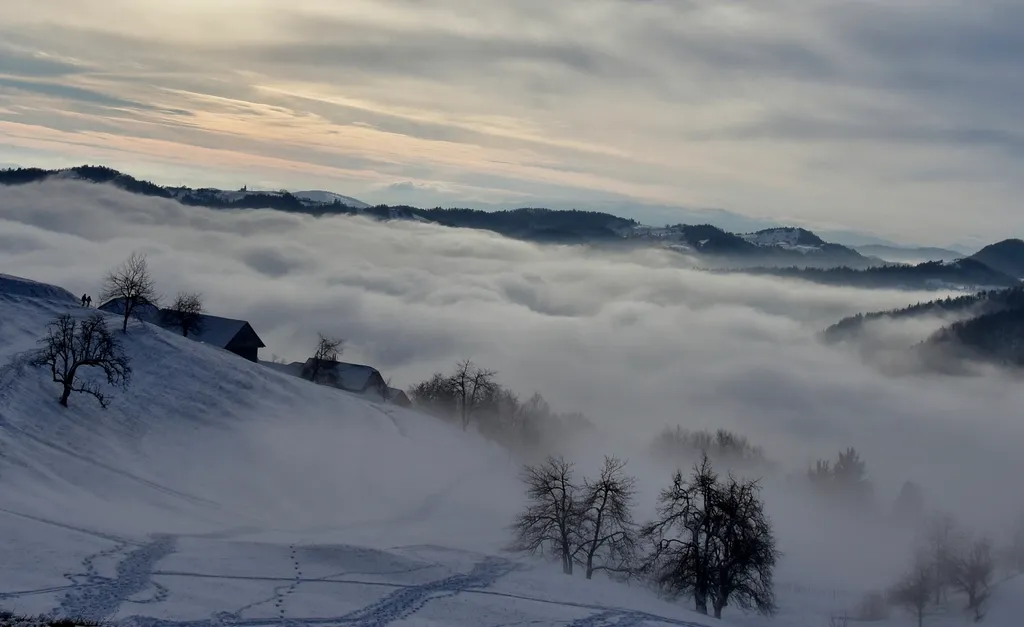
The vacation rental market isn’t shrinking in 2026, it’s sharpening. Travel demand remains high, but guests are more selective, driven by trust, ease, and genuine value. That’s pushing a subset of travelers away from crowded resort towns and toward places that actually deliver what winter is supposed to feel like. In 2026, travelers are choosing to unplug, unwind, and connect over stories, and vacation rentals from coastal homes to countryside retreats are providing the idyllic backdrop for these screen-free trips.
The cabins listed here share one quality that no algorithm fully captures: they reward the traveler who did the extra research and drove the extra hour. The crowds thin, the prices drop, and the experience becomes something you actually remember. Winter has a way of clarifying what a place is really made of, and these eleven destinations hold up just fine.
AI Disclaimer: This article was created with the assistance of AI tools and reviewed by a human editor.