
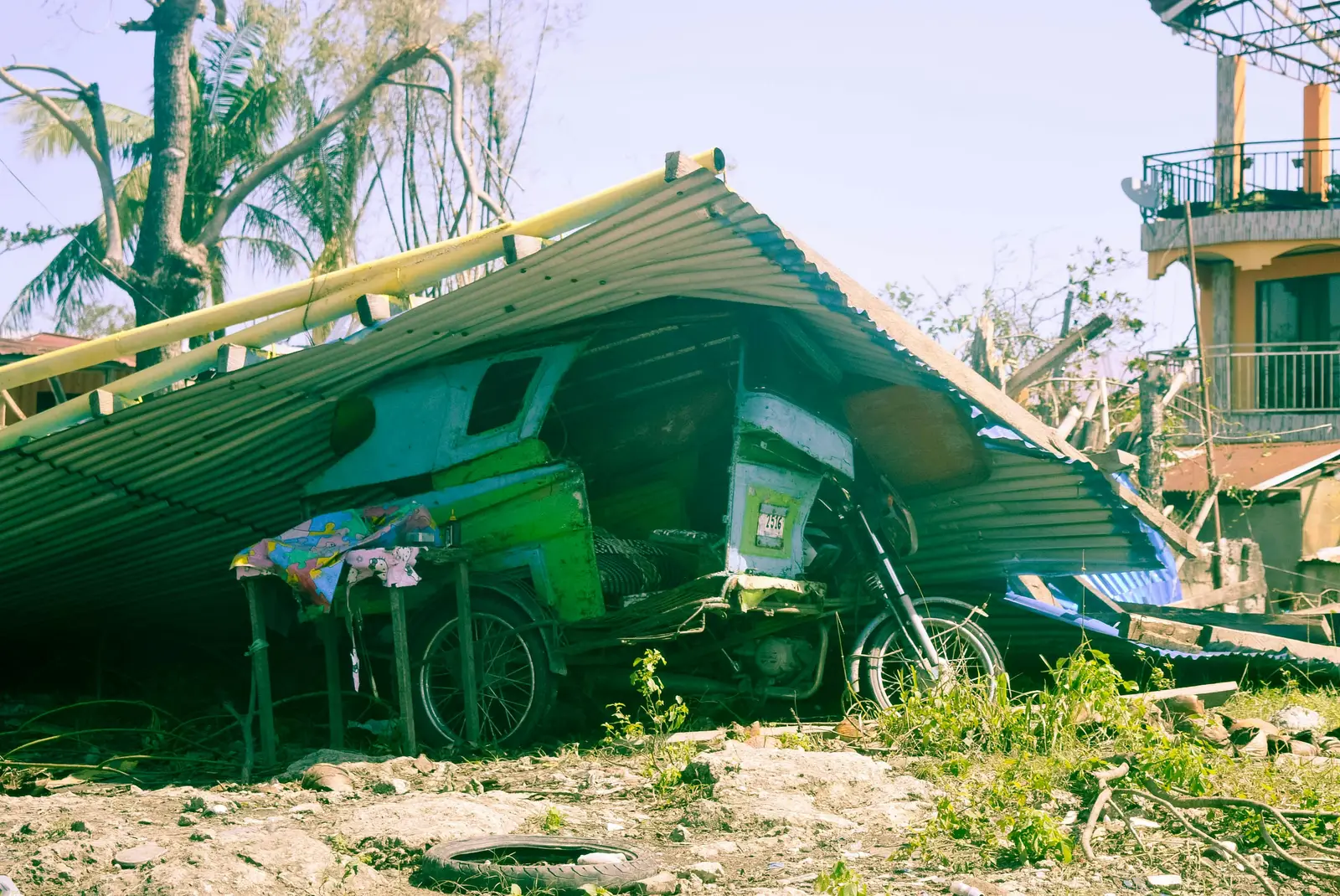

Manila, Philippines – An offshore earthquake measuring 7.8 in magnitude shook the southern Philippines on Monday morning, killing at least 19 people, injuring more than 200 others and generating a one-meter tsunami that reached nearby coastlines. The event, centered at sea off Mindanao, stands as the strongest to hit the country this year and prompted immediate safety measures across affected provinces. Officials described intense shaking that sent residents rushing into the streets and caused damage to buildings and infrastructure in key cities such as General Santos.
The Earthquake and Its Reach
The quake struck at 7:37 a.m. local time at a depth of roughly 33 kilometers, about 32 kilometers southwest of Maasim town in Sarangani province. Philippine Institute of Volcanology and Seismology director Teresito Bacolcol characterized it as a major event and urged residents to consult experts before reentering damaged structures due to the risk of aftershocks. The shaking was felt across a wide area, including parts of Malaysia’s Sabah state and as far as southern Japan, where smaller waves were later recorded. General Santos, a port city of more than 700,000 people and a hub for the tuna export industry, experienced some of the most noticeable effects. A few buildings collapsed there, including a popular hamburger restaurant, while the international airport temporarily closed and 17 domestic flights were canceled. Public schools had just reopened after the summer break, and reports emerged of students sustaining minor injuries during morning ceremonies amid the panic.
Tsunami Waves and Official Response
Tsunami waves reached one meter in several coastal areas of Sultan Kudarat and Sarangani provinces, with a peak reading of 1.4 meters recorded at one point in Kiamba town. Smaller waves were measured in Indonesia and Palau, and gauges detected up to 20 centimeters in parts of Japan. The Pacific Tsunami Warning Center noted that the main tsunami threat had largely passed within about five hours, and Philippine authorities lifted their warning by mid-afternoon. President Ferdinand Marcos Jr. directed the cancellation of classes in quake-affected areas and instructed national disaster-response agencies to prioritize Mindanao. Six shanties on stilts sustained damage in one coastal village in Zamboanga del Sur, though broader infrastructure impacts remained under assessment. Aftershocks, including one reaching 6.5 magnitude, continued to be recorded in the hours that followed.
Travel Considerations in the Aftermath
For travelers with plans involving southern Philippines destinations, the immediate priority centers on monitoring official updates from the U.S. State Department and local Philippine authorities. The region’s location along the Pacific Ring of Fire makes seismic activity a recurring factor, yet this event’s scale has led to heightened scrutiny of building safety and coastal access. Flights into General Santos remain subject to change, and visitors should confirm itineraries directly with airlines. Those already in the area are advised to avoid structures showing visible damage until cleared by engineers. The Office of Civil Defense emphasized that aftershocks could further compromise weakened buildings. Coastal communities reported limited tsunami-related effects, but travelers should stay informed about any renewed warnings through local media or government channels.
Looking Ahead for Visitors
Recovery efforts are underway, with search-and-rescue teams active in General Santos and surrounding provinces. The national government has signaled full support for affected communities, including displaced residents. Travelers considering trips to Mindanao or nearby islands in the coming weeks should factor in potential disruptions to transportation and lodging while watching for any updates on aftershock activity. The Philippines continues to demonstrate resilience in the face of natural events, yet this quake serves as a reminder of the importance of preparedness. Those planning visits can review resources from the Philippine Institute of Volcanology and Seismology or equivalent U.S. embassy advisories for the latest guidance.
AI Disclaimer: This article was created with the assistance of AI tools and reviewed by a human editor.