
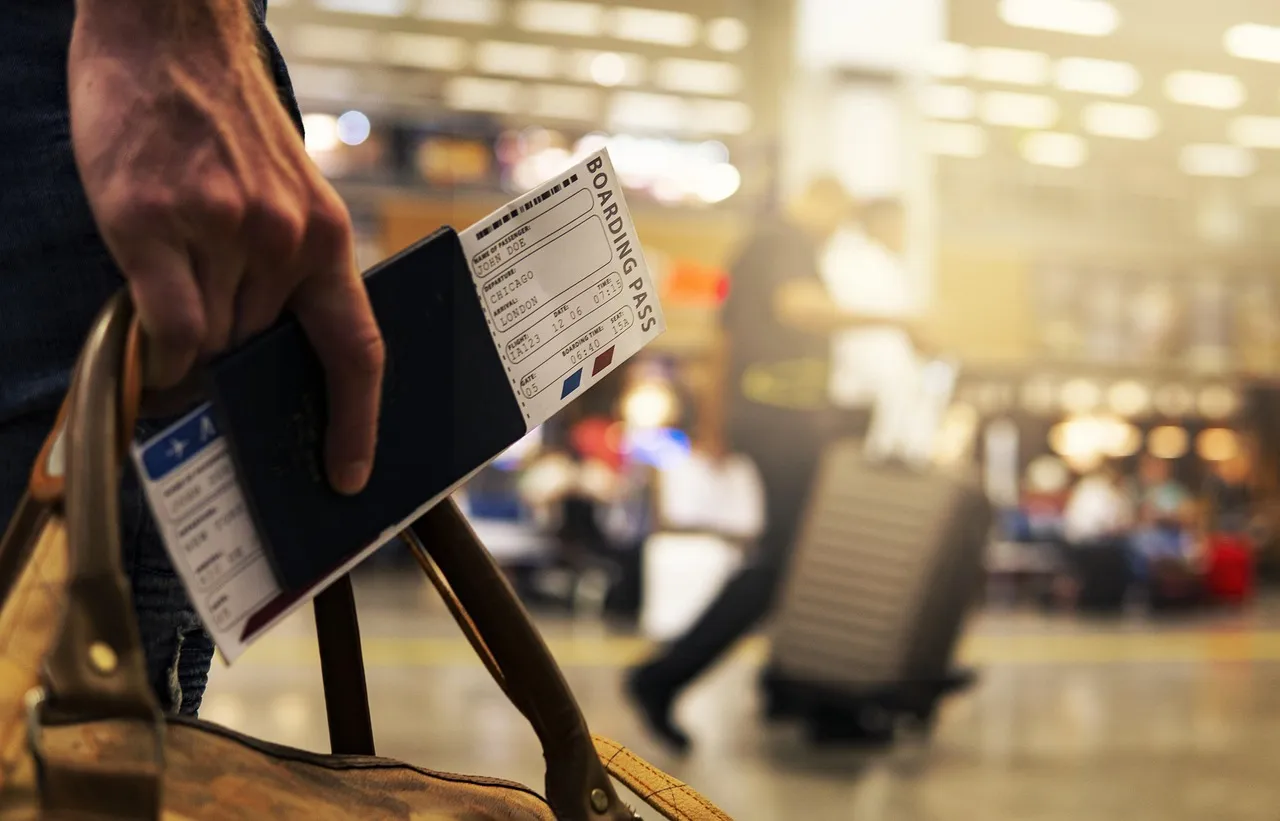

Most travelers spend weeks planning their trips but only a few seconds glancing at their passport. They see the expiration date, note it hasn’t passed, and toss the booklet back in the drawer. That quick glance, it turns out, can be a very expensive mistake.
The rules around passport validity are more complex than most people realize. Whether it’s the dreaded six-month rule, blank page requirements, or physical damage, airports around the world are turning people away every single day. Here’s what you actually need to know before your next flight.
Your Passport Can Be “Valid” and Still Get You Denied
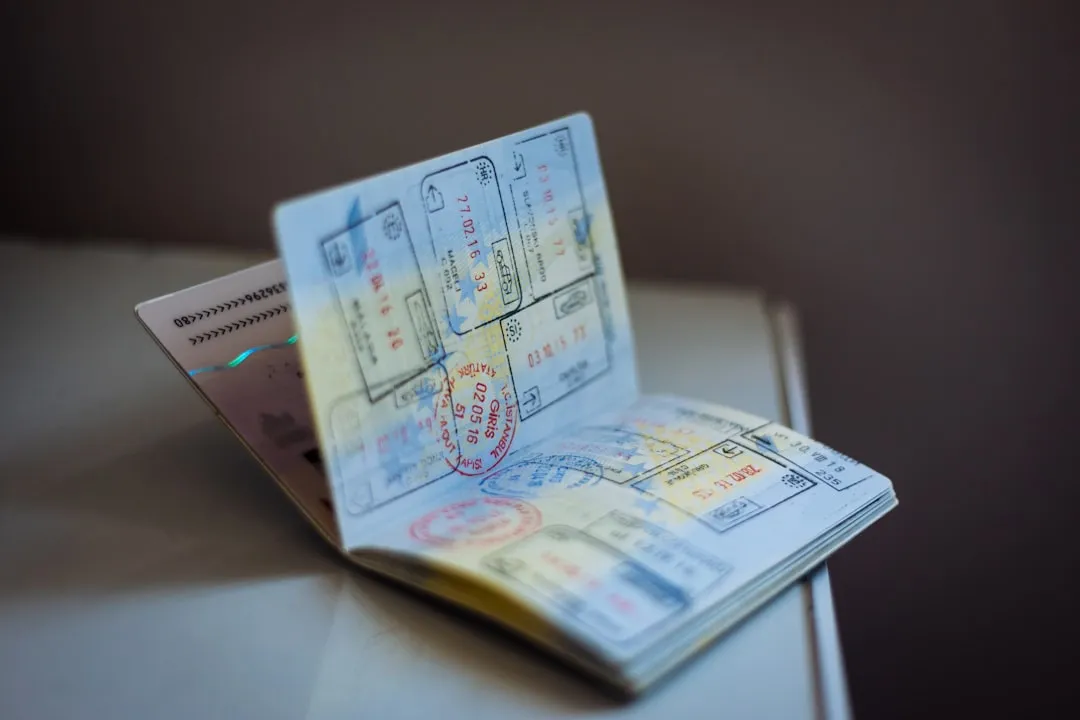
Most travelers discover the six-month passport validity rule at the airport check-in counter, long after it is too late to fix. While your passport might be “unexpired” for a few more months, many foreign governments won’t let you through their borders without a significant buffer.
The six-month rule is a requirement that your passport must be valid for at least six months from the date of your entry or departure. It is essentially the minimum buffer before your passport expires to be accepted by immigration in another country.
Failing to meet this rule can result in denied boarding or being turned away at immigration, so it’s essential to understand how this regulation could affect your travels.
Airlines Check – and They Will Stop You at the Gate

Airline operators must bear flight and return costs as well as fines when they transport passengers into countries without proper entry qualifications. That’s why airlines verify passport validity at airports before flight departure to prevent boarding passengers with passports that do not meet the six-month rule.
Airlines use automated systems like IATA’s Timatic database to verify passport requirements. If your passport falls short, they will deny boarding – no exceptions.
Notably, airlines often follow this policy even when the destination country does not enforce the six-month validity requirement. This means you can’t rely on your destination’s rules alone.
Which Countries Enforce the Six-Month Rule
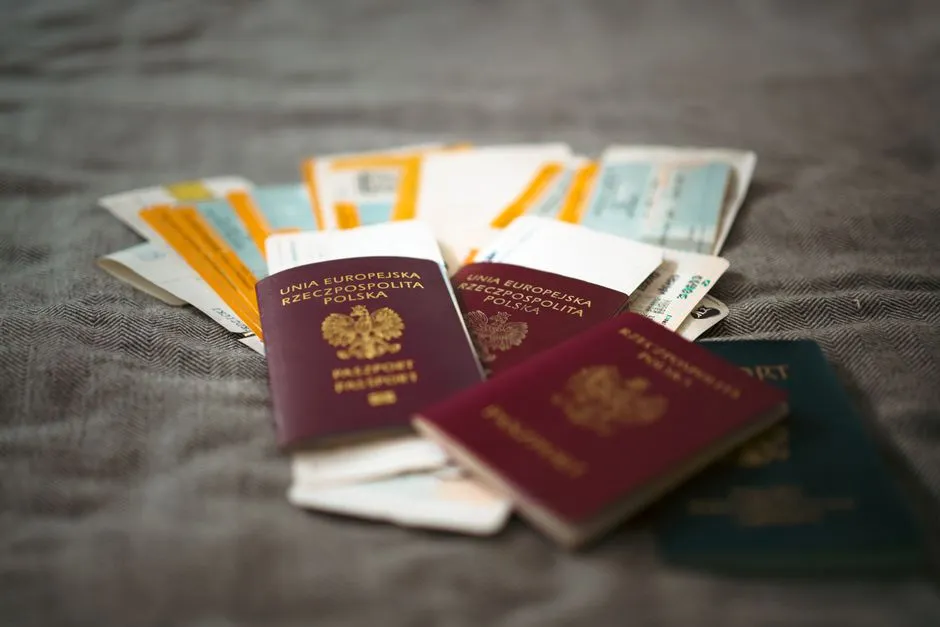
Numerous countries in the Asia-Pacific and Middle East regions require a U.S. passport to have at least six months of validity remaining before granting a visa or allowing entry. Some countries requiring six months of passport validity include mainland China, Mongolia, Vietnam, Cambodia, Laos, Thailand, Malaysia, Singapore, Indonesia, India, Nepal, Pakistan, Russia, Kuwait, Saudi Arabia, Bahrain, Qatar, the United Arab Emirates, Oman, Jordan, Egypt, and Turkey.
Several countries stop short of requiring six months of passport validity but do enforce a three-month passport validity rule. In these countries, a visitor’s passport must be valid for three months past the visitor’s intended arrival date. For example, Europe’s Schengen area has a three-month requirement, though individual countries may raise it to six months.
Some countries, like Australia, Mexico, Canada, and Schengen countries, allow U.S. passport holders to enter even if their documents expire in under six months. Still, even for those destinations, checking airline policy separately is worth the few minutes it takes.
The CBP Just Updated Its Exemption List in Late 2025

On December 18, 2025, U.S. Customs and Border Protection announced an update to the Carrier Liaison Program, including a revised list of countries whose citizens are exempt from the six-month passport validity rule. This update supersedes the previous list found in the 2022–2023 Carrier Information Guides and any prior CLP bulletins, and is crucial for airline and transportation companies involved in international travel and travelers alike.
The current list contains more than 100 countries across Europe, Asia, Africa, and the Americas. Travelers not from an exempt country must still comply with the longstanding U.S. requirement that passports be valid six months beyond the intended period of stay.
This rule is crucial for maintaining orderly and secure international travel, as it prevents situations where a visitor’s passport expires while they are still in the United States, which could complicate their ability to return to their home country.
Not Enough Blank Pages Is a Surprisingly Common Reason for Denied Boarding
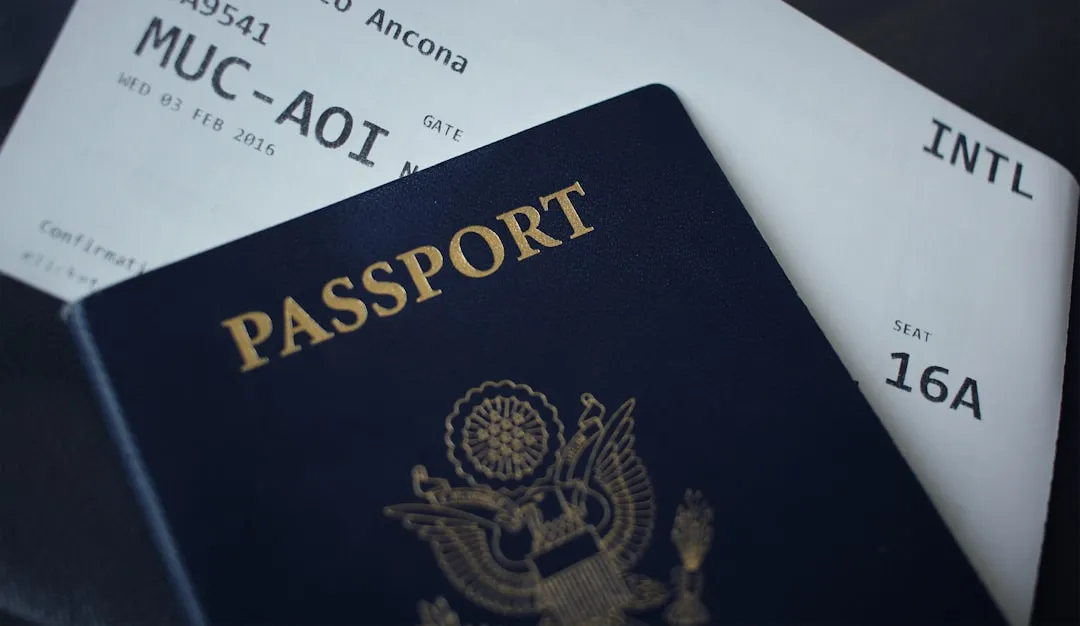
Recent travel reports from late 2025 and 2026 show that many travelers are being denied boarding or entry because their passports don’t have enough blank pages. Airlines and immigration officers now strictly require at least two to four completely blank pages for visas and stamps, a rule often overlooked by travelers who only check their passport’s expiration date.
Some foreign destinations require that your passport have two to four blank visa or stamp pages, and some airlines will not allow you to board if this requirement is not met. The U.S. State Department states this plainly on its official FAQ page.
Italy, Portugal, Singapore, Germany, India, Belgium, South Africa, the Netherlands, Cuba, Iceland, Zimbabwe, and Indonesia are among the destinations that require two blank pages. Countries that require one page include France, Japan, Mexico, Greece, Thailand, Australia, Morocco, Argentina, and Vietnam, among others. You’ll need at least three blank pages if you want to visit Namibia, Botswana, Madagascar, and Zambia.
Damaged Passports Can Also Ground You
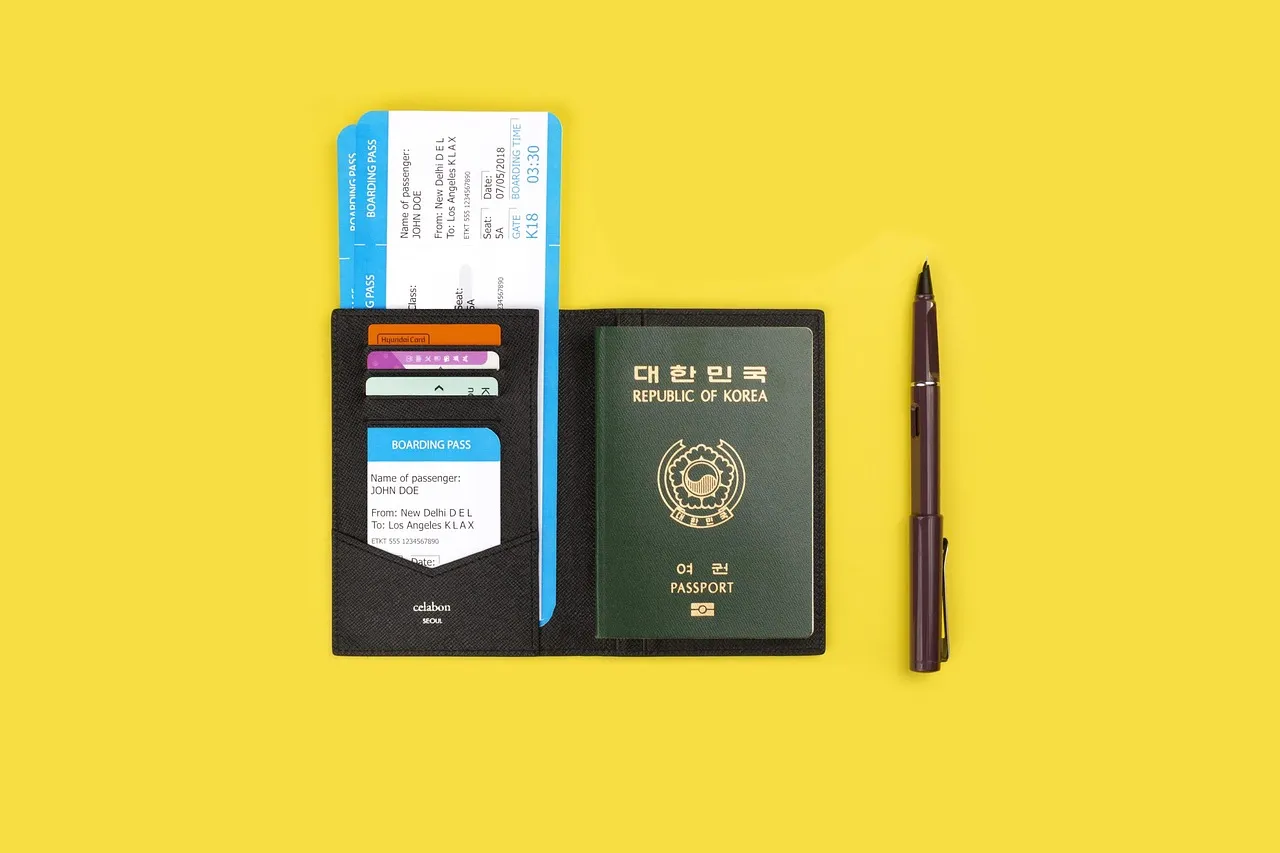
Passport damage is one of those issues that seems absurdly strict until you understand the reasoning behind it. The U.S. State Department warns that any significant damage beyond everyday wear and tear, such as a torn page, laminate peeling, or unauthorized markings like stickers or stamps, can lead to delay or denial of boarding.
A damaged passport is as problematic as an expired one and can potentially lead to denial of boarding or entry into a foreign country. Border control officers are trained to spot any signs of tampering or damage that could indicate fraud or compromise the document’s security features. Even what might seem like minor damage could be a red flag for them.
Always keep your passport in a waterproof sleeve and avoid folding or tearing any pages. It’s a simple habit that can save a great deal of grief at the departure gate.
The Financial Consequences Are Serious

If your passport doesn’t meet requirements, you will face denial to board the plane and will receive a refusal at immigration checkpoints when entering foreign territory. Your financial investment in flights, hotels, and tour bookings will be lost.
Travelers denied boarding because of a damaged or invalid passport are often not entitled to a refund under airline policies or federal regulations. Some airlines may permit rebooking for a fee, but others will require the purchase of a new ticket. Travel insurance rarely covers these situations either, since maintaining valid documentation is considered the traveler’s responsibility.
Your situation becomes even more severe when your passport expires while abroad. In such a case, you will have to visit your home country’s embassy to obtain emergency travel documentation, which leads to both time-consuming procedures and high levels of stress.
How Long Passport Renewal Actually Takes in 2026

U.S. passport processing times in 2026 range from four to six weeks for routine service to two to three weeks for expedited processing, according to the U.S. Department of State, not including mailing times that can add up to two additional weeks to the total timeframe.
Routine processing takes four to six weeks after your application reaches a passport agency, plus up to two weeks for mailing each way. Total door-to-door time runs eight to ten weeks. Expedited processing takes two to three weeks at the passport agency, plus the same mailing times.
Urgent travel requires an appointment at a passport agency and proof of international travel within 14 calendar days. That is the fastest track available, and it requires documentation to get through the door.
The State Department’s Own Recommendation Is More Aggressive Than Most People Expect
The U.S. Department of State recommends renewing your passport nine months before it expires. That number surprises most people who assume waiting until the last few months is fine.
Best practice is to renew passports when they have 12 to 18 months of remaining validity. This prevents last-minute renewals and ensures the six-month rule never becomes an issue.
Processing times may change because of increased passport demand or other factors. The busiest time is between late winter and summer. Planning ahead and applying between October and December, when demand is lower, is advisable.
What to Do Right Now Before Your Next Trip

To determine if your passport meets the six-month rule, add six months to your arrival or exit date. If your passport expires before this date, you will need to renew it before traveling.
Travelers should also verify blank page requirements, name accuracy on tickets, and physical passport condition to prevent last-minute disruptions. It takes about five minutes to check all three, and that five minutes could protect an entire vacation.
Always confirm final entry requirements with the U.S. Department of State, your airline, and the destination’s official immigration authority before departure. Rules do change, and the most current information will always come from official sources.
Conclusion
Passport rules are one of those things that seem obvious until you realize most people don’t actually know them. The six-month rule, blank page requirements, and physical condition standards are enforced by both foreign governments and airlines alike. None of these are new rules, but in 2026, with record travel demand and updated CBP exemption lists, they matter more than ever.
The fix is simple: check your passport now, not the night before your flight. Look at the expiration date, count the blank pages, and inspect the physical condition. If renewal is needed, start early – because the only thing worse than a problem at the airport is knowing it could have been avoided weeks before you ever left home.
AI Disclaimer: This article was created with the assistance of AI tools and reviewed by a human editor.