


Most people still picture Greenville, South Carolina as a quiet Upstate town tucked between Charlotte and Atlanta, the kind of place you pass through rather than plan a trip around. That picture is changing fast. In 2026, serious food people are paying close attention to what’s been quietly building here for years, and what they’re finding is a restaurant scene that punches well above its weight.
The timing of the attention feels right. The Michelin Guide expanded formally into the American South in 2025, national television brought cameras to Greenville’s streets, and chefs who built careers in Manhattan and other major metros are now choosing this small city as the place to plant roots. The convergence is hard to ignore.
A Restaurant Density That Defies the City’s Size
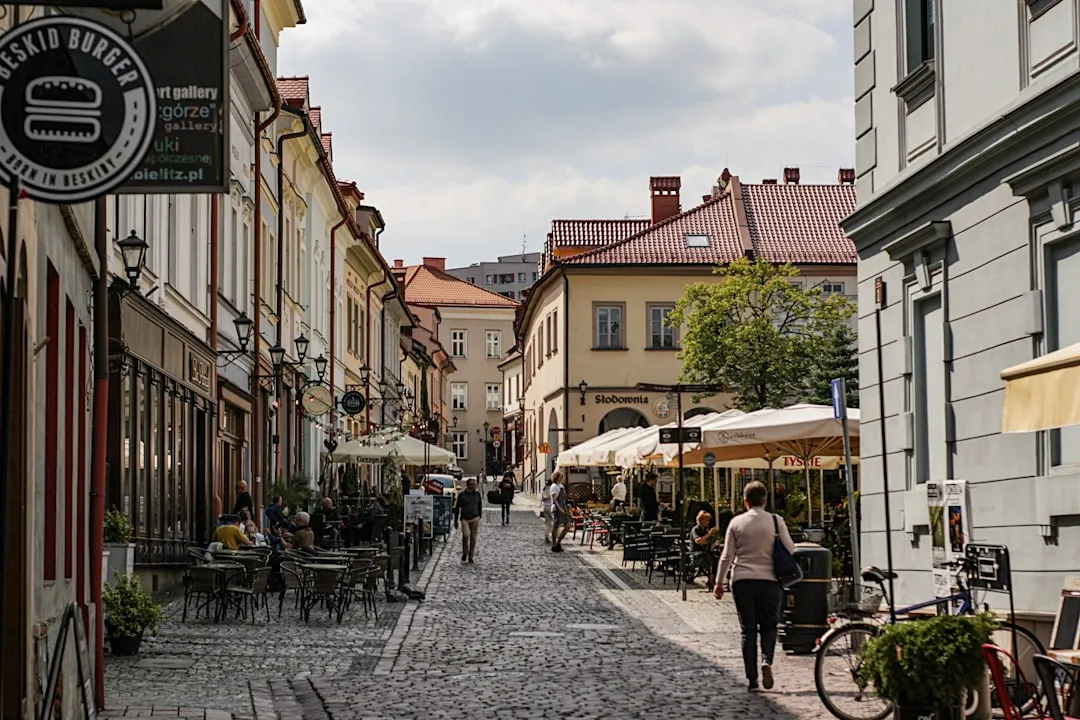
Downtown Greenville counts more than 200 restaurants within walking distance of its picture-perfect Main Street, with more than 1,000 across the county. This is an extraordinary concentration for a city of 75,000, and the foundation on which the culinary reputation has been built.
To put that in perspective, those numbers would be impressive for a city several times the size. The density means visitors can spend an entire long weekend eating their way through the downtown area without covering the same ground twice.
That reputation now rests on a critical mass of talented chefs and restaurateurs who chose Greenville not as a stepping stone but as a place to build something lasting. That distinction matters. This isn’t a scene propped up by outside investors or pop-up concepts chasing hype.
Michelin Comes South – and Greenville Is Ready
Michelin North America holds its North American headquarters in Greenville, a fact that predates the guide’s formal expansion into the South in 2025 and set a standard the local scene spent years rising to meet. When the Michelin Guide expanded its focus to the American South, Scoundrel became the first Greenville restaurant to earn a star.
Chef Joe Cash, who owns and runs the kitchen at Scoundrel, is now a 2026 James Beard Award finalist for Best Chef: Southeast, a distinction that would be remarkable in any city. In Greenville, it signals something bigger: a scene that has graduated from promising to legitimately elite.
The Michelin Guide American South 2025 includes one Two-Star, 18 One-Stars, 50 Bib Gourmands, and 159 selected restaurants across Alabama, Atlanta, Louisiana, Mississippi, North Carolina, South Carolina, and Tennessee. Greenville’s presence within that expanded guide gives it instant credibility on the national stage.
Star Chefs Are Trading Big Cities for Greenville
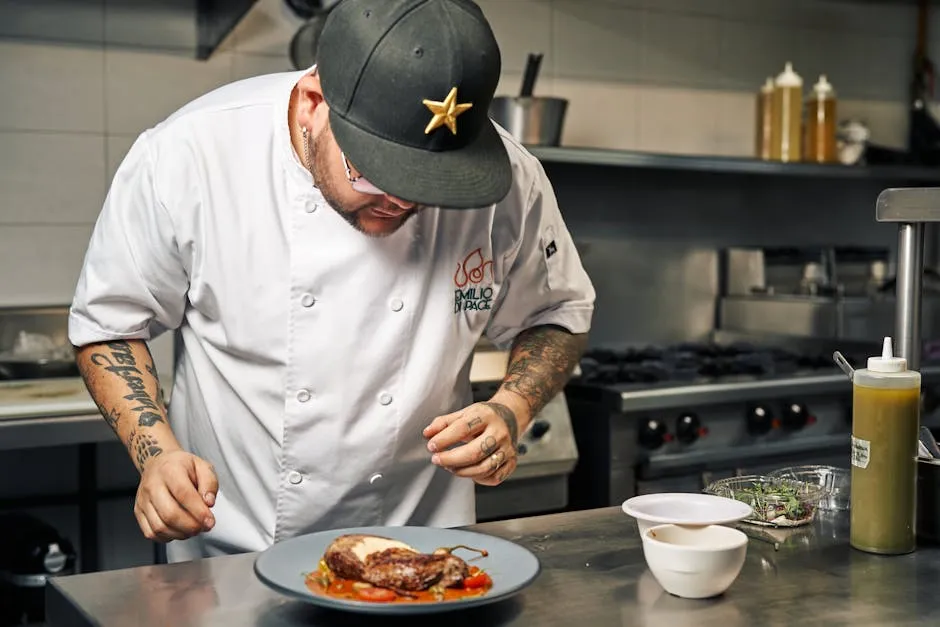
Chef Nico Abello opened L’Appart in Manhattan in 2016, where he held a Michelin Star for six consecutive years, before relocating to Greenville with his family. His tasting-menu restaurant, Enlō, is opening downtown at Riverplace in a 50-seat space overlooking the Reedy River.
Abello says that his new hometown offers a “quality of life that has attracted chefs from larger cities.” That pull is real and it’s showing up in the city’s dining rooms. Chefs at this level don’t take career risks lightly.
Abello has been workshopping his menu through pop-ups across the city while the space is being finished. Even before Enlō’s formal opening, those pop-up events have been drawing food-focused travelers on their own. Greenville’s growing culinary infrastructure makes that kind of anticipation sustainable.
Population Growth Is Fueling Demand for Better Food
A city of approximately 74,000 people, Greenville County’s population has grown to more than 570,000 people, an increase of over 20 percent since 2010, which has introduced a new group of diners to the region.
That growth matters because it creates a local customer base sophisticated enough to support ambitious cooking. Transplants from larger metros tend to bring expectations shaped by better-resourced food cities, and local restaurants have risen to meet them.
The result is a self-reinforcing cycle. More skilled chefs attract more curious diners, which attracts more skilled chefs. What is happening in Greenville right now is the result of serious culinary talent making a deliberate choice, not a flash of outside interest, but a sustained commitment by chefs, restaurateurs, and institutions that turned a small Southern city into one of the most closely watched food destinations in the country.
Top Chef Puts Greenville on National Television
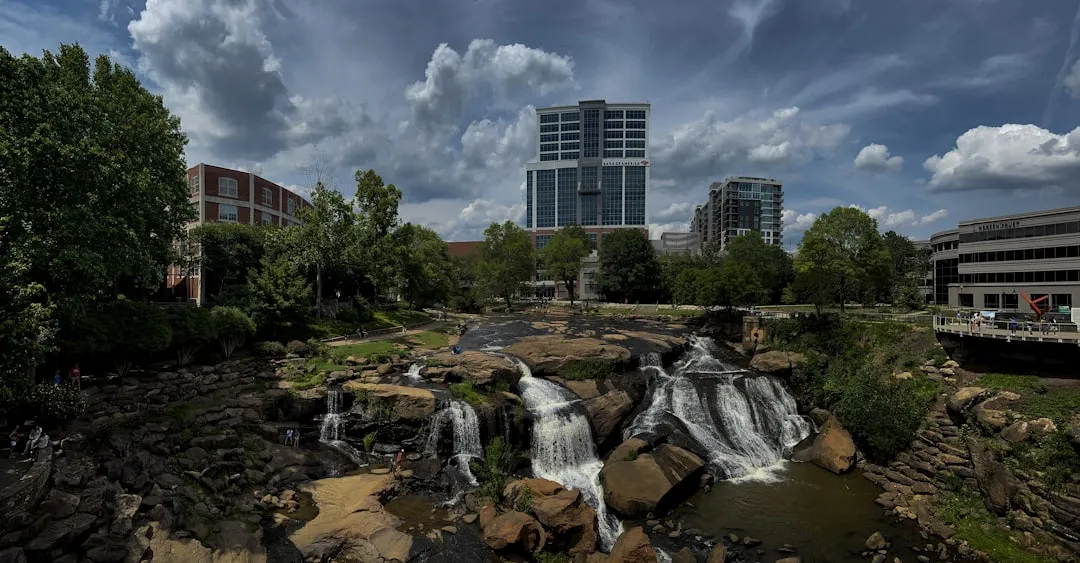
Top Chef Season 23 was centered in Charlotte, with several episodes filmed in Greenville, putting Upstate South Carolina’s food culture in front of a national cable audience for an entire season. It was filmed both inside restaurants and at local parks and landmarks.
Restaurants like Abyss hosted challenges, and diners can order a Top Chef inspired two-course meal through August at this and select other local restaurants. That kind of programming tie-in translates directly into tourism inquiries and reservation traffic.
Television exposure of this kind rarely creates a food scene on its own. In Greenville’s case, though, the cameras arrived after the substance was already there. The show introduced the city to a national audience, but the restaurants themselves gave visitors a reason to return.
The Euphoria Food Festival Draws Serious Culinary Talent
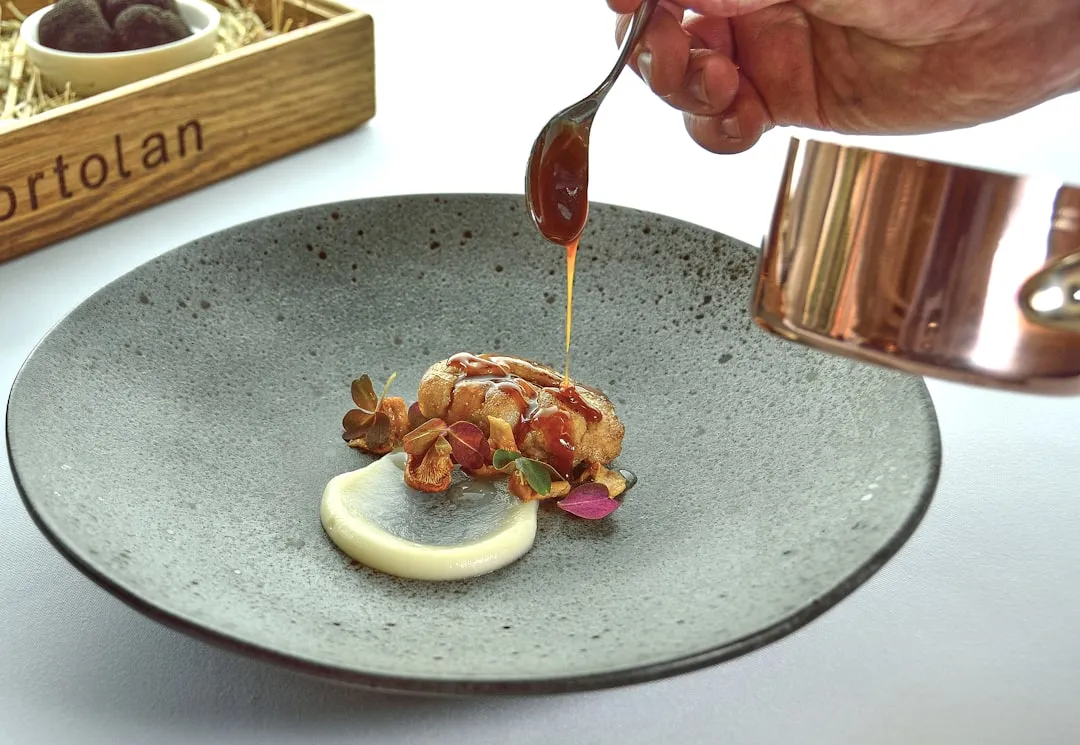
The euphoria2026, running September 17 through 20, will bring 89 events to Upstate South Carolina, with Michelin-recognized chefs headlining tasting dinners, cooking demonstrations, and wine seminars. The festival has distributed $105,000 to local nonprofits this year.
That nonprofit dimension reflects a festival with genuine community roots, not just a prestige event designed for out-of-town visitors. The forces compounding in Greenville right now, a 21-year-old nonprofit festival, a guide expanding southward, and serious chefs choosing a small city over major metros, point to structural depth, not a moment that peaks and fades.
A food festival that has been running for more than two decades and still draws Michelin-recognized talent is not a trend. It’s an institution, and that kind of durability is exactly what separates a real culinary destination from a temporary moment of attention.
Anchor Restaurants and a Thriving Wine Culture

Soby’s, a local favorite for over two decades, serves traditional Southern classics like shrimp and grits. Jones Oyster Company, known for its fresh oysters, are Greenville culinary institutions, and there’s also a new wave of chefs bringing new flavors to this city.
Ever since Greenville began revitalizing its downtown area, talented chefs and restaurateurs have been flocking to this burgeoning city to join its culinary community. Though anchored by its farm-fresh Southern fare, the city’s food scene is diverse, offering everything from dim sum and birria ramen to goat korma and gyros.
Soby’s received the Wine Spectator Grand Award in 2025, bringing its renowned cellar to the attention of wine enthusiasts nationwide. That kind of recognition signals a food-and-beverage culture that goes far deeper than just good cooking.
The Michelin South Certification – A Broader Regional Moment

Greenville, South Carolina, a Southern city in a part of South Carolina called the Upstate, served as the setting for Top Chef’s 23rd season. It’s also where a ceremony celebrating the Michelin Guide’s recipients of awards in the American South was held in November 2025, with Michelin North America’s headquarters located here.
Across the American South, a new culinary clarity is taking hold. In Alabama and Mississippi, chefs elevate regional staples with restraint; Atlanta anchors innovation; Louisiana deepens its Creole and Cajun authority; the Carolinas refine seafood and whole-hog traditions; and Tennessee sharpens its smoke-driven identity.
Greenville sits within that broader regional momentum, but it stands out for a specific reason: it combines the prestige of formal recognition with the approachability of a small city where a great meal doesn’t require months of planning or a difficult reservation.
What the Food Scene Actually Looks Like on the Ground
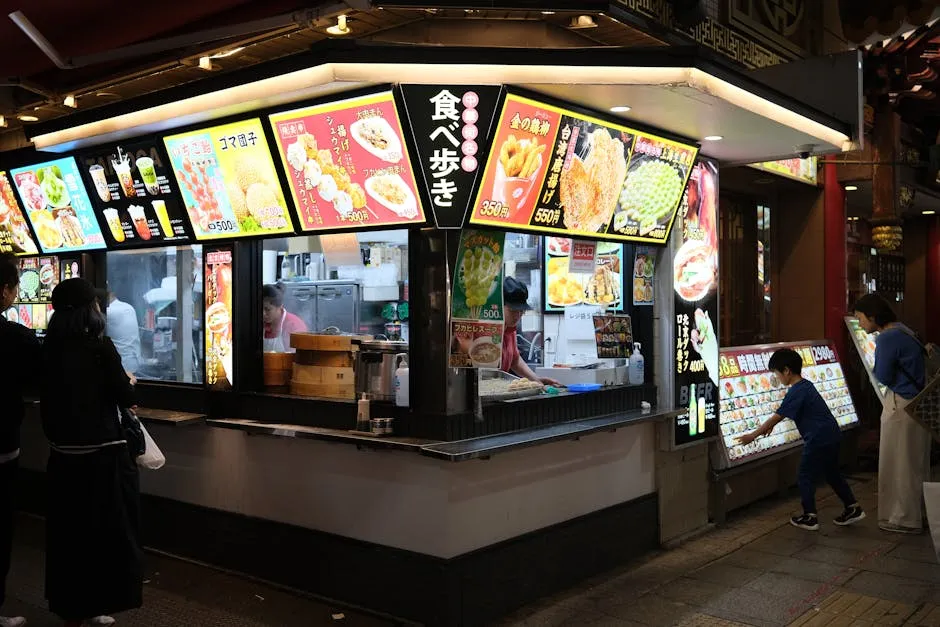
Greenville’s scene tacks on coffee shops like Methodical and bakeries like Rise, making it a no-brainer foodie destination. It’s not just fine dining that makes a city’s food culture compelling. The strength of the everyday spots matters just as much.
Greenville, South Carolina, is a food lover’s dream, where taste buds are tickled and culinary horizons expanded. Whether you’re a seasoned gourmet or simply someone who appreciates good food, Greenville’s food scene is a treasure trove of surprises and delights.
The range is genuine. Visitors can move from a casual oyster bar lunch to a proper tasting menu dinner without the experience feeling forced or out of proportion to the city’s scale. That balance is actually rare, and it’s one of the things people who’ve visited tend to mention most.
Why the Timing in 2026 Feels Different
Greenville is no longer a discovery. It is a destination, and the rest of the country is just now catching on. That’s a meaningful shift. For years, Greenville’s food scene was a well-kept secret known mainly to Southerners and the food press. That window is closing.
Across the American South, a new culinary clarity is taking hold. Greenville is the clearest example of that clarity: a city that built its food culture patiently, from the ground up, and is now watching the rest of the country notice what was always there.
The indicators all point in the same direction. Michelin recognition, James Beard nominees, world-class chefs relocating from Manhattan, a population that has grown by more than a fifth in just over a decade, and a food festival with two decades of history. This is not hype. It’s infrastructure, and the best food cities are always built on exactly that.
AI Disclaimer: This article was created with the assistance of AI tools and reviewed by a human editor.