


Most Americans who dream of a wildlife safari picture Africa. The sweeping savanna, the dust clouds kicked up by a running herd, the silence of a predator watching from tall grass. What surprises many seasoned wildlife travelers is that something genuinely comparable is happening right now in the badlands of North Dakota, inside a compact and often overlooked national park named after one of America’s most famous conservationists.
Set in the colorful canyons of the western North Dakota Badlands, Theodore Roosevelt National Park is a destination that deserves to be on every wildlife traveler’s list. Without the crowds and waiting lines common to some parks, it’s easy to discover a real sense of freedom here. Wildlife experts, travel specialists, and conservation researchers have started paying much closer attention to this park in recent years, and for good reason.
A Park Punching Far Above Its Size
Theodore Roosevelt National Park protects more than 70,000 acres across three distinct park units. Of that total, nearly 30,000 acres are formally designated as Wilderness Area. That’s a modest footprint by national park standards, but the density of wildlife encounters per square mile is genuinely remarkable.
Visitors widely report close wildlife sightings right near roads, making this an accessible safari-style destination. That ease of encounter, without needing a professional tracker or a private vehicle convoy, is part of what sets this park apart from larger, more celebrated wilderness areas.
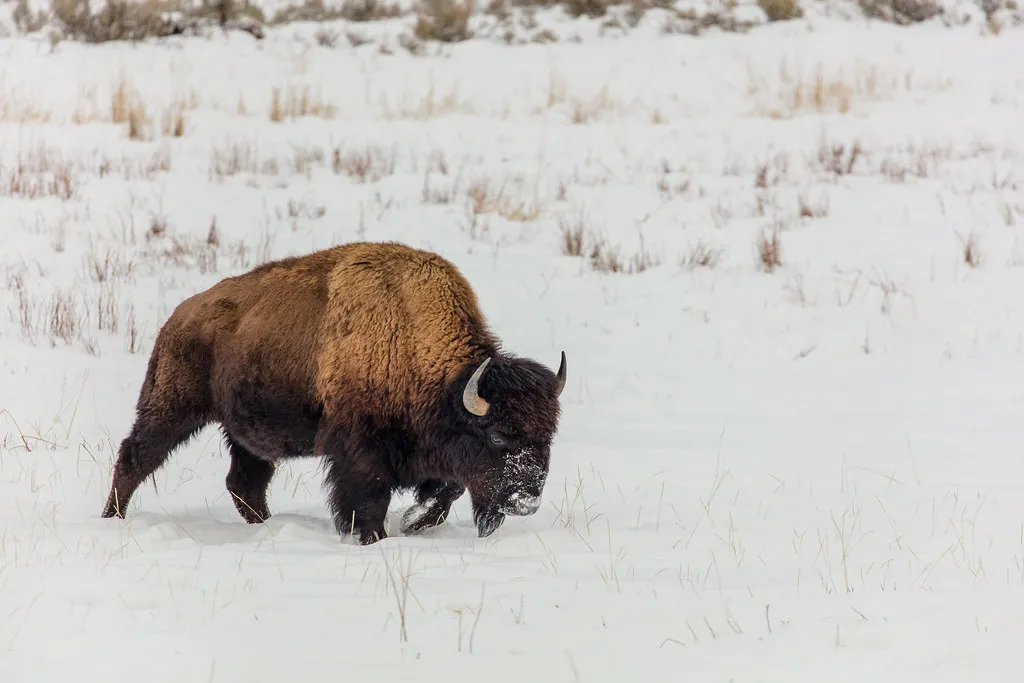
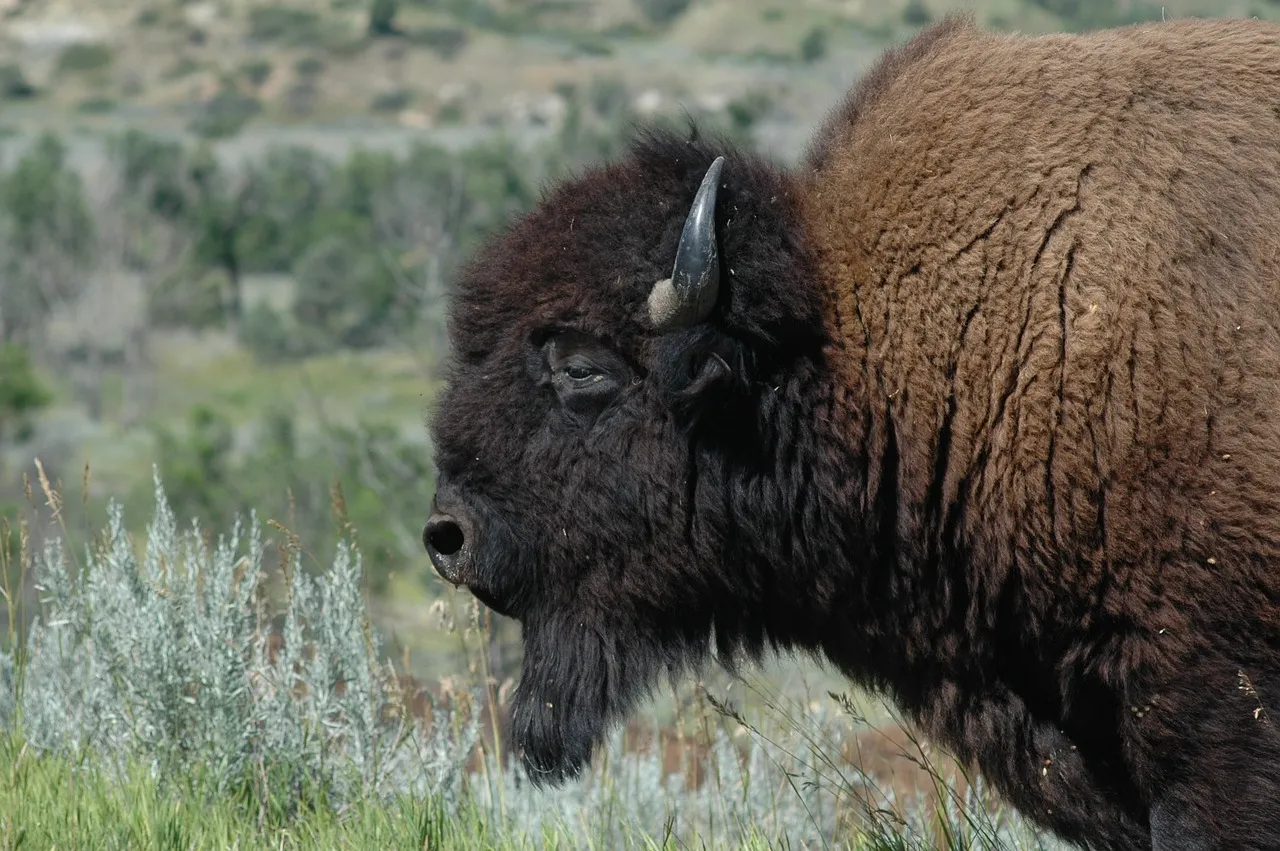
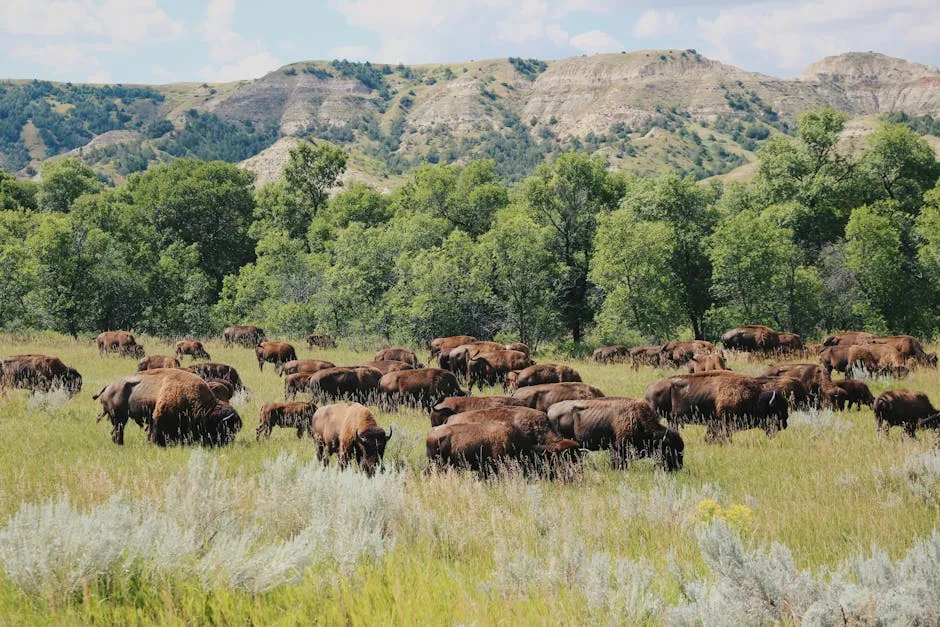
Bison roam freely, prairie dogs pop in and out of burrows, and wild horses run across the plains with cinematic flair. Unlike more crowded national parks, the experience here still feels personal, spacious, and grounded in nature.
The Wildlife Lineup That Impresses Experts
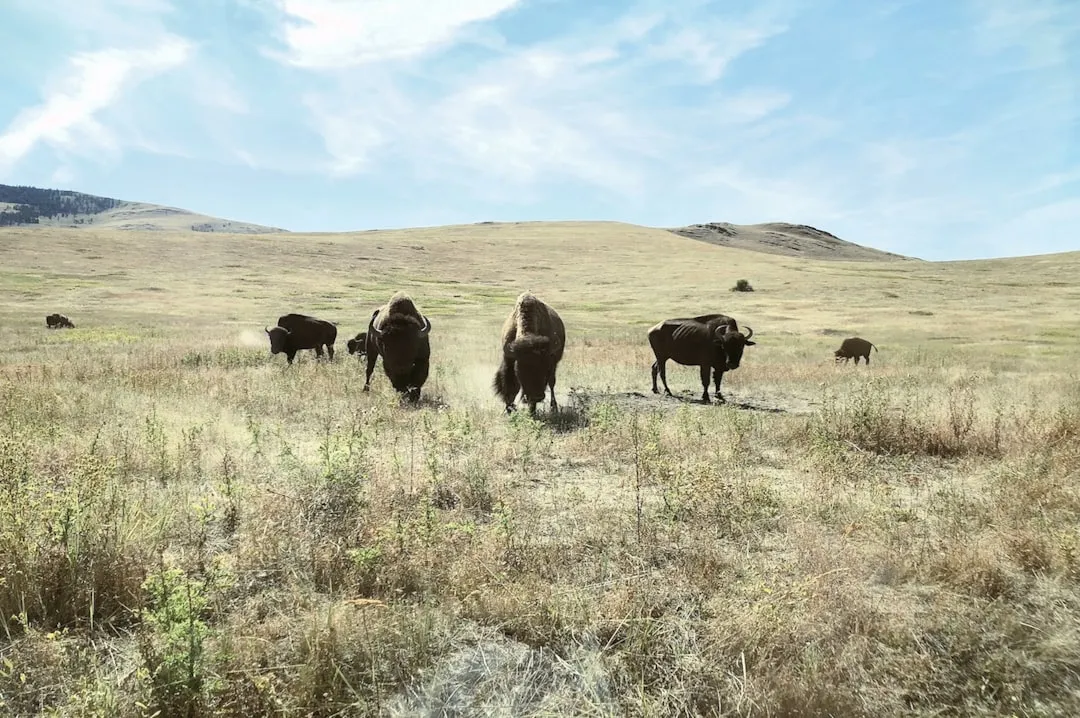
The park is home to a wide variety of Great Plains wildlife, including bison, coyotes, cougars, mustang horses, badgers, elk, bighorn sheep, white-tailed deer, mule deer, pronghorn, prairie dogs, and at least 186 species of birds including golden eagles, sharp-tailed grouse, and wild turkeys. That is a remarkably dense roster for a park this size.
The abundance of native grasses in the park provides sustenance for grazing animals such as bison, pronghorn, and mule deer, while the different habitats attract a wide range of birds. The park’s badlands terrain also creates microclimates, such as warm and dry slopes and cool juniper woodlands, which support diverse animals like bighorn sheep, coyotes, and beavers.
The south unit alone is home to a herd of approximately 300 American bison and a historic demonstration herd of feral horses. Elk, coyotes, and prairie dogs complete the scene. Few places on earth offer this combination in one afternoon drive.
The Wild Horses: An Encounter Found Almost Nowhere Else
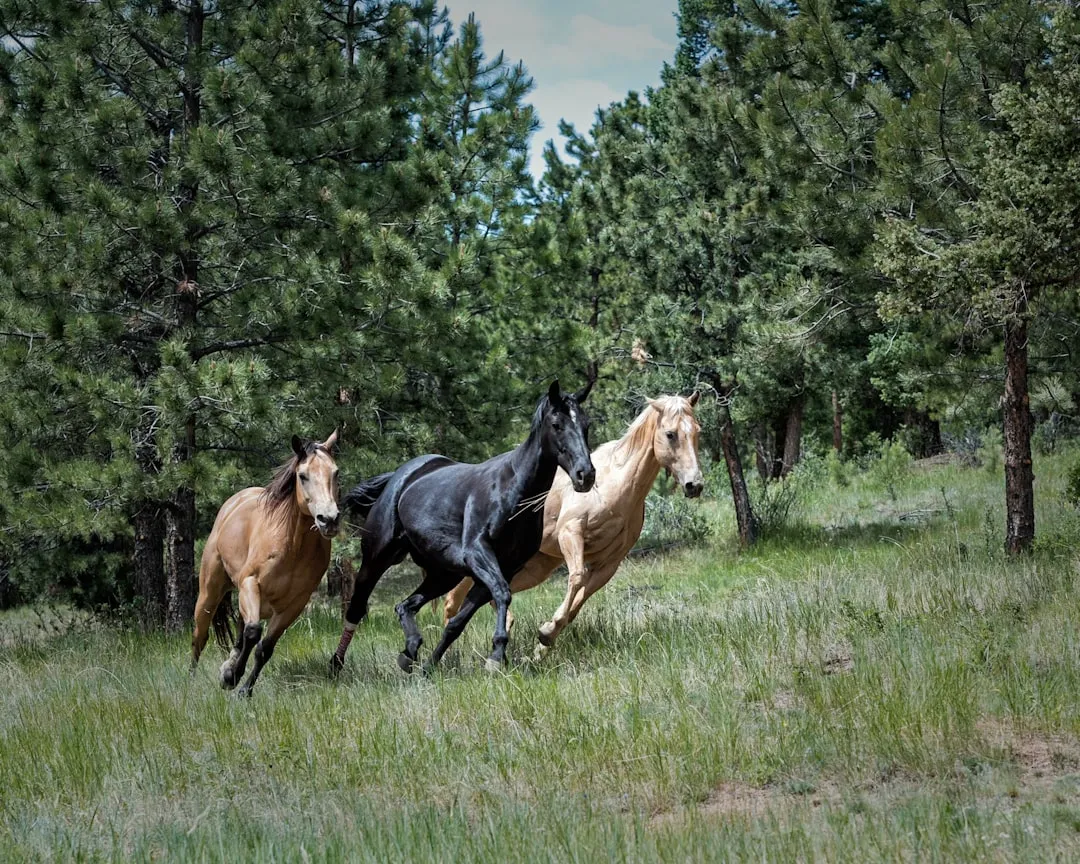
Bison, wild horses, bighorn sheep, and deer roam freely throughout the park, often spotted near the banks of the Little Missouri River. For a chance to encounter wild horses up close, venturing into the South Unit is where sightings are most frequent.
A few small bands of horses eluded capture during an early roundup and went unclaimed. These horses continued to live free-range in the park. A change of park policy in 1970 recognized the horse as part of the historical setting. They have lived wild here ever since.
Watching a band of feral horses cross an open ridge at dawn is the kind of sight that travel writers tend to use loosely. Here, it simply happens. Regularly. Without a guide.
The Bison Story: Conservation in Real Time
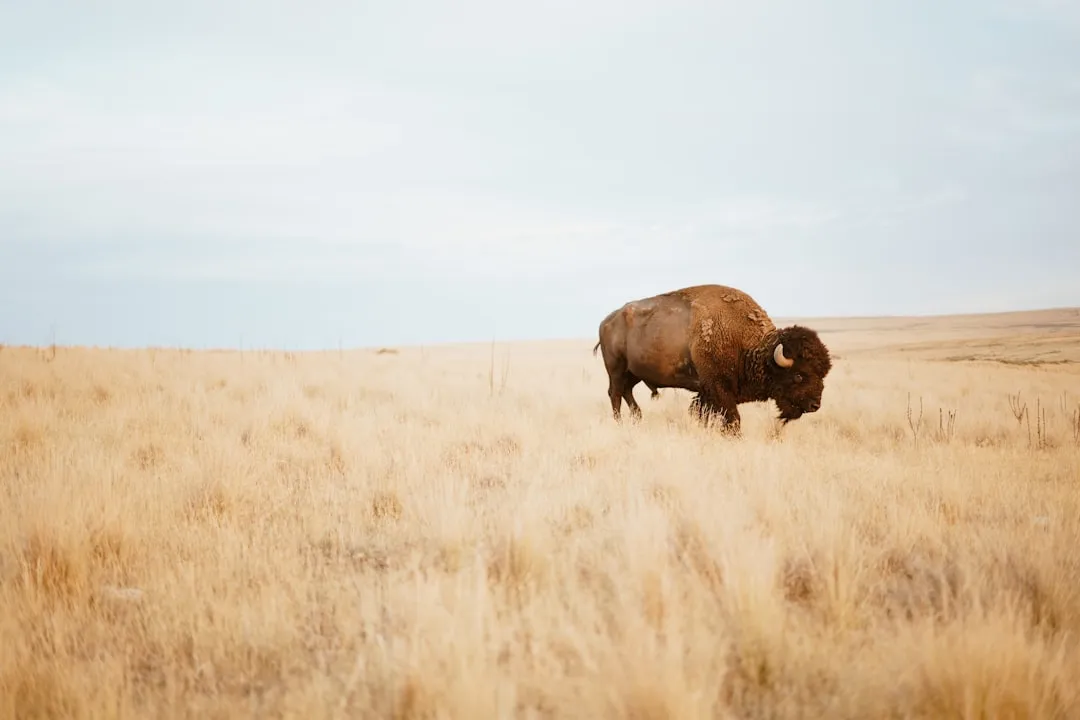
Twenty-nine bison were introduced to the South Unit in 1956, and 20 bison from that herd were subsequently transferred to the North Unit in 1962. The herds are routinely managed to maintain healthy population levels.
The bison are shared with Native American tribes to increase numbers in existing tribal herds and provide genetic diversity. The conservation of bison is an ongoing, diverse effort to bring bison back from the brink of extinction.
Prairie dogs are considered a keystone species because of their foraging and burrowing behaviors that mix soils and promote native plant diversity, critical to healthy landscape ecology. They also serve as a prey base for a variety of other native wildlife. The entire food web here is functioning, not reconstructed for tourism.
Safari-Style Drives Through the Badlands
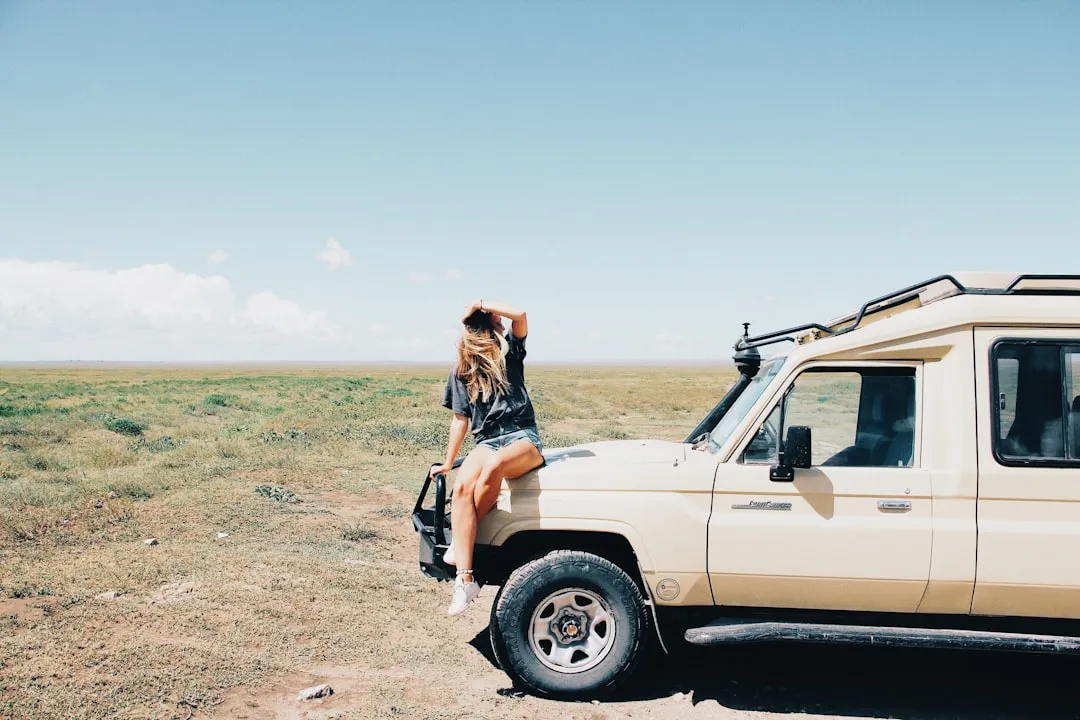
The easiest way to explore Theodore Roosevelt National Park is by private vehicle. The south unit features a 36-mile loop road that winds through the badlands and past the park’s most popular features. This road is essentially a slow wildlife corridor, and animals seem to know it.
Park trails and drives take visitors to scenic vistas with stunning views of the Painted Canyon and the Little Missouri River, a petrified forest, and open range populated by bison, horses, elk, prairie dogs, and other wildlife.
Both main units of the park have scenic drives, approximately 100 miles of foot and horse trails, wildlife viewing, and backcountry hiking and camping. The depth of access, by foot, by horse, or by vehicle, makes the safari experience genuinely flexible.
Why It Stays Uncrowded Despite the Quality
The park receives nearly 600,000 visitors each year. That figure sounds significant until you compare it to the twelve million plus visitors that pour into Great Smoky Mountains annually, or the millions who descend on Yellowstone each summer.
Visitor numbers have jumped sharply in recent years, with social media and renewed interest in Roosevelt’s legacy drawing more travelers. Meanwhile, the park ranks just outside the top 30 most visited U.S. national parks. It remains, for now, genuinely spacious.
Despite its remote location, Theodore Roosevelt National Park rewards intrepid travelers with its stunning natural beauty and abundant wildlife. The distance that discourages casual tourists is precisely what keeps encounters here feeling unscripted.
National Geographic Just Put This Region on the 2026 List
The North Dakota Badlands made the list as a must-visit destination, one of the best places in the world to travel to in 2026, handpicked by National Geographic’s editors, photographers, and adventurers. That endorsement from one of travel’s most authoritative voices is not a small thing.
The proposed Theodore Roosevelt Presidential Library near Medora is expected to open in 2026 and is already drawing attention for its sustainable design and historical relevance. It will connect to the Maah Daah Hey Trail and provide educational exhibits about Roosevelt’s Badlands years.
New adjacent attractions like the Three Affiliated Tribes National Park and the upcoming Presidential Library in Medora are shining a bright new light on the region. These projects promise expanded trails, cultural storytelling, visitor amenities, and sustainable tourism plans. The infrastructure around this park is growing thoughtfully.
Night Skies and Immersive Wildlife Evenings
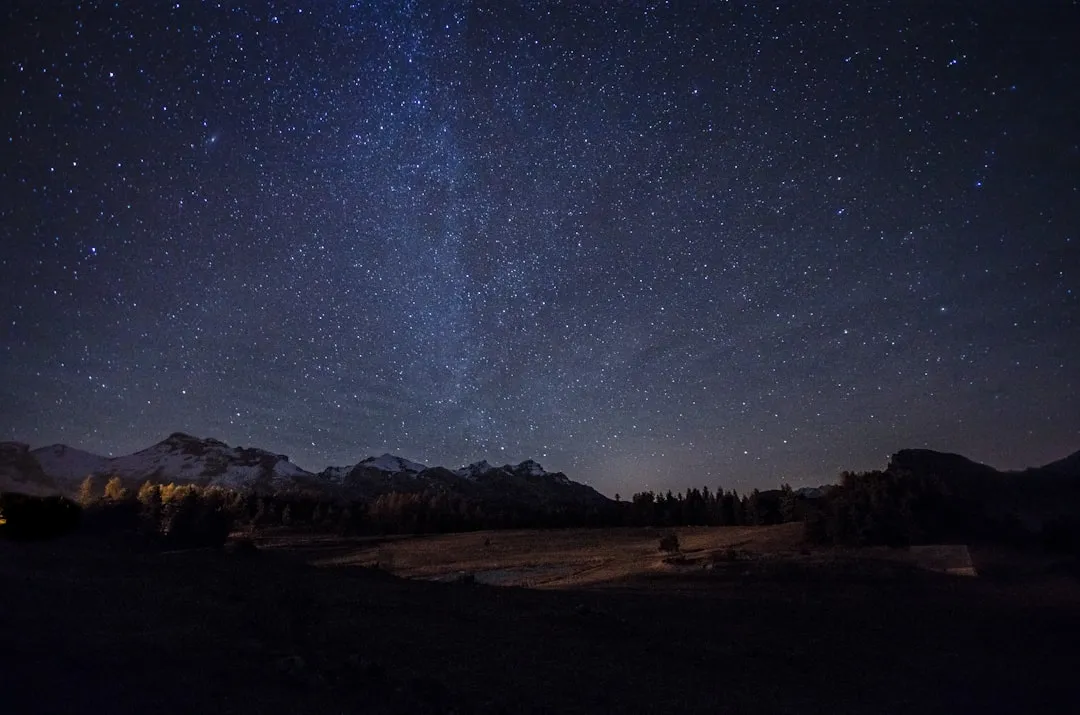
Night skies here are dark and starlit, making the park ideal for astronomy lovers and photographers. The absence of major urban development for hundreds of miles in every direction means the Milky Way is genuinely visible most clear nights.
Photographers and night-sky chasers have started spotlighting the park thanks to minimal light pollution. The Milky Way is vividly visible on clear summer nights, with ranger-led astronomy programs adding a thoughtful touch. Even amateur photographers leave with postcard-worthy shots from Wind Canyon or Buck Hill at sunset.
Designated backcountry camping and wilderness areas offer peaceful solitude under big skies. Ranger-led programs and scenic overlooks add context and ease for first-time visitors. The park meets you at whatever experience level you bring.
How It Compares to Other Wildlife-Dense Parks
With over 33,148 wildlife species recorded across U.S. national parks, several stand out as the best destinations for wildlife enthusiasts. Theodore Roosevelt is rarely first on that list, but when you factor in density, accessibility, and the sheer visibility of large mammals, it competes far more seriously than its visitor numbers suggest.
More than half of Americans enjoy watching wildlife when partaking in outdoor activities like hiking, camping, and fishing. Theodore Roosevelt National Park is one of the few places in the country where multiple large mammal species are reliably visible from a moving vehicle without any specialized equipment or guided tour.
Congaree in South Carolina is one of America’s smaller national parks, but with 362 wildlife species and 804 plant species per 100 square kilometers, it packs a mighty punch. Theodore Roosevelt operates on a similar principle: intimate scale, outsized wildness.
When to Go and What to Expect
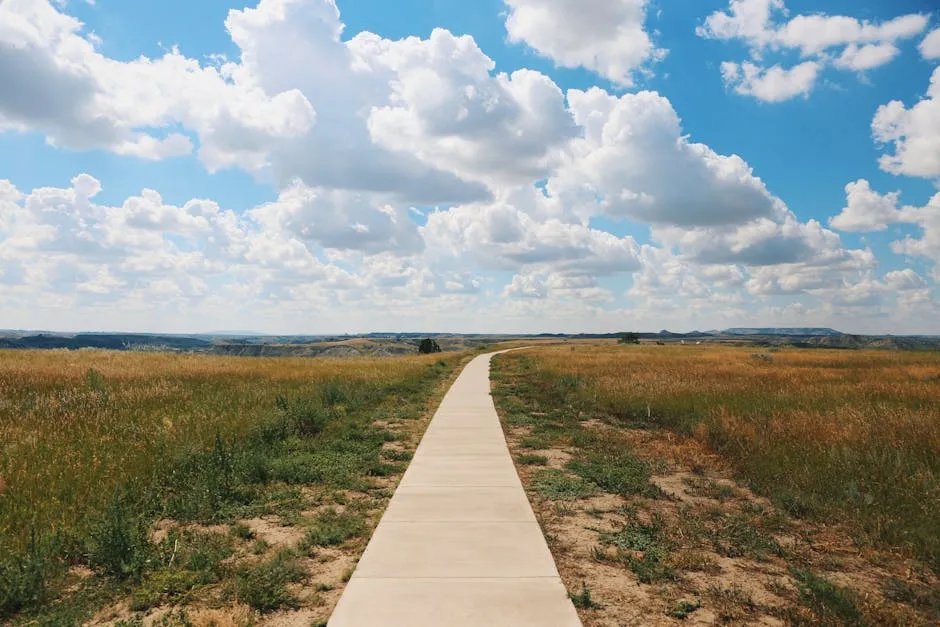
Early summer is ideal: grasses turn green, flowers bloom, wild animals graze, and the sky stays clear. Summer can bring heat, wind, and sudden storms, so layers and sun protection are key.
Allow at least two or three days to explore the South and North Units fully. Start in the south near Medora for scenic access, then head into quieter north and Elkhorn areas for solitude and more wildlife chances.
Theodore Roosevelt National Park is remote, rugged, and lesser-known compared to top-ranked parks, offering solitude even as visitor numbers continue to rise. That combination is increasingly rare, and increasingly valuable.
The Verdict From Wildlife Specialists
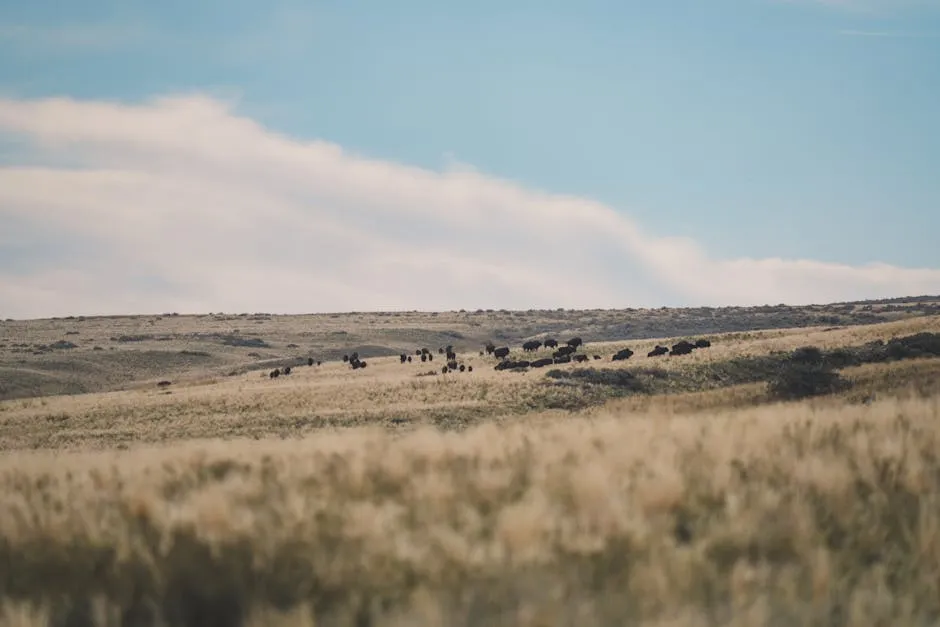
From the rolling badlands to the winding rivers, this park showcases the untamed wilderness that inspired Teddy Roosevelt to become a conservationist and advocate for national parks. The land shaped the man, and the man shaped American conservation policy for generations.
Theodore Roosevelt National Park had a transformative effect on the nation’s “Conservation President,” and it has the same effect on visitors today. With its uncrowded spaces, amazing vistas, and views of wild horses and bison roaming free, the park is much like it was when Roosevelt ranched and hunted in the North Dakota Badlands.
In America, many have become apart from wildlife rather than a part of the wild. Travel specialists focused on conservation want their safaris to explore the experience of restoring our relationship with the natural world. North America once had the greatest concentrations of megafauna on the planet, and there is genuine potential to revive functioning ecosystems through conservation. Theodore Roosevelt National Park is one of the clearest living examples that this restoration is already underway.
There’s a quiet satisfaction in discovering that one of North America’s most compelling wildlife experiences has been sitting in the North Dakota Badlands all along, waiting for travelers willing to drive a little further and slow down enough to actually see it.
AI Disclaimer: This article was created with the assistance of AI tools and reviewed by a human editor.