
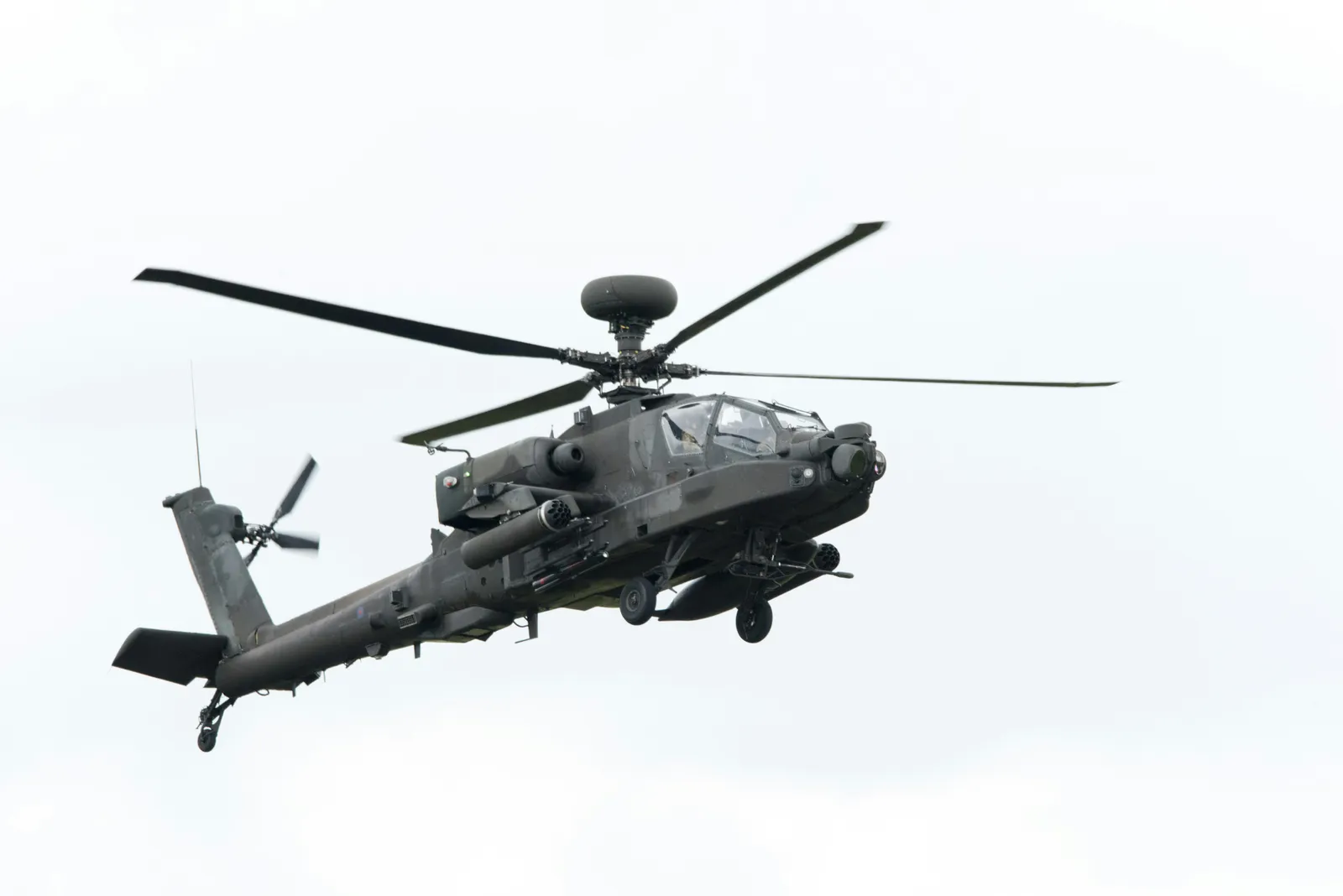

The U.S. military carried out its first sea drone rescue after an Apache helicopter went down near the Strait of Hormuz. The operation recovered the crew from the water using an unmanned maritime system. Authorities have opened an investigation into the cause of the crash.
What Happened During the Incident
An Apache helicopter operating in the region experienced a crash that placed its crew in immediate need of recovery at sea. Standard response procedures were supplemented by the deployment of a sea drone, which successfully reached the personnel. The sequence demonstrated how unmanned systems can support rapid extraction in challenging maritime conditions.
The Strait of Hormuz provided the setting for the event, a narrow passage known for heavy maritime traffic. The crash itself triggered the coordinated effort that ultimately relied on the drone for the final rescue phase. Details remain limited while the formal review proceeds.
The Milestone Sea Drone Operation
This rescue stands out because it represents the first documented instance of a sea drone being used by the U.S. military to save personnel following an aviation incident. Previous recovery methods have depended on manned vessels or aircraft, making the unmanned approach a clear departure. The drone completed the extraction without requiring additional manned assets in the immediate area.
Military planners have long explored unmanned options for dangerous or time-sensitive missions. The successful outcome in this case provides an early real-world example of how such technology can integrate into emergency protocols. Officials have not released further technical specifications about the drone involved.
Investigation Underway
Determining the precise cause of the Apache crash remains the focus of the ongoing inquiry. Investigators will examine flight data, maintenance records, and environmental factors to establish what led to the incident. The review follows standard military procedures for aviation mishaps.
Until the investigation concludes, the military has offered no additional public statements on contributing factors. The emphasis stays on completing a thorough analysis while protecting operational security. Updates are expected only after key findings emerge from the process.
Broader Context for Military Capabilities
The combination of a helicopter crash and a drone-assisted rescue illustrates the expanding toolkit available to forces operating in contested or remote waters. Unmanned systems can reduce risk to personnel during the most hazardous phases of a recovery. This case adds a concrete data point to ongoing discussions about integrating such technology more widely.
Future operations may draw on lessons from this event as the military refines its approach to maritime emergencies. The incident also highlights the continued importance of conventional aircraft like the Apache alongside newer unmanned platforms. Attention now turns to the results of the formal review.
AI Disclaimer: This article was created with the assistance of AI tools and reviewed by a human editor.