
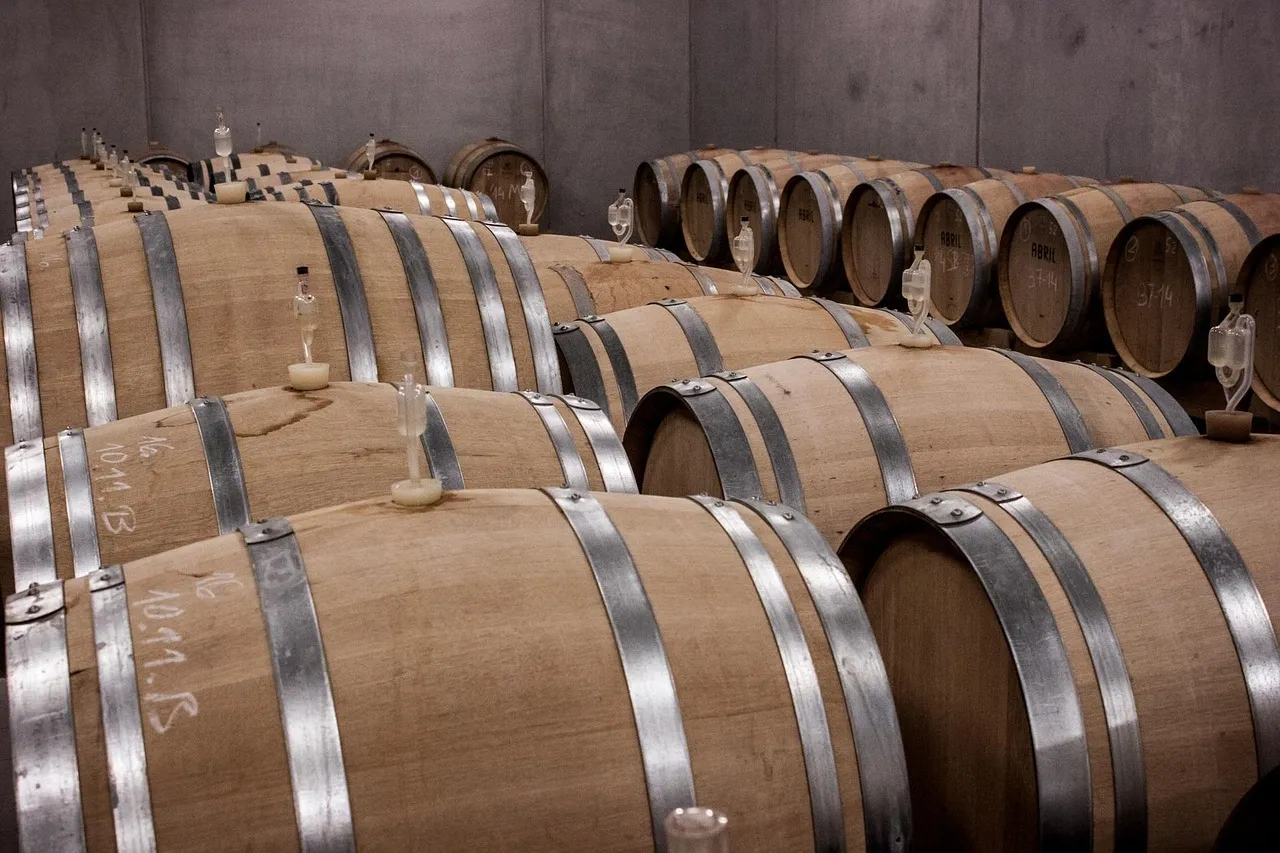

Most conversations about American wine start and end the same way: Napa Valley. While every state in America produces wine, much of the U.S. wine conversation is still centered around California’s Napa Valley. That’s understandable, but it misses a bigger and frankly more exciting story playing out across the country.
From volcanic soils in New Mexico to limestone hills in Texas and Gold Rush vineyards in the California mountains, the United States holds wine regions that are producing genuinely world-class bottles, often at a fraction of Napa’s price. Curiosity is rising for lesser-known varietals and emerging regions, especially among Millennials and Gen Z, who often discover wine through restaurants, indie shops, and social media rather than traditional varietal loyalty. These are the places worth putting on your map.
1. The Finger Lakes, New York: Cool-Climate Depth You Won’t Expect
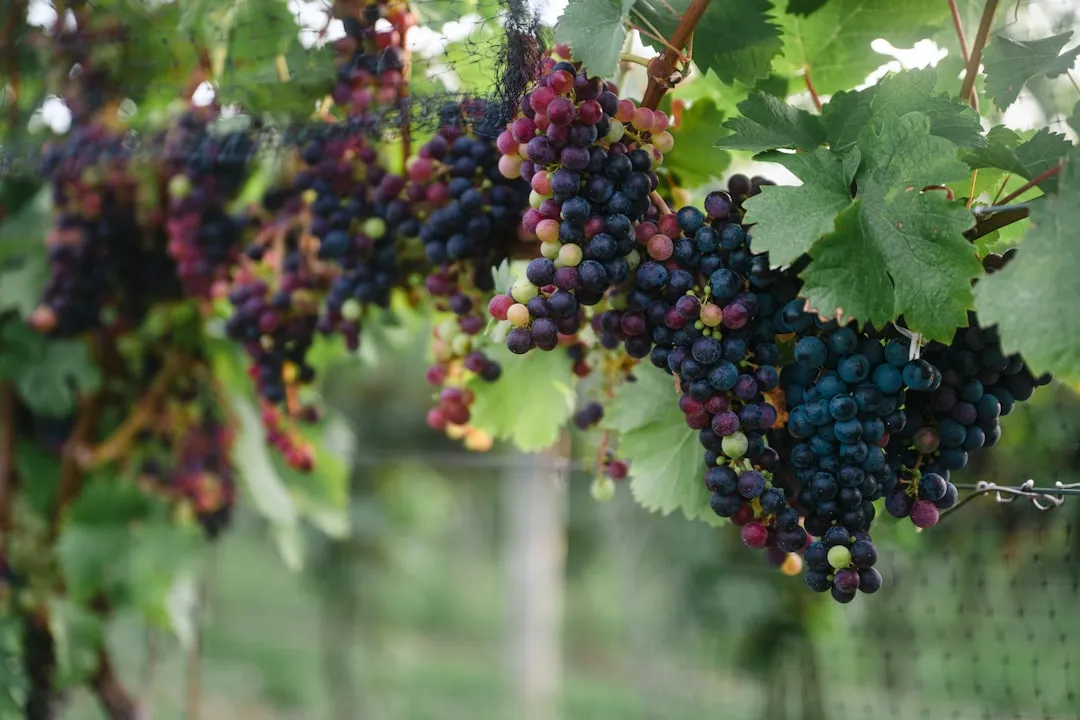
Nestled in upstate New York, the Finger Lakes region is a picturesque area renowned for its cool-climate wines. The deep glacial lakes provide a unique microclimate that is conducive to grape cultivation, and Riesling thrives here, producing vibrant, aromatic wines with a perfect balance of acidity and sweetness.
While the Finger Lakes is known for its Rieslings and ice wine, its red wines do not get nearly as much attention. The region primarily grows Pinot Noir, Cabernet Franc, and Merlot, but there are lesser-known grapes showing great quality and value, like Blaufränkisch, a varietal rarely seen outside of Central Europe.
Napa has the glamour and Willamette has the cool factor, but the Finger Lakes has world-class Riesling alongside a scrappy ingenuity you can taste in the glass. A winemaker there might pour you a dry Riesling that could stand toe-to-toe with Germany, then tell you they also make a pét-nat, a traditional-method sparkling, and an experimental skin-contact Gewürztraminer just for fun. This is a region that earns its place on any serious wine traveler’s itinerary.
2. Texas Hill Country: Bigger Than You Think, Better Than You’d Guess
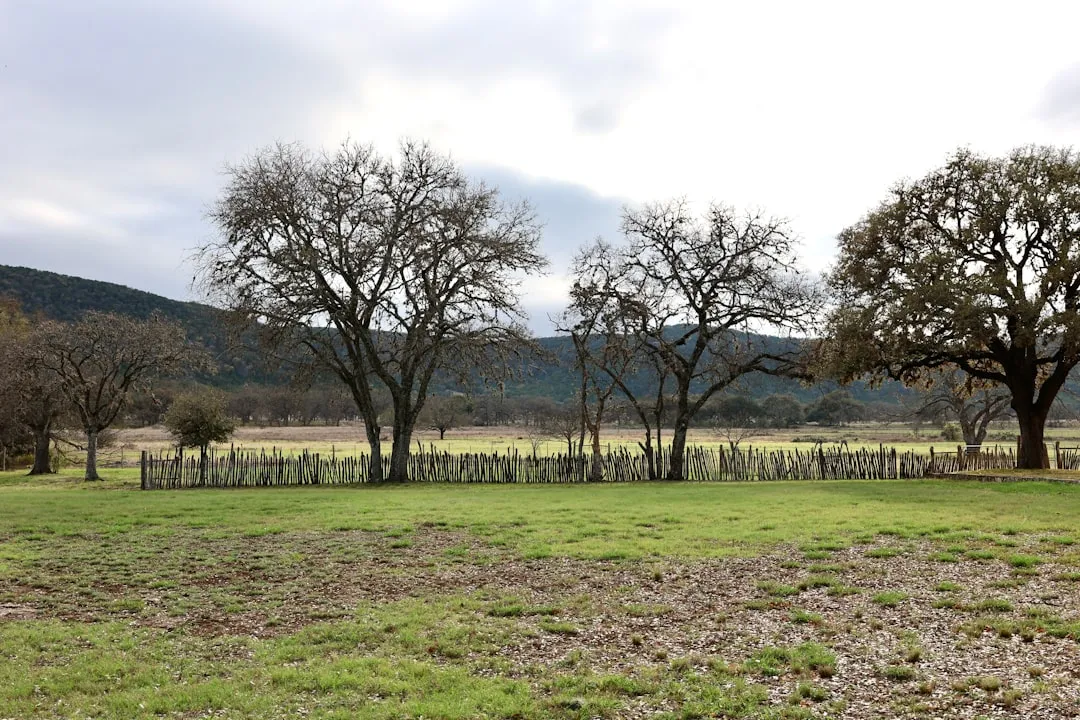
Texas Hill Country is the third largest AVA in the United States, one of the fastest-growing wine regions in the country, and just a short drive from Austin and San Antonio. With over 100 wineries, dramatic landscapes, and a growing reputation for quality Mediterranean-style wines, this region is quickly becoming a must-visit destination.
The Texas Hill Country wine region has experienced tremendous growth over the past few decades through the addition of new wineries and vineyards. The Hill Country’s booming wine region has largely contributed to Texas becoming the fifth-largest wine producing state in the nation, with an economic impact of more than 20 billion dollars, according to a 2022 report by WineAmerica.
The wine tasting scene is experiencing explosive growth, with over 60 grower-producers and hundreds more winery brands to discover. Quality is on the rise while prices for wine and experiences remain markedly lower than those in popular regions throughout California and the Pacific Northwest. Tempranillo and Tannat are emerging flagship reds, while Viognier delivers award-winning whites.
3. Sierra Foothills, California: Gold Rush Country With Ancient Vines
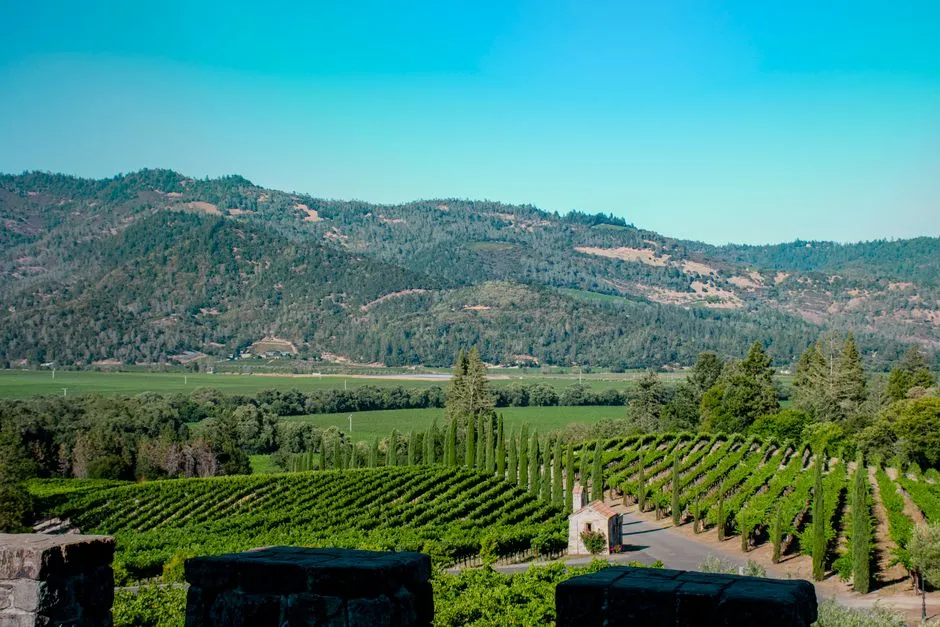
The California wine region is home to the oldest Zinfandel grapes in the USA and boasts a rich history dating back to the Gold Rush era, when southern Europeans settled in the area and brought a rich winemaking tradition. Today, the Sierra Foothills AVA spans over 2.6 million acres and is home to more than 40 wineries in Amador County alone.
The vineyards in the Sierra Foothills region are located between 1,500 and 3,000 feet, where elevation creates a four-season climate. Generally, this area has warm days and cool nights, a combination that creates a perfect situation for growing hearty grape varietals such as Zinfandel and Syrah, which can withstand the varying temperatures.
Those old vineyards still exist, and many old vine Zinfandels have been found. A vineyard in the California Shenandoah Valley is said to be 140 years old. New vineyards have also popped up, as land here is cheaper than in other well-known wine regions. For visitors who love discovering wines with genuine history behind them, the Foothills deliver something you simply cannot replicate elsewhere.
4. Lodi, California: The Old Vine Capital America Keeps Overlooking
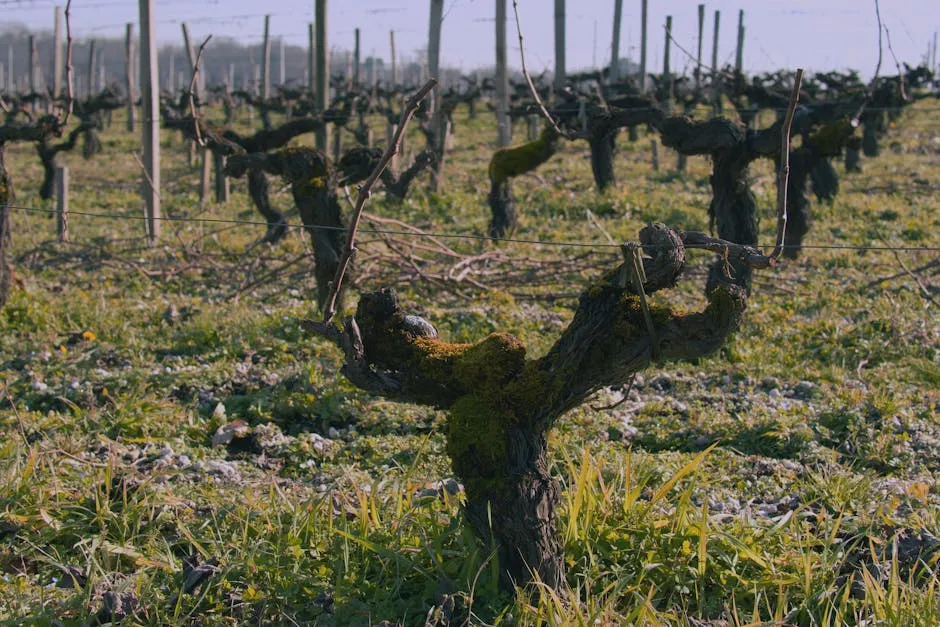
Located just south of Sacramento, Lodi is often called the Zinfandel capital of the world, thanks to its vast plantings of old, gnarled vines, some over 100 years old. Some vineyards date back to the 1880s, having survived both phylloxera and Prohibition, and many of these ancient vines are still in production, yielding low quantities of deeply concentrated, expressive fruit.
Lodi preserves rare heritage plantings of Carignan, Cinsaut, and Alicante Bouschet, and is home to the Bechthold Vineyard, the oldest Cinsaut vineyard in the world, planted in 1886. Long known for supplying grapes to big-name producers, Lodi has recently stepped into the spotlight with a new generation of small wineries focused on quality, sustainability, and innovation. The region is now drawing in serious wine lovers with its creative tasting rooms, deep-rooted history, and a fresh sense of identity.
Lodi’s warm days and cool delta breezes provide ideal growing conditions for a wide range of grapes. The region has seven AVAs, and its soils include fine sandy loam, alluvial fans, and well-draining clay. The vibe is unpretentious and rooted in agriculture, and prices remain refreshingly affordable compared to the coast.
5. Monticello AVA, Virginia: Where Thomas Jefferson’s Dream Is Finally Coming True
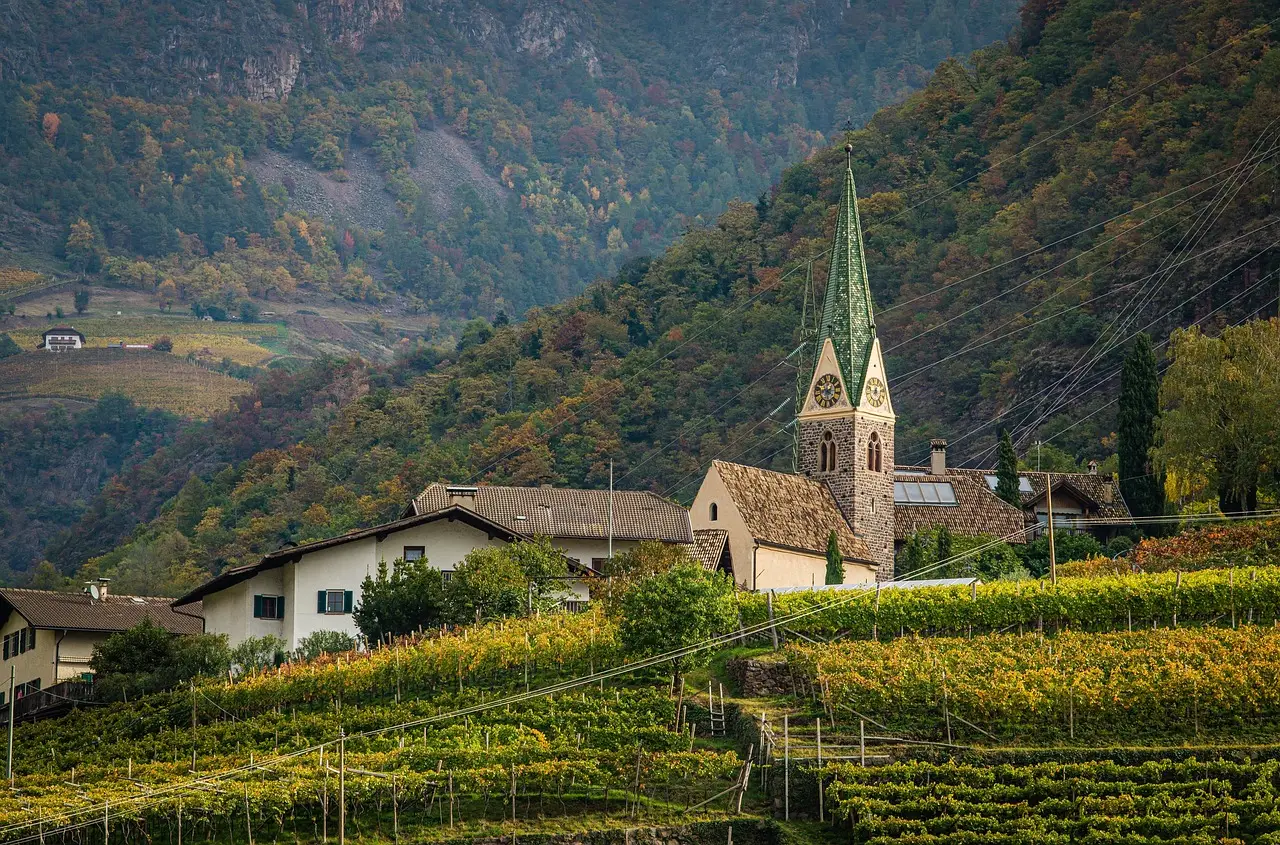
As a state, Virginia staked an early claim on Viognier, a lesser-known, expressive French variety that enjoys Virginia’s warmer, humid climate. Loudoun County winemakers have continued to follow suit, pioneering American expressions of challenging, humidity-tolerant grapes such as Albariño, Petit Manseng, Petit Verdot, and Tannat.
Experts have highlighted a Virginian renaissance that utilizes centuries-old vines, with vineyards growing varietals often only seen in Central Europe. The Monticello AVA sits in the heart of this resurgence, anchored by the rolling Piedmont landscape and a serious commitment to estate-grown fruit.
The Monticello AVA in Virginia continues to impress. Early Mountain’s Petit Manseng, described as rich, supple, and versatile, pairs wonderfully with seafood and exemplifies the quality emerging from this region. Virginia still flies below most travelers’ radar, which honestly makes it more rewarding to visit right now.
6. Western North Carolina: Mountain Wines That Genuinely Surprise
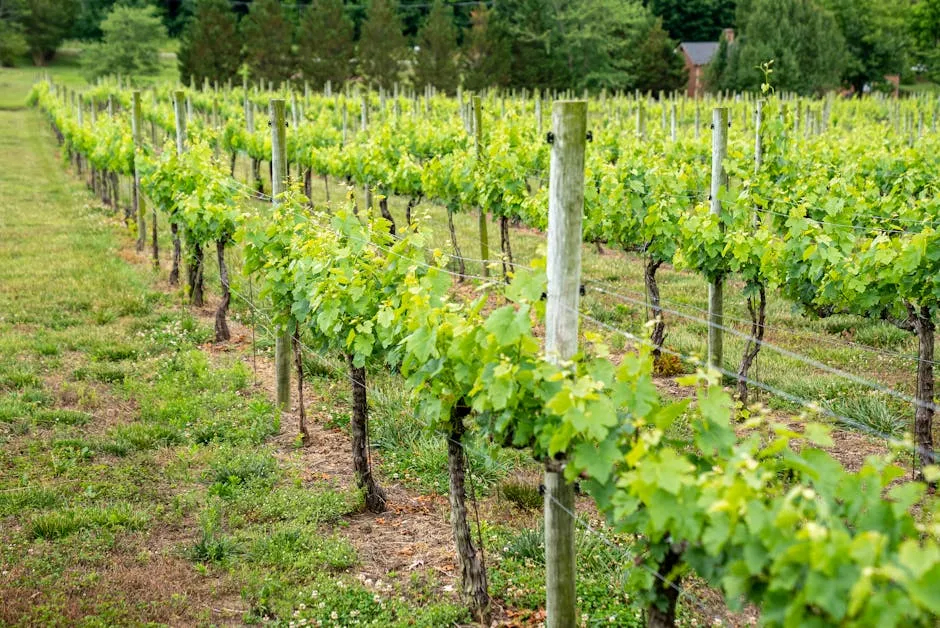
Western North Carolina is one of America’s hidden gems when it comes to wine. The unique climate and diverse landscapes in Hendersonville and the surrounding areas produce some truly amazing wines that surprise and delight visitors. The climate in particular allows for consistent production of many varietals of wine to flourish.
The region sits at elevation, which moderates the Southern heat and creates growing conditions that few would associate with North Carolina. What visitors find when they arrive is a tasting scene that feels genuinely personal and rooted in place, without the corporate polish of more famous wine destinations.
New AVAs are continually emerging, ambitious winemakers are pushing boundaries and seeking to move their regions into national or international prominence, and changing climatic conditions are allowing winemaking in places where it wasn’t previously possible. Western North Carolina is one of the clearest American examples of exactly that shift happening in real time.
7. New Mexico: America’s Oldest Wine Country, Still Largely Undiscovered
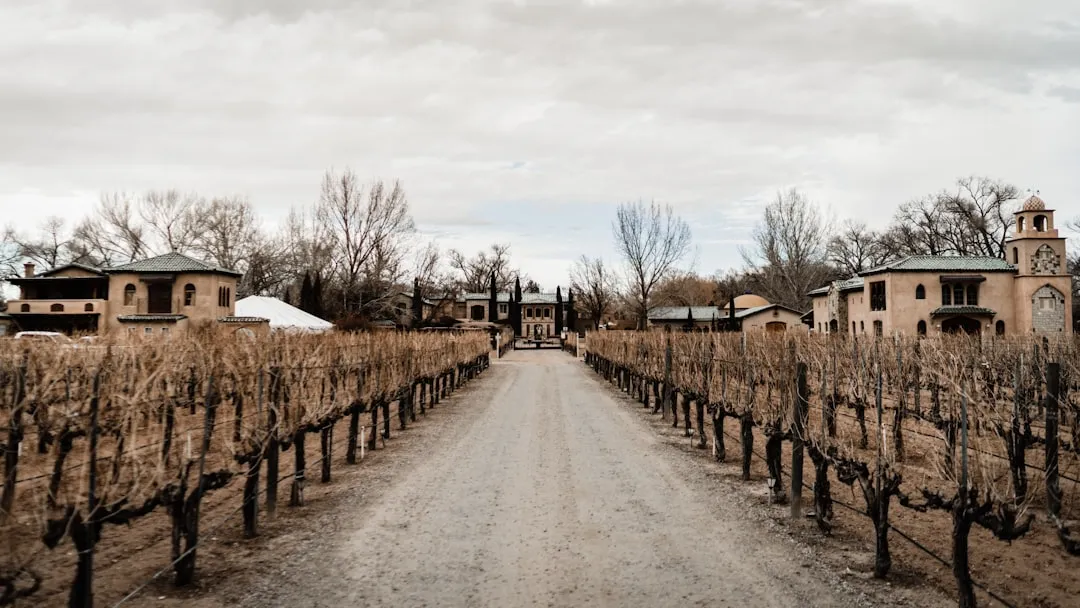
One of the most underrated wine regions in the United States is New Mexico, a state with a rich winemaking history dating back to the arrival of Spanish settlers in the 1600s. The high-elevation, arid climate, and unique volcanic soil contribute to the cultivation of exceptional grapes. New Mexico has gained recognition for its production of sparkling wines made in the traditional method, similar to Champagne in France.
The state’s winemakers often blend Chardonnay and Pinot Noir grapes to create elegant and crisp sparkling wines that rival their European counterparts. In the Mesilla Valley, the ancient grape of Malvasia Bianca is grown and has recently garnered attention. Additionally, New Mexico’s winemakers have successfully experimented with growing Spanish and Italian varietals, resulting in vibrant and distinct red wines.
New Mexico, notably through producers like Gruet, is investing in serious sparkling programs, and premium domestic sparklers offer a homegrown alternative at meaningfully lower price points than Champagne. For a state with roots in winemaking that predate California by decades, New Mexico remains one of the most overlooked stops in American wine tourism.
Why These Regions Are Getting More Attention Now

The wine tourism market in the U.S. is expected to grow at a compound annual growth rate of 14.0% from 2024 to 2030. That growth is not flowing only toward the familiar names. The expansion of wine regions is a significant factor influencing the market, with new wine-producing areas emerging and attracting tourists eager to explore lesser-known vineyards and unique varietals.
Tasting room fees have increased more than 200% since 2012 and more than doubled in just the past six years. In 2019, the average cost of a tasting in Napa Valley was 30.50 dollars. Now, a standard tasting in Napa Valley averages 81 dollars, while reserve tastings typically run 128 dollars. That gap in cost is one quiet reason travelers are starting to look elsewhere.
The growing consumer interest in authentic and experiential travel, coupled with the ability to connect with local culture and traditions, has made wine tastings and tours highly appealing. The rise of premium and boutique wineries, which often offer personalized and exclusive experiences, has further fueled demand. Smaller, newer regions tend to offer exactly that kind of access, and often without a reservation required weeks in advance.
The Changing Face of the American Wine Traveler
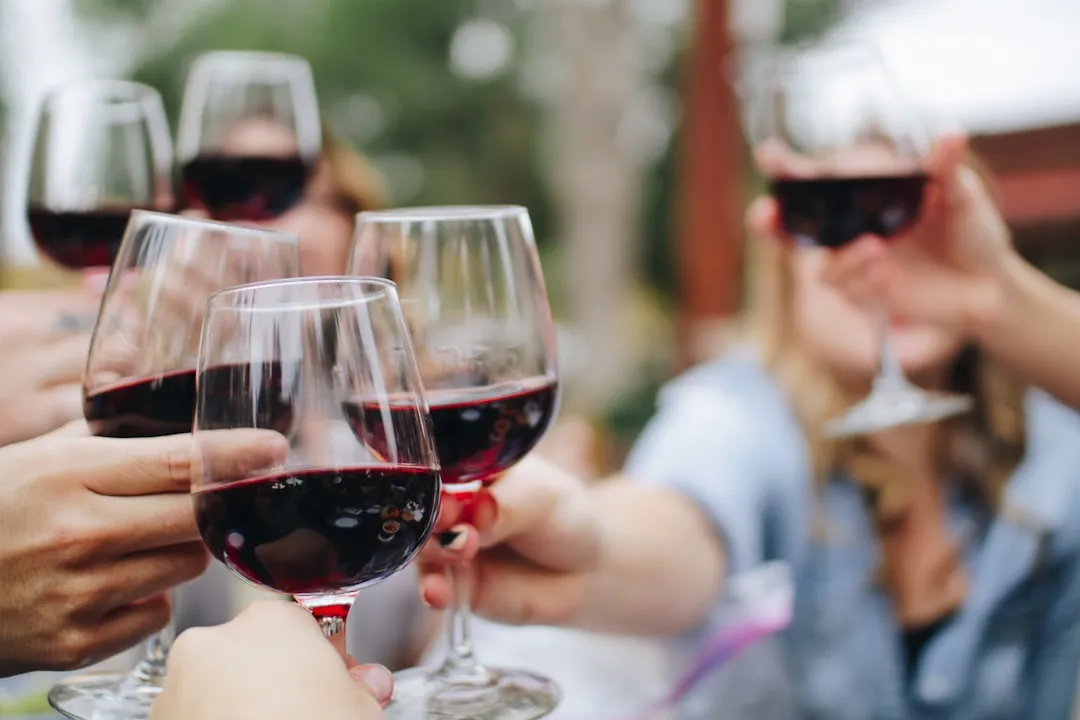
The dominant wine tourist age group remains 45 to 65, but younger travelers between 25 and 44 are becoming increasingly influential. In the U.S., millennials have overtaken baby boomers as the largest wine-drinking cohort.
Data shows that roughly two in five millennials are motivated to visit wine regions based on social media recommendations. That shift in how people discover wine travel is accelerating the visibility of regions that were almost invisible to previous generations of wine tourists.
The growth in wine tourism in the U.S. is highlighted by high levels of repeat visitation, with roughly four in five winery visitors returning frequently and more than two in five festival-goers attending multiple times. This trend highlights the sector’s strong customer loyalty and sustained appeal. Once someone finds a hidden region they love, they rarely stop going back.
What Makes a Hidden Region Worth the Trip
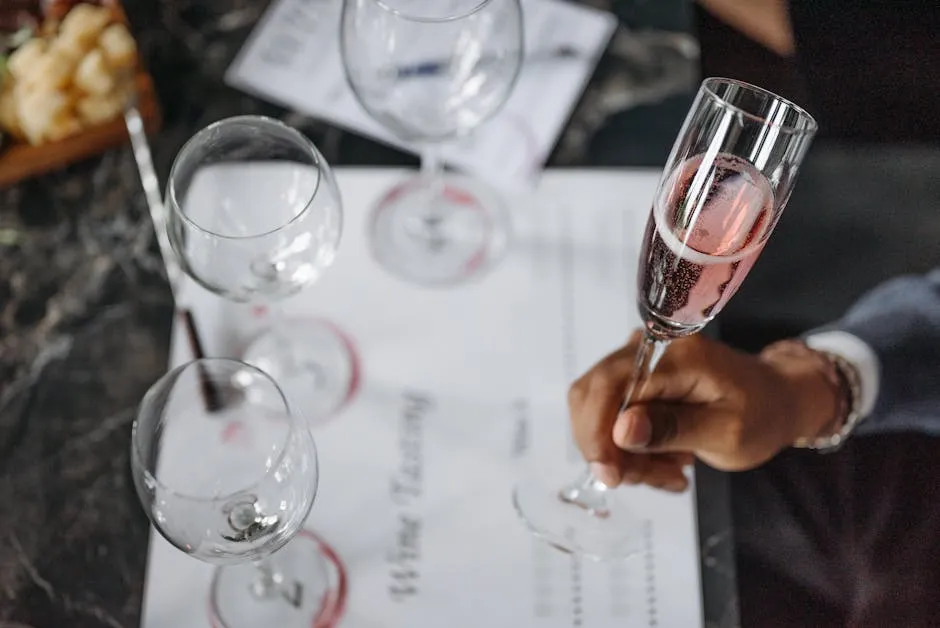
Wine tourism experiences offer tourists a unique opportunity to explore vineyards, learn about winemaking processes, and sample a variety of wines directly from the source. The growing consumer interest in authentic travel and the ability to connect with local culture and traditions has made wine tastings and tours highly appealing.
Beyond Napa Valley, lesser-known wine regions are now stepping into the spotlight, revealing the creative diversity of American winemaking. That creativity is often most visible in places that haven’t yet settled into a rigid identity. Winemakers in emerging regions tend to experiment more freely, grow unusual varieties, and stay open to visitors in a way that established regions sometimes can’t sustain.
The best hidden wine regions share a common quality: the winemakers are still excited to talk to you. Whether it’s a Blaufränkisch poured in the Finger Lakes or a sparkling wine grown in the high desert of New Mexico, these are wines made by people who chose an unusual path on purpose. That conviction shows up in the glass, and it makes the trip genuinely memorable in a way no Napa itinerary can quite replicate.
AI Disclaimer: This article was created with the assistance of AI tools and reviewed by a human editor.